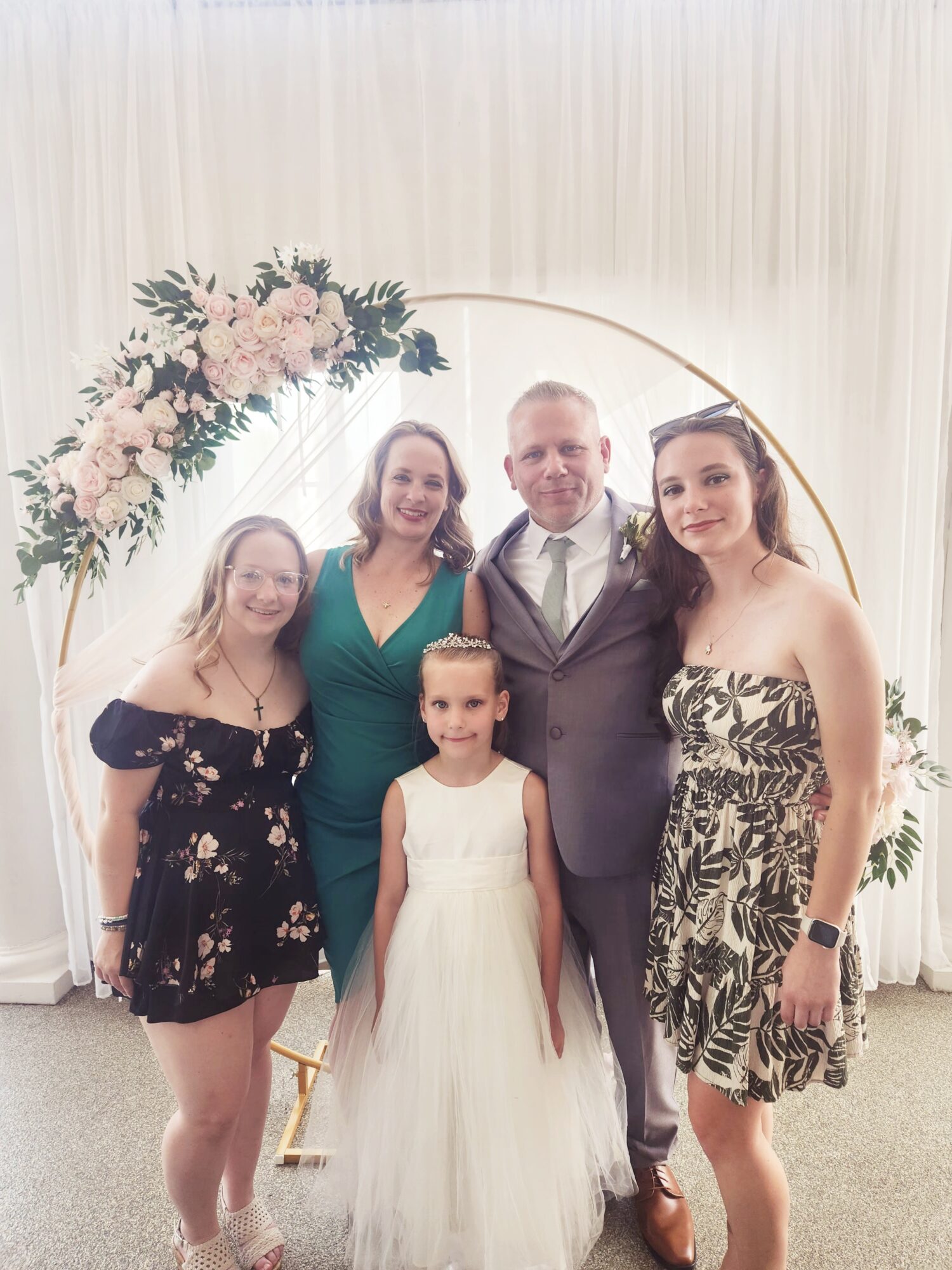



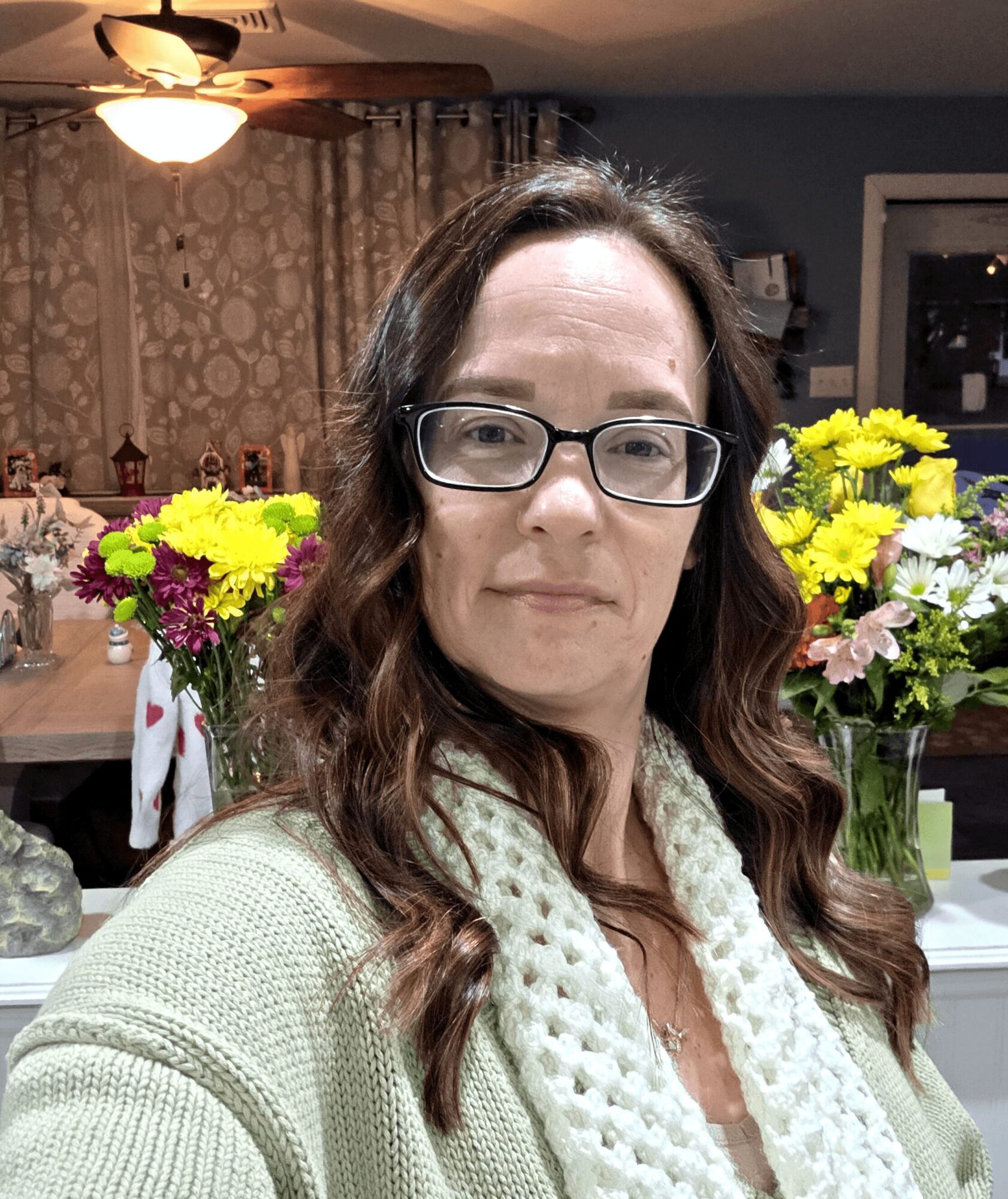
Today we’d like to introduce you to Stephanie Ellis.
Hi Stephanie, so excited to have you with us today. What can you tell us about your story?
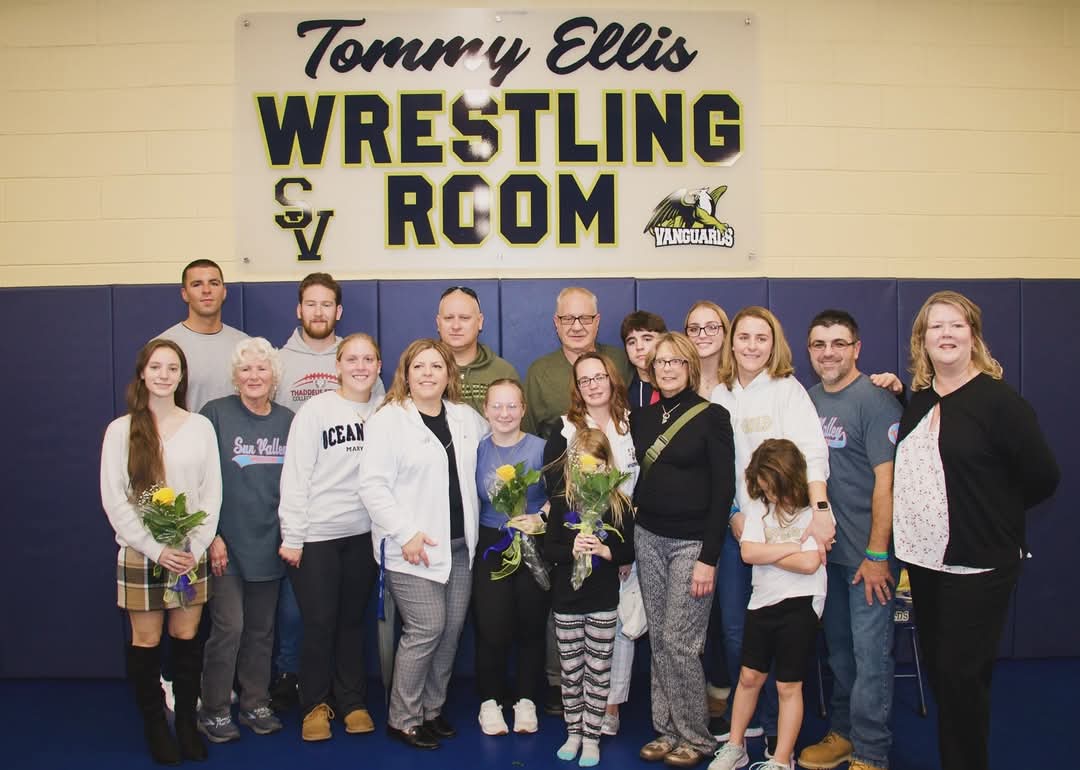
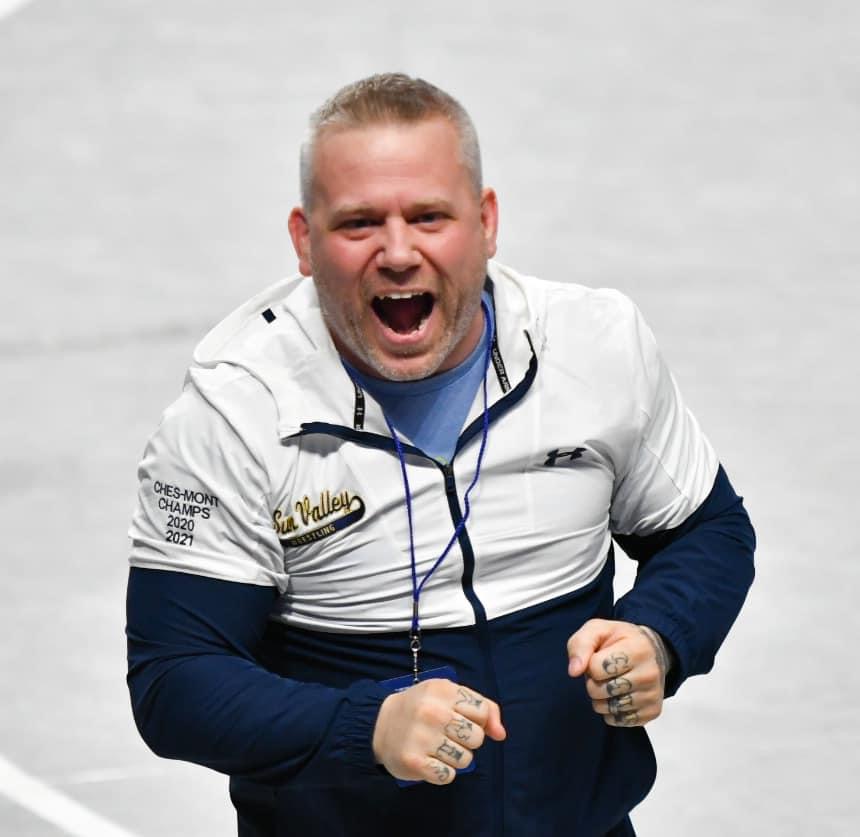
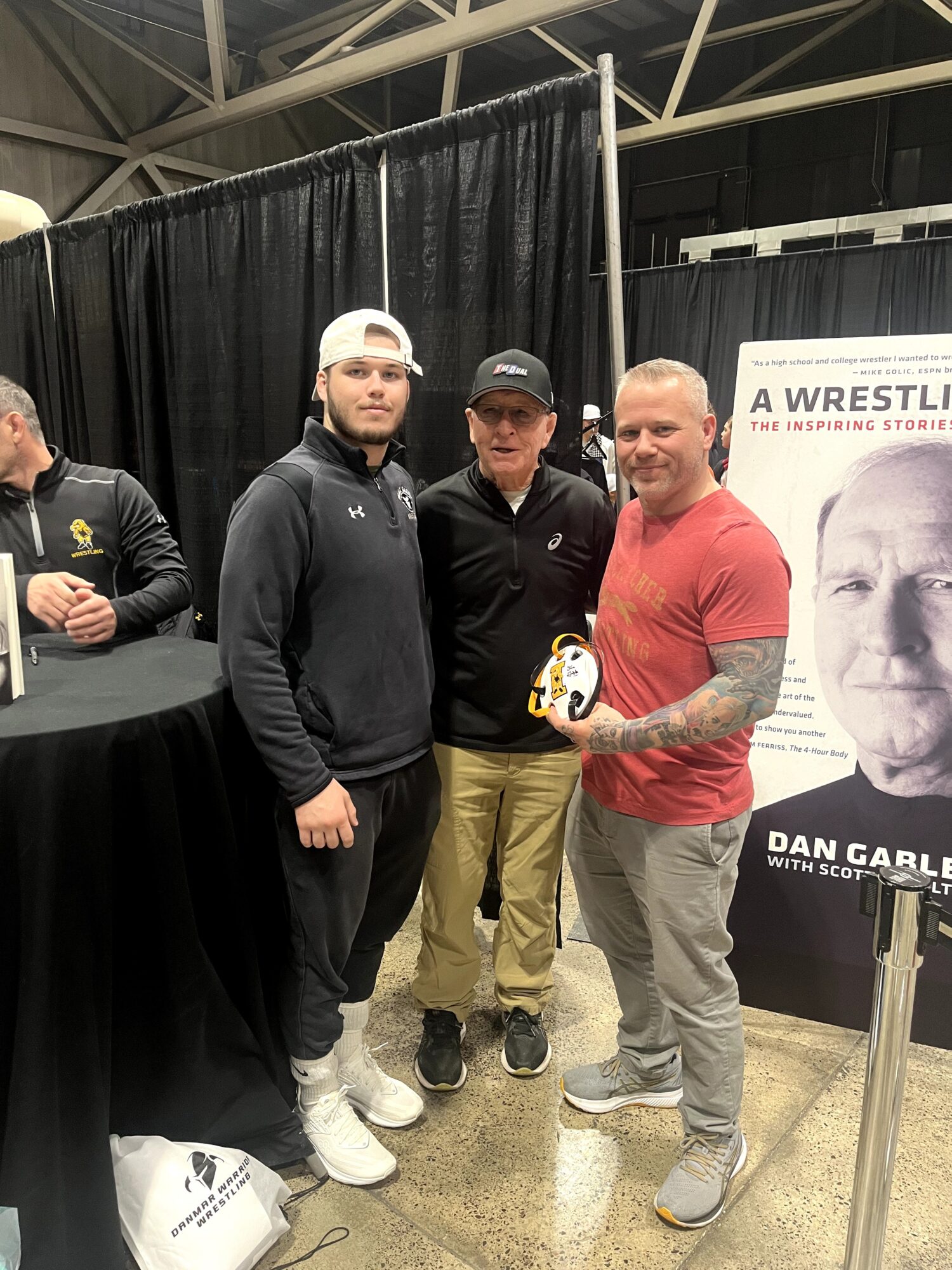
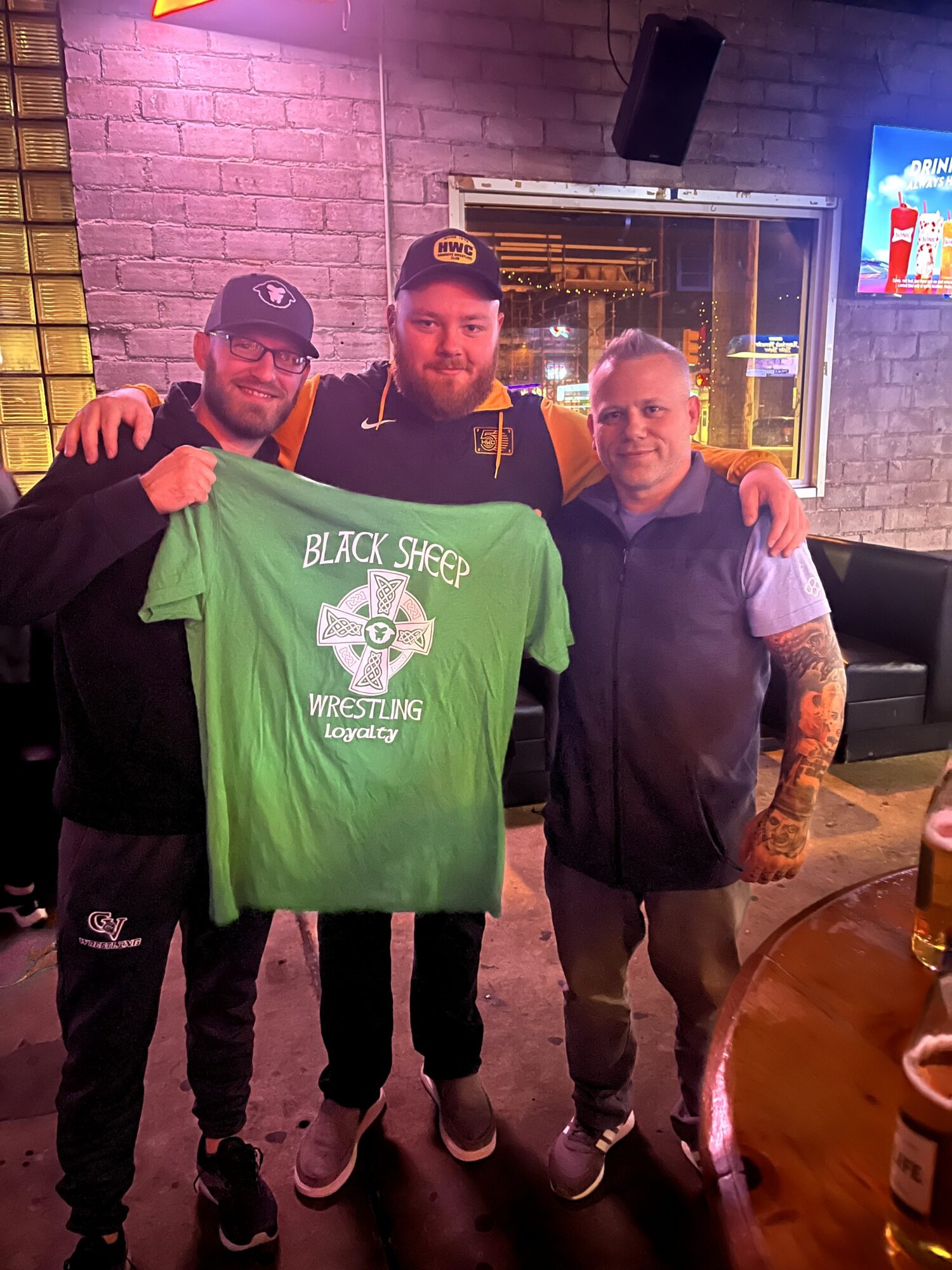
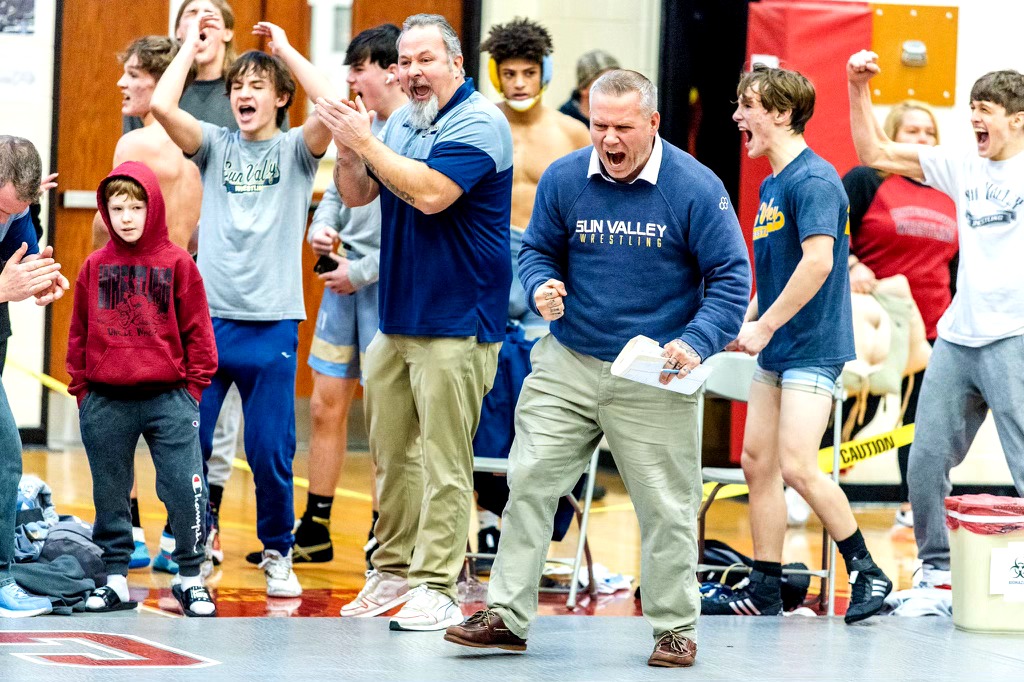
The foundation began a few months after my husband, Tommy, passed away suddenly on July 1, 2024, from a brain aneurysm. His loss shook our family and our entire community. Tommy was an incredible person — a huge presence in our small town and especially in the wrestling world. He poured himself into local sports and into the lives of young athletes. When I met him at 19, he was already coaching youth football for Aston AA, and over the years he became a mentor, father figure, and role model to hundreds, if not thousands, of kids.
He coached everything — football, wrestling, baseball, softball, soccer, and he supported our three daughters in all their sports, too. Everyone knew Coach Tom. The respect those kids had for him was undeniable, and it showed at his services. He once told me, “I’ll know I did something good if the kids come to my funeral and want to carry my casket.” He thought that would be when he was 80. But when the time came, his athletes — past and present — lined up and carried him just like he hoped. Many of them even got “Stay Gold” tattoos in the weeks that followed, a nod to his knuckle tattoos and his love for The Outsiders. I could talk about him for hours, but I’ll stop there or this will turn into a book.
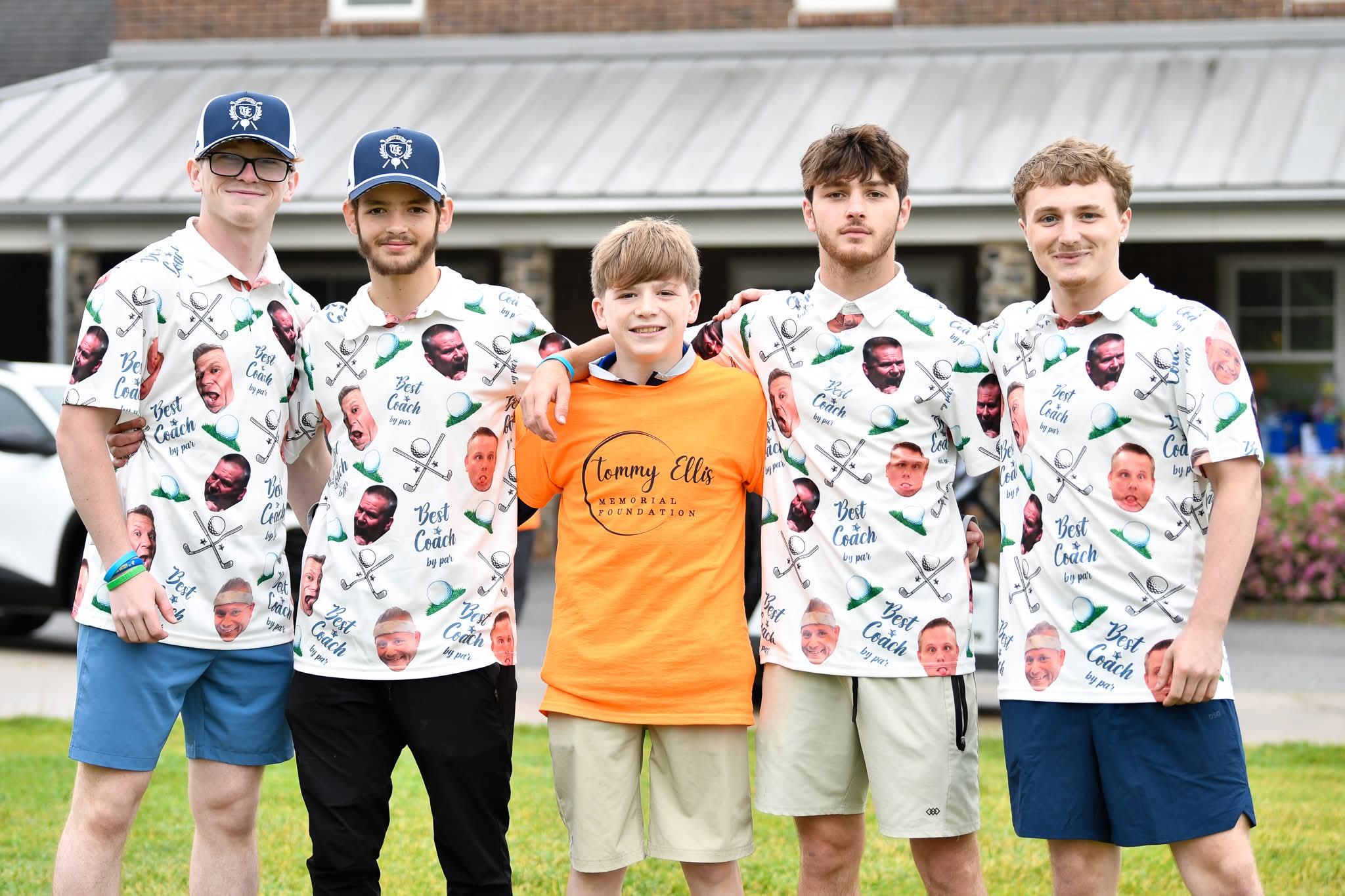
After he passed, two of our closest friends — John and his wife, Tasha — and I knew we needed to keep his spirit alive. We wanted to continue supporting the community and the young athletes he cared so deeply about. John suggested a memorial golf tournament, since he and Tommy golfed together every week. As we started planning, we realized we needed something bigger and more lasting. That’s when the idea of the foundation truly took shape.
It took us a few months to figure out how to build it — none of us had done anything like this before — but we put together a board of nine people made up of family and close friends who had been part of Tommy’s life and coaching journey. We leaned on others in our circle for help with sponsorships, raffle items, and event support. Our first golf outing sold out, even in the rain, and seeing the community show up like that was incredibly humbling.
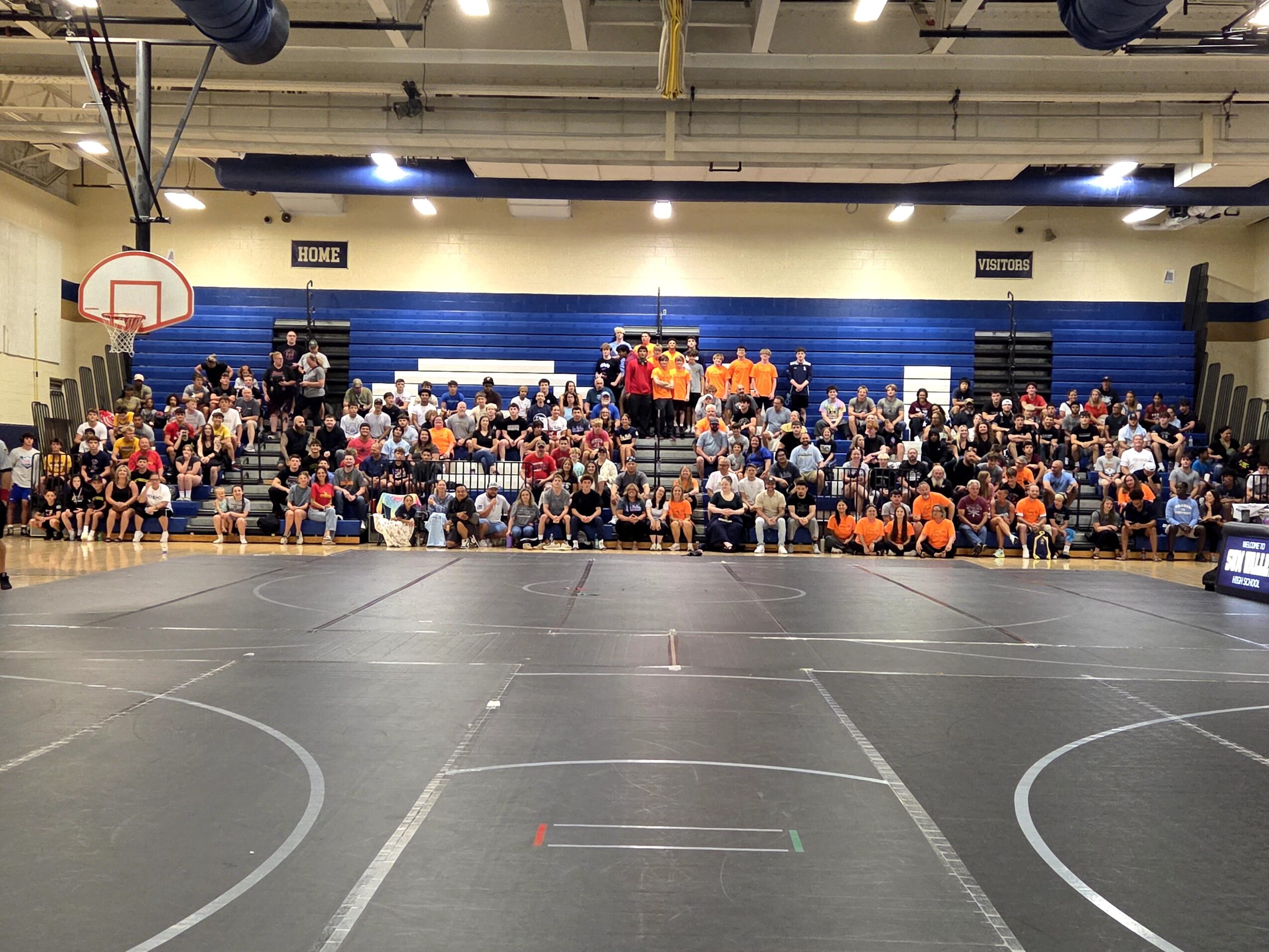
Six weeks later, we hosted the 2nd Annual Forever A Vanguard Wrestling Tournament. The year before, fellow coaches had created the tournament to support my family, something I will always be grateful for. We knew we wanted to continue it, but bring it home to Sun Valley High School — Tommy’s school. That event was about more than fundraising. It was symbolic. It was a way to stay connected to the wrestling community and honor the legacy he built. We even had FOX News return to cover it as a follow‑up to the story they did at the hospital when Gift of Life was involved. One of the most meaningful parts was having the daughter of the man who received Tommy’s liver there helping with the event.
With the funds raised last year, we were able to help six families during the holidays, sponsor the local youth football team, support the high school girls’ soccer team with training, provide gear for an after‑school girls’ soccer program, help a local wrestler travel to an international tournament in Athens, Greece, donate leftover food to a church for their Sunday dinner, and create six Grit Awards for graduating seniors — three of which included monetary gifts.
This year, we hope to double our impact. We’re also working on a documentary about Tommy. I want people to know the man behind the name, because the truth is, as time passes, fewer people will know who he was. I want our daughters to have something that shows them who their dad was, what he meant to others, and why. I want future athletes to learn from him, too. That’s really what the foundation is about — keeping his legacy alive and continuing the work he started.
I’m sure it wasn’t obstacle-free, but would you say the journey has been fairly smooth so far?
It definitely hasn’t been a completely smooth road, mostly because none of us had ever done anything like this before. There was a big learning curve, especially around the legal and regulatory side of becoming an official nonprofit. There’s a lot of paperwork, waiting, and making sure every detail is done correctly, which can feel overwhelming when you’re also grieving.
But honestly, outside of the emotional side of it, things have gone surprisingly well. Our community has been incredible. Local businesses have been generous, people have stepped up to help, and everyone we’ve been connected with — from advisors to volunteers — has been supportive and patient. We’ve been really fortunate. So while there were definitely challenges, I can’t complain. The support around us has made the process feel manageable and even meaningful.
Appreciate you sharing that. What else should we know about what you do?
Professionally, I’m a practice manager for a busy ear, nose, and throat practice with three locations, four physicians, two physician assistants, six audiologists, and a staff of about thirty. I earned my bachelor’s degree in Business Administration from Neumann University and later completed my MBA with a concentration in Healthcare Administration from Wilmington University.
Healthcare wasn’t something I originally planned to go into — it happened by accident. My mother‑in‑law worked for the local health system, and when I was struggling to find a job after school, she encouraged me to apply for an open position. I got the job, and from there I worked my way up. Over the years, I’ve worked in a hospital, a children’s hospital, a surgery center, a hospital management company, and now a physician practice. Each role taught me something different and introduced me to people who shaped my career.
One of the accomplishments I’m most proud of was my time at the hospital management company. I was part of an incredible team responsible for implementing a new electronic medical record system across multiple hospitals. I helped lead a major portion of the project — from current‑state review and workflow design to build, testing, training, implementation, and post‑go‑live support. After more than a year of work, we had a successful launch at our first hospital. I spent that week troubleshooting, supporting staff, and helping everyone adjust to the new system. At the same time, I was also working on another implementation for hospitals on the West and Midwest coasts. In the summer of 2017, I was on a plane every other week balancing both projects. It was exhausting, but it was also one of the most rewarding experiences of my career.
If I had to name what sets me apart, I’d say it’s my ability to connect with people. One of the best compliments I’ve ever received came from my boss during that project. She told me she could put me in a room with anyone and never worry about me — that I could hold a conversation with anyone at any level, whether casual or professional. That ability has helped me tremendously, especially when training staff or navigating complex situations. I’m patient, I communicate clearly, and I genuinely enjoy helping people understand and feel confident in what they’re doing.
Even though it sometimes felt like it took me a long time to get where I am, I’m proud of my journey. I’ve built a career I love, I’ve learned from every step along the way, and I’m excited to see where it continues to take me.
What quality or characteristic do you feel is most important to your success?
I think the quality that has contributed most to my success — both professionally and with the foundation — is my ability to genuinely connect with people. I’ve always been someone who can walk into a room and find common ground with just about anyone. People have told me I’m easy to talk to and that I make them feel comfortable, and I’ve learned to see that as a real strength. It’s helped me build trust, navigate difficult situations, and create spaces where people feel seen and supported.
I’ve also realized over the years that I have a bit of a perfectionist streak and some control tendencies — and while I can laugh about it, those qualities have actually served me well. They push me to stay organized, pay attention to detail, and make sure things are done the right way. When you’re running a medical practice or building a foundation from scratch, those traits matter.
But more than anything, what sets me apart is the combination of those two sides of me: the part that leads with heart and connection, and the part that makes sure things get done with care and intention. That balance has been especially important with the foundation. We’re doing work that is emotional, personal, and deeply meaningful, and people need to feel safe and supported. At the same time, we’re also running a real organization that requires structure, planning, and follow‑through.
I think that’s where I’ve found my place — being someone who can hold the emotional weight of what we’re doing while also keeping us grounded and moving forward. It’s a responsibility I don’t take lightly, and it’s something I’m proud to bring to the foundation every day.
Contact Info:
- Website: https://Www.tommyellismemorialfoundation.org
- Instagram: @temfoundation
- Facebook: https://www.facebook.com/share/1AQX4ZjAz2/