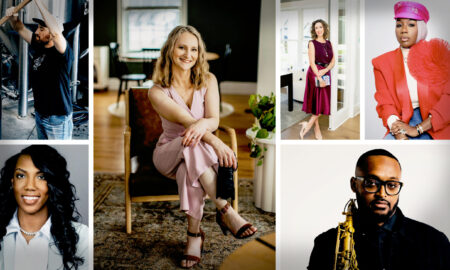



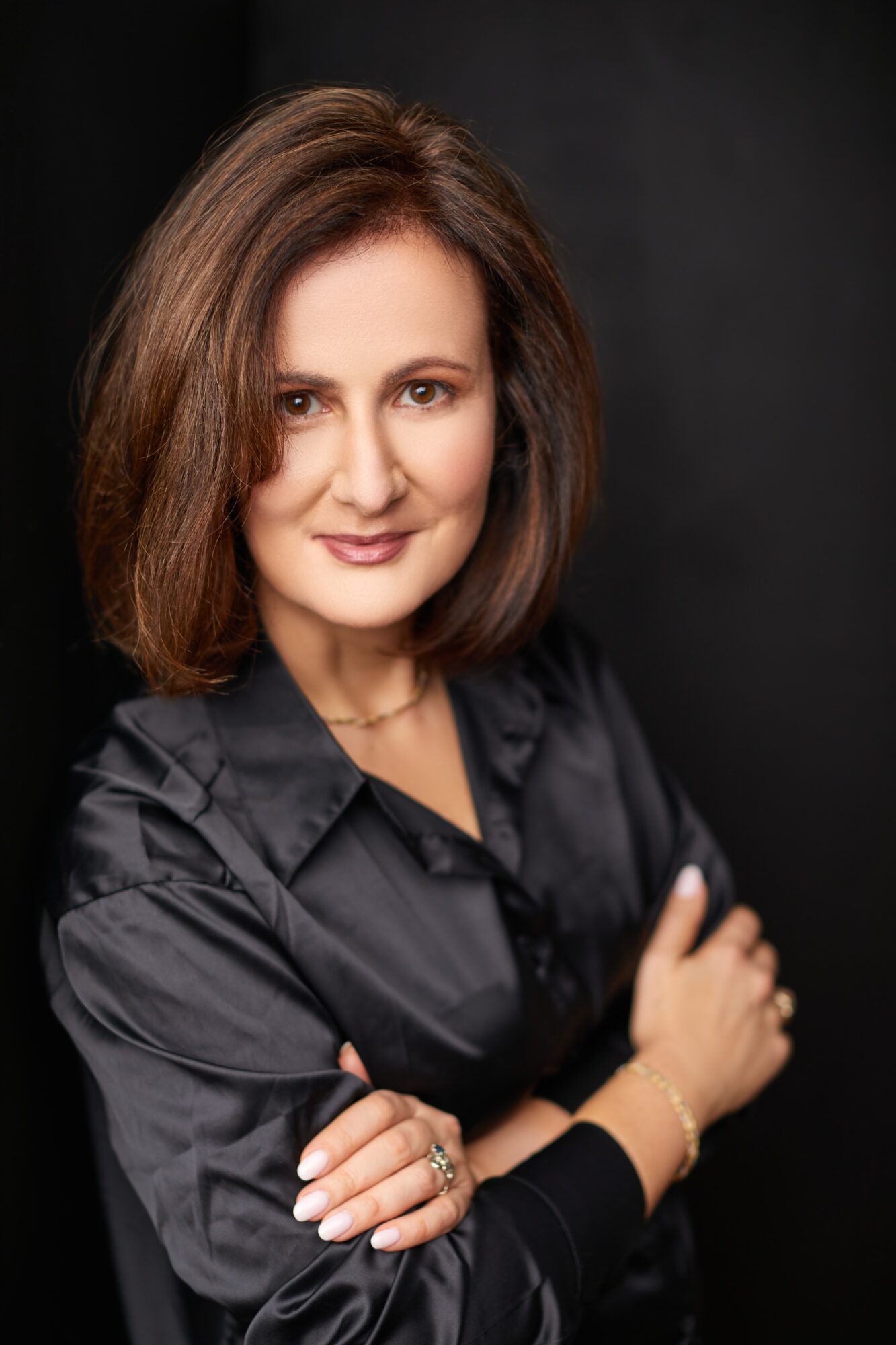
Today we’d like to introduce you to Sasha Phillips.
Sasha, we appreciate you taking the time to share your story with us today. Where does your story begin?
I never thought of art as something decorative or something meant simply to hang on a wall. It has always been everything but that. Art has been a language, a tool for understanding, a form of prayer, an advocate for what could not be spoken, a message carried across time, and, at times, a quiet and steadfast friend. It is how I learned to see and to connect long before I understood what any of that meant.
I was born in Russia into a family where art was not separate from life. My grandfather, an Armenian artist, taught me to love life through art, not just to observe form and color, but to understand that every image carries memory, history, and meaning. It shaped my understanding that home is not defined by geography, but by what we carry forward.
When I came to the United States to study on a full scholarship, I spoke very little English, but the scholarship required me to maintain a 3.0 GPA. Of course I majored in art – it became a my language and my path to building a meaningful future for myself. I also encountered another defining truth: no one moves forward alone. There were people who helped, mentored, and guided me, often at moments when it mattered most. That experience stayed with me and became a quiet principle in my life: we build meaningful communities not by individual success, but by lifting others alongside us.
My path, however, was not a linear one. I trained formally as a painter, earning several degrees in fine art, but ultimately chose to pursue law. What followed was a career in international legal practice, further academic study in organizational psychology at Harvard University, and years spent working in high-pressure environments where clarity, structure, and precision are essential. From the outside it may have seemed that art became secondary. In reality it never left.
Art remained my constant: a way of thinking, of processing, of coping with moments of stress and uncertainty. Over time, I came to understand that creativity was not separate from my professional life – it was what made it sustainable. It allowed me to slow down, to reflect, and to remain connected to something essential in an increasingly accelerated world.
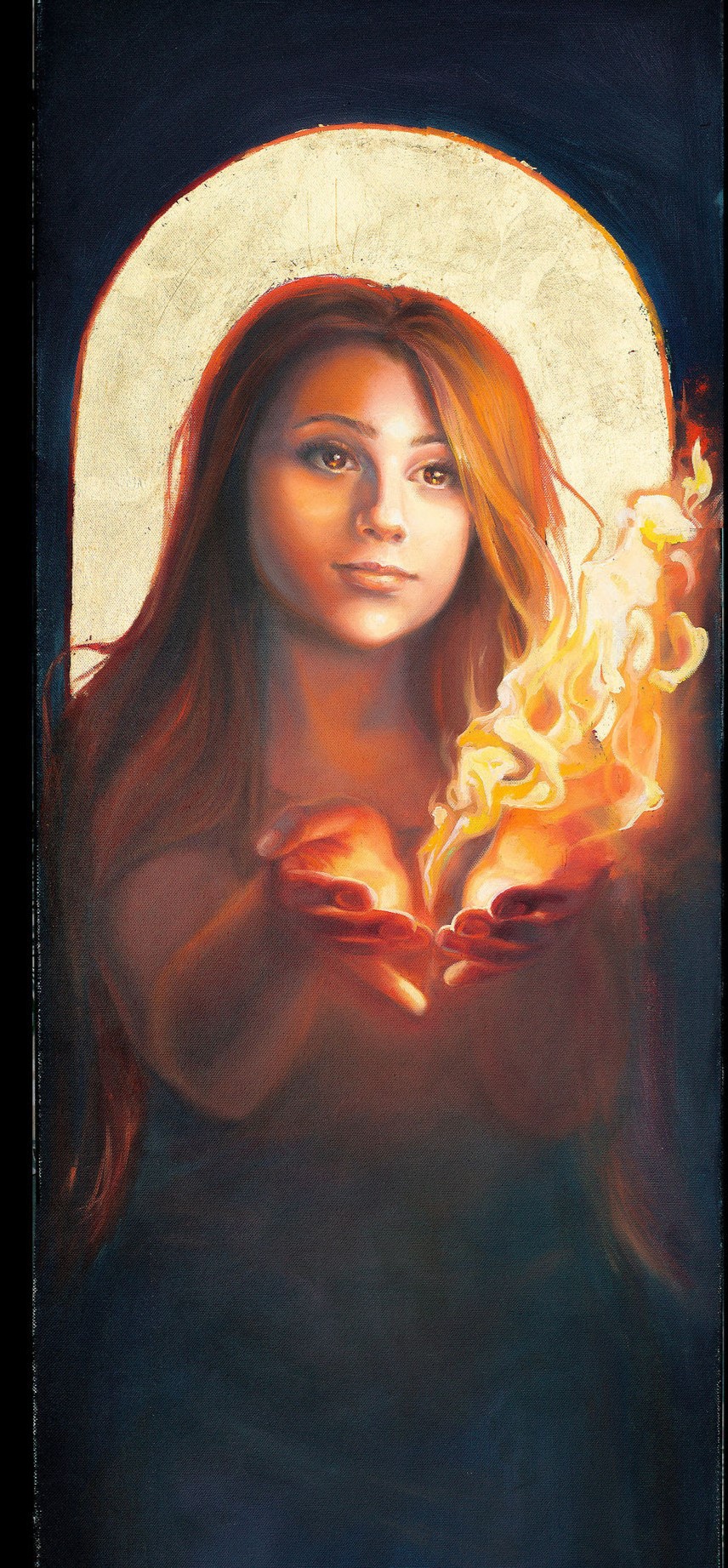
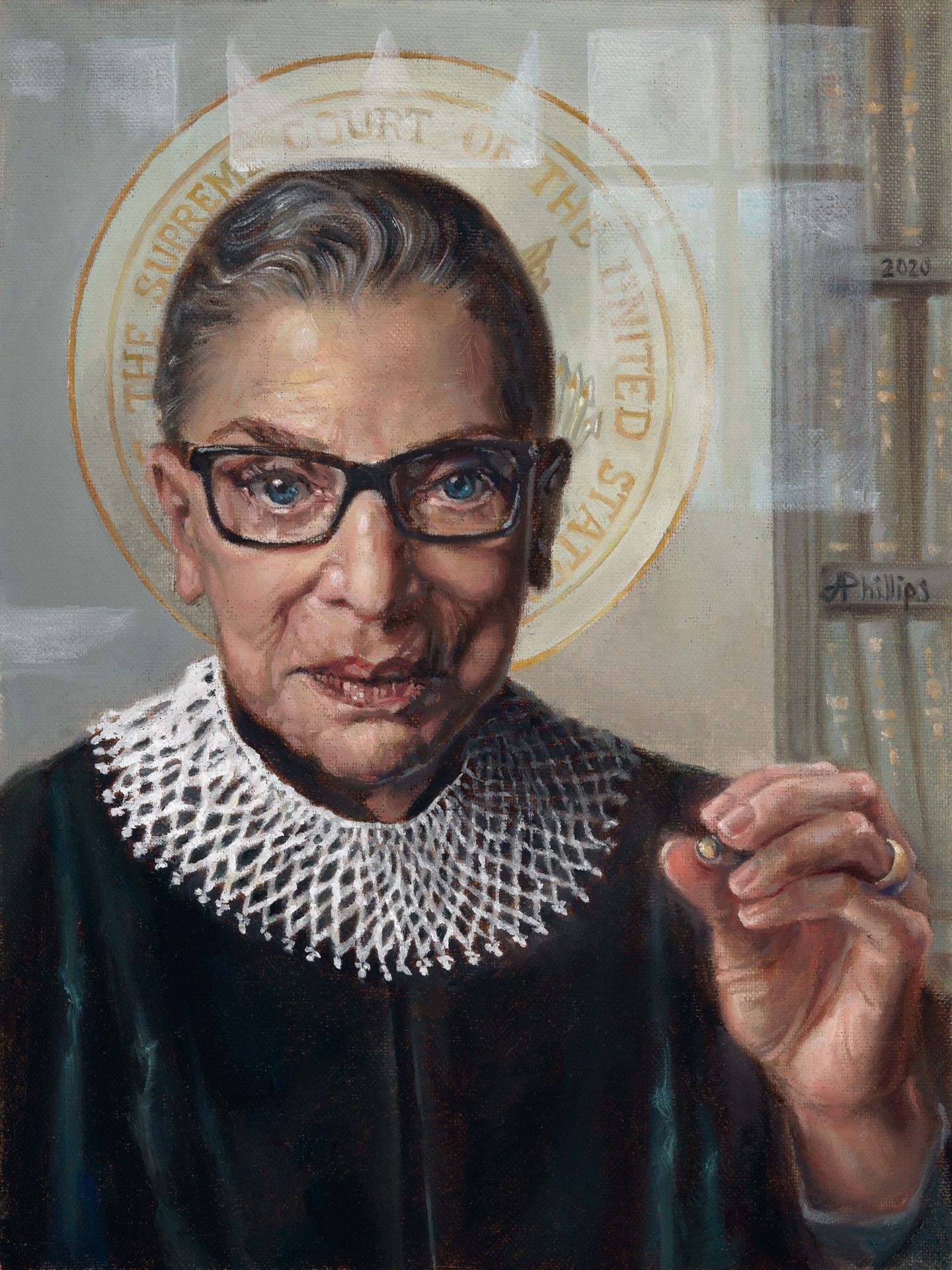
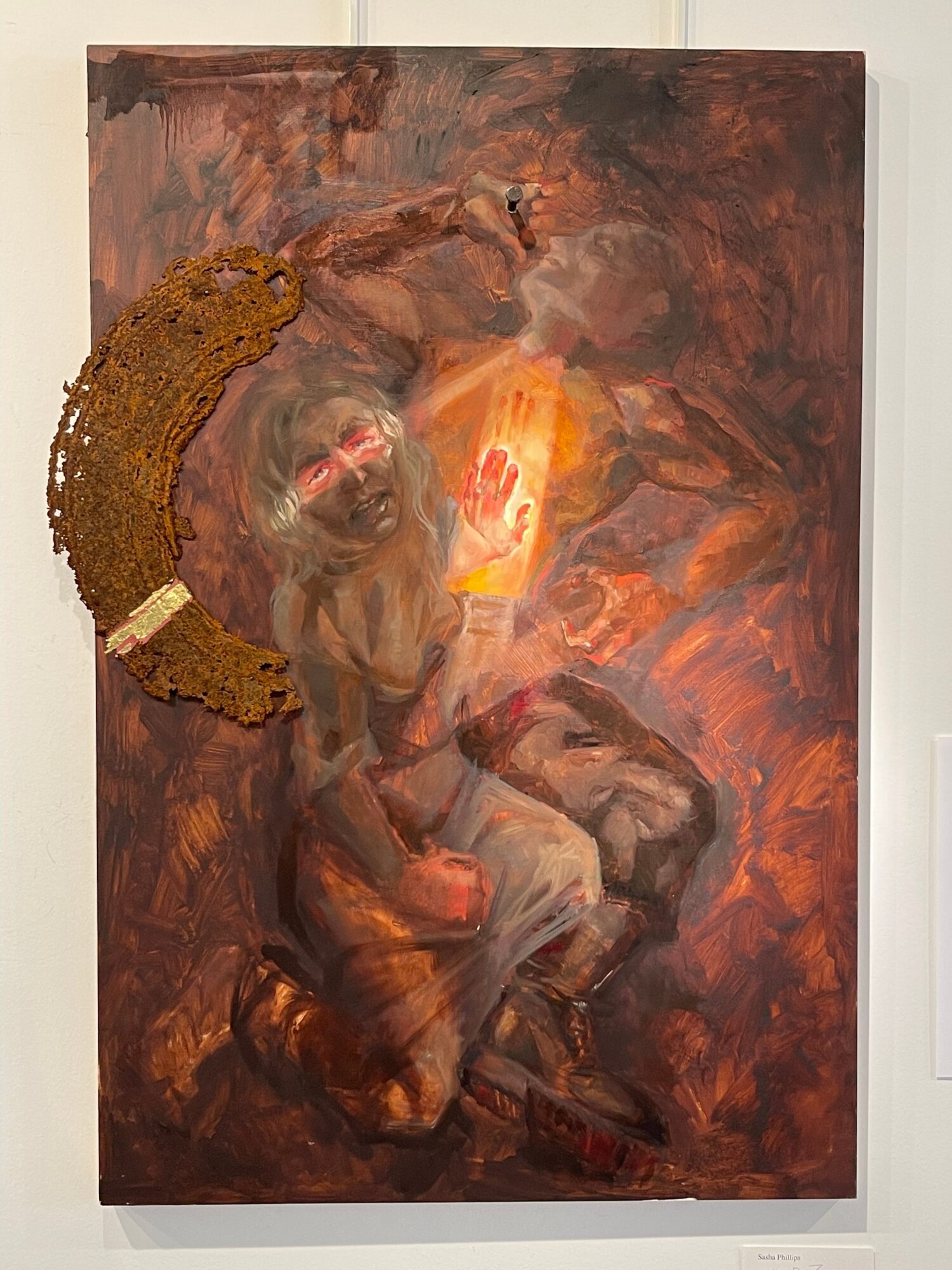
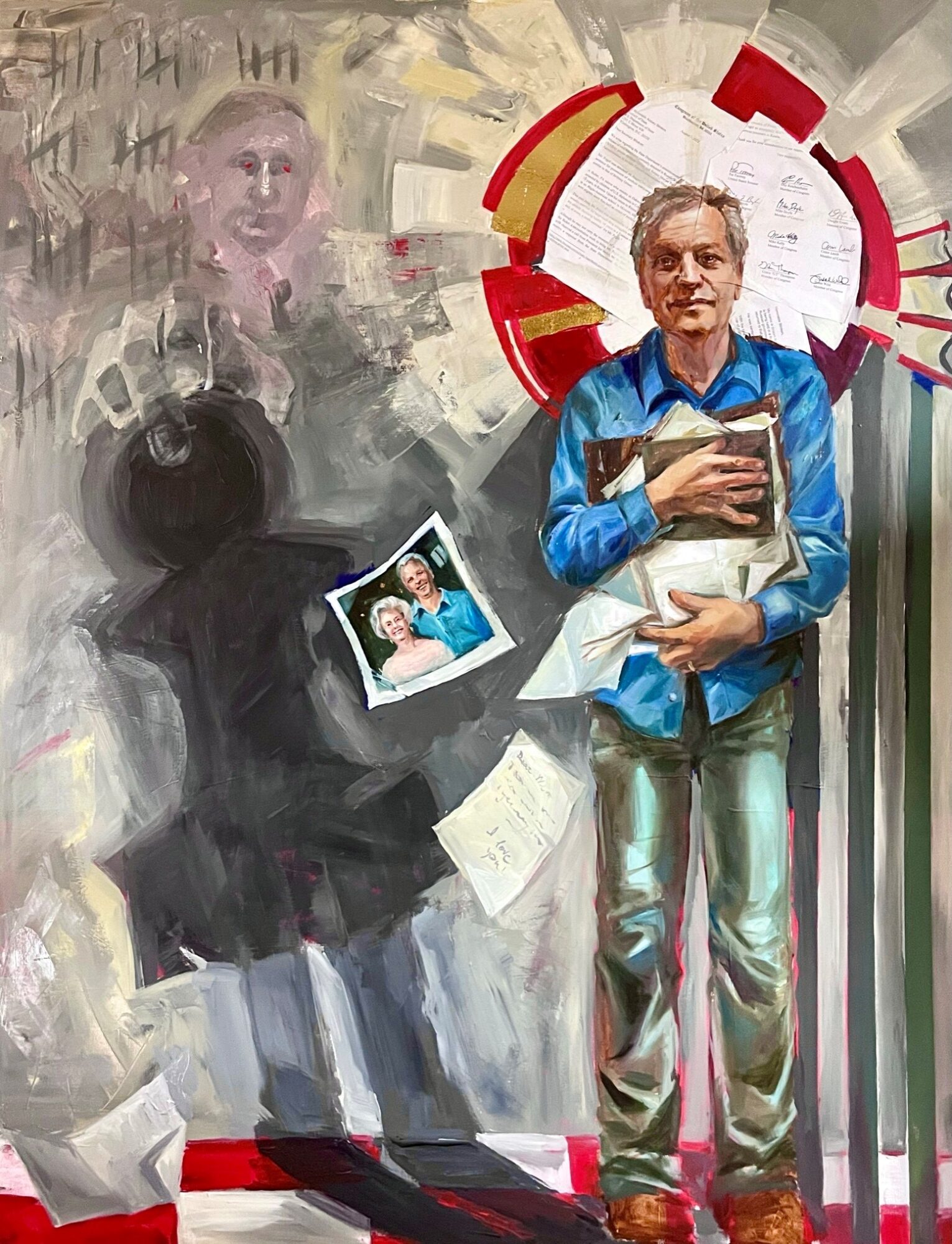
Eventually, those parallel paths converged. My studio practice evolved alongside my professional work, and I began to paint with a clearer sense of purpose. I now describe my work as nostalgic realism–a form of figurative painting that explores memory, identity, and emotional inheritance–that draws on personal and cultural narratives, incorporating symbolic elements, textiles, and intimate gestures that speak to continuity across generations.
At the same time, I founded Art Wellness Advocates, an initiative grounded in the belief that creative practice is not a luxury, but a necessary part of human resilience. Through workshops and programming, particularly for professionals in demanding fields, I explore how art-making and art-viewing can restore focus, reduce stress, and reconnect individuals to their own sense of purpose.
Today, my work sits at the intersection of art, law, and psychology, but the core of it remains simple. I am interested in creating spaces–on canvas and beyond–where people can pause, reflect, and reconnect. Spaces where memory is not lost, where identity is not static, and where beauty is not superficial, but deeply human.
Art, for me, has never been something to look at.
It is something to live with.
Can you talk to us a bit about the challenges and lessons you’ve learned along the way. Looking back would you say it’s been easy or smooth in retrospect?
One of the greatest challenges has been learning how to exist at the intersection of multiple worlds that are not always designed to overlap. Art, law, and psychology each have their own language, expectations, and pace. For a long time, I felt as though I had to choose between them—to be fully one thing or another. Integrating those identities into a cohesive practice took time, and more importantly, the willingness to trust that what seemed unconventional could, in fact, be meaningful and necessary.
Another challenge has been navigating environments that often prioritize speed, output, and external markers of success over reflection and internal clarity. Both the legal profession and, increasingly, parts of the art world can operate within that framework. Maintaining a practice that values depth, presence, and intentionality requires constant recalibration. It means protecting time to think, to observe, and to create, not as an afterthought, but as a central commitment.
There is also the more personal challenge of working with themes such as memory, grief, identity, and cultural inheritance. These are not abstract concepts; they are lived experiences. Painting them requires a level of vulnerability and honesty that can be both demanding and transformative. At the same time, that vulnerability is what creates connection with viewers, with communities, and with oneself.
Ultimately, the challenge has not been the presence of obstacles, but learning how to move through them without losing clarity of purpose. Each of those tensions has shaped the work. They have not necessarily limited it; they have defined it.
As you know, we’re big fans of you and your work. For our readers who might not be as familiar what can you tell them about what you do?
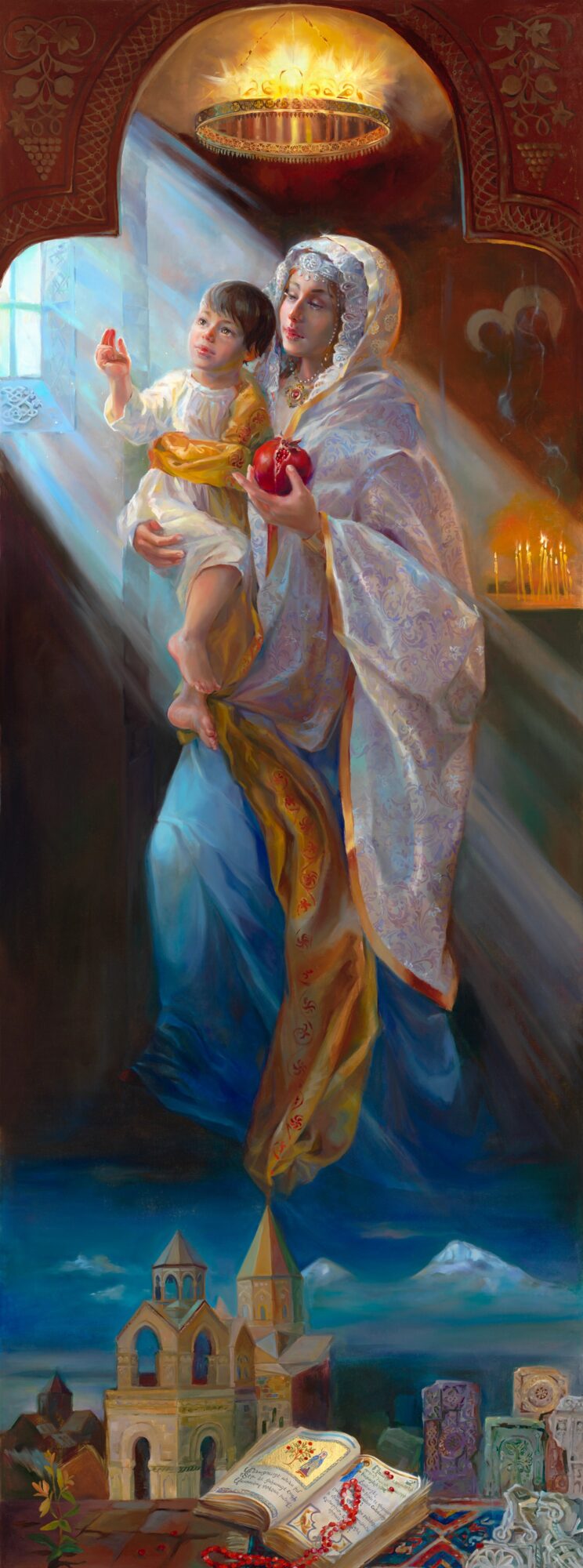
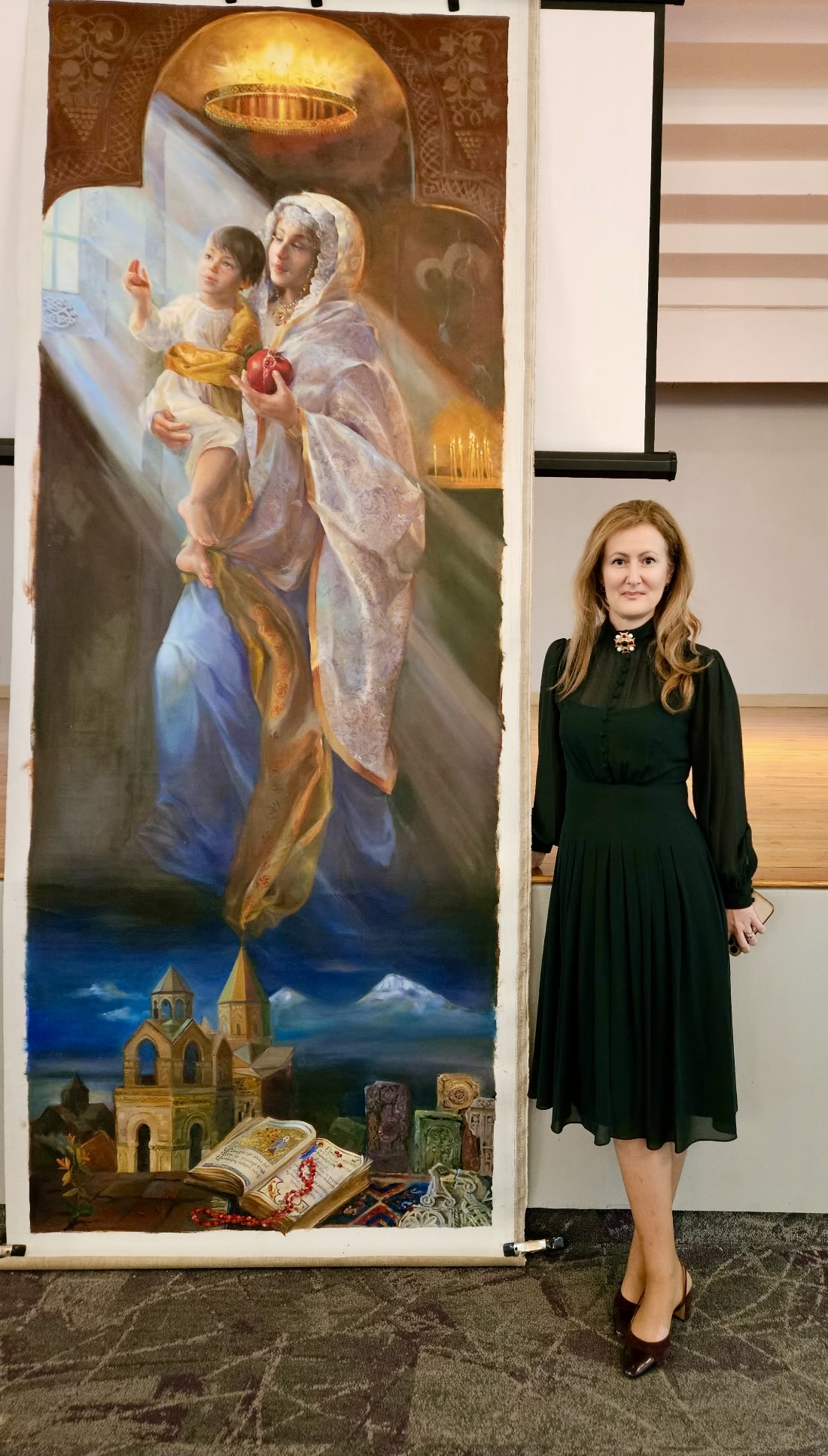
A recent project that best captures what I do is Madonna del Armenia. It is both a painting and a continuation of a lineage. My great-uncle, Gregorio Sciltian, painted his own Madonna in 1962 after leaving Russia following the Revolution and eventually working in Europe, including for the Vatican. My grandfather, who also painted throughout his life, passed down not only technique, but a way of seeing and understanding the world through art. I never lived in Armenia, yet I inherited that identity through their stories and their work.
Madonna del Armenia is my response to that inheritance. It is not simply a reinterpretation, but a continuation and a dialogue across time. The work brings together traditional iconography, personal history, and contemporary experience. It reflects the idea that culture is not static or confined to geography; it is something we carry, reshape, and pass forward. Presenting the work within Armenian cultural and spiritual spaces, including St. Vartan Cathedral, has been one of the most meaningful experiences of my career because it closes a generational loop while opening a new one. This 10 foot painting will eventually travel to its permanent home in Etchmiadzin Cathedral, the spiritual center of Armenia.
What I am most proud of is not just the painting itself, but what it represents: the ability of art to preserve identity, to connect across distance and time, and to create continuity where there might otherwise be loss.
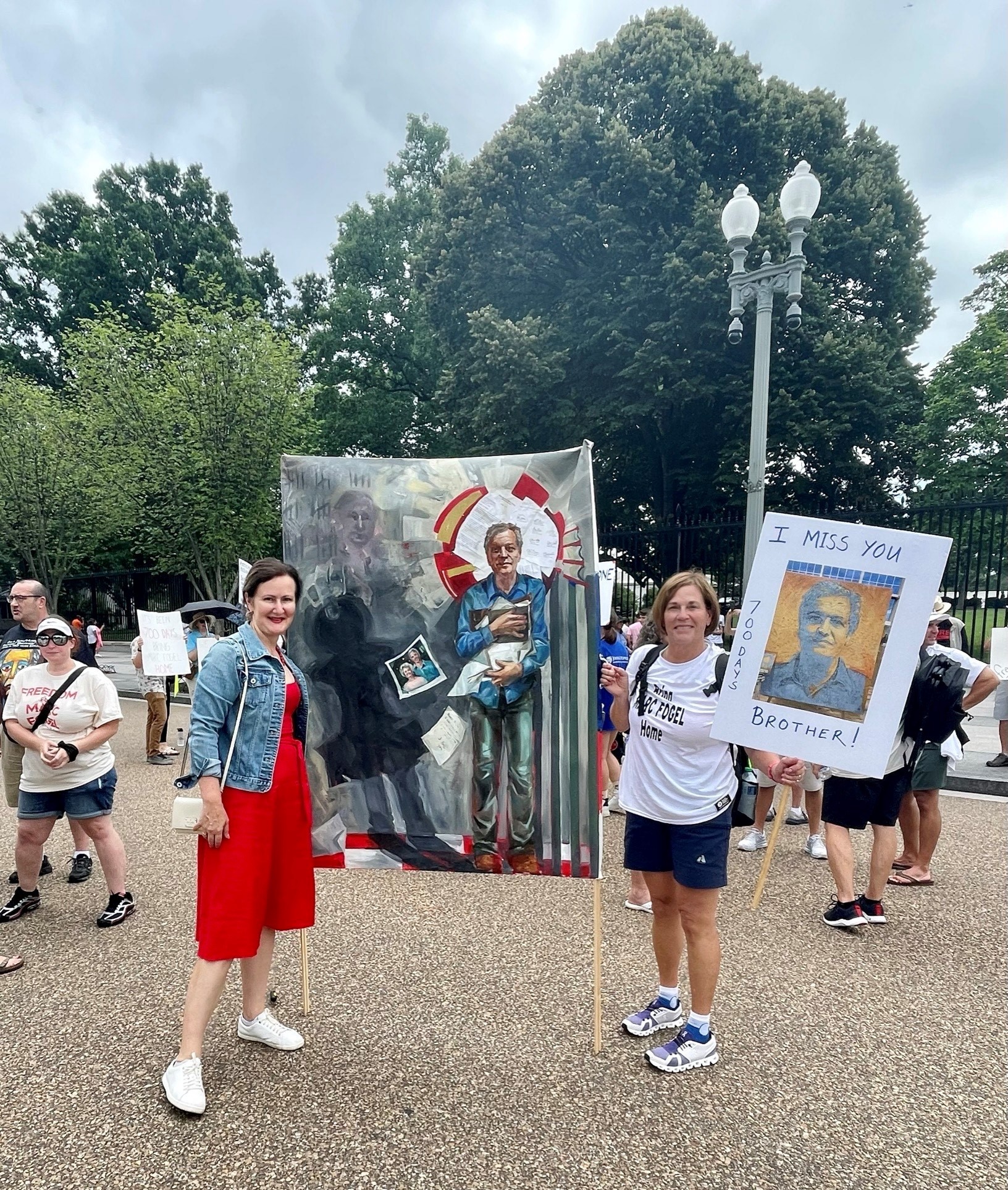
What sets my work apart is this integration of disciplines and purposes. I approach art not as an isolated practice, but as something that functions simultaneously as a creative act, a cultural bridge, and a form of advocacy. My background in law and psychology informs how I think about art – as a tool for resilience, for connection, and for meaning-making. Whether I am painting, teaching, or developing art wellness programs, the core question remains the same: how can art help us remember who we are, and how can it help us carry that forward in a way that matters?
We love surprises, fun facts and unexpected stories. Is there something you can share that might surprise us?
One thing that often surprises people is that my work–both in art and in life–has been shaped just as much by endurance as by creativity. I’ve run marathons on five continents, and that experience has influenced my practice more than one might expect. Long-distance running teaches you how to stay present through discomfort, how to regulate your energy, and how to move forward even when the path feels uncertain. Painting, in many ways, requires the same discipline.
Another aspect people don’t always see is how much of my work is grounded in stillness rather than production. From the outside, it may look like I am moving between multiple discipline–law, art, advocacy–but much of what I create comes from deliberately slowing down. The most important part of my process is not painting itself, but learning how to observe: light, gesture, emotion, and the subtle connections between them.
Contact Info:
- Website: https://www.artwellnessadvocates.com
- Instagram: https://www.instagram.com/sashaphillipsart
- LinkedIn: https://www.linkedin.com/in/sasha-phillips-b80a148/