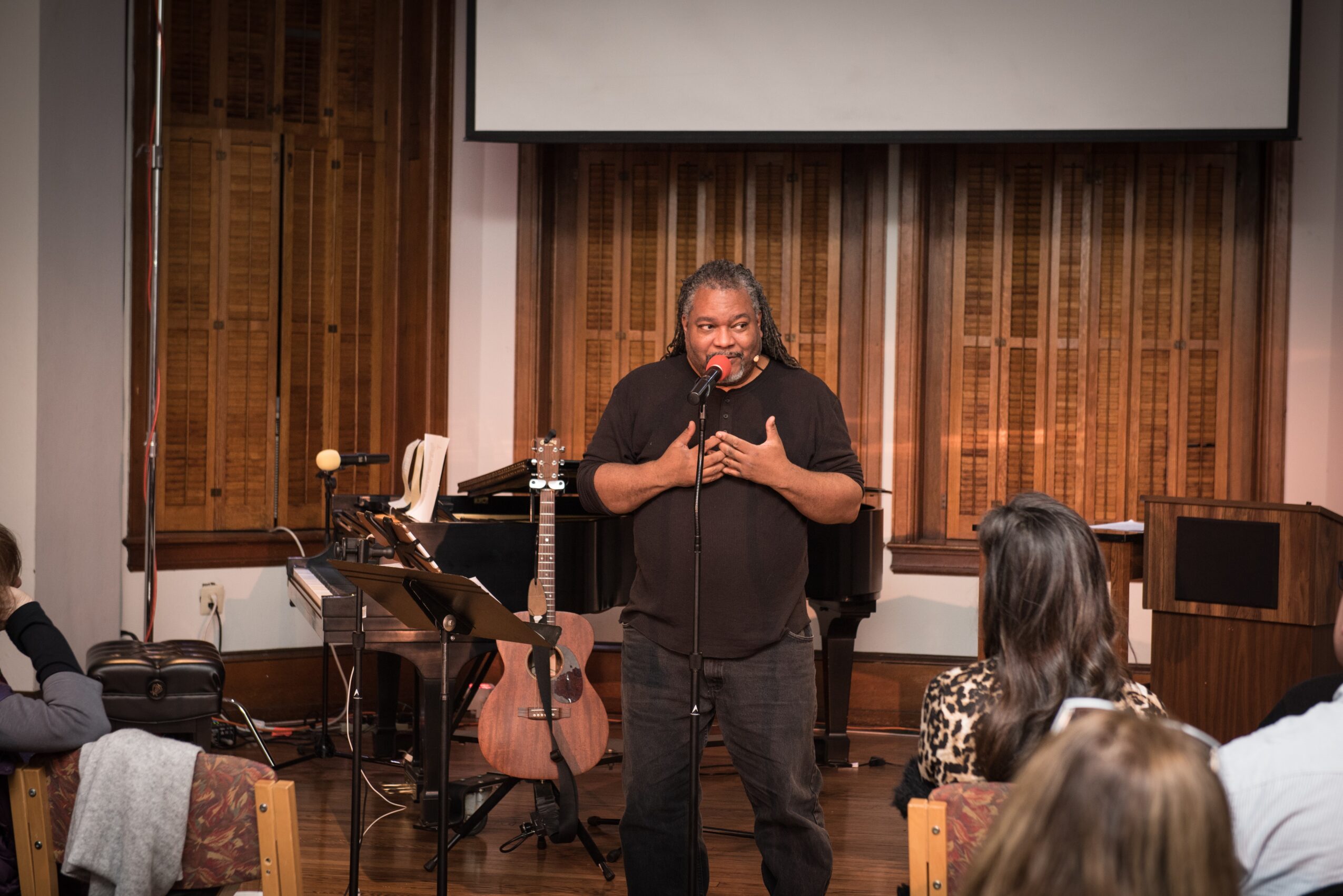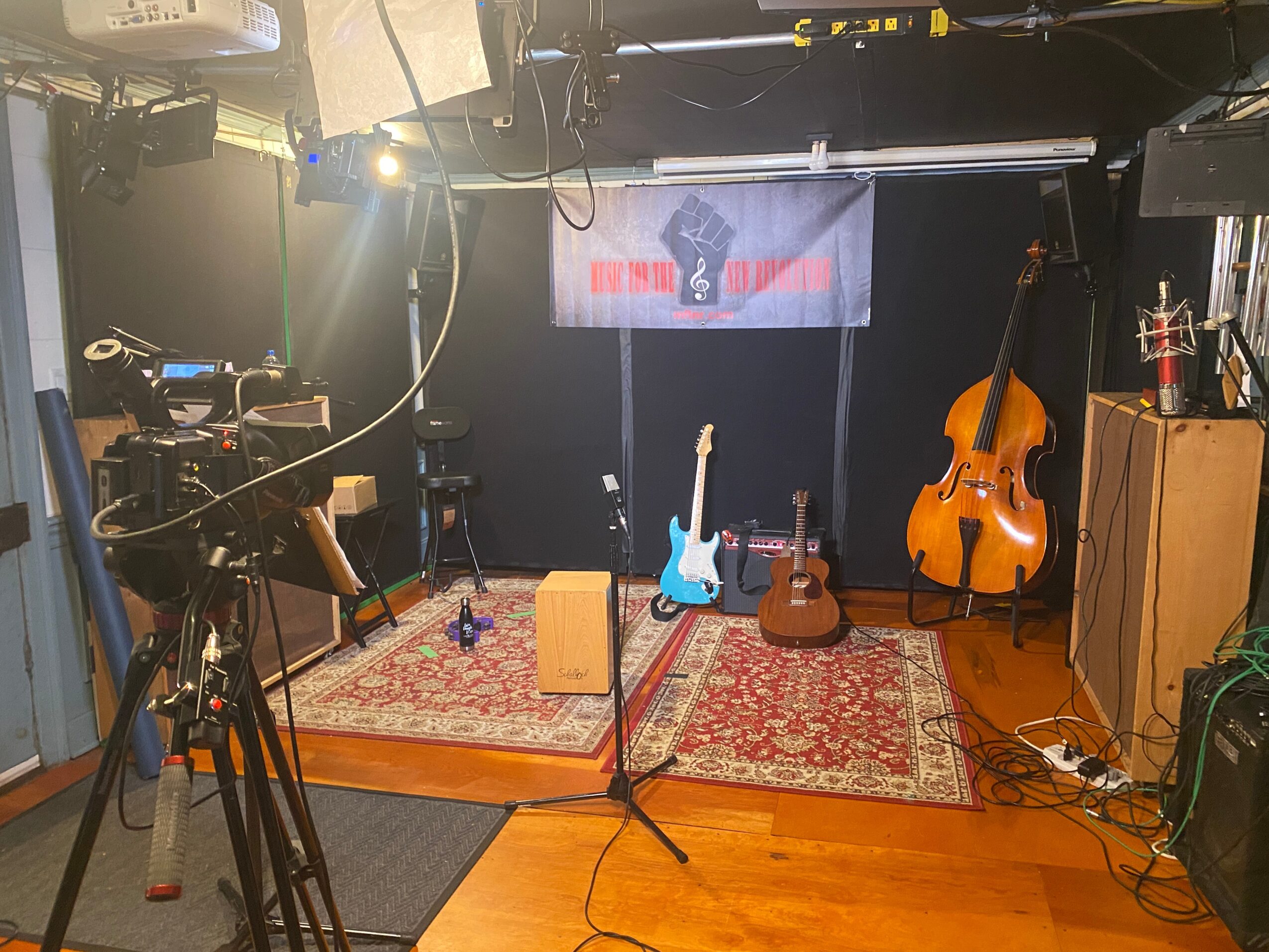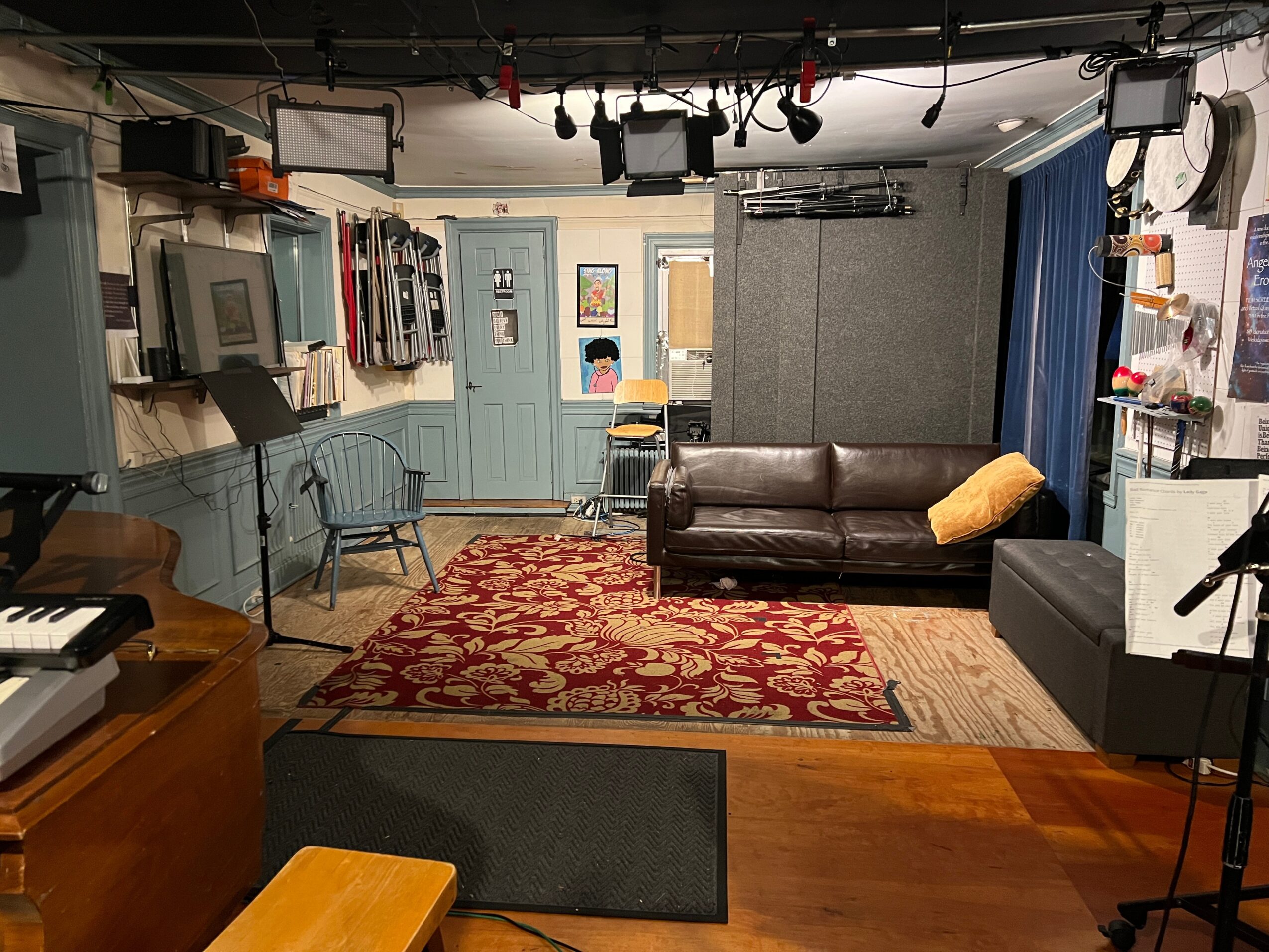



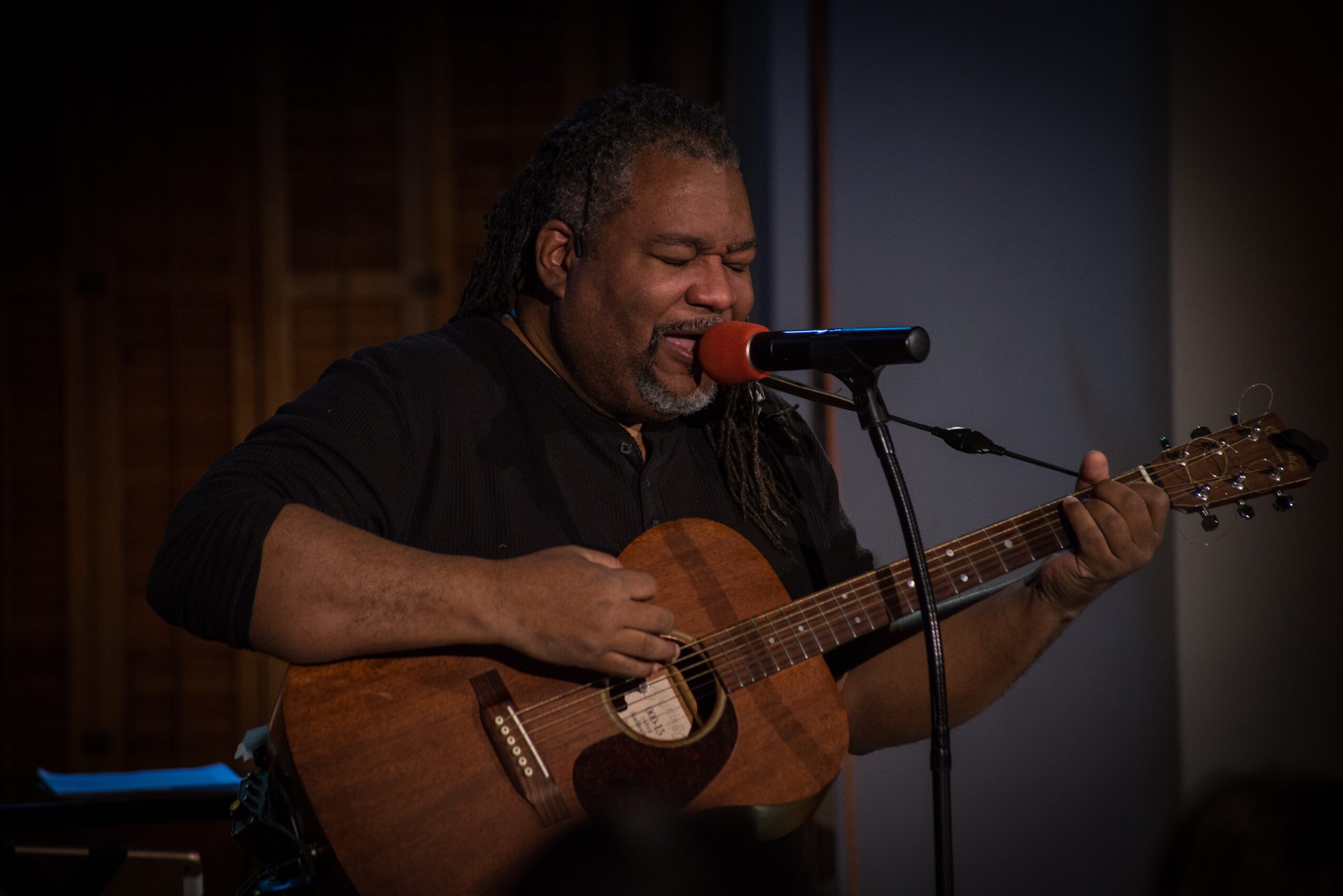
Today we’d like to introduce you to Rodney Whittenberg.
Rodney, we appreciate you taking the time to share your story with us today. Where does your story begin?
According to my parents, I was singing and making up songs from the time I was born. I always had what people used to call an overactive imagination—imaginary friends, elaborate adventures, and plenty of made-up stories.
When I was about seven years old, my father wrote a country song called “Practice Makes Perfect.” One Sunday afternoon, we visited a composer and arranger who was going to record my father singing the song. He would then create a chord chart that my father could use to try to sell it.
That experience was the first of many that set my creative life in motion. During the session, I got to speak into a microphone and hear my recorded voice played back from a quarter-inch reel-to-reel tape machine. I was hooked.
Sometime during the summer between fifth and sixth grade, my father brought home a stack of books and gave them to me. They were part of a free correspondence course in basic electricity that he had signed up for through Sears, where he worked as a salesman. I spent that entire summer obsessed with the material and completed the course.
When the certificate arrived in the mail, it said that my father had passed the course with a A. But he sat down at his typewriter and added my name in front of his—my middle name is his first name—so that the certificate became mine.
By the time I was 12, I had completed several courses and built a synthesizer that I used in my first band. By 18, I was writing songs and performing with different bands.
One day, I overheard the two owners of the Balcony clothing store on 69th Street discussing the possibility of making a commercial. I asked them, “Do you want a jingle?” Within a week or two, I was in a professional studio recording the jingle I had written for them. It aired for years on MTV and helped launch me on my professional journey.
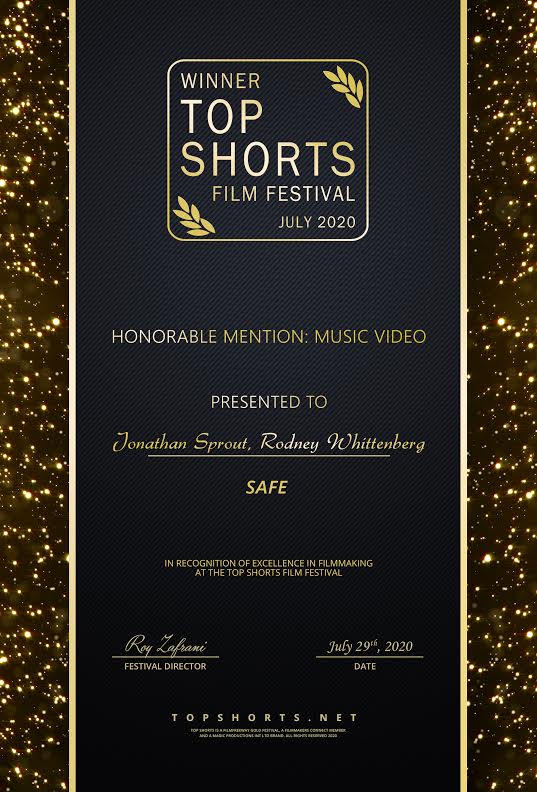
All these years later, I have scored numerous independent films and television programs, directed and produced documentaries, produced countless recording projects, received an Emmy Award, and won many film festival awards—all for work created in service of my clients.
Still, I often look back on those early years, when creativity was simply fun. It was how I filled my days as a child: imagining possibilities, building things, telling stories, making music, and always searching for the next creative project.
In many ways, I am still that same kid.
I’m sure it wasn’t obstacle-free, but would you say the journey has been fairly smooth so far?
I think my biggest struggle in the beginning was simply believing that I could earn a living as a creative person. I had to figure out which of my skills could be monetized and how to package them in ways that would be useful to other people and organizations.
I also had to learn how to communicate what I truly offer: I solve problems. I help individuals and organizations achieve their goals through creative solutions. It is not just about my individual skills as a composer, songwriter, filmmaker, producer, or musician. At my core, I am a storyteller who uses many different creative tools to bring ideas to life.
That realization is what led me to describe myself as a creative consultant. I see connections that other people may not immediately recognize, and then I find ways to turn those connections into something meaningful and valuable for my clients.
Of course, one of the biggest challenges in any creative business is raising enough capital to stay ahead of the game. Learning how to secure, manage, and make the best use of limited resources has always been an essential part of the journey.
Thanks – so what else should our readers know about your work and what you’re currently focused on?
I use my skills to help my clients achieve their goals. One of the best ways to explain how that works is by telling a story.
In the early 2000s, I attended a local Grammy party, where I was introduced to Pam, the vice president of a foundation that owned several nursing homes. The foundation was using the arts to change the way people viewed aging. Its program, based on the Sanctuary Model developed by Dr. Sandra Bloom, was succeeding—but it was not receiving the attention it deserved.
I suggested creating an intergenerational animated film that would celebrate the lives of a select group of senior residents while giving them an opportunity to collaborate with children from a local school. Pam loved the idea, and the project was soon set in motion.
At the time, I was also working as an independent producer for the HBO Family program “30 by 30: Kid Flicks.” The people at HBO were equally excited about the project, and HBO Family came aboard as a sponsor.
Together, the children and seniors created an animated film built around a song they collectively wrote and recorded at the legendary Sigma Sound Studios. The completed project premiered at International House in December 2000 and later aired on HBO Family.
The project attracted the attention the foundation had been seeking, but its impact went far beyond recognition or a simple pat on the back. That attention helped the organization continue its work to change perceptions of aging and confront ageism. More importantly, the experience brightened and enriched the lives of both the nursing-home residents and the children who worked alongside them.
This is one of the many projects I am proud to have helped bring to life. It represents what creative consulting means to me: seeing a possibility, making the right connections, and using storytelling and the arts to help a client accomplish something meaningful.
What quality or characteristic do you feel is most important to your success?
I think the qualities that have been most important to my journey are my fierce curiosity, tireless determination, and ability to recognize connections that others may overlook.
I am always searching for something new to learn, and I continually work to develop and broaden my creative skills. I am also determined—I simply do not give up.
Finally, I have the ability to see connections between people, ideas, and opportunities and then bring those connections together in meaningful ways. That quality has become central to who I am and how I serve my clients.
Contact Info:
- Website: http://melodyvision.com
- Instagram: https://soundcloud.com/rodney-whittenberg
- Facebook: https://www.facebook.com/rodney.whittenberg
- LinkedIn: https://www.linkedin.com/in/rodneywhittenberg/
- Youtube: https://www.youtube.com/@melodyvision7420