

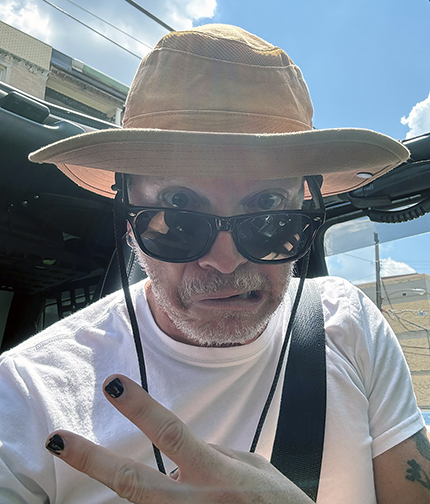
Today we’d like to introduce you to Mark Brewer.
Alright, so thank you so much for sharing your story and insight with our readers. To kick things off, can you tell us a bit about how you got started?
I grew up in Connecticut before eventually moving to Pittsburgh, PA.
When I was fifteen, I pitched a few cartoons to our small-town newspaper. They printed them each week—and continued to do so for the next ten years.
Fresh out of high school, I worked as an apprentice for syndicated cartoonists Guy and Brad Gilchrist. As my skills improved, I began making ends meet by (1) inking and drawing for Archie Comics, (2) self-syndicating my editorial cartoons, and (3) inking some of the most notable syndicated comic strips, including Nancy & Sluggo, Beetle Bailey, Tom & Jerry, and Slylock Fox.
I thrived on the creative process, working long hours into the night. I also attended years of weekly lunches where I listened and learned from some of the most talented creators in the business—many of whom I’m fortunate to call friends today.
I studied everyone’s work, from Shel Silverstein to Ronald Searle, George Booth, and Ralph Steadman. It took me nearly ten years to develop a drawing style that felt like my own before I began marketing my illustrations to art directors across the country.
New York Magazine was the first publication to hire me to illustrate an article. After drawing a cover for Newsweek, assignments followed from The Wall Street Journal, The New York Times, and The Washington Post, to name a few. Despite the tight deadlines and occasional stress that came with it, I spent nearly thirty years creating humorous illustrations for some of the largest publications in the world.
In 2002, the National Cartoonists Society awarded me the Best Magazine Illustration Award at the Reuben Awards in Cancun, Mexico, where I received the accolade from Mad Magazine’s Sergio Aragonés. I also received an award from the Society of Professional Journalists in San Diego, and in 2009 I became President of the Pittsburgh Society of Illustrators.
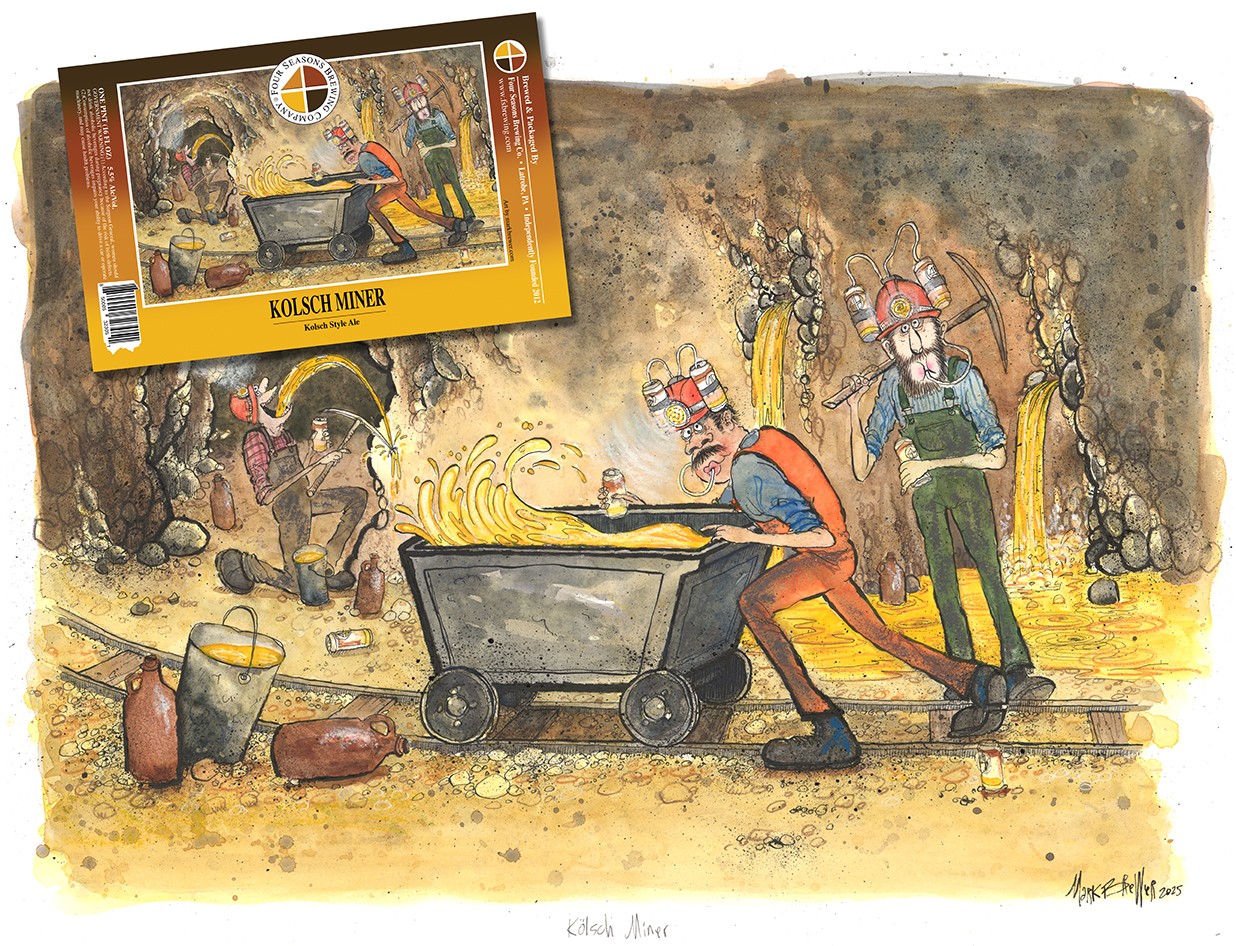
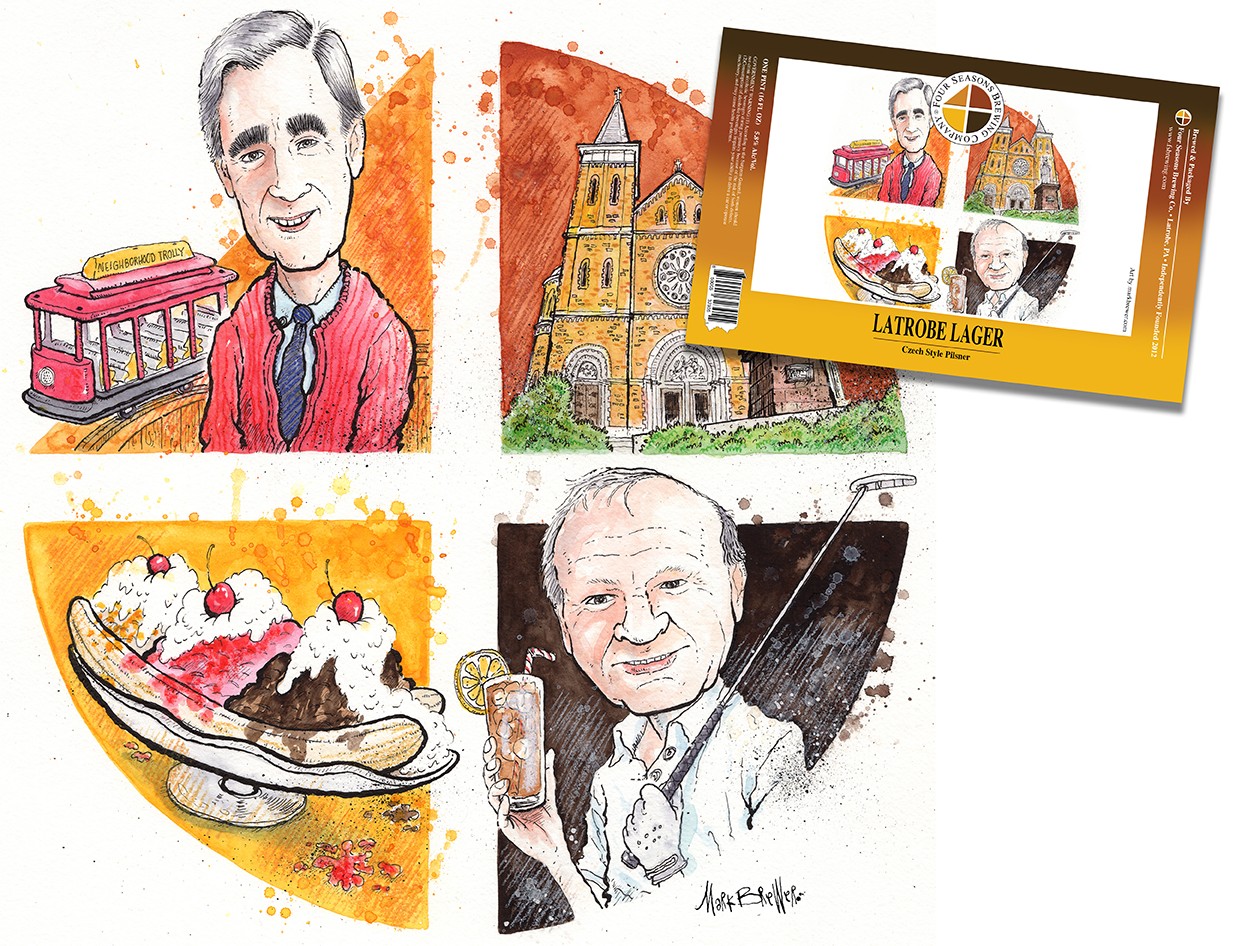
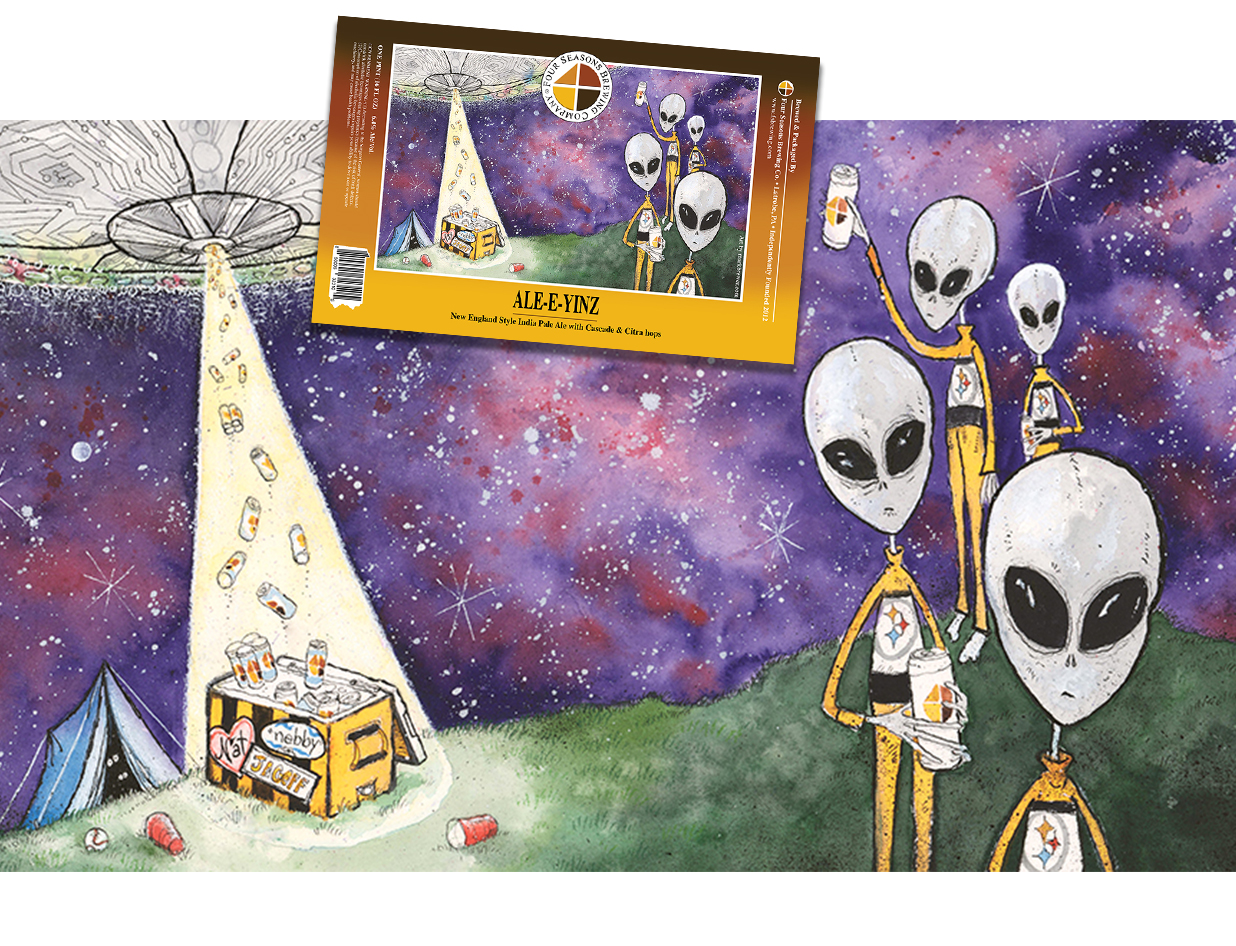
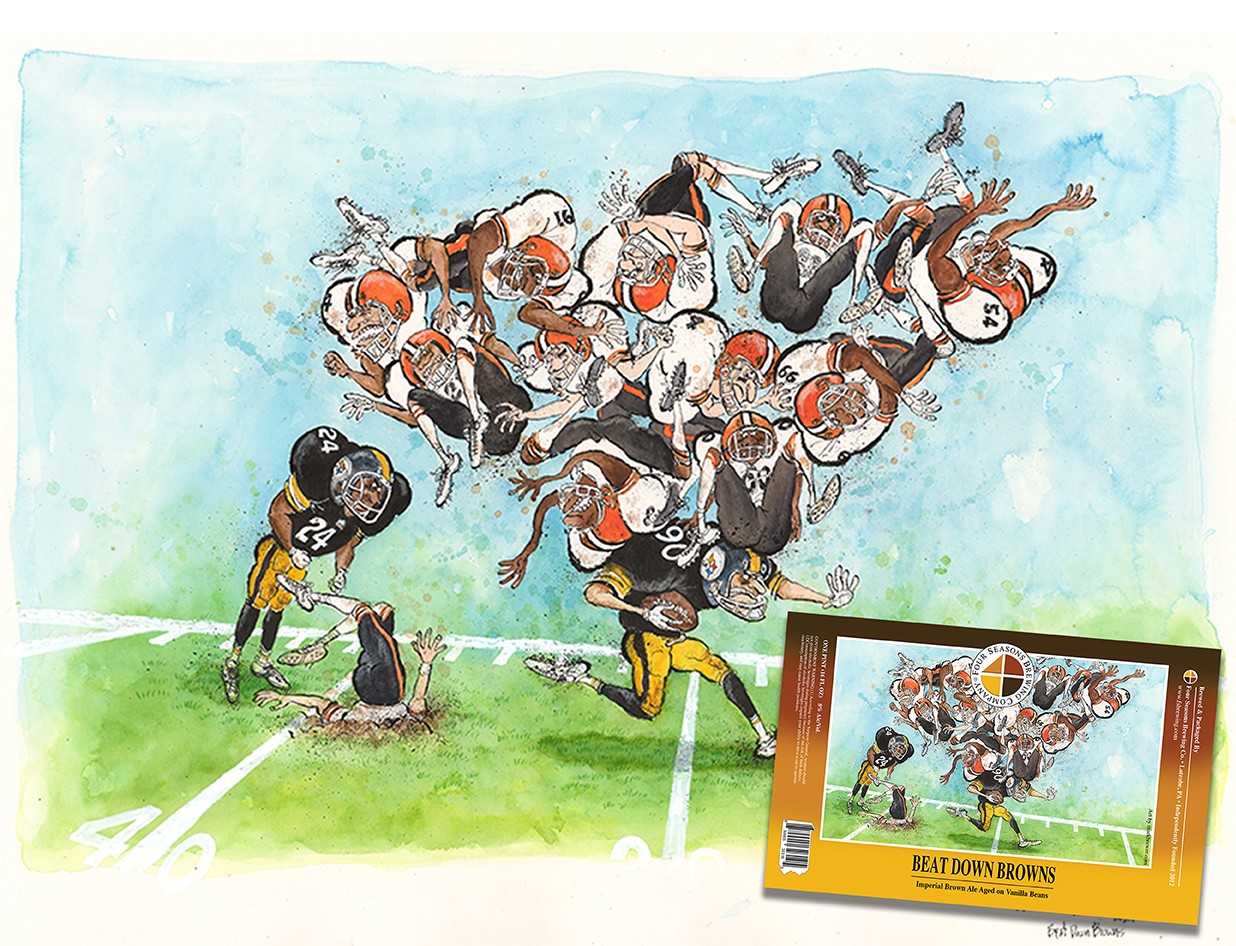
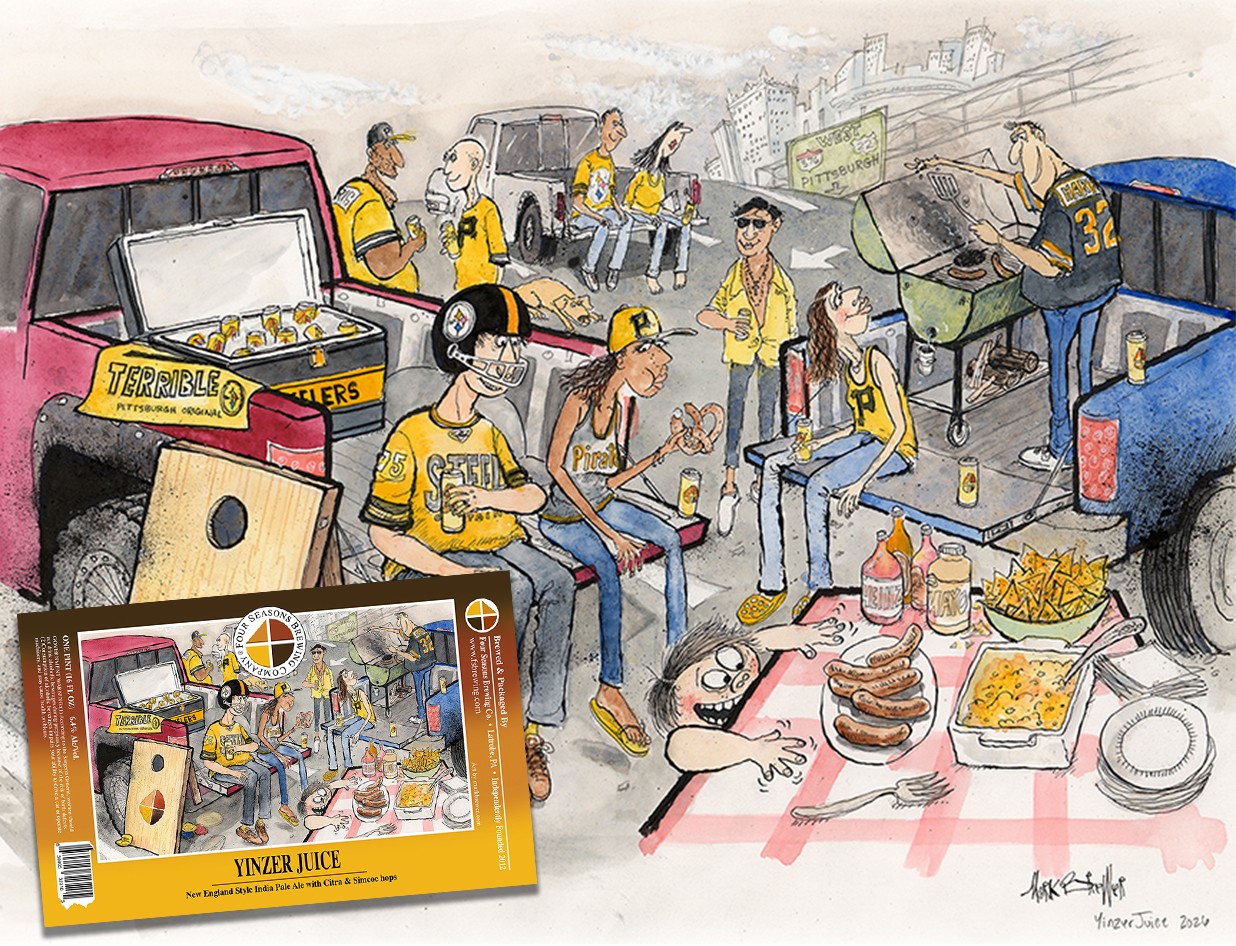
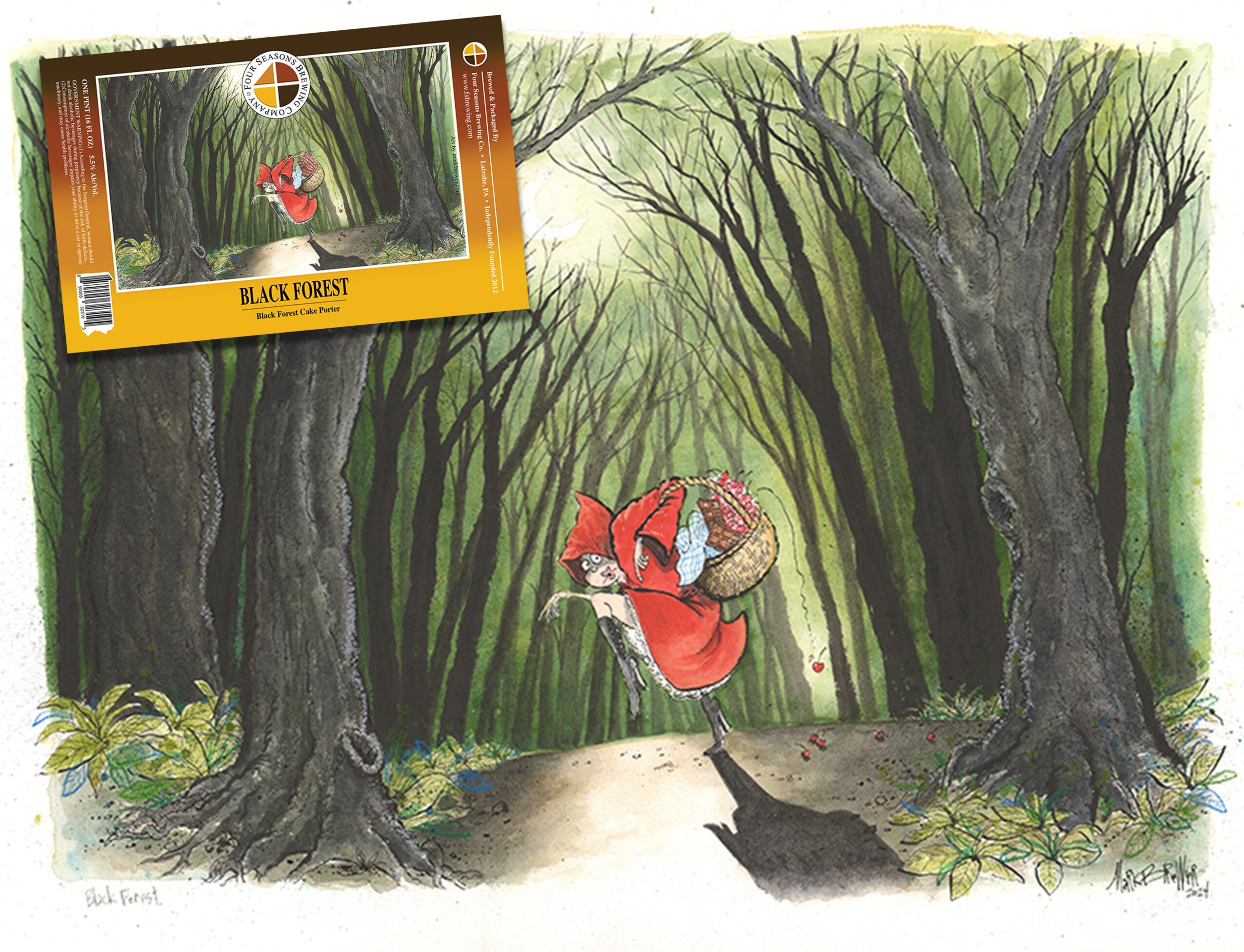
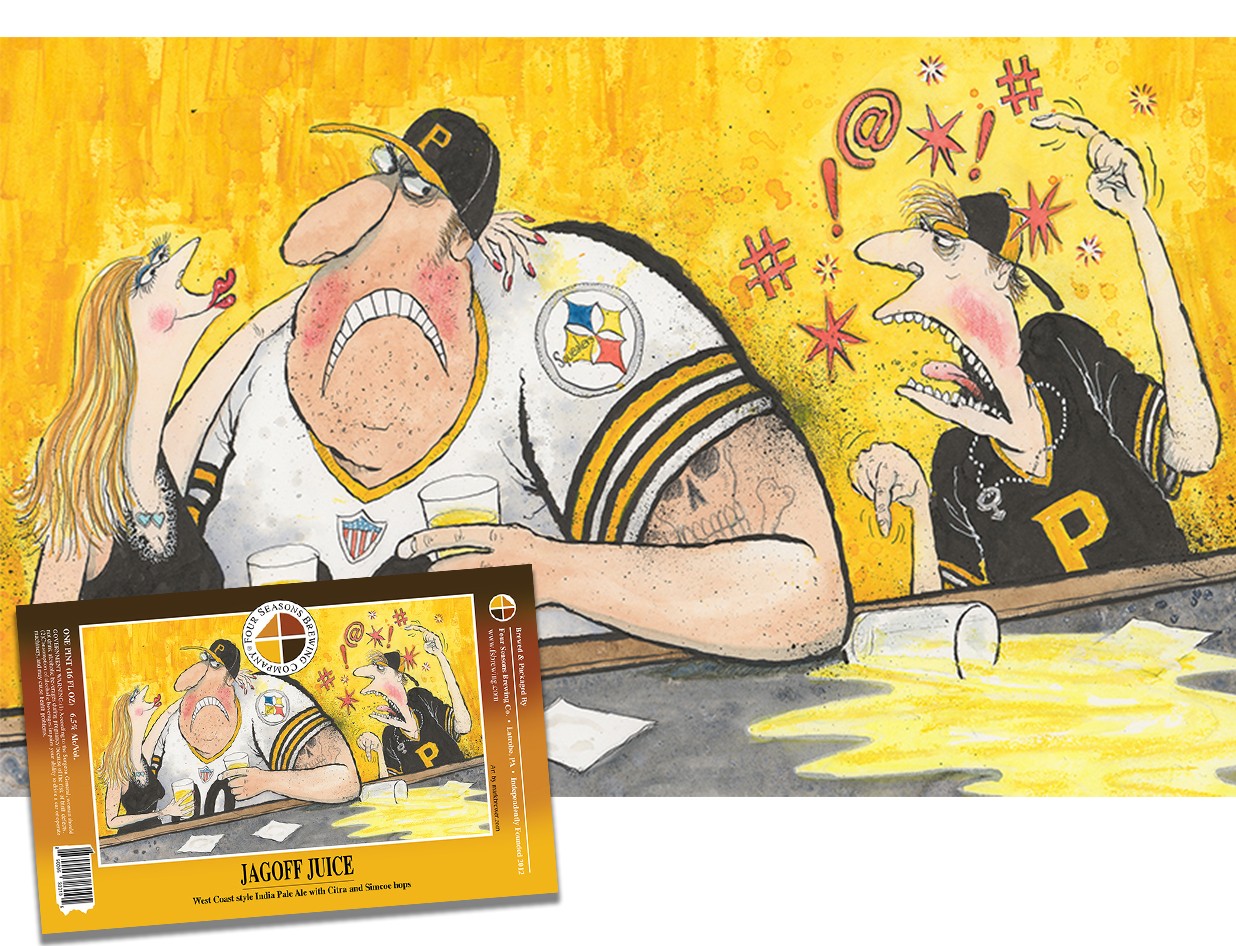
In 2014, I wrote and illustrated Brewology: An Illustrated Dictionary for Beer Lovers (Skyhorse Publishing). The book opened a new set of doors for me, including writing a column titled What’s Brewing and becoming the official artist for Four Seasons Brewing Company in Latrobe, PA.
Can you talk to us a bit about the challenges and lessons you’ve learned along the way. Looking back would you say it’s been easy or smooth in retrospect?
Oh geez! I don’t know anyone who’s had a “smooth road” in life. I definitely took the dirt road. From time to time, I struggled to pay bills like anyone else during slower times. Tight deadlines for huge publications that won’t call you back if you miss a deadline will take a little off anyone’s life. The nature of illustrating articles, especially for news publications, is a quick turnaround. When an art director called or emailed with a drawing assignment, it was a matter of scrambling to rearrange my schedule of assignments, no matter how overscheduled I already was, to make sure everyone got their drawing(s) on time. Many times, that required staying up all night. I took almost every drawing assignment I could to provide some financial stability.
As the need for illustrators in publications has dwindled, many of the drawings I create today are original works for sale, along with beer labels for Four Seasons Brewing Co. in Latrobe, PA. Most of these pieces are created on 20×16 Arches watercolor paper with ink and watercolor.
In general, I’m probably most proud of simply being able to continue doing what I enjoy, especially at a time when AI has replaced many of the assignments I once received from art directors. I’m so proud and fortunate to have struck up friendships while being given the opportunity to create new drawings for Four Seasons Brewing in Latrobe, PA.
Thanks for sharing that. So, maybe next you can tell us a bit more about your work?
I carry a sketchbook and pen to capture visual notes on observations that might find their way into a future drawing.
For work projects, my son suggested I try sketching on a 13-inch iPad Pro. About two years ago, I switched from paper to Procreate on the iPad for sketching, and I love the flexibility it gives me when traveling. It allows me to take my “work” with me wherever I go.
Once the sketch is finished, I print it out and transfer it to watercolor paper. Then finish the piece using ink and watercolor.
I enjoy looking at digital art, and some of what I see on social media is incredibly funny. But for me, creating digitally is very different from creating art on paper. If I couldn’t create work by hand, I’d probably pursue another career.
Creating art digitally versus creating art by hand are two very different practices, though both are creative. Because so much of the world has gone digital, we’ve even adopted a phrase on my website and social media: “Real art. Handmade. Unapologetically human.”
I understand that many of my peers strongly oppose AI. It’s difficult to watch artists fighting against something that will likely become as common as water… if it isn’t already. AI doesn’t remove an artist’s talent. It’s simply another tool that still requires human direction. Things are changing, and we have to change with them. The phrase “people are creatures of habit” comes to mind more often now than ever.
We celebrate artists like Gustav Klimt and Pablo Picasso, and musicians like Bob Dylan, David Bowie, Madonna, and Taylor Swift for reinventing themselves when the world around them changed. Yet I read countless posts from artists who seem to believe they can stop the rain from falling. When voicing their criticism of AI, all I really hear is: “I don’t want to change. I want to keep doing what I’ve done for years rather than adapting. I’m afraid I don’t know where to go with my art. Make it stop.”
For artists who want to continue exercising their creativity in this new landscape, it may be time to dust off any complacency that comes from doing the same thing for years. Forget what you think you’re “known for.” Fewer people care about that now that we can see what just about anyone is eating for dinner on social media.
Instead, show the world that your creativity isn’t limited. That it can evolve and move fluidly in new directions. I for one, don’t want to see prints of digitally created art. It’s a completely different thing from looking at paintings and drawings done by human hands. How is AI going to take that away?
Can you talk to us about how you think about risk?
I wouldn’t consider myself a big risk-taker. Creating art has never felt like a risk. That’s probably because I always knew it was what I was meant to do, and when you’re given that kind of gift, you don’t spend much time exploring other options. You simply get to work, never noticing the large hills, obstacles, and mountains waiting to be climbed.
Of course, there are risks in everything. While many of my peers were heading off to college, I chose to pursue drawing cartoons instead. That wasn’t the easiest decision when the general consensus was that art wasn’t a “real job,” and that becoming a starving artist was a real possibility. Despite the crazy hours and long nights, drawing has never felt like a job to me. And with so many talented artists in the world, I’m grateful that my career has continued. As for starving, I still have a few pounds to lose.
One piece of advice I would give artists who work from home or by themselves is to leave their workspace regularly. Do something small that has nothing to do with art. It creates balance and allows your creative mind to rest. It’s something I wish I had learned earlier in my career. Sometimes when we’re too close to the work, we can’t see it clearly, so we should step away. Get our minds out of it. About seven years ago, I started slinging beers on weekends. It’s a happy place where I can meet people from all walks of life. Those conversations are surprisingly inspiring and help recharge the creative mind. By Sunday, I’m usually itching to get back to the drawing table. And that’s how you know you’re doing the right thing. There’s no real risk in that.
Contact Info:
- Website: https://www.markbrewer.com
- Instagram: https://www.instagram.com/markbrewerillustration
- Facebook: https://www.facebook.com/MarkBrewerIllustration