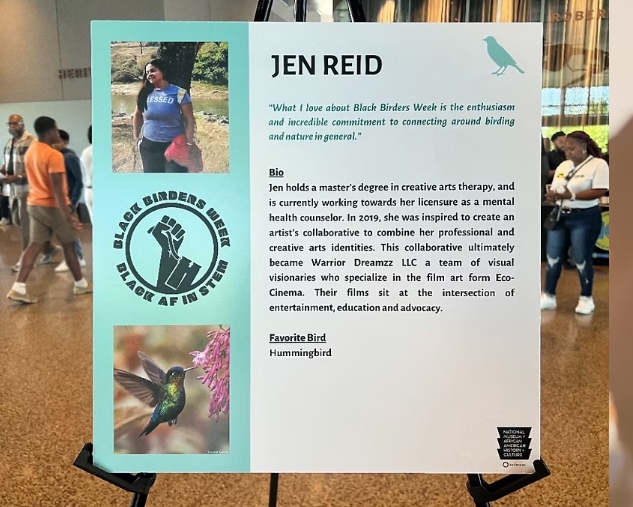



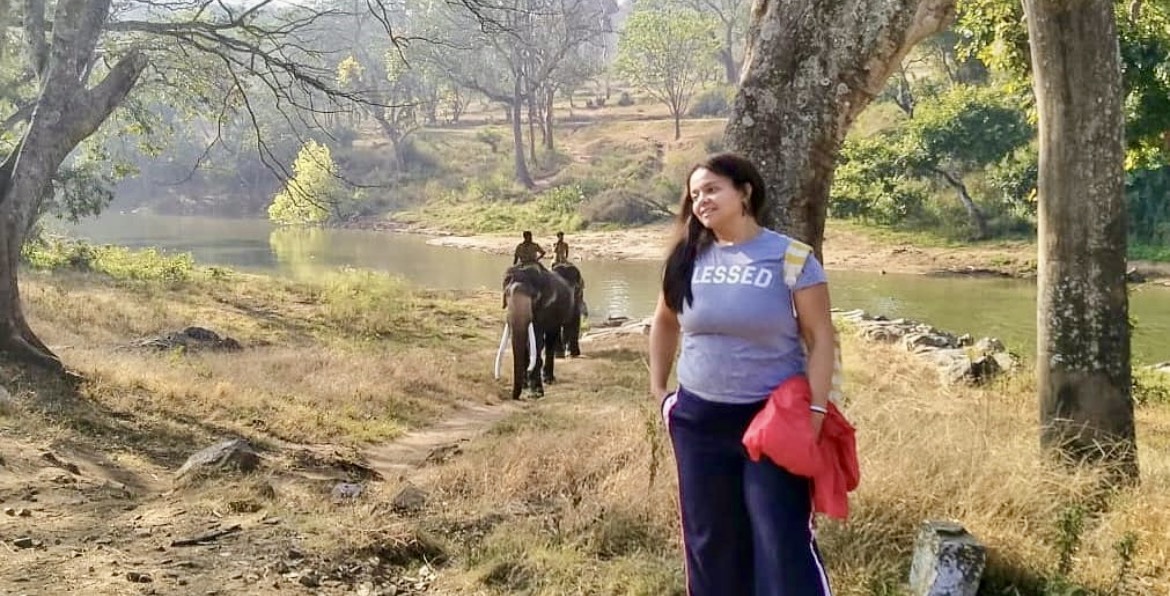
Today we’d like to introduce you to Jen Reid.
Hi Jen, can you start by introducing yourself? We’d love to learn more about how you got to where you are today?
Warrior Dreamzz really began during the pandemic; that’s when I started exploring visual storytelling and filmmaking as creative outlets. At that time, I genuinely don’t think I could have predicted what this venture would become. What started as a niche side project turned into a boutique production company that has continued to gradually evolve as I do.
Candidly, like many creatives, I have passions and skills that cross disciplines. My background includes healthcare administration, and I recently completed additional graduate work in clinical mental health counseling and began working as a trauma therapist. Over time, those different parts of my life started showing up in the way I approached film. I became less interested in simply producing visual content and increasingly interested in storytelling as a way to explore mental health, belonging, ecology, as well as social systems advocacy.
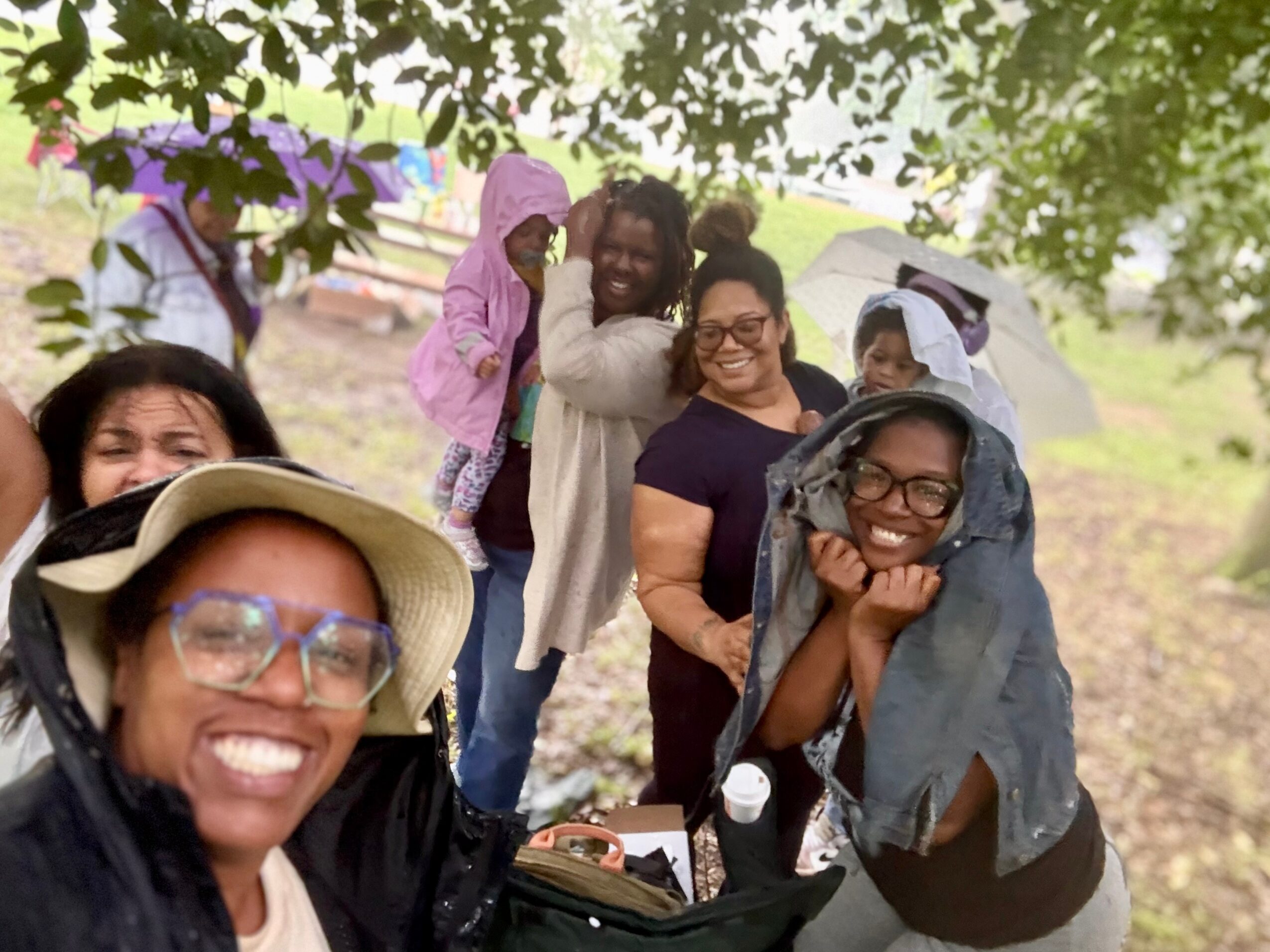
Warrior Dreamzz is a collective, and it has grown through collaborations with artists and filmmakers in the United States, Canada, India, and the Netherlands. Those relationships helped move the company beyond its original boutique-production identity and toward what I now think of as a storytelling collective.
Today, I am drawn to exploring the systems underneath our relationships with one another and with the world around us, looking at where power sits within these relationships. Specifically, how people experience agency and where the leverage points for change might be. That thinking has led to our latest project, “Sounds of Silence: Anatomy of Resistance”, which brings together ecology, social justice, mental health, and cultural storytelling. In many ways, it feels like the project where all of those different threads of my journey finally meet up.
I’m sure it wasn’t obstacle-free, but would you say the journey has been fairly smooth so far?
Whew, by no means has this been a smooth road. Of all of the pivots and detours, there was one that really rocked me.
There was a major creative collaboration that ended in 2024, and when it collapsed, I lost the original YouTube channel that carried my name. We had worked for four years to get to monetization, and then a film I produced went viral. The YouTube channel finally monetized, and within a matter of weeks, the person I trusted most betrayed my trust, and with that trust went the channel.
I woke up one morning, went to look at the channel, and Warrior Dreamzz was gone. The person I had collaborated with had renamed and changed the channel without ever having that conversation with me. I remember the disorientation of realizing that something connected to my business, carrying years of creative work, had suddenly become something else. We had just gone viral and monetized. This should have been the moment when everything opened up. Instead, I felt like I had been erased from something I had built. I didn’t even have access to all of the films anymore, so “starting over” wasn’t as simple as opening another account.
I’ve never really spoken publicly about that before.
It wasn’t even the money I had invested as much as it was the betrayal. I lost access to an audience I had cultivated and people I had built relationships with; and, most jarringly, I lost access to a professional future I thought I understood.
I had to grieve that.
You know, grief does something to you. I think sometimes we tell stories about adversity as though the difficult thing happens, we learn the lesson, and emerge stronger, but that isn’t what happened to me. Pressure didn’t magically improve me. It disrupted me. I questioned things. I reconsidered what I was doing personally and professionally. I mourned the loss, and part of me is probably still coming out of that grief now.
But eventually, I created differently.
That period forced me to ask some very basic questions again: Why did I want to make films in the first place? What did I actually want to say? And what, if anything, was worth continuing?
One of the earliest ideas behind Warrior Dreamzz was the tagline, “Every Warrior Has an Origin.” I had wanted to tell stories about recovery and about the experiences that shape us. Over time, Warrior Dreamzz grew in different directions. Through Warrior Dreamzz, I produced nature films and worked collaboratively with artists and filmmakers internationally. The work received recognition for its filmmaking and cinematography, and the company expanded into the more traditional work of a boutique creative agency. I’m proud of that history. And, somewhere in all of that growth, that original impulse was silenced.
The loss brought my own voice back to me.
Not back to where I started, because I’m not the same person who started Warrior Dreamzz. My work in counseling as a trauma therapist has changed the way I understand adversity, grief, and agency. I now spend part of my professional life sitting with people who are confronting a very human question: What do we do with experiences we didn’t choose, and how do those experiences reorganize our understanding of ourselves and of what comes next?
I don’t say that to equate my own loss with anyone else’s trauma. I say it because my relationship with adversity has become more complicated. I don’t think resilience means something painful happens and somehow makes us better. Sometimes it knocks things apart. We grieve. We reconsider. We decide what we’re willing to let go of and what still belongs to us.
I had to decide what still belonged to me.
What I carried forward was the belief that stories can help us examine the systems and relationships we live inside. I still want to make beautiful films, but beauty by itself isn’t enough for me anymore. I’m interested in what’s underneath it: belonging, power, agency, connection, and, mostly, what happens to people and systems under pressure.
That evolution is part of what led to my current project, Sounds of Silence: Anatomy of Resistance. In some ways, I think I had to lose the version of Warrior Dreamzz I thought I understood before I could really see what I wanted it to become.
Alright, so let’s switch gears a bit and talk business. What should we know about your work?
I have defined myself in lots of ways: creatively, I produce film; I am a storyteller, but increasingly I think that what is unique to me, i.e., the thing that defines my work, is the lens I bring to a story. At first, Warrior Dreamzz became known for graphics (website design, logos, etc.), but what grew to be the bigger part of our identity was our eco-cinema work. And, honestly, to this day, I’m incredibly proud of the recognition our films received for cinematography and visual storytelling.
Nature is still an important part of my creative language, but my interests have expanded beyond simply capturing what is beautiful. I’m interested in what sits underneath what we see. My clinical work has changed where I look. Working in mental health and now trauma therapy has called me to pay much closer attention to relationships, our need for connection, to belong, and to have agency over our lives, as well as, on the macro level, to understand the systems that surround us. I find myself asking different questions now because I see every moment is in relationship with the next; the question for me is “how?”
I think that my advocacy and activist instincts sharpen that lens even further. I’m interested in visibility because being seen matters. I’m interested in witnessing because once we really see something, it can change how we move in the world. And I’m interested in community because resistance isn’t always an individual act. Sometimes it begins with recognizing that we aren’t alone.
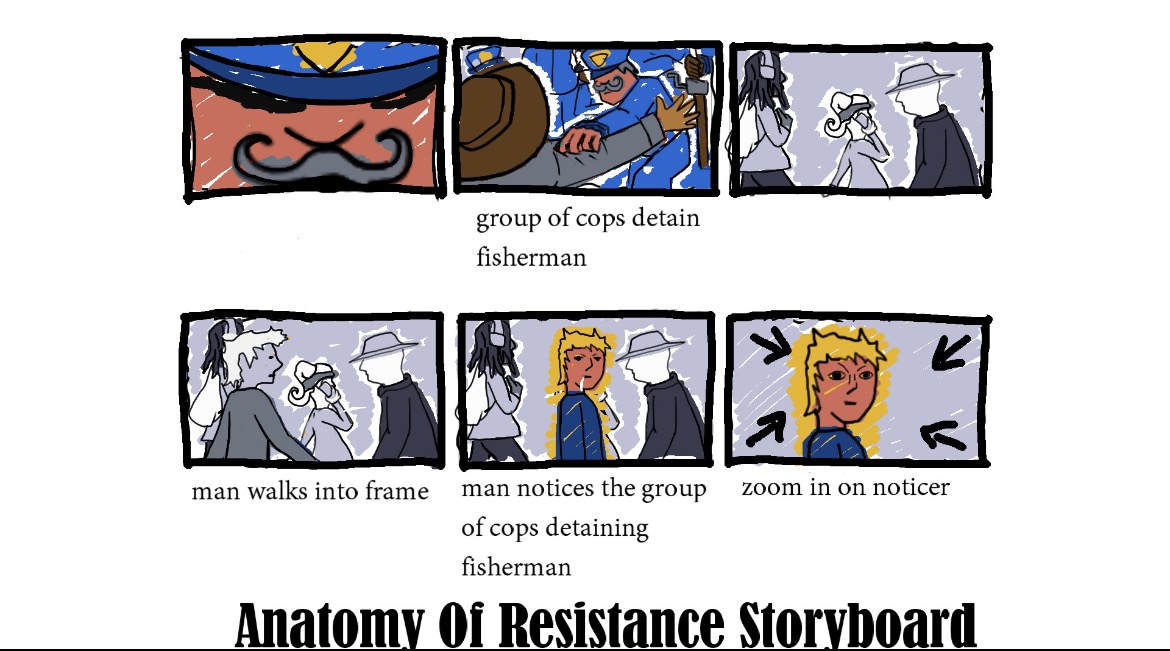
That’s the thinking underneath Sounds of Silence: Anatomy of Resistance. The project looks at resistance through roles like the Witness, Engager, Protector, and Catalyst; not as personality types, but as functions within a system. I think that’s what sets my work apart now. I still care deeply about creating something visually beautiful. I love visual storytelling. I love nature.
But I’m not only interested in what you can see in the frame anymore. I’m interested in the architecture underneath it. These things accumulated into a lens.
My clinical work taught me to look beneath behavior and attend to relationships, environments, agency, belonging, and meaning. My advocacy orientation asks what those relationships mean in terms of power, visibility, and change. Systems thinking asks what connects everything and where movement is possible. And, filmmaking gives me a language for making some of that visible.
Do you have any memories from childhood that you can share with us?
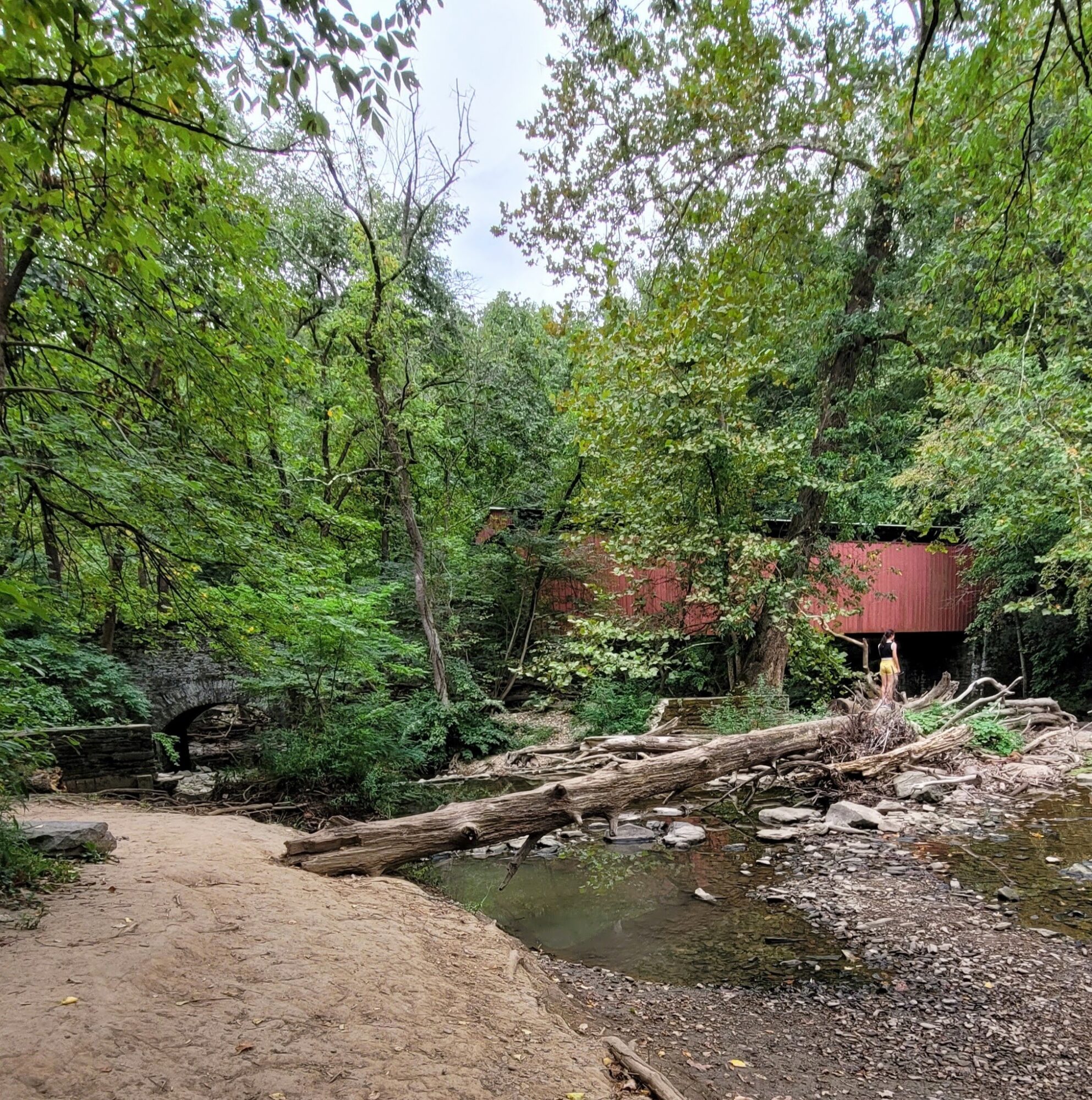
One of my favorite childhood memories is going on Sunday drives with my family to Valley Green here in Philadelphia. We would walk the trails and feed the ducks, and I remember how different it felt from the rest of the city. Somehow, being there felt like we had gone somewhere else. I felt free there, even if I didn’t have the language for what it meant to me yet.
In fourth grade, I did a book report on the Blue Jay. Where I grew up, I mostly remember seeing pigeons and sparrows, so when I saw my first Blue Jay, there was something about that flash of blue that stayed with me. Years later, when people started asking me about my “spark bird” and how I became a birder, I realized those experiences had been there all along.
I think that’s why Valley Green still means something to me now. You know, I feel that some of the things we become as adults didn’t begin with a grand plan, but rather they have their roots in something as simple as being a kid, walking through the woods with your grandfather, feeding ducks, and feeling free.
Contact Info:
- Website: https://www.warriordreamzzllc.com/
- Instagram: https://www.instagram.com/warrior_dreamzz_/
- Facebook: https://www.facebook.com/jen.san.186
- Youtube: https://www.youtube.com/@warriordreamzz