


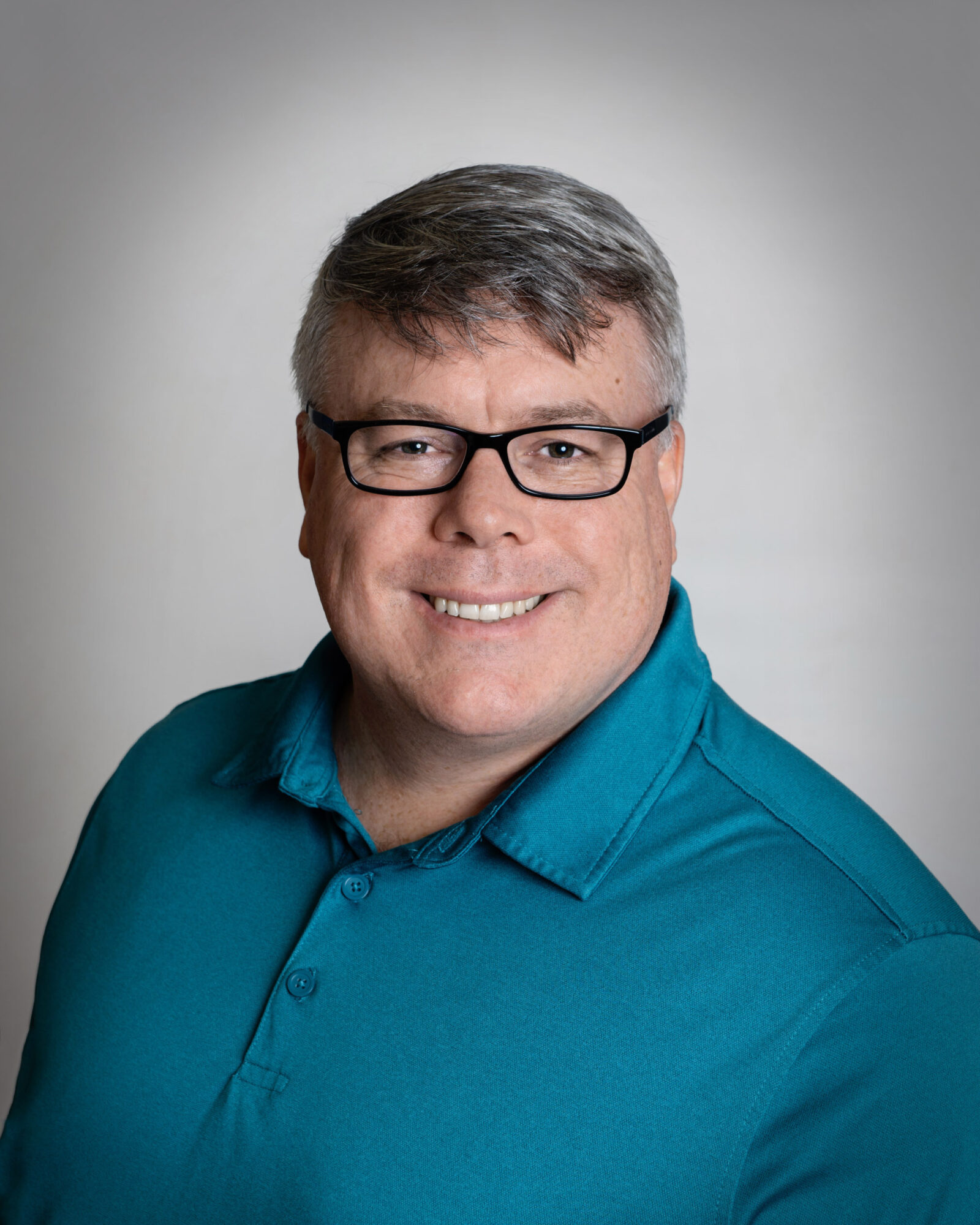
Today we’d like to introduce you to James Whisner.
Hi James, can you start by introducing yourself? We’d love to learn more about how you got to where you are today?
I realize this is kinda lengthy. I trust your experience in this, use what you need. Thanks for the opportunity!
I am Licensed Clinical Social Worker and recently established my private practice where I am the owner and sole employee. My starting point generally catches people off guard. My bachelors degree is in Landscape Architecture from West Virginia University (Cue Country Roads here). I always enjoyed carpentry, art, and being outside and had a desire to work for myself so Landscape Architecture seemed like a good fit for me. I graduated from WVU in 2001, moved to the DC area, and worked in landscape construction for a major commercial landscape service provider. Didn’t care for the city/ urban sprawl environment…although I did meet the woman i’m happily married to so it wasn’t all that bad. Lasted about 4 years in the urban world then we decided to move to the south western corner of PA. Here I worked for a smaller design build company, then was asked to come back to the company I had worked for in VA to manage a 2600 acre account on a resort. I realized I was burned out on managing in this industry and struggled to find a way out. Due to my degree and work experience, I felt no matter what I did, I’d end up in the same position. Middle management. Middle management is stressful no matter how you cut it. You are always being pushed to make more money and utilize less resources doing so. Its almost always a salary position based on the “carrot on a stick” philosophy of management. Soon I realized it wasn’t about doing quality work you could be proud of; it was all about numbers and egos.
One snowy winter morning, I was plowing snow for a small condo association next to the resort (not owned by the resort). Got a phone call from someone with the resort complaining about how I was plowing the condos. I explained to them that I was plowing it how the president of the condo association told me to plow it due to financial limitations they were experiencing. Long story short, I got “mother F—ed up one side and down the other for doing my job correctly. This is a normal happening in the trades but on this day it kinda broke me. After the phone call, I sat in the truck for about 15 minutes staring out at the snow. I decided that day I was done with that racket.
I had been seeing a therapist. Anxiety runs in my family and was taking a toll on me. I remember thinking about his private practice. How relaxed and laid back he always seemed. I thought about the fulfillment he must have, to own his own business, be his own manager, and actually do something that contributed to the betterment of society and other people’s well-being instead of working hard and being told by corporate you could have done better.
When I went in for my session the next week, I looked at him and asked, “Do you think I could do your job?” He looked at me calmly and said, “James, I was managing restaurants when I was close to your age and decided to go back to school. I know you can do it.” I now consider this person my mentor. That session we discussed the process I could expect to go through on my newly chosen journey to become a mental health therapist.
I applied to and was turned away from the program at Pitt. My GPA was .10 points off from the required GPA. Then I found out California University of PA had a social work masters program with a focus on rural social work. The program director agreed to meet with me. I met and we spoke for about an hour. She looked at my transcript. She stated that I had all the prerequisite classes and my GPA was good. Due to a change in my major during my bachelor degree, I had had taken extra classes that just happened to be needed for the MSW Program (Master of Social Work). She was however concerned about the lack of experience in the human service field but stated that it would not stop me from being accepted into the program and said she would support me. When I asked her about how she felt this would affect me, she told me she had only seen someone come over from a construction related field one time and that individual dropped out after the first year.
I planned on this taking three years to complete, as I had to continue working full time. After my first semester, I quickly realized it wasn’t going to happen in three years. I had to stretch a normally two year program out to 4 years. Fast forward 4 years, I finished with a 3.97 gpa (as we would say at WVU, Eat s–t pitt).
I spent my first years as a social worker working in Family Based Therapy and wrap around services for children. These years were not easy, college gives you a good foundation, but experience is where all that knowledge sinks in and begins to make sense. The starting pay in this field is also way less than what someone with a Masters degree generally starts off making fresh out of school. During this time, I also began to realize that working as a manager in a construction based field had prepared me for this career more than I ever imagined. I found i was able to use my experiences with people in that field to make myself more relatable when going into homes working with families and sometimes “therapy resistant” individuals. From here, I went to working in an Long Term Structured Residence with clients experiencing more extreme levels of mental illness. My goal through all of this was to begin doing outpatient one on one therapy. After 3 years, I was finally able to land a job doing this working for a local agency offering mental health treatment as well as drug and alcohol counseling. I was finally doing what I had started out to do 7 years earlier!
Due to illness within my family, getting the 3000 hours of supervised experience to get my Clinical Social Work License took longer than the expected 2 years. This was another obstacle for me, but I managed to get the required supervision and was finally able to take the exam. I finally got my 3000 clinical hours and took my exam, passing it on the first try. I remember when I finished the exam, I kinda went numb and was in a temporary state of disbelief that I had finally completed the last step to becoming licensed. Nine years of school ( 6 minimum to become a licensed social worker in PA followed by 3000 supervised hours that cannot be completed in any less than two years. You almost always have to pay for supervision one way or another, either out of pocket or by agreeing to stay with the providing agency for x number of years after licensure. I was fortunate enough to be able to do the out of pocket route and didn’t owe anyone a couple years of service before I could leave. I was finally there. I immediately took a job with another agency as an outpatient mental health therapist and began considering the task of starting up my own practice.
Luckily, a therapist I worked with their offered to split rent with me on an office, drastically reducing the startup cost. I obtained a small business license, began to get credentialed with insurance companies, signed a lease, and began to take clients under my business in August of 2024. I continued to work full time at the agency I was with while building my caseload at my own practice. In January of 2026, I had established enough clients at my practice and was able to leave the agency, devoting myself to my practice full time.
I love having my own practice now. In the agency world, despite most agencies being nonprofit, money is still an issue. You are expected to aim for as many billable hours as you can. You are often “encouraged” to finish your notes up on your own time, so as not to interfere billable hours. Many working in the non profit sector of mental health services have heavy case loads and low pay. Many have to take on second jobs. This leads to a high rate of burnout amongst the practitioners (whether case managers, therapists, techs, ect), high turnover rates, Inconsistent treatment of clients, as you often have to carry more on your caseload than what you can feasibly see in a 40 hour week. Many clients become discouraged due to these factors. One of the biggest complaints I hear from mental health clients is the frustration of having to change therapist all the time. “I don’t want to have to keep telling my story over every time my therapist leaves.”
Owning my own practice has allowed me to limit these factors and enables me to offer my clients more consistent care. I am continuing to grow my practice, but have determined a weekly caseload that will enable my business to grow while avoiding burnout. Yes, I’m just starting my practice up when i’m 50 years old now. However, past work experience managing people has given me a leg up in relations and business practices. I have actually been able to utilize so much of my life experience in helping others and relating to them. I have also utilized my own life lessons with mental health, aging family, career difficulties, and as a member of a blended family to make me a stronger therapist.
I currently offer evening hours and Saturday appointments for mental health therapy. I will see my clients in person or virtually. These options of time and visit options have been very helpful for many of my clients seeking treatment. I take multiple commercial insurances, Medicare, and Medicaid. I can also offer sliding scale fees for those without insurance. I consider anxiety and family relations to be my areas of specialty but will work with many other areas of difficulty. I am also willing to assist my clients by coordinating care with other providers they may be utilizing for mental health services.
My clients being comfortable with me is one the most important things to me. I want them to be comfortable enough to speak up and tell me if they feel like i’m not understanding them or if they feel we are not going in a good direction. I want them to realize that it’s ok to tell their therapist the therapeutic relationship is just not working out for them. As a therapist, you must accept that you just won’t be a good fit for everyone. When you are not, you try to help them find someone who is. I’ve spent time in both chairs. I understand the difficulties in finding quality treatment that fits you.
Alright, so let’s dig a little deeper into the story – has it been an easy path overall and if not, what were the challenges you’ve had to overcome?
the process took me much longer than expected. I started this Journey around age 35. Was raising a family, elderly parents, financial difficulties. (however, all of this has made me a stronger and more relatable therapist.
2 year masters program had to be stretched out to 4.
Took me over 3 years to get the 3000 hours of supervised clinical practice to become licensed after graduating from the master’s program. Supervision is often paid for by the individual, around $40 or more per hour on average. 3000 hours equates to about 150 hours of supervision. If you can’t pay this, then you generally contract with an employer. They expect you to work for them around 2 years after you become a clinical social worker, if not, you must pay them for each hour. The non profit I spoke with about this said they would bill me at a rate of $75 for each hour if I did not complete the two years.
Many nights of asking myself “what the hell are you doing James, why did you do this”. Guilt over time from family. Wondering if I had screwed myself financially instead of making things better.
Thanks for sharing that. So, maybe next you can tell us a bit more about your work?
I am a Licensed Clinical Social Worker (LCSW). I offer mental health therapy sessions, specializing in anxiety and family relations. However, I will work with most individuals unless I feel I am not qualified or experienced enough to help them. This is something you must be comfortable acknowledging in this field, or you risk doing more harm than good.
I’ve had some interesting life experience that have made me very passionate about helping other’s with mental health struggles. I’ve faced my own challenges and difficulties. My past professional experiences have made it possible for me to connect with some who are “therapy resistant”.
My clients like my relaxed casual approach, many describe me as genuine, stating they don’t feel like they are being judged or just a box checked off on a list of symptoms.
I work with ages from 13 years and up. As of now, I only do individual therapy. I will consider couples or family on a case by case basis.
In terms of your work and the industry, what are some of the changes you are expecting to see over the next five to ten years?
There is concern over corporate structured companies and insurance companies attempting to take over mental health therapy, offer lower reimbursement rates to providers, and offer services to their members through alternative online platforms where they pay the therapist a set lower rate. There has been word that many online platforms offering services are owned by bigger insurance companies. I fear this will ultimately lead to non-mental health professionals attempting to influence treatment based on profit, not outcome.
Pricing:
- Pricing generally varies based on contracted reimburseement rates with each individual insurance company.
- I do offer sliding scale fees for those without insurance.
Contact Info:
- Website: https://www.WhisnersAGDSservices.com
- Other: https://www.psychologytoday.com/us/therapists/james-a-whisner-pittsburgh-pa/1323157?msockid=108733868e8f65b3393321748f5b648f