


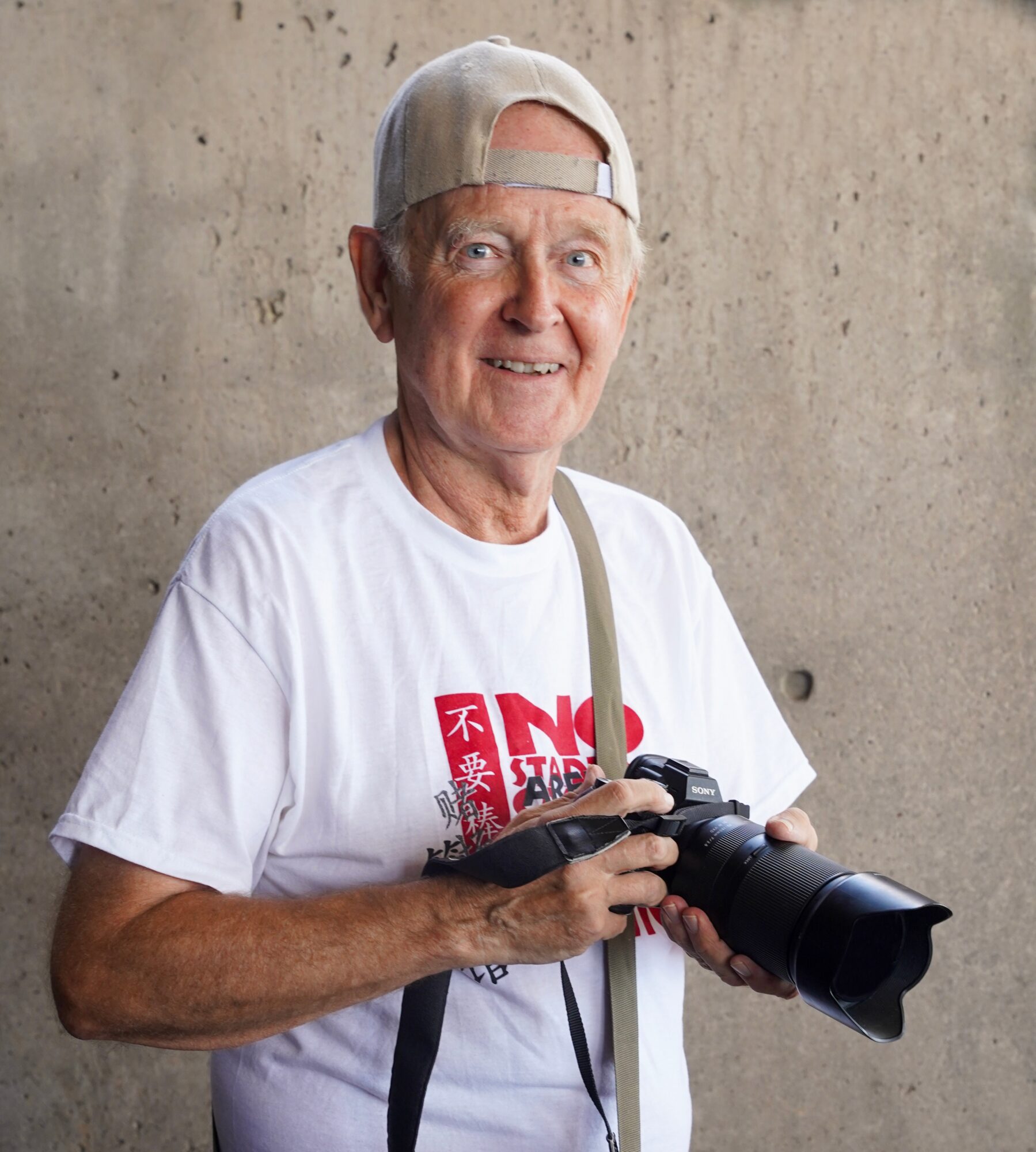
Today we’d like to introduce you to David Huisken.
Hi David, thanks for joining us today. We’d love for you to start by introducing yourself.
I grew up in rural Minnesota, where my parents owned a small hardware store. After college in Michigan, I served as a VISTA volunteer in Philadelphia—the U.S. equivalent of the Peace Corps—and later worked for the Pennsylvania Department of Public Welfare.
A lifelong interest in the arts has been a constant throughout my life. I have always enjoyed visiting museums and galleries, watching films, attending concerts, and practicing photography. Retirement has given me the opportunity to expand those pursuits and to become more deeply involved with organizations that support film and photography.
We all face challenges, but looking back would you describe it as a relatively smooth road?
After beginning my work at the Pennsylvania Department of Public Welfare, I purchased quality camera equipment and started photographing the impoverished neighborhood where I lived. I was deeply drawn to documentary photography and began collecting books and visiting gallery exhibitions featuring the masters of the genre. Several photographers encouraged me to consider it as a career, but I had never met anyone who actually made a living as a documentary photographer. Nor had I formally studied photography or art, and I lacked confidence in my understanding of the visual elements that distinguish a truly exceptional photograph. Instead, I chose the security of my position with the Department of Public Welfare.
Working with film was both expensive and time-consuming. As a result, I gradually photographed less, although I continued to study the work of great photographers through books and exhibitions.
After retiring, I purchased a digital camera, which transformed my approach to photography. Freed from the expense and delay of film processing, I could make countless images, review them immediately, and learn from my successes and mistakes. I can’t fully explain how it happened, but through constant practice, experimentation, and years of absorbing the work of photographers I admired, I gradually developed a stronger instinct for creating compelling images.
My involvement with several local photography groups encouraged me to take my work much more seriously. Today I feel especially fortunate that photography does not have to provide my livelihood. That freedom allows me to photograph whatever interests me, following my own curiosity rather than the demands of a profession.
As you know, we’re big fans of you and your work. For our readers who might not be as familiar what can you tell them about what you do?
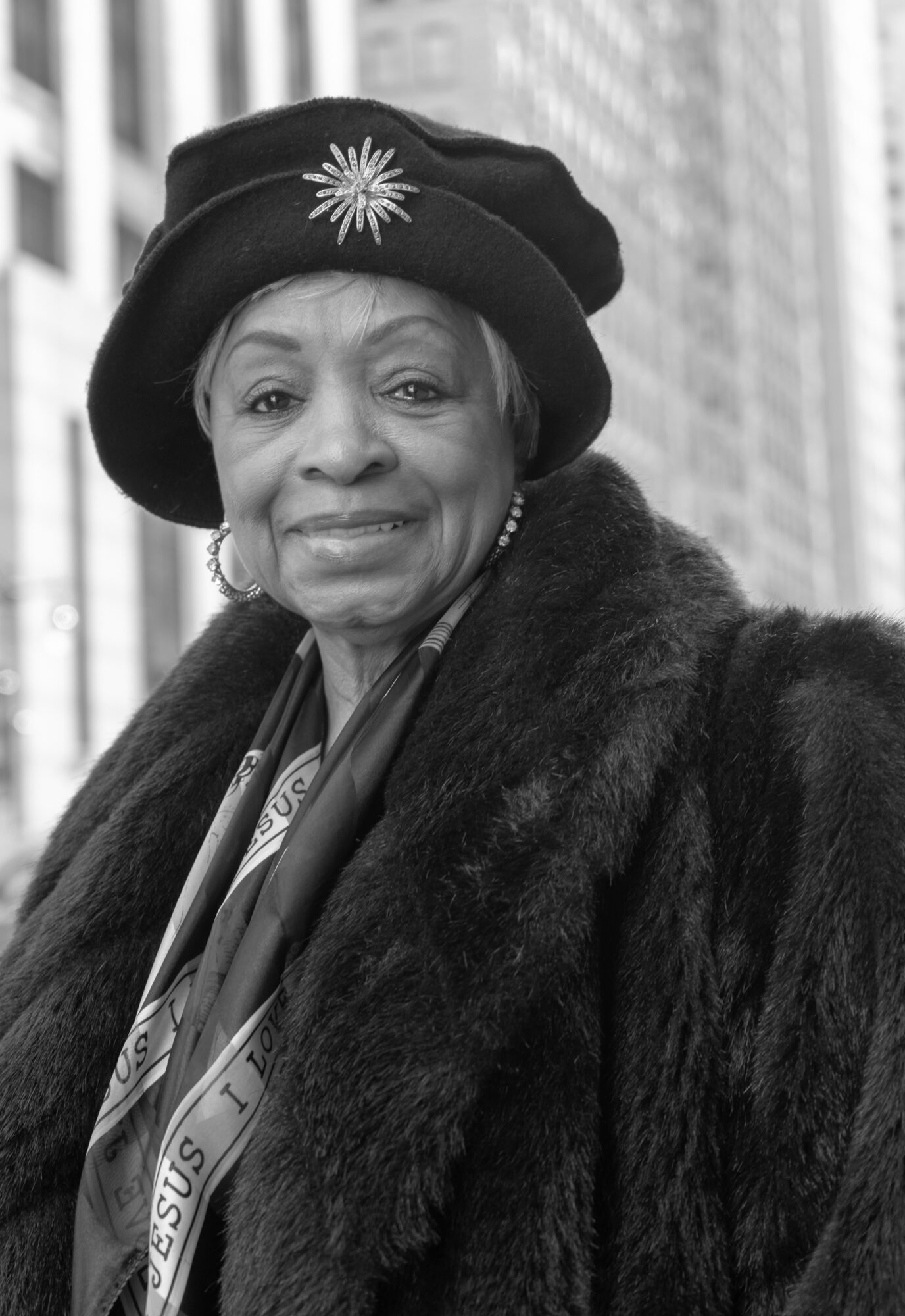
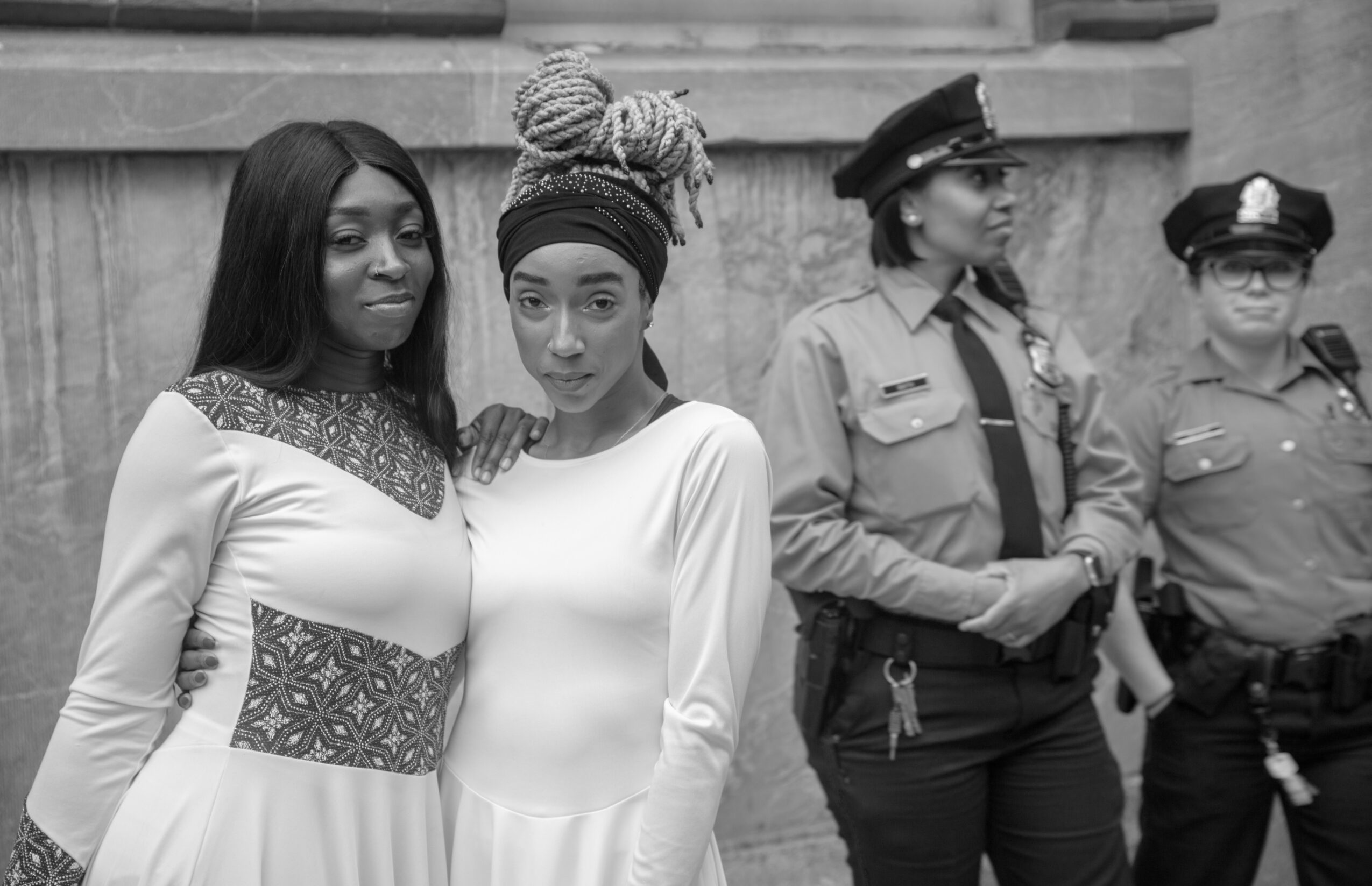
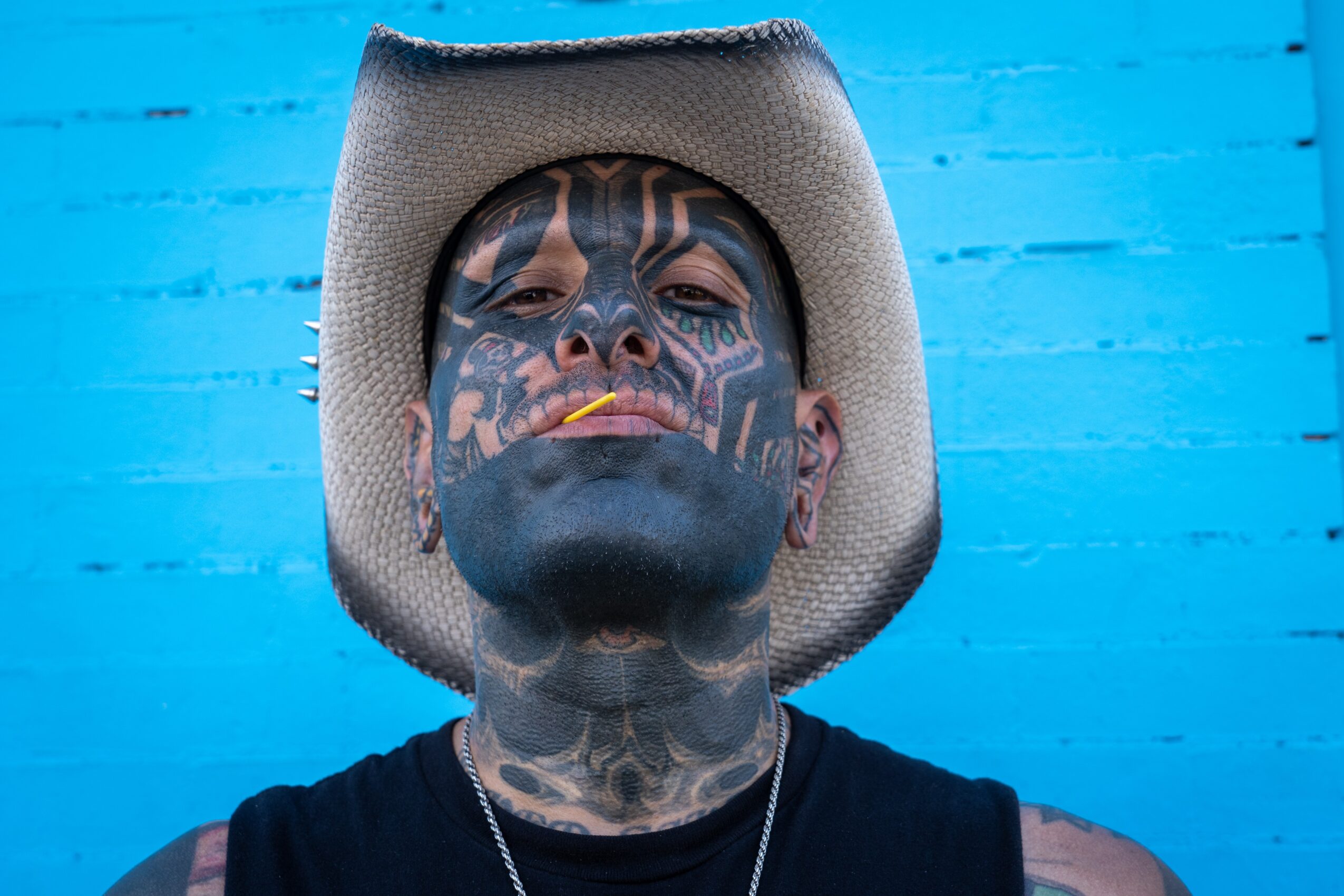
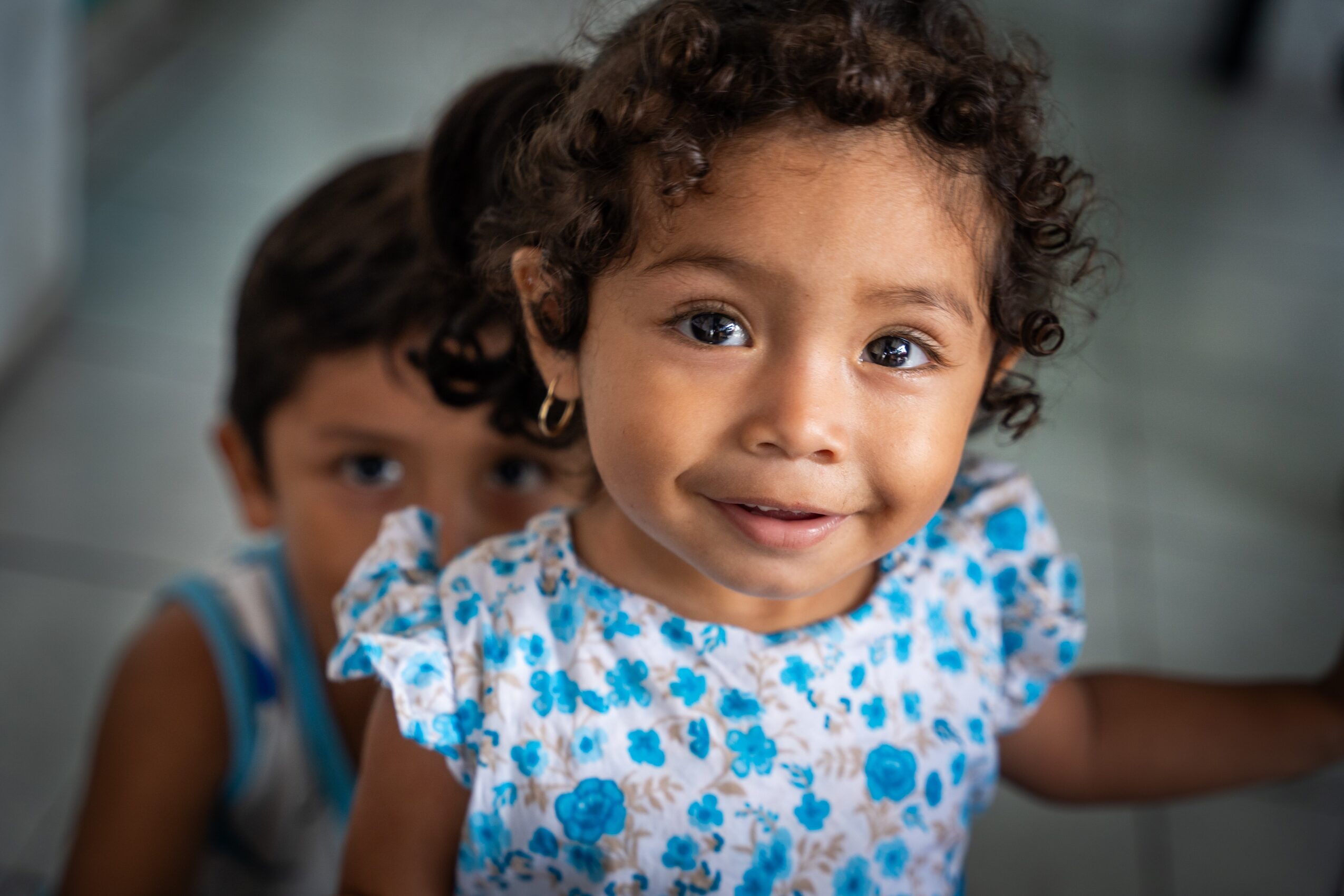
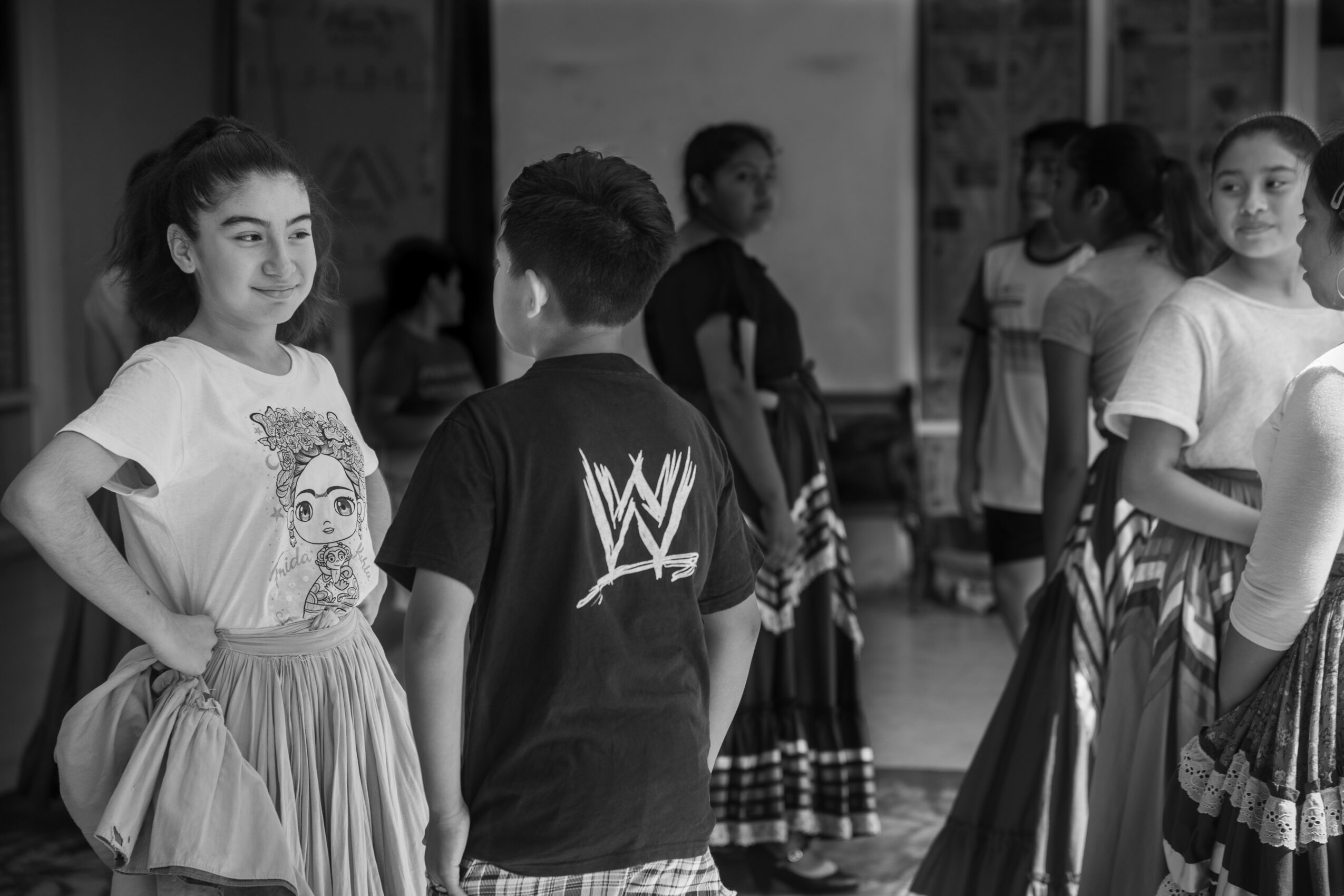
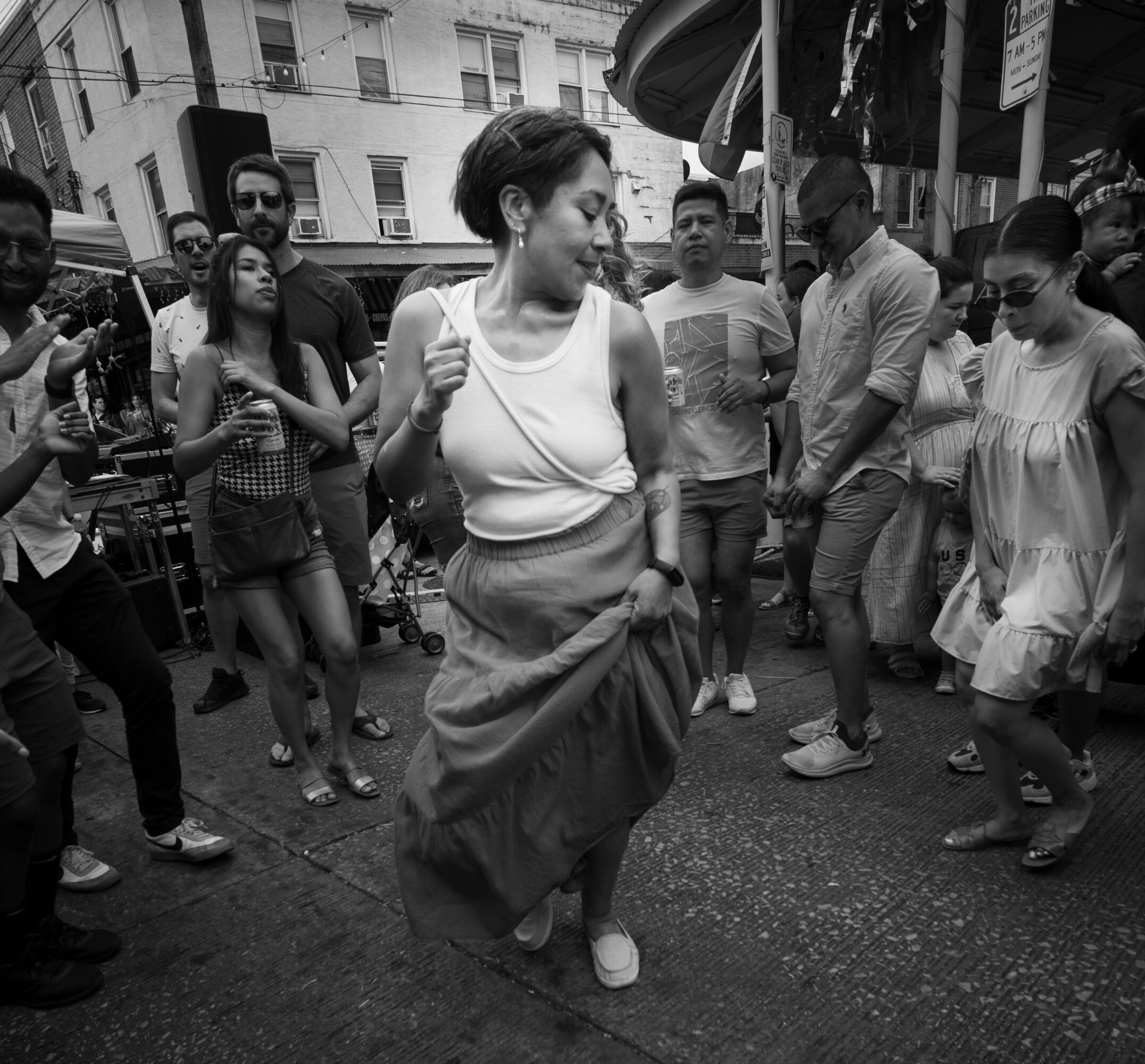
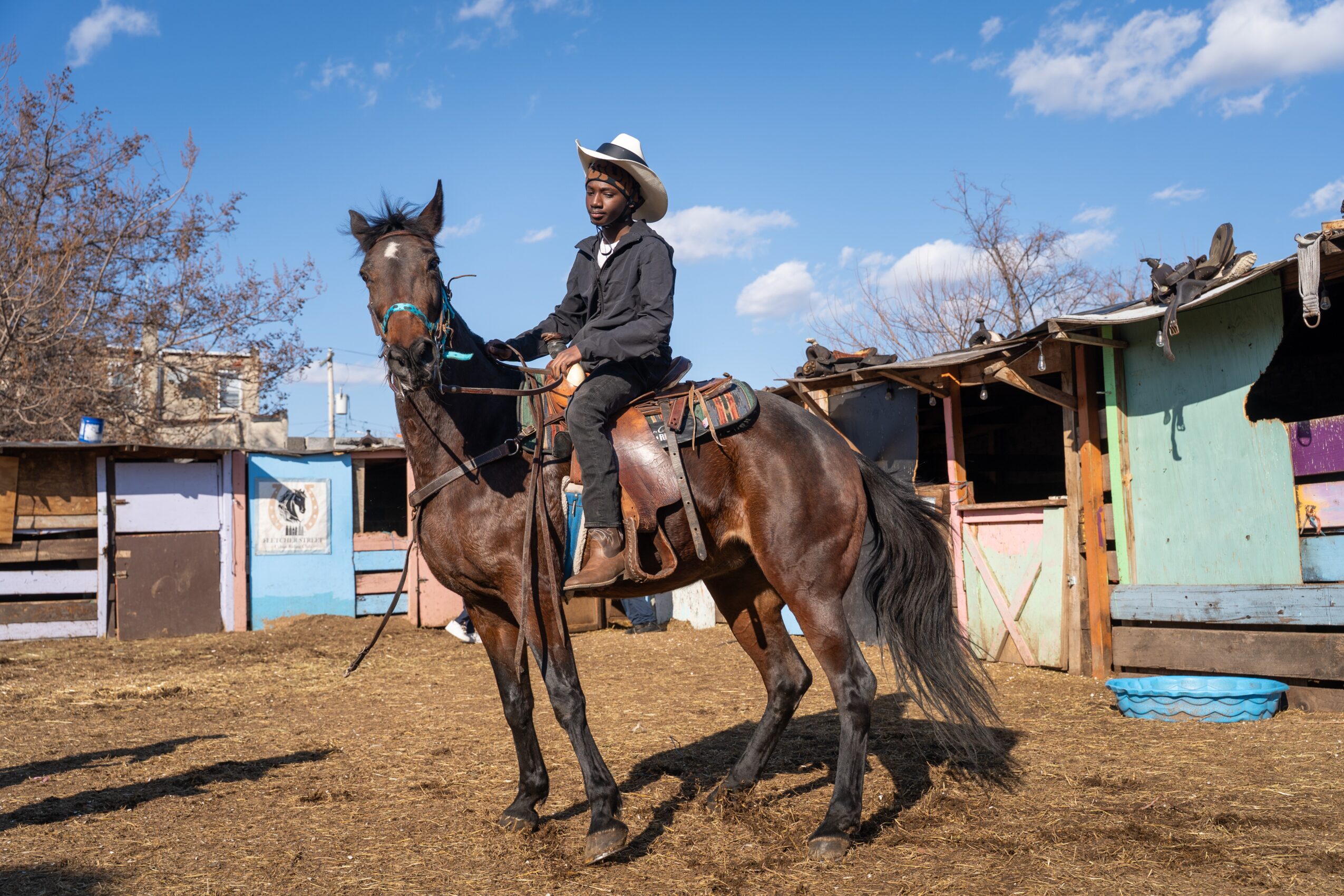
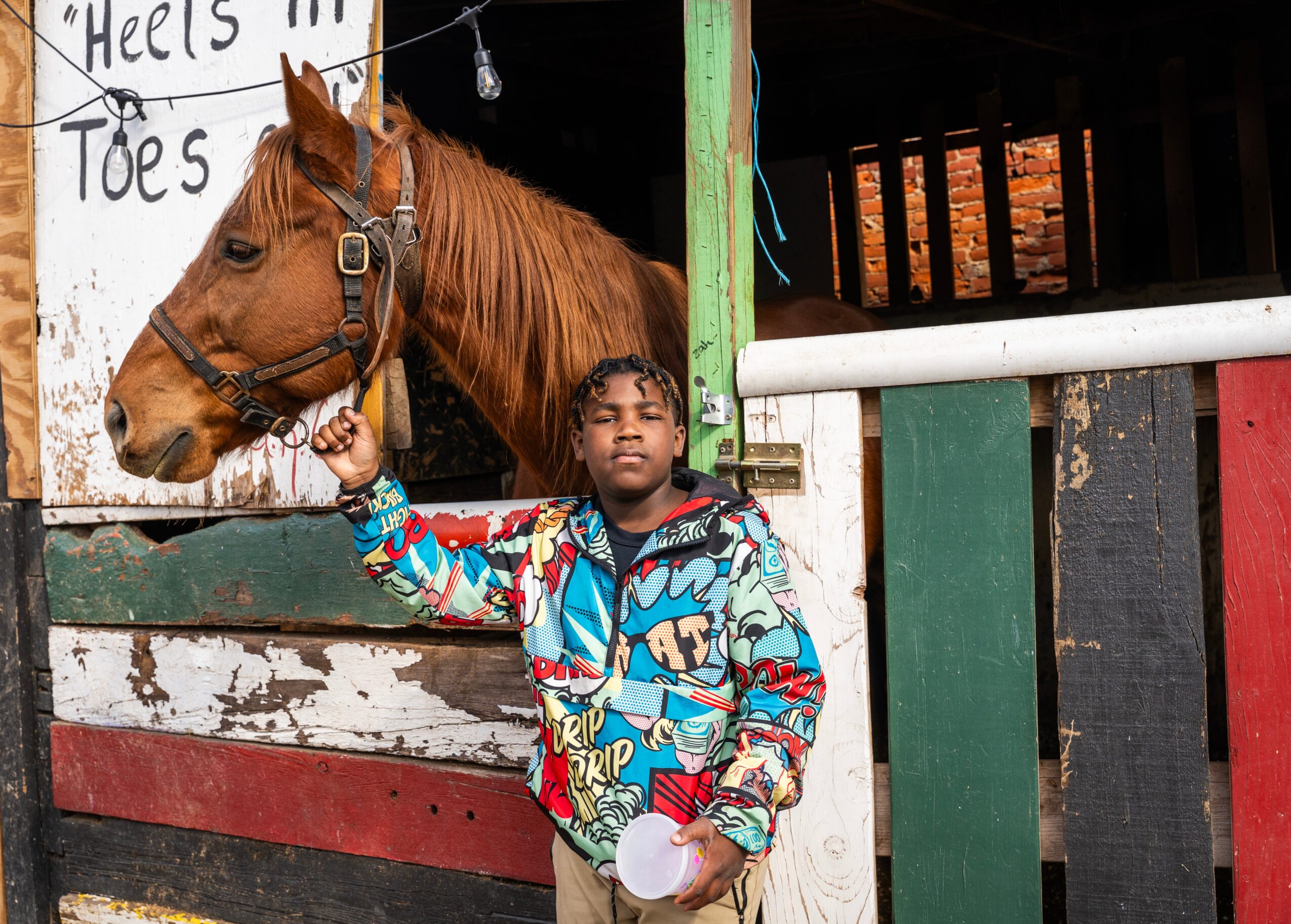
My photographic practice centers on street photography, particularly street portraits and community events. While I occasionally make candid photographs, my subjects are usually aware of my presence. For portraits, I always seek permission, whether verbally or through nonverbal communication.
Walking, my primary form of exercise, naturally complements my photography. At street events, I aim to immerse viewers in the scene by working close to the action often with a wide-angle lens and photographing from different perspectives. Across all my work, I strive to celebrate the beauty and dignity of people within their everyday environments.
For me, the experience of making photographs is as meaningful as the finished image. I value the brief but genuine connections I make with the people I photograph. Ironically, although I was very shy when I began, repeatedly approaching strangers with a camera helped me overcome much of that shyness. Early on, photographers often remarked that my images reflected a strong rapport with my subjects.
I also see photography as a way to document places and moments in time, especially in neighborhoods that are often overlooked or unfairly stigmatized. Photographing in these communities has led to rewarding relationships with residents, many of whom appreciate an outsider recognizing both the character of their neighborhood and the people who call it home.
Looking back, I realize that with more guidance early in my photographic journey, I might have pursued a path better suited to my talents and found even greater fulfillment. That realization motivates me to support emerging photographers whenever I can. Although I have never worked as a paid photographer, I regularly volunteer my services to nonprofit organizations that cannot afford professional photography and freely allow them to use my images in their publications and social media.
What was your favorite childhood memory?
When I was in eighth grade in rural Minnesota, my local high school had only about 50 male students, yet its basketball team went undefeated and won the state championship against much larger schools. That experience may have shaped my tendency to champion the underdog and reinforced my belief that hard work and determination can enable individuals and small groups to achieve remarkable things.
Contact Info:
- Instagram: https://www.instagram.com/huiskendavid/
- Facebook: https://www.facebook.com/david.huisken.9
- Other: https://www.flickr.com/photos/135230763@N03/