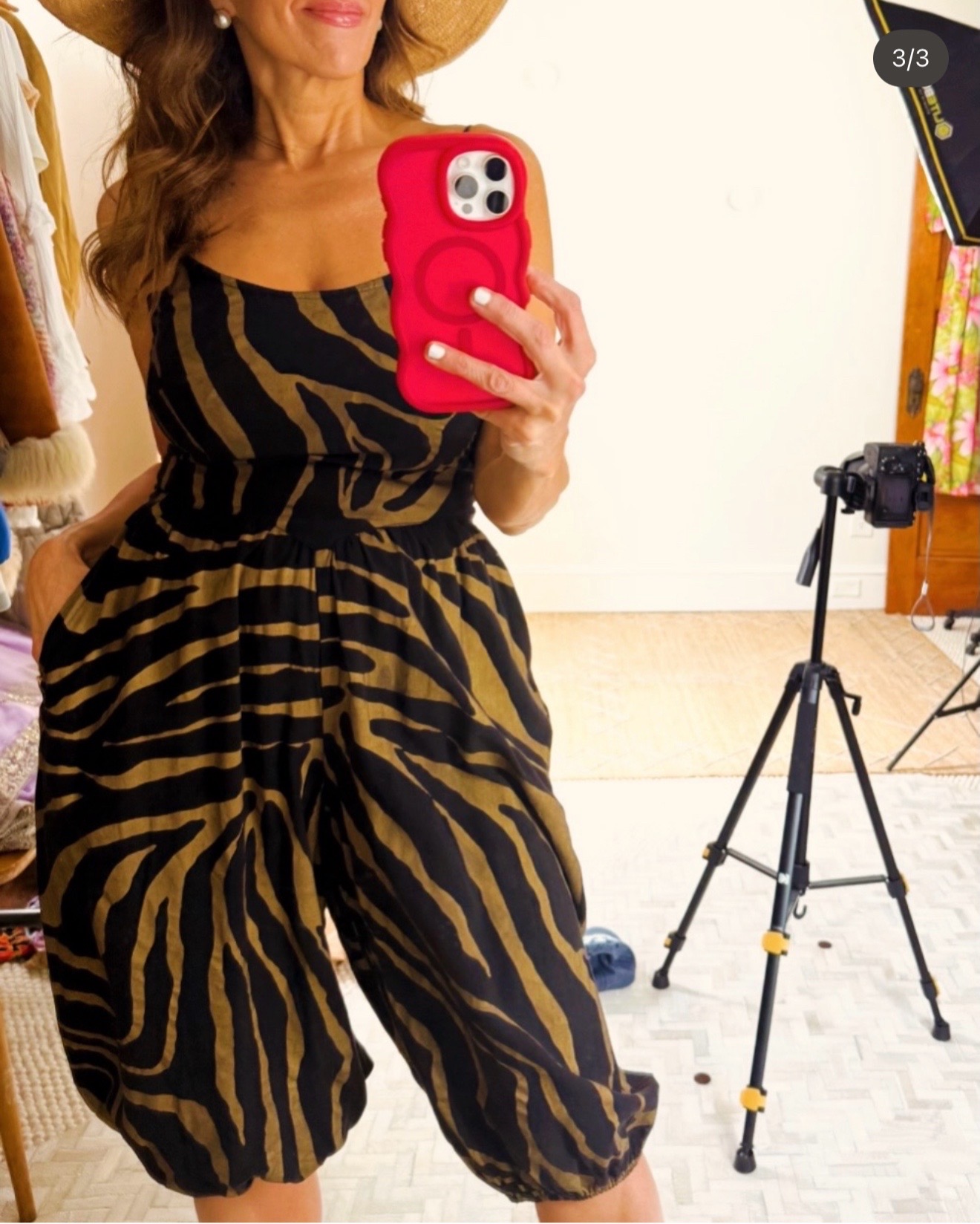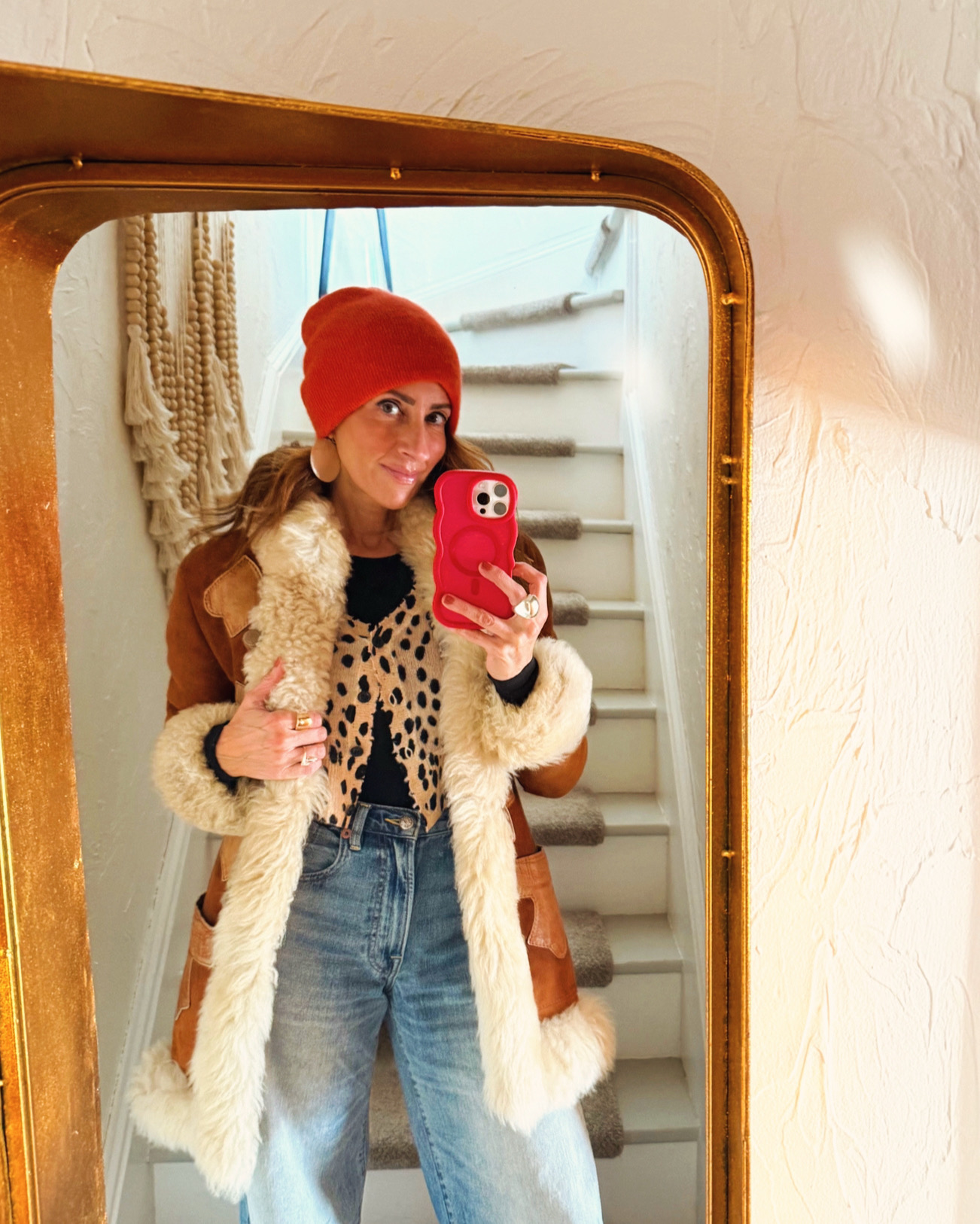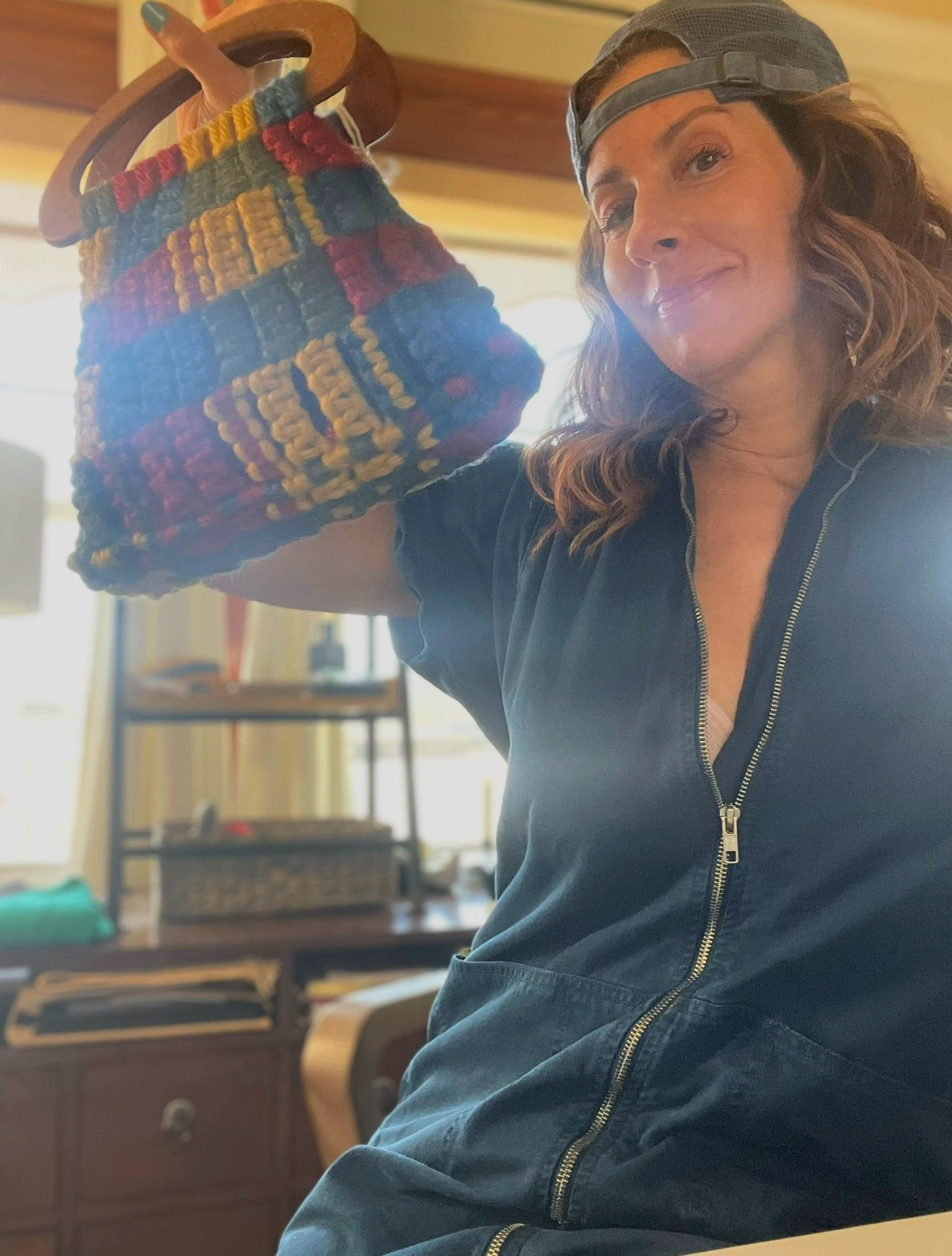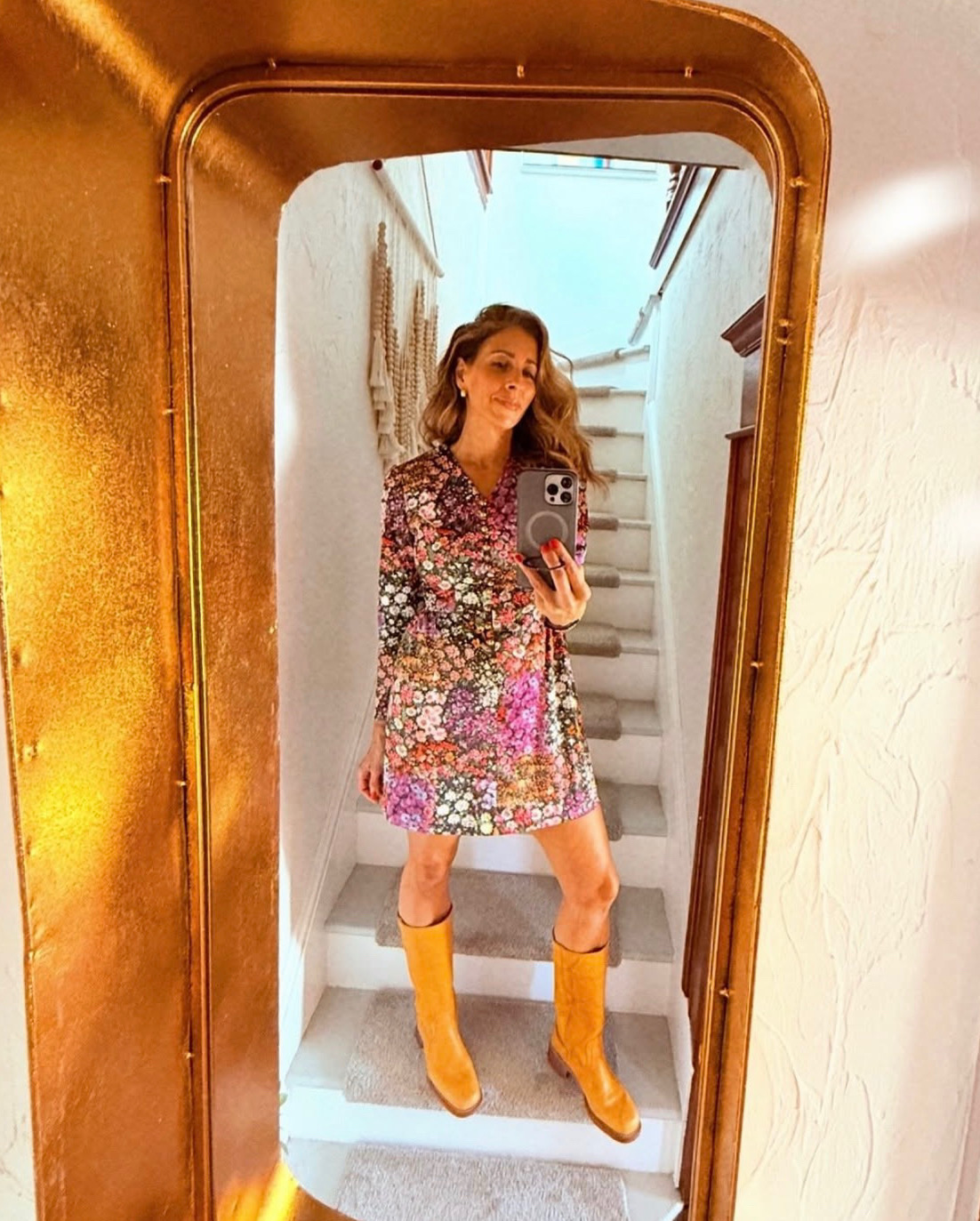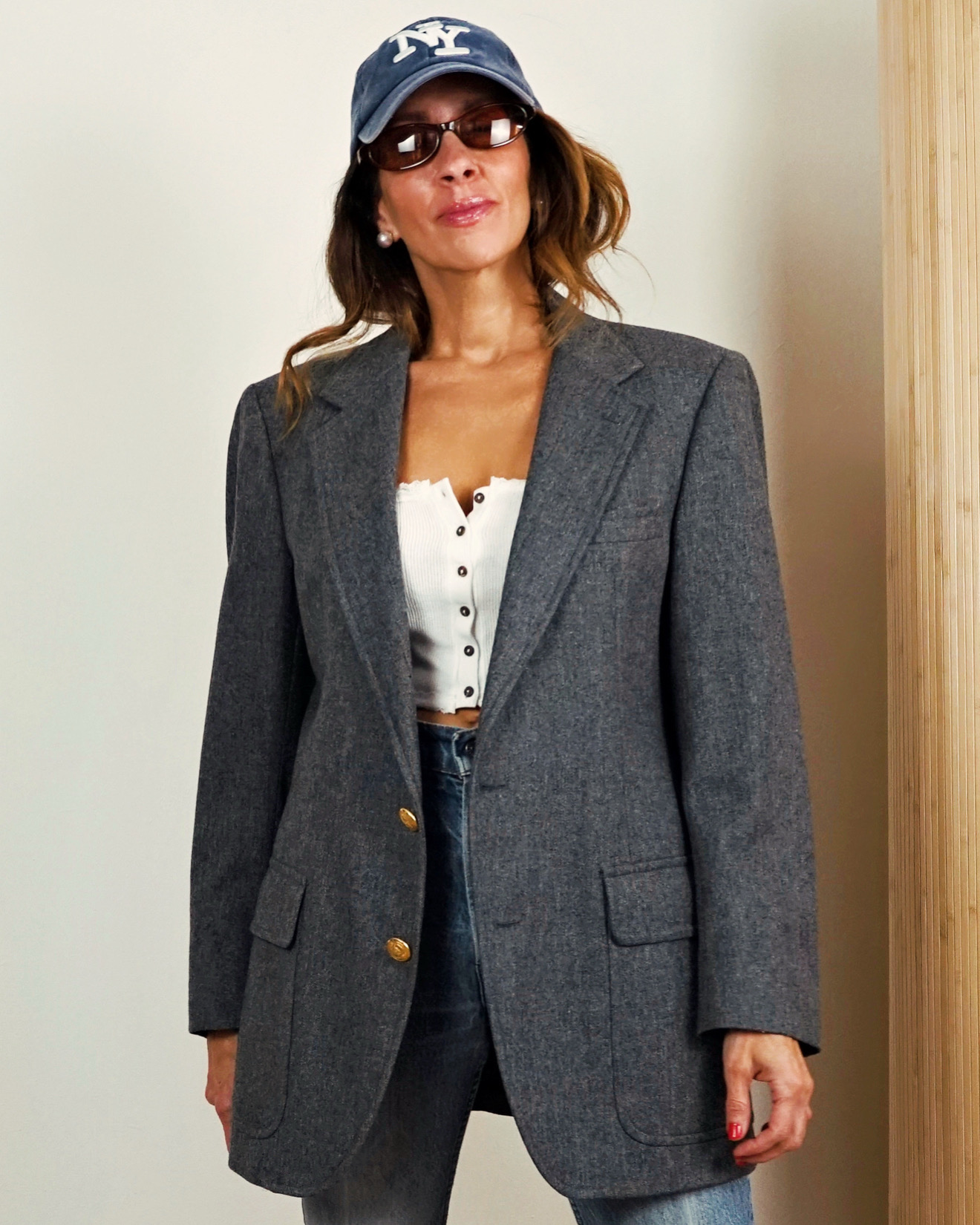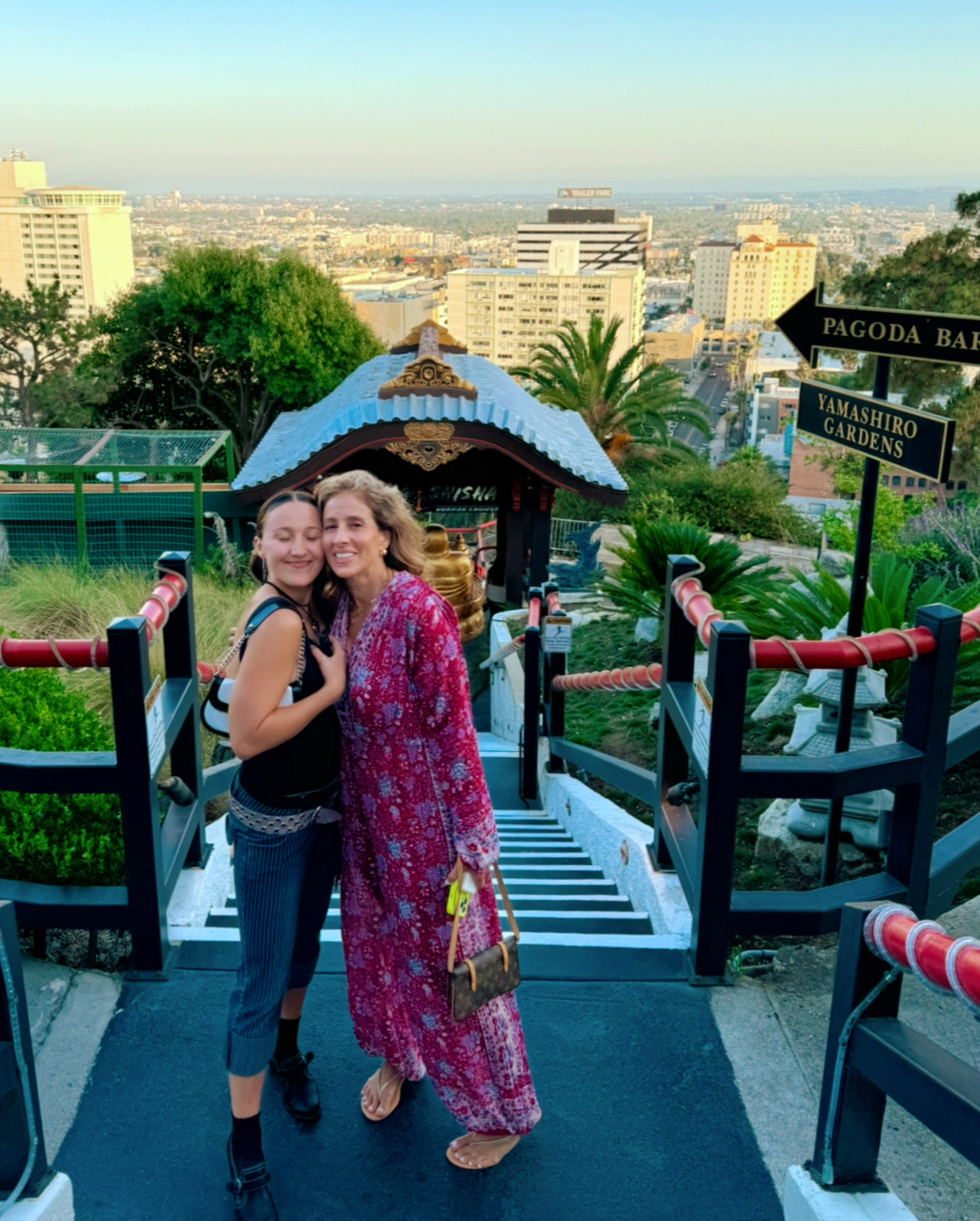



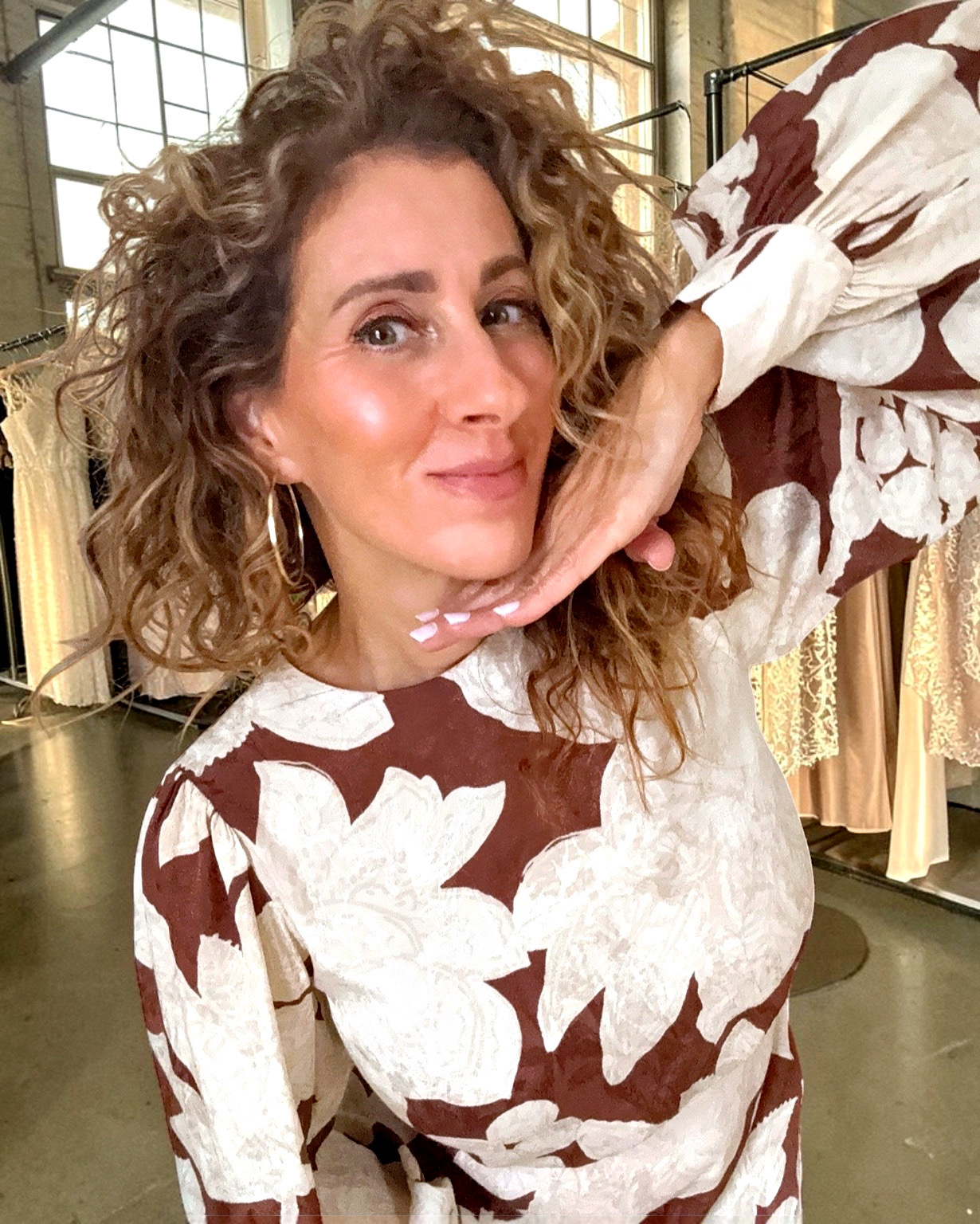
Today we’d like to introduce you to Kathleen Nelson.
Hi Kathleen, so excited to have you with us today. What can you tell us about your story?
I think Clositherapi Vintage or THERAPI (these days) really started long before I ever thought of it as a business. I’ve always been drawn to things that have lived a little… clothing with a past, objects with character, pieces that somehow carry a feeling with them. I’ve never been interested in perfection as much as I’ve been interested in presence.
What began with vintage clothing slowly became something much bigger for me. I started curating pieces (at a very young age) simply because I loved finding them, styling them and giving them another life. Over time, that instinct evolved into THERAPI — a concept shop rooted in vintage, mood and movement, where clothing, objects and memory all have a place.
I think the common thread has always been storytelling. I love the idea that something can exist in one life, find its way to you, and suddenly mean something entirely different. There is something incredibly beautiful to me about that exchange. It’s why sustainability and circularity became such a natural part of the shop rather than something I had to consciously build into it. I was already searching for what existed, what had been forgotten and what deserved to be seen again.
As THERAPI has grown, I’ve allowed it to grow with me. It has moved beyond simply selling vintage into something more personal… a collection of things I’m genuinely drawn to, whether they’re found, reworked, reused or reimagined. I’ve learned not to force it into one category.
I’m still evolving it, and maybe that’s the part I love most. I don’t really see THERAPI as something I arrived at. It feels more like something I’m continually becoming.
At its heart, it’s still what it was in the beginning: a love of beautiful things with a story, and the belief that what already exists can still feel completely new.
Would you say it’s been a smooth road, and if not what are some of the biggest challenges you’ve faced along the way?
It definitely hasn’t been a smooth road, although I’m not sure I ever expected it to be.
I started this the day after I graduated from college with a degree in art therapy. I had no real business plan and honestly didn’t know what came next. I just knew that I loved vintage and had this instinct to create something of my own. I would stay up incredibly late… sometimes all night and teaching myself how to build a website from scratch. And then I learned the first very humbling lesson of having an online business: you can build something beautiful, but that doesn’t mean anyone knows it exists.
I knew nothing about SEO, digital marketing or most of the things you’re apparently supposed to know when starting a business. None of that was my background. So almost everything has been learned as I’ve gone.
In the early years, sourcing felt completely different. Vintage wasn’t nearly as saturated as it is now, and I could spend hours searching and come across truly extraordinary things. Even then, though, I was never interested in simply filling racks. I was always looking for that one piece… something unusual, beautifully made, with a certain feeling to it. Today, thrifting and reselling have become an entire culture, which is wonderful in many ways, but it has also made finding those truly special pieces much harder. Learning how to protect my point of view in an increasingly crowded space has become its own challenge.
And then there is the reality of being a solopreneur. It’s just me.
Over the years I’ve had to become the buyer, photographer, photo editor, web designer, inventory manager, stylist, customer-service department, marketer, shipper and everything in between. Technology changes. Platforms change. Photography changes. The way people shop changes. Just when I feel like I’ve mastered one thing, there is something new to learn.
There are also quieter challenges that people don’t always talk about. When you work for yourself, much of the work happens alone. There have been slow days in the middle of winter when everything is so quiet I feel like I could hear a pin drop. You spend hours behind a computer, surrounded by inventory, making decisions no one else sees and wondering whether what you’re building is moving forward at all.
But I think those years have taught me resilience in a way nothing else could have. I’ve learned how to adapt without losing the reason I started. The industry has changed enormously, and so have I, but I’m still searching for the same thing I was searching for in the beginning: that one special piece that makes you stop and feel something.
Maybe the biggest challenge has been learning how to evolve without losing that.
As you know, we’re big fans of Clositherapi Vintage (THERAPI). For our readers who might not be as familiar what can you tell them about the brand?
THERAPI is a woman-owned concept shop built around vintage, reuse and the belief that the most interesting things are often the ones that already exist.
It began with clothing, but over the years it has become much more about a point of view. I’m drawn to pieces with character… things that feel singular, beautifully made, a little unexpected and difficult to replicate. I’ve never wanted the shop to feel like a sea of vintage for the sake of vintage. The edit matters to me. There has to be something about a piece that makes me stop.
That instinct is really the heart of THERAPI.
I source and curate everything myself, and I’m involved in every part of how a piece is presented… from finding it to photographing, styling, researching and ultimately sending it on to its next life. I think that intimacy is part of what makes the shop different. It isn’t driven by volume or by what an algorithm says people should want. It is very personal and very considered.
Sustainability has always been woven naturally into the business. Long before circular fashion became part of the larger conversation, I loved the idea of extending the life of something that was already beautifully made. There is something meaningful about choosing what exists rather than constantly producing more. For me, vintage is not only about nostalgia; it is also about longevity, individuality and consuming with a little more intention.
THERAPI has continued to evolve beyond clothing into accessories and select objects, but the philosophy has stayed the same: collected with feeling, chosen for a reason, and never simply because there is space to fill.
What I’m probably most proud of is that after all these years, the shop still feels like mine. The world around vintage has changed tremendously, but I have never wanted to lose the curiosity that started it. I still believe in searching slowly, choosing carefully and finding that one piece that somehow feels completely of the moment even though it has already had a life before you.
Where we are in life is often partly because of others. Who/what else deserves credit for how your story turned out?
There are definitely people woven into this story with me.
My grandmother, who is no longer with us, is a huge part of where my love of vintage began. She and my mom introduced me to thrift stores when I was very young, long before vintage became something I ever imagined building a business around. They taught me, without really calling it this, how to look closely — how to recognize quality, character and beauty in things that had already lived a life. I think so much of my eye was shaped in those early years.
My husband and my three daughters have also been an enormous part of the journey. When you build something over many years, the people closest to you inevitably live through all of it too — the late nights, the uncertainty, the piles of inventory, the ideas that work and the ones that don’t. Their support has given me the space to keep evolving, even during the seasons when the business has felt especially demanding.
I’ve also been very fortunate to have close friends who genuinely believe in what I do, and an incredible social media community that has grown alongside me. Some people have followed for years, purchased pieces, shared my work, sent encouragement or simply continued showing up. That kind of support can feel small from the outside, but when you’re running a business largely on your own, it means more than people probably realize.
I may be the person behind THERAPI day to day, but I don’t think any creative life is ever built entirely alone. There are pieces of all of these people in the story… especially my grandmother and my mom, who taught me to see the possibility in something old long before I understood how important that would become.
Contact Info:
- Website: https://www.clositherapi.com
- Instagram: @clositherapi_vintage
- Facebook: https://www.facebook.com/clositherapivintage