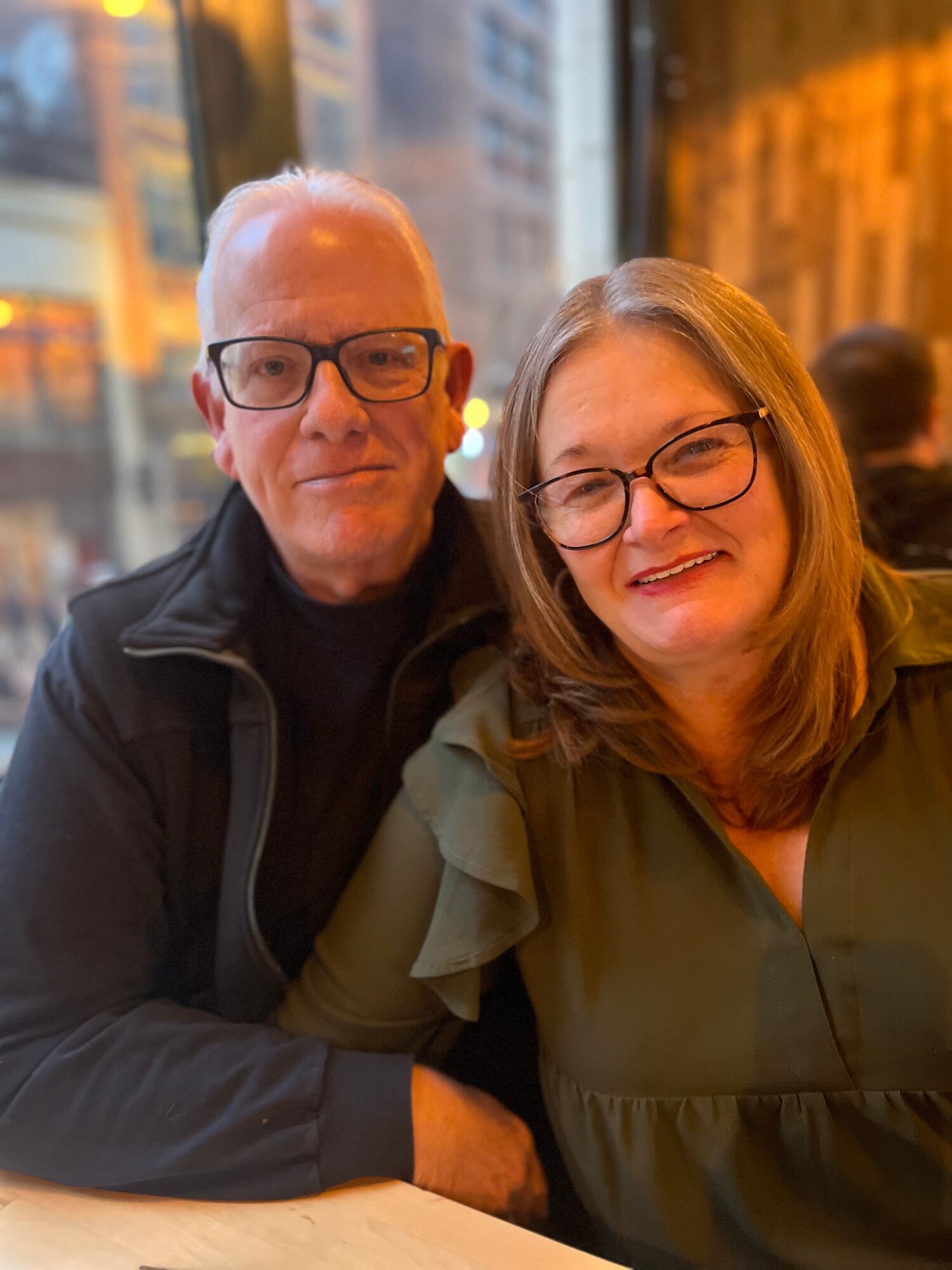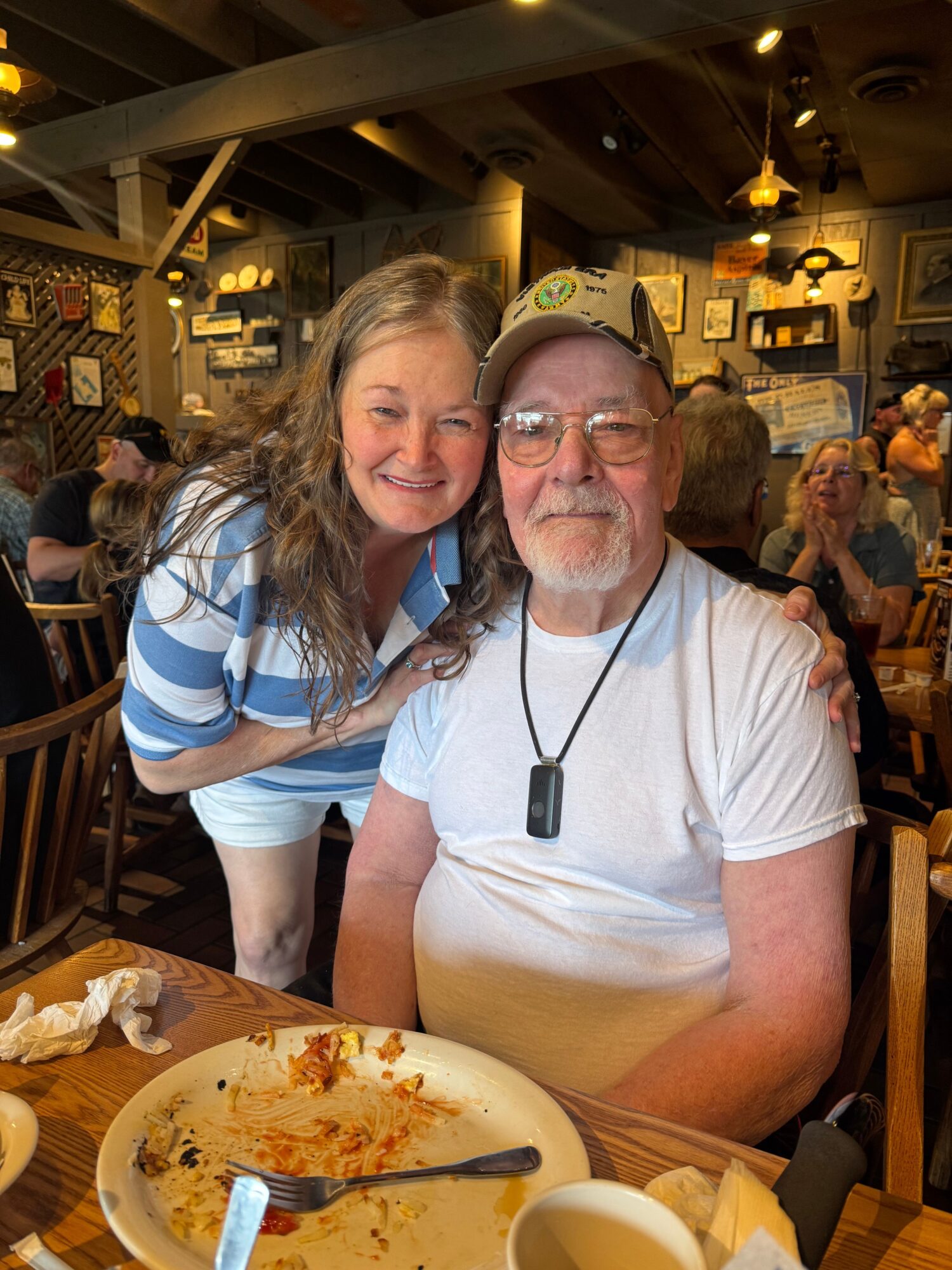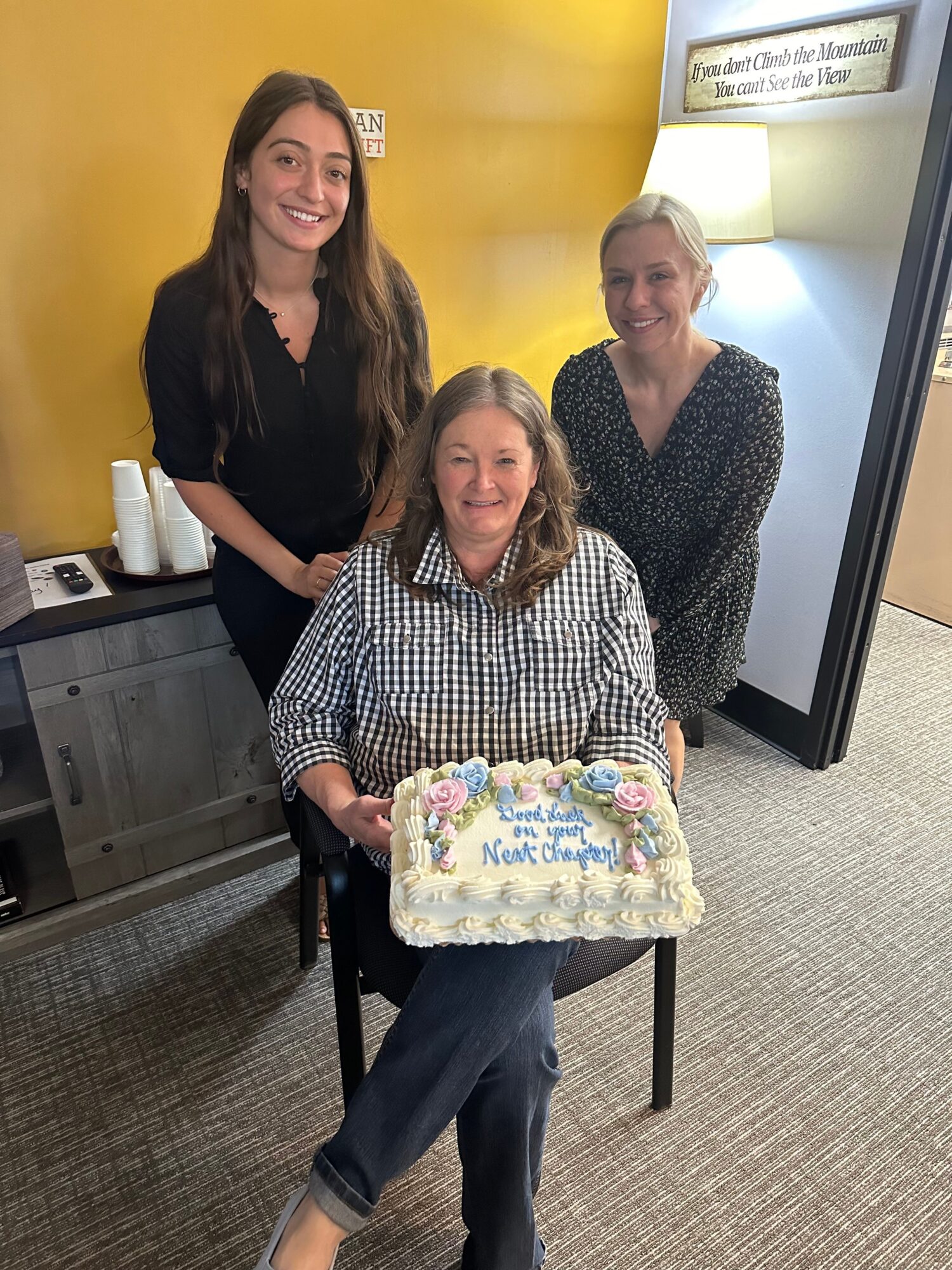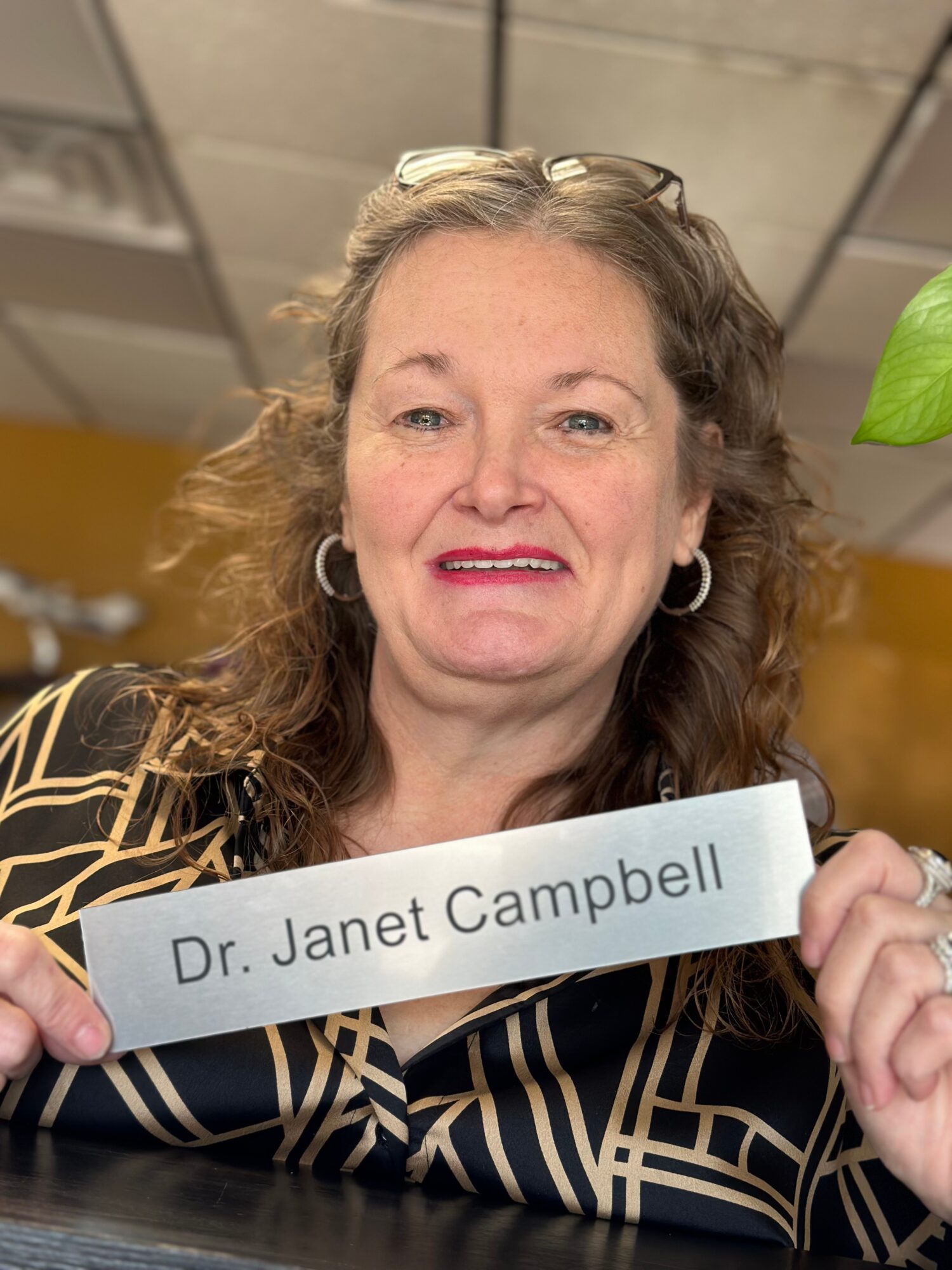



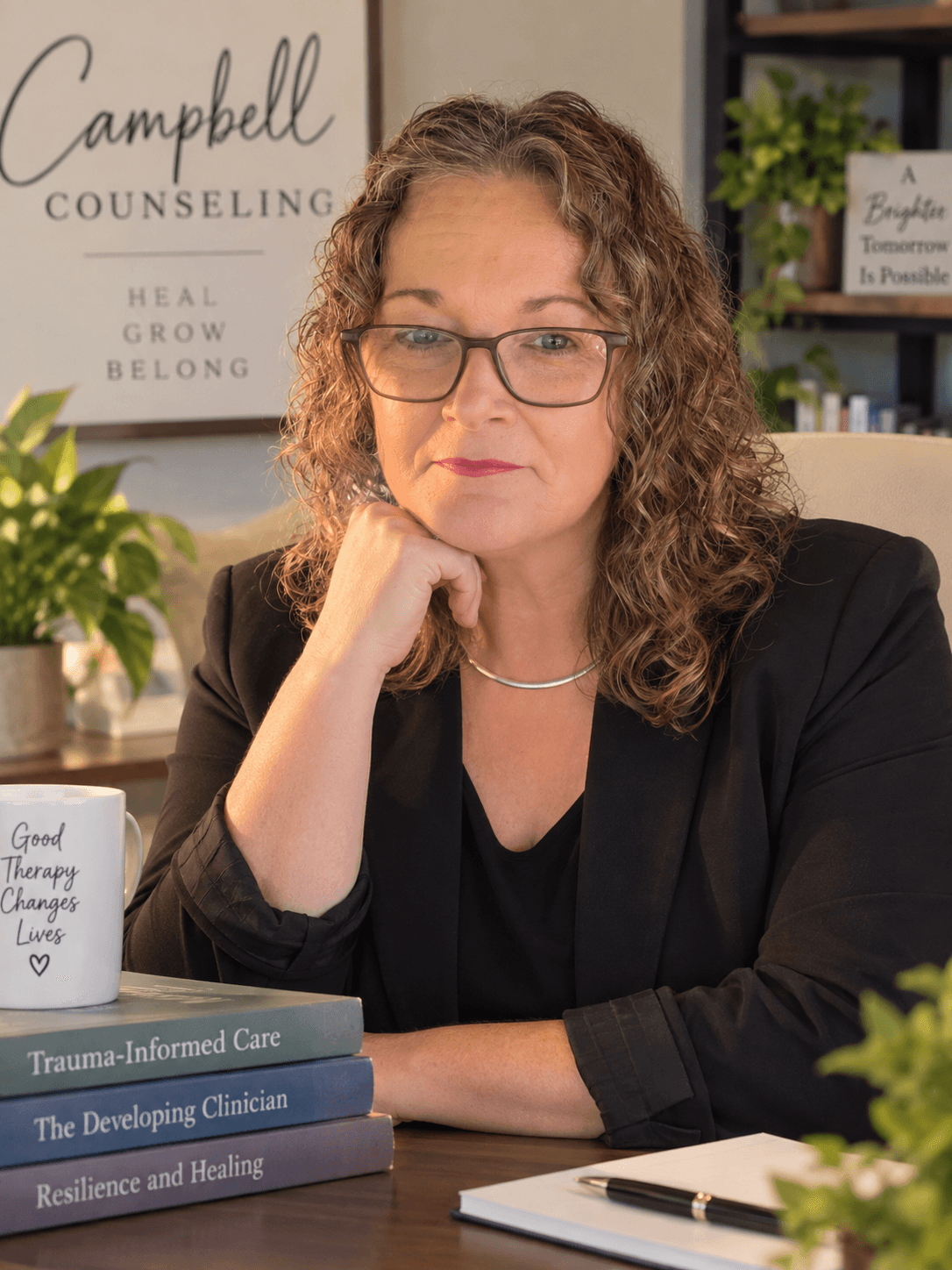
Today we’d like to introduce you to Dr. Janet Campbell.
Dr. Janet, we appreciate you taking the time to share your story with us today. Where does your story begin?
My story has definitely not followed a linear path. I grew up in rural North Carolina in generational poverty and in a family where life was often difficult. At the time, I certainly never imagined that one day I would earn a doctorate in psychology, own a counseling practice, supervise and mentor other therapists, and have the opportunity to help people through some of the most difficult experiences of their lives.
I entered the workforce young and spent several years in management, eventually becoming a regional manager overseeing several McDonald’s restaurants in North Carolina. After moving to Pennsylvania, I entered the medical field and co-owned a medical imaging equipment company that grew to nine employees and served hospitals, imaging centers, and veterinary practices. I later went to nursing school and became a Licensed Practical Nurse. Although I valued my work in healthcare, I increasingly realized that I was most drawn to understanding people—their experiences, their relationships, their trauma, and what helps them heal.
In 2012, I returned to college to study psychology, and that decision ultimately changed the direction of my life. I went on to earn my graduate degree in Clinical Mental Health Counseling, became a Licensed Professional Counselor in Pennsylvania, and eventually co-founded Campbell Counseling in Erie. What began as my own career change grew into an opportunity not only to provide therapy, but also to build a practice where other clinicians could develop their careers and where people in our community could access quality mental health care.
Over the years, my work has expanded beyond the therapy room. Today, I supervise and mentor developing clinicians, provide professional education and presentations, and participate in community mental health and suicide-prevention initiatives. I have volunteered with the American Red Cross on five disaster-response teams, including serving in supervisory roles on some of those teams. I also volunteer with the VA as a member of the Pennsylvania Governor’s Challenge Team, working alongside other professionals and community partners on initiatives focused on reducing suicide among veterans and strengthening suicide-prevention efforts across the Commonwealth.
Most recently, I completed my Ph.D. in Psychology with a specialty in trauma and disaster relief. Reaching that milestone was particularly meaningful because I was not a traditional student and did not take a traditional path to get there. My career has taken me from cleaning hotel rooms to restaurant management, business ownership, nursing, and counseling, ultimately leading me to earn a Ph.D. in Psychology and build a career dedicated to helping others. Looking back, I can see that every step—no matter how unrelated it may have seemed at the time—helped shape the clinician, business owner, mentor, and person I am today.
One of the things I am most grateful for is that my work now allows me to invest in other people. I am incredibly grateful for the life I have today, and I don’t take any of it for granted. I work hard to pay forward the opportunities, kindness, and support that have been extended to me along the way. Whether that means providing care to someone who otherwise might not be able to afford it, mentoring a new clinician, volunteering, or simply helping someone recognize possibilities they may not yet see for themselves, I believe success means more when we use it to create opportunities for others.
One of my favorite sayings is, “When you have more than you need, build a longer table, not a higher fence.” That philosophy has become an important part of how I try to live my life. I don’t believe our accomplishments are meant only for ourselves. If I have knowledge, resources, opportunities, or a seat at the table, I want to find ways to make room for other people too.
Today, I see my career as the culmination of many different experiences—business, healthcare, education, counseling, leadership, service, and a great deal of life experience. Each chapter taught me something that I now bring into my work. I have learned that where someone starts does not have to determine where they finish.
And now that I have been fortunate enough to build a life with a little more room at the table, I intend to keep pulling up chairs.
I’m sure it wasn’t obstacle-free, but would you say the journey has been fairly smooth so far?
It has definitely not been a smooth road. In fact, much of what I value about the life I have today comes from knowing just how different it could have been.
I grew up in rural North Carolina in generational poverty and in a very dysfunctional family of origin. My childhood included multiple forms of significant abuse, instability, and trauma. Using what we now know as the Adverse Childhood Experiences (ACEs) framework, my ACE score is 10 out of 10. Those experiences did not simply disappear when I turned 18. I entered adulthood carrying the effects of my childhood with me, and as a result, my early adult years were extremely difficult.
I had to learn many things as an adult that other people were fortunate enough to learn growing up—what healthy relationships look like, how to create stability, how to trust myself, and how to believe that my circumstances did not have to determine the rest of my life. There were mistakes, setbacks, and periods when I was simply trying to survive rather than thinking about building a future.
There were also challenges along the way professionally and academically. I was not a traditional college student. I returned to school later in life while working, raising a family, building businesses, and carrying significant responsibilities. My education happened one step at a time—eventually taking me from nursing, to becoming a Licensed Professional Counselor, and ultimately to earning my doctorate in Psychology. There were many times when quitting would have been easier.
By far, however, the most difficult experience of my adult life was losing my 26-year-old son to suicide in 2015. There really isn’t a way to adequately describe that kind of loss. It permanently changes you. I had to learn how to carry grief while continuing to be a mother, wife, clinician, business owner, and eventually a doctoral student. That experience also profoundly influenced my professional work and my commitment to suicide prevention, grief, trauma treatment, and veteran suicide-prevention efforts.
I don’t look at these experiences and feel grateful that they happened—I would never romanticize trauma or loss. But I am grateful for what I have been able to build despite them and for what I have learned along the way. They have given me a perspective that I could never have learned from a textbook.
Today, I am very aware of how fortunate I am, and that gratitude is one of the reasons paying it forward is so important to me. I know what it feels like to need someone to believe that your current circumstances are not the end of your story. Whenever possible, I want to be that person for someone else.
One of my favorite sayings is, “I trust the next chapter because I now know the author.” I cannot rewrite the earlier chapters of my life, and there are certainly chapters I would never have chosen. But I have learned that I have a great deal of say in what I do with them—and in what I write next.
Appreciate you sharing that. What should we know about Campbell Counseling?
Campbell Counseling is a private outpatient mental health practice in Erie, Pennsylvania, and it has grown into something that means much more to me than simply owning a business. When I first entered private practice, my focus was naturally on becoming the best clinician I could be and helping the person sitting across from me. As the practice grew, I began to realize that there was another way I could make an impact—by creating a place where other clinicians could grow, develop their skills, and build meaningful careers of their own.
Today, one of the parts of my professional life that I value most is supervising and mentoring developing therapists. I enjoy watching clinicians find their confidence, develop their own therapeutic style, and transition from students and pre-licensed clinicians into independent professionals. Some of the clinicians who came to us as interns have ultimately stayed and become part of our practice, which is especially rewarding.
Accessibility is also very important to me. Mental health care does very little good if the people who need it cannot access it. We work with a wide variety of insurance plans and populations, and I have always believed there should also be room for compassion and flexibility when someone genuinely needs help but does not have the resources to obtain it. That philosophy has resulted in our practice providing a significant amount of pro bono care over the years.
My background in business has also influenced how I operate Campbell Counseling. Long before becoming a therapist, I managed businesses, supervised employees, and co-owned another company. I learned that a healthy organization requires more than good intentions. It requires clear expectations, accountability, ethical decision-making, good systems, and—perhaps most importantly—taking care of the people who are doing the work.
At the same time, I never want Campbell Counseling to become so focused on growth that we lose sight of why we exist. Mental health care is ultimately about people. Behind every appointment, insurance claim, policy, and clinical note is a person who trusted us with some part of their story.
As the practice has grown, my role has evolved. I am still a clinician, but I am also an educator, supervisor, mentor, business owner, and problem-solver. I have discovered that I genuinely enjoy helping newer clinicians avoid some of the mistakes I had to learn from myself and giving them opportunities to grow.
For me, success is not measured simply by how large the practice becomes. I am much more interested in whether we provide excellent care, whether the clinicians who work with us feel supported and continue to grow, and whether we leave our community a little better than we found it.
In many ways, Campbell Counseling has become another version of that “longer table” I talked about earlier. I may only be able to personally sit across from a certain number of clients each week, but by investing in other clinicians and creating a practice where they can do meaningful work, the number of people we are able to help becomes much greater than anything I could accomplish alone.
Any advice for finding a mentor or networking in general?
My advice is to build genuine relationships rather than simply trying to “network.” Some of the most valuable mentors in my life were people I respected, learned from, and stayed connected with over time. Be willing to ask questions, accept feedback, and learn from people who know more than you do. I also believe mentorship eventually comes full circle—when someone takes the time to help you along the way, look for opportunities to do the same for the person coming behind you.
Pricing:
- Campbell Counseling accepts most major insurance plans, as well as Medicare, Pennsylvania Medicaid, Tricare, and several Employee Assistance Programs (EAPs).
- Private-pay with sliding scale options are also available.
Contact Info:
- Website: https://www.MarkVCampbell.com