


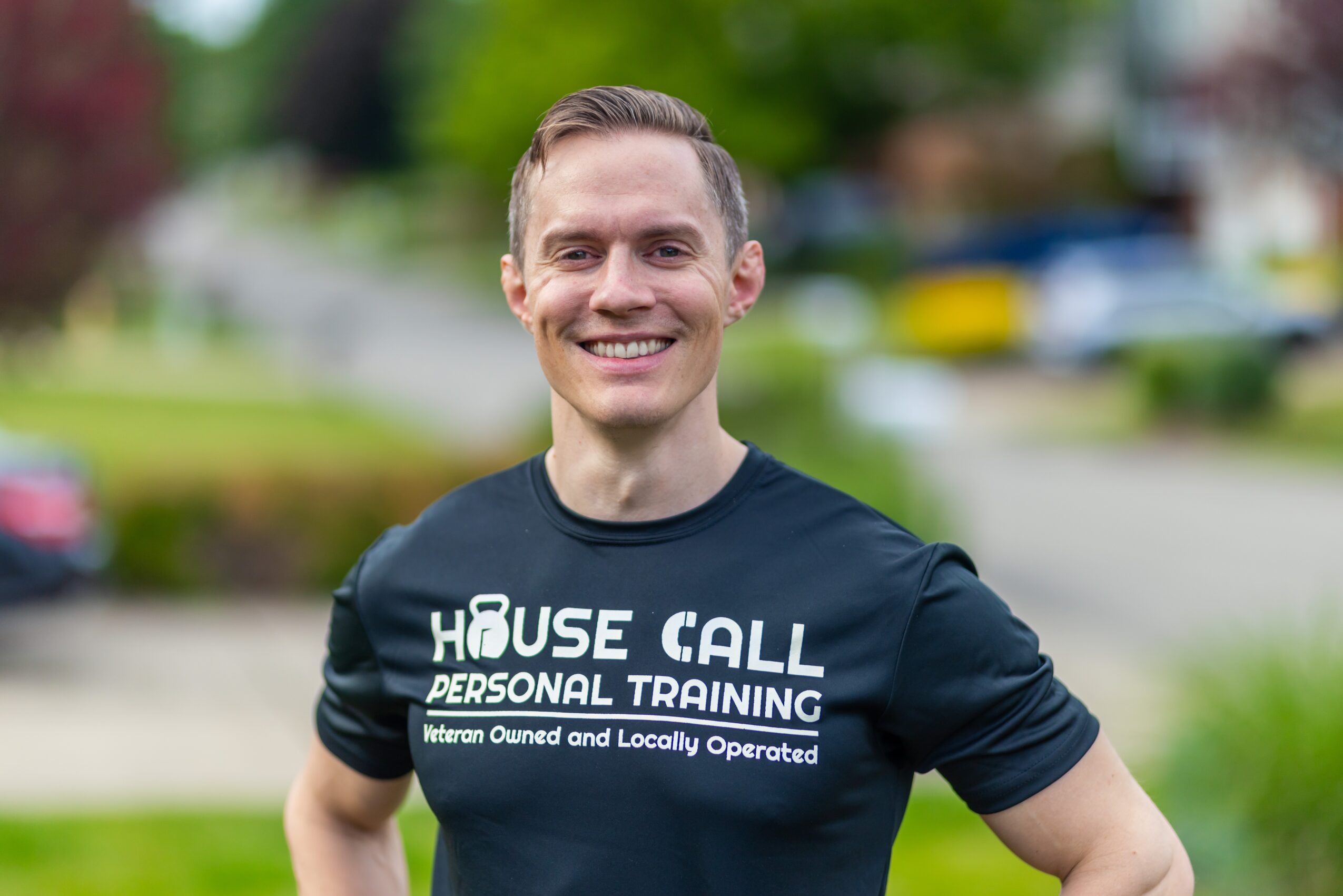
Today we’d like to introduce you to Daniel Hill.
Hi Daniel, it’s an honor to have you on the platform. Thanks for taking the time to share your story with us – to start maybe you can share some of your backstory with our readers?
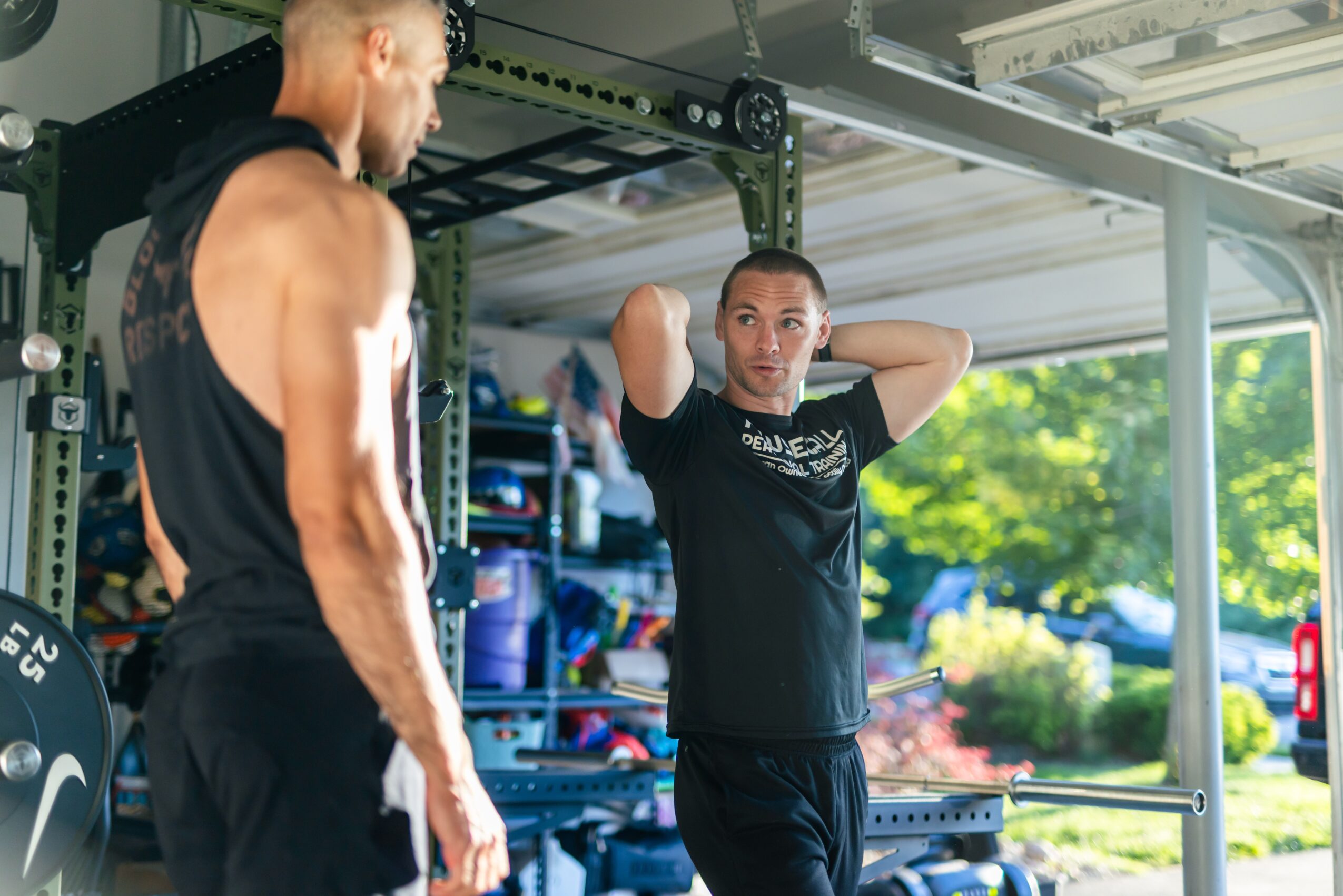
When I left active duty in the Marine Corps in 2020, my plan was to complete a master’s program in Erie, Pennsylvania, and pursue a career in the intelligence community. With the COVID-19 pandemic in full swing, I had built a small gym in the garage of my rental house to continue working out.
As friends started coming over to use the gym, I saw an opportunity to get some return on my investment in the equipment. I decided to become a certified personal trainer and train people on the side while continuing my studies.
After my first year of graduate school, however, I realized something: I would much rather spend my career helping people improve their physical fitness than working as an intelligence officer. So I moved to Pittsburgh, where I believed there would be more opportunities to pursue personal training professionally.
I quickly found a job at a local personal training gym and built a full schedule of clients within six months. Over the next year and a half, I started noticing a pattern. Many of the reasons people canceled sessions had little to do with the training itself. Last-minute scheduling conflicts became more difficult because of the commute. Bad weather made getting to the gym inconvenient or even dangerous. Sometimes, people simply didn’t feel like working out, and the thought of driving to the gym was enough to keep them home.
That got me thinking about how I first started working out at 16 years old, in a small gym my dad had built in my parents’ basement. I wondered how many people might benefit from having a similar experience in their own homes, particularly those for whom getting to a traditional gym presented an additional challenge.
After researching the Pittsburgh market and finding very few businesses offering dedicated in-home personal training, I decided to start House Call Personal Training.
I formed the LLC, developed a logo, built a basic website, and established a Google Business Profile. My thinking was simple: I wanted the business to look as professional and legitimate as possible from the very beginning, even though I was still its only employee.
My first client was a friend from college. After helping him achieve results, I asked him to leave a review on Google. That became the foundation of my approach to growing the business for the next two years: work with clients, deliver results, earn their trust, and ask them to share their experiences.
As those reviews accumulated, prospective clients became increasingly comfortable placing their trust in us. Eventually, I reached the point where I couldn’t accommodate everyone on my own, and I began hiring other trainers.
That presented an entirely new challenge. I had never interviewed or hired anyone before, and I knew that growing the business would mean very little if the quality of our service suffered as a result. I spent considerable time identifying the qualities, habits, and professional standards that had helped me succeed, even using ChatGPT to help translate those qualities into a structured interview process. That approach helped me build a team of trainers who shared my commitment to our clients and contributed to very little employee turnover.
Since then, House Call Personal Training has continued to grow. I’ve become a regular fitness contributor to two Pittsburgh television programs, launched a weekly newsletter that’s entering its second year, and expanded the company to nearly 100 clients and seven employees.
What began as a way to make some money from the equipment in my garage has grown into a business that helps people throughout the Pittsburgh region become stronger, healthier, and more confident in their physical abilities, all without having to leave their homes.
We all face challenges, but looking back would you describe it as a relatively smooth road?
Overall, the road has actually been relatively smooth, especially considering how underserved the in-home personal training market is. That said, the first few years of running House Call Personal Training have helped me understand some of the reasons this business model isn’t more common. I’ve also had to contend with the challenges of running a company without any formal business education or experience.
The biggest operational challenge has been logistics.
In-home personal training has very little overhead compared to operating a traditional gym, but that advantage comes with a unique set of problems. You can’t simply take on any client at any available time. You have to be in the right place at the right time, which means your schedule is something you have to carefully construct rather than simply fill.
Having an open hour on your calendar doesn’t necessarily mean you can train someone who lives across town during that hour. Travel time limits the number of sessions a trainer can realistically conduct in a day, which means we have to charge more per session to make the business sustainable.
That creates another challenge: delivering a service that justifies a higher price point. From the beginning, I had to be a better coach, and as the company grew, I needed to recruit experienced trainers who could deliver that same level of service.
Finding those people isn’t easy. Experienced trainers often have established client bases and relatively predictable incomes. Convincing them to leave that behind for a small startup, where their schedules might initially be sparse and their earning potential uncertain, requires selling them on a vision of what their careers could eventually look like.
Geography complicates hiring even further. I can’t hire someone simply because they’re an excellent trainer. They also need to live in an area where we have clients or where we’re trying to establish a presence.
In fact, expanding into a new geographic region is almost like opening another business location, even though we don’t operate physical facilities. Expanding into a new geographic market often means making investments in staffing and infrastructure before there’s enough demand to fully support them. Balancing those investments with sustainable growth has been one of our biggest challenges. It’s a difficult proposition for both the trainer and the company, because we’re each making a bet on future growth.
These are complicated problems, but I also view them as opportunities. If we can develop reliable systems for solving them, they’ll become a significant competitive advantage and help position House Call Personal Training as the premier in-home personal training company in the region.
The other major challenge has been learning to live with the stress and responsibility of owning a business.
I spent five years in the Marine Corps, where my job sometimes involved jumping out of airplanes in the middle of the night, so I don’t think anyone could reasonably accuse me of being afraid of risk.
But the risks associated with running a business feel different.
When you know that the success or failure of an entire company ultimately rests on your shoulders, that responsibility can occasionally get to you. I’ve woken up in the middle of the night convinced that the business was going to fail the next day, despite there being absolutely no evidence that anything was wrong.
Learning how to manage that pressure while simultaneously teaching myself how to run a company has been one of the most difficult parts of this experience.
Still, I believe we’re building something genuinely different. My goal isn’t simply to operate a successful personal training business in Pittsburgh. It’s to develop a model for delivering high-quality, individualized personal training in people’s homes that can eventually succeed on a much larger scale.
There are plenty of challenges between here and there, but I’m determined to figure them out.
As you know, we’re big fans of House Call Personal Training. For our readers who might not be as familiar what can you tell them about the brand?
### What should we know?
House Call Personal Training is a veteran-owned, in-home personal training company serving the greater Pittsburgh region.
Founded in 2022 by Daniel Hill, the company has grown from a one-person operation to a team of seven trainers serving approximately 100 clients throughout the region. We’ve experienced growth every year since our founding, expanding both our geographic reach and our ability to serve the community.
### What do you do, what do you specialize in, and what are you known for?
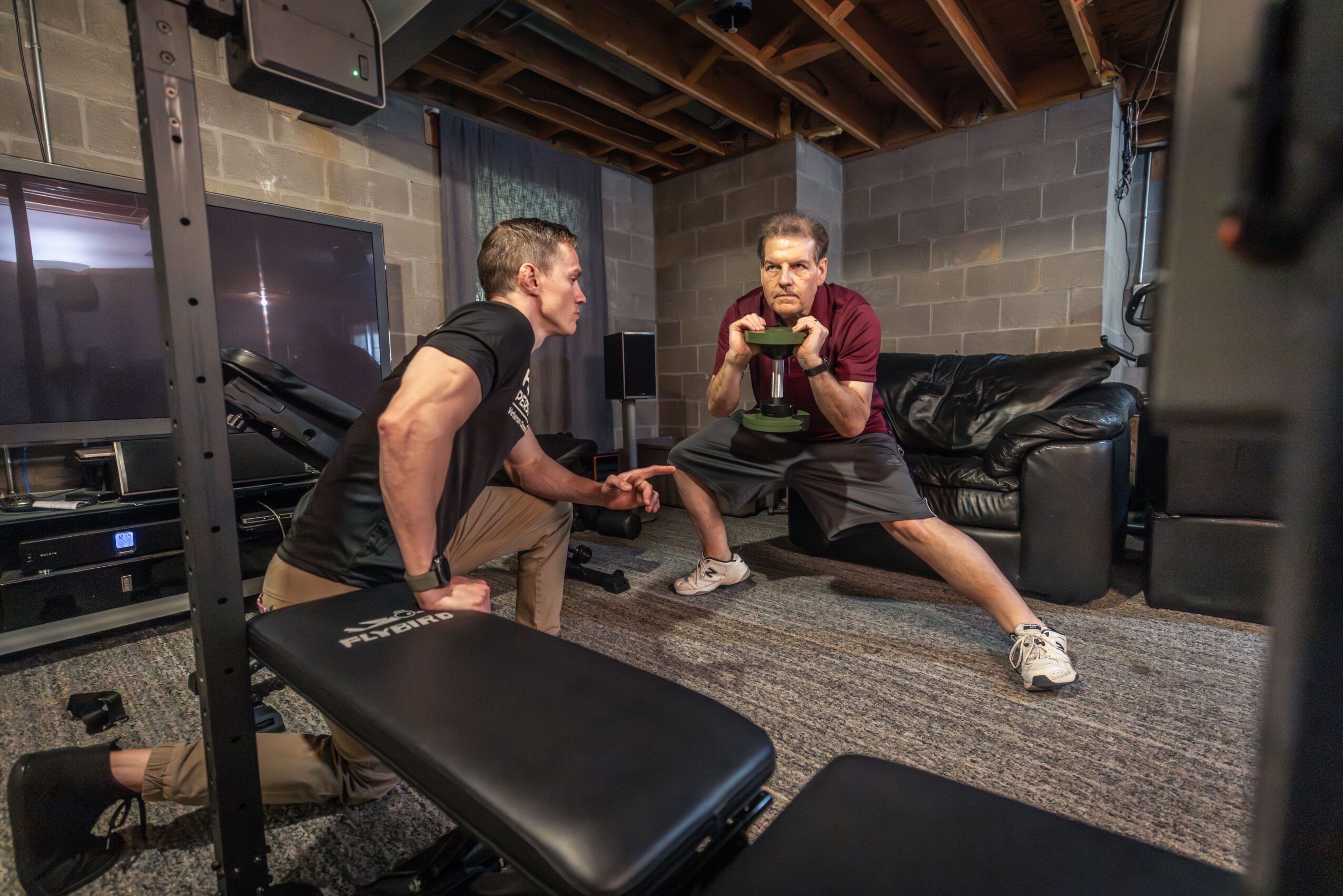
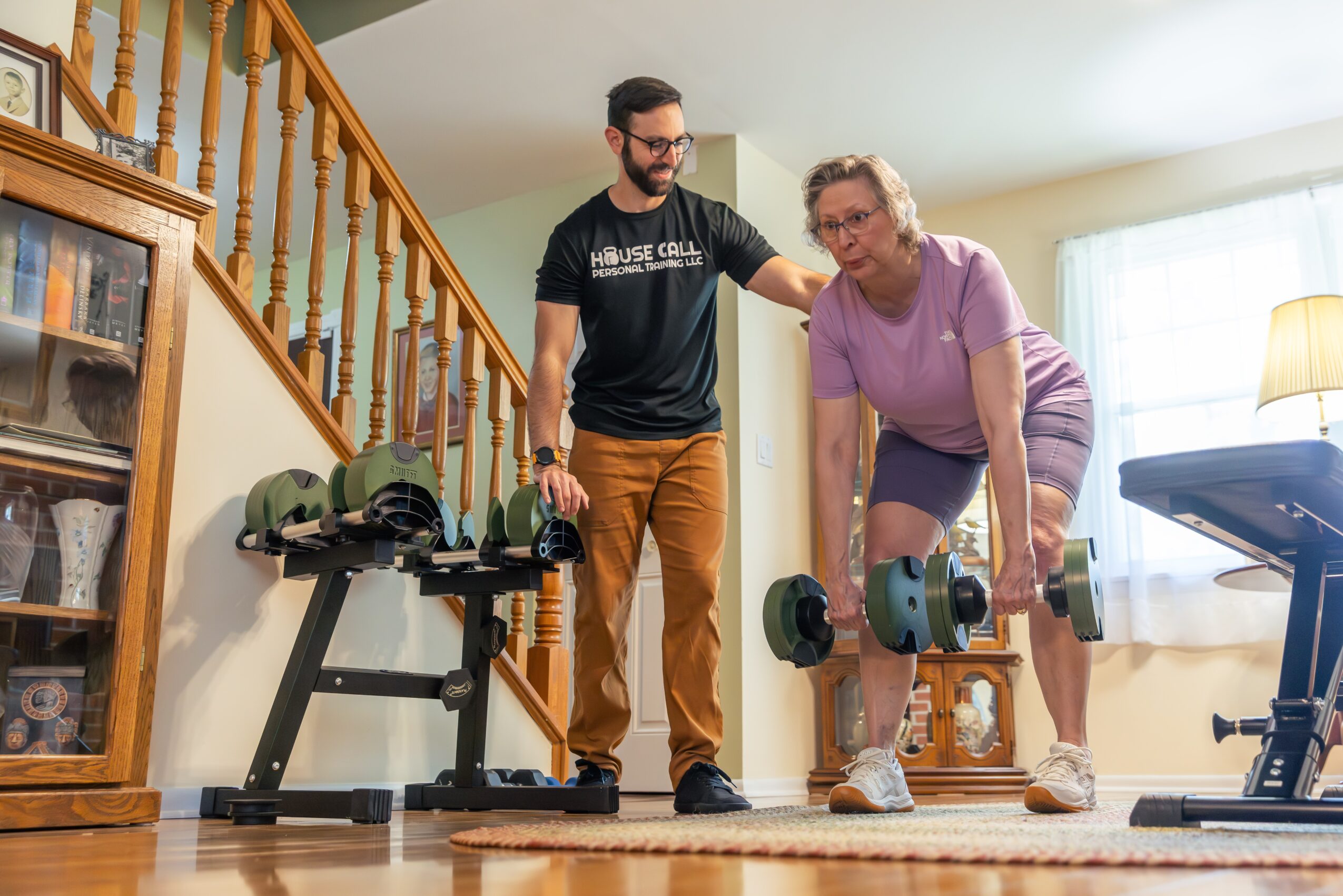
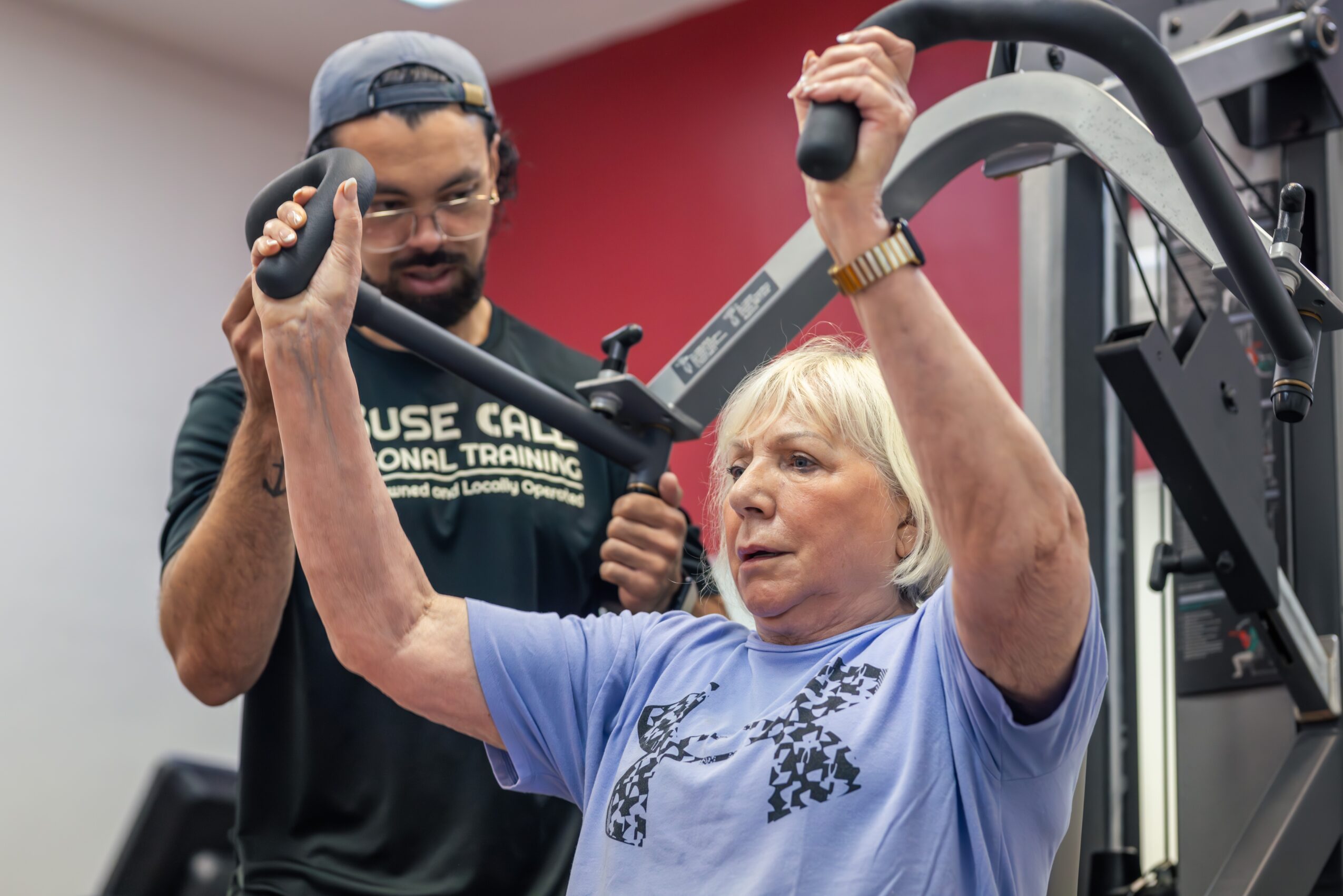
We specialize in individualized, in-home personal training for beginners, with a particular emphasis on strength training. Many of our clients are older adults or individuals who want to improve their strength, mobility, and confidence but aren’t comfortable with or interested in traditional gym environments.
### What sets you apart from others?
House Call Personal Training was built from the ground up as a company, rather than a business centered around a single trainer’s personality or reputation.
Everything we do, from hiring and developing our trainers to structuring our services, is designed specifically for in-home personal training. Our goal is to provide a consistent, professional training experience that clients can rely on, regardless of which member of our team they’re working with.
### What are you most proud of, brand-wise?
I’m particularly proud of the trust we’ve earned in the communities we serve, reflected in our nearly 100 five-star Google reviews. I’m also proud of our continued growth and expanding presence throughout the Pittsburgh region, especially considering that we started with just one trainer and one client.
### What do you want readers to know about your brand, offerings, and services?
We believe strength training should be accessible to people who might otherwise never set foot in a gym.
Whether someone feels intimidated by a traditional gym, struggles to maintain a consistent exercise routine, or simply prefers the convenience and privacy of working out at home, we bring individualized, professional strength training directly to them.
Our goal is to eliminate as many barriers to getting started and staying consistent as possible, so our clients can focus on getting stronger, moving better, and maintaining their independence as they age.
Is there any advice you’d like to share with our readers who might just be starting out?
I’d like to direct my advice specifically toward new personal trainers who aspire to work for themselves one day, rather than new business owners generally. I’ve spent considerably more time learning how to be a good personal trainer than learning how to run a business!
**1. Enter the Field for the Right Reasons**
If you decide to become a personal trainer, it absolutely must be because you want to help people, not simply because you enjoy working out and spending time at the gym.
There’s a big difference between enjoying fitness as a hobby and enjoying the process of teaching it to other people. Your clients won’t necessarily share your enthusiasm for exercise, and much of your work will involve teaching the same fundamental movements, answering the same questions, and helping people overcome the same obstacles.
If you’re primarily interested in your own fitness, that can become frustrating very quickly. But if you genuinely enjoy helping people improve their lives, this can be an incredibly fulfilling career. That sense of purpose will also help carry you through my next point.
**2. Be Ready for a Rough Few Years**
My advice would be to spend some time working at a big-box gym, or somewhere that requires you to develop your own book of clients. Learn how to work the floor, approach strangers, develop relationships, sell personal training, and maintain a level head when you’re working split shifts that can stretch across 15-hour days.
That’s a side of personal training that people don’t always see. The actual training sessions are only part of the job. Everything surrounding them, from finding new clients to managing unpredictable schedules and inconsistent income, can grind you down and make you question why you entered the profession in the first place.
But there’s tremendous value in learning those lessons while working for someone else.
And don’t underestimate the importance of learning how to sell. Good salesmanship isn’t just about convincing someone to buy something. It’s about understanding what people want, what has prevented them from getting it, and whether you can genuinely help them. Those are skills that will make you a better coach, too.
If you can learn how to attract prospective clients, earn their trust, sell your services, deliver results, and retain their business, you’ll have developed many of the fundamental skills you’ll eventually need to succeed on your own.
**3. Learn Who You Work Well With**
Don’t try to be everyone’s trainer. In attempting to appeal to everybody, you risk becoming the obvious choice for nobody.
Spend your first few years learning which populations you enjoy working with, which clients you consistently get results for, and which types of clients tend to stay with you over the long term.
Those observations are invaluable if you eventually want to start your own business.
Offering a specific service or result to a specific population is often a much better strategy than attempting to compete with Planet Fitness or whichever private gym has the largest presence in your area.
Find an underserved population, identify what they need that existing businesses aren’t providing, and determine whether you can build a sustainable business around meeting that need. After all, a lack of competition doesn’t necessarily mean there’s a market worth entering.
But if you can find people who want something they aren’t getting, are willing to pay for it, and whom you genuinely enjoy working with, you may have found a very good opportunity.
**4. Build Your Life Around the Career**
If you want to make personal training your career, you need to recognize that your life probably won’t resemble that of someone working a conventional 9-to-5 salaried job, especially in the beginning.
You need to understand that feast and famine are real possibilities and plan your finances accordingly. You need to protect your routines outside of work so you can consistently show up for your clients, even when your schedule is demanding.
You also need to learn to delay gratification. When you have a particularly good month, resist the temptation to immediately spend the extra money. Reward yourself for your hard work along the way, absolutely, but don’t get carried away.
Most importantly, recognize that the sacrifices you make early in your career should be building toward something. Working long hours for inconsistent pay might be necessary when you’re getting established, but that doesn’t mean it should be your situation forever. The skills, reputation, and financial stability you’re building should eventually give you more control over your career, not less.
Remember what you’re working toward and think long-term. The decisions you make outside of your training sessions can have just as much impact on your career as the quality of the sessions themselves.
Contact Info:
- Website: https://www.housecalltraining.com
- Instagram: https://www.instagram.com/housecallpersonaltraining/
- Facebook: https://www.facebook.com/profile.php?id=61550378652776
- Youtube: https://www.youtube.com/@HouseCallPersonalTraining