


Today we’d like to introduce you to Taylor Irelan.
Taylor, we appreciate you taking the time to share your story with us today. Where does your story begin?
From a young age, I had two careers in mind for myself: becoming a doctor or becoming a professional classical musician. I struggled with which path was right for me all the way through college. I went back and forth between being a music major and pursuing pre-med, and even spent two years working in an ER, before ultimately deciding to pursue music.
I went on to earn both my bachelor’s and master’s degrees in music performance and was fortunate enough to make a living as a professional musician immediately after graduating. I thought I was living my dream, but I eventually realized I wasn’t fully aware of the mental toll it was taking on me. The constant pursuit of the next step in my career, along with the daily pressure to appear and perform perfectly, began affecting both my social life and physical health.
There was also the occasional challenge of being openly queer in the classical music world. On numerous occasions, conductors, board members, and agents told me not to be open about my sexuality or to “tone it down” out of fear that donors or ticket buyers might not be tolerant.
Like many people, the pandemic became a catalyst for me professionally. For the first time in years, I had the opportunity to slow down and pause. My family and friends actually commented that I seemed happy for the first time in years. It was refreshing not to have auditions, competitions, concerts, or the constant pressure to prove myself and stay relevant in the music world.
I had also grown up loving visual art, particularly drawing and painting. My family was very creative, especially my mother and grandmother, and they nurtured that part of me. I had taken art classes throughout my life simply because I enjoyed them and found them calming. During the pandemic, I started drawing and painting more, and it became incredibly therapeutic as I figured out whether I wanted to stay in music or pursue something different.
When I began considering a career change, the obvious option was to return to medicine. But being in my late 30s, the idea of spending many more years in school, followed by residency, was not particularly appealing.
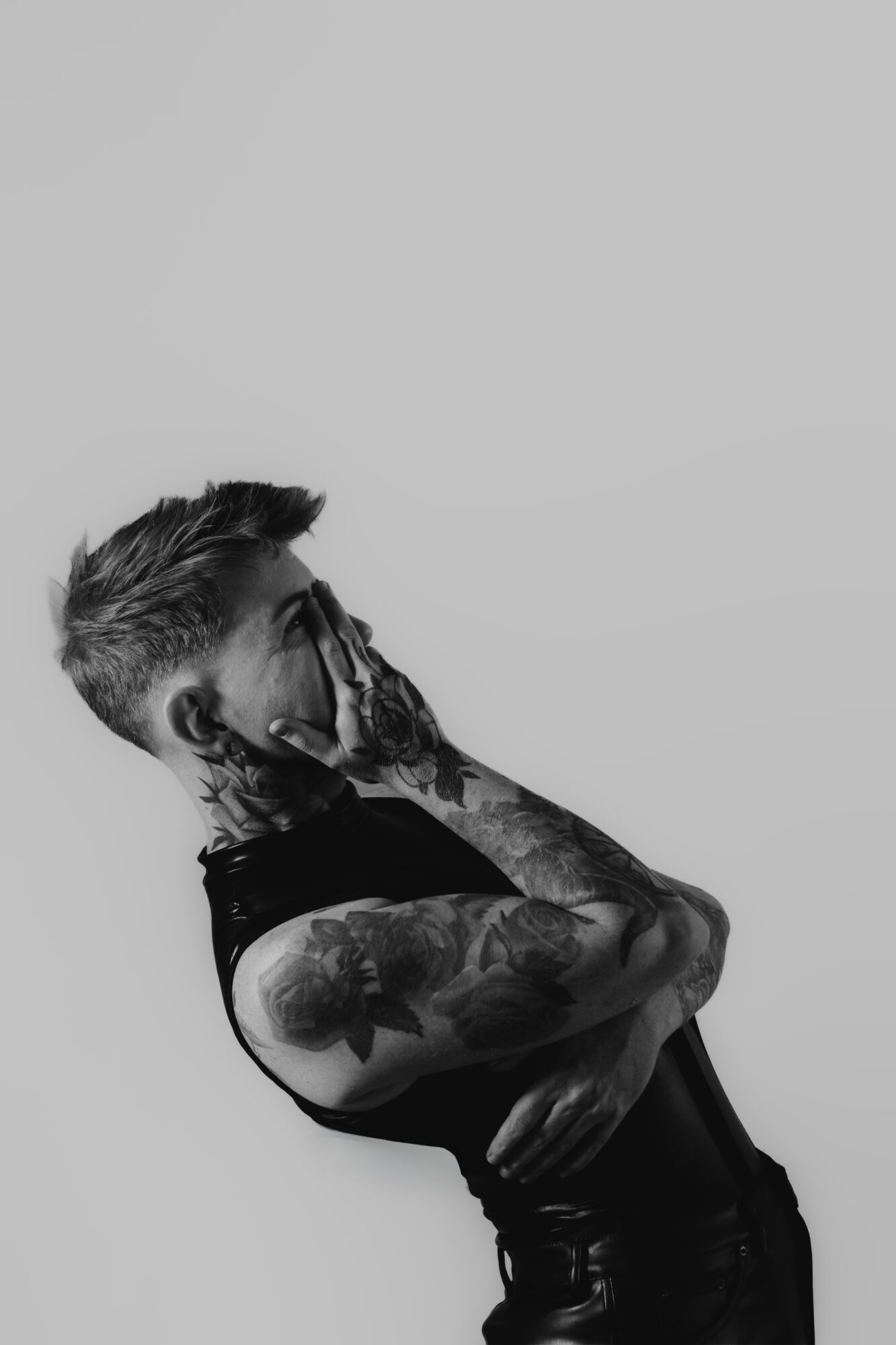
I had also been interested in tattooing my entire life, although always as a collector rather than an artist. By that point, I had quite a few tattoos myself, which definitely made me stand out in the classical music community. During professional conference icebreakers, when asked what I would do if I weren’t a musician, I eventually stopped saying “doctor” and started saying “tattoo artist.” It usually led to much more interesting conversations.
Eventually, while I was drawing one day, I started wondering, “What if?” What if I actually started tattooing? The more I thought about it, the more intrigued I became. Could I excel in another artistic medium? Would using a tattoo machine feel anything like performing surgery? Most importantly, could I use it to make an impact in my community?
Thankfully, the long summers I had off from symphony concerts gave me the opportunity to dedicate nearly six months full-time to learning the art of tattooing. From the very beginning, I was completely hooked. I also saw an opportunity to create the kind of space I wished existed more often.
Tattoo shops and artists can be intimidating, particularly for women and queer people. I experienced that firsthand and often found myself intentionally booking with artists who were women and/or queer because I felt more comfortable with them. I realized that tattooing could give me the chance to do more than make art. I could create a safe, welcoming space for people who might not feel comfortable in the traditional tattoo environment.
That idea ultimately became the foundation for what I’m doing today.
I’m sure it wasn’t obstacle-free, but would you say the journey has been fairly smooth so far?
Unfortunately, opening a visibly queer business in the current political climate is not always welcomed. My first year of owning Duck Duck Tattoo Studio was extremely difficult, but not because of the typical challenges that come with starting a new business.
I had a very homophobic neighbor who was also a member of the local borough council, and he seemed determined to make me close my business. I experienced countless instances of harassment and had repeated, unfounded complaints filed against me with the borough. The code enforcement officers became so familiar with me simply because of how frequently complaints were being filed. Every single time, the complaints were investigated and found to be without merit.
Eventually, it escalated to the point where I began attending local council meetings and even met with the mayor to discuss the harassment I was experiencing from a fellow council member. The borough was supportive and often apologized for what I was going through, but the reality was that as long as I had this neighbor, I was going to continue dealing with the bullying and harassment. When he couldn’t get his way through official channels, he even had friends send me threats and harassment online.
Ultimately, it became clear that the only way forward was to move my business. That brought me to the beautiful Lawrenceville neighborhood, and the experience could not have been more different.
Before I even opened my doors, neighboring business owners welcomed me to the neighborhood, offered to help however they could, and showed incredible support for having me join their community. The Lawrenceville Corporation has also been incredibly supportive, and we have been fortunate to participate in several community events with them, including Lawrenceville Pride.
Moving was obviously difficult, but it ultimately brought Duck Duck Tattoo Studio to exactly where we belong. We have truly found our home and our community in Lawrenceville.
Thanks – so what else should our readers know about your work and what you’re currently focused on?
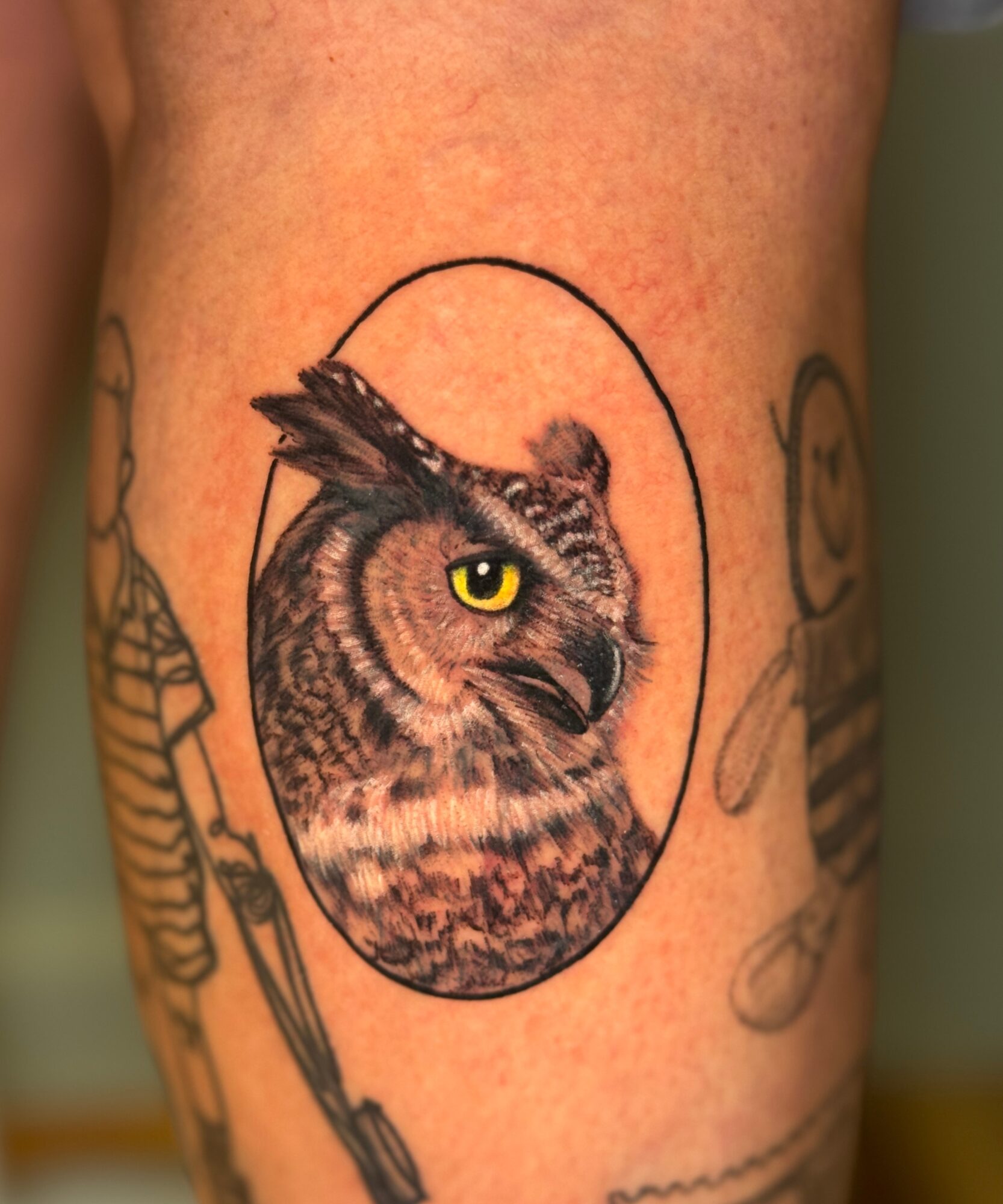
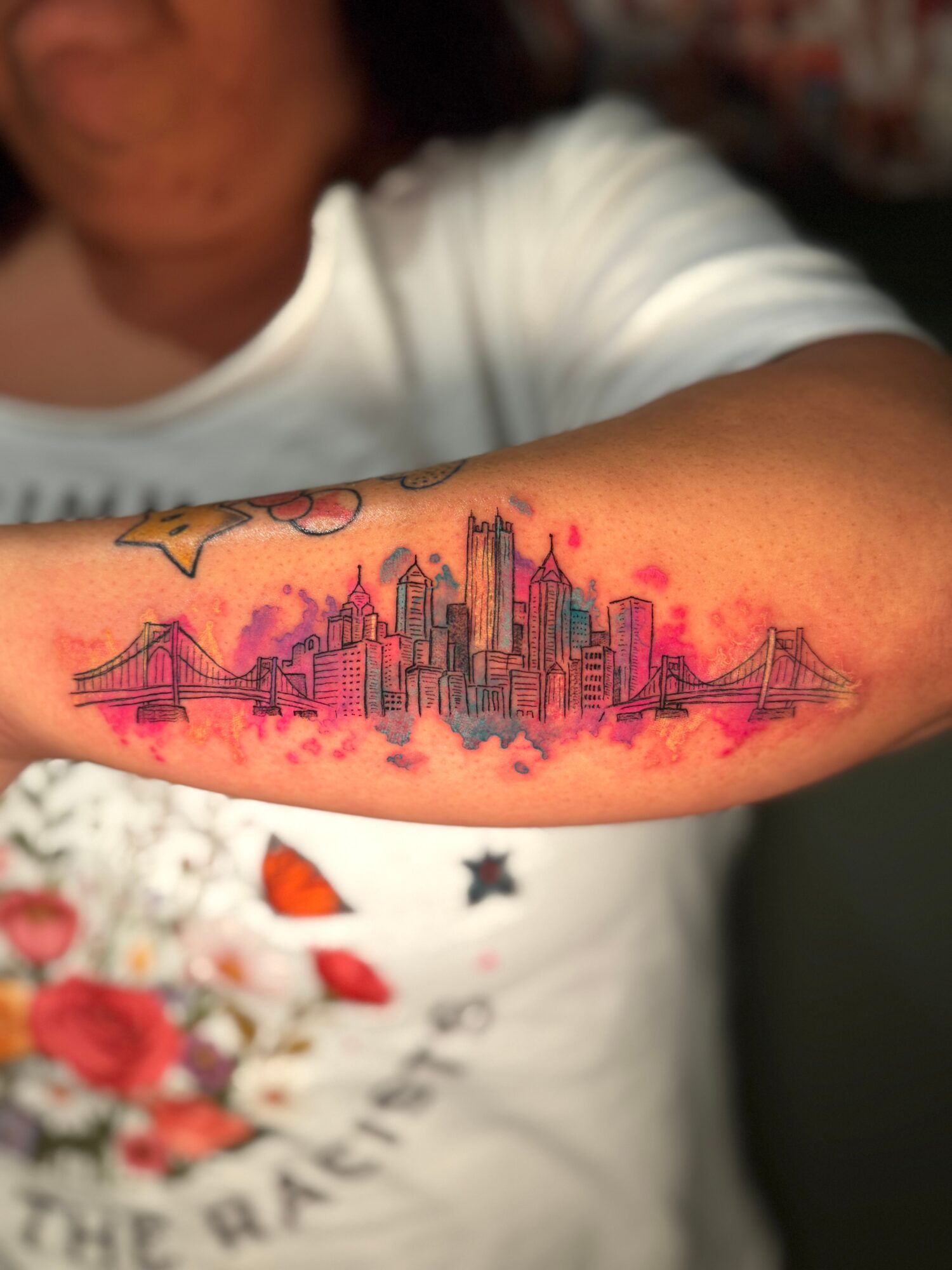
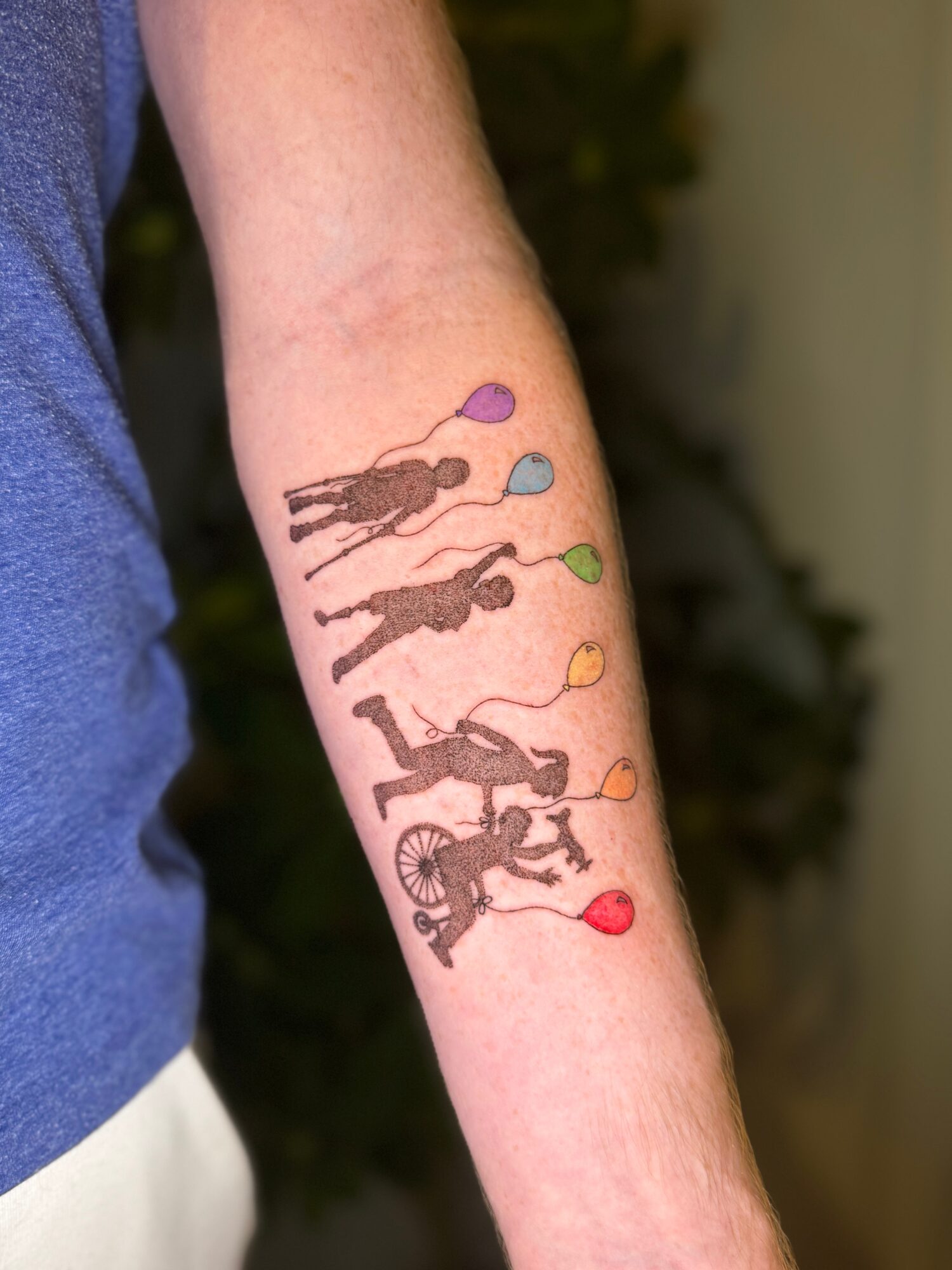
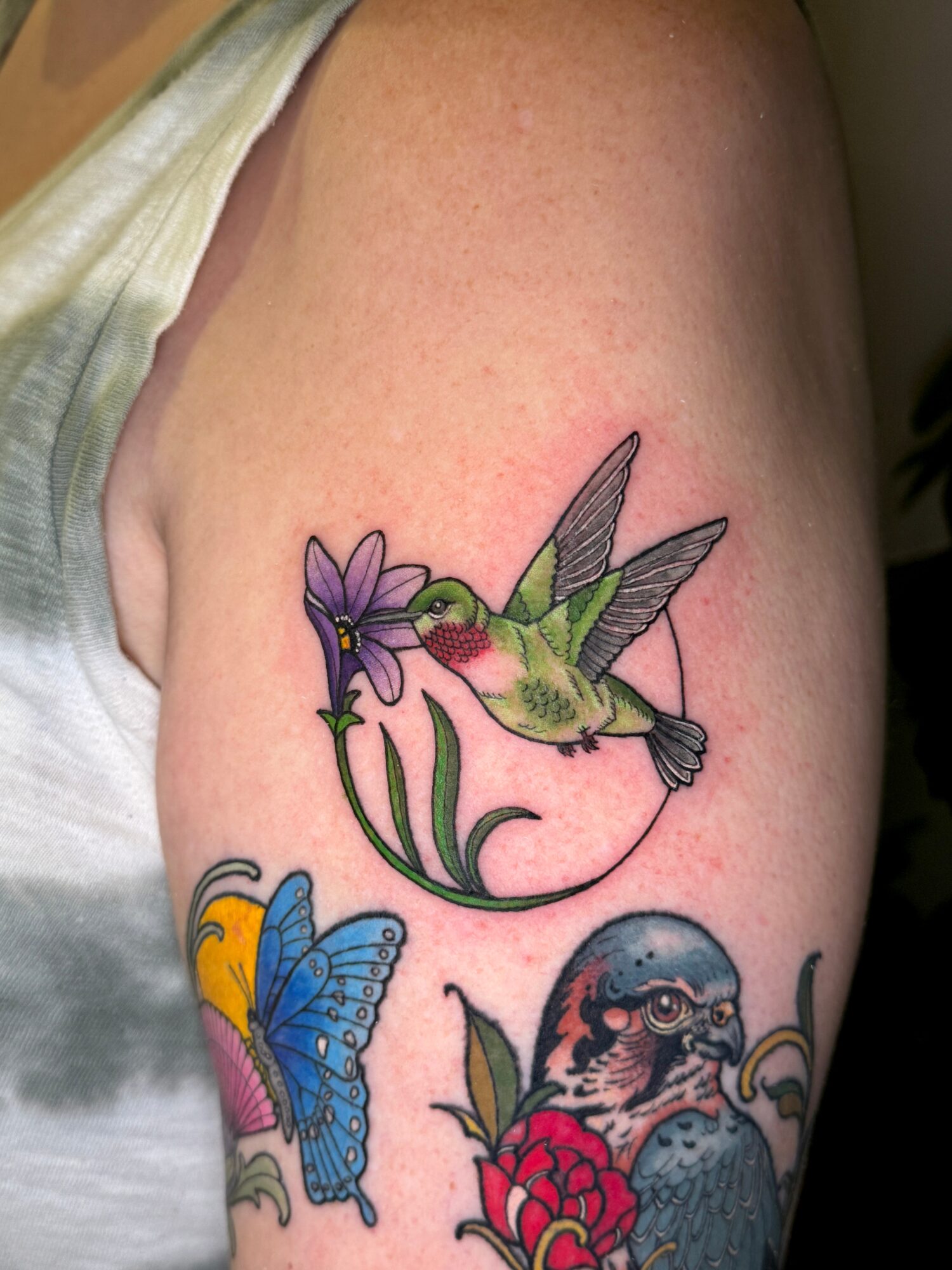
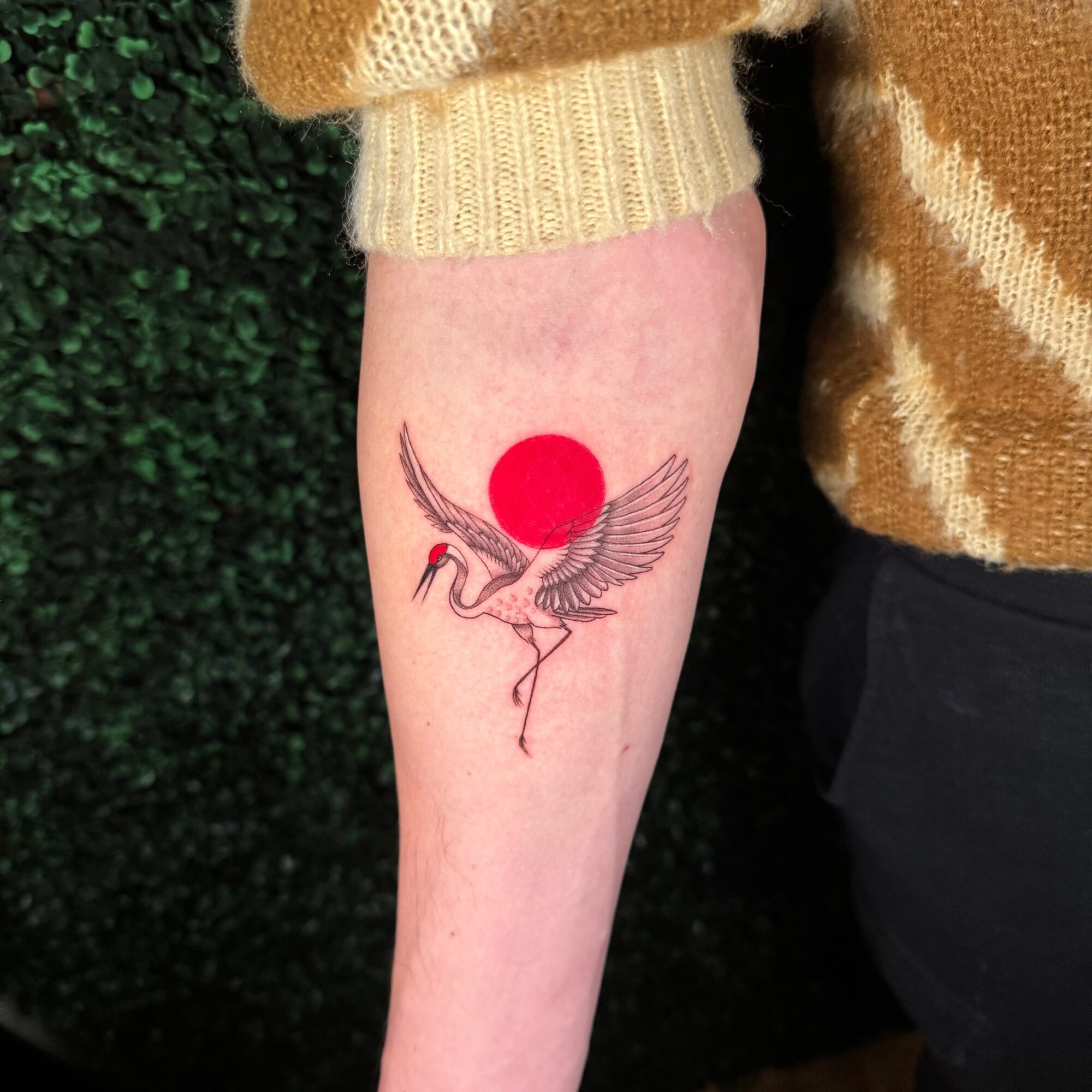
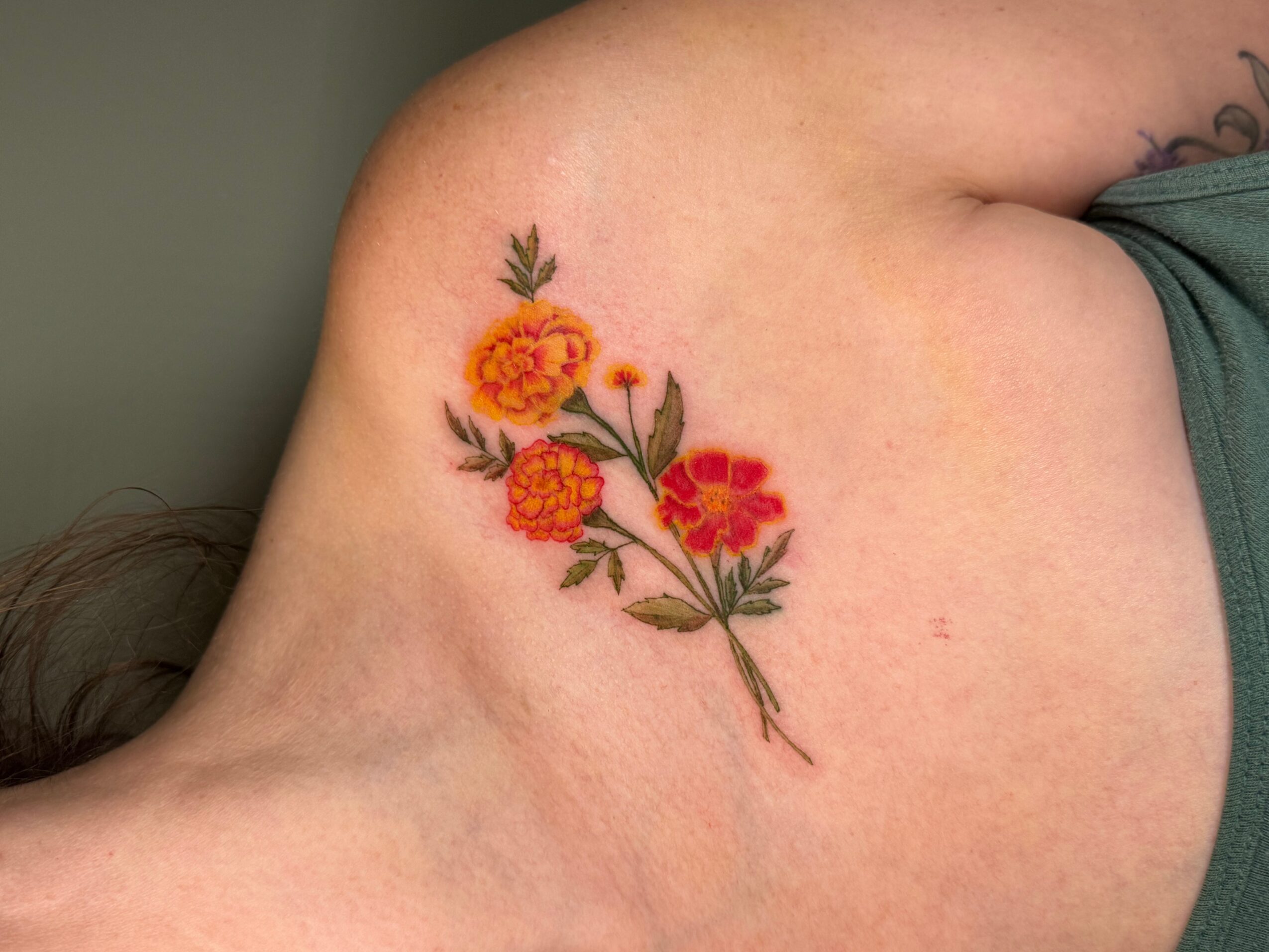
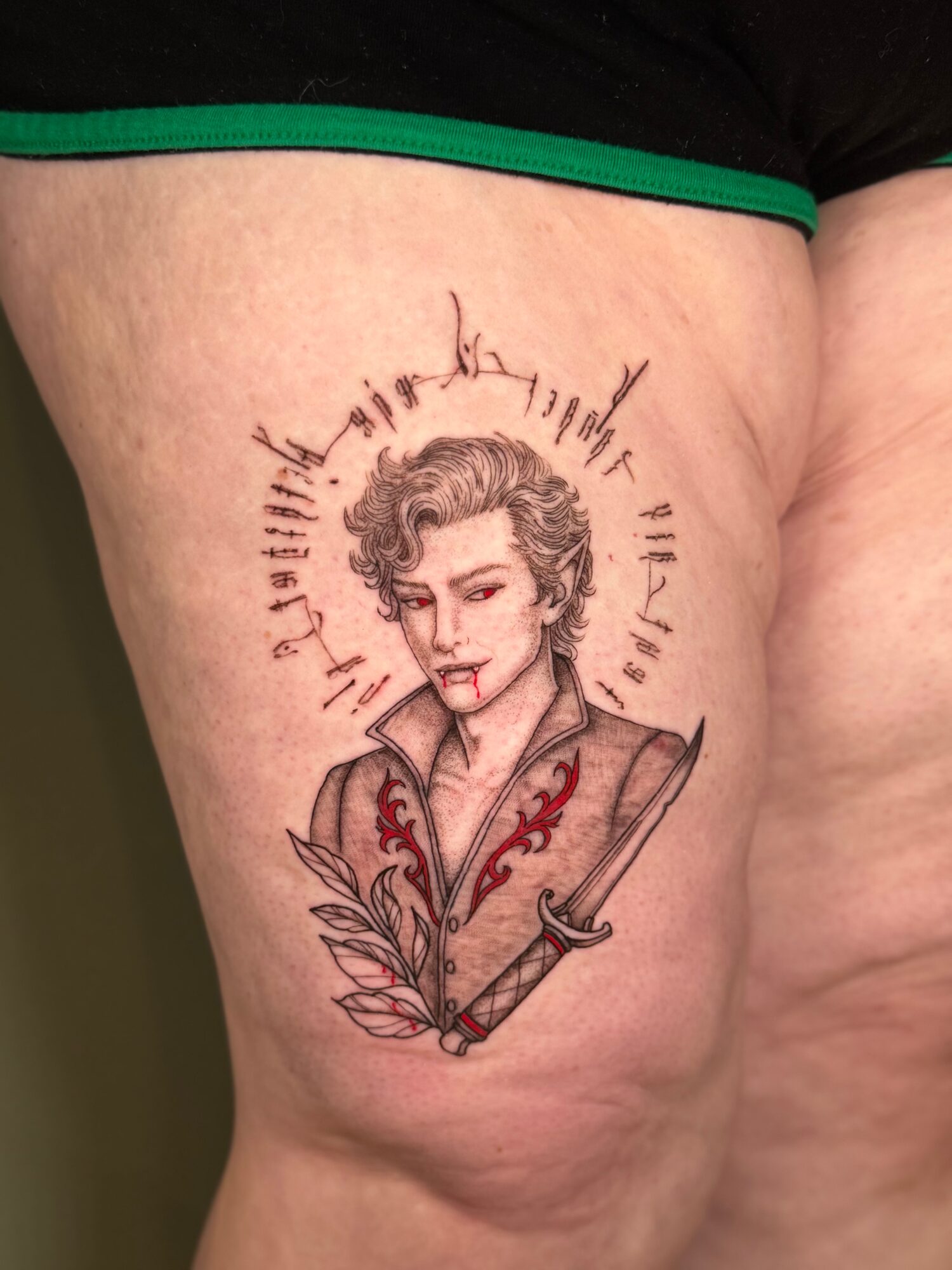
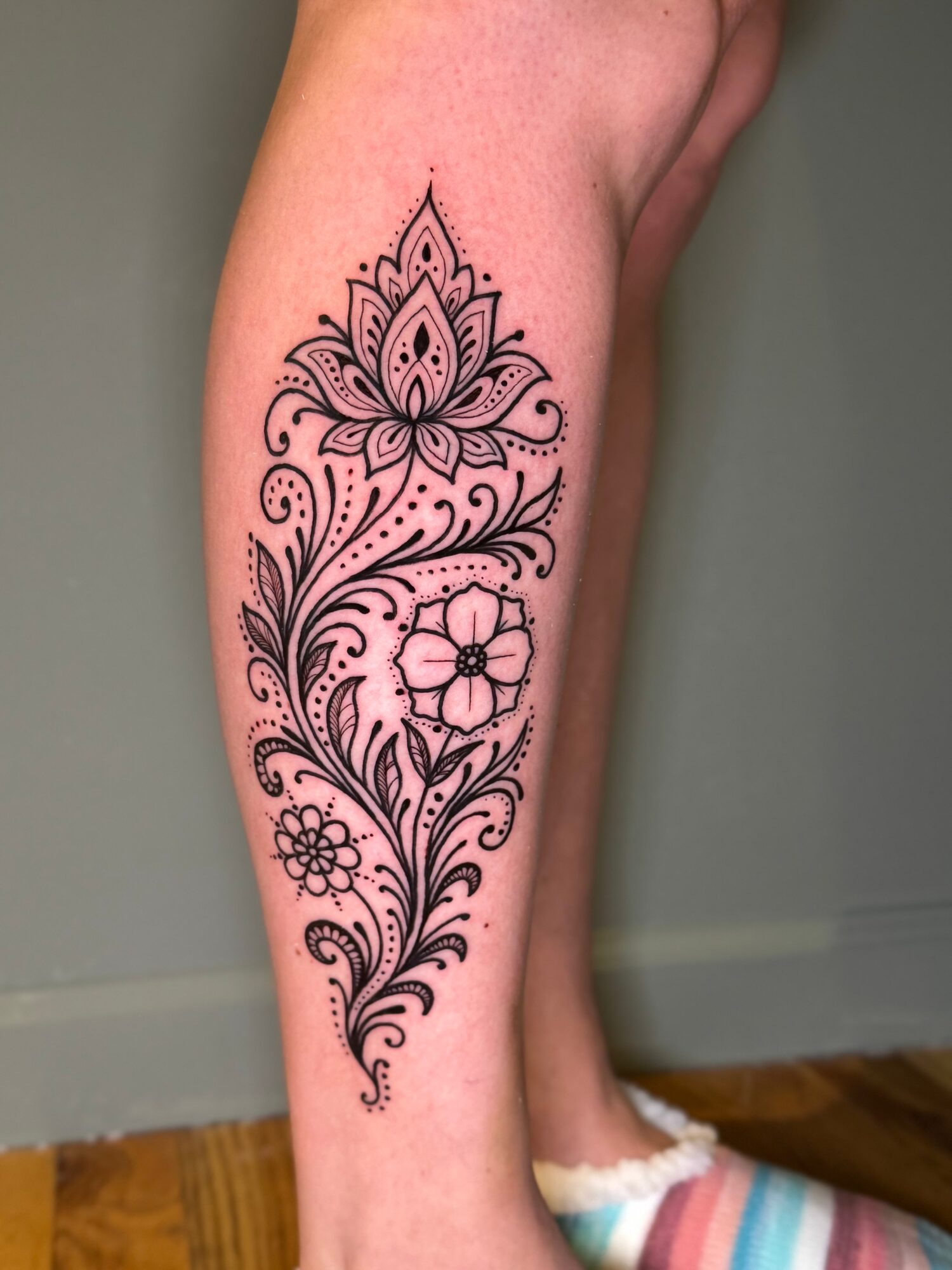
My interest in art has always been a mix of realism and cartoon, comic, and video game characters, and that has translated into my tattooing as well. I do consider myself a pretty versatile artist, though. I have made a conscious effort to master as many styles as possible because I think versatility is becoming somewhat of a lost art in tattooing. There are certainly benefits to developing a very recognizable style and marketing yourself toward a specific genre, but I find the variety in my schedule incredibly fulfilling. I love that I can tattoo something realistic one day and something completely different the next.
More importantly, though, I am incredibly proud of the clients I have curated. It might sound cliché, but I genuinely would not love this career nearly as much if I didn’t love the people I get to work with. I hear horror stories from friends and colleagues in the industry all the time, and it is extremely rare that I have those kinds of experiences with my clients.
I attribute a lot of that to being intentional about our studio branding. By filling the studio with pink, floral imagery, Pride flags, and social justice messaging, we are very deliberately communicating who we are and who we want to welcome into our space. I think every business should think of itself a little like a dating profile: Who are you trying to attract?
Not every business is for everyone, and that’s okay. Rather than trying to attract the largest possible number of people, I think there is something incredibly powerful about branding your business as your authentic self and allowing that to attract like-minded people. Those clients don’t just become customers. They become your biggest champions and supporters. People can tell when you’re simply trying to get their business versus when you’re genuinely being yourself.
There are so many incredibly talented tattoo artists and studios, so I don’t think what sets me apart is simply the tattoos I create. What I hear most often from my clients is that they feel comfortable and at ease with me, and that they value the genuine connection we form during the tattoo process. I joke that I feel like I could be best friends with almost all of my clients outside of work, and I think that says a lot about the kind of community I’ve been fortunate enough to build.
Can you talk to us about how you think about risk?
My biggest risk was leaving a career I had spent decades building and starting over in tattooing. But I believe strongly that if something isn’t working, you have to be willing to make changes until it does.
I was also nervous at the beginning about being too niche with my branding and potentially alienating prospective clients. But I decided that I would rather be very intentional about who I was and what my business represented than try to appeal to everyone. By putting my personal brand out there from the very beginning, it became immediately apparent that I had made the right decision. It has obviously paid off, as we have been voted the best tattoo shop in Pittsburgh for 2026.
I think if I were younger, I probably wouldn’t have had the same courage to be so open about my personal life and identity in my business. With age, though, you learn to be more comfortable with who you are. You also realize that if you have to pretend to be a different version of yourself to attract someone, they’re probably not the people you want around you in the first place.
For me, risk isn’t necessarily about being fearless. It’s about being willing to accept that something might not work, and having the courage to change course when it doesn’t. Sometimes the bigger risk is staying somewhere that you know isn’t working simply because starting over feels scary.
Contact Info:
- Website: https://www.duckducktattoo.com
- Instagram: https://www.instagram.com/tatted_ken_doll
- Facebook: https://www.facebook.com/p/Duck-Duck-Tattoo-Studio-61553202528012/