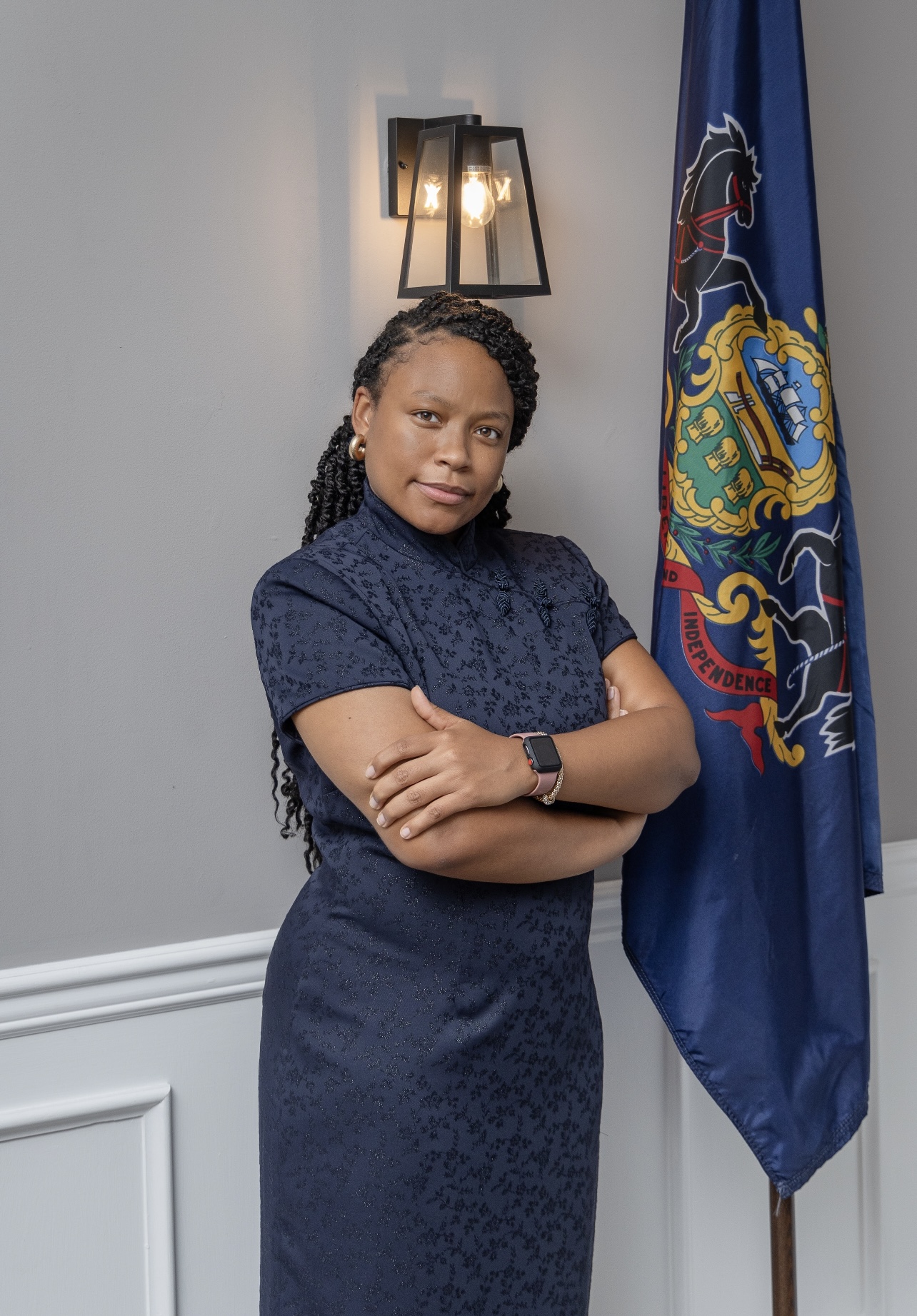



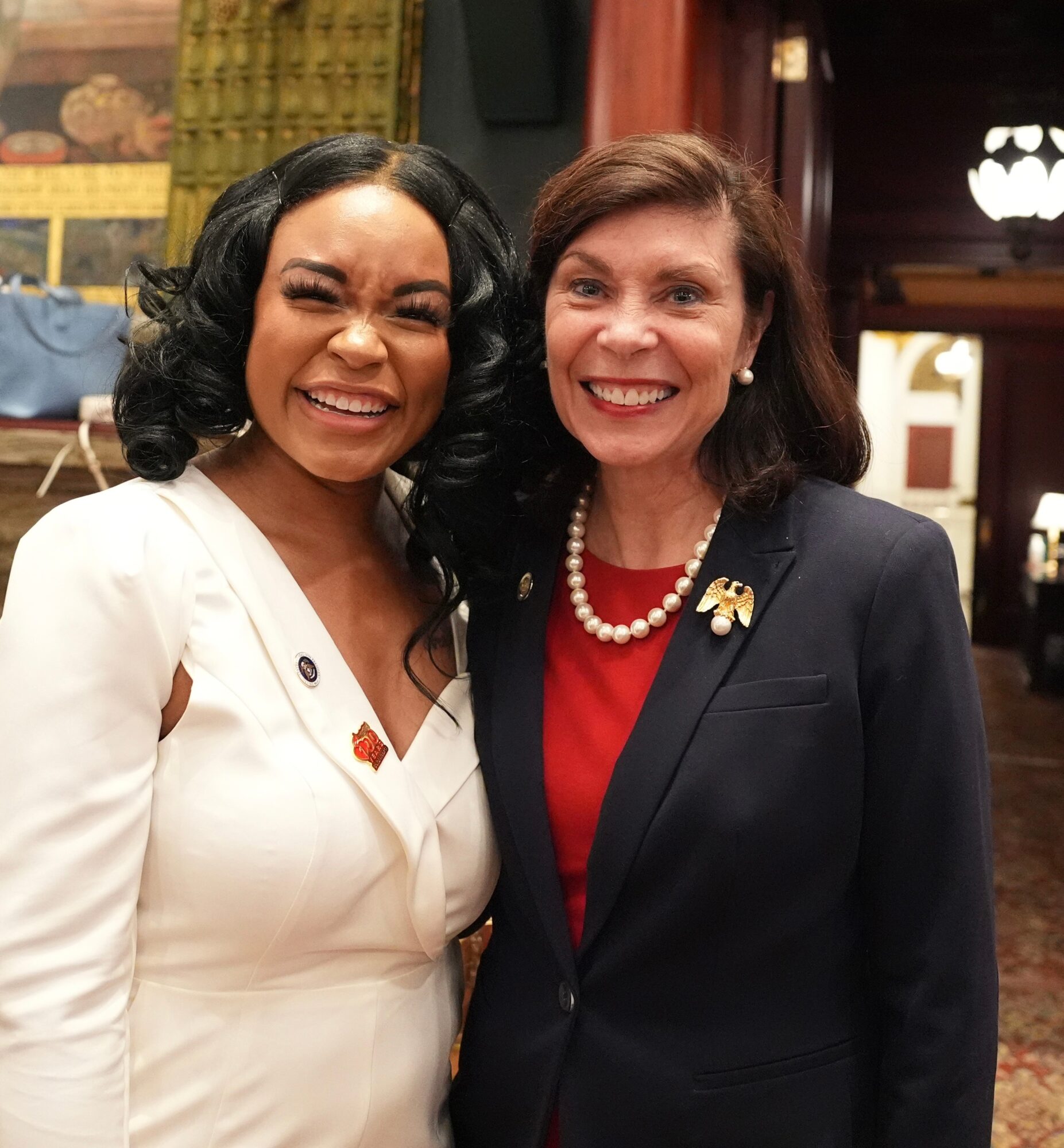
Today we’d like to introduce you to Shakira Jackson.
Hi Shakira, we’re thrilled to have a chance to learn your story today. So, before we get into specifics, maybe you can briefly walk us through how you got to where you are today?
As Director of Advocacy with Mental Health on Purpose, my work centers on supporting low-income families and individuals navigating mental health and substance use disorders. I specialize in community-based advocacy—bridging the gap between individuals in need and the systems, policies, and resources designed to support them. My focus is on reducing stigma, increasing access to care, and strengthening partnerships that create sustainable support networks.
I am particularly known for combining empathy with strategy. Because my advocacy is shaped by personal experience, I approach this work with both compassion and clarity. I understand the emotional weight families carry, but I also understand the importance of structural solutions—policy reform, resource allocation, and coordinated care. I work to ensure that conversations around mental health and substance use are not just reactive, but proactive and solution-oriented.
One of the things I am most proud of is helping create spaces where people feel safe to speak openly about struggles that are often hidden. Whether through community outreach, partnerships, or advocacy initiatives, I’ve seen firsthand how reducing stigma can transform lives. When someone feels heard instead of judged, that’s where real progress begins.
What sets me apart is my ability to merge lived experience with leadership. I don’t see advocacy as abstract—it is deeply personal. I lead with intention, resilience, and a belief that dignity should be central to every conversation about mental health and recovery. My work is grounded in the idea that families deserve not only support, but systems that truly work for them.
Ultimately, I am proud to be part of a movement that shifts the narrative around mental health—from silence and shame to purpose and empowerment.
I’m sure it wasn’t obstacle-free, but would you say the journey has been fairly smooth so far?
It hasn’t been a completely smooth road. Advocacy work, especially in the mental health and substance use space, comes with both emotional and structural challenges.
On a personal level, having a family member who struggles with substance abuse has been one of the most difficult parts of my journey. Loving someone through addiction means experiencing hope, setbacks, frustration, and resilience all at once. There were moments when I felt helpless—wanting to fix something that ultimately required systems, support, and personal readiness beyond my control. That experience was painful, but it also deepened my empathy and strengthened my commitment to this work.
Professionally, one of the biggest struggles has been navigating systemic barriers. Many low-income families face long waitlists for services, limited insurance coverage, transportation issues, and stigma that prevents them from even seeking help. It can be discouraging when you see how slow policy change can be compared to the urgency of people’s needs.
Another challenge has been learning balance. Advocacy can be emotionally heavy. I had to learn how to set boundaries and care for my own mental health while still showing up fully for others. That growth was necessary. You cannot pour into others if you are running on empty.
But those struggles shaped me. They made me more resilient, more intentional, and more grounded in why this work matters. The road hasn’t been perfect, but every obstacle clarified my purpose. It reminded me that meaningful change is rarely quick—but it is always worth pursuing.
One of the most transformative parts of my journey has been advocating directly on Capitol Hill—speaking with Senators and Members of Congress about the urgent need for expanded mental health access and stronger support systems for families navigating substance use disorders. Walking into those offices, I understood that I wasn’t just representing an organization—I was representing families whose voices often go unheard. That responsibility pushed me to sharpen my policy knowledge, strengthen my communication skills, and speak with clarity and conviction.
I have also written directly to the President to raise awareness about the systemic gaps in mental health and substance use support. Taking that step was significant for me. It symbolized moving from personal concern to national advocacy. It reinforced that if we want change, we cannot remain silent—we must be willing to engage at every level of leadership.
Can you tell our readers more about what you do and what you think sets you apart from others?
My work focuses on community advocacy, leadership, and expanding conversations around mental health and access to resources. I specialize in bringing attention to issues that directly impact underserved communities and helping connect those communities with the support and resources they need. Through my advocacy, I have been honored to receive global recognition and awards and have had the opportunity to participate in conversations at the United Nations about mental health and community well-being.
However, my passion for this work truly began much earlier. Growing up in Philadelphia, I witnessed firsthand the challenges that many communities face when it comes to substance abuse and the lack of accessible support systems. Seeing the conditions along Kensington Avenue deeply shaped my perspective. It made me realize how critical it is for communities to have not only awareness around substance abuse and mental health, but also real resources, treatment options, and long-term support.
Being a part of Mental Health on Purpose changed my life because it gave me a platform to turn those early experiences into action. It allowed me to take what I saw growing up and channel it into advocacy, education, and community engagement. I am most proud of being able to use my voice to highlight issues that are often overlooked and to push for stronger support systems for people who need them most.
What sets me apart is that my work is deeply rooted in lived experience and community understanding. I don’t just advocate for change from a distance—I advocate because I have seen the impact these issues have on real people and neighborhoods. My goal is to continue creating conversations and solutions that empower communities and expand access to mental health and substance abuse resources.
What has been the most important lesson you’ve learned along your journey?
The most important lesson I’ve learned along my journey is that advocacy requires both courage and compassion. It’s not enough to care deeply about an issue—you have to be willing to speak up, even in rooms where your voice may feel small at first.
Through my personal experience with a family member struggling with substance abuse, and through advocating on Capitol Hill with Senators and Members of Congress, I’ve learned that real change happens when lived experience meets action. Pain can either silence you or strengthen you. I chose to let it strengthen me.
I’ve also learned that progress is often slow and not always visible. Writing letters, meeting with policymakers, and pushing for expanded mental health access doesn’t always result in immediate change. But consistency matters. Showing up matters. Telling the truth about what families are experiencing matters.
Another key lesson has been the importance of balance. You cannot advocate for mental health while neglecting your own. Sustainability in this work requires boundaries, reflection, and community support.
Ultimately, the biggest lesson is this: your voice has power. Whether you are speaking to one family, a congressional office, or even writing to the President, your willingness to stand up for others can create ripple effects far beyond what you see in the moment. That belief continues to guide me every day.
Contact Info:
- Instagram: https://www.bing.com/ck/a?!&&p=23ff8899eb22d763bba4e609794021cc3dc0a2e74529486fa530e68028eed83dJmltdHM9MTc3MjQ5NjAwMA&ptn=3&ver=2&hsh=4&fclid=24828aa6-2b7e-6edb-2db7-9c512a346f84&psq=shakira+jackson&u=a1aHR0cHM6Ly93d3cuaW5zdGFncmFtLmNvbS9zaGFraXJhamFja3Mwbi8
- LinkedIn: https://www.bing.com/ck/a?!&&p=ade2dee443671df524ac6a832817073d4c33dcffcdc8d9e13e881b4d490339b8JmltdHM9MTc3MjQ5NjAwMA&ptn=3&ver=2&hsh=4&fclid=24828aa6-2b7e-6edb-2db7-9c512a346f84&psq=shakira+jackson+mental+health+on+purpose&u=a1aHR0cHM6Ly93d3cubGlua2VkaW4uY29tL2luL3NoYWtpcmEtamFja3Nvbi02Mjk3MjcxODc
- Other: https://mentalhealthonpurpose.com/home-2/