


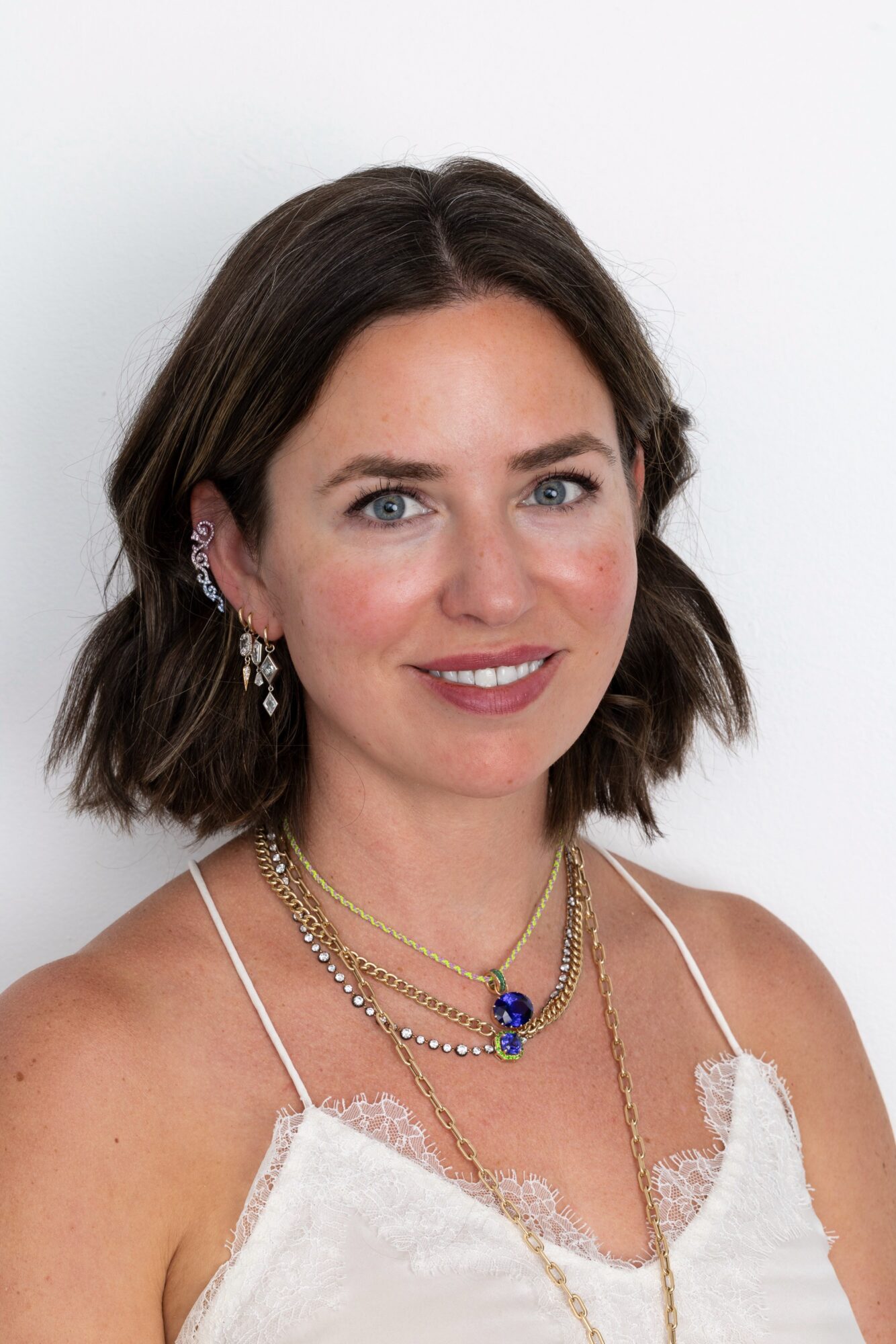
Today we’d like to introduce you to Sarah Demchyk.
Hi Sarah, so excited to have you on the platform. So before we get into questions about your work-life, maybe you can bring our readers up to speed on your story and how you got to where you are today?
Creating has always been part of how I move through the world, but jewelry was the language I understood first. My earliest memories are tied to the women in my family, and the way I came to recognize and remember each of them through the pieces they wore. I can remember sitting on my aunts’ laps, turning over every bracelet, necklace, or ring, asking what it was, where it came from, and why they chose to wear it. I was particularly entranced by their scarab bracelets and watches: the colors, textures, and tiny differences that made each one feel completely individual. Over time, those pieces became inseparable from the women themselves. That fascination never left me. Even then, I think I understood that jewelry could be much more than decoration. It could hold history, memory, identity, and meaning, almost like a physical record of a person’s life. That idea still sits at the heart of the work I make today.
I started drawing jewelry almost as soon as I knew how to draw. If there was a piece I wished existed, or one I desperately wanted but obviously couldn’t have, I would draw it so I could at least see it, sometimes taking it a step further and cutting it out of paper so I could wear it. By my teenage years, I was making jewelry myself out of whatever materials I could get my hands on: silver and gold-filled wire, freshwater pearls, and semiprecious stones.
After college, I knew I wanted my path to lead into fine jewelry, and gemology felt like the natural place to begin. I earned my Graduate Gemologist diploma from the Gemological Institute of America in 2010 and went on to work as the head gemologist for a wholesale diamond dealer. It was both an incredible education and the beginning of my relationships with gemstone and jewelry vendors across the industry. My role also gave me access to antique-cut diamonds, unusual colored stones, and a casting house, which let me begin experimenting more seriously with my own designs.
What began as an instinct to make pieces for myself, family, and friends gradually became the foundation of a business. In 2011, I formally started Cimelio Jewelry, and by 2013 I was designing and creating full time. I haven’t looked back since. Fifteen years later, I still know the story behind every piece that leaves my studio.
One of the questions I’m asked most often is how to pronounce Cimelio and what the name means. For me, it comes from the Italian word for a relic, treasure, or keepsake, and I pronounce it “Cee-Mel-Ee-o.” I chose it because it describes exactly what I hoped to create: pieces with the craftsmanship, beauty, and emotional significance to be lived in, treasured, and eventually passed on.
That ethos is still what drives me and makes this work so meaningful. Jewelry often marks the most important chapters of a person’s life: engagements, marriages, births, losses, milestones, and transformations. But it can also celebrate something as simple and important as buying a beautiful thing for yourself just because it speaks to you. I get to be a keeper of those stories, secrets, and special moments, and I take that responsibility incredibly seriously. Ultimately, I want the pieces I make to feel like modern heirlooms and talismans: beautiful objects, certainly, but also little mementos of the lives being lived in them.
We all face challenges, but looking back would you describe it as a relatively smooth road?
Like any journey of creating and running a business, mine has had its share of ups and downs, failures and triumphs. I’ve learned to approach each mistake or difficult moment by asking: What can I learn here? Where can I grow? How can I do better?
One of my biggest ongoing challenges has been learning how to hold both sides of what I do: the artist and the entrepreneur. Creativity comes naturally to me; learning how to run a successful business has happened largely on the job. I didn’t come from a business or finance background, so everything from accounting and marketing to production, communication, and logistics has been an education in real time.
The creative side of the work is where I feel most instinctive. My focus naturally goes to the client, the story, the stone, and the piece we are creating together. But those deeply personal, creative moments also must live inside a functioning business, and learning how to give equal care to both sides has been an important part of my growth.
The jewelry itself is an ongoing education. Designing a beautiful object is one thing; figuring out how to build a piece so that it is structurally sound, wearable, and enduring is another. I’m continually learning from stone setters, jewelers, manufacturers, and craftspeople, and I’ve come to understand that jewelry design can be as much about engineering and problem-solving as it is about aesthetics. I’ve also had to get comfortable hearing “no” or “that won’t work,” and then asking, “Okay, so how could it work?” That has taught me a tremendous amount about flexibility, humility, and the value of seeking out people who know more than I do. It also means that when I tell a client something can be done, I’ve already made certain that it can.
There are broader challenges too: keeping my voice distinct in an increasingly saturated market, figuring out how to stand out in the age of social media and AI, and learning how to wear all of the different hats that come with owning a small business–not to mention the constant decision-making that comes with being responsible for nearly every part of the business.
A theme I return to very often is balance. I have built and sustained my business in conjunction with the needs and schedules of my three children, and there is no perfect formula for being fully present as a mother, a designer, and a business owner at the same time. I’m still learning what that balance can look like, and I have become more comfortable with the fact that there may never be a perfect balance.
One of the greatest joys, though, has been giving my children a front-row seat to what creativity, problem-solving, perseverance, and building something of your own can look like. I’ve also come to see that my creativity has an important role in our family and in our children’s upbringing. It is part of what I give them, not something my work takes from them. My hope is that they can learn from my example that what matters is staying curious, asking for help, seeking out mentors, remaining flexible, and allowing both the business and me to evolve.
As you know, we’re big fans of you and your work. For our readers who might not be as familiar what can you tell them about what you do?
At heart, I think of myself first as an artist, and a jewelry designer second. Metal and stone are my mediums of expression. My work falls into three interconnected areas: custom one-of-a-kind design, my own collections, and heirloom restyling. Each is different, but all three are rooted in the same idea: creating jewelry that feels deeply personal and unmistakably individual.
The first, and most prominent in my day-to-day work, is custom design. Every commission begins the same way: a conversation, a sketch, and nothing committed until the design feels right. Most people arrive with a feeling rather than a design: a stone, a photograph, someone they want to honor. We build out from there. Budget is part of that first conversation, not an awkward afterthought at the end. I would rather design something beautiful within what someone wants to spend than have them fall in love with a number they weren’t expecting. These pieces can mark engagements, weddings, anniversaries, births, milestones, or the loss of someone deeply loved. One memorial project that has stayed with me began when a client wanted to honor her husband, who had recently passed away from cancer. As she gathered photographs, she noticed that he was making a peace sign again and again. Rather than creating a generic symbol, I traced the lines and folds of his actual hand gesture in the photographs and translated them into a textured relief on a gold disc, so that she and her daughters could physically feel the imprint of his hand when they touched it. That is the kind of work I find most meaningful: when jewelry becomes more than symbolic and can hold something almost tangible from a person or a moment.
I’m especially proud that this part of my business has grown largely through referrals and word of mouth. Most new custom projects still begin with an introduction from someone I have already made something for. To me, that kind of growth is one of the greatest compliments I can receive.
The second part of my work is my own design collections. My aesthetic is heavily influenced by my background in art history, particularly medieval art and architecture, including Gothic tracery, quatrefoils, and the strange, whimsical world of marginalia. These references often show up through sharp silhouettes, clean lines, strong geometry, and what I like to think of as modern-with-an-edge. These are the pieces people buy for themselves, without waiting for an occasion, and I love watching someone use jewelry as a form of self-expression, almost like an adjective in their own life. It reminds me of the way my aunts’ jewelry became part of how I understood each of them.
While I make fine jewelry, I don’t want it to feel too serious. I make every piece to be worn, layered, mixed, lived in, and enjoyed. That philosophy comes through in collections like Candy Colors and Candy Stripes. I approach colored stones almost the way a painter approaches a palette, layering hue, tone, and saturation into unexpected combinations. With Candy Stripes, I began weaving custom-dyed neon silk cords in traditional Kumihimo patterns and pairing them with fine jewelry elements designed to convert and be worn in different ways. I love the tension between ancient technique and modern color, precious materials and a sense of play. To me, that is joyful jewelry.
The third part of my business is Heirloom Restyling, an area that has drawn increasing interest as more people look for meaningful ways to wear what they already own. Clients bring me family jewelry or sentimental objects that carry enormous emotional meaning but may no longer reflect their personal style. We work collaboratively to rethink them by reworking the metal, repurposing stones, and transforming the piece into something entirely new while preserving the history behind it. Nothing is altered before a client has seen and approved the design, and any original stones or metal we don’t use can be sold or sent home with them. What I love most is that an heirloom does not have to be traditionally precious to be deeply valuable. One project involved incorporating a piece of polymer invented by a client’s sister into a diamond bracelet. That captures exactly what I love about this work: the material matters, but the story matters more.
These three avenues are the foundation of my business and ultimately the reason I rebranded in 2024 as By Cimelio: Custom By Cimelio, Designed By Cimelio, and Heirloom Restyling By Cimelio. Together, they allow me to create an experience that is personal, collaborative, and uniquely tailored to the person who will ultimately live in the piece. It is also why I take on a limited number of commissions at a time. That kind of attention isn’t something I can rush.
Is there a quality that you most attribute to your success?
Curiosity has been one of the most important qualities in my success. I’m naturally inquisitive and a lifelong learner. If I’m not learning, I don’t feel like I’m growing. In jewelry, there is always more to learn. Whether it’s gemology, design, diamond and gemstone markets, fabrication, history, new techniques, or simply understanding a client and the story behind a piece, curiosity keeps me asking questions, looking closer, and expanding what I know.
But curiosity in this industry only works if it is grounded in integrity and care. Jewelry is an industry built on trust, and clients often entrust me with significant investments, irreplaceable heirlooms, and deeply personal stories. Honesty, with my clients, my colleagues, and myself, is non-negotiable. If a stone isn’t what someone hopes it is, or a design won’t wear well over a lifetime, I say so before we begin. I don’t think creativity or expertise can carry you very far without integrity beneath them. Care is equally important. So much of my work is about listening closely enough to understand what someone is really trying to preserve, celebrate, or express, and then finding a way to translate that into something tangible.
For me, those qualities are deeply connected: curiosity keeps me learning, resourcefulness keeps me finding a way forward, integrity keeps me grounded, and care keeps the work personal. If someone is holding onto a piece they never wear, or an idea they have not been able to find anywhere, that is exactly the conversation I love to begin.
Contact Info:
- Website: https://www.bycimelio.com
- Instagram: @bycimelio
- Facebook: https://www.facebook.com/profile.php?id=61551245007569
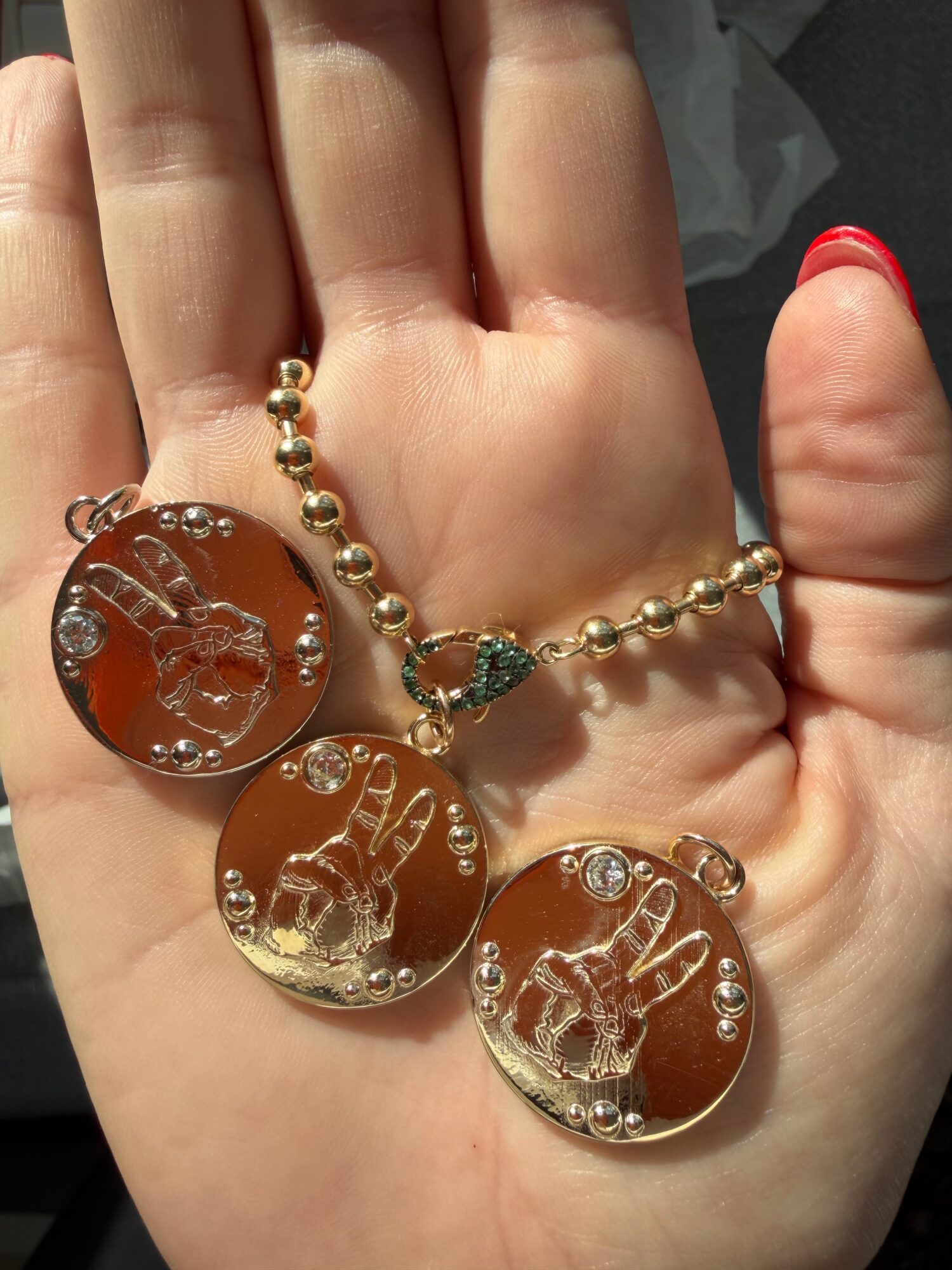
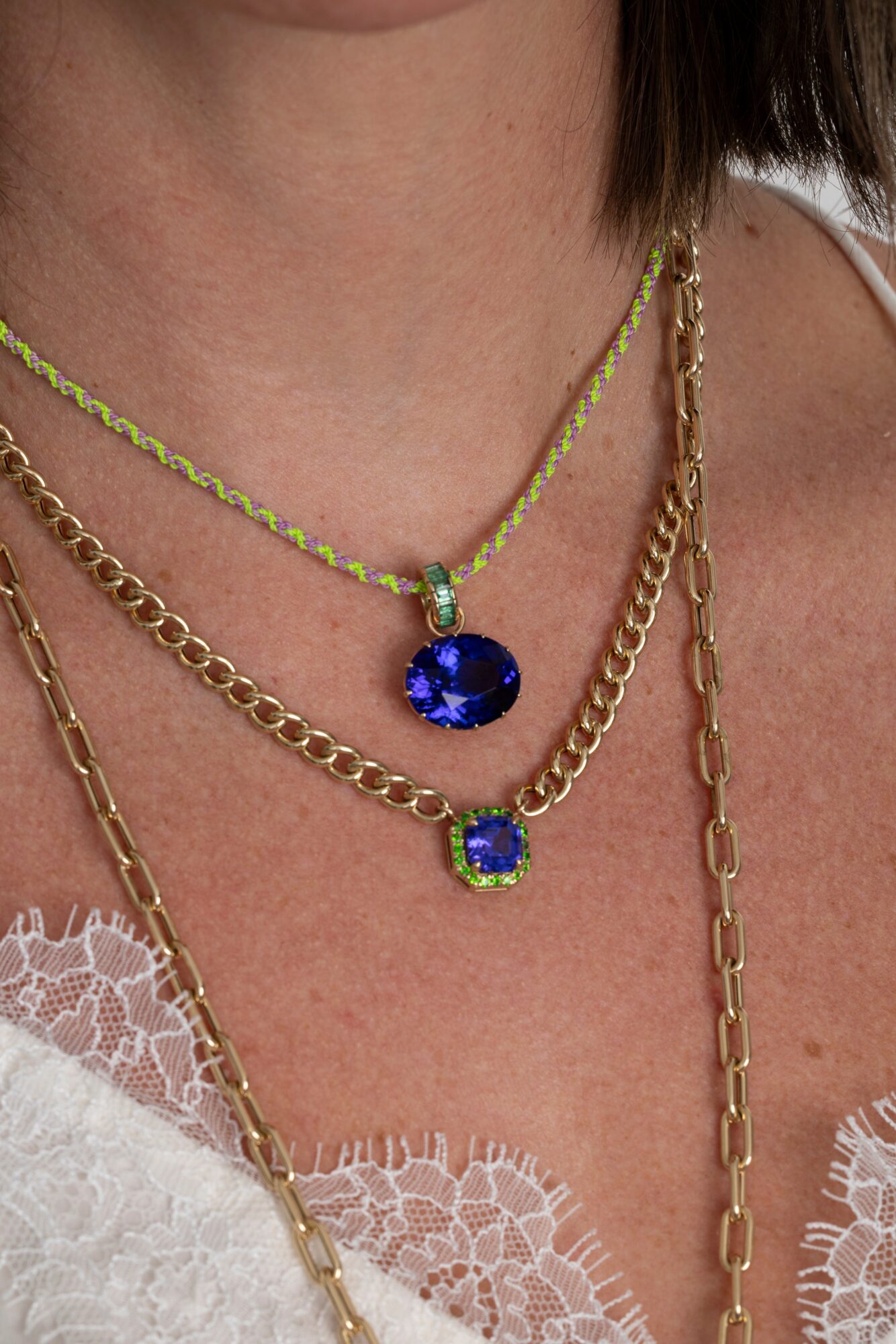
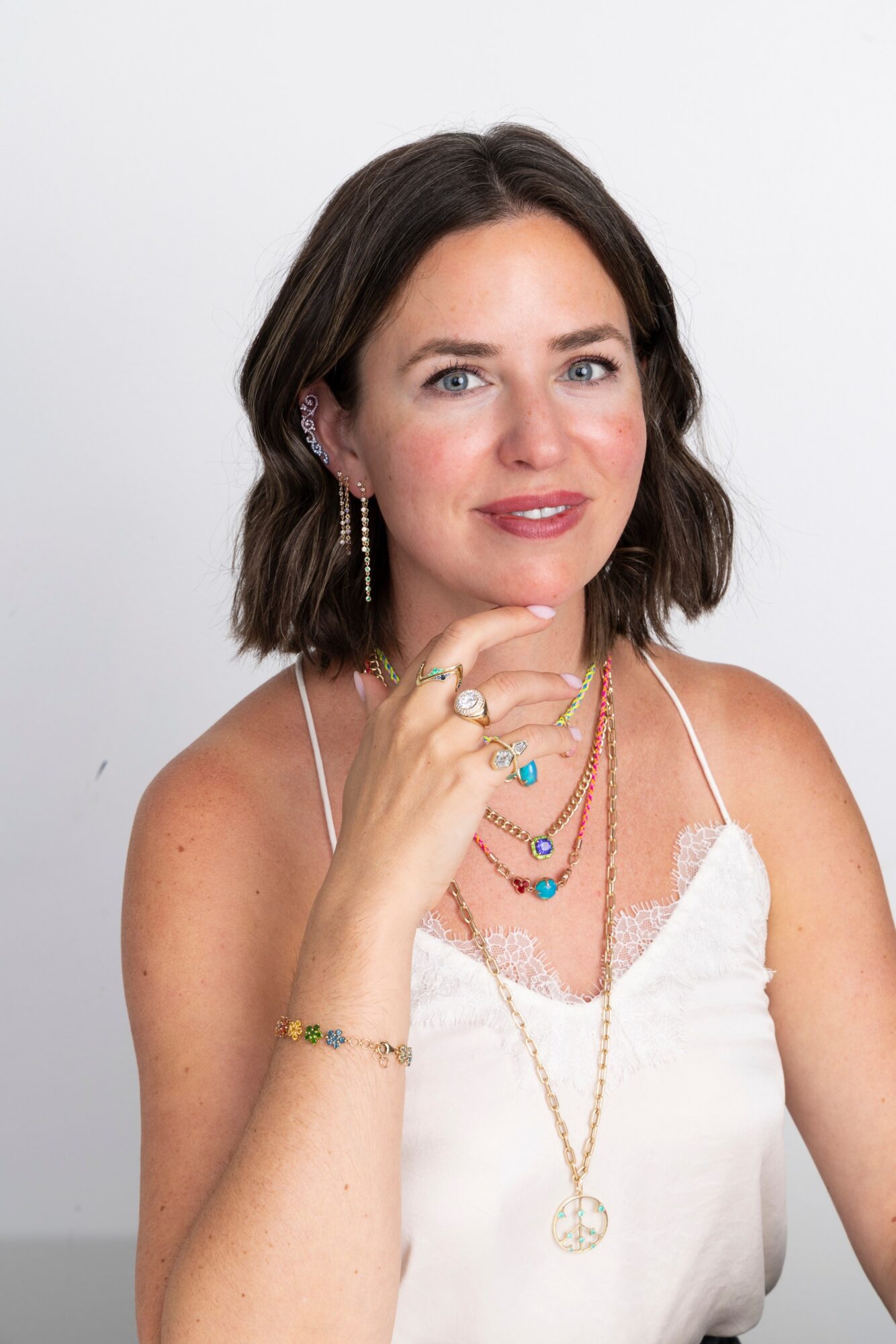
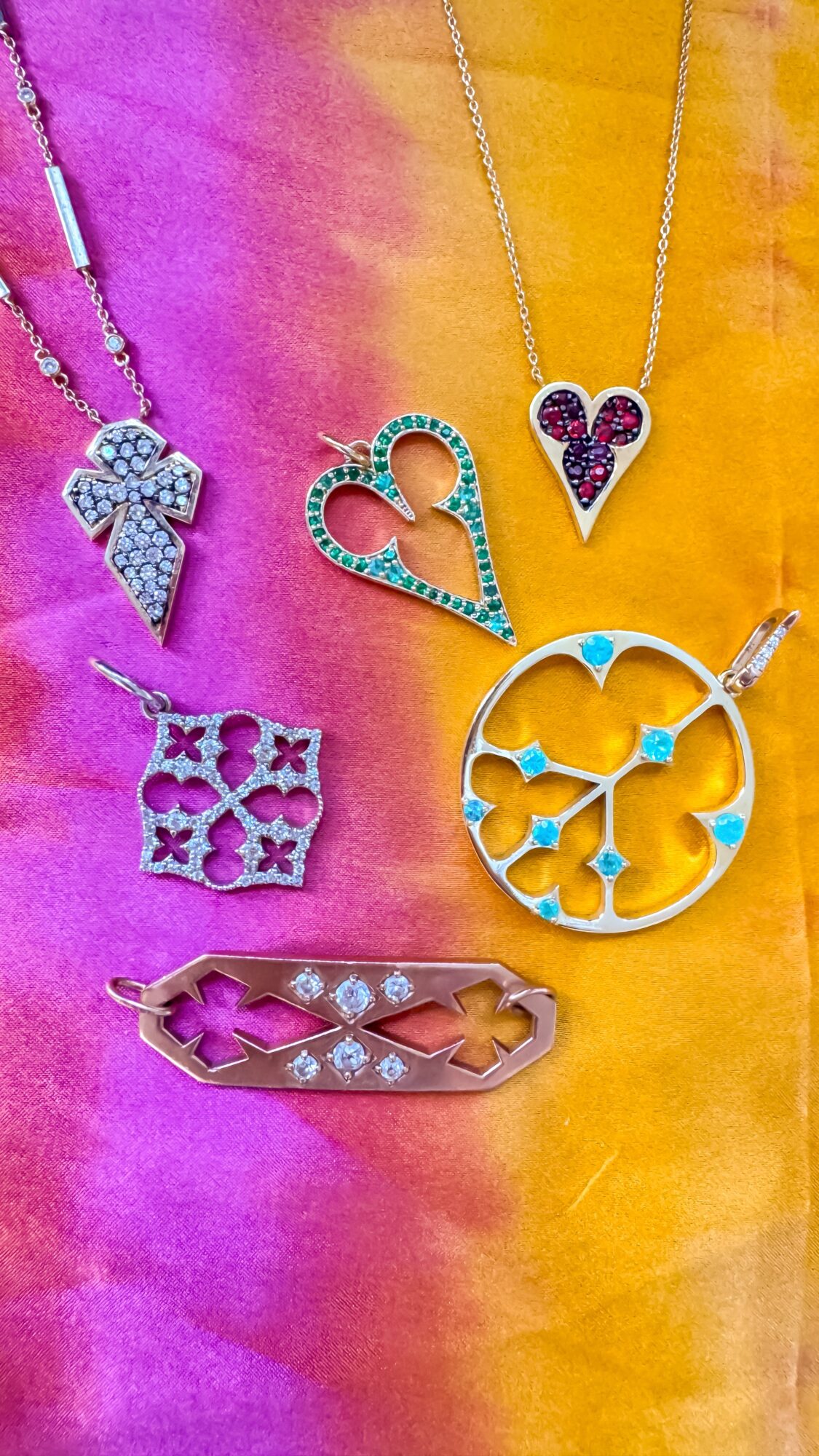
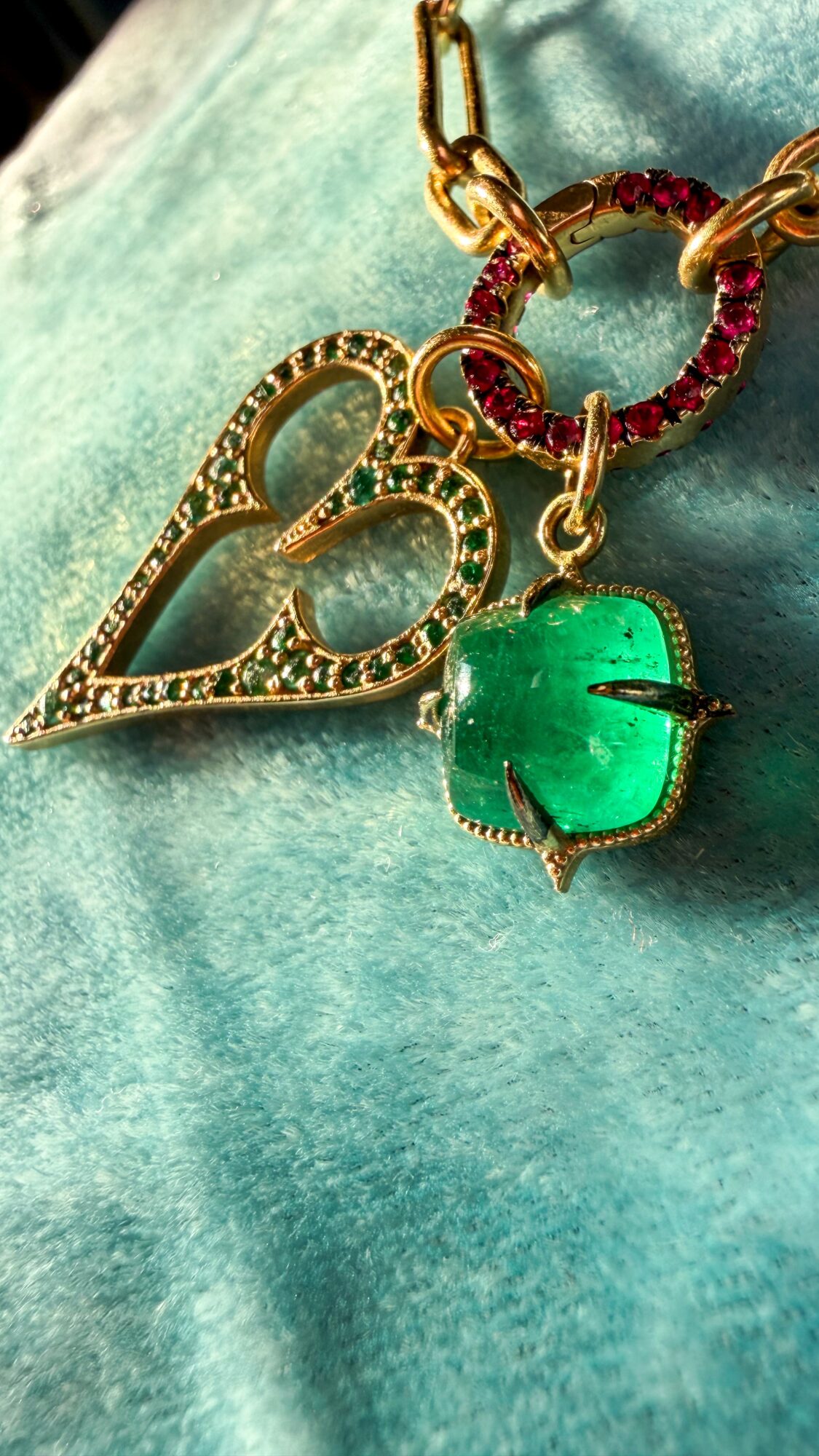
Image Credits
Nell Hoving