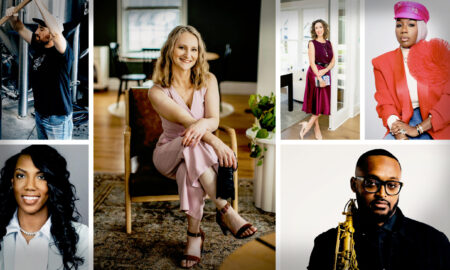



Today we’d like to introduce you to Rhoda Kahler.
Hi Rhoda, we’d love for you to start by introducing yourself.
“I grew up on a working farm, and from a very young age I was a maker. My parents were practical people—they didn’t have the time, money, or interest in anything arts-related—but they were happy as long as I was busy. So I was always making something: doll clothes, my own clothes, or artwork to hang on our bare walls.
I went to college for art almost blindly. Up until then, I didn’t have formal training or a clear plan—I just knew I needed to be there. In college, I was a sponge. I tried every medium I could get my hands on and practically lived in the studios.
Everything changed my junior year when I touched clay for the first time. I knew immediately—this is what I’m going to do for the rest of my life. I didn’t know in what capacity, but I knew I would always have dirt under my nails.
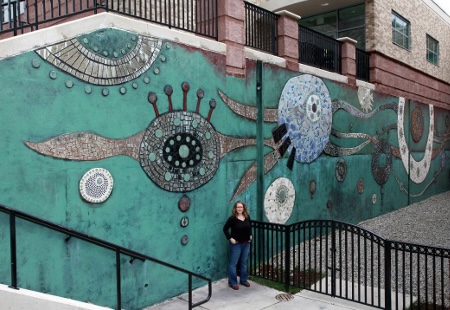
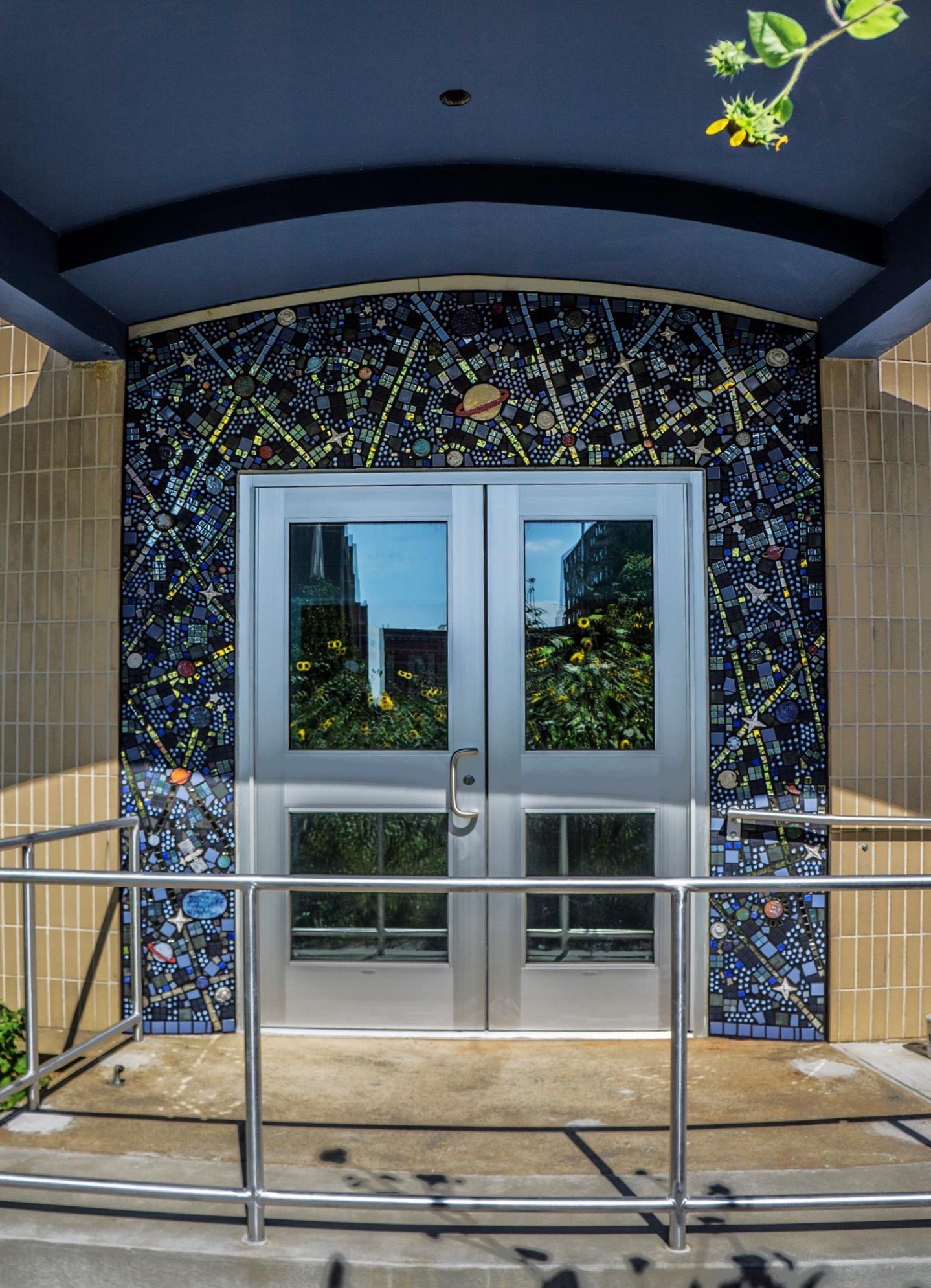
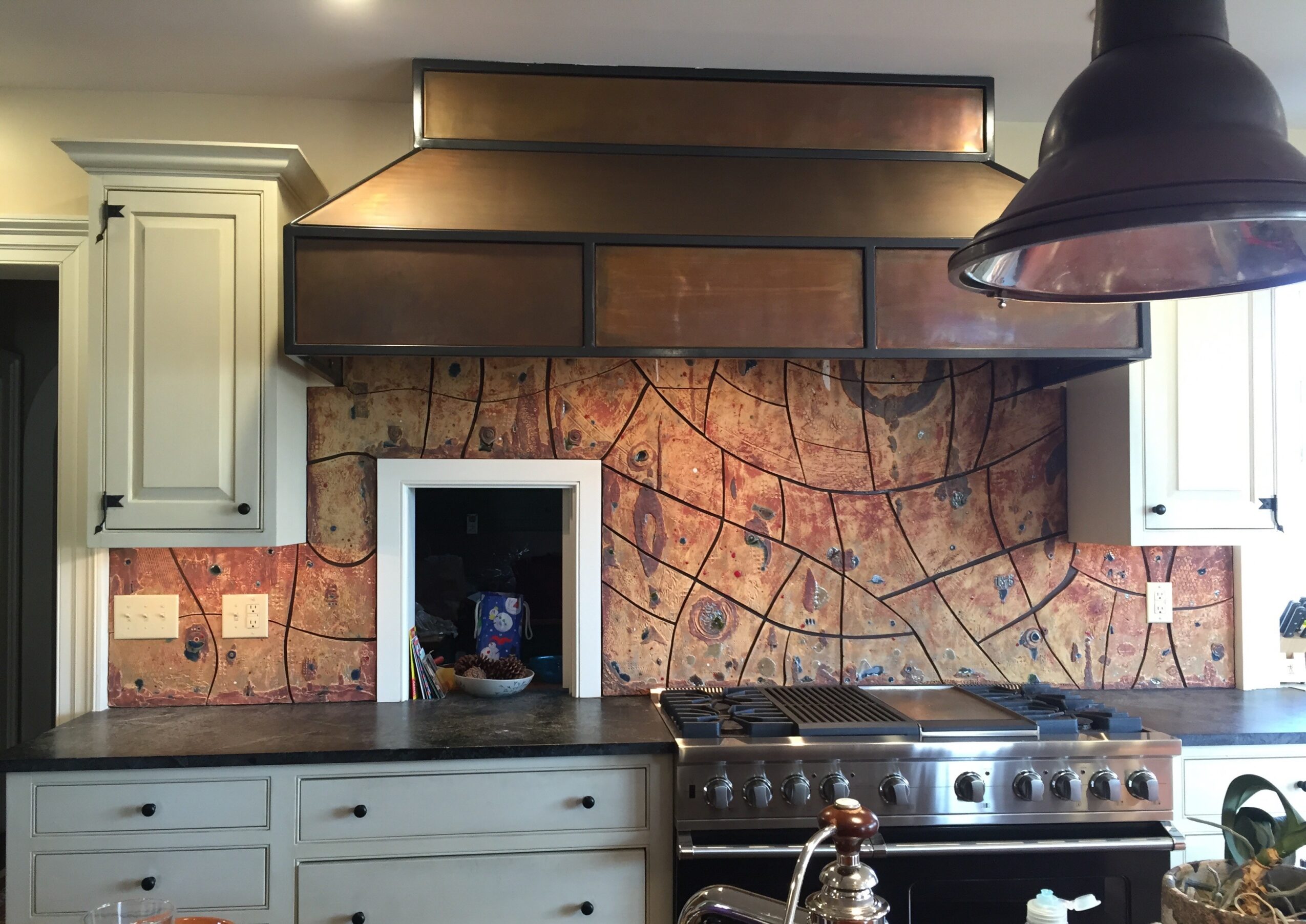
After graduation, I was hired by a fashion design company in Philadelphia as an illustrator. Drawing had always come naturally to me, and years later, I realized I could bring those drawings to life onto large slabs of clay—the medium I loved and deeply missed. That led me into sculptural relief, and eventually to creating large, handmade tile murals.
Fast forward twenty-five years, and I’ve developed my own tile-making process, and my work has become more abstract. Today, alongside my commissioned large scale public art, I’m also a gallery artist and an instructor. At its core, my work is still about making—using my hands to translate experience and emotion into something tangible.”
We all face challenges, but looking back would you describe it as a relatively smooth road?
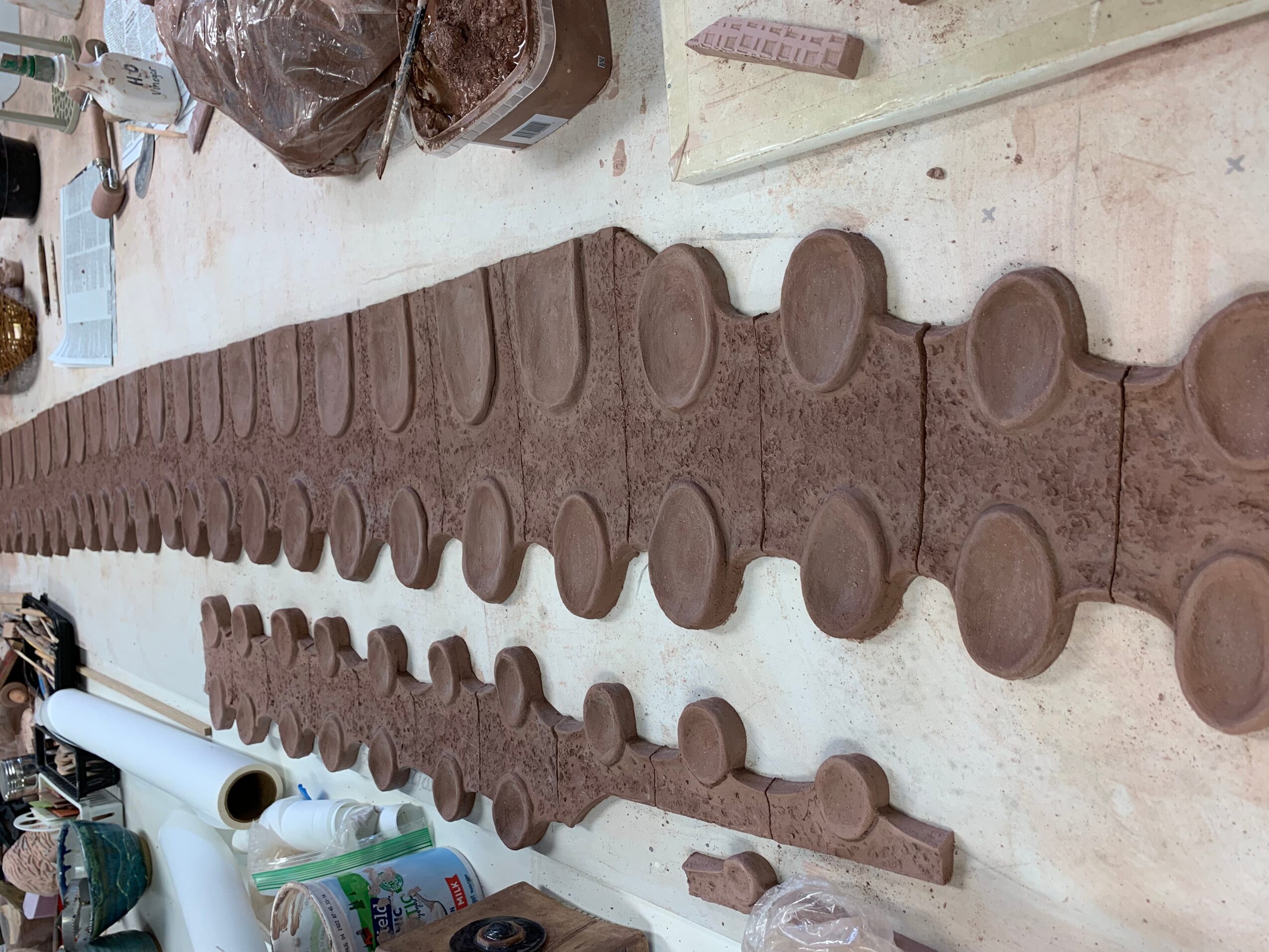
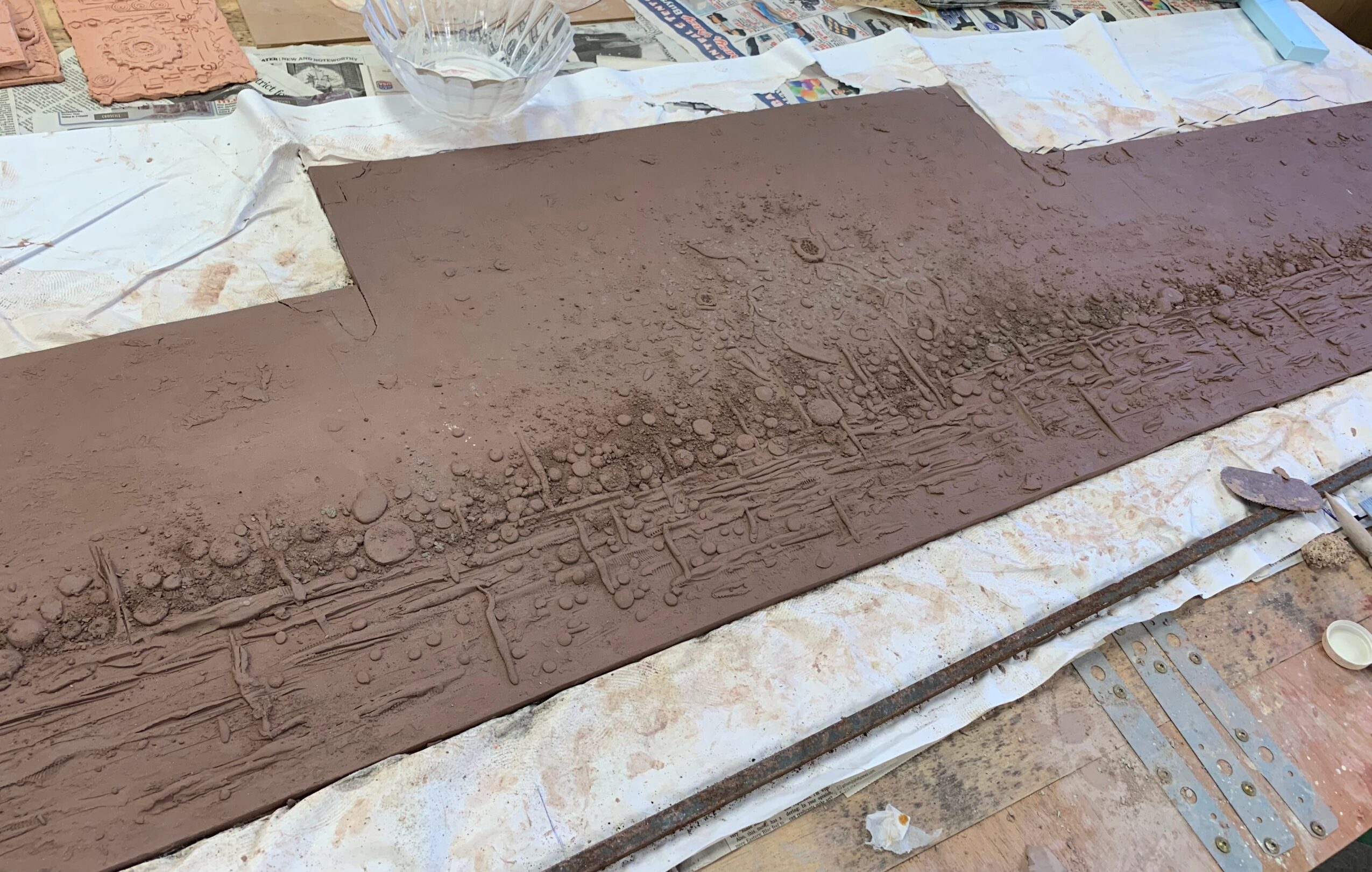
“One of the main challenges of working as a ceramic artist in public art is managing scale, material, and risk at the same time. I often work with hundreds, sometimes thousands, of pounds of wet clay, forming each tile by hand using a process I’ve developed over many years.
Clay undergoes a dramatic transformation—from wet material to a fired surface at temperatures exceeding two thousand degrees—and every stage requires careful planning. Shrinkage, cracking, warping, glaze behavior, and kiln firing are all real considerations, especially when the work needs to be durable, consistent, and precisely scaled for architectural installation. Clay can shrink ten to thirteen percent, so I calculate each component accordingly and build safeguards into the process to minimize failure.
These challenges require a balance of technical control and adaptability. Over time, I’ve learned how to anticipate problems, adjust quickly, and build redundancy into large projects so that setbacks don’t compromise timelines or outcomes. That experience is essential in public art, where reliability, longevity, and collaboration are just as important as the finished aesthetic.”
As you know, we’re big fans of you and your work. For our readers who might not be as familiar what can you tell them about what you do?
I am a ceramic artist who creates handmade tile and sculptural work in clay, producing large-scale public art while also maintaining an active studio practice with work shown in galleries. My career has been shaped by a love of building things at scale and by a curiosity about how materials behave over time. No two projects are ever the same, and each new installation pushes me to keep learning, problem-solving, and refining my process.
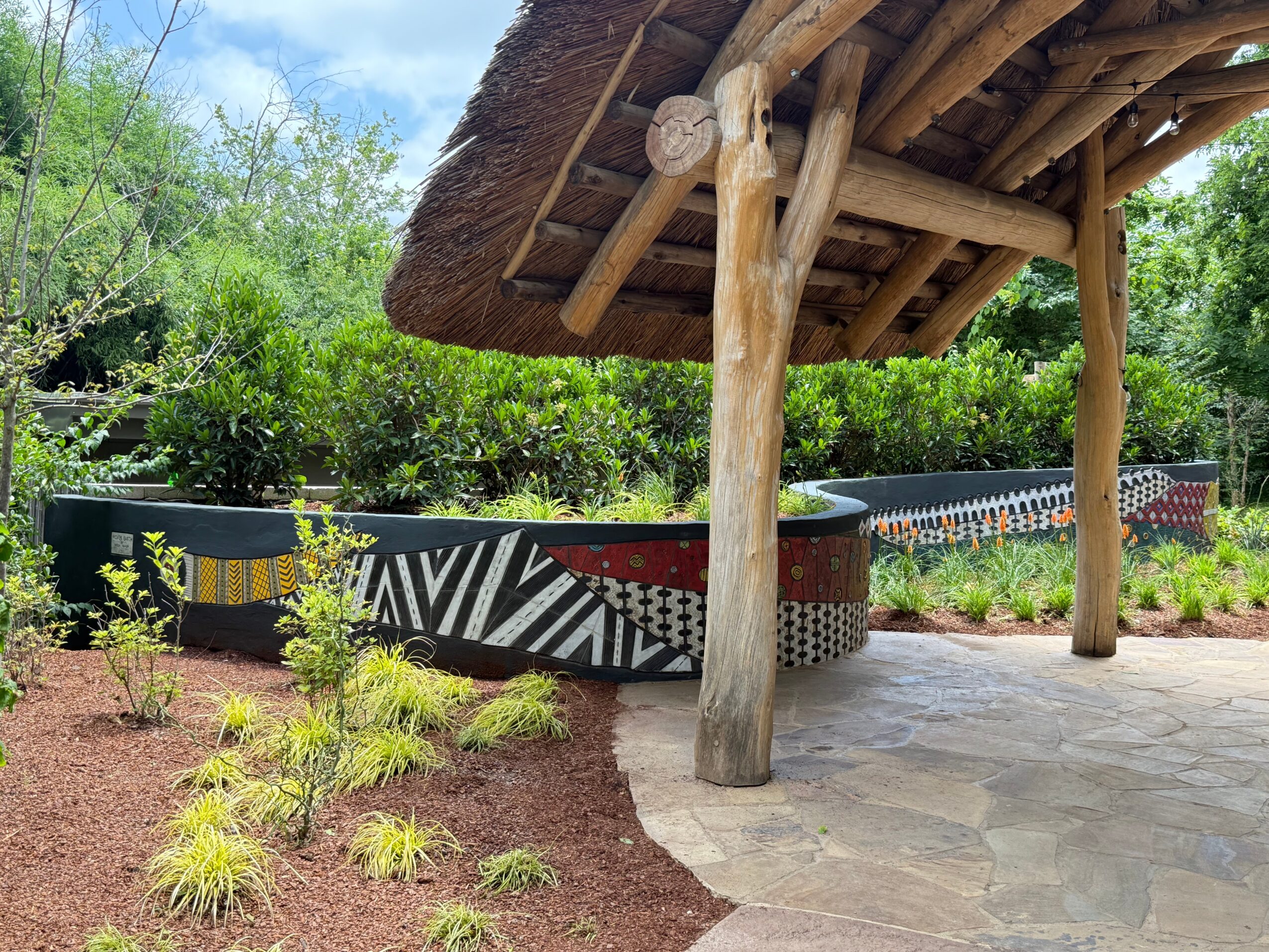
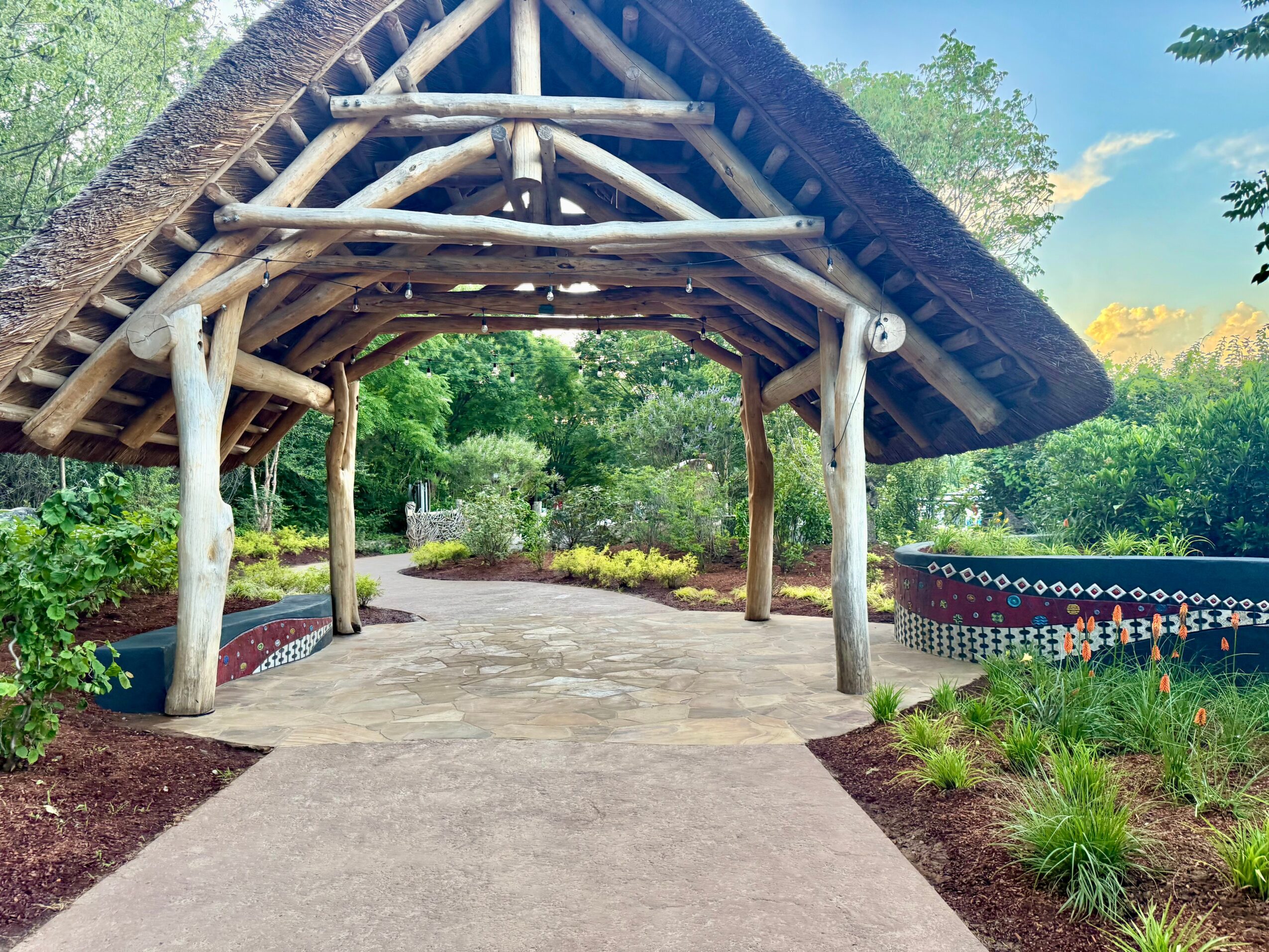
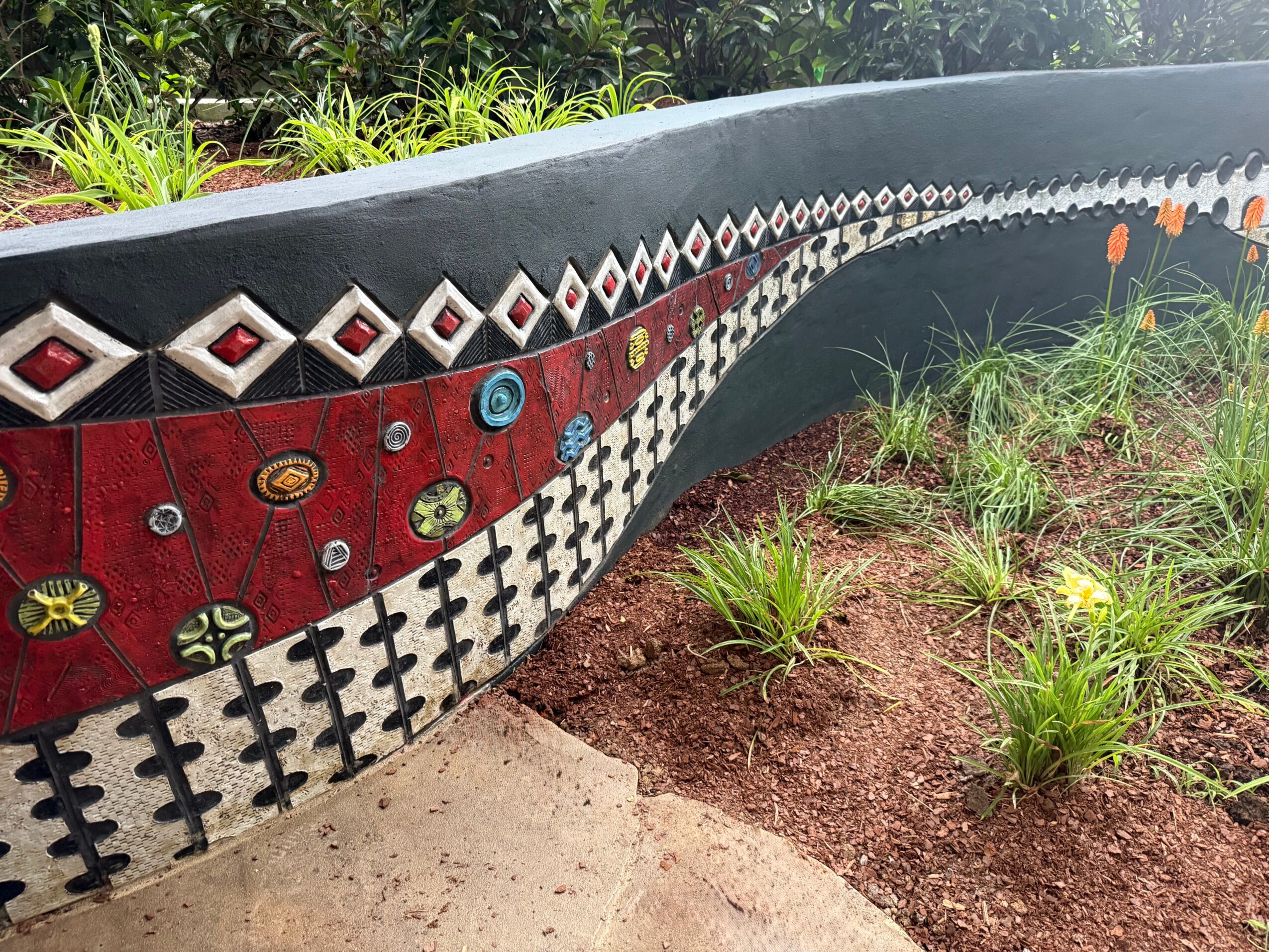
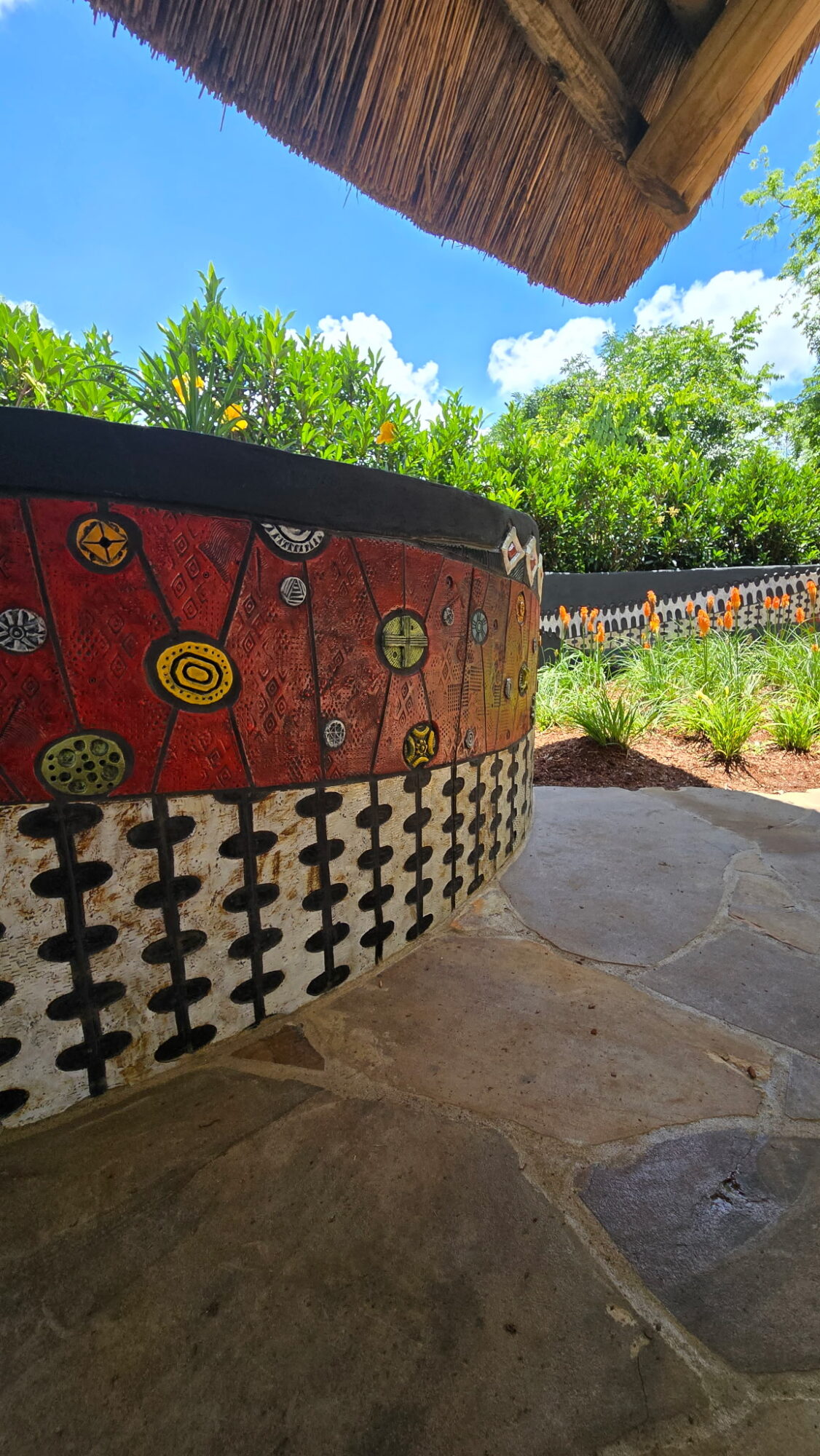
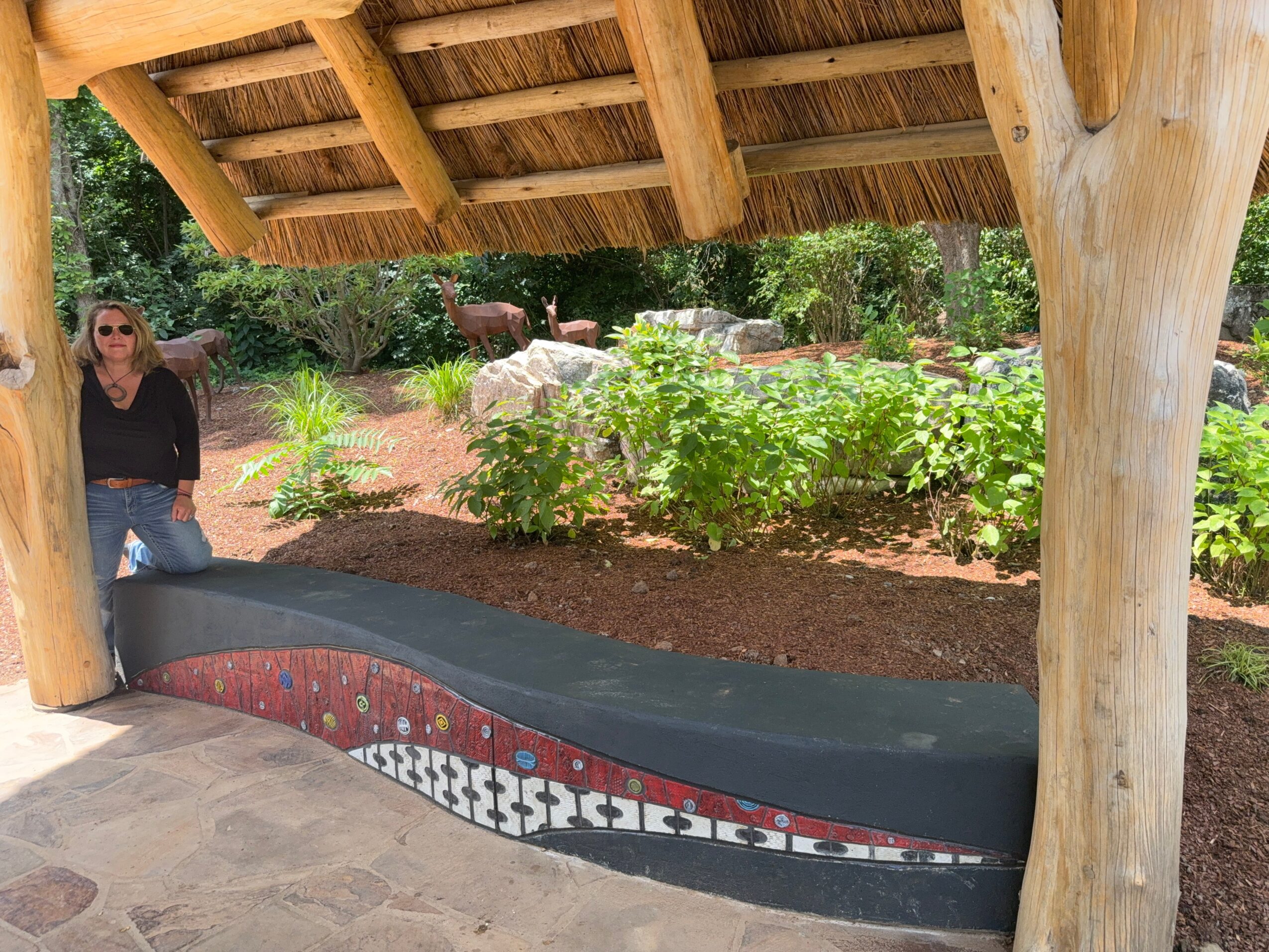
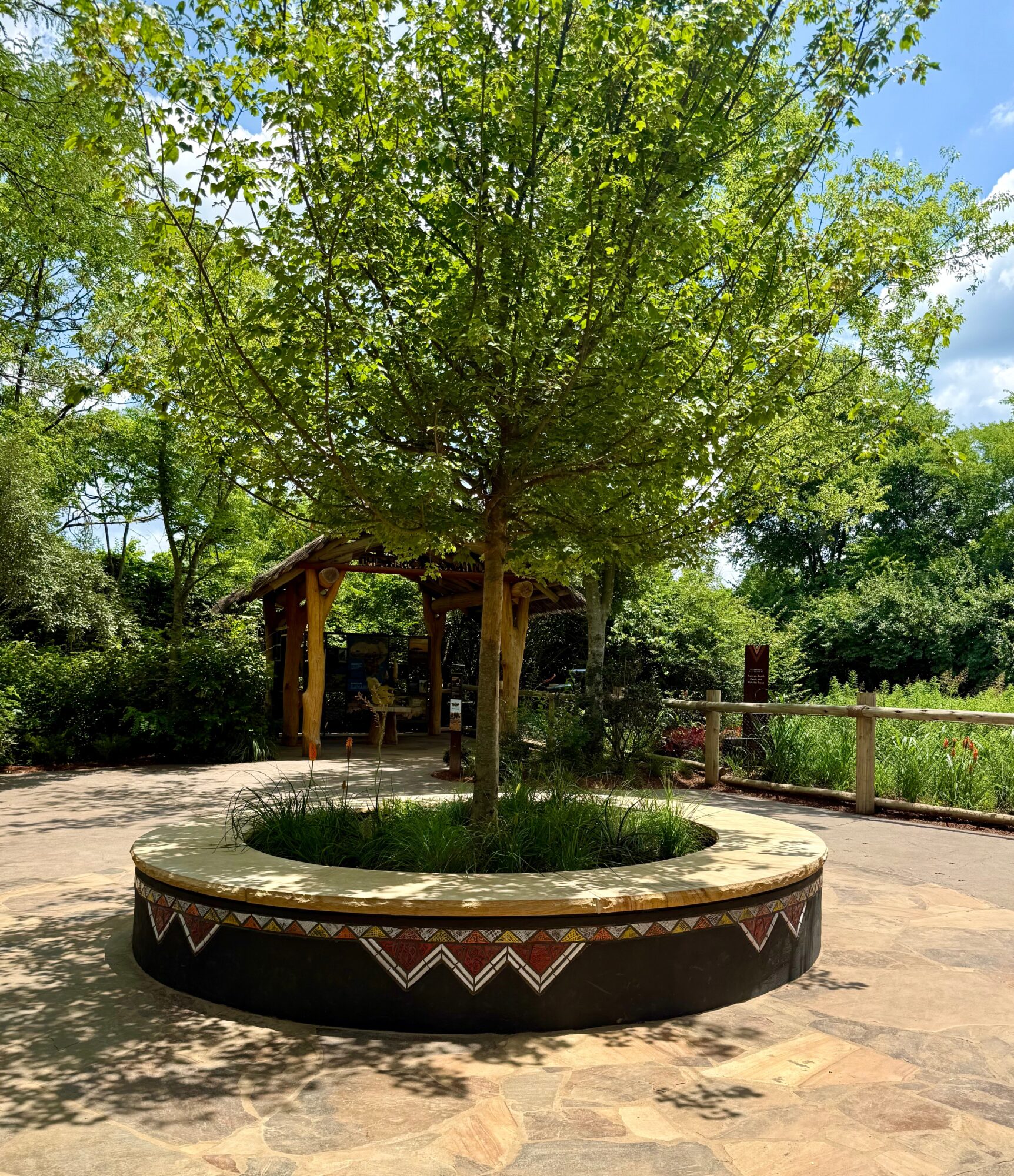
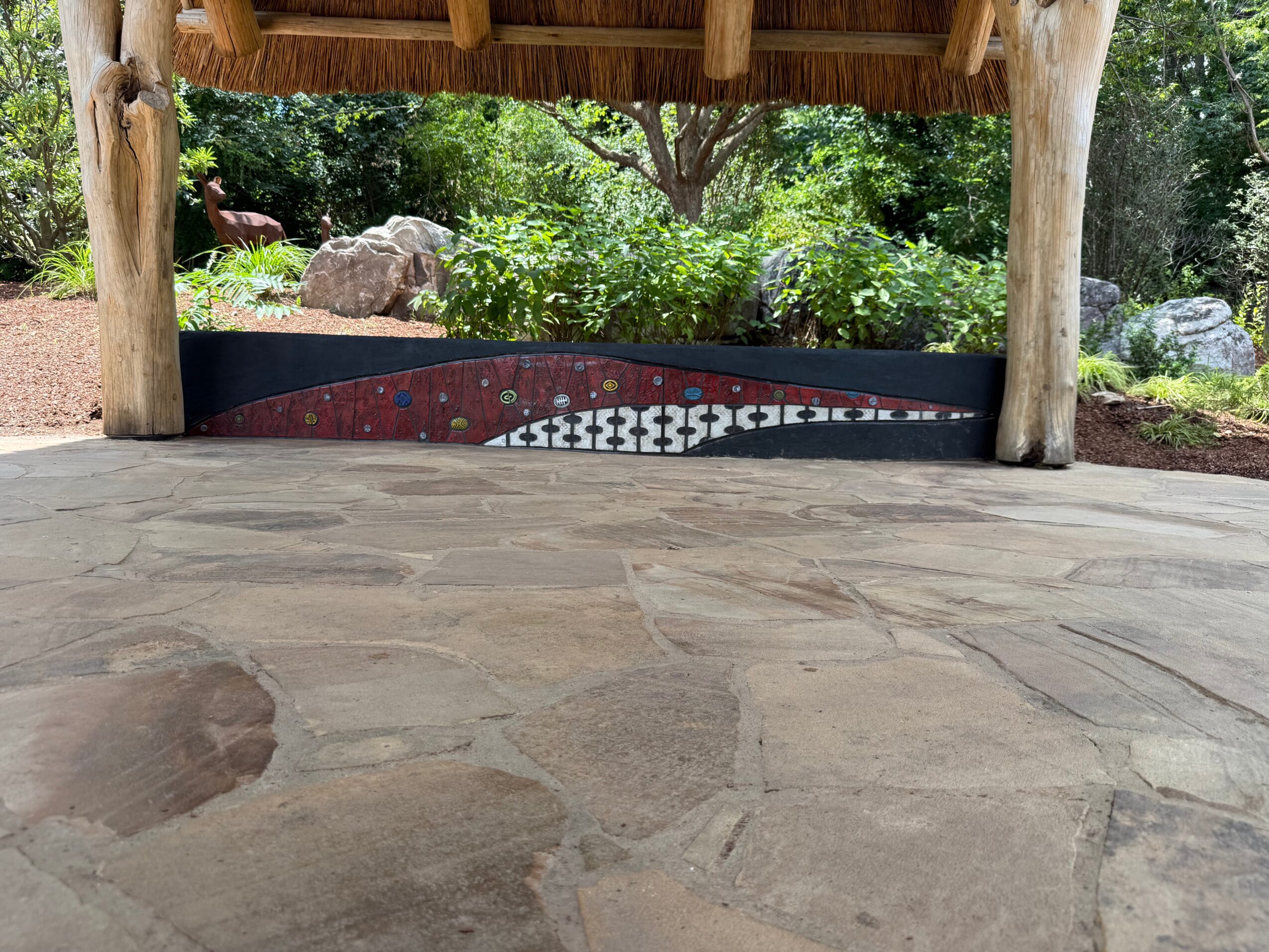
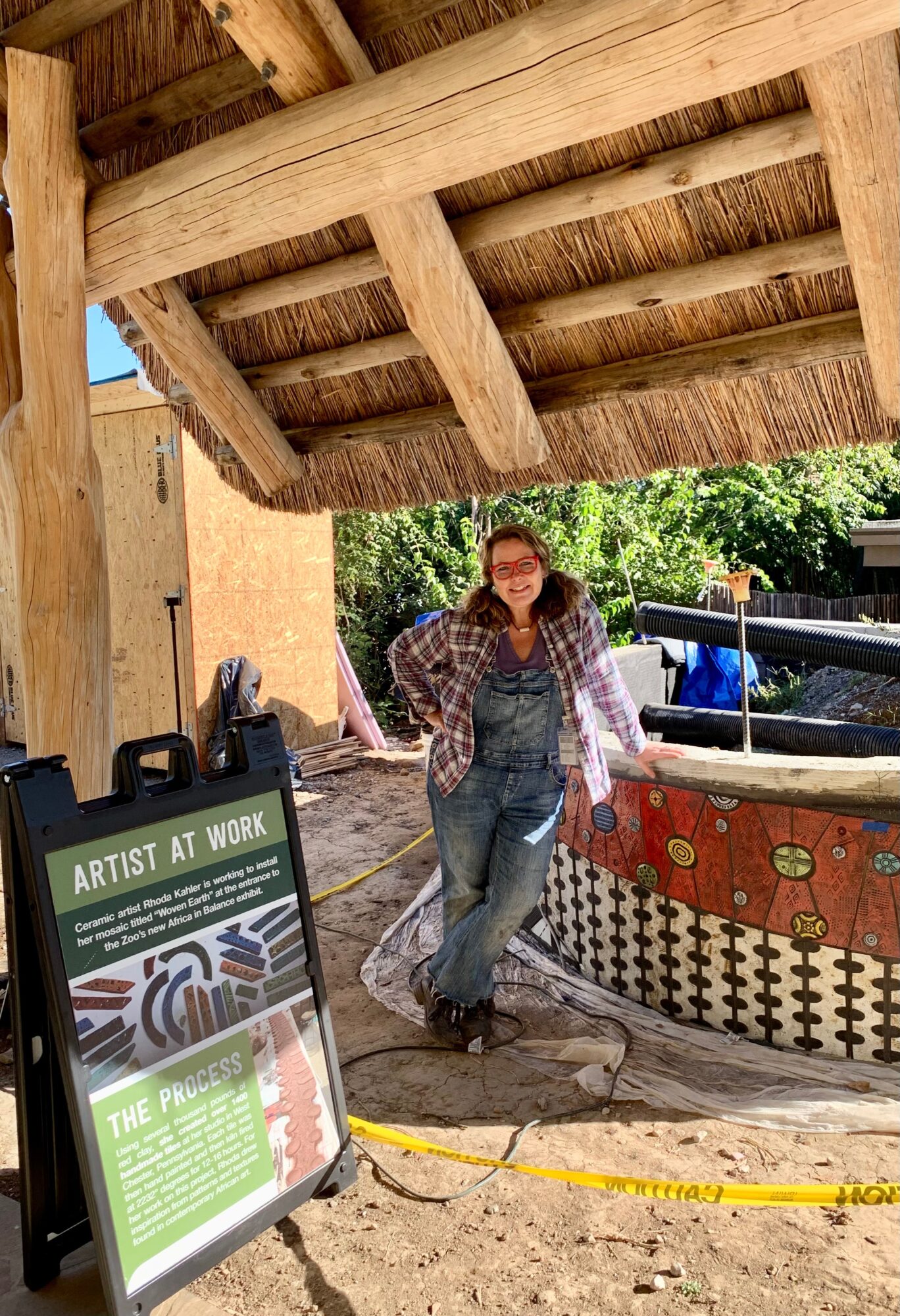
I am especially drawn to site-specific public art—projects that invite both creative thinking and careful planning. I enjoy the challenge of translating an idea into something physical and durable, where design, engineering, and craftsmanship must work together. One of my most recent projects is a major installation at the Nashville Zoo at Grassmere, where I created a 55-foot handmade tile mural for a curving serpentine wall, along with two sculptural seating benches measuring 37 and 12 feet long, located at the entrance to the zoo’s new Africa exhibit.
Each tile in the installation was formed by hand and shaped to fit together like a puzzle—there are no standard or square tiles. I carefully planned for the 10% shrinkage of clay and designed the work so it would follow the curve of the wall seamlessly, accounting for additional grout lines to handle the undulating wall. What I am most proud of is how beautifully the installation came together on site, with very little adjustment needed. Seeing months of planning, engineering, and hands-on labor come to life in a public space—and become part of people’s everyday experience—is what continues to set my work apart and motivate my practice.
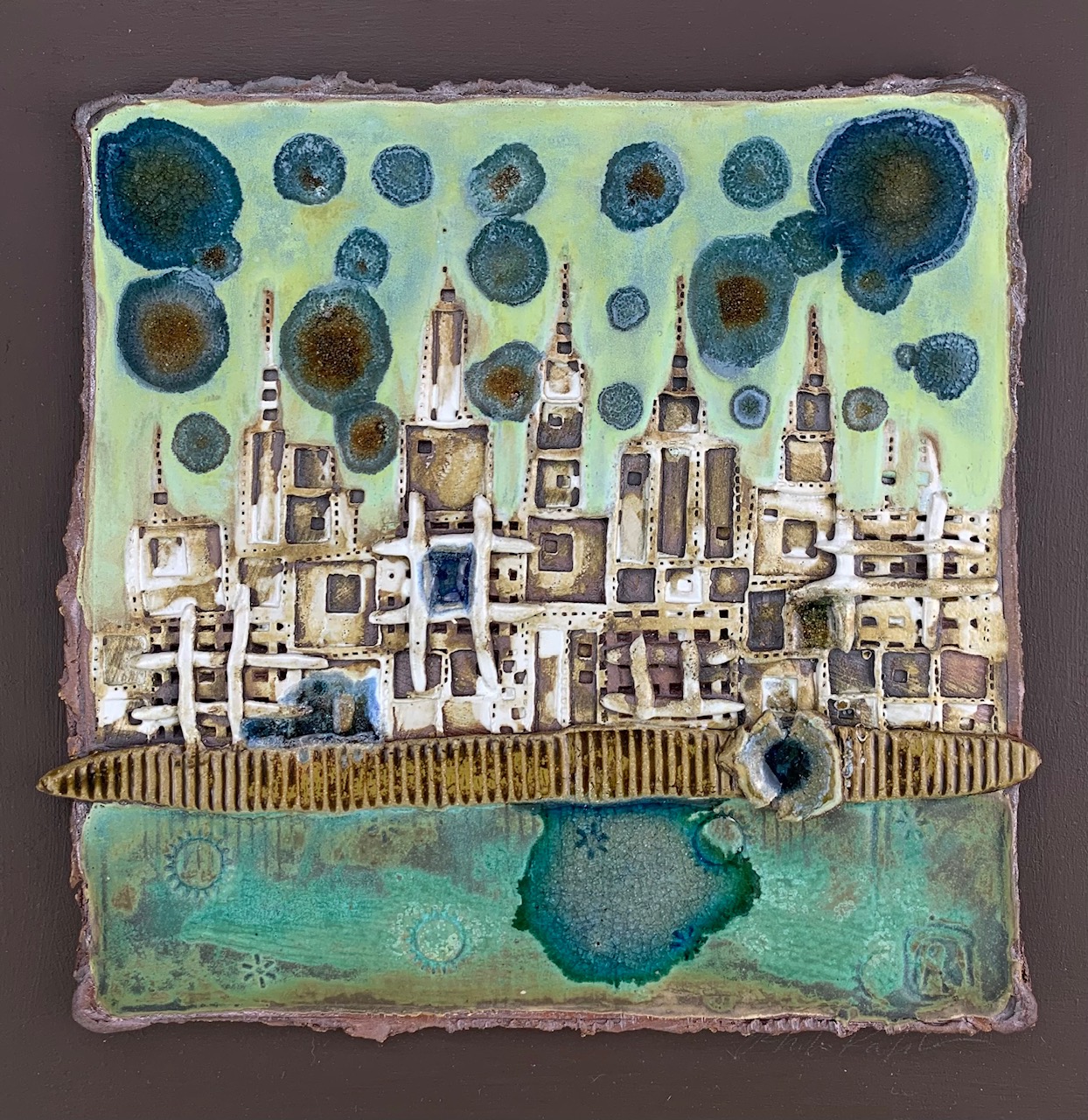
My gallery work consists of individually framed ceramic tiles and curated groupings, each piece carrying its own narrative or conceptual presence. My practice is driven by a deep interest in texture and surface—using clay as a means to translate imagery, emotion, and sensory experience.
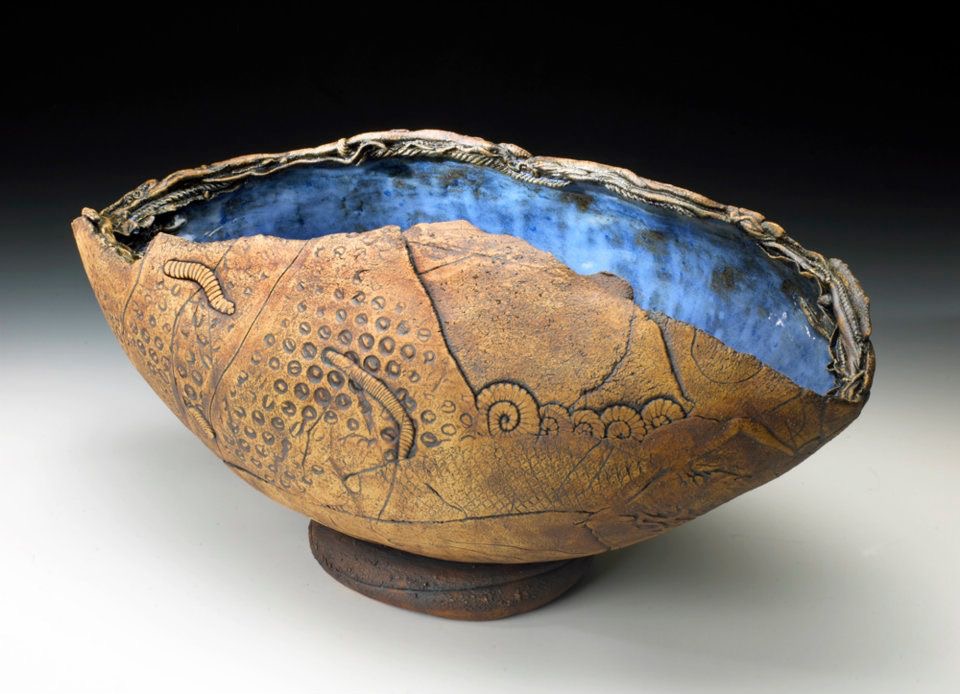
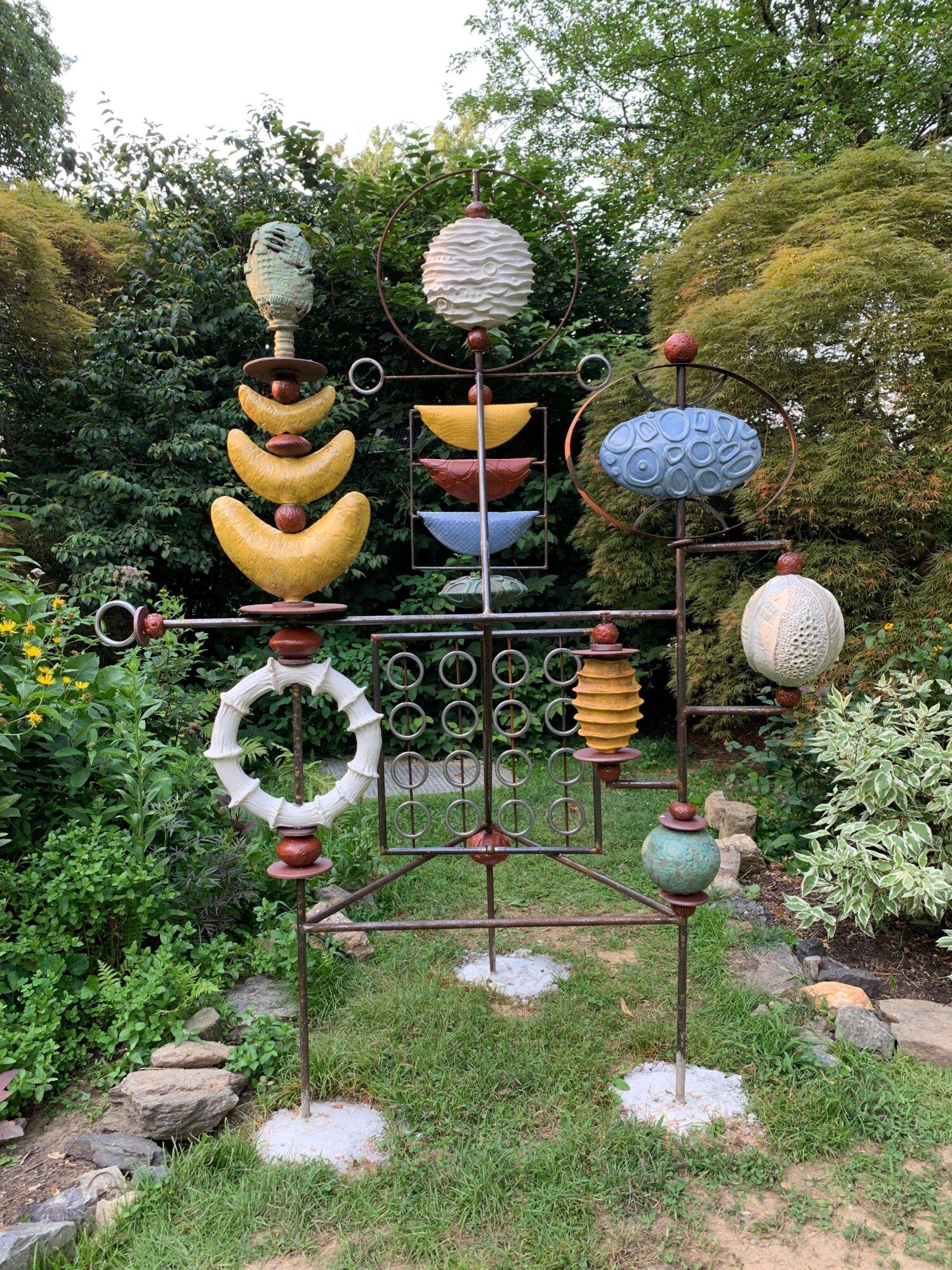
In addition to tiles and reliefs, I create ceramic sculpture that is predominantly hand-built, with occasional forms thrown on the wheel. This approach allows me to move fluidly between two- and three-dimensional work, satisfying a desire to explore form in multiple ways. An ongoing sense of curiosity and inquisitiveness about clay continues to fuel my practice, keeping the material endlessly engaging and full of possibility.
Alright so before we go can you talk to us a bit about how people can work with you, collaborate with you or support you?
Collaboration is a vital part of my practice. I’ve partnered with schools and universities on murals, projects, and hands-on classes, and I’ve held numerous artist residencies that center inclusion and creative exchange. At the Philadelphia Museum of Art, I worked with visually impaired and blind artists to create clay relief sculptures, and at Inglis House I led an artist in residency focused on making art and sculpture with artists living with spinal cord injuries. I also teach workshops nationwide and truly love sharing my passion for clay with diverse communities.
Those interested in supporting my work can follow me on Instagram or Facebook @rhodakahlerstudio. I’m always open to new collaborations—whether it’s a mural, artwork, or workshop—and can be reached through my website at www.rhodakahler.com or directly at rhodakahler@gmail.com.
Contact Info:
- Website: https://www.rhodakahler.com
- Instagram: @rhodakahlerstudio
- Facebook: @rhodakahlerstudio