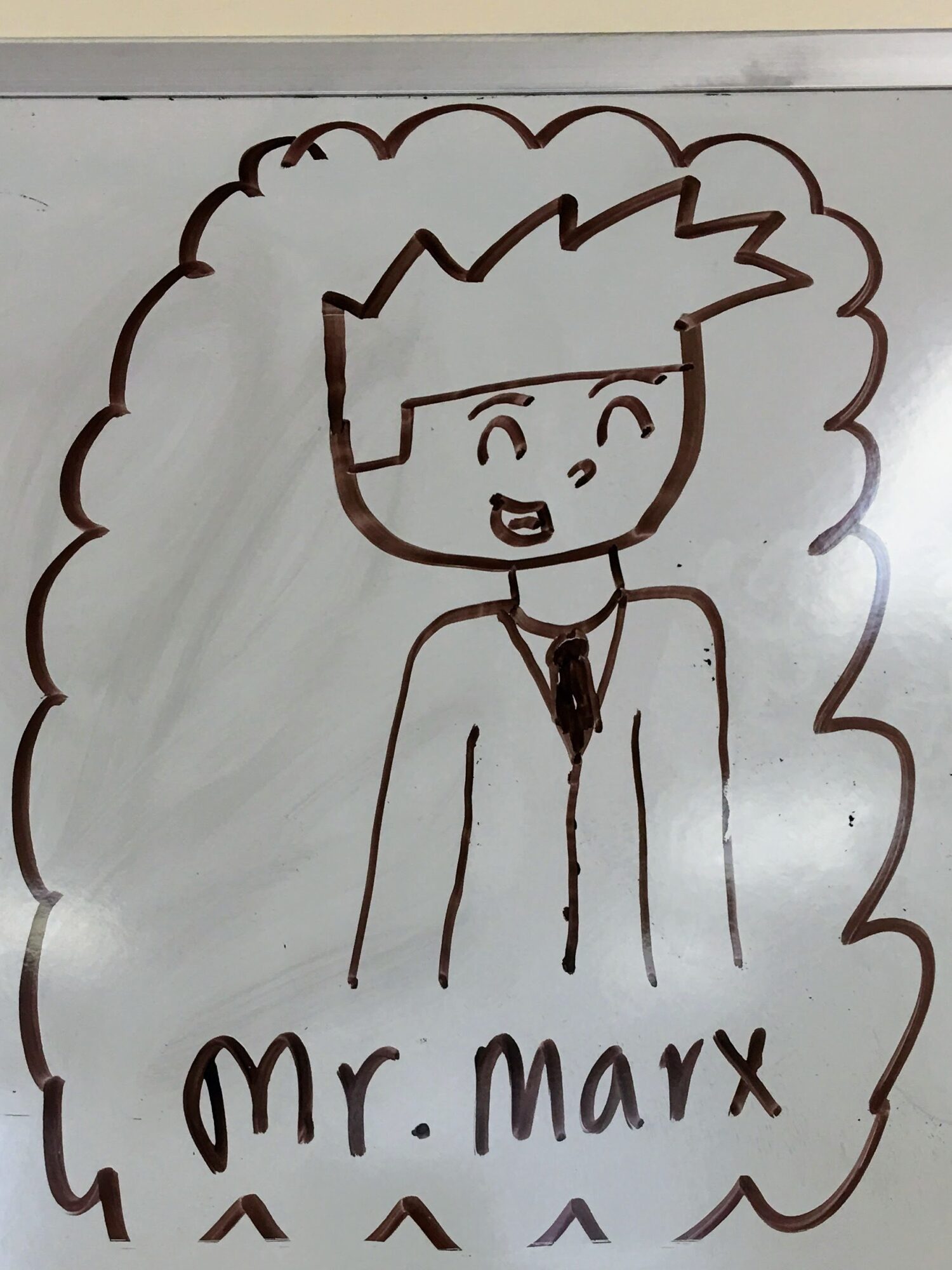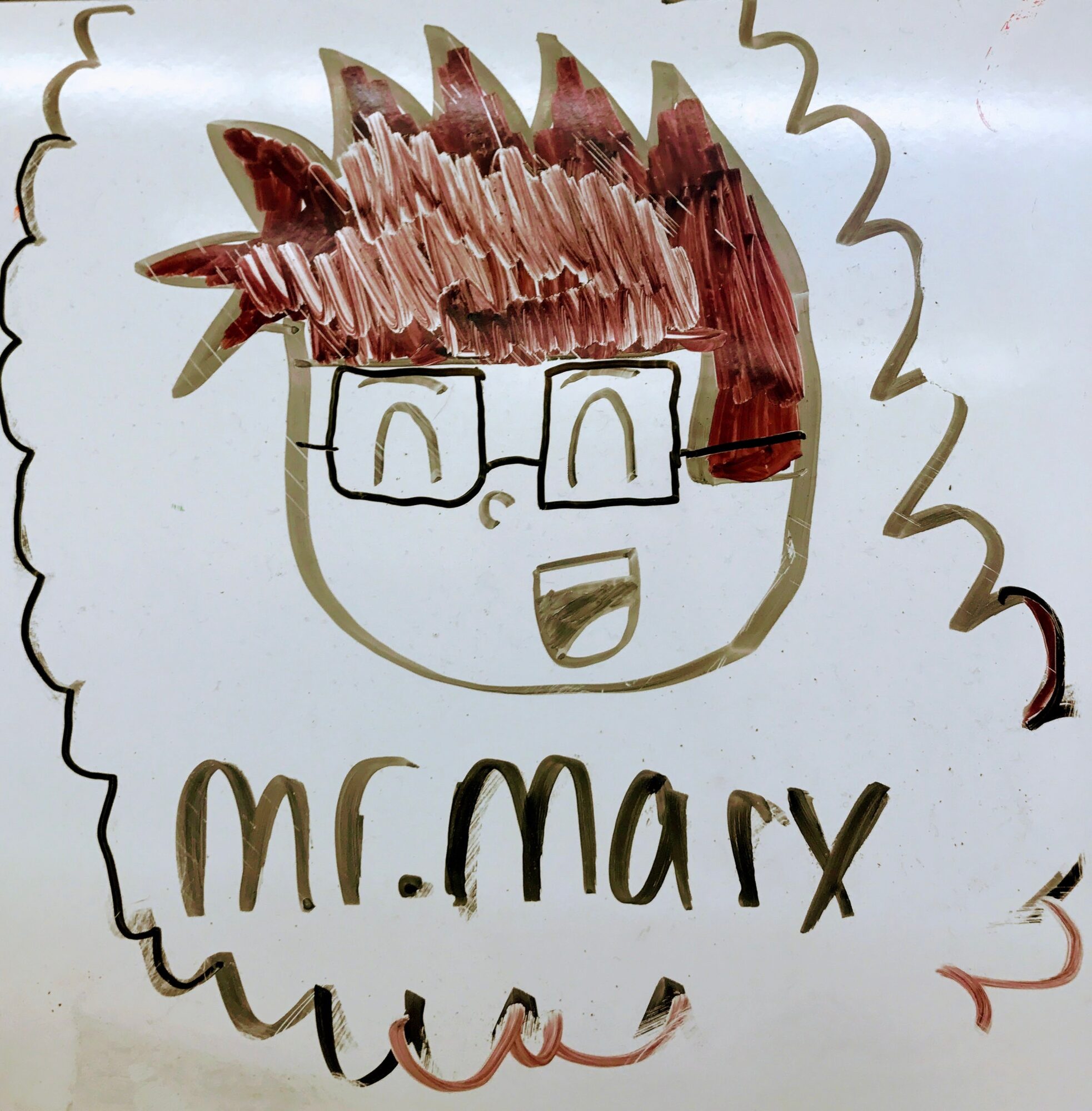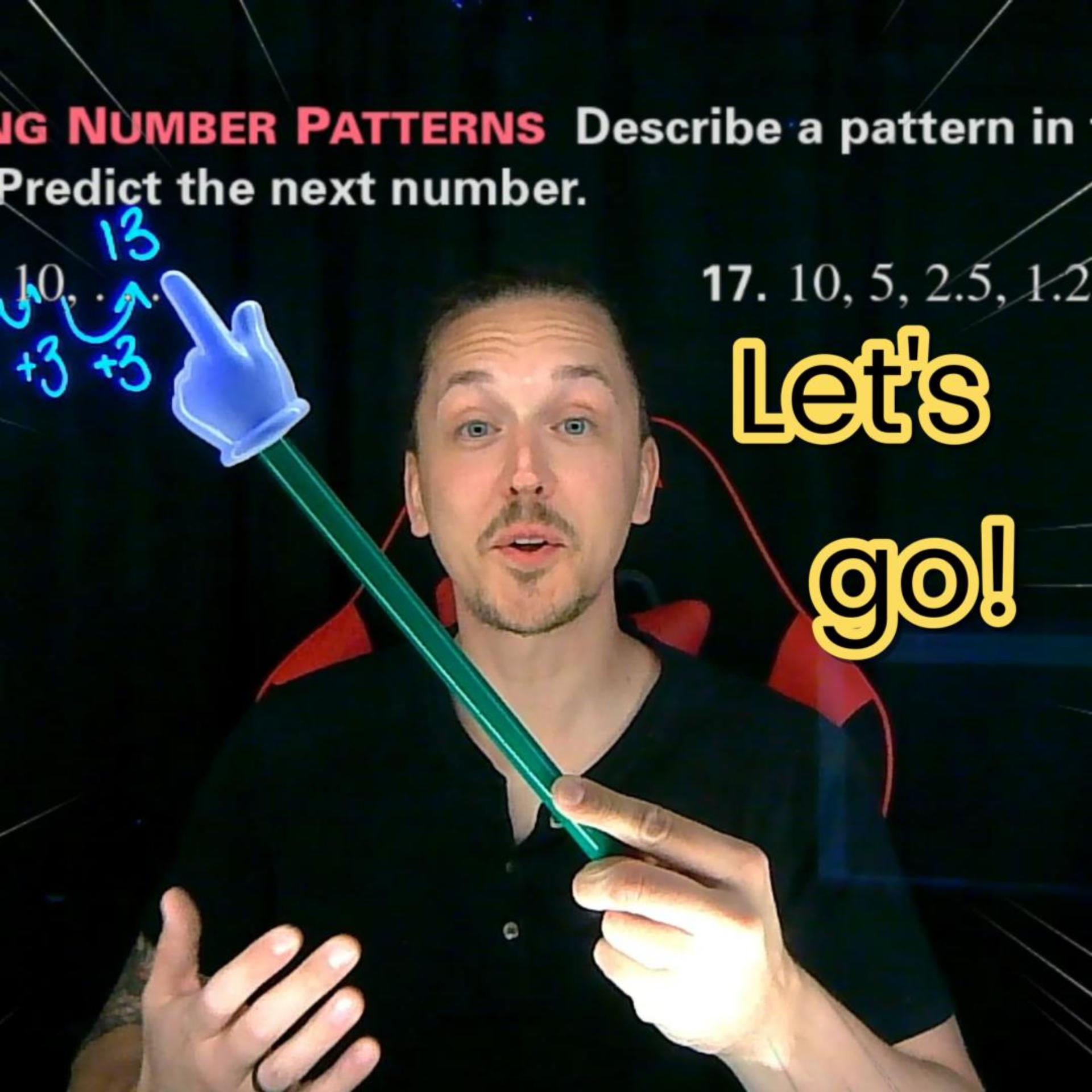



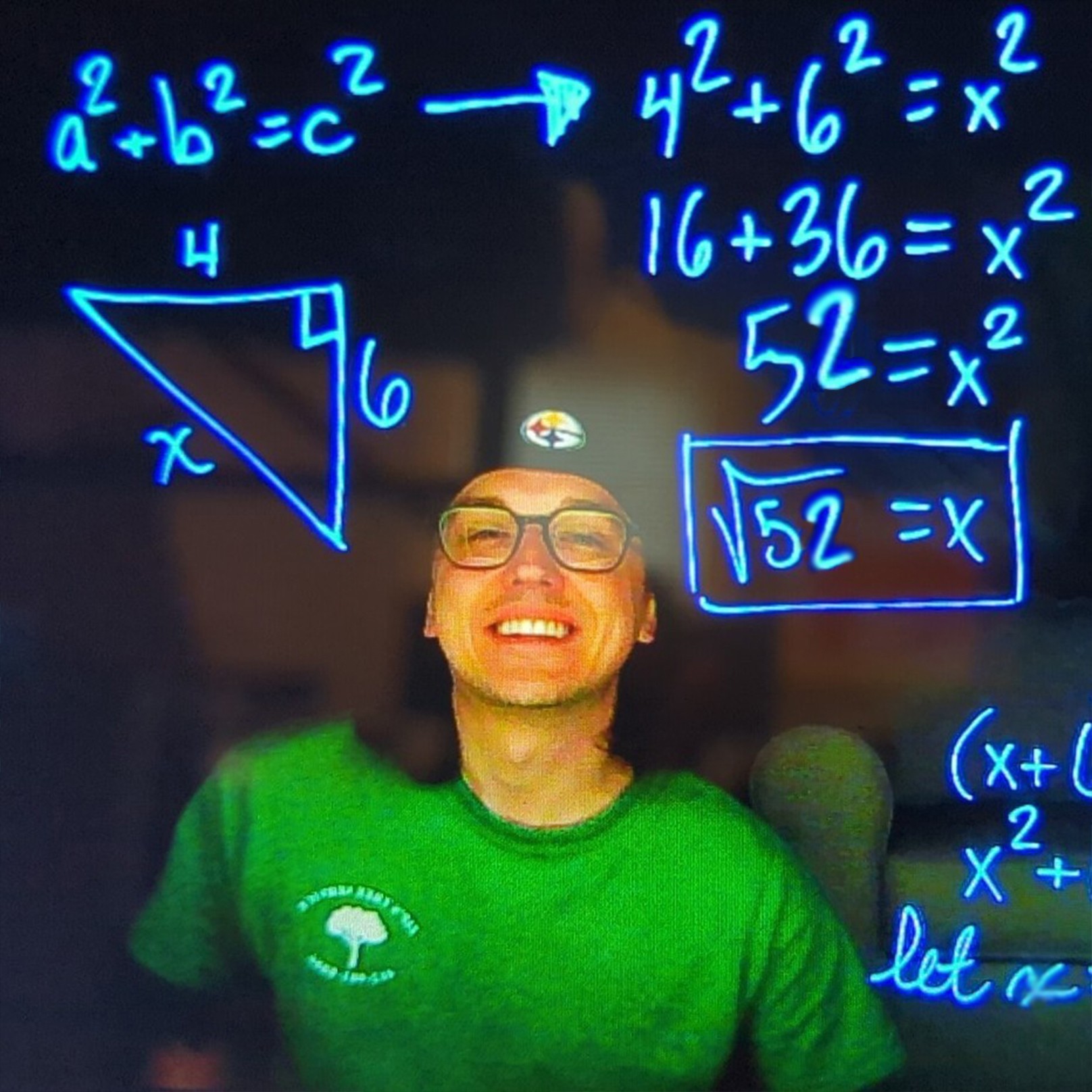
Today we’d like to introduce you to Matt Marx.
Alright, so thank you so much for sharing your story and insight with our readers. To kick things off, can you tell us a bit about how you got started?
I’ve always been someone who likes learning and figuring things out. I call myself a philomath, which just means a lover of learning, and math was really where that started for me.
I went to the University of Pittsburgh for mathematics and later earned my Master of Arts in Teaching Secondary Mathematics there. I started working in education through AmeriCorps and went on to teach math in Pittsburgh. Over the years I taught everything from Algebra and Geometry to Consumer Math and AP Calculus. I also spent time developing curriculum and eventually worked as an Expanded Impact Teacher, where part of my job involved working with other teachers and using student data to improve instruction.
While I loved teaching, I started getting interested in some of the other things I was doing around it. I liked working with data, building resources, making visuals, experimenting with technology, and finding better ways to organize information. That eventually led me to PPG, where I worked as a Color Data Analyst.
That was a pretty big change from teaching math, but it gave me the chance to work with data and technology in a completely different setting. I found myself creating databases and tools to make work easier and more efficient. I started realizing how much I liked building things.
The ideas for Mister Marx and dodat had been with me for a long time, going back to my teaching days, but it wasn’t until after PPG that I actually started building them.
Mister Marx became a place for me to keep doing all of the things I enjoyed about education and mathematics in my own way. I created MisterMarx.com, started making Mister Marx Math Adventures videos on YouTube, wrote Mister Marx’s Math Corner, created teaching materials, tutored students, made artwork and designs, and experimented with different ways technology could be used for learning.
In every role I had been in, I had seen the experiences of learners, parents, and educators, and I kept noticing what was missing in the technology meant to serve them. The ideas had been on my mind for years, so I decided to learn how to code and bring them to life.
I started teaching myself software development and began building what eventually became dodat. It was really learning by doing. I would come up with something I wanted the platform to do, figure out what I needed to learn to make it happen, build it, break it, fix it, and keep going.
Today my work is still spread across a few different worlds. My full-time work is in digital strategy and transformation, where I work with technology, data, automation, AI, business systems, and the way organizations actually use those things. In my own time outside of that, I continue to build Mister Marx and dodat.
I learned math because I loved math, learned to teach because I wanted to share it, got into data because I wanted to share with others what the numbers were telling me, and learned to code because I had ideas I wanted to bring to life. I still approach things pretty much the same way now. If something catches my curiosity, I want to understand it, and usually I end up making something with it.
Can you talk to us a bit about the challenges and lessons you’ve learned along the way. Looking back would you say it’s been easy or smooth in retrospect?
It definitely hasn’t always been smooth, but I think that comes with trying to do anything well.
A lot of the things I’ve worked on started as ideas I was really excited about. Coming up with the idea is the easy part. Actually putting in the work to make it real, and making it as good as I think it can be, is where the challenge comes in.
I saw that in teaching. Knowing math is one thing, but creating something meaningful for students takes a lot more than knowing the material. When I moved into data and technology, I wanted to build things that actually made people’s work better. Now in digital strategy and transformation, I see the same thing on a much larger scale. You can have great technology, but actually getting it to work for an organization and the people using it is a whole different challenge. Mister Marx and dodat have been no different.
When I decided to build dodat, I also decided I was going to learn software development well enough to build the platform myself. That has been a huge undertaking and one of the most rewarding things I’ve ever done. I spent months learning and coding until something that had been in my head for years was finally tangible.
The funny thing about trying to do something right is that every time you finish something, you usually discover more work. You build one part and find five more things you want to improve. You learn something new and realize there is a better way to do something you already built. I actually really enjoy that.
A lot of this has happened while working a full-time job too, so there have been plenty of long days, nights, and weekends. There is only so much time, so I work on what needs me most and keep moving everything forward.
So no, it hasn’t always been easy, but that’s okay. If I’m going to do something, I want to do it right, and doing things right takes work, intention, and time. For me, that’s also what makes it rewarding. There is something pretty awesome about taking an idea that used to only exist in my head, turning it into something real, and then seeing it become useful not just to me, but to other people too. Being able to look at that and say, “I made that,” and know that it is actually helping someone, is a pretty great feeling.
Appreciate you sharing that. What else should we know about what you do?
My work spans a lot of different areas, and no single category really covers all of it.
My full-time work is in digital strategy and transformation. I work with technology, data, automation, AI, business systems, and process improvement. A lot of my job is looking at how people are actually doing their work, figuring out where things aren’t working as well as they could, and then helping build something better that actually benefits the people doing the work. I want to make things easier to use, more efficient, more accurate, and ultimately better for the people on both sides of the process. Sometimes that means technology, sometimes it means changing a process, and usually it involves both.
Then I have Mister Marx and dodat, which are the things I build on my own.
Mister Marx is my math, education, and creative work. I make Mister Marx Math Adventures videos, write Mister Marx’s Math Corner, tutor, create teaching resources, and build things for learners and teachers. It gives me a place to take the way I see mathematics and everything I’ve learned about teaching and actually put it into practice. A lot of the time I see an idea, a connection, or an opportunity in math that I think could be made clearer, more useful, or more approachable for somebody else, and then I figure out the best way to bring it to them. That might become a video, a lesson, a resource, an explanation, or something completely different. I want math to be approachable without watering it down, whether someone is seeing an idea for the first time, struggling through a class, returning to math years later, or simply curious about something. I really love getting somebody to that moment where something that looked difficult suddenly clicks.
dodat takes a lot of those ideas into software. The internet gives us access to more information than anyone could ever work through, but having access to information is not the same thing as knowing what is worth your time, what you are actually learning from it, or where it could take you next. I am building dodat to help people navigate that. I want someone to be able to find something that catches their attention, understand what they are learning, see the subjects and ideas connected to it, and have a clearer path for where they could go next. It is about helping learners make more sense of this huge amount of information we all have access to and turn what interests them into something they can actually learn from. I’ve worked on basically every part of it because I built it from scratch: the code, the design, the educational side, the AI, the branding, the business, all of it.
I’m proud of a lot of different things for different reasons. I’m proud when former students reach out years later and tell me that something I did mattered to them. I’m proud that people I’ve never met have learned math from my videos. I’m proud when I build something at work and it makes somebody’s job easier. And I’m really proud that dodat exists at all. It was an idea I carried around for years, and now it is a real piece of software that I built.
I think the thing that makes my work a little different is that I don’t come at problems from only one direction. I’ve spent years teaching, working with data, creating things, designing things, coding, running businesses, and working with technology inside an organization. All of those experiences end up finding their way into whatever I’m working on.
What I really enjoy is seeing something clearly enough that I can do something with it. That could be a math idea I understand well enough to make it click for a learner, a process at work I can see a better version of, or a piece of technology I can picture before it exists. Putting all of that to work in a way that actually helps someone is probably the part that means the most to me.
Do you have recommendations for books, apps, blogs, etc?
One book that has stayed with me is *5 Practices for Orchestrating Productive Mathematics Discussions* by Peg Smith and Mary Kay Stein. Peg Smith was actually one of my professors when I was earning my master’s in teaching, so I had the opportunity to learn this work directly from her. The five practices are anticipating how students might approach a problem, monitoring their thinking while they work, selecting which ideas should be shared, sequencing those ideas in a way that helps the discussion develop, and connecting everything back to the mathematics students are learning. Those ideas became a big part of how I learned to think about teaching. The big lesson for me was to really pay attention to how learners are thinking and use their ideas to help build understanding. I still think about that work years later.
YouTube is probably one of the resources I use the most. I obviously create there through Mister Marx Math Adventures, but I’ve learned an unbelievable amount there too. If I get interested in something, there is a pretty good chance I am going to end up watching someone explain it, demonstrate it, build it, or take it apart on YouTube.
I use AI quite a bit now too. I use it for research, coding, learning, working through ideas, and experimenting with different ways of building things.
Windsurf probably belongs on the list just based on how much of my life I’ve spent in it over the last couple of years. That is where a huge amount of dodat has been built and where I’ve done a lot of my learning as a developer, especially now that I can build alongside Devin as an agent.
I also really enjoyed being a guest on Chris Woods’ STEM Everyday podcast, where we got to talk about math, personalized learning, my videos, AI, and dodat. But I listen well beyond my own episode. Chris has been interviewing educators, innovators, and authors for years about the creative ways they bring STEM into classrooms and communities. It’s an easy recommendation for anybody interested in how STEM shows up in everyday learning.
Contact Info:
- Website: https://www.mistermarx.com/
- Instagram: https://www.instagram.com/mistermarx2/
- Facebook: https://www.facebook.com/MisterMarx1
- LinkedIn: https://www.linkedin.com/in/mister-marx
- Twitter: https://twitter.com/MisterMarx1
- Youtube: https://www.youtube.com/@mistermarx
- Other: https://open.spotify.com/show/6ANfNBIiSMAQVqVarVFv8m