


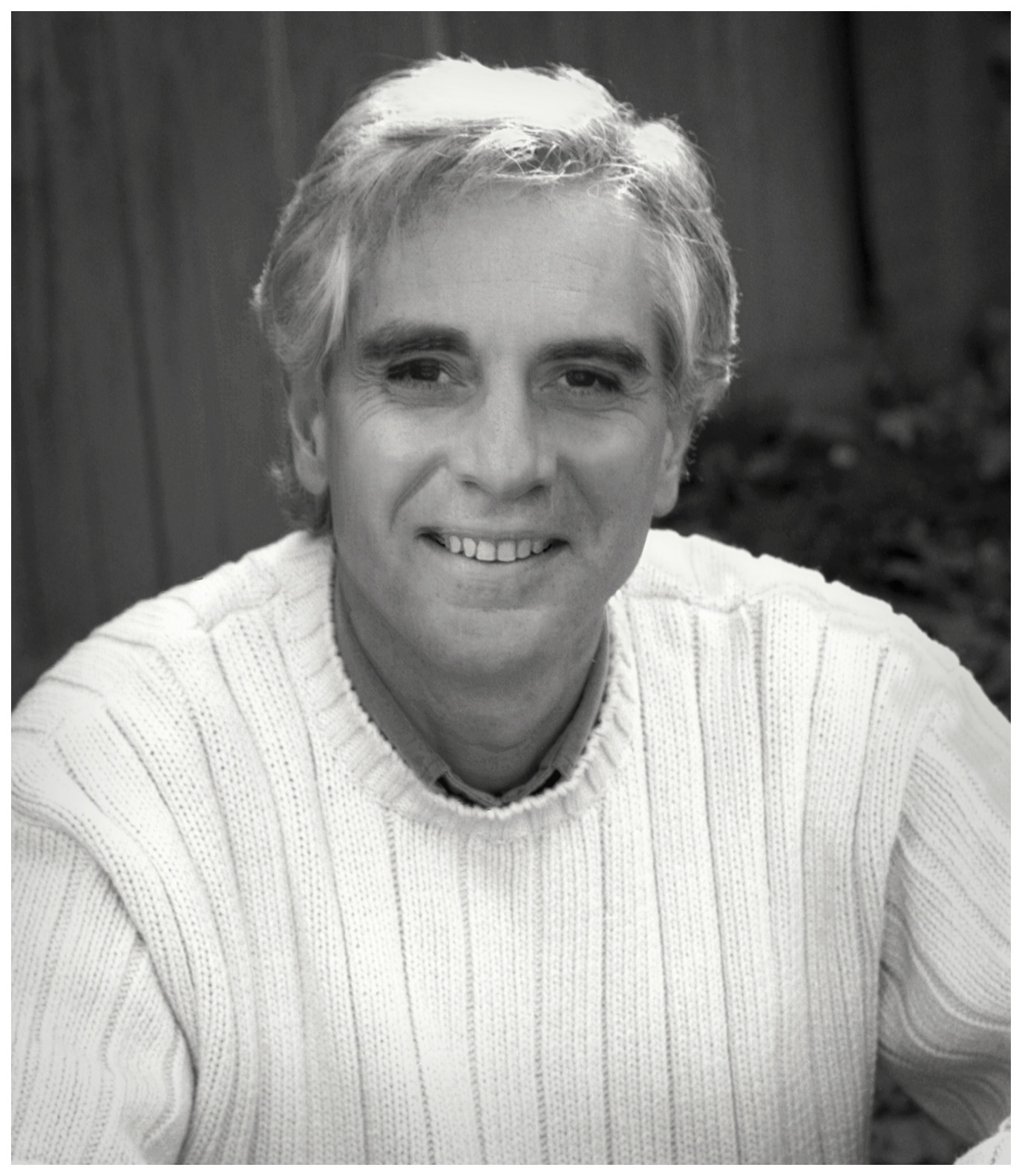
Today we’d like to introduce you to John A. Benigno.
Hi John A., so excited to have you with us today. What can you tell us about your story?
Well, I started a long time ago. I had the chicken pocks when I was 10 (1956). My dad brought home one of the first Polaroid Land cameras. From then on, I was pretty much the family photographer.
In high school I did the typical things. I was the photographer for the school newspaper and year book. However, by the time I graduated, my interests had changed from photography to theater. I went on to minor in theater in college at Villanova, and earned an M.F.A. in Acting from Columbia University.
I spent the 1970s working as a young actor our of New York City. My wife bought me a camera for my 25th birthday which rekindled my interest in photography. Living in New York I took advantage of classes at the New School — really my only formal photography training.
After deciding to put my theatrical career aside, my wife and I moved to the Philadelphia suburbs. The transition was not an easy one. Mostly, I worked in marketing and public relations for non-profit organizations — the Philadelphia Zoo, the Drama Guild, and Settlement Music School. Somehow, I always worked photography into my job description.
Eventually, I worked my way out of the non-profit world into Real Estate sales. Even there I used my photography skills. My formal employment remain selling Real Estate until my retirement in 2021.
However, during this time I was extremely active in the visual arts community here in the Philadelphia area. I am a past president of the Philadelphia/Tri State Artists Equity Association, Inc., and a past board member of the Philadelphia Sketch Club and the Main Line Art Center. I am an active member of several regional organizations, including the Main Line Art Center in Haverford, PA, the Plastic Club of Philadelphia, the Photographic Society of Philadelphia, the Art Association of Harrisburg, the Center for the Arts in Southern New Jersey, the Philadelphia Photo League, as well as a Master Artisan member of the Pennsylvania Guild of Craftsman.
During this time, I began teaching photography, and still do, at several community art centers — most notably the Main Line Art Center. Also, I actively exhibited my work with the organization to which I belonged.
I feel extremely fortunate that I have had many opportunities to exhibit my work both locally and nationally, including showings at the Philadelphia Museum of Art Sales and Rental Gallery, the Woodmere Museum, the Noyes Museum, the Hubbard Museum of the American West, the Magidson Gallery in New York City, the Washington County Arts Council in Hagerstown, MD, Borrelli’s Chestnut Hill Gallery, and the Philadelphia Print Center.
My work has been collected by the Philip and Muriel Berman Museum at Ursinus College, Rosemont College, Villanova University, the Woodmere Art Museum, the Art Gallery of Nova Scotia in Halifax, the Lancaster Museum of Art, the Noyes Museum in Atlantic City, the Harry Ransom Center at the University of Texas in Austin, the Palace of the Governors Photo Archive, Santa Fe, NM, the Archdiocese of Santa Fe, and the State Museum of Pennsylvania. Also, my work has been published in “Camera Arts” magazine, the “Antietam Review”, and “Historic Churches of New Mexico Today” by Frank Grazino.
My work has been accepted into juried exhibits at the Woodmere Art Museum, the University of Delaware, the Chatauqua Art Association in New York, the Philadelphia Sketch Club, the Plastic Club of Philadelphia (A few years back I entered one of my Adobe Church photographs into the Annual Members’ Show. It was awarded the Silver Medal.), the Art Association of Harrisburg, the Main Line Art Center, the DaVinci Art Alliance, the New York Centr for Photographic Art, and the Center for the Arts in Southern New Jersey, and the Lancaster Art Museum, to name a few. And, my Chappy Cabanas and Edgartown Light photograph was on loan to the American Embassy in Kuwait, as part of the U.S. Department of State’s Art in Embassies program.
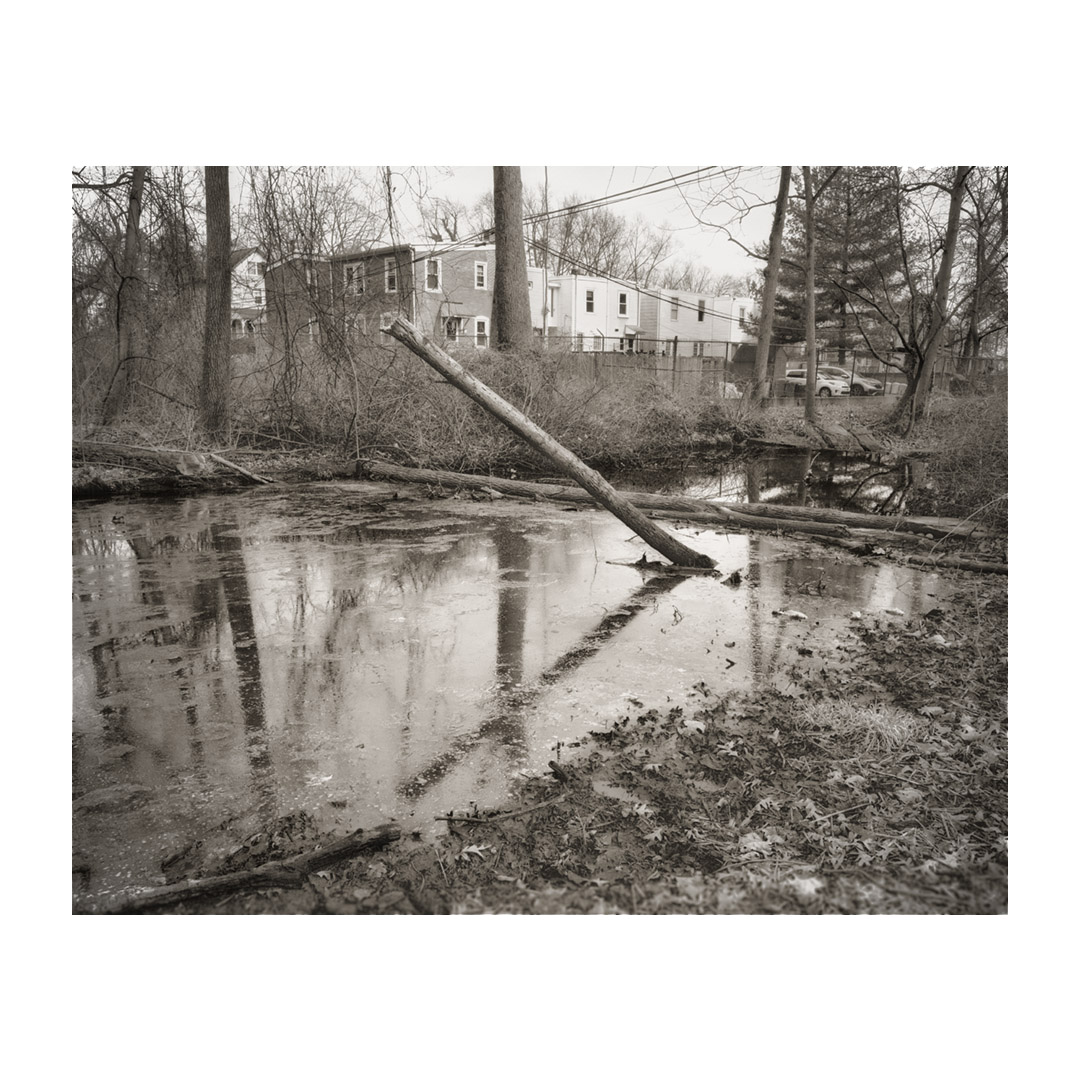
Currently, my work is on exhibit in the Frances M. Maguire Art Museum on the campus of Saint Joseph’s University, and next year, my Woodlands project will be part of a major exhibit at the Montgomery County Community Collect in Blue Bell, PA.
Also, I have juried exhibits for the Greater Norristown Art League, the Lancaster Art Association, the Medford Arts Center, the Ocean City Arts Center, and the Phillips’ Mill Community Association.
Recently, my Adobe Church project was awarded a grant from the Luminous Endowment for Photographers. This work was the subject of a solo exhibit in the Patricia M. Nugent Gallery at Rosemont College.
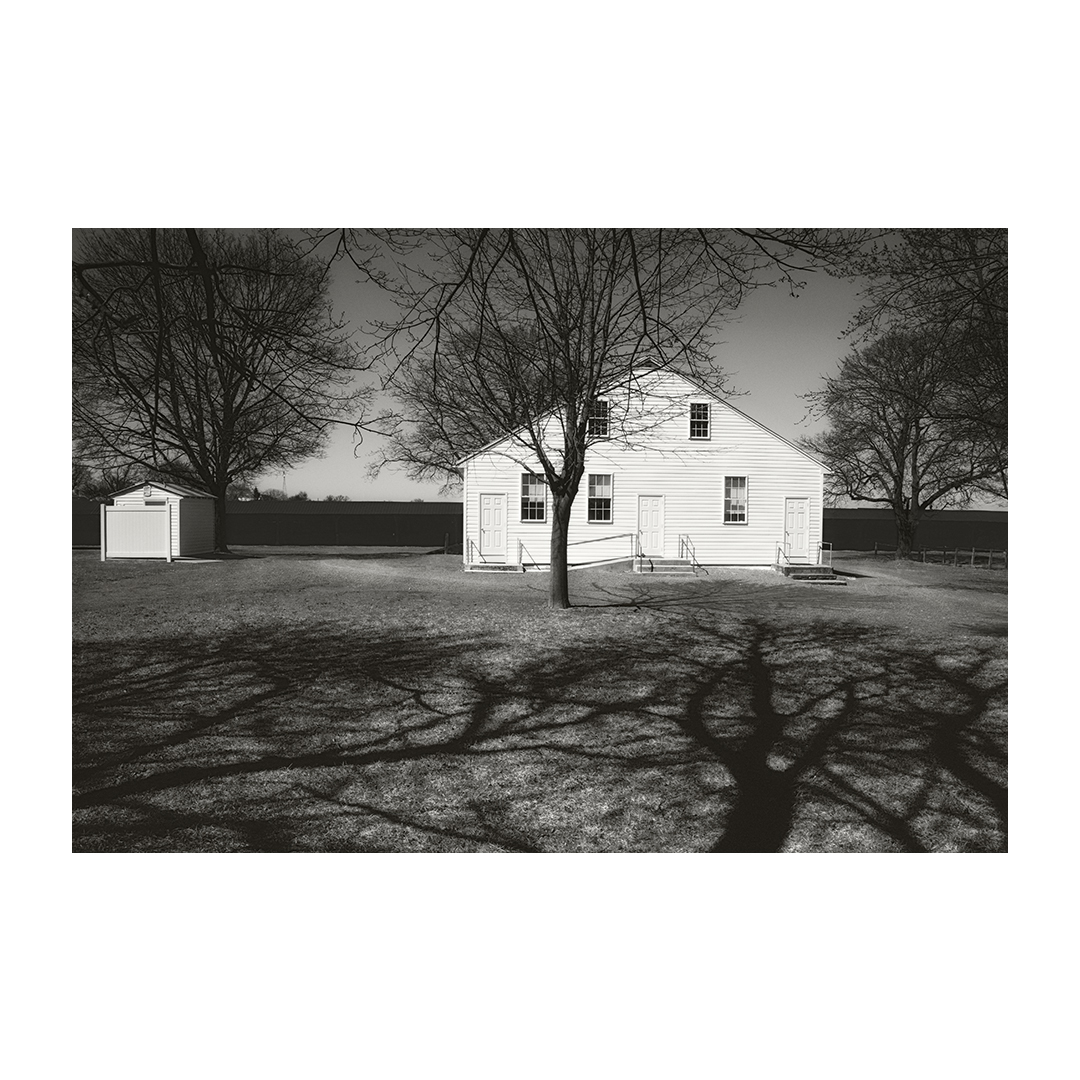
In recent years, teaching has become an important part of my life, especially at the Main Line Art Center. I feel that my students have made me a better person and photographer. And, for that, I sincerely thank them all. And, I am working on my first book — a collection of photographs from my Amish Landscapes series.
I invite you to visit the gallery pages of my website – https://www.johnbenigno.com – for more information about me and my work.
Can you talk to us a bit about the challenges and lessons you’ve learned along the way. Looking back would you say it’s been easy or smooth in retrospect?
Looking back, I feel that not directing my formal education and occupation to photography made it more difficult to open many doors.
While working in other fields, it was a challenge to find the time to teach myself the technical skills needed to become the fine art photographer I want to be.
Also, while I have become a respected member of the Philadelphia area’s non-profit world, I never had the time to mixed into its commercial photography world.
Thanks – so what else should our readers know about your work and what you’re currently focused on?
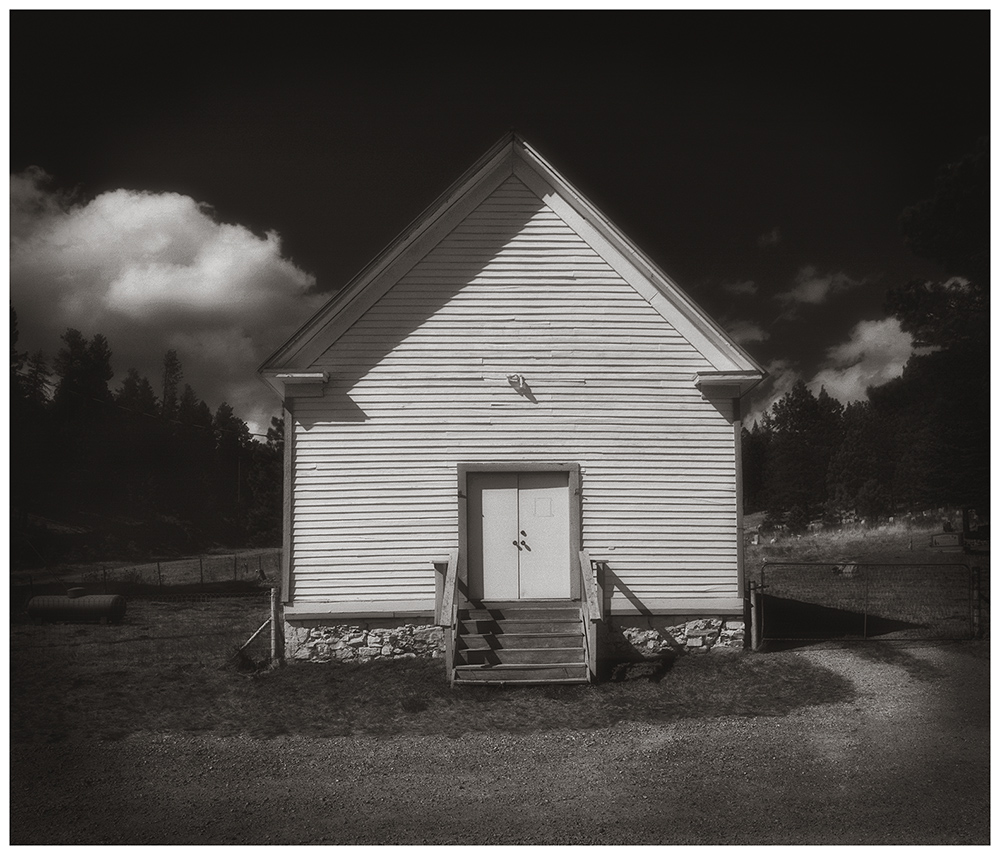
My work is primarily project driven and tends towards realism. It is often described as traditional. In fact, my primary influences come from the early masters — Porter, Steichen, and Strand, to name a few. While I welcome this comparison, realism is merely a means to an end. Rather, I believe that my background in the social sciences (the subject of my degree from Villanova) does more to shape my vision than my genuine fondness for the work of photography’s pioneers.
Place is an important theme in my work. My real interest is to capture timeless moments, especially in the landscape, and to stimulate curiosity about how, when and why it has been influenced by man. To quote Eudora Welty, “Place is my source of knowledge. It tells me important things. . . .”
Making a photograph is a struggle between my mind’s eye and the subject. Eventually, they merge in a peaceful coexistence. The viewer can’t possibly travel to this place with me — it is mine. Instead, hopefully, the image before them will ignite their own internal journey to a time and place of their own. Perhaps, John Szarkowski expresses it best when he cautions that artists should not see themselves as “autonomous creator(s),” but, rather, “as creative celebrants of what is given.”
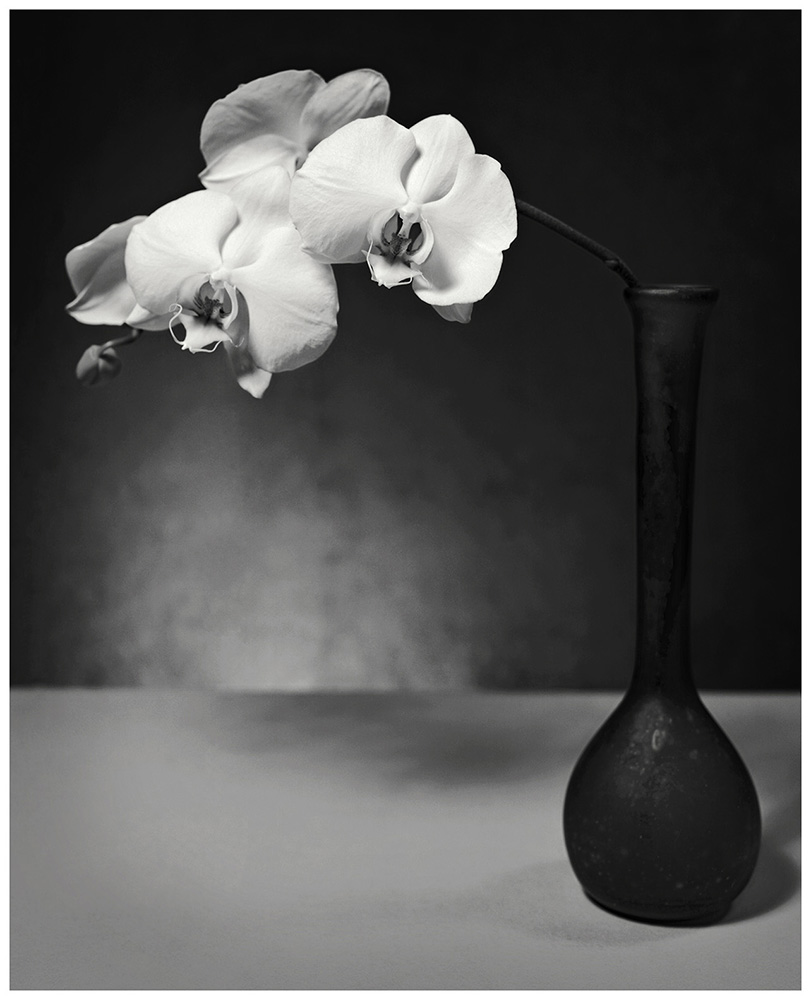
I work primarily in black and white because it concentrates on light, form and texture, leaving context and reality to the viewer’s imagination. However, my new R5 project was done in color to emphasize the sensation of movement.
Until recently, I have used film and traditional darkroom methods. Today, however, I have transitioned to both digital capture and printing.
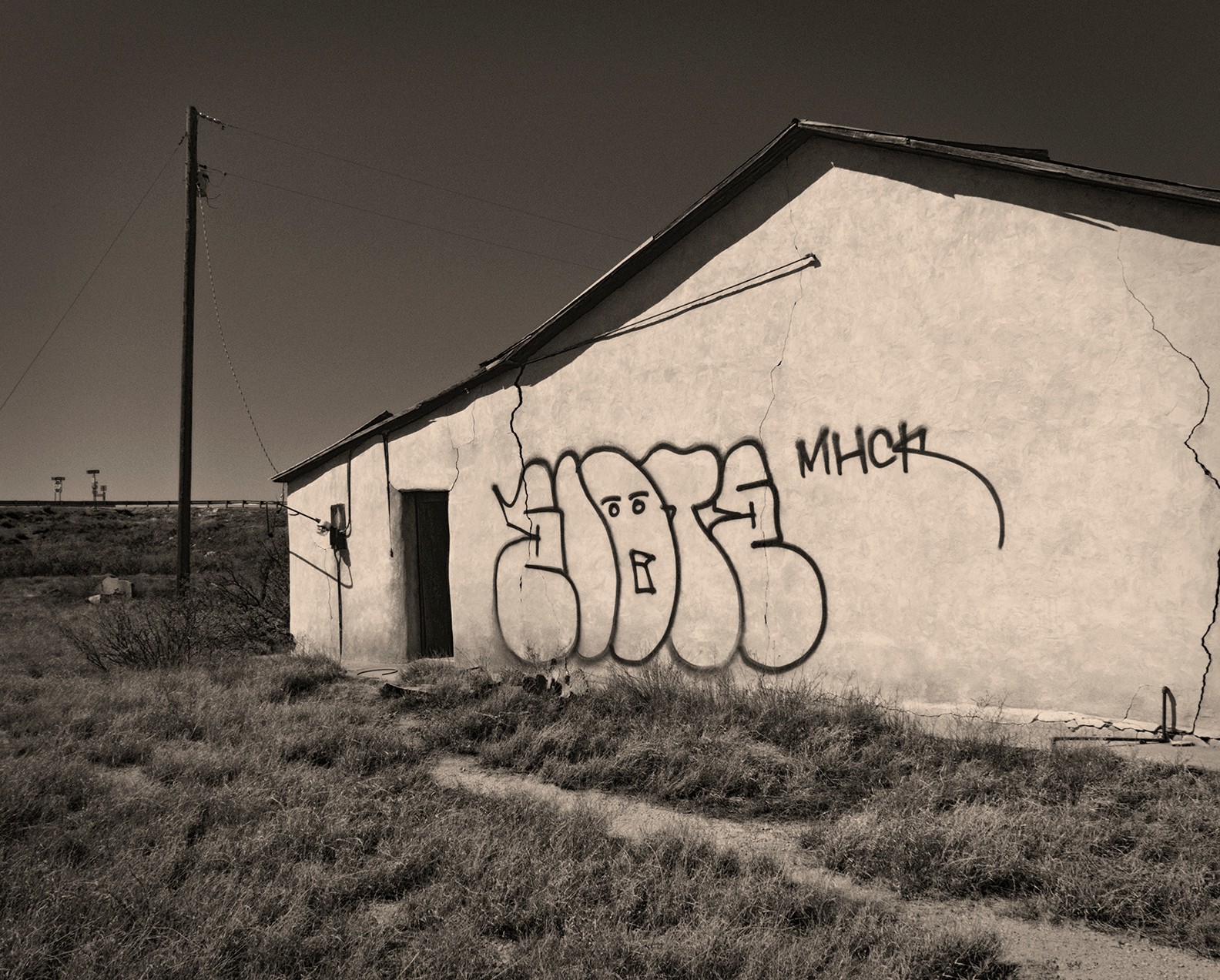
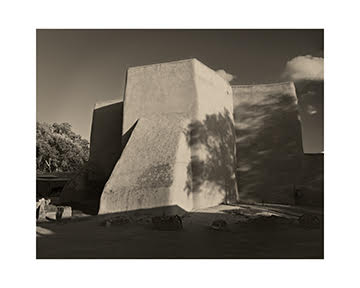
My Adobe Church project is definitely my favorite. I’ve been working on this since the early 2000s. I see this project as part of the great tradition of documentary/fine art photography as seen in the work of artists such as Berndt and Hilla Becher, Edward Weston, Edward Curtis and William Christenberry. Their work is especially important to me. It captures the fragility of the world they observed.
There are hundreds of adobe churches scattered throughout New Mexico. Each structure is unique, and it is an integral part of its community. They stand as symbols of deep faith, an homage to centuries old customs still practiced in towns and villages found throughout the state. A few, still in existence, date back to the mid-1700s, while many others were established as far back as the early 1800s. A handful are large, imposing structures, but most, built by parishioners, are small and modest. They come from a time gone by, yet they are timeless.
The American Southwest holds a special place in my photographic world. Having lived all my life in or near large cities along the East Coast of the United States, my first exposure to the Southwest, like that of most of my generation, was films and television. My earliest thoughts of places such as Monument Valley, Canyon de Chelly and Chaco Canyon were filled with great adventures and romance.
Nothing, however, quite prepared me for my first visit to New Mexico back in the mid-1980’s. The light has an intensity not found anywhere else, and the landscape is enormous. It is big, wide-open and sparse.
You CAN see forever. I will never forget my first glimpse of Ship Rock as it appeared on the horizon from some 10 miles away. Eliot Porter described the sensation best when he said, “This is a landscape that gets into your blood and bones.”
I am impatiently awaiting my next visit to New Mexico; however, in the meantime, I find myself fascinated by a completely different kind of photography — Street Photography.
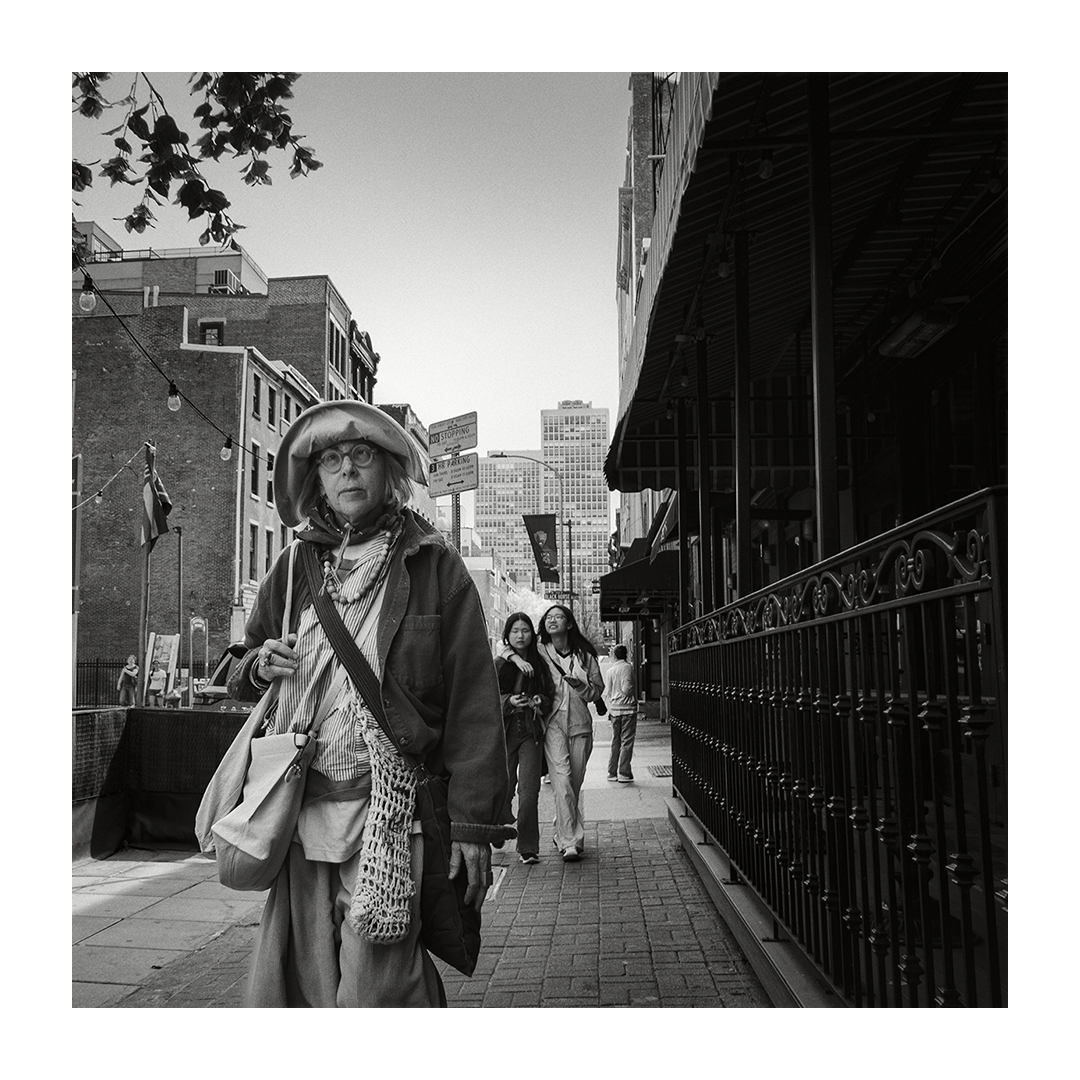
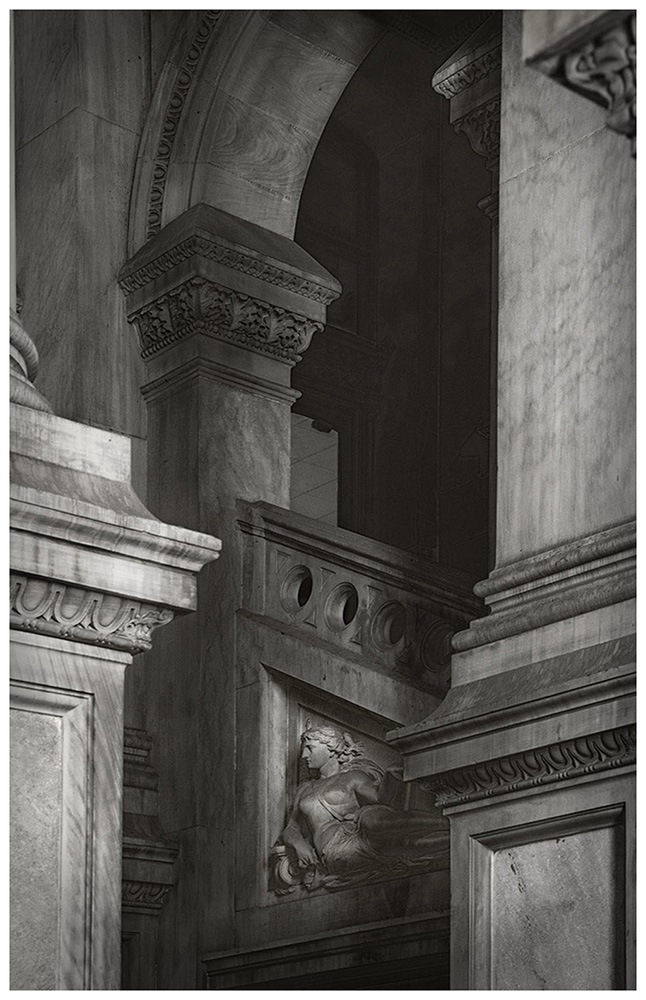
The people and architecture of Philadelphia have become my muse — especially in the Old City District.
Considering my interest in adobe churches, it doesn’t surprise me that the architecture, some of which dates back some 300 years, finds a place in my heart. However, in the past, I have always shied away from photographing people. I love to find people who ware their life story in their faces, their posture, their gate as they walk past along the street.
This is a new adventure which I hope to take with me on my next visit to Santa Fe and Taos.
Are there any books, apps, podcasts or blogs that help you do your best?
https://www.youtube.com/@PiXimperfect
https://www.youtube.com/@MattKloskowski
https://www.youtube.com/@ThePhotographicEye
https://www.youtube.com/@photoshopcafe
https://www.youtube.com/@HudsonHenryPhoto
https://www.youtube.com/@PROJECTIONSNYC
https://www.youtube.com/@photographicsocietyofphila8018
https://www.youtube.com/@TatianaHopper
“Looking at Photographs, 100 Pictures from the Collection of The Museum of Modern Art”
“Photographer of the Southwest, Adam Clark Vroman, 1856-1916”
“Walker Evans American Photographs”
“Lee Miller Photographs” by Antony Penrose
“The Photographic Eye” by John Szarkowski
“Seeing Things, A Kid’s Guide to Looking at Photographs” by Joel Meyerowitz
“LensWork” magazine
Contact Info:
- Website: https://www.johnbenigno.com
- Instagram: https://www.instagram.com/jabenigno
- Facebook: https:www.facebook.com/John.A.Benigno.Photographic.Images
- LinkedIn: https://www.linkedin.com/in/john-a-benigno-62123120/
- Other: http://www.flickr.com/photos/johnbenigno