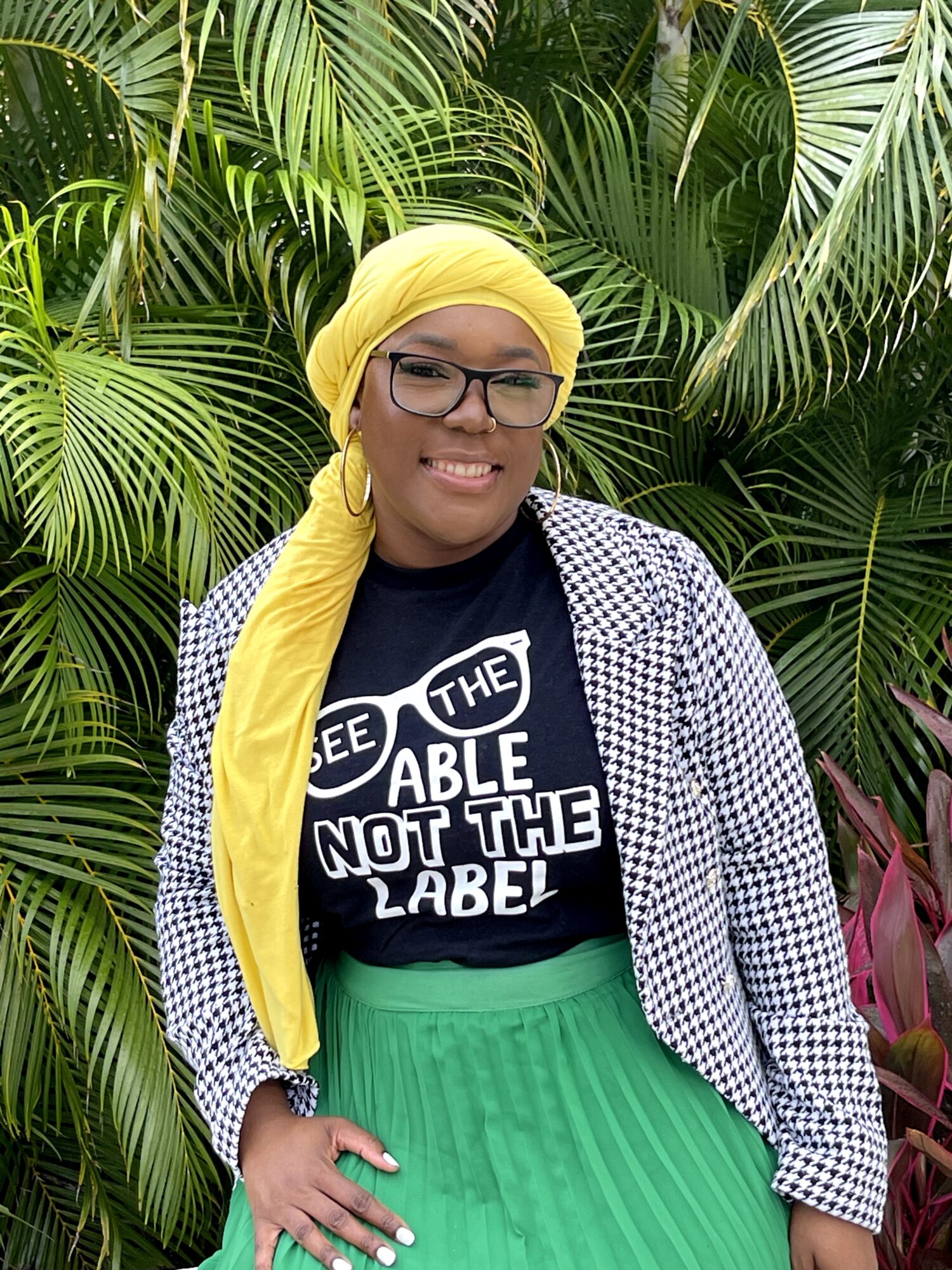



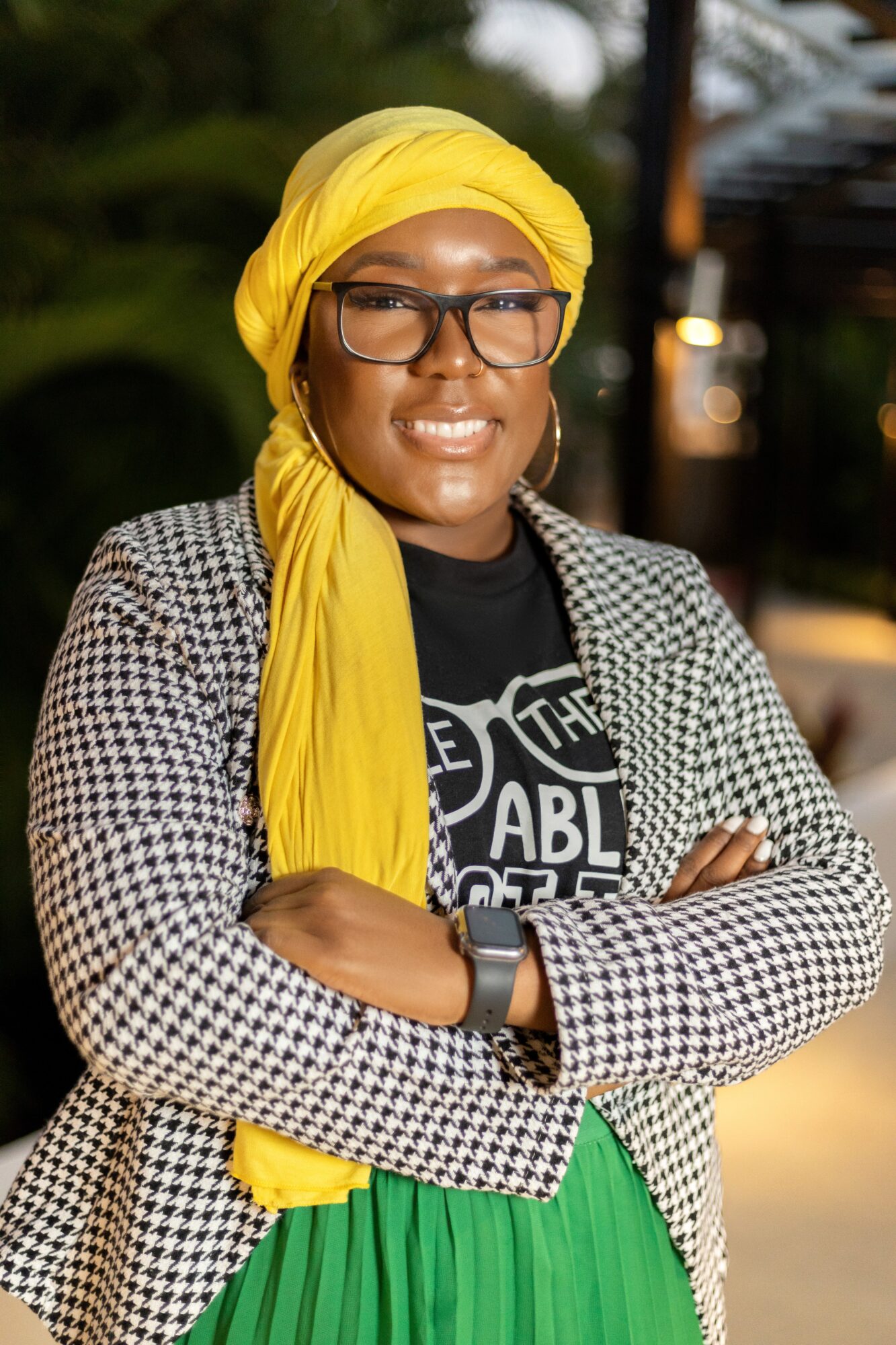
Today we’d like to introduce you to Jamilah Bashir.
Hi Jamilah , it’s an honor to have you on the platform. Thanks for taking the time to share your story with us – to start maybe you can share some of your backstory with our readers?
I never wanted to teach special education. I wanted to be a neurosurgeon, then an obstetrician. God had a different plan.
I fought it at first. I said no, no, no. I did not want to deal with “these kids.” But I kept thinking about my younger sister, Aasiyah, who has an intellectual disability, and about how badly people like her need quality educators of color in front of them. That settled it.
I became a special education teacher, then a supervisor. And I got tired of watching people who didn’t look like me come into my school to run our PD, telling me how to educate students who look like me but don’t look like them. I knew I could do it better.
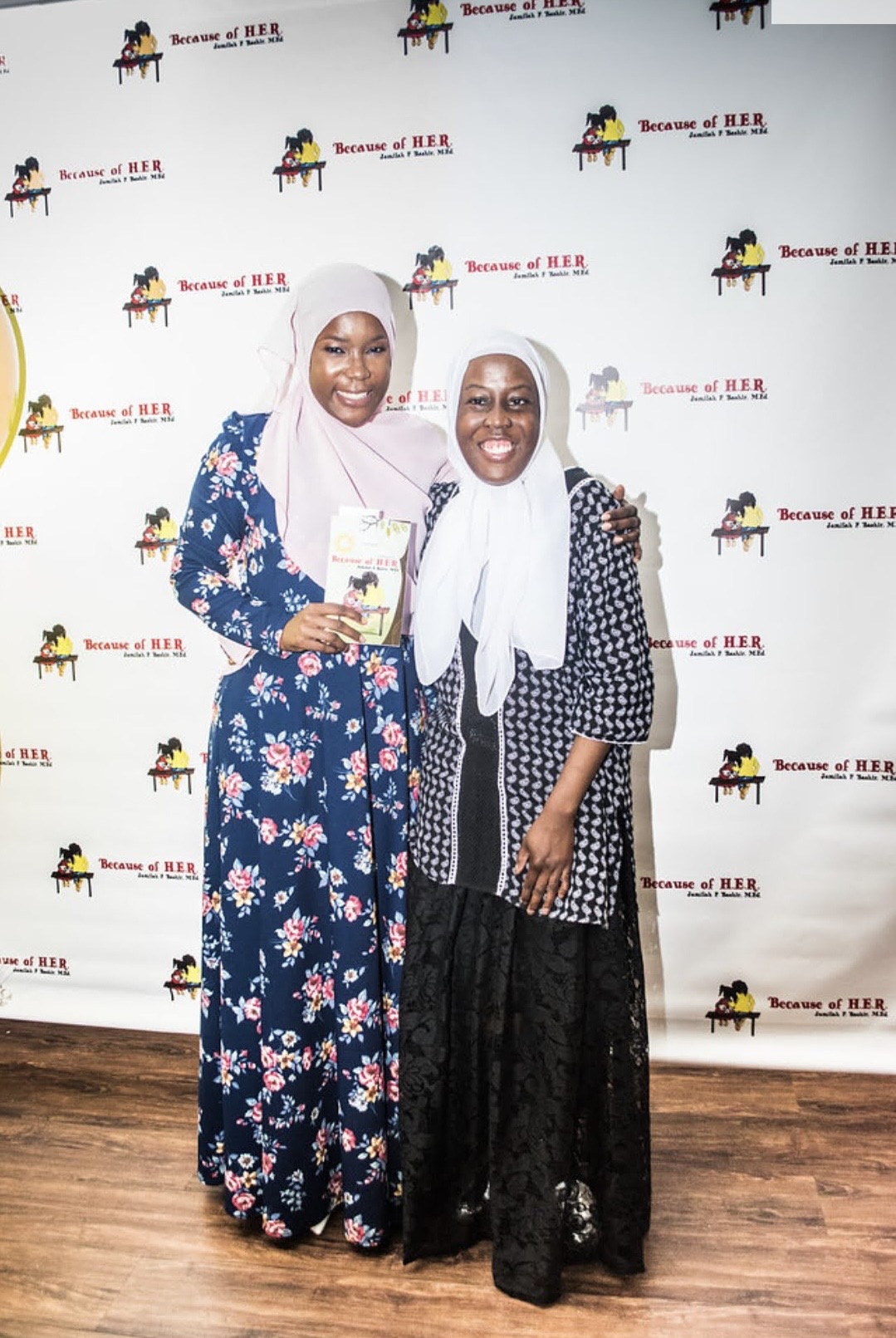
In 2018 I published Because of H.E.R., the story of growing up with Aasiyah, told from the sibling’s side. After it launched, so many people came to me with questions that I set up a scheduling link so they could book time instead of picking my brain for free. I didn’t know that was consulting. A podcast host called it “IEP coaching,” the name stuck, and in 2020 it became The IEP Coach LLC.
Today we’re a Women Business Enterprise -certified, woman-owned, minority-owned firm, and we keep charter schools out of special education litigation. We build SPED systems from the ground up, fix the broken ones, and train your team to run them, using our C.O.R.E. Framework™: Clarity, Organization, Review, Execution. Compliance audits, systems builds, and staff training, all designed so the knowledge stays in your building after we’re gone. Our first school came to us over 50% out of compliance, we had them at 100% in about six weeks.
I’m also an adjunct instructor at La Salle University, where I teach future special education teachers.
It all goes back to Aasiyah. Every broken system we fix is a school where somebody else’s Aasiyah finally gets what she’s owed.
I’m sure it wasn’t obstacle-free, but would you say the journey has been fairly smooth so far?
No, it has not been a smooth road.
The hardest part early on wasn’t the work, it was the business. I have a special education background, not a business background. Nobody in my family had a business background either. So I was learning all of it in real time: how to price, how to sell, how to position myself. I knew I had a service that parents and schools needed, and at first nobody was willing to pay for it. That’s a frustrating place to sit when you know what you’re holding.
I also had to get clear on what my expertise actually was. Special education is broad. Saying “special education is my expertise” isn’t a business, it’s a category. It took me a while to narrow it down to what I’m truly the person for, and my messaging didn’t get sharp until that did.
Then I had to learn I didn’t have to do all the work myself. That shift came through my own business coaching. I can subcontract. I can hire. I don’t have to be the one executing every piece of it, and the business can’t grow if I am.
And there’s a difference between owning a business and being a founder and CEO. That’s a real gap, and closing it meant treating this like the serious thing it is, including when other people didn’t. I’ve had people play in my face about it. Like, oh, that little business you have on the side. That happens.
The disappointments are real too. You think you have a contract and the school changes their mind. Some quarters are better than others. I’ve learned that’s just the nature of business — there are highs and lows, and a no is fine. On to the next one. All I need is a yes.
The part that still gets me is watching how some administrators treat special education. It’s an afterthought. A box to check, squeezed in somewhere. They pile everything on the SPED leader with no support, give their special education teachers nothing to work with, and then wonder why the department is underperforming and why they’re getting hit with lawsuits. You didn’t invest in it. Your teachers need to be poured into too. That’s not a mystery, that’s a choice.
And consistency has been its own struggle. I’m an executor, that’s not the issue. The issue was knowing what to execute now. That took time to learn.
But ultimately, what I say to schools is this: don’t you want to get off that state list? Okay, then let’s get to work. And you need to pay for it. This isn’t “just a PD.”
Schools want to PD you to death. Sometimes PD is fine. But PD alone doesn’t change anything, you need the coaching that goes with it, and sometimes you need train-the-trainer so the knowledge actually lives in your team instead of walking out the door with whoever you brought in.
It’s not rocket science. It’s just work that somebody has to be serious about.
Alright, so let’s switch gears a bit and talk business. What should we know about your work?
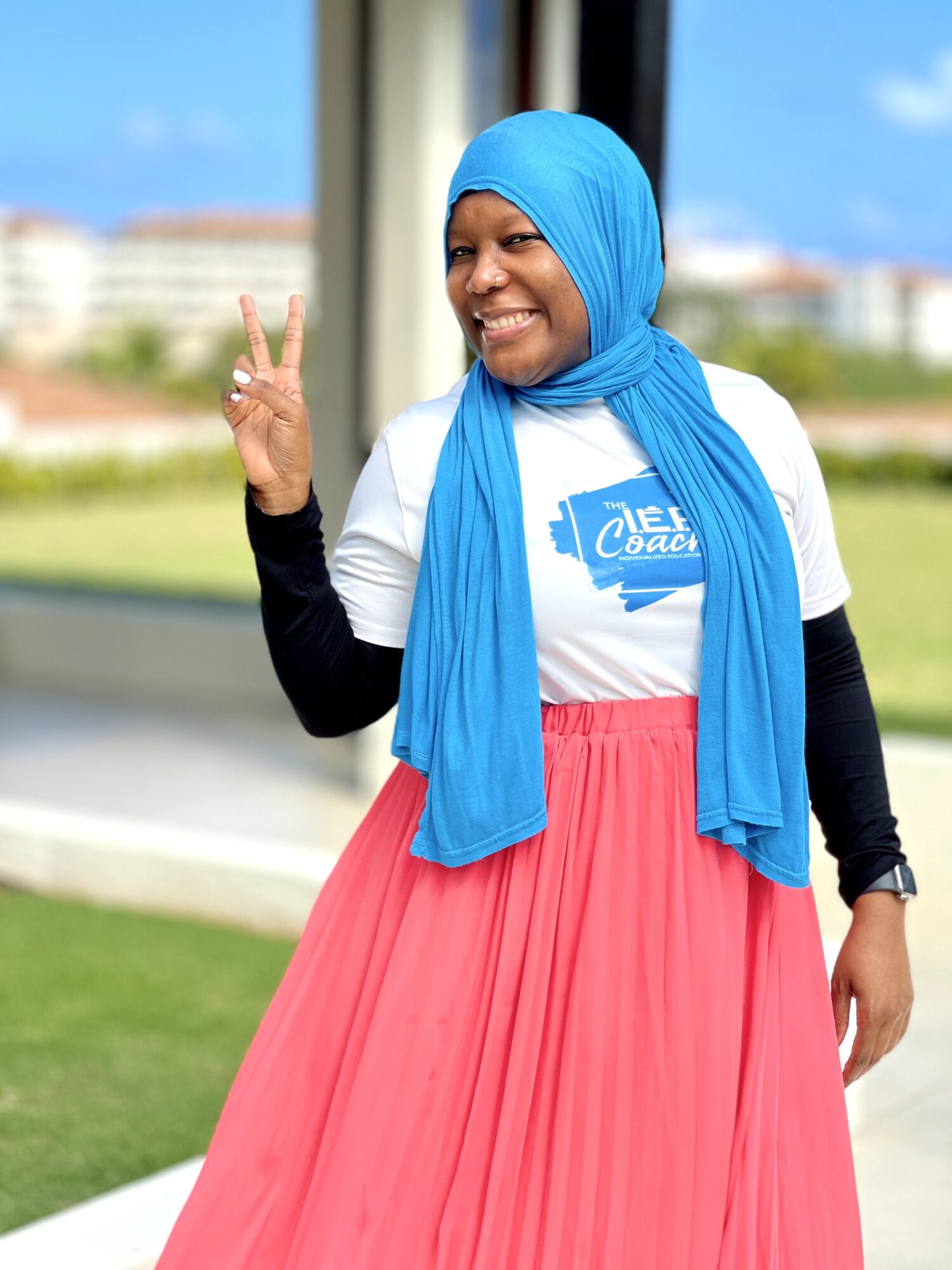
I’m a special education systems strategist, and I run The IEP Coach LLC, a WBENC-certified, woman-owned, minority-owned firm. We work with charter schools and educational organizations, and the simplest way I say what we do is this: we keep charter schools out of special education litigation.
That looks like one of two things. Either a school is opening or growing and needs a special education system built from the ground up, or they have a system that’s broken and we come in and fix it. Compliance audits, systems builds, and training your team to actually run what we build. We work through our C.O.R.E. Framework™ – Clarity, Organization, Review, Execution.
What sets us apart is the train-the-trainer model. A lot of consultants will do the work for you, hand it over, and come back next year to do it again. That’s good business for them. I’d rather build the knowledge and the skill set into your team so they can turn around and train the next person after them. I’m a systems person, everything goes back to a system for me, and a system your team isn’t clear on is not going to hold, no matter how good it looks on paper.
I’m also not coming in as somebody who read about this. I spent over 20 years in schools as a special education teacher and a supervisor, in charter, public, and private schools in Pennsylvania and Georgia. I’ve written the IEPs, I’ve run the meetings, I’ve held the compliance calendar. So when I sit down with a SPED leader who’s drowning, I’m not guessing.
What I’m most proud of is our first school contract. They came to us over 50% out of compliance. We had them at 100% in about six weeks. That’s a whole building of students whose services actually got delivered.
The other thing I’m proud of is being a Black American Muslim woman doing this work at this level. When I was teaching, I got tired of watching people who didn’t look like me come into my school to run our PD and tell me how to educate students who look like me but don’t look like them. I knew I could do it better. So now I do, and it matters to me that schools see somebody who looks like their students standing at the front of the room as the expert.
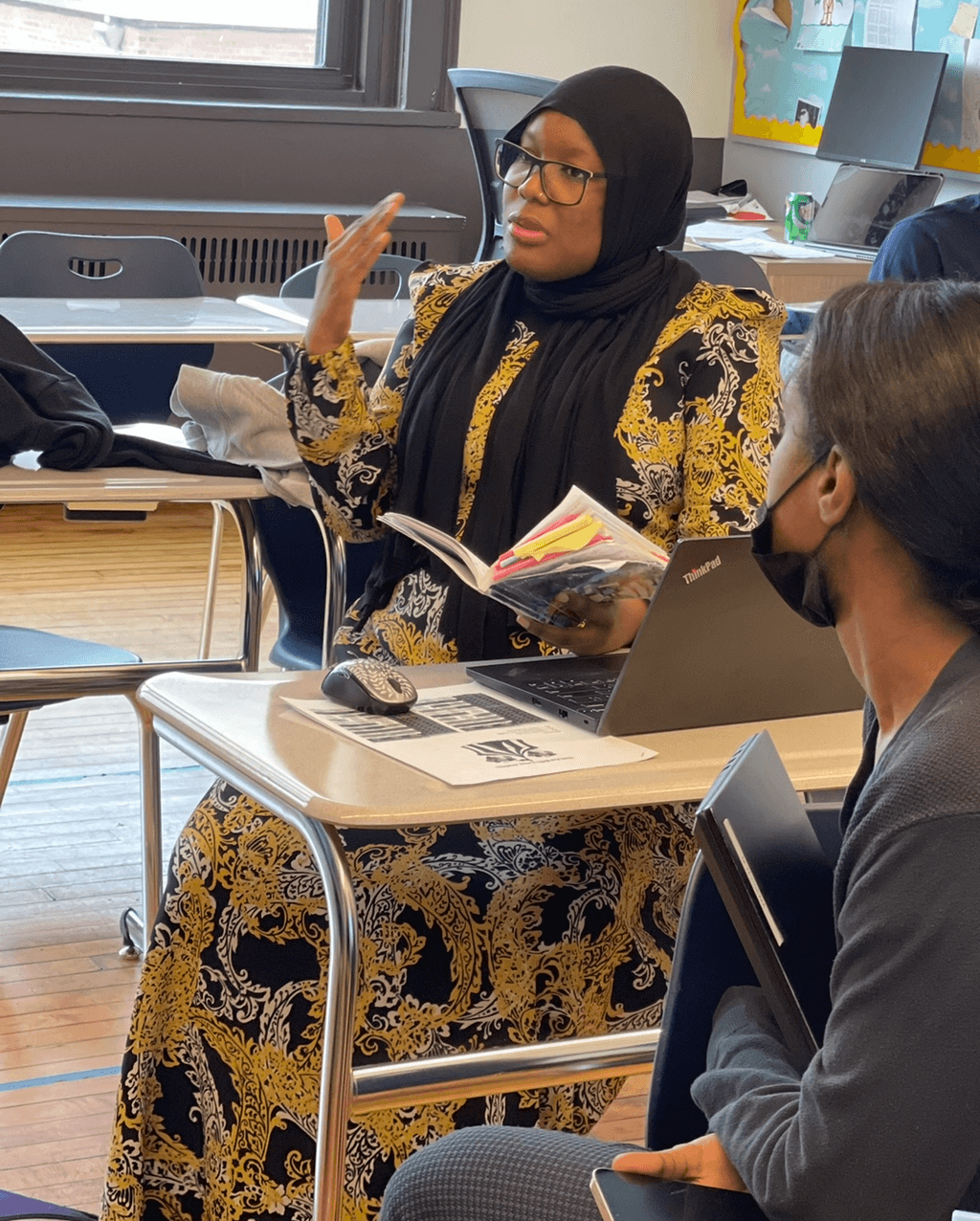
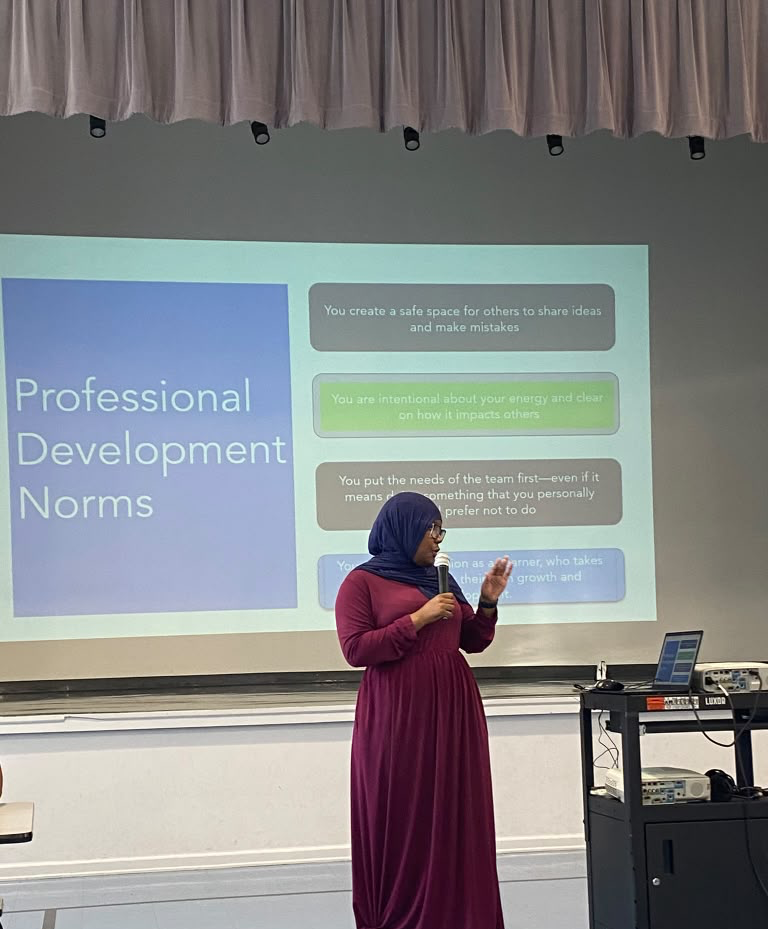
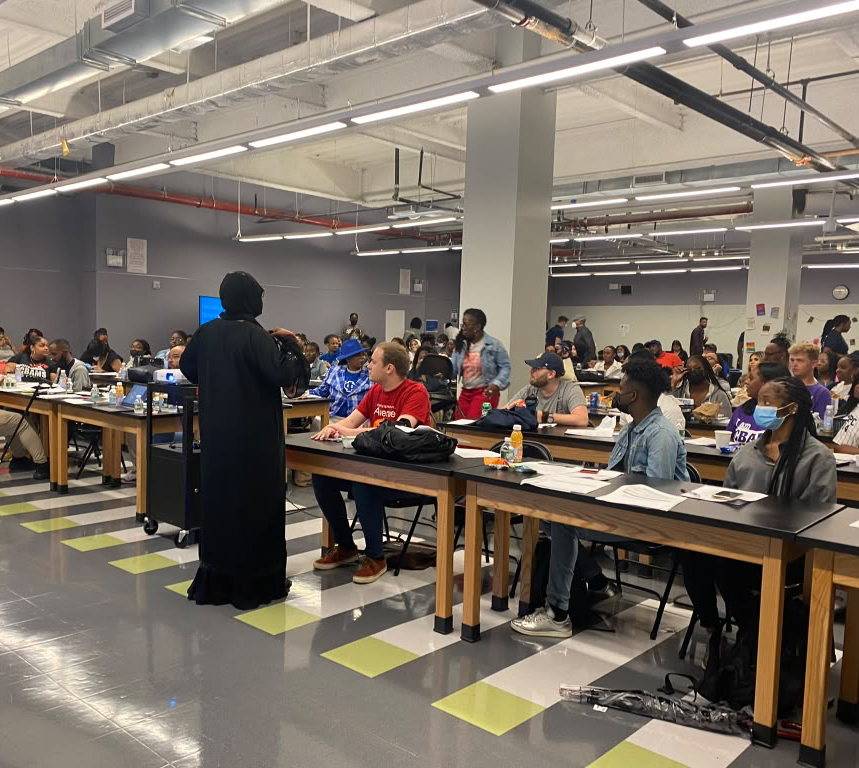
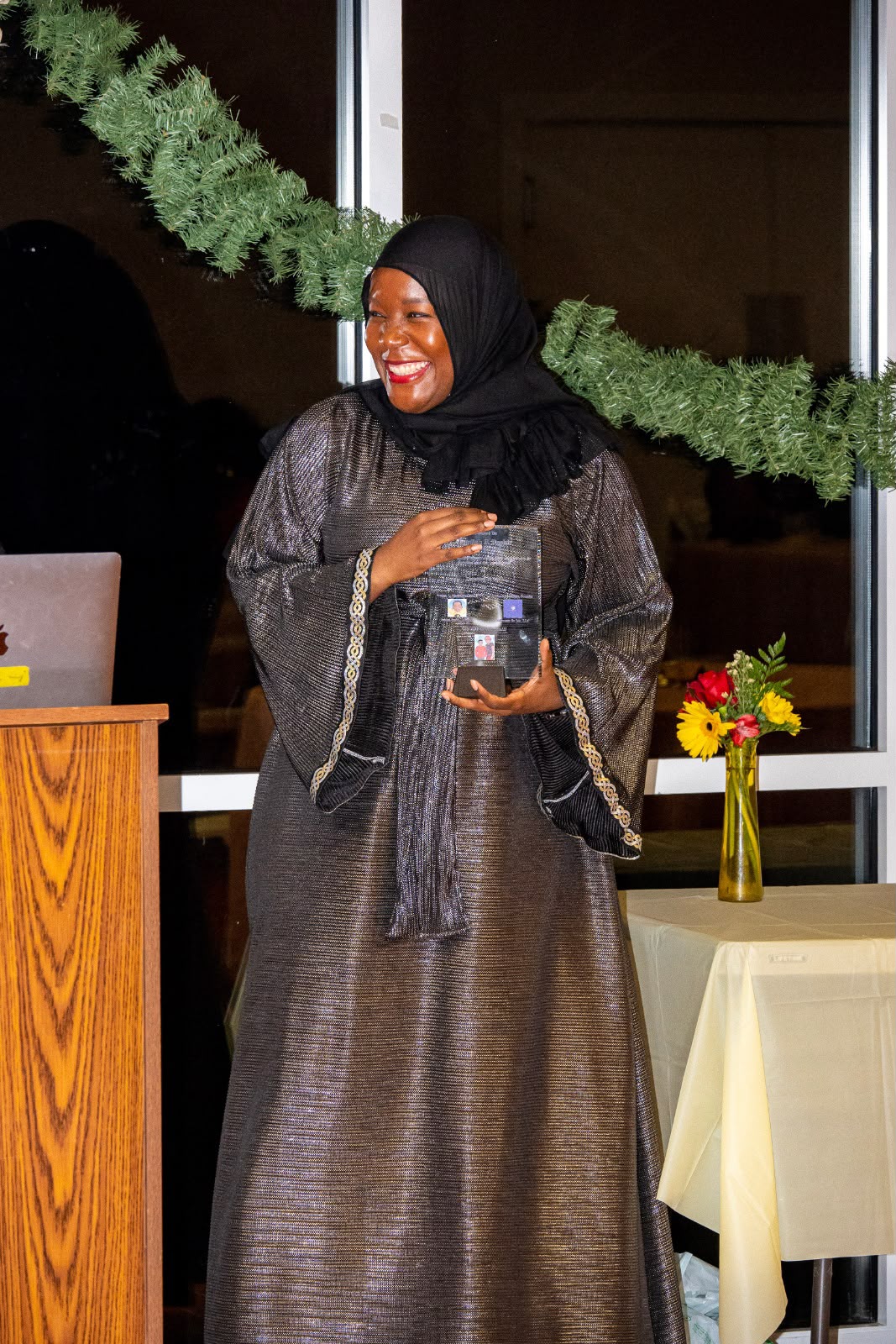
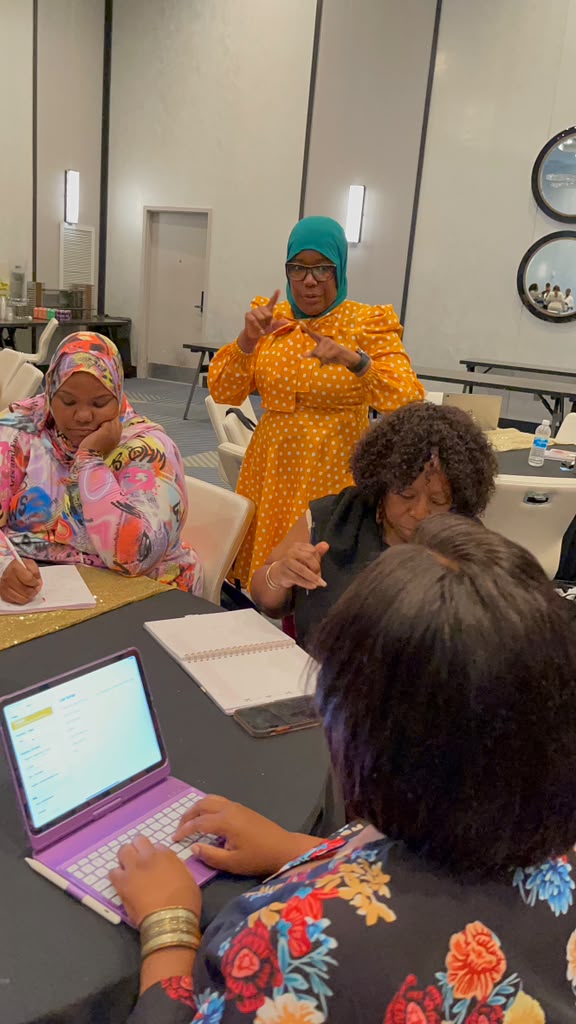
I also show up visibly. I’m a hijabi, so you can find me quickly in any room. And I’ve come to see that as part of the work too. Whether I’m accepting an award, running a breakout session, or leading a PD, people tell me they love my garments or ask about the color of my hijab, and that’s a door. It gives me a chance to break down the stereotypes people carry about Muslims, and Muslim women especially. We do business. We’re stylish. We have a good time. We’re human. I’m a founder, I’m a CEO, I’m Muslim, and I take all of it seriously.
Do you have any advice for those just starting out?
The first thing I’d say is that the thing you’re already doing for free might be your business. I didn’t know that. People were coming to me with questions after my book launched and I was answering them one by one until it hit me that I couldn’t keep giving that away. I set up a scheduling link so folks could book time with me. I didn’t even know the word for what I was doing. So if people keep coming to you for the same thing, pay attention. That’s information.
Second: get specific about your expertise. Saying “special education is my expertise” sounds like an answer, but it’s a category, not a business. I had to sit with it and figure out what in special education I’m actually the person for. My messaging didn’t get clear until that did, and nothing else works until your messaging is clear.
Third, and this is the one I wish somebody had told me early: learn the business. I came out of education, not business. Nobody in my family had a business background to hand me. So I had to go get it, I invested in business coaching, and that’s where I learned things like, I don’t have to do all the work myself. I can subcontract. I can hire. If you’re doing every single piece of it yourself, you don’t have a business yet, you have a very demanding job.
And decide early whether you’re building a business or being an entrepreneur. There’s a difference, and it shows up in how seriously you take it. Some people will treat what you’re building like a little side thing. That’s fine. You don’t need them to believe you. You need you to believe you.
Last thing: get comfortable with no. Schools will change their mind. Contracts you thought were yours will disappear. Some quarters are better than others, that’s just the nature of business, there are highs and there are lows. A no isn’t a verdict on you. On to the next one. All you need is a yes.
Contact Info:
- Website: https://www.theiepcoachllc.com
- Instagram: https://www.instagram.com/theiepcoachllc
- Facebook: https://www.facebook.com/theiepcoachllc
- LinkedIn: https://www.linkedin.com/in/jamilahfbashir
- Youtube: https://www.youtube.com/channel/UCONL3yLfbZxpvRzUQwmpuhg?view_as=subscriber