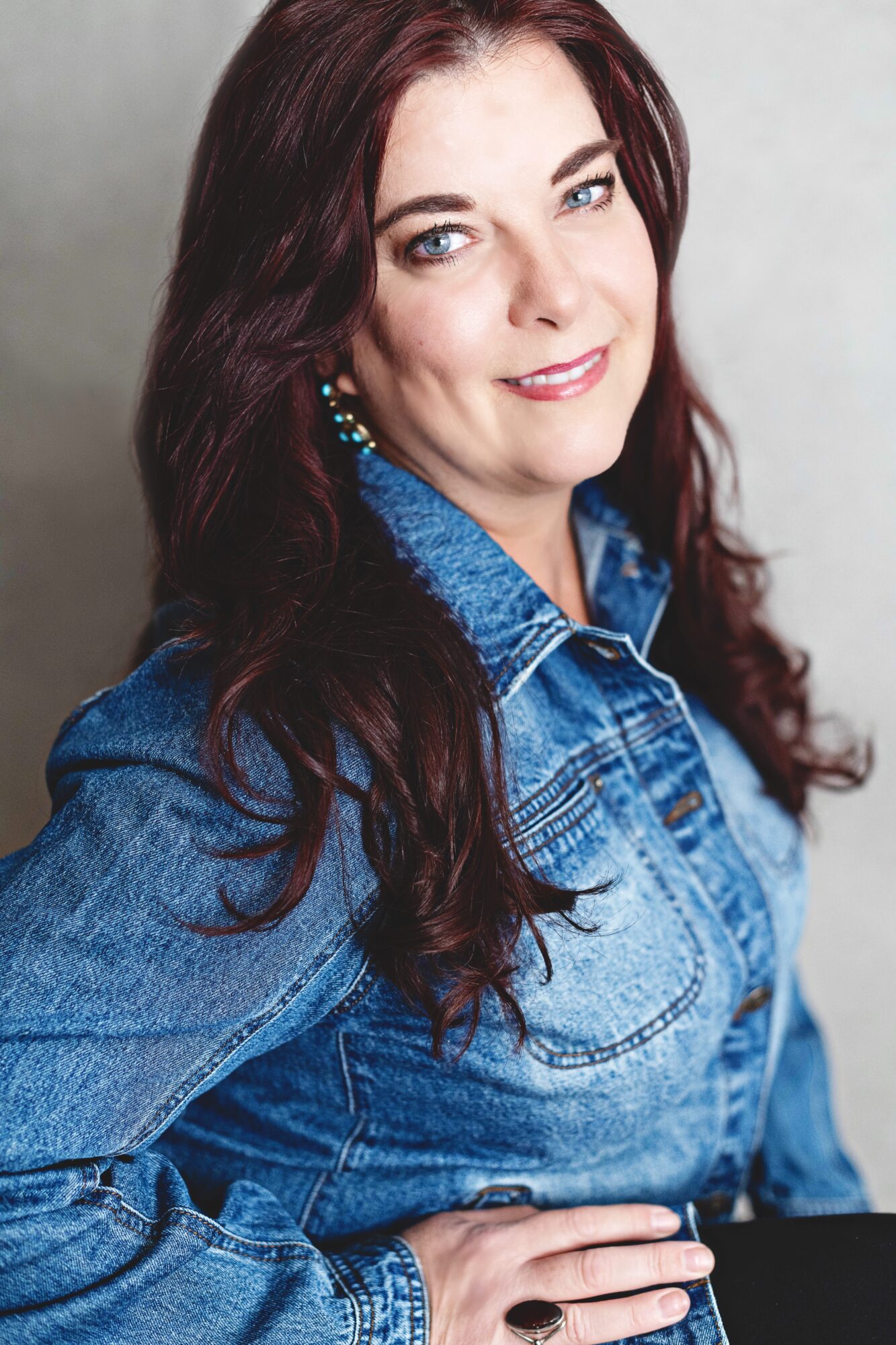



Today we’d like to introduce you to Diane.
Hi Diane, we’d love for you to start by introducing yourself.
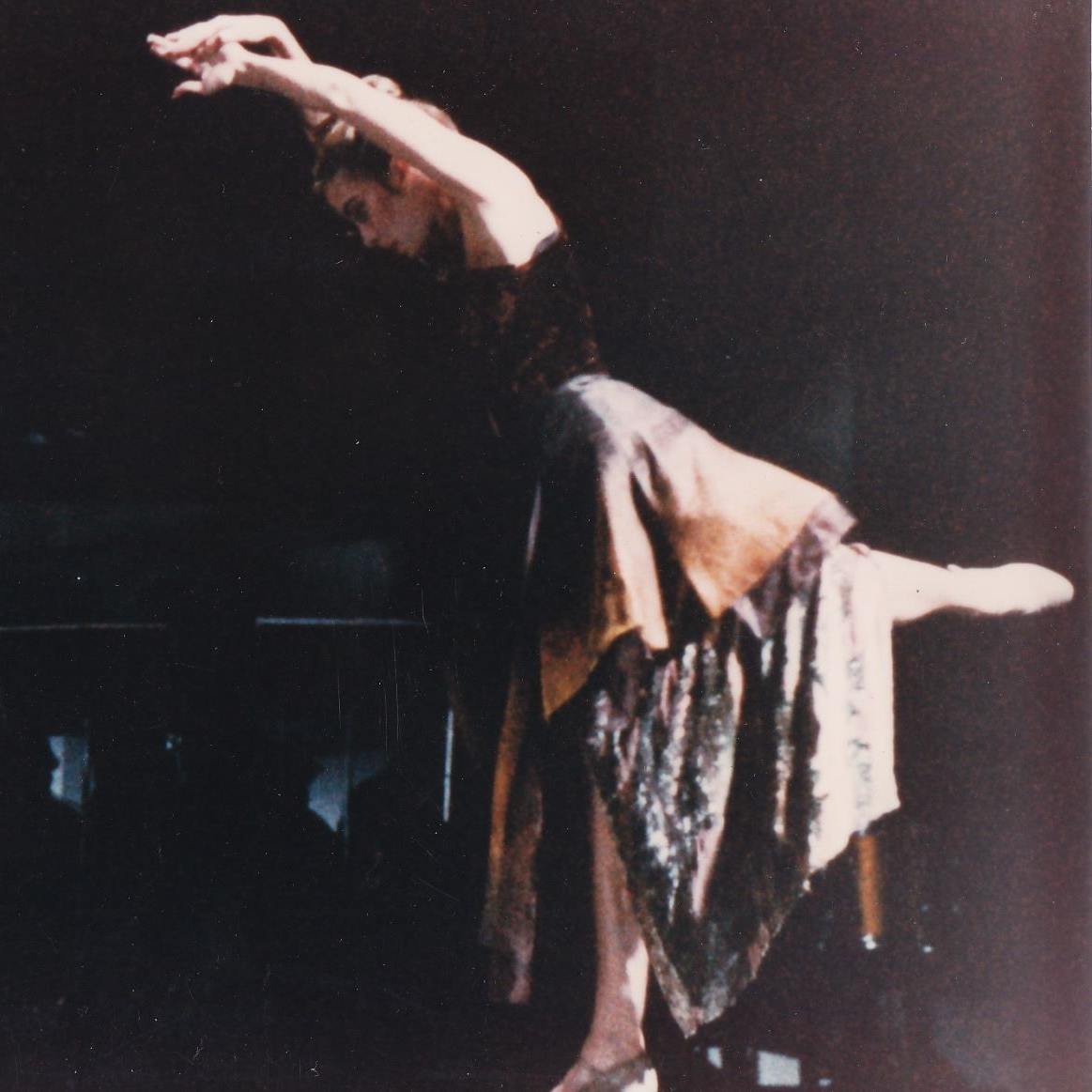
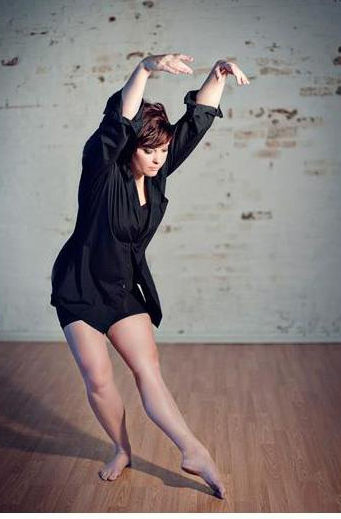
After college, I moved to Pittsburgh to dance with Pittsburgh Ballet Theatre resident Modern company, Mary Miller. I spent two years dancing in Pittsburgh before returning to Philadelphia to train on scholarship with PHILADANCO. After my time there, I had the pleasure of performing with several dance companies throughout Philadelphia and Maryland. During that time, I continued to choreograph and eventually launched my own company.
When an injury forced me to retire from performing at the age of 32, I shifted my full focus to choreography, the aspect of dance I had been most passionate about since I was about five years old. In 2005, I founded SHARP Dance Company after receiving encouragement from fellow dancers with whom I had collaborated on various projects. They told me it was time to start my own company since choreographing was clearly where my heart was.
Originally, I wanted to give the company a humorous name, something that felt like an inside joke among friends. However, my dancers had other ideas. They insisted that with a last name like Sharp, the company should simply be called SHARP Dance Company, and the name stuck.
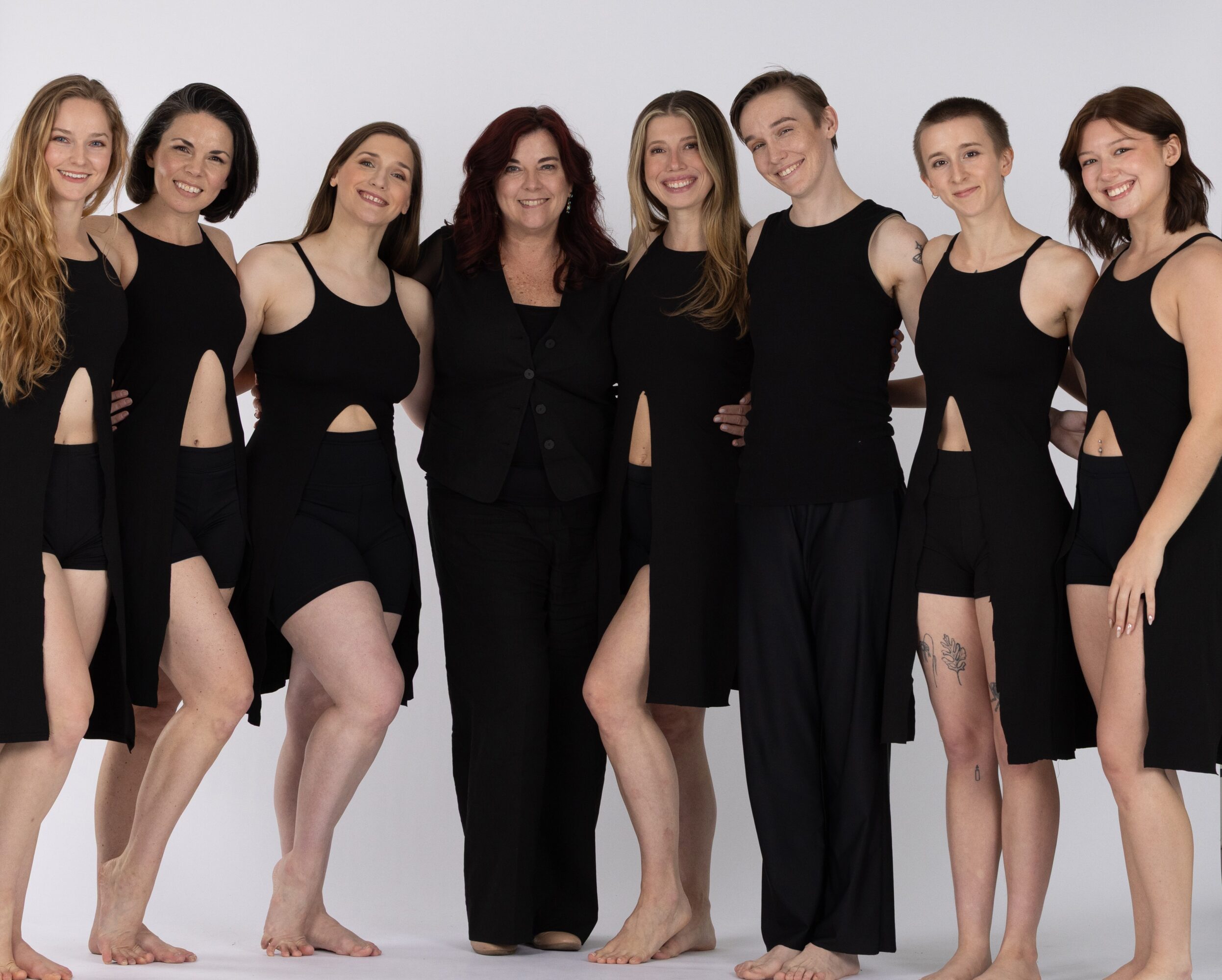
Over the years, I have been fortunate to build a company rooted in loyalty, trust, and genuine connection. The average dancer remains with the company anywhere from five to fifteen years, and our current roster ranges in age from 22 to 42. I believe that diversity of age and experience creates something truly special on stage.
I have never wanted SHARP Dance Company to be a pickup company, meaning just hiring different dancers for different projects. What matters most to me are the relationships we build and the authentic sense of care, respect, and love that develops among our dancers that have worked together for years. Those connections are visible in our performances and help create meaningful work for both the artists and the audience.
I am deeply committed to the health and well-being of my dancers. I never want artists to be motivated by fear. Instead, I strive to foster an environment built on encouragement, mutual respect, and lots of laughter. My goal is for every dancer to take pride in their work and feel supported as part of a successful and caring dance company.
Can you talk to us a bit about the challenges and lessons you’ve learned along the way. Looking back would you say it’s been easy or smooth in retrospect?
To say the journey has been smooth would be far from the truth, but to say it hasn’t been rewarding and enjoyable would be equally inaccurate. Like many dance organizations, our greatest challenge has been financial sustainability. For years, dance companies have struggled with limited funding and resources, making it difficult to support artists at the level they deserve.
Recruiting, retaining, and compensating a company of talented, dedicated dancers requires significant investment, and there simply isn’t enough funding available within the arts community. Despite those challenges, the passion and commitment of the artists continue to drive the work forward, and that dedication is what keeps companies like ours thriving.
Thanks for sharing that. So, maybe next you can tell us a bit more about your work?
Dance has a unique ability to connect people because it speaks in a universal language. It allows individuals from different backgrounds to share a collective experience, to feel something together, and to see perspectives beyond their own. In that way, it builds empathy and opens the door for meaningful conversation.
At its core, our mission is rooted in using movement to bring people together, fostering connection, understanding, and a stronger sense of community through shared experience.
SHARP Dance Company is known for work that is deeply rooted in meaning and emotional storytelling through movement. As the company’s primary choreographer, my creative process is driven by a desire to respond to the world around us, particularly issues that carry social, historical, or humanitarian weight.
I’ve always felt that dance should say something, and much of my work is inspired by social conscious themes or events happening in the world that I feel we cannot ignore.
Over the years, the company has created pieces addressing domestic violence, environmental concerns such as water pollution, and historical acts of courage, including a work honoring Sir Nicholas Winton, who helped rescue 669 children during the Holocaust.
These are stories that stay with you, and as artists, we can give them a voice in whatever way we can. For me, that voice is through movement.
In terms of your work and the industry, what are some of the changes you are expecting to see over the next five to ten years?
The years following the COVID-19 pandemic have been challenging for many artists, and I think the arts community is finding its footing. My hope is that audiences and presenters continue to reorganize and support quality dance and the value that live performance brings to our communities.
In addition, as advancements in filming and streaming technology continue to improve, we are exploring opportunities to offer virtual ticketing options for select performances. This initiative is designed to make our productions more accessible to audiences who may be unable to attend in person due to geographic, financial, scheduling, or mobility-related constraints.
By providing a high-quality virtual viewing experience, we hope to expand our reach beyond the theater and create greater access to the arts for a broader and more diverse audience. Our goal is to ensure that more individuals have the opportunity to experience and engage with dance, regardless of their location or circumstances. We believe that embracing new technologies will help us further our mission of making dance more accessible, inclusive, and available to all.
Lastly, I also feel encouraged by the progress being made for women in the industry. It seems that our voices are finally being heard in ways they weren’t before, and I hope that momentum continues. At the same time, I hope the dance world remains open and welcoming to choreographers of all gender identities and sexual orientations. The more diverse the voices creating work, the richer and more meaningful our art form becomes.
Contact Info:
- Website: https://sharpdance.org
- Instagram: https://www.instagram.com/sharpdancephilly/
- Facebook: https://www.facebook.com/sharpdance/
- LinkedIn: https://www.linkedin.com/company/sharp-dance-company/
- Twitter: https://x.com/SHARPDancePhila/
- Youtube: @DSharpNachsinPA