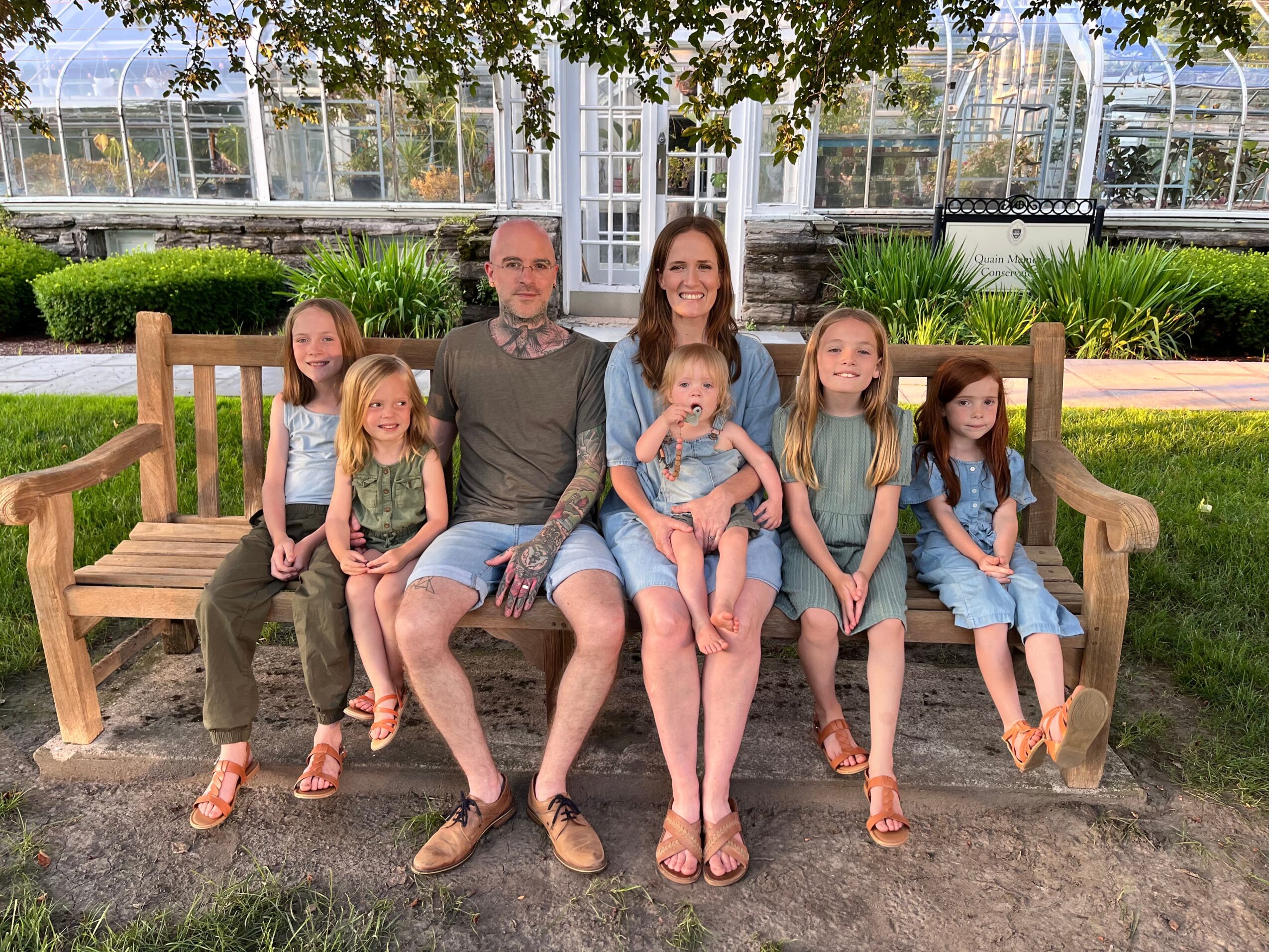



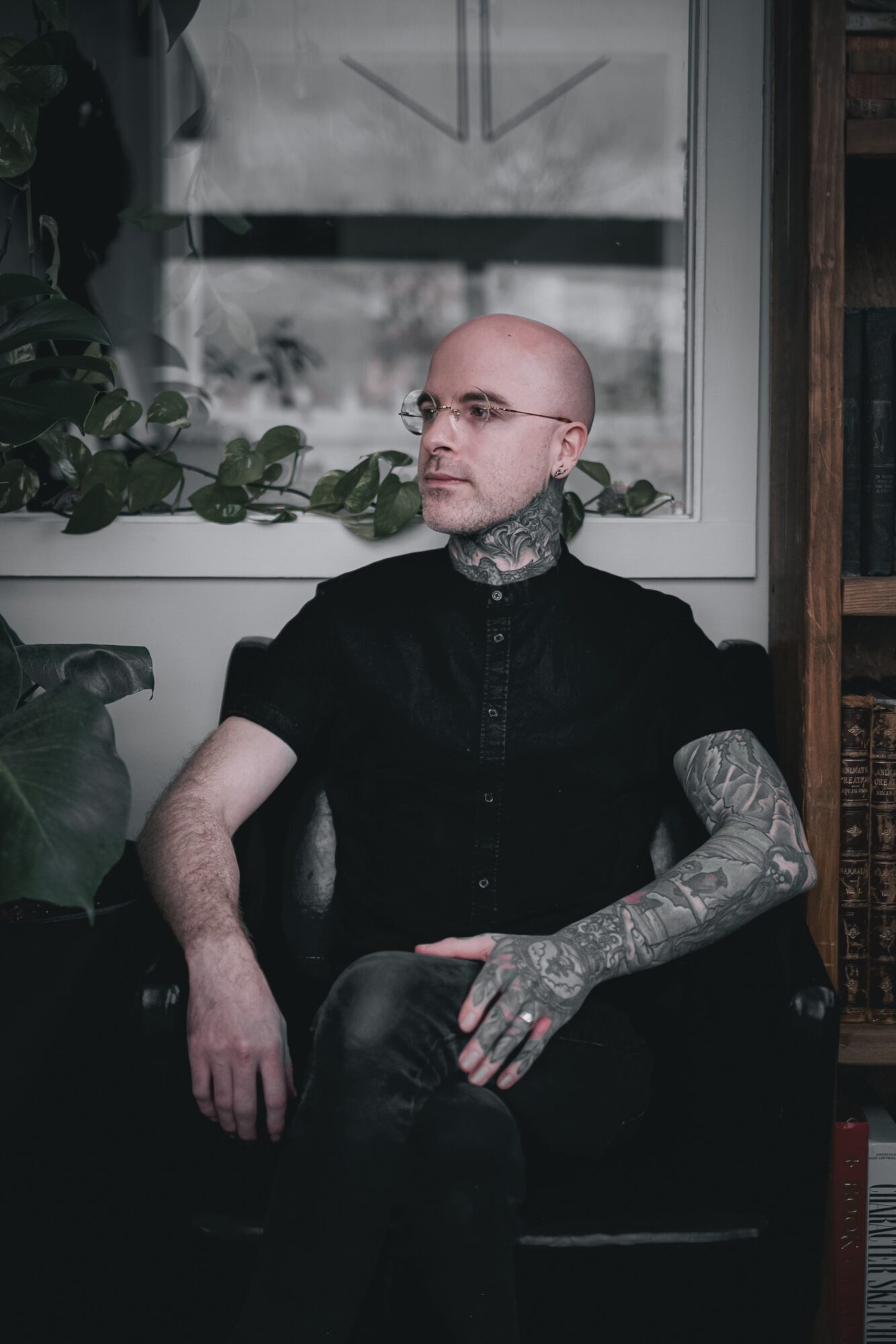
Today we’d like to introduce you to Devon O’Keefe.
Hi Devon, thanks for joining us today. We’d love for you to start by introducing yourself.
My path here has been anything but linear, which feels fitting considering I eventually built a place called Liminal.
I’ve always been an artist in one form or another. I studied music theory and Bible in college and spent more than a decade working as a worship pastor. Music was my primary creative language for a long time, but I was always drawing, writing, designing, and finding other ways to make things. Eventually, I went back to school for illustration and fine art, and that opened a completely different chapter of my life.
Tattooing grew out of that love for drawing. What started as another creative medium slowly became something much bigger. I fell in love not only with the permanence and intimacy of tattooing, but with the strange, meaningful space that exists between an artist and a person trusting you to mark a moment of their life.
Eventually, that became Liminal.
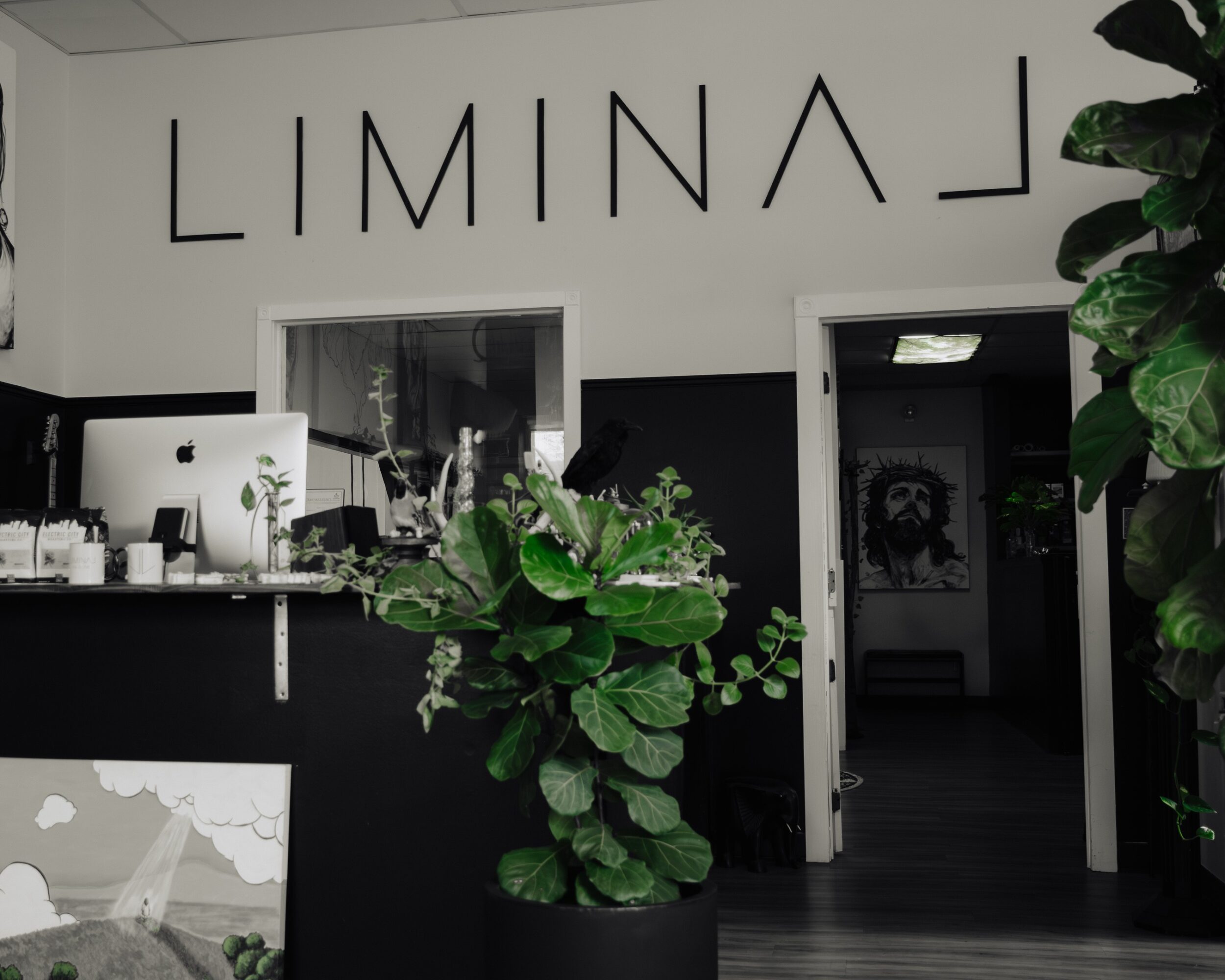
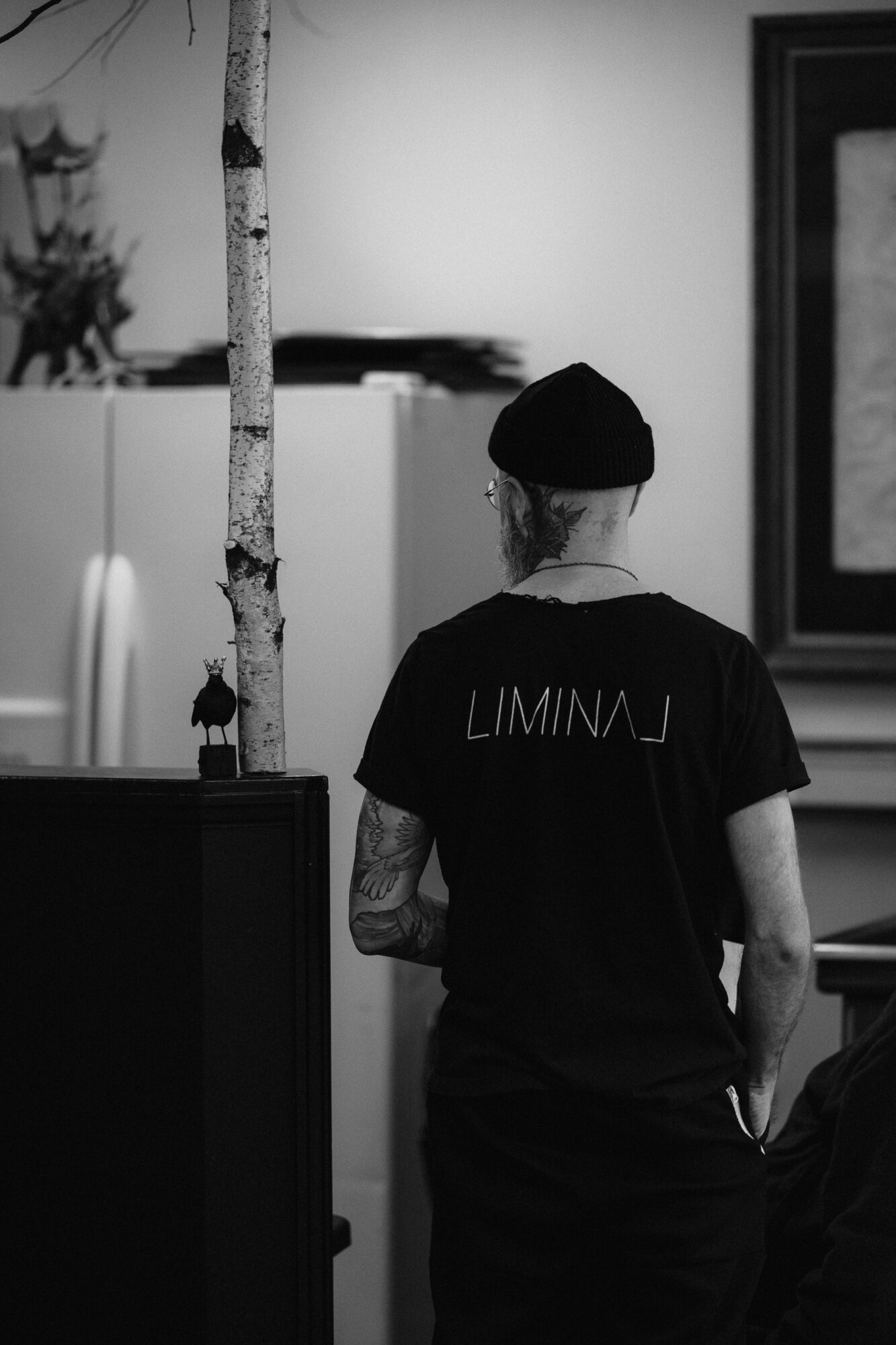
I wanted to build something that felt different from the traditional idea of a tattoo shop—something quieter, more intentional, and more immersive. A place where tattooing could exist alongside fine art, music, storytelling, gatherings, and all of the other things I love creating. Over time, Liminal has grown into a studio, gallery, creative space, and community of artists, but I still feel like we’re discovering what it can become.
In a lot of ways, my story has been about learning that you don’t necessarily have to choose between the different versions of yourself. Musician, illustrator, tattoo artist, writer, designer—those things used to feel like separate paths. Now they all seem to be converging into the same work.
I think that’s ultimately what Liminal represents for me: the space between where you’ve been and whatever you’re becoming next.
I’m sure it wasn’t obstacle-free, but would you say the journey has been fairly smooth so far?
Definitely not—and I’m not sure I would want it to have been.
One of the biggest challenges has simply been learning how to build something while I’m already inside of it. I didn’t come into tattooing with a lifelong plan to own a studio, run a gallery, organize events, release music, or build a creative community. Most of those things happened because I kept following the next idea that felt meaningful and then had to figure out how to actually make it work.
There have been plenty of growing pains along the way—financial uncertainty, long hours, creative burnout, learning how to lead people, making mistakes, changing direction, and carrying the weight that comes with being responsible for something that other people now depend on too.
There was also a deeper personal transition happening at the same time. I spent more than a decade in ministry, and taking some time away from that world meant rebuilding a lot of my identity and asking some difficult questions about faith, creativity, purpose, and what I actually wanted my life to look like. In some ways, Liminal grew out of that season.
I think I used to view uncertainty as something you were supposed to eventually escape. Now I see it differently. Some of the most important things in my life have come from seasons where I didn’t completely know what I was doing or where something was leading.
The road hasn’t been smooth, but the difficult parts have shaped the work just as much as the successes have.
Can you tell our readers more about what you do and what you think sets you apart from others?
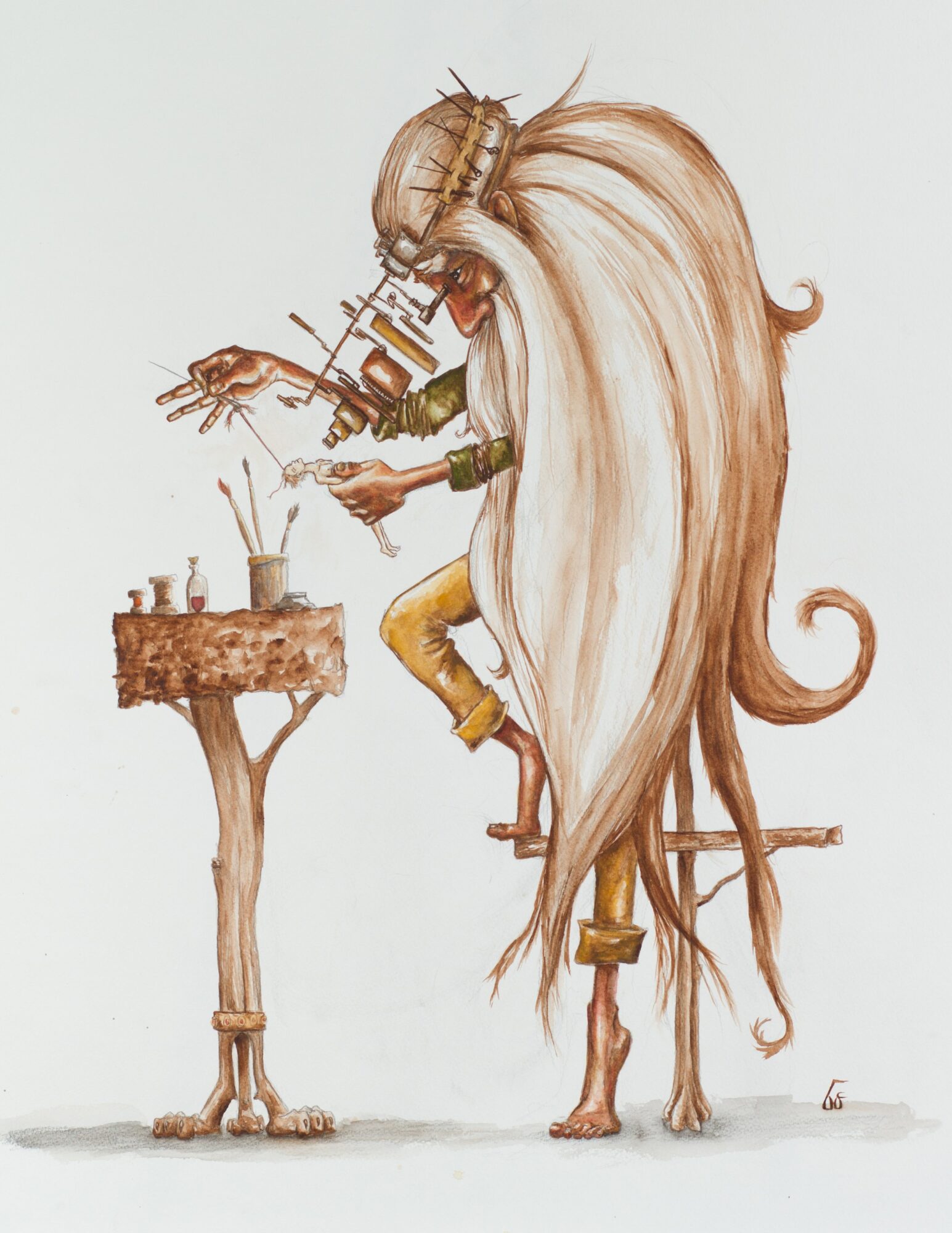
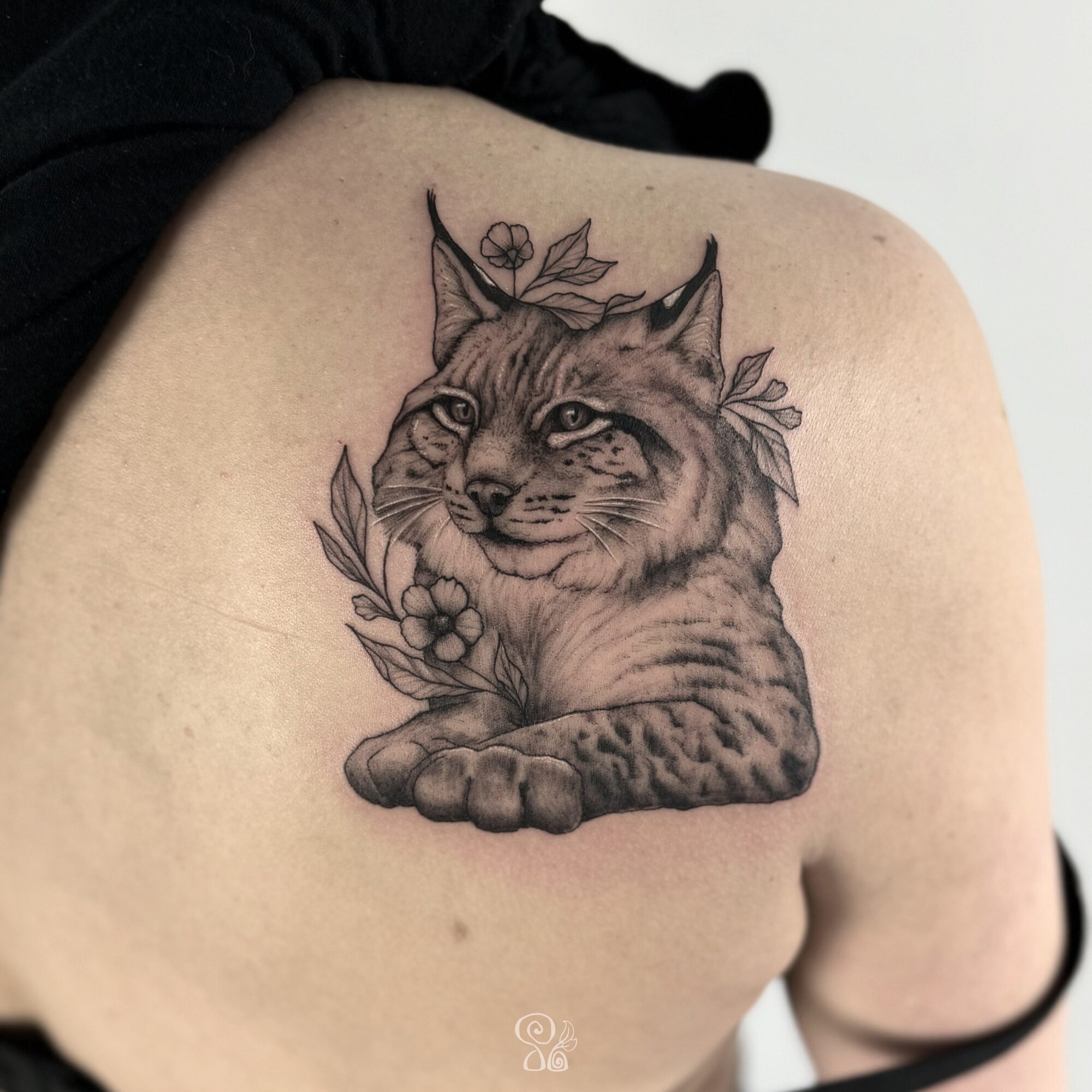
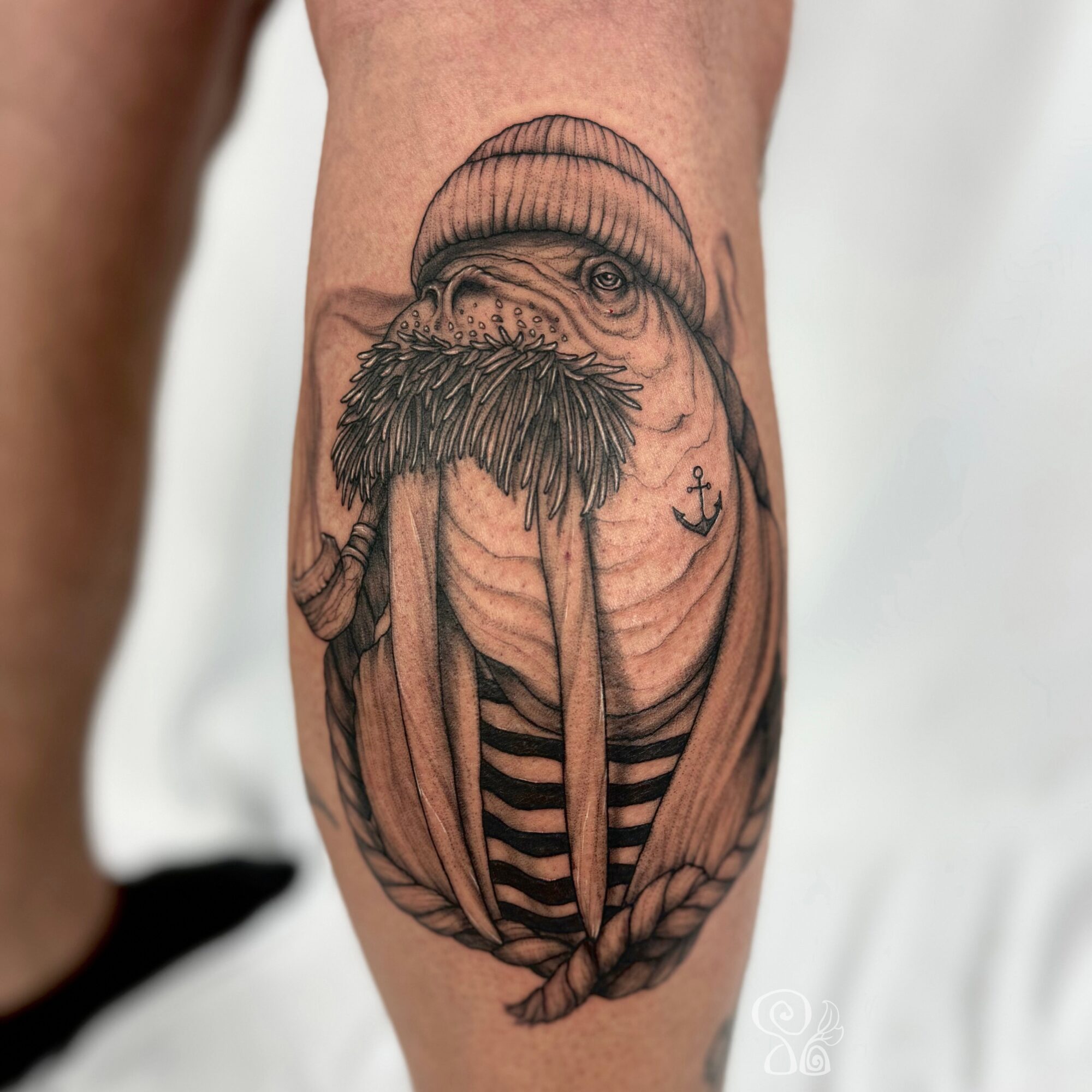
At the center of my work, I’m a tattoo artist and illustrator. I specialize primarily in black and grey illustrative fine-line tattooing, and my work tends to pull from nature, old illustrations, mythology, storybooks, religious and sacred imagery, and anything that carries a little bit of mystery or wonder. I’m drawn to work that feels timeless—almost like something discovered in the pages of an old book—but that still translates beautifully and intentionally onto the body.
I think what sets me apart, though, is that I’ve never really known how to be just one kind of artist.
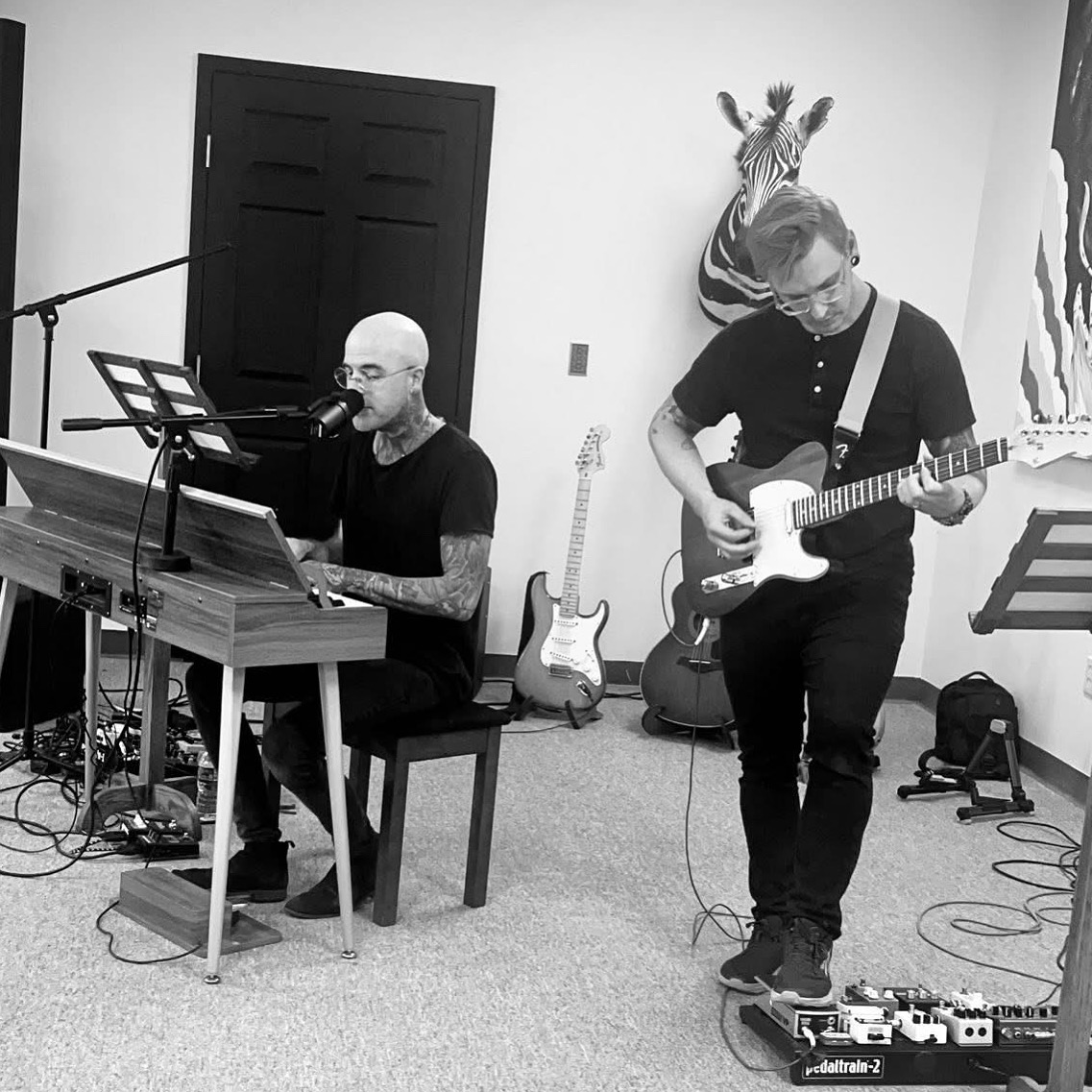
My background is in music, ministry, illustration, and fine art, and all of those things still find their way into what I make. I tattoo, draw, paint, write, design spaces, build installations, write and record music, and create experiences. To me, those don’t feel like separate pursuits. They’re different languages for expressing the same ideas.
A lot of my work revolves around themes like wilderness, beauty, faith, doubt, transformation, mortality, and wonder. I’m fascinated by the places where something can feel sacred without necessarily needing to be explained. That has become a thread through almost everything I create.
I’m probably most proud that I’ve built a life where I’ve allowed myself to keep following that curiosity. For a long time, I thought being successful meant choosing the one thing you were going to be and becoming really good at it. I’ve realized that, for me, the opposite has been true. The more I’ve allowed music, visual art, tattooing, storytelling, and my own spiritual journey to influence one another, the more my work has started to feel like my own.
Liminal is really the physical expression of that. It has given me a place where all of those parts of myself can coexist, and where I can invite other artists and people into that world too.
More than being known for one particular style or medium, I hope I’m becoming known for creating things that make people feel something—things that carry a sense of story, reverence, curiosity, and wonder.
Do you have any advice for those looking to network or find a mentor?
I’ve never been particularly good at “networking” in the traditional sense. I’m naturally pretty introverted, and the idea of walking into a room specifically to make connections has always felt a little unnatural to me.
What has worked much better is simply being genuinely interested in people. I try to support other artists, show up for what they’re creating, collaborate when it makes sense, and build relationships without immediately thinking about what they might lead to. Some of the best opportunities and friendships in my life have grown very organically that way.
I think the same applies to finding a mentor. Instead of approaching someone and immediately asking them to take on that role, find people whose work or life you genuinely respect. Pay attention to how they operate. Ask thoughtful questions. Be willing to listen. And, whenever possible, bring something to the relationship too. Mentorship doesn’t always have to be a formal arrangement—sometimes someone can profoundly influence the way you work simply because you’ve spent time around them.
I’ve also learned not to limit yourself to people within your own field. Some of the people who have influenced me most aren’t tattoo artists. Inspiration and wisdom can come from musicians, painters, business owners, writers, spiritual leaders, photographers, or simply people who have built a life you admire.
For me, the best networking has never really felt like networking. It has felt like friendship, curiosity, generosity, and making things together.
Contact Info:
- Website: https://www.devonokeefe.com/
- Instagram: https://www.instagram.com/devonokeefe
- Facebook: https://www.facebook.com/devon.okeefe.33/
- Other: https://www.liminalinkandart.com/