


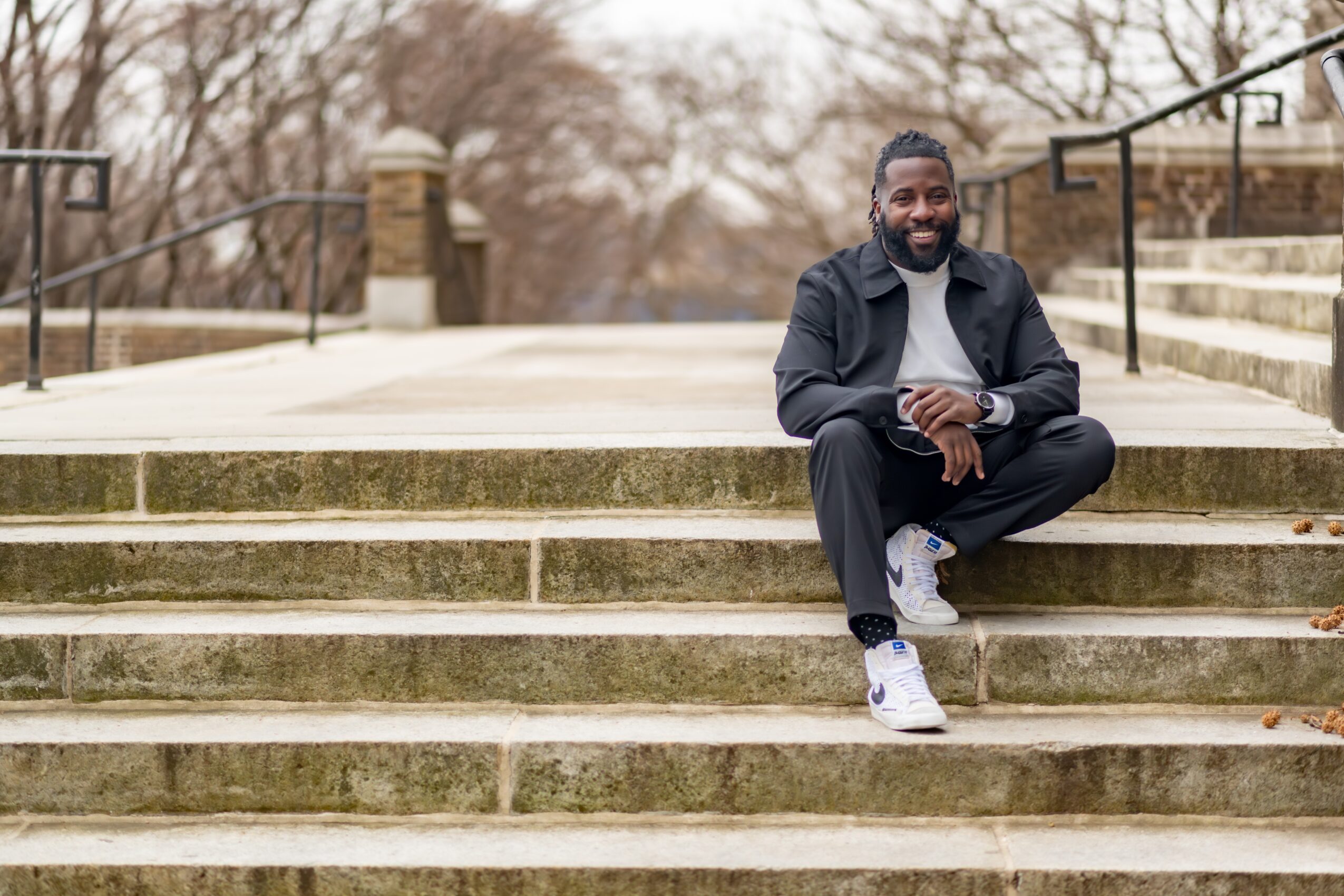
Today we’d like to introduce you to D’Angelo Virgo.
Hi D’Angelo, thanks for sharing your story with us. To start, maybe you can tell our readers some of your backstory.
When I look back at my life, I realize I’ve spent most of it in the same place—working with and advocating for young people. What started with an interest in government and politics as a kid eventually became a career that took me from the church, to the classroom, to music and coaching, into political campaigns, and ultimately to founding my own nonprofit.
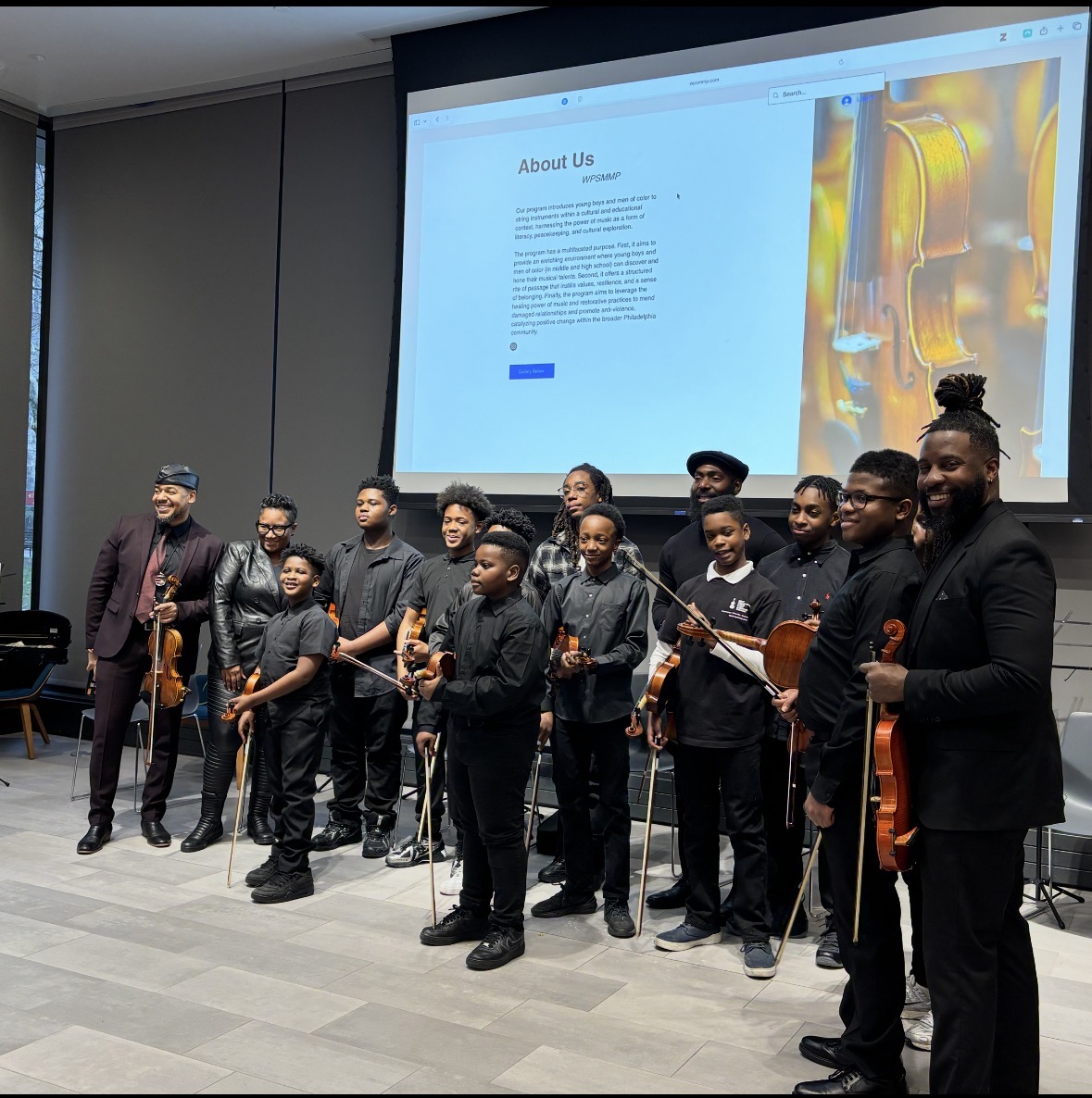
A lot of my journey in youth development actually started in church. I became an assistant youth director when I was 15, and by 21, I was running the youth department. Around 17, my music teachers started a youth orchestra in West Philadelphia. They allowed me to not only play in the orchestra, but also teach other young people, and that really opened my eyes to how powerful mentorship and creating opportunities for young people can be.
I went to Millersville University, where I was involved in the Black Student Union, Student Senate, and the Millersville chapter of the NAACP, serving as Political Action and Juvenile Justice Chair. I also interned at the Lancaster County Courthouse in the Office of Juvenile Parole and Probation, which gave me an early look at the juvenile justice system.
After college, I went into education. I taught civics, social studies, and music, and I also coached high school cross country and track and field. I coached at Brandywine High School in Wilmington, Delaware, where I had multiple runners qualify for the state championships and then went on to coach at Freire Charter School in Philly. I also served as an orchestral conductor with BuildaBridge International, using arts education as a way to engage and support young people.
Eventually, I moved into the political space, working on campaigns from the local level all the way to federal races, with a strong emphasis on voter education and civic engagement. But I never really left education or youth development behind.
That brings me to where I am today. A good friend and mentor, Dr. Jack Drummond, invited me to work with him through the West Philadelphia String Music and Mentorship Program, which introduces young boys and men of color to string instruments within a cultural and educational context. I also currently serve as a civics instructor at Bucks County Community College, where I have the opportunity to continue doing something that has been central to my career, helping people understand government, policy, and how they can use their voices to create change.
I’ve also taken that passion for civic education beyond the classroom. I am the author of Dion Goes to D.C., a children’s book that introduces young readers to government and civic engagement in a way that is accessible and relatable. Writing the book was another way for me to reach young people and help them see themselves as participants in our democracy, not just observers of it.
At the same time, I wanted to bring my love of education and politics together in a more intentional way, so I founded Civically Engaged, a nonprofit providing civics education to justice-impacted juveniles with a focus on policy. I also ran for State Representative earlier this year, with education reform and juvenile justice reform being two of my major platforms.
When I look back at my journey, there’s really been a common thread throughout all of it: young people. Whether I was teaching, coaching, making music, writing a children’s book, teaching civics at the college level, organizing, working in politics, or running for office, I’ve always believed that if we want a better future, we have to invest in young people now.
It may sound cliché, but I truly believe our children are our future. And if we want that future to be bright, we have to be willing to invest in young people, give them opportunities, equip them with knowledge, and trust them with the tools to shape the world they’re going to inherit. For me, that has been the common thread throughout my entire journey and I don’t see that changing anytime soon.
Would you say it’s been a smooth road, and if not what are some of the biggest challenges you’ve faced along the way?
Has it been a smooth road? I wish I could say yes. One of the biggest struggles has been working in a field where funding is often uncertain. We hear all the time that children are our future and that we need to invest in them, but sometimes the money doesn’t follow those words, and that can be incredibly frustrating when you’re trying to build programs and create opportunities for young people.
I’ve also had to wrestle with a very real question: how do I continue doing work that I’m passionate about while also making a good living? When you care deeply about helping people, it can be difficult to choose between purpose and financial stability. I’ve had moments where I’ve had to make difficult decisions, take different opportunities, and figure out how to keep moving forward without losing sight of why I started in the first place.
I think that’s probably been the hardest part, not the work itself, but trying to sustain the work. There are plenty of people who believe in the mission, but belief has to eventually turn into investment, resources, and opportunities. That’s something I’m still navigating today, but it’s also made me more determined to build something sustainable that can continue serving young people for years to come.
Can you tell our readers more about what you do and what you think sets you apart from others?
I currently serve as the Executive Director of Civically Engaged, a nonprofit that provides civics education to justice-impacted juveniles with a focus on policy. I’m also an instructor at Bucks County Community College, where I teach a course I created called “Civics in Action: Understanding Government and Policy in Practice.” The course helps students understand how government, public policy, elections, advocacy, and community organizing actually work in everyday life.
I specialize in civics education, and honestly, that’s my passion. There’s nothing we do in life that government doesn’t have a hand in, so how can we be part of a system we don’t understand? I love taking something that can feel complicated or intimidating and breaking it down in a way that makes sense. I’m also the person my friends and family call every election because they know I’m going to research the candidates and help them make sense of the choices.
That passion for making civics accessible also led me to become the author of Dion Goes to D.C., a children’s book that teaches kids about the three branches of government. I believe it’s never too early to start teaching children how government works and helping them see themselves as part of our democracy. Dion Goes to D.C. is the first book in a planned four-part series focused on making civic education fun and accessible for young readers.
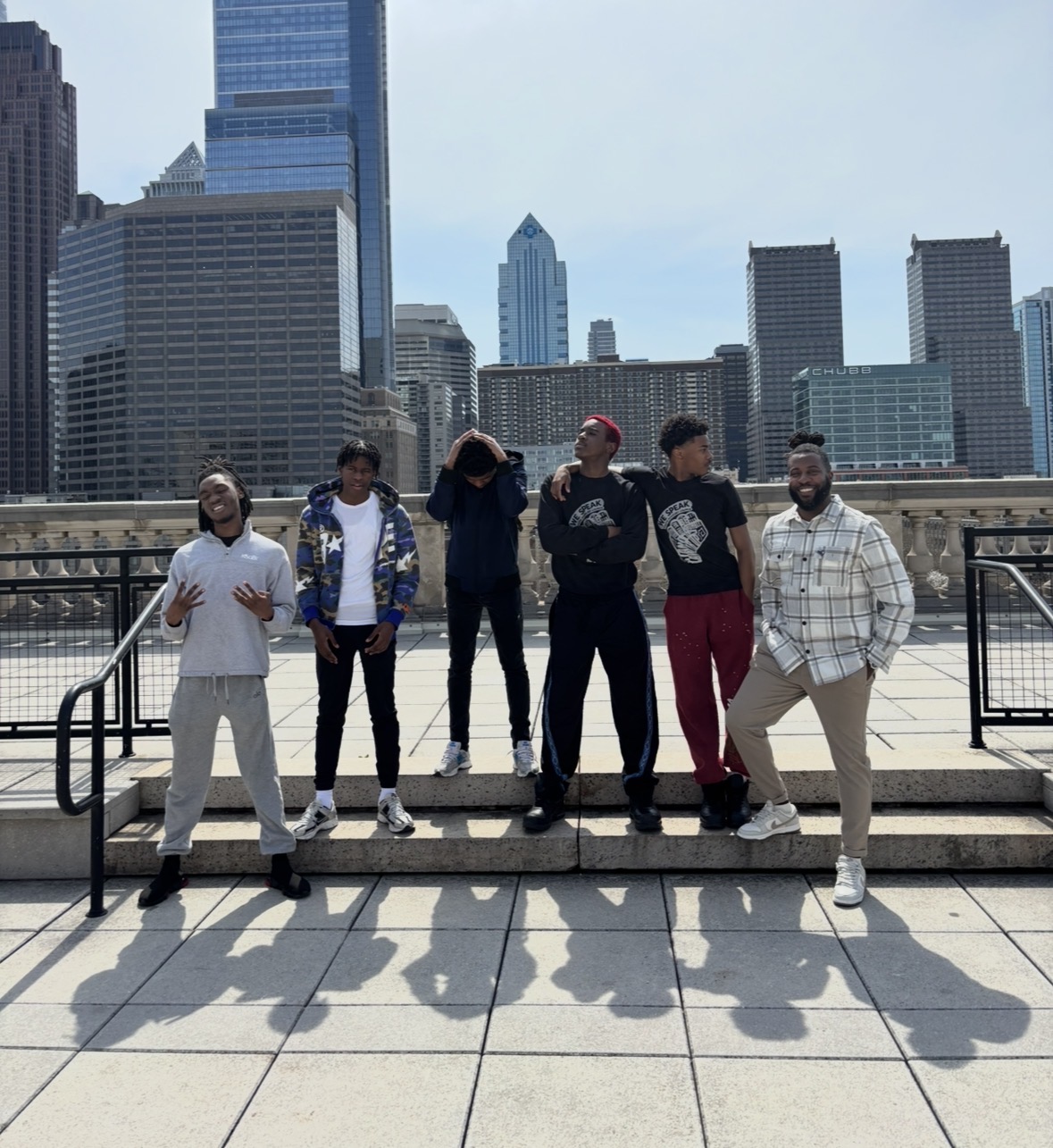
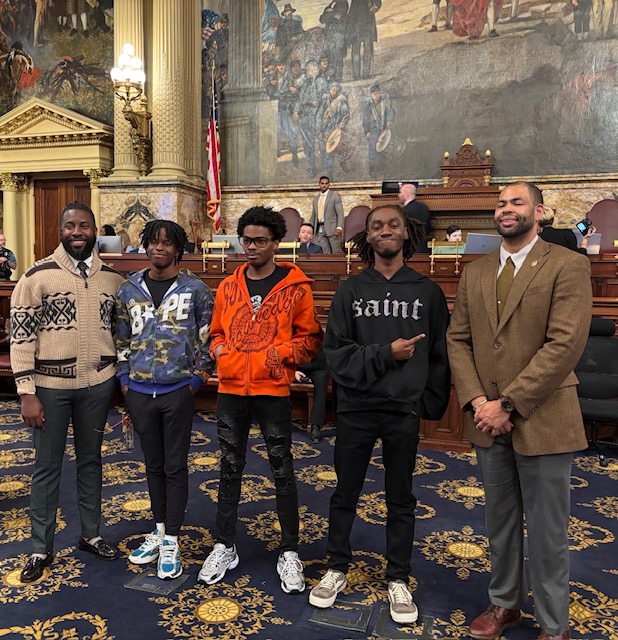
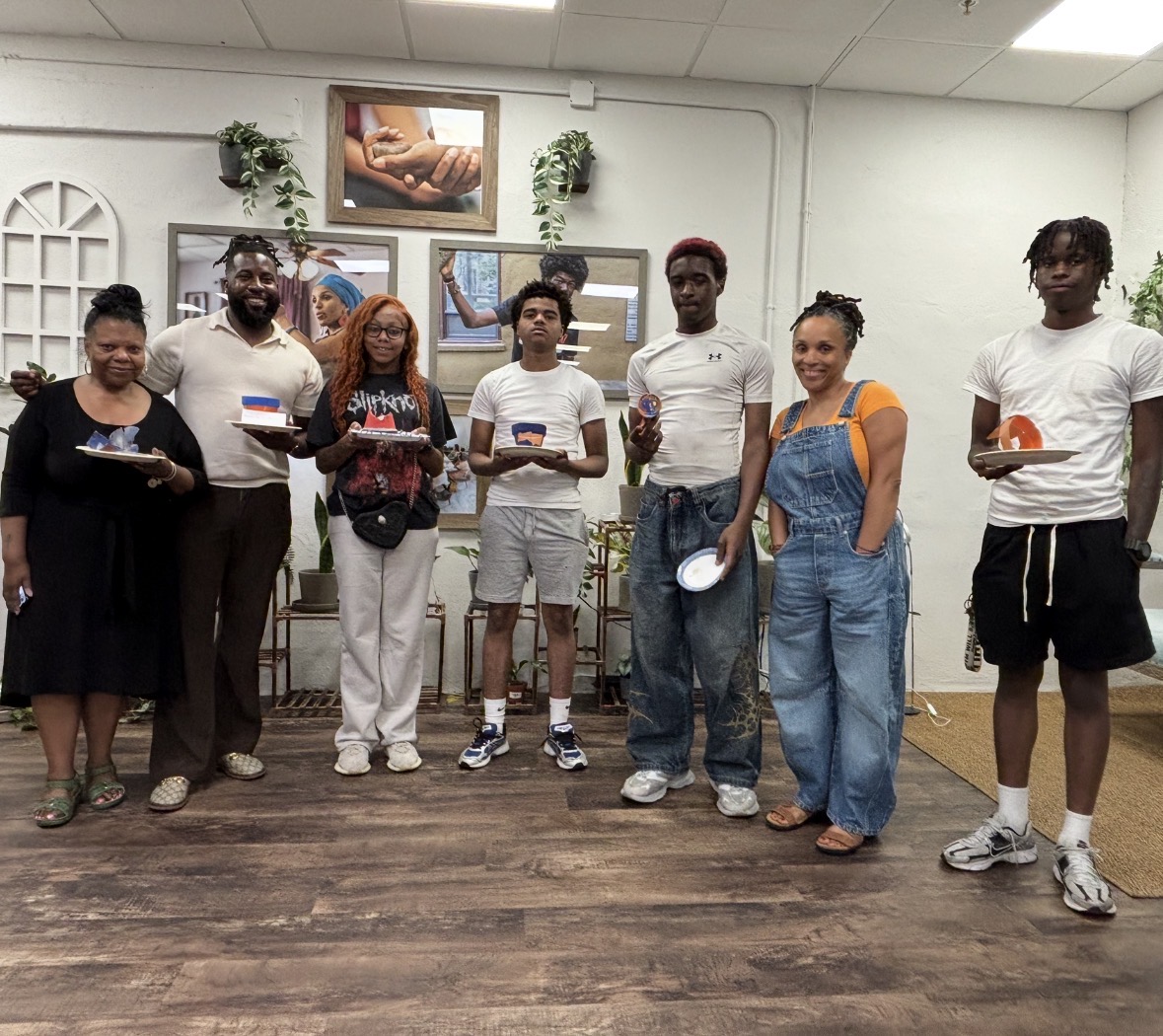
What I’m most proud of is the work our inaugural Civically Engaged cohort did. The young people identified an issue they cared deeply about—helping students better manage their academics and mental health—and drafted their own policy proposal. They presented it to Philadelphia City Council’s Education Chair, Councilmember Isaiah Thomas, and the School District of Philadelphia’s Chief of Instruction and Curriculum, Dr. Ny Francis-Thomas. They were also recognized for their work on the Pennsylvania General Assembly floor by the Speaker of the House, thanks to State Representative Rick Krajewski.
Seeing the look on their faces and the sheer happiness they experienced in that moment meant everything to me. I felt like a proud dad. That’s really what sets me apart. I don’t just believe in civic engagement, I believe people should understand that they have the power to shape policy and create change, and I love helping them realize that power.
Is there any advice you’d like to share with our readers who might just be starting out?
I think the biggest piece of advice I would give someone starting out is to truly love what you do. We only get one life, and I don’t think you should spend your days waking up dreading where you’re going or hating the work you’re doing. It doesn’t mean every day will be perfect, but you should feel connected to the purpose behind what you’re doing.
I would also tell people to find a mentor early. Get to know someone who is already doing the work, someone who is in the space you want to be in, and learn from them. Don’t be afraid to ask questions, listen, and admit that you don’t know everything. I believe in being a lifelong learner. No matter how much experience you gain, there is always something new to learn from someone else.
And honestly, relationships matter. Life and careers often come down to who you know just as much as what you know. Build genuine relationships, treat people well, stay connected, and don’t only reach out to people when you need something.
Looking back, one thing I wish I had done differently was find a mentor while I was still in high school. I think having someone who had already walked the path I was interested in could have helped me navigate a lot of decisions earlier. So if I could go back and give my younger self one piece of advice, it would be: find people who inspire you, learn from them, and never stop learning.
Contact Info:
- Website: https://www.dangelovirgo.com
- Instagram: https://www.instagram.com/dangelovirgo