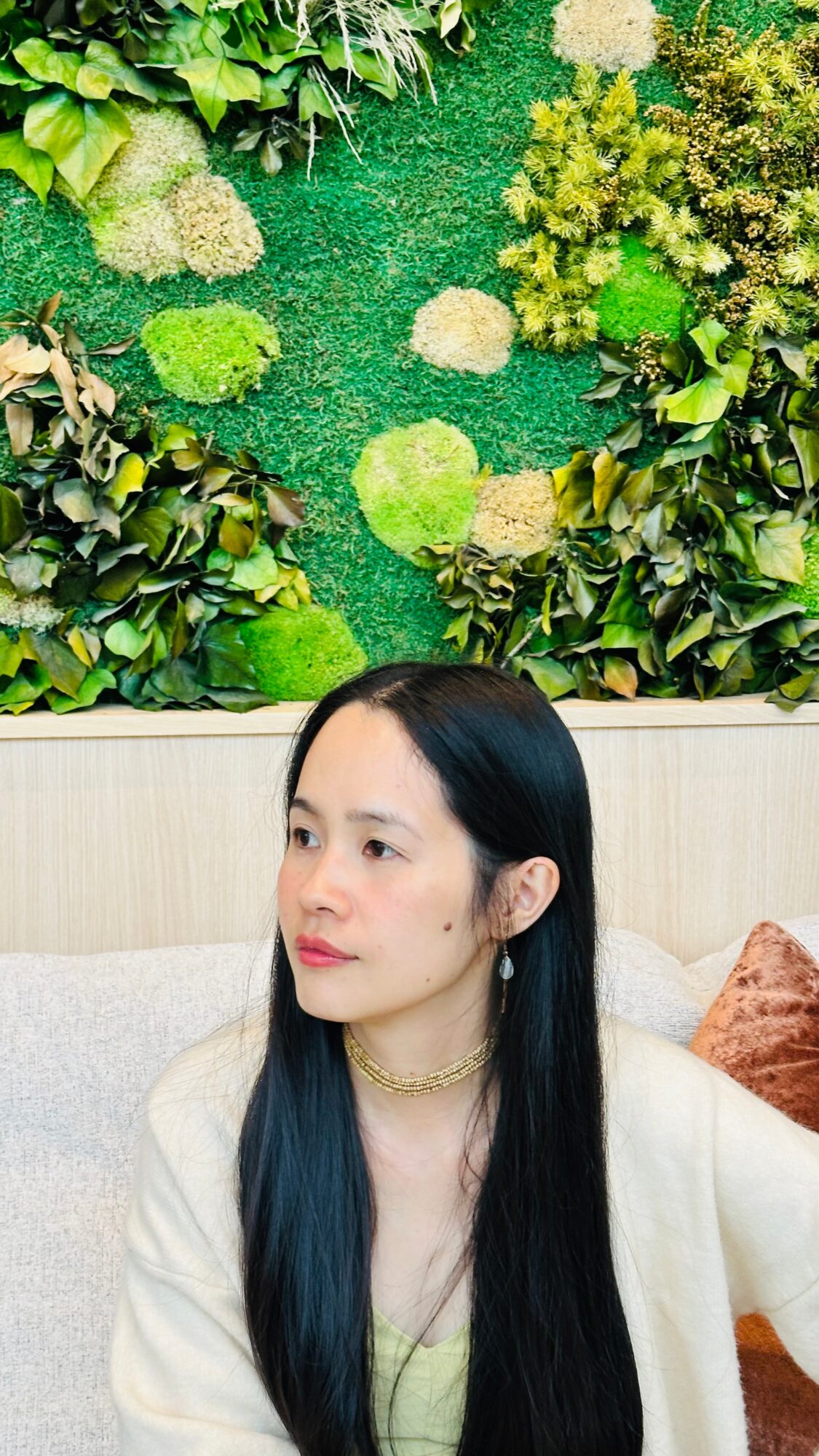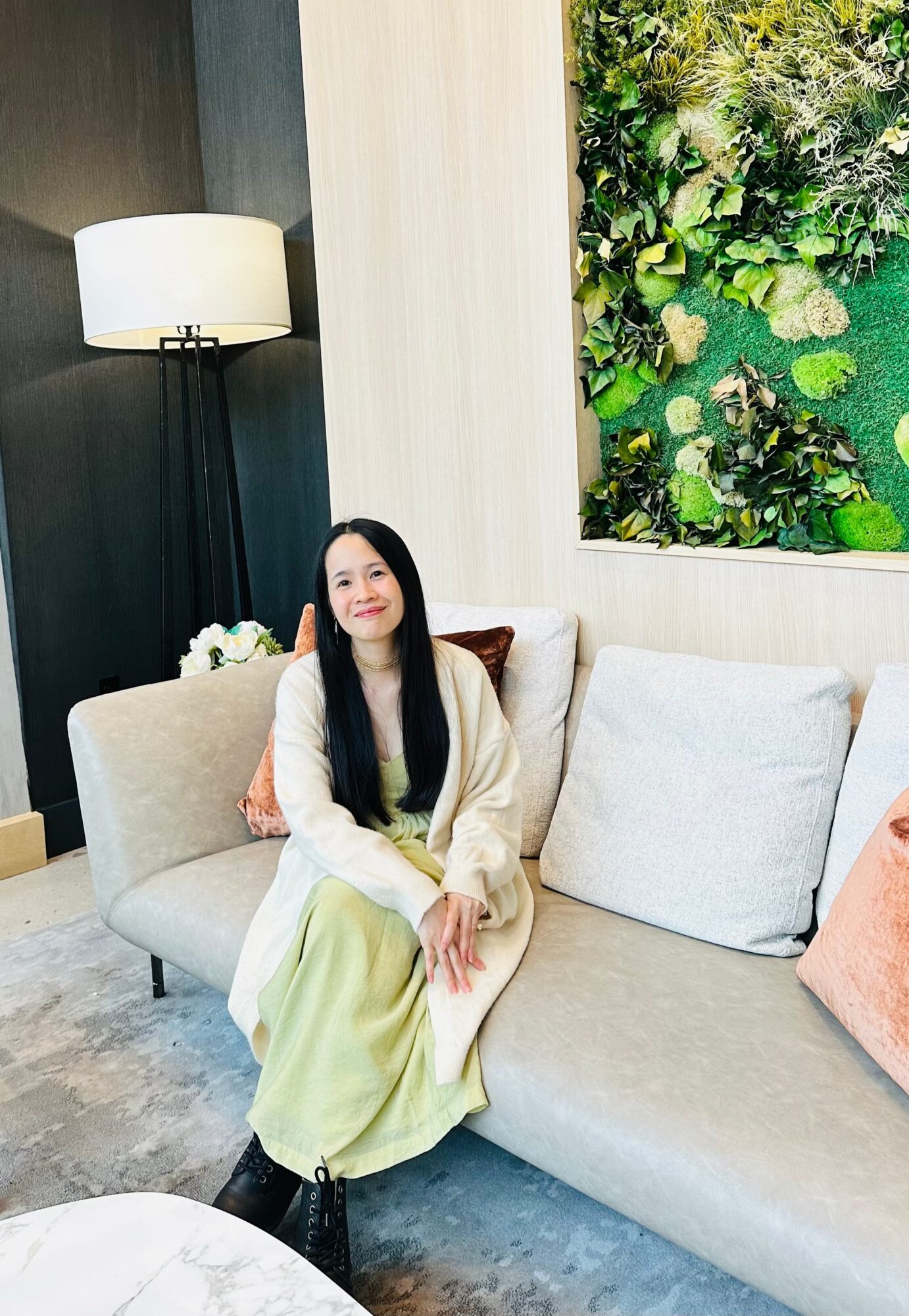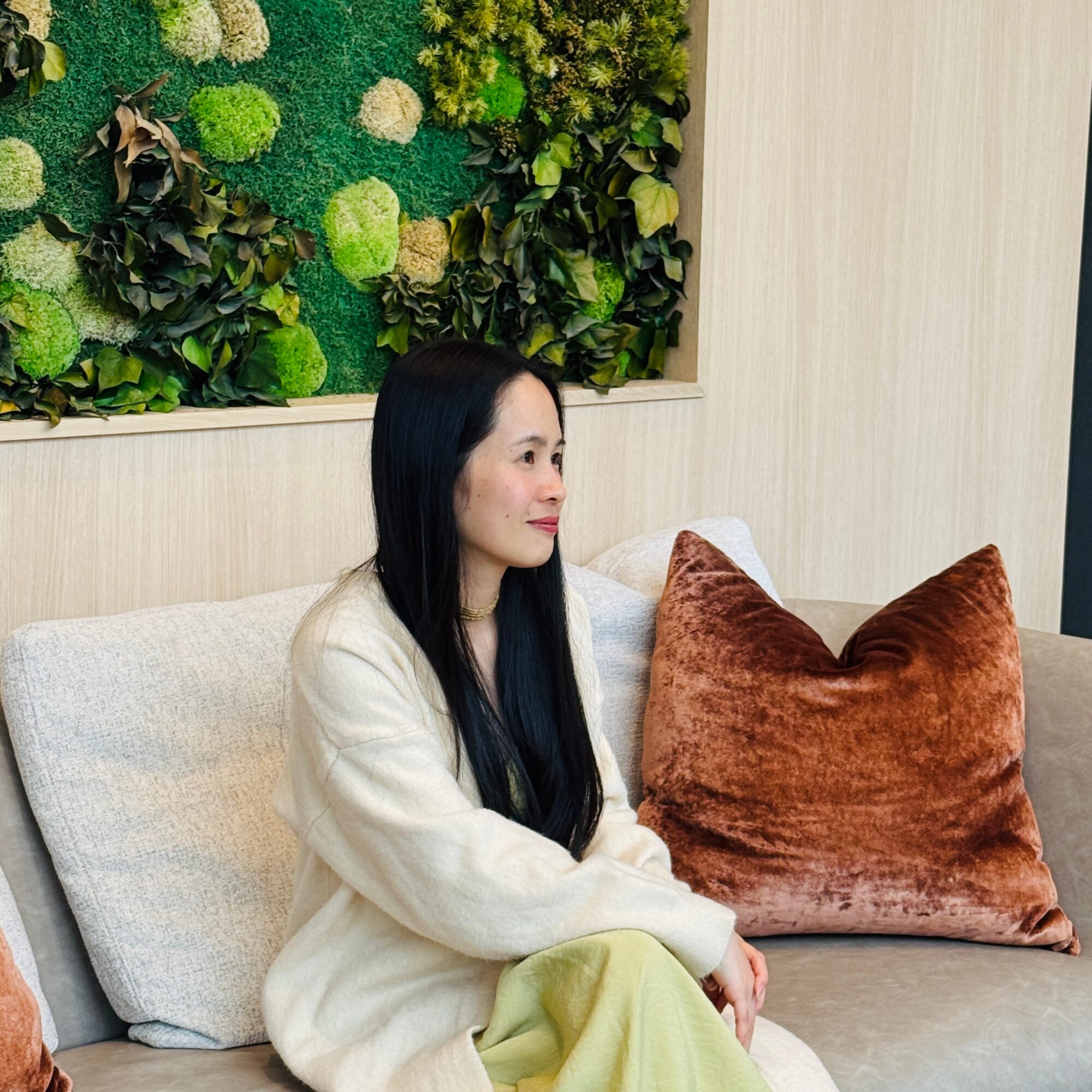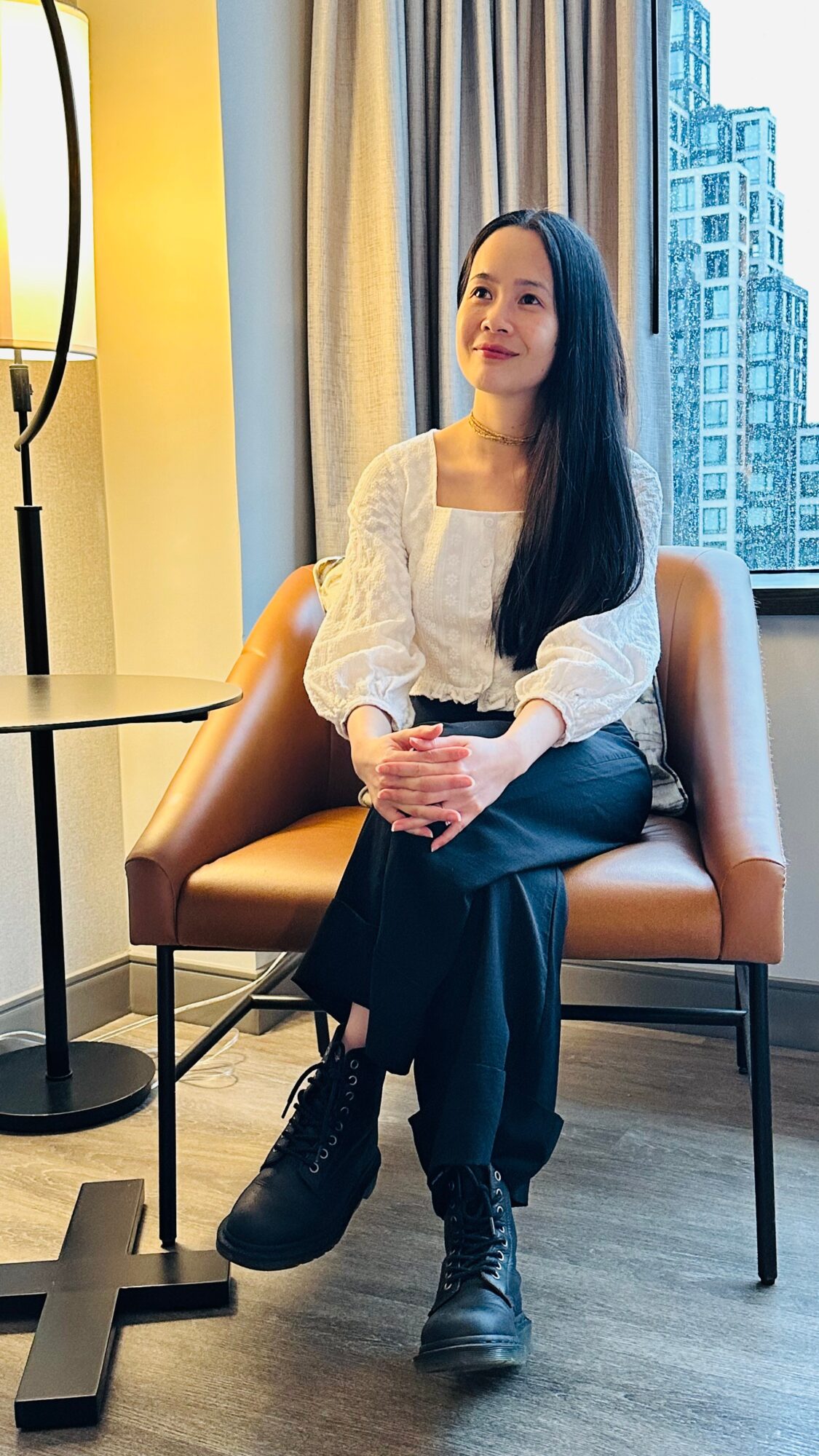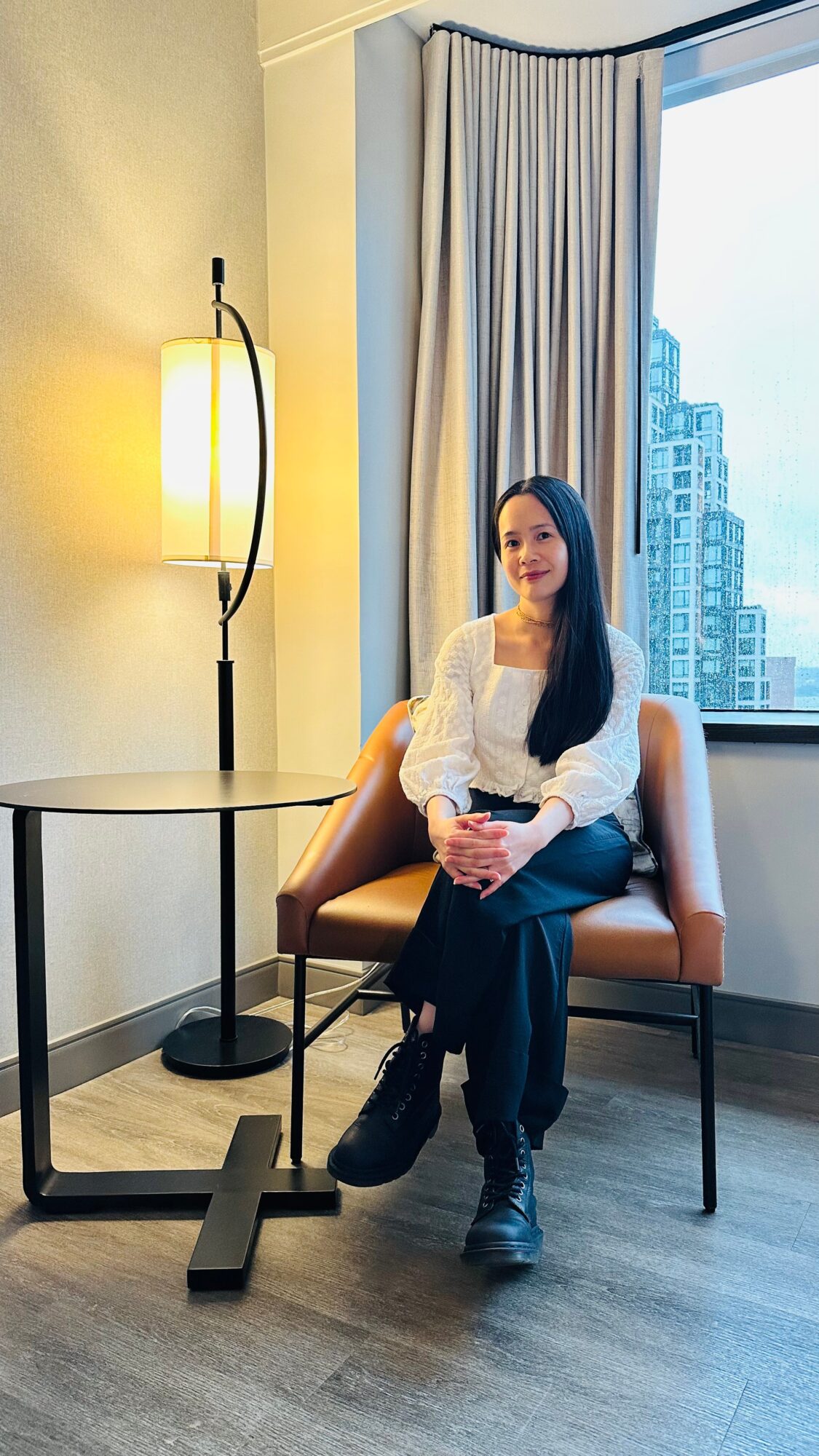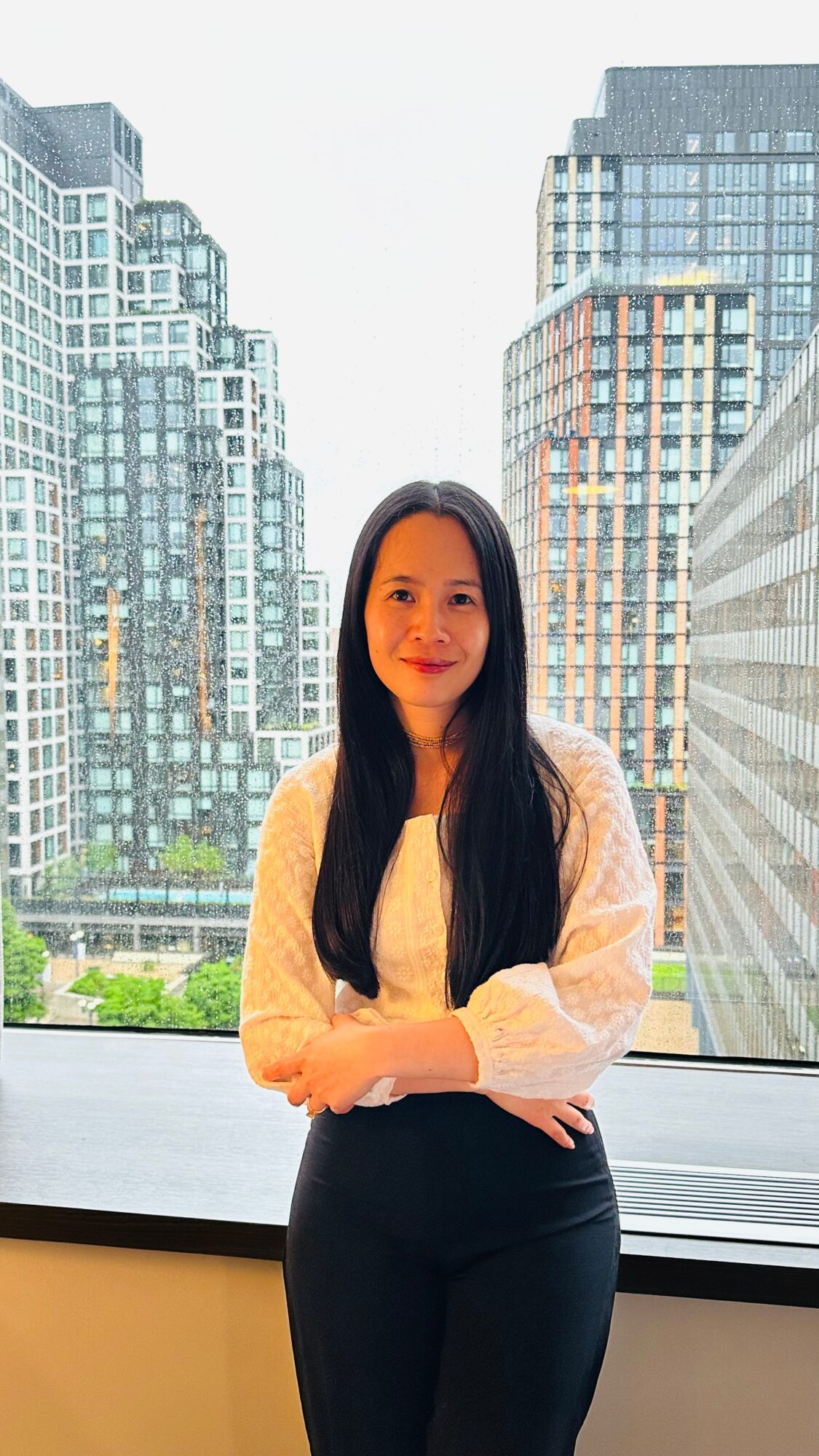



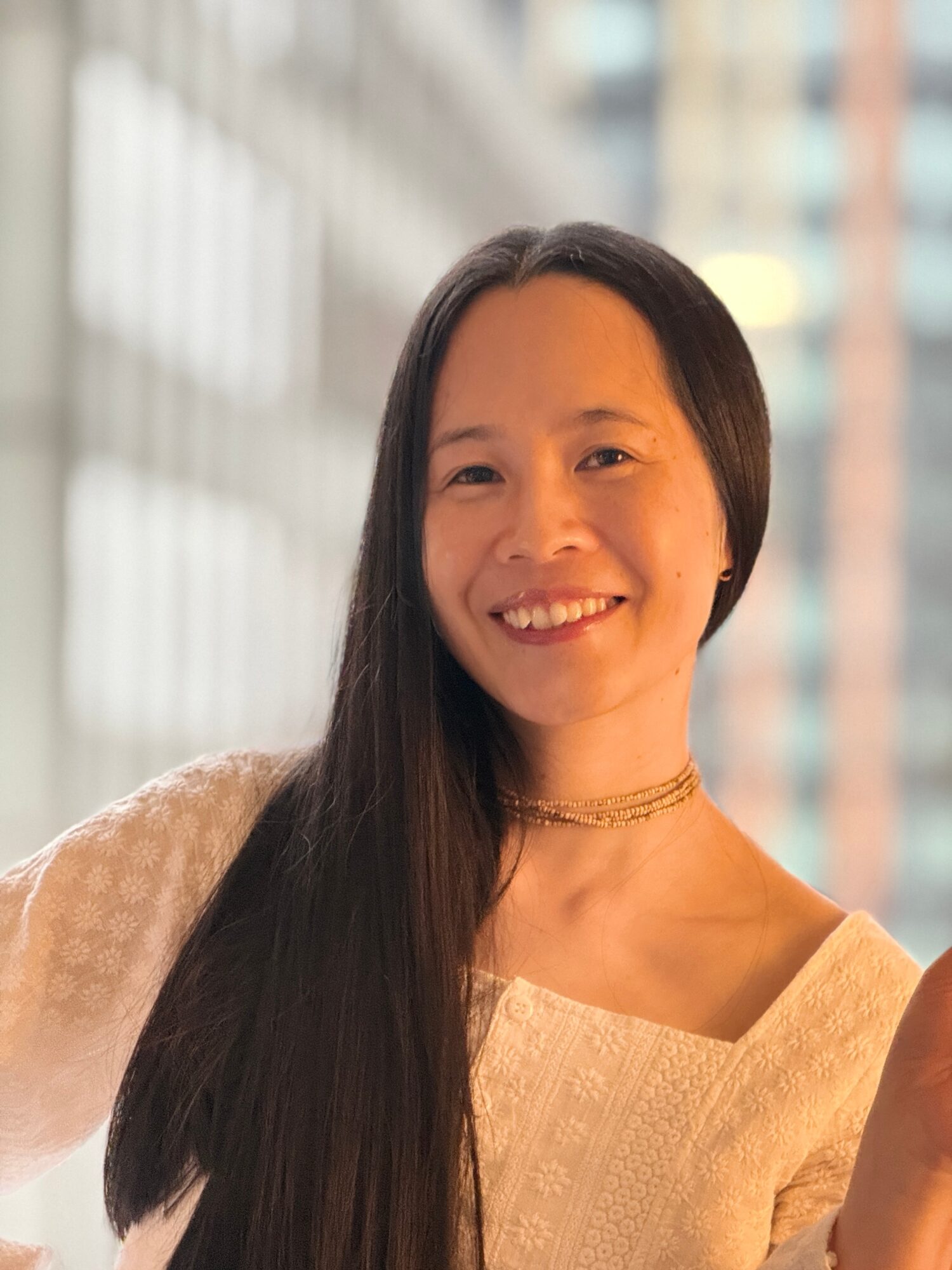
Today we’d like to introduce you to Quynh Nguyen.
Hi Quynh, thanks for joining us today. We’d love for you to start by introducing yourself.
For a long time, I remember being told that I was too sensitive or too emotional. Over time, I began to believe it and tried to appear like I was “normal”. I thought it was normal to always scan the room for people’s moods, to constantly worry about disappointing others, to feel afraid of the smallest signs of anger or criticism, and to shape myself around what other people needed. It was culturally normal, I guess. I became very good at being the understanding one, the helpful one, the one who could adapt easily. But underneath all of that, I often felt disconnected from myself, and at times, I secretly held a lot of resentment toward others.
Growing up, I also noticed that I was naturally drawn to understanding people. I paid attention to emotions, behaviors, and the invisible things happening beneath the surface. When I studied psychology in college in the US, it felt natural to me, almost effortless. My professors often thought I studied very hard to get good grades, but I really did not have to put a lot of effort into understanding the subject matter or remembering it. They came easily because it already felt like the way my mind worked.
At the same time, my life did not move in a straight line toward becoming a therapist. I had always been someone who encouraged others to pursue their dreams rather than simply follow what society expected of them. Yet, in my own life, I initially followed what my parents believed was practical and wise career-wise. I grew up in Vietnam, and went to college there to study economics. I had always been a diligent student, but during that time, I started skipping classes, avoiding homework, and feeling increasingly disconnected from what I was learning, for almost three years. I knew something did not feel right.
Eventually, I found the courage to apply to colleges in the United States and was accepted. I came to the US when I was 21. I studied Human Development and Social Relations, which felt much more aligned with who I was. I was fascinated by how people develop, how environments shape who we are, and how we also shape the environments around us. I took a counseling class during that time, but I still did not immediately think, “This is what I will do.” The calling was there, but it unfolded slowly.
After college, I took a gap year and lived as a female monk in an ashram in Port Royal, Pennsylvania. That year gave me space to slow down, reflect, and listen more deeply. During that time, I applied to graduate school to become a counselor. I also began therapy for myself, and that experience clarified my desire to become a therapist. Therapy gave me language, compassion, and a deeper understanding of myself. It also helped me see how powerful it can be when another person holds space for your pain with tenderness and care, without any judgment. That was truly a fresh air to experience. I had never felt so seen in my life.
During graduate school, I learned about adult children of dysfunctional families and emotionally immature parents, and something clicked. When I came across the 14 traits described in Adult Children of Alcoholics and Dysfunctional Families literature, it felt like someone had put words to a life I had been living but did not fully understand. I could see myself in so many of those patterns: fearing authority, seeking approval, feeling overly responsible for others, losing touch with my own identity, feeling guilty when I stood up for myself, judging myself harshly, stuffing my feelings, confusing love with rescuing, fearing abandonment, being drawn to intensity, and reacting to life from fear rather than feeling free to choose.
At first, recognizing those traits was painful and overwhelming. But it was also deeply relieving. I began to understand that these patterns were not character flaws. They were adaptations. They were ways my nervous system and inner world had learned to survive emotional unpredictability, family emotional dysfunction, and environments where physical and emotional safety, or emotional maturity may not have been consistent.
That realization has really changed my relationship with myself.
I began to see that healing was not about blaming myself, blaming the past or the people involved, or fixing the way I feel. It was about finally telling the truth of my experience, being seen in that process, and being able to release, let go, and come back to my true self, the authentic happy creative person before any wounds took place. It was about understanding how my childhood experiences shape my relationships, my sense of worth, my fear of conflict, my inner critic, and even the way my bodies respond to stress. I started to understand why I know something logically, that “I am safe,” “I am allowed to have needs,” “I do not have to earn love,” and still feel something very different inside. The body keeps the score!
Engaging in my own therapy also changed the way I viewed therapy in general. I began to move away from the idea of fixing people or fixing their problems. Instead, I started to see therapy as a space where people can understand how their so-called “maladaptive behaviors” actually helped them survive. That could be very empowering. The anxiety, people-pleasing, shutdown, overthinking, caretaking, and fear of conflict, even the ones who engage in harmful behaviors, often, they developed for good reasons. They were protective. They were trying to help. I have realized that healing can happen when we build a more compassionate relationship with these parts of ourselves instead of trying to shame them, silence them, or get rid of them.
Opening my own private practice after graduating from my counseling program has been part of my healing, too. It has asked me to be seen more, to stop hiding, trust my voice, take up space, and build something that reflects my values. ātmā therapy is not just a business to me. It is where I see myself making an impact in the world, which is a deep calling I always have. This is a sacred place where healing is gentle, honest, compassionate, spiritually grounded, and deeply respectful of each person’s inner wisdom, and I truly believe that those who heal will be able to create this ripple effect to other people around them. When they change the way they relate to themselves, with curiosity and compassion, they can offer that to families, friends, and every person they interact with. Imagine such a world! That’s my vision 🙂
Can you talk to us a bit about the challenges and lessons you’ve learned along the way. Looking back would you say it’s been easy or smooth in retrospect?
One of the biggest challenges I have had to face is recognizing how deep and emotionally demanding trauma work can be, especially with complex trauma. This work is sacred to me, but it is also sensitive, complex, and requires a lot of attunement. Early on, I realized that a traditional group practice model, with many clinical hours and a high volume of clients, was not sustainable for me long-term. I could see that if I wanted to continue offering thoughtful, compassionate, and impactful trauma-informed care, I needed to build a practice structure that also honored my own physical, emotional, and spiritual needs.
That realization was one of the reasons I decided to start my own private practice. I wanted to build something that allowed me to care for clients deeply while also staying healthy, balanced, and connected to my own values. For me, sustainability, or self-care, is not separate from good clinical care. It is part of it. Trauma work asks the therapist to be present with pain, fear, shame, grief, and old wounds. To hold that well, I have to keep returning to myself and deepening my own grounding, healing, and spiritual nourishment.
I have learned that my body and mind have limits, but I don’t see that as a weakness anymore. I see that as a reminder for me to stay humble, to care for myself honestly, and to go deeper in my spiritual practice. My faith teaches me that while my personal capacity is limited, love that comes from a divine source is boundless. And it is a powerful healing force. At the heart of my work is the belief that each person is more than their symptoms, trauma, anxiety, depression, or survival patterns. Beneath all of that, there is a deeper self that is worthy of love, dignity, and care, which many traditions may refer to as the soul. Spiritually, I see all living beings as parts and parcels of the Supreme, and that we are eternally and unconditionally loved by the Supreme Divine, despite who we are or what coverings we may have. In therapy, I hope to offer a reflection of that consistent loving presence, a space where clients can feel deeply seen for who they are, beyond their pain, their defenses, or the parts of themselves they have learned to hide. If I want to offer that kind of healing presence to others, I also have to keep deepening my own spiritual connection and practices.
So one of my ongoing challenges certainly has also become one of my greatest teachers: learning how to care for myself deeply enough that I can continue to care and offer support for others. Building my own practice has allowed me to create a more sustainable way of doing this work, one rooted not only in clinical skill, but also in a strong spiritual foundation and connection.
Alright, so let’s switch gears a bit and talk business. What should we know?
My practice, ātmā therapy, was born from both my personal healing and my professional training. The word ātmā means the self, that could refer to the body, the mind, or the soul, and that reflects the heart of my work. ātmā therapy is where people can heal, physically, mentally, and spiritually. I believe therapy is not only about reducing symptoms, although that is very important. It is also about helping people reconnect with themselves more deeply, not only understanding their feelings and behaviors, but also seeing their strengths, their true self, their gifts in the world, to the level that they never thought possible.
At ātmā therapy, I primarily work with adults who are healing from childhood trauma, relational wounds, anxiety, depression, people-pleasing, emotional reactivity, toxic shame, and the lasting impact of growing up in emotionally immature or dysfunctional family systems. Many of the people I support are very thoughtful, self-aware, and deeply wonderful people. They are often very capable and high function in society, but inside they are often burdened by many painful feelings. They often have a very common inner voice that warns them to be careful, to do better, to not upset people, or let people down. For some, emotional distress may also show up in the body as physical pain or aches that remain unexplained, even after seeking medical advice.
My work is rooted in the belief that people are not flawed. They have adapted. As I mentioned earlier, the anxiety, the shutdown, the overthinking, the criticizing, the binge-eating, the addicting, the caretaking, the fear of conflict, the need for approval, etc etc., they were developed to protect us. Therapy with me is not about forcing those parts to disappear, or shutting them down. It is about helping people understand the stories of these parts, understand how these parts protect them, and help these parts take on authentic helpful roles so that my clients can build a life that is no longer organized around those fears.
In my practice, I integrate person-centered therapy, Internal Family Systems alongside somatic therapy, which is a big part of my work, and other supportive modalities. But the heart of my work is safety. Safety for the nervous system, safety for the mind, and safety for the soul. I want therapy to be a space where people do not have to perform, explain themselves perfectly, or prove that their pain is valid. They can come as they are, anxious, guarded, overwhelmed, numb, hopeful, skeptical, and be met with care and compassion. I also teach my clients to be present to their feelings with that same loving presence they may receive in therapy.
And that care and acceptance are not blind or enabling. They come from the understanding that there is a reason why you feel the way you feel. There is a reason why certain protective parts had to be there. There is a reason why your body feels tense, your heart beats fast, your hands sweat, your back aches, etc. To help someone see and understand why, and to help them feel more compassion toward themselves for what they have been through, is huge. To me, that is such an important part of healing. That allows room for these so-called “maladaptive” behaviors or “irrational” emotions to naturally transform, organically, without force. Somatic therapy also plays an important role here by helping the body feel safer, soothing physical sensations, and supporting the nervous system so those physical or emotional reactions can soften over time.
Many of us do not know how to respond to stress or emotions from a compassionate place because we were never taught how. Society often teaches us that emotions are inconvenient, irrational, or weak, especially the painful or the so-called “negative” ones. Many of our parents were also shaped by that same society. They were not simply the source of harm; they were also carrying what had been passed down to them. So many of us learned to “suck it up,” shame ourselves, blame ourselves, or disconnect from what we felt.
A very renowned spiritual teacher, S.B. Keshava Swami, once said: “If someone tells a lie loud enough and long enough, others begin to accept it as truth. When enough people are convinced by that ‘truth’ it becomes a culture. If that culture is somehow transmitted to the next generation, it becomes a tradition. Such traditions, and the worldviews and behaviours they espouse, become etched into society, followed by millions, usually without question.”
That quote speaks deeply to me because so much of healing is also about questioning what we have inherited. Many of us inherited beliefs about emotions, love, obedience, success, family, worth, and survival without realizing that we were allowed to question them. What one generation normalizes, the next generation may experience as truth. But I believe those patterns can be interrupted with awareness, compassion, and healing.
In my practice, I am committed to offer the kind of loving presence and guidance that helps clients reparent or befriend themselves from that place of curiosity, acceptance, and compassion. I want to help people relate to themselves with the tenderness they may not have received consistently in their life. When they begin to offer that to themselves, the way they relate to others also changes. In that ripple effect, I believe healing becomes bigger than one person. It touches families, relationships, communities, and the world around us.
That is what shapes the work at ātmā therapy. I think what sets ātmā therapy apart is the combination of clinical depth, personal understanding, and spiritual foundation. Of course, technical skills matter. Training matters. Ethics, boundaries, and clinical knowledge matter. But I also believe people heal through the quality of presence they are met with. We are all longing for love, safety, and genuine connection. When someone can sit with us without judgment, seeing our wholeness, and help us relate to ourselves in a similar way, with more compassion, with more care and tenderness, that, again, is a powerful healing force.
What I am most proud of brand-wise is that ātmā therapy feels true to who I am. It does not feel like a polished image I am trying to present. It feels like a living expression of my values: curiosity, presence, compassion, depth, safety, wisdom, spiritual connection, and respect for each person’s healing process. I speak my truth and invite those who resonate with it to come and try it out!
A lot of my clients come to me after years, sometimes even decades, of counseling. Many of them already have a lot of insight. They can explain their patterns, understand where things may have come from, and name what happened to them. But even with all that understanding, they still do not feel different inside. They still struggle to offer themselves care and kindness. Their bodies may still feel on edge, shut down, or easily activated. Many of them come to therapy because they are ready to go deeper, to heal the roots of those patterns that are often stored in their nervous system, and not simply to understand their pains intellectually. It has been deeply rewarding to support people in that process, to help them meet the younger parts of themselves with compassion, and to witness old wounds become less activated in their present lives while also transforming into beautiful parts of themselves. For many clients, that is where a new life really begins.
When I look back, becoming a therapist feels less like a single career choice and more like a calling that slowly became clear. My own healing journey has become personal realizations that I bring into counseling work, and there is lots of research that back these up, which is very exciting. So here is the message, survival patterns can soften, the nervous system can learn to feel safe, and the parts of us that once carried fear, shame, or loneliness can be met with loving compassion, and they can transform. It is possible for us to become more whole, more present, and more connected to who we truly are.
My life has transformed in many ways, and I believe others can, too. It is an honor, and a sacred experience for me, to help others experience this very same transformation in their own life.
What do you like best about our city? What do you like least?
What I like best about State College is that it feels like a small, beautiful, well-maintained town, but with the energy and resources of a larger place because of the presence of Penn State University. I really appreciate that balance. I love the serenity of nature and the slower, quieter feeling of a small town, while still having access to many of the conveniences, ideas, and opportunities that come with Penn State being here.
I also appreciate that State College feels like a place where meaningful collaboration can happen. It is a small town, but also a very professional and intellectually engaged town. There are so many people here doing thoughtful work in education, mental health, wellness, research, and community care, and I find that very inspiring. I also really value how kind people are here and the close-knit feeling of the community.
Honestly, I have a hard time thinking of something I truly dislike about State College. If anything, I would say that because it is a university town, the rhythm of the community can shift a lot depending on the academic calendar. There are times when it feels busier, and other times when it feels much quieter. But even that is part of what makes the town unique. I truly feel grateful to live and work here, a place that feels peaceful, beautiful, and very community-oriented.
Pricing:
- Individual 60-min Therapy: 150$
- Family 90-min Therapy: 250$
Contact Info:
- Website: https://www.atmahealingtherapy.com/
- LinkedIn: https://www.linkedin.com/in/quynhnguyen1296
- Other: https://maps.app.goo.gl/TPLFipj8RQ9GhaWAA