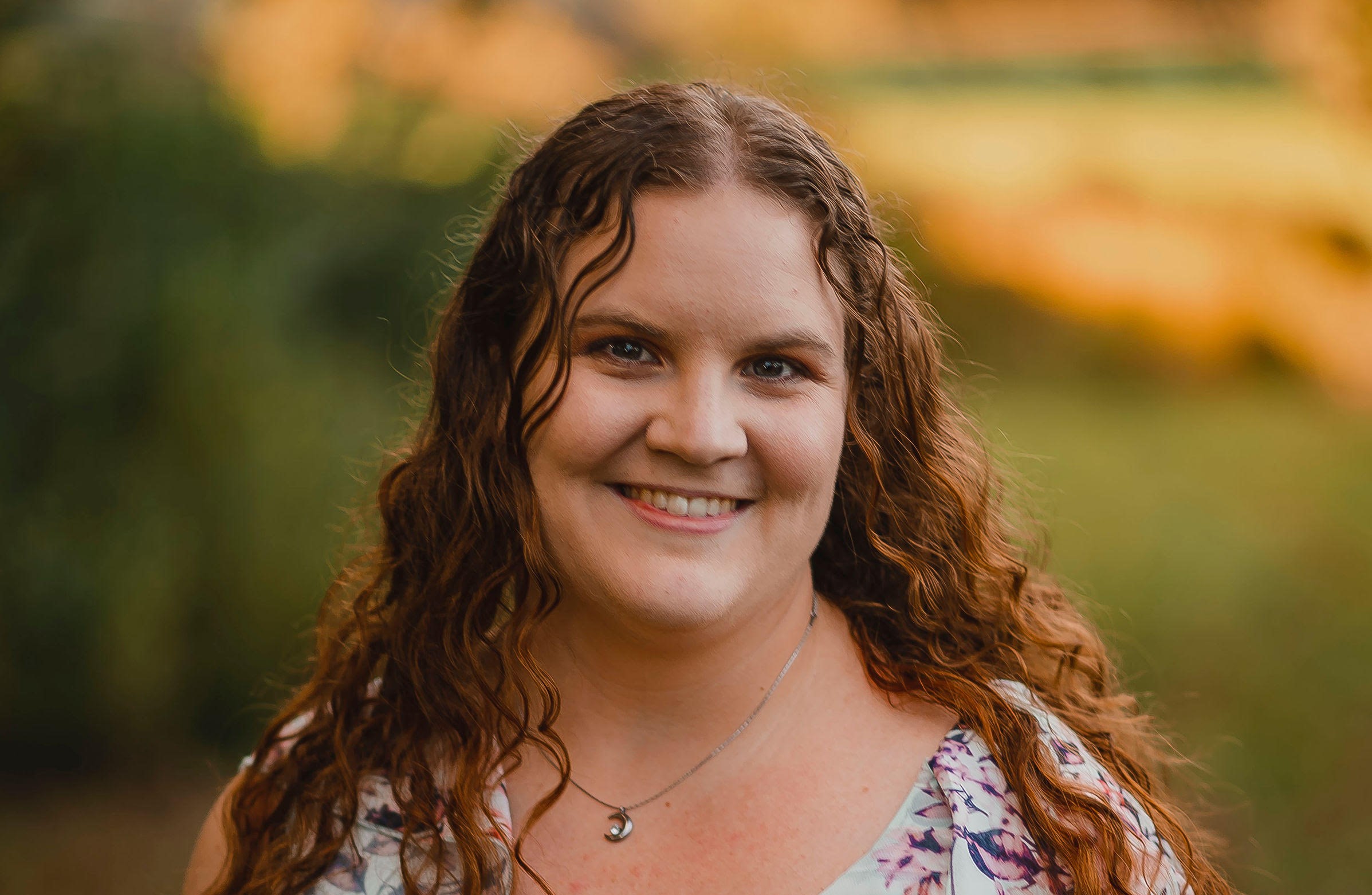



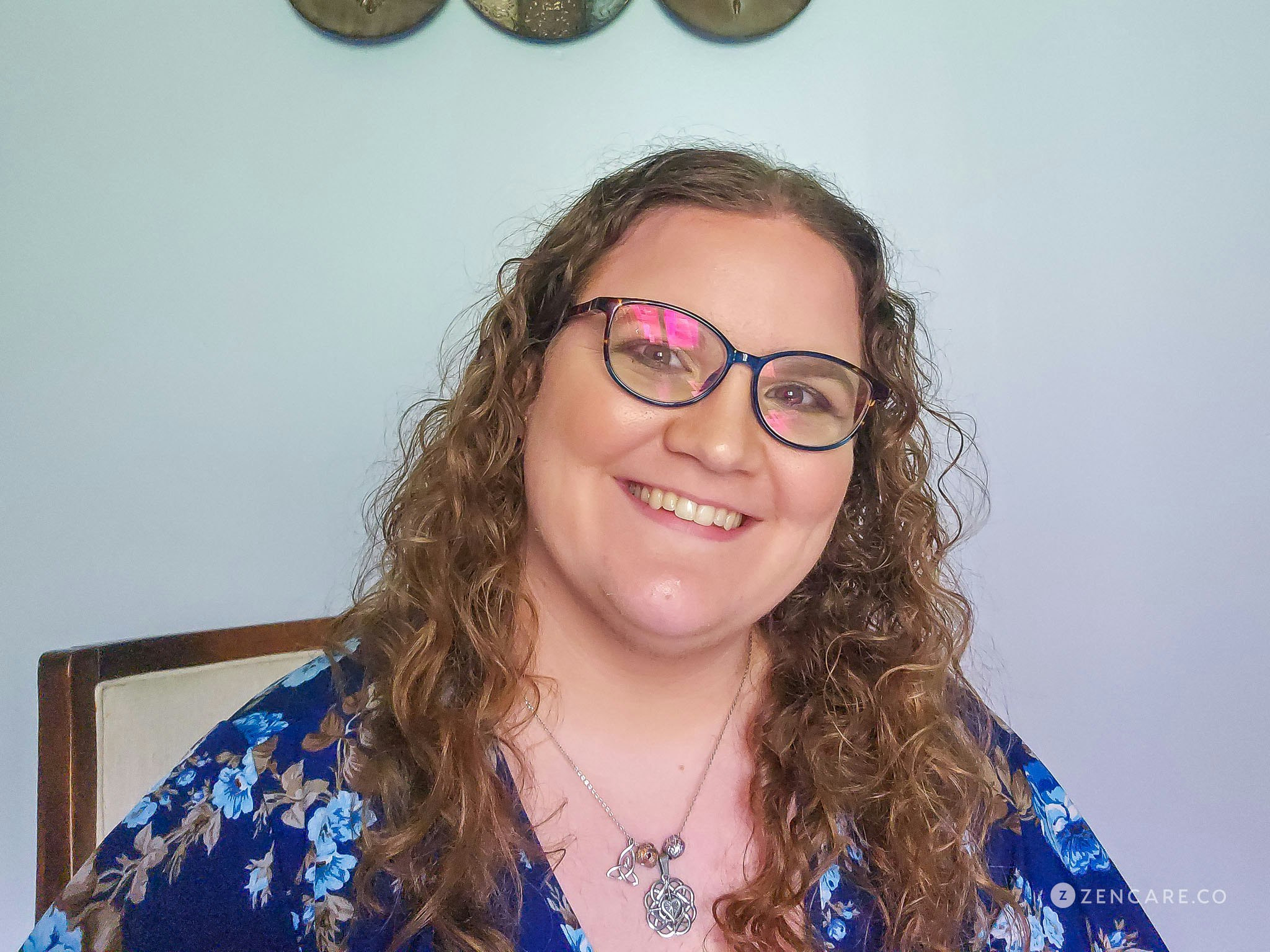
Today we’d like to introduce you to Kiara Brown.
Hi Kiara, thanks for sharing your story with us. To start, maybe you can tell our readers some of your backstory.
I was originally pulled toward the mental health field when I was 12 years old. I spent a lot of time helping my friends through difficult situations and just being there for them. I knew early on that I wanted a career where I could help people, but I also knew the medical field was not for me because I don’t handle bodily fluids or seeing people physically hurting very well. I can’t point to one exact moment that made me realize this work mattered to me. I just always felt called to help people.
My early career involved a lot of different environments and experiences that shaped the therapist I am today. During undergraduate school, I interned at one of my professor’s private practices to get a glimpse into what private practice life looked like. After graduation, I worked at a DAS program with children experiencing acute mental health issues. They would stay for 28 days before either returning home or transitioning into a higher level of care. That experience really opened my eyes to how much a person’s environment impacts their mental health.
After that, I worked at a school for children with special needs and behavioral challenges as a behavioral technician. I then moved into in-home work as a TSS, helping children and families build coping skills and emotional regulation tools. It was incredibly rewarding to watch children grow and make meaningful changes in their lives.
At the same time, I also worked at a hotel front desk while attending graduate school full time. During graduate school, I transitioned into overnight work at a group home for boys who were between foster care placements or temporarily unable to remain in their homes. Later, I moved into family-based therapy, which involved intensive in-home family work. I loved that role and stayed in it for a long time, but after the birth of my son, I needed a schedule that gave me more balance, so I transitioned into school-based and outpatient therapy work.
Every role taught me something valuable that I still carry with me today. I learned about systems work, community resources, family dynamics, crisis management, and the realities families face behind closed doors.
I opened my own practice in 2023, about a month after receiving my license. I always knew I wanted to work for myself one day, but when I first opened my practice, I was still working full time as a school-based therapist because I knew it would take time to build something sustainable.
I named my practice Lunar Counseling because I have always felt connected to the moon. Like the moon, we all go through phases in our lives, and I wanted to create a space where people felt supported through those different phases and transitions.
Over the years, my approach to healing has changed a lot. Early on, I believed we could talk and logic our way through almost anything, but the more experience I gained, the more I realized how much trauma and emotion are stored within the body. My work now focuses on helping people reconnect the mind and body together.
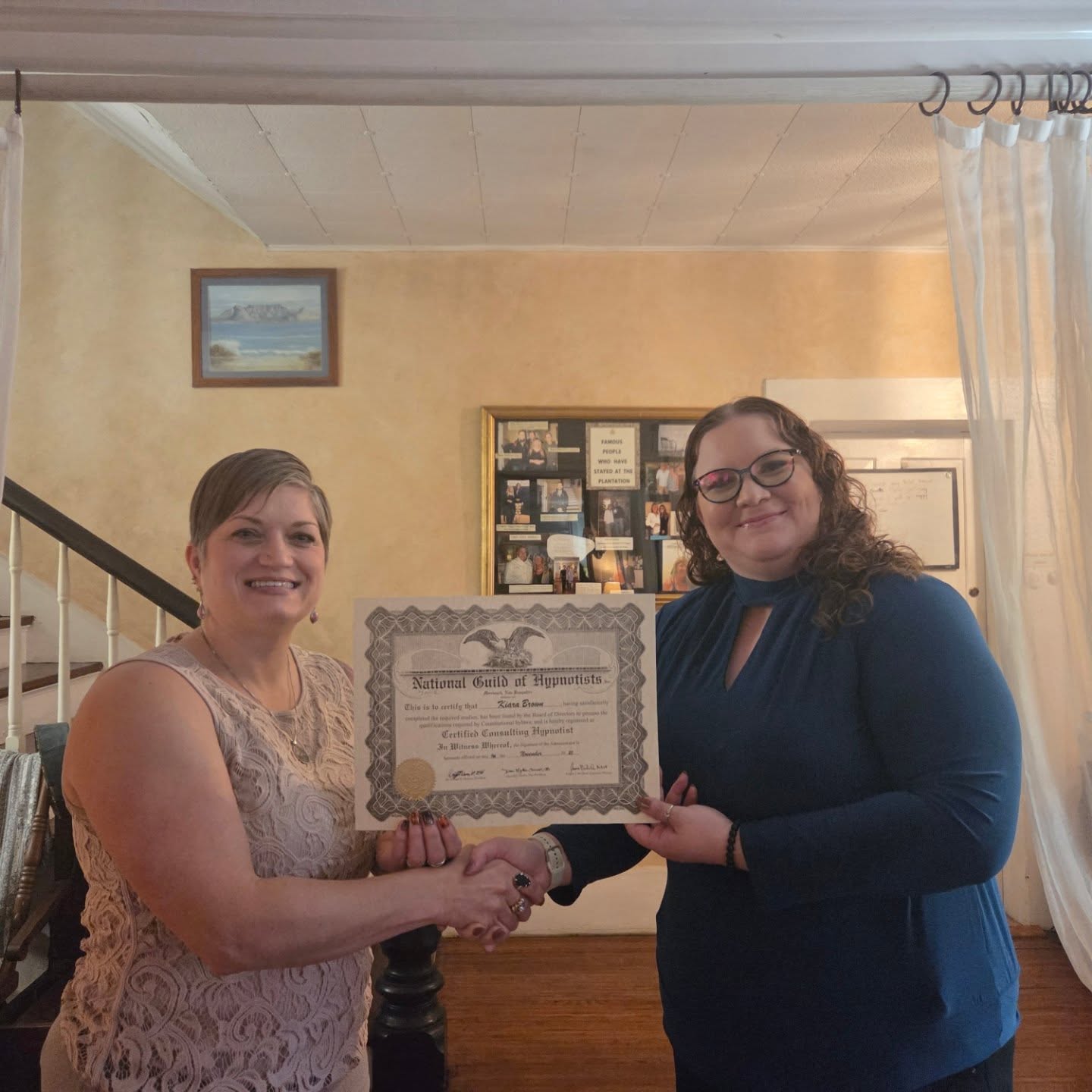
Within the last year and a half, I started integrating spirituality, embodiment, nervous system work, and hypnotherapy into my practice. A lot of that growth came from my own personal healing journey. Like many therapists, my work has evolved alongside my own growth as a person.
I also expanded into podcasting, educational content, and journaling after taking a marketing course to help grow my practice. The podcast originally started as a way to help improve SEO for myself and some of my therapist friends, but it quickly became something I genuinely fell in love with. I love connecting with other therapists and healers on a human level and learning from them.
Opening my own practice was a huge emotional leap because there was so much uncertainty around whether it would actually succeed. Graduate school teaches you how to be a therapist, but it doesn’t teach you how to run a business. I had to learn insurance billing, legal and financial systems, marketing, and everything else that comes with entrepreneurship on my own. It was a major adjustment from agency work, especially dealing with the financial instability that comes with starting from scratch.
One moment I’ll never forget was getting my first client through my own practice. It felt validating knowing someone intentionally chose to work with me rather than simply being assigned to me because I was available.
I started publicly embracing spirituality in my work within the last year because I also started embracing it more personally. At the same time, I never push those practices on anyone. I meet clients where they are, and I still do traditional therapy work as well.
At the end of the day, I think people are really looking for someone to sit in their corner, support them, and remind them they are capable of creating change in their own lives. I see myself as a sounding board for their journey, not someone who has all the answers for them.
I think the 12-year-old version of me would be incredibly proud that I never gave up on this dream.
Alright, so let’s dig a little deeper into the story – has it been an easy path overall and if not, what were the challenges you’ve had to overcome?
There have been a lot of difficult moments while building my business. I went into private practice full time before I was completely ready, but I knew eventually I had to take that leap. That created a long period of financial instability that my family and I would not have been able to manage without my husband’s support.
There were many moments where I doubted whether I could really do this on my own. I thought about returning to agency work multiple times or finding other ways to supplement my income while I figured things out. There were also a lot of professional growing pains while trying to figure out my niche and who I wanted to be as a therapist.
I honestly have not experienced a lot of pushback around blending clinical work with spirituality publicly because I never force it onto anyone. It is simply another tool in my toolbox that can be used when appropriate for the client.
Burnout has definitely been something I have had to navigate. For me, it often shows up at home when my family needs things from me immediately after a long day of sessions and I haven’t had time to decompress yet. Sometimes that makes it harder to stay fully present. Maintaining boundaries has become really important for me.
One of the biggest lessons I have learned is knowing when something is too much for me and making sure I protect time for the things that bring me joy outside of work. I try as much as possible to stick to my scheduled working hours instead of constantly pouring from an empty cup.
I think every stage of business comes with challenges. Right now, the difficult part is that I still have goals I’m working toward and I’m not fully where I want to be yet. At the same time, I’ve learned that growth often happens during the uncomfortable phases.
I also think people don’t always realize how much work happens behind the scenes. Podcast preparation, editing, creating content, maintaining a caseload of trauma clients, and still trying to remain emotionally present for everyone can be a lot. One of the hardest parts of trauma work is learning how to care deeply for clients without carrying the emotional weight of every story home with you.
Thanks – so what else should our readers know about Lunar Counseling?
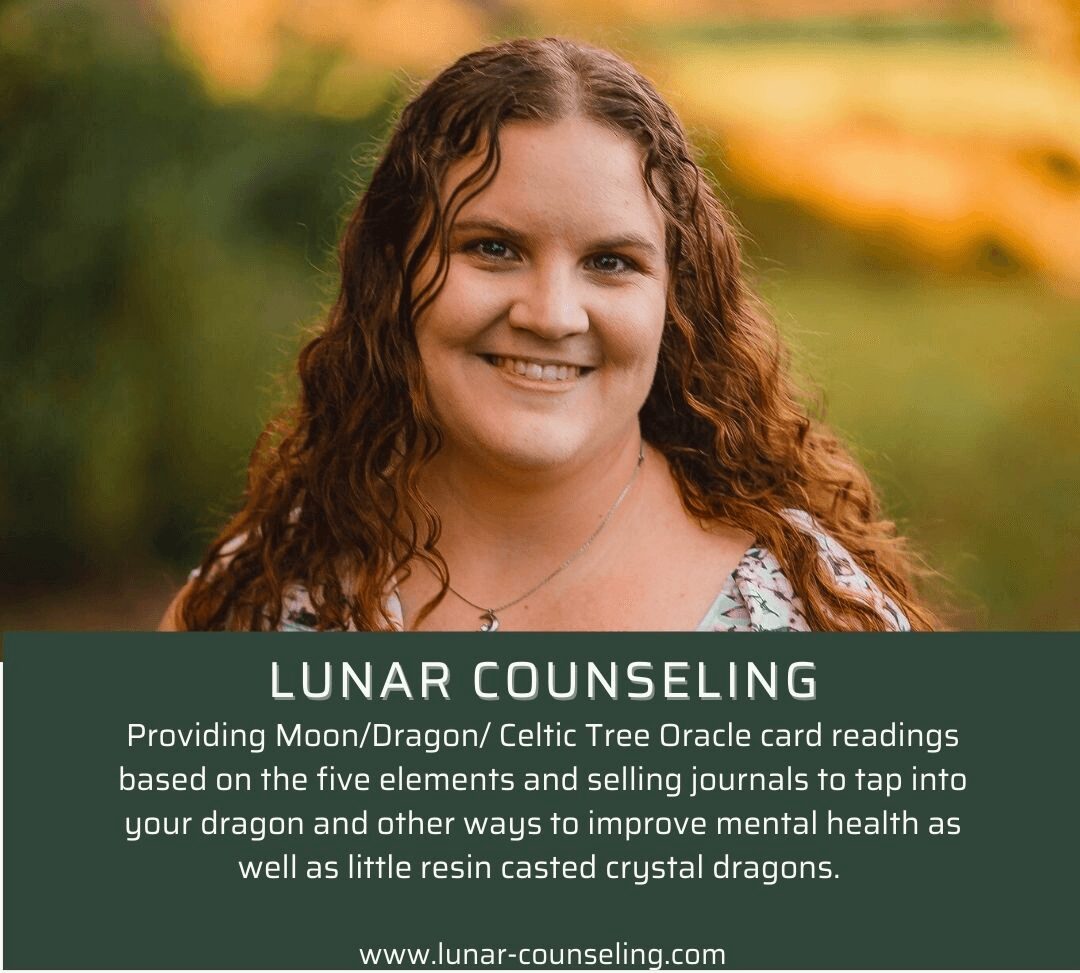
Lunar Counseling is a counseling practice that supports people who are struggling with childhood trauma, anxiety, and other difficult life experiences through both traditional therapy and intuitive practices when appropriate.
I am most known for helping clients reconnect their minds and bodies after trauma. A lot of people spend years disconnected from themselves emotionally and physically without even realizing it. My work focuses heavily on helping clients understand how trauma lives in the body and how healing often requires more than simply talking through experiences intellectually.
What makes my approach different is that I pull from many different techniques depending on the unique needs of each client. I don’t believe healing is one-size-fits-all. Some clients need very traditional clinical approaches, while others benefit from nervous system work, embodiment practices, mindfulness, or hypnotherapy alongside traditional therapy.
I’m also very down-to-earth in my approach. A lot of clients tell me they felt comfortable with me right away. I think people can tell when someone is being genuine, and I have been really intentional about building a brand where I don’t feel like I have to become a different version of myself professionally.
The body plays a huge role in emotional healing. We carry emotions in our bodies, but many people have spent years ignoring what their body is trying to communicate. Over time, that emotional suppression can start showing up physically as stress, anxiety, tension, and other symptoms. Once people begin reconnecting with themselves emotionally and physically, they can start healing from the inside out.
One of the biggest misconceptions people have about trauma healing is believing they can talk their way through it without making changes outside of therapy sessions. Therapy is important, but real healing also happens in the small choices people make in their daily lives. True healing comes from consistently doing the work outside of sessions and slowly building a life that is no longer defined entirely by past trauma.
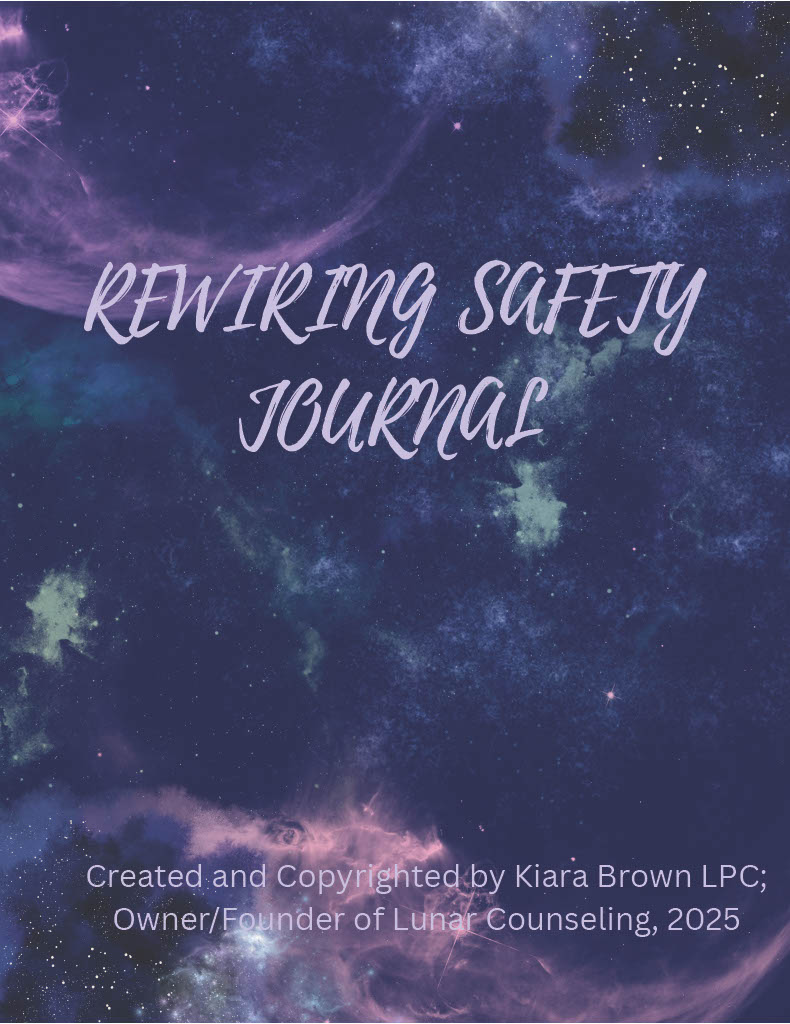
The inspiration behind my journals and educational content came from wanting to make information more accessible to people outside of therapy sessions. I wanted people to have resources they could return to on their own time.
The podcast started as a marketing idea but quickly turned into a passion project. I genuinely love having conversations with therapists, healers, and other professionals about the deeper layers of healing work and learning from their perspectives.
One of the things I am most proud of is simply being myself while building this business. I don’t change who I am when I’m with clients or when I’m recording my podcast. Seeing people connect with that authenticity has been incredibly empowering.
At the core of everything I do, I want people to feel seen, supported, and empowered in their healing journeys. I genuinely care about the people I work with and the people who engage with my content. I spend a lot of time encouraging clients to recognize their own strength and celebrating even the smallest changes they make.
I also want people to know that I pour everything I have into this business. I built it not only to help others, but also to create stability and a meaningful life for my family and children.
When clients leave my practice, I hope they walk away knowing they have the power to create meaningful change in their lives and that their trauma does not have to define who they become.
We all have a different way of looking at and defining success. How do you define success?
Building a business from the ground up completely changed my definition of success.
Growing up, I used to think success meant being perfect all the time and doing everything correctly the first time. Running a business quickly taught me that success rarely looks like that. Sometimes success is simply having one good thing happen during a difficult week and allowing that to keep you moving forward. Other times, everything feels more balanced and the pressure eases up for a while.
Now, I define success through consistency. If I continue showing up, building toward my goals, supporting my clients, and being present for my family, then I consider that success.
Work-life balance has become incredibly important to me. Being able to work for myself has allowed me to create a level of balance and flexibility that I never had while working in agencies.
The moments that remind me this work matters most are when I see clients start feeling better, reconnect with themselves, and realize they are capable of creating change in their own lives. Watching people grow and heal is what keeps me going.
I am still working toward building a fully sustainable long-term practice, but I also recognize that growth is ongoing in this field. At the same time, I am proud that I have been able to build something sustainable enough to support my family while staying true to myself and the kind of therapist I want to be.
More than anything, I hope the legacy I leave behind is the reminder that therapists are still healing humans too, and that we can support others while also continuing our own growth and healing journeys.
Pricing:
- Individual Telehealth Therapy $150
- Hypnotherapy $175
- Past Life Regression $175
- Therapy Intensives Prices Vary
Contact Info:
- Website: https://www.lunar-counseling.com
- Instagram: https://www.instagram.com/lunarcounselinglpc
- Facebook: https://www.facebook.com/lunarcounselinglpc
- Youtube: https://www.youtube.com/@KiaraBrown-LunarCounseling