


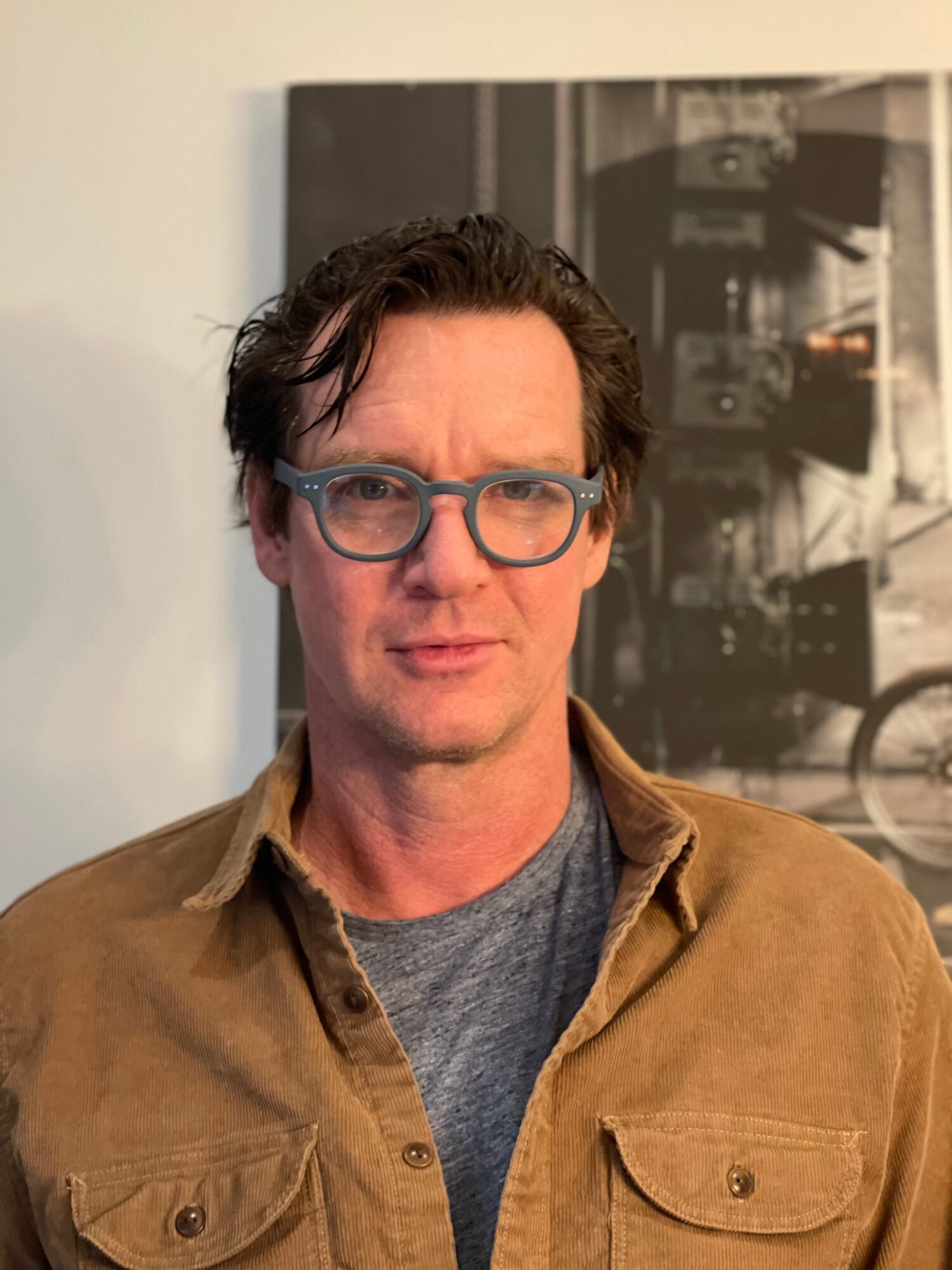
Today we’d like to introduce you to Jonas Stirner.
Hi Jonas, we’d love for you to start by introducing yourself.
Jonas Stirner: Between Studio and Institution
The distinction between artist and curator, maker and advocate, has long been porous. For Jonas Stirner, that permeability is less a strategy than a condition of practice. Working simultaneously as a sculptor and as director of Stirner Modern Gallery in Easton, Pennsylvania, he occupies two positions that continually inform one another: one grounded in the solitary labor of making, the other in the public work of constructing a space where artistic dialogue can unfold.
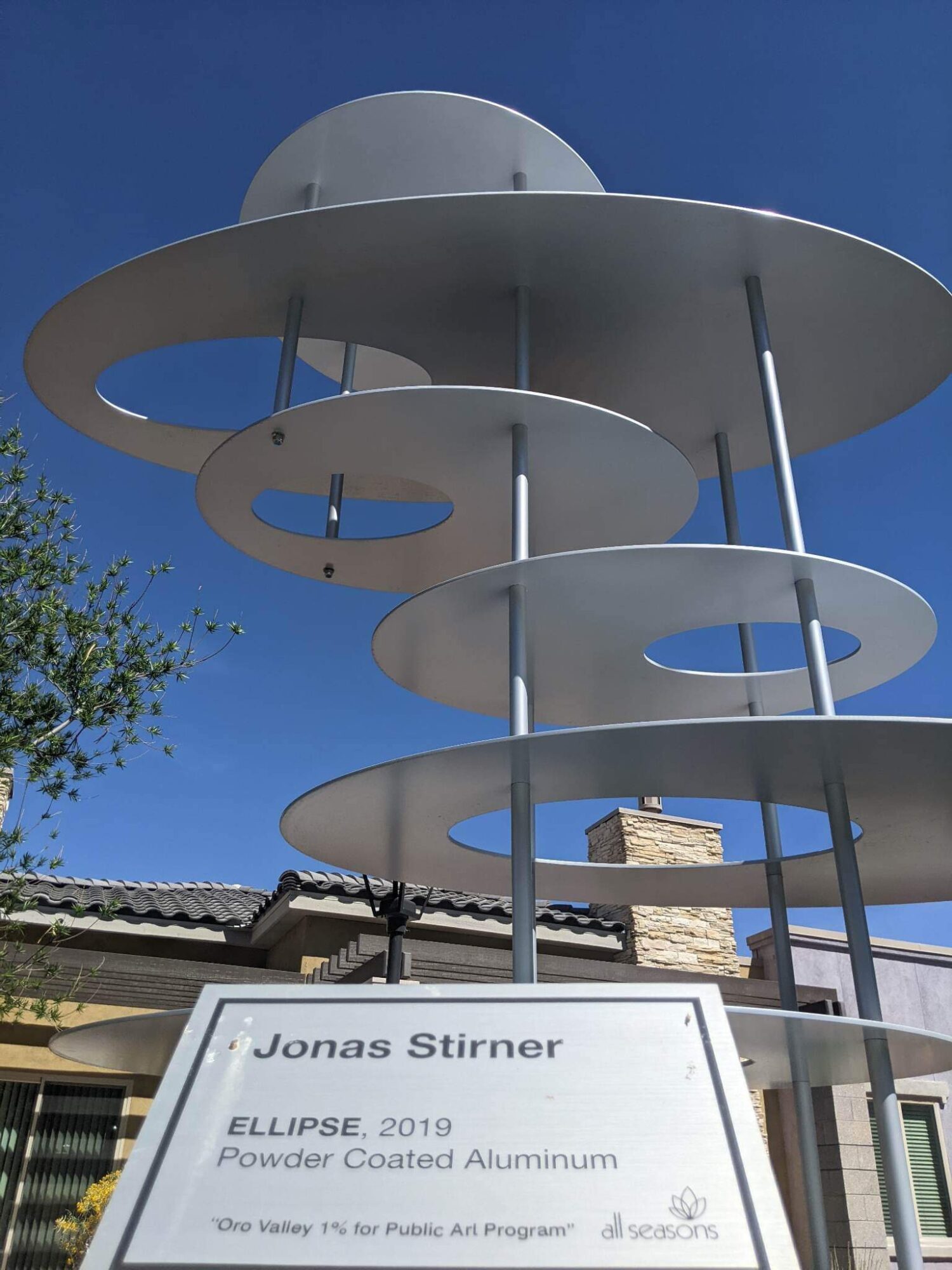
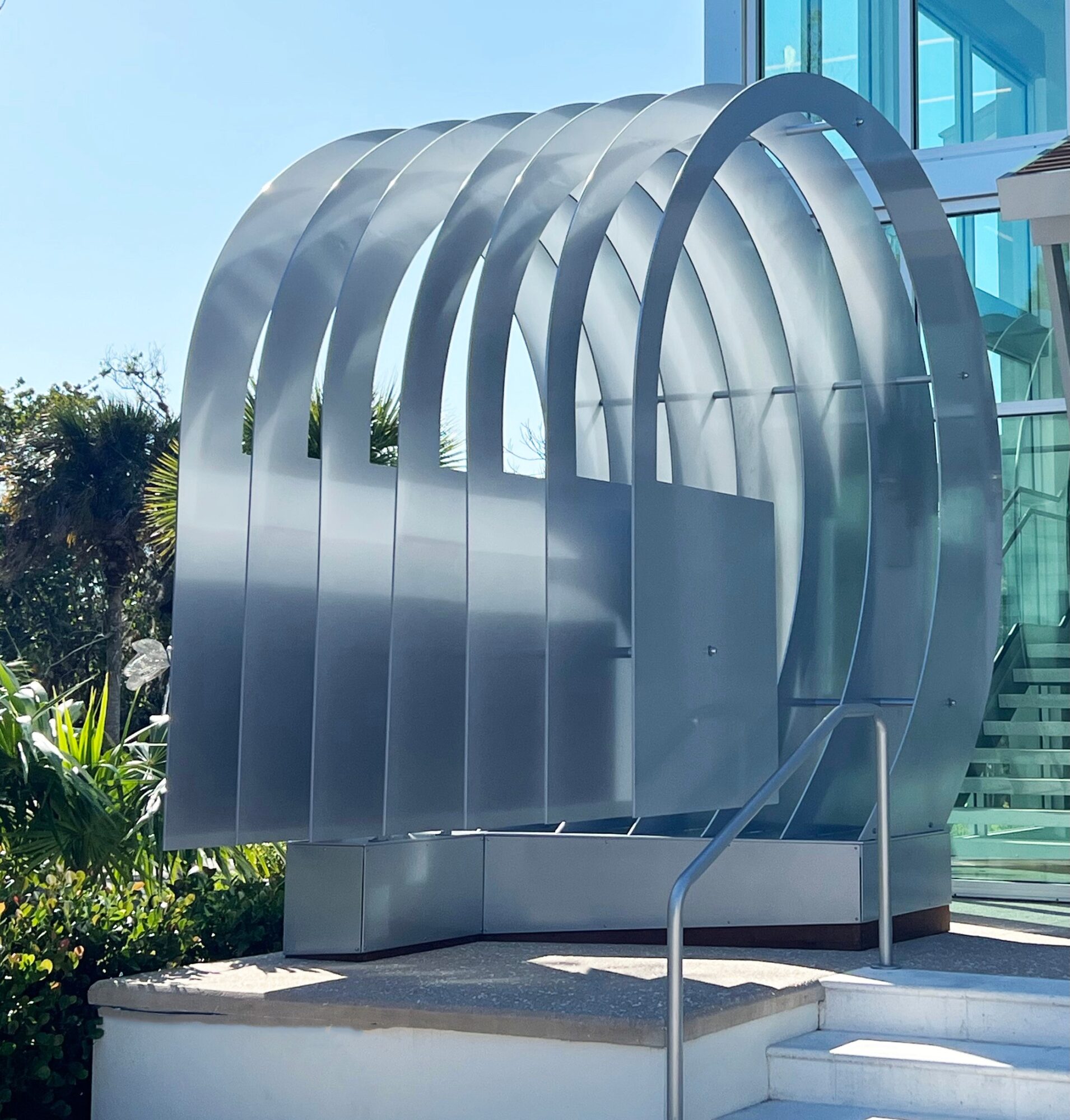
Stirner’s sculpture has consistently resisted the separation of engineering and aesthetics. Monumental in scale yet attentive to material precision, his works investigate balance, movement, and structural tension without reducing those concerns to demonstrations of technical virtuosity. Steel, aluminum, and industrial fabrication become vehicles for examining how form is experienced rather than merely observed. His sculptures ask viewers to negotiate space physically, transforming perception through movement instead of spectacle.
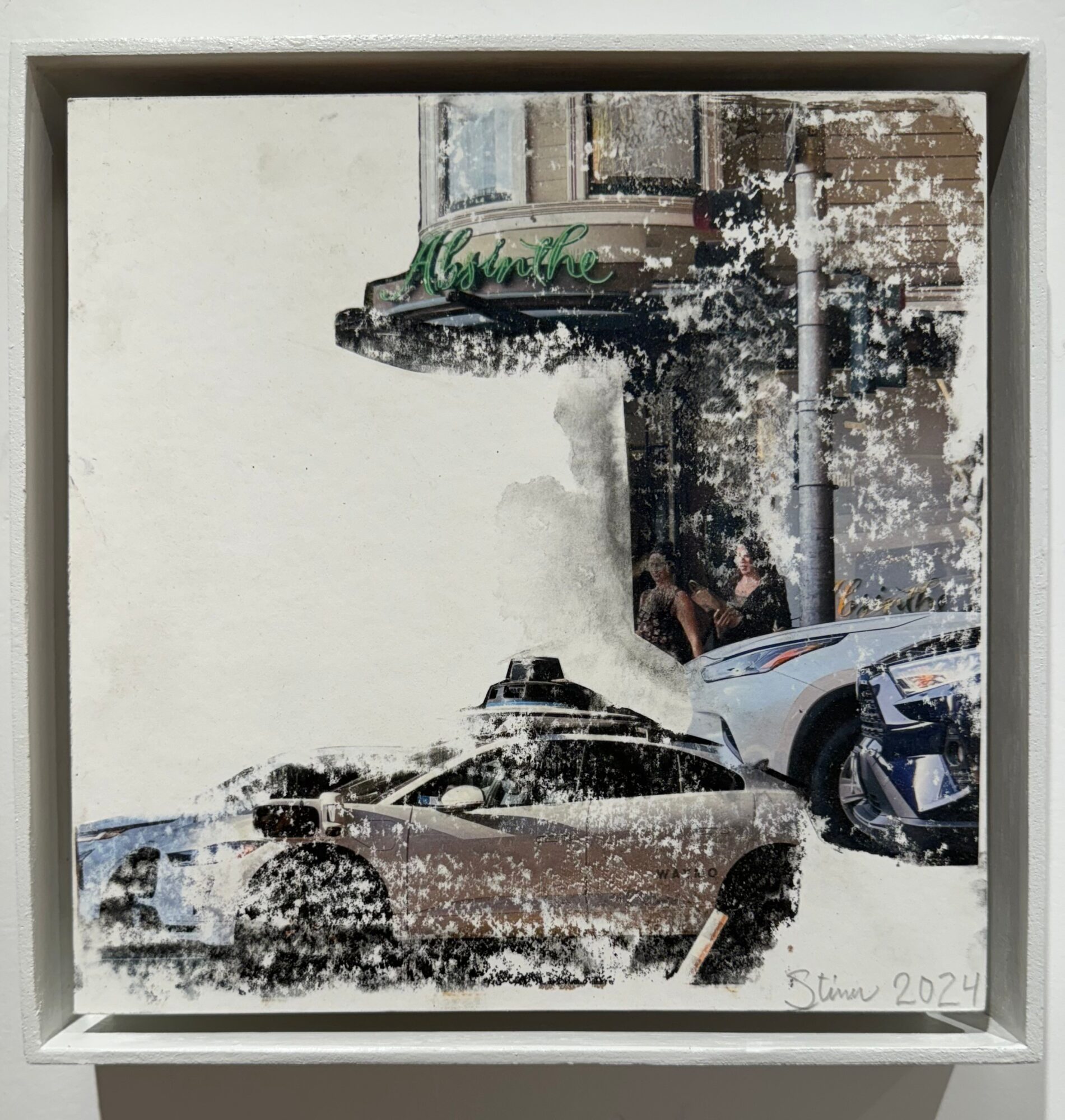
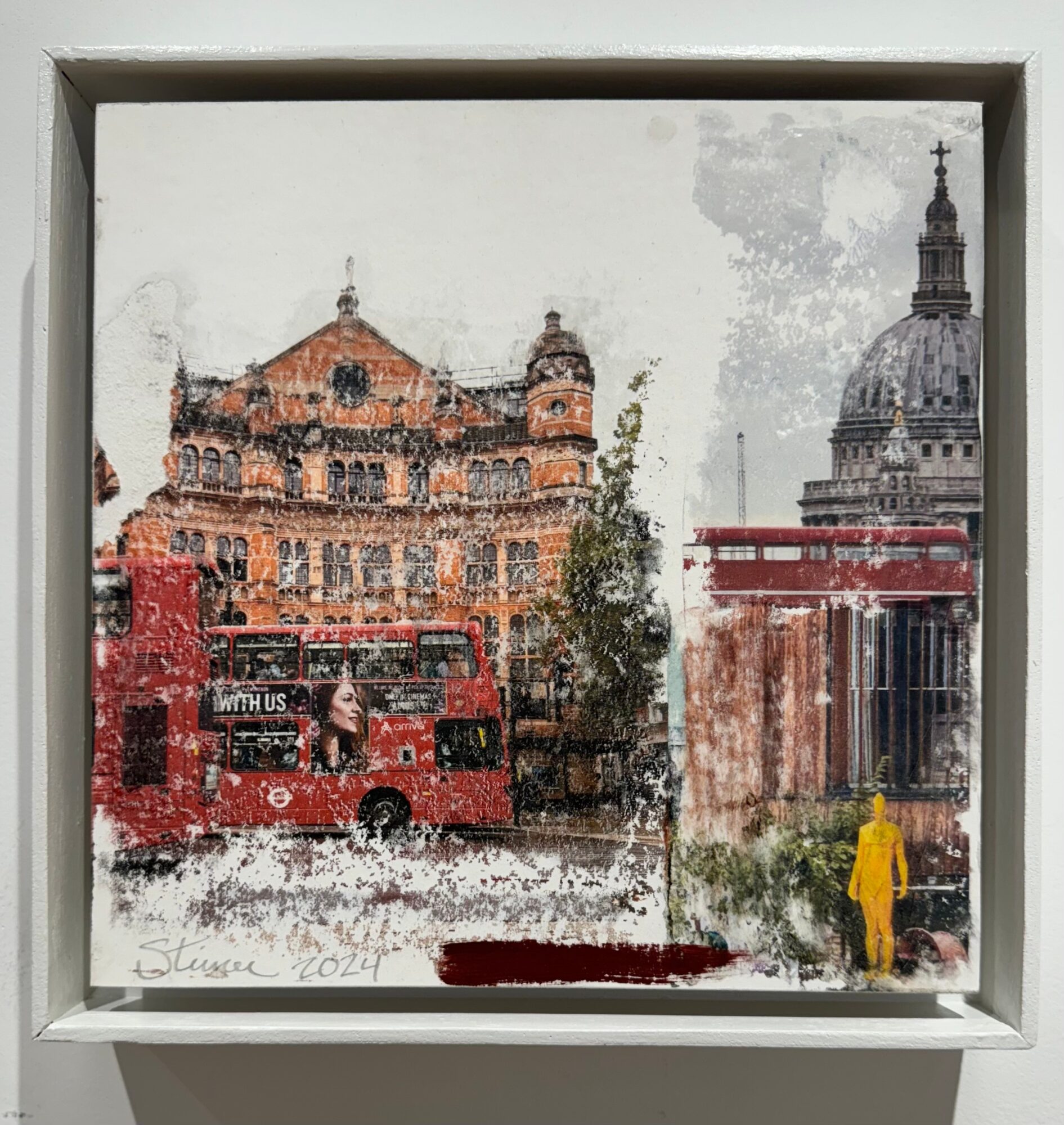
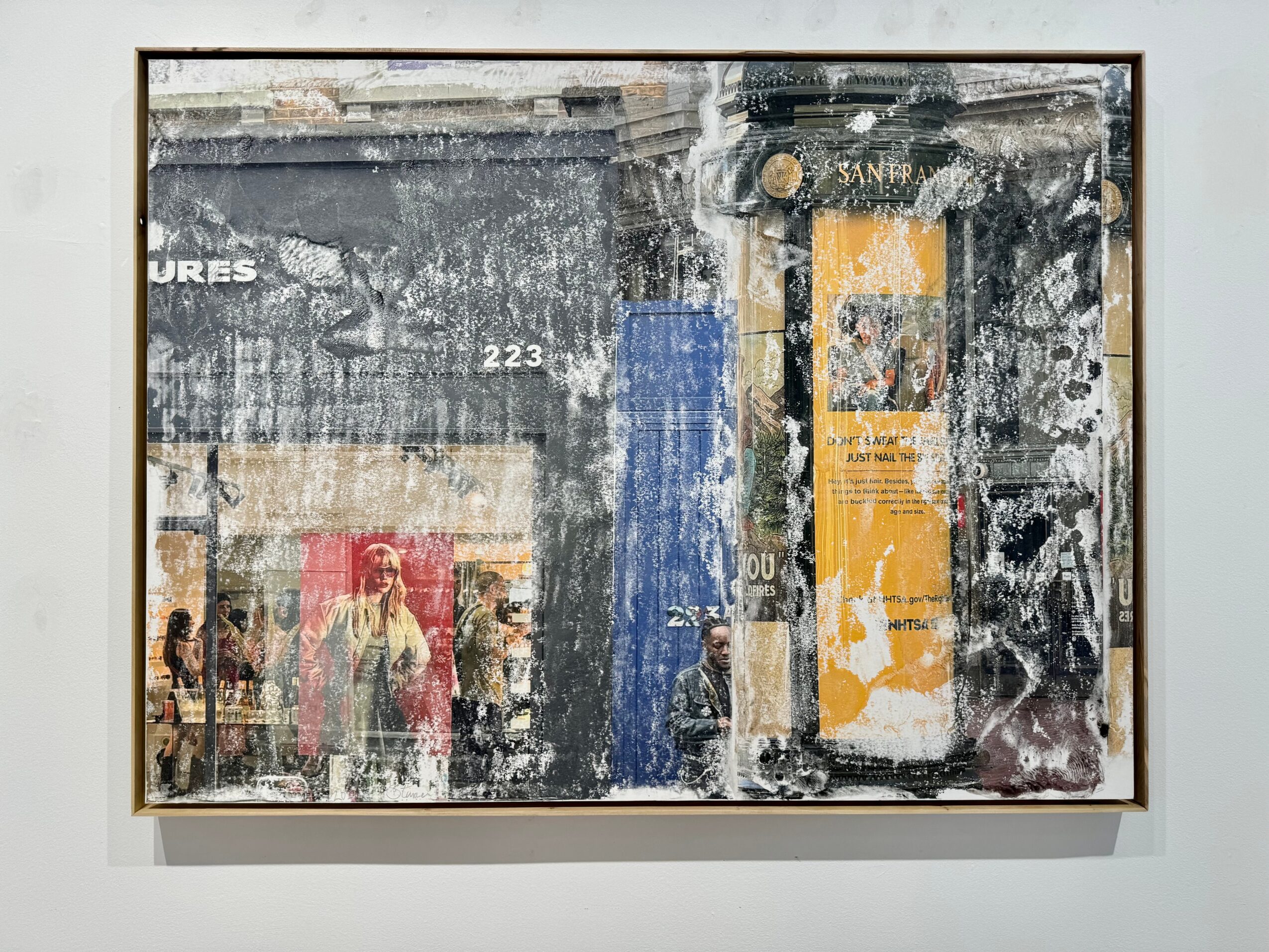
Running parallel to this body of work is his ongoing photographic collage practice. Drawn from years of travel and sustained observation, these compositions fragment architecture, landscape, and urban memory into layered visual fields that resist fixed geography. They are less documentary than archaeological, assembling traces of place into images that question permanence and invite repeated viewing.
If the studio represents one axis of Stirner’s practice, the gallery represents another. As director of Stirner Modern Gallery, he has cultivated a program that places regional voices in conversation with nationally and internationally recognized artists, refusing the assumption that serious contemporary discourse belongs exclusively to larger metropolitan centers. Easton becomes not a peripheral location but a productive site where artistic conversations can develop on their own terms.
This dual role inevitably complicates conventional ideas of authorship. The gallery is not merely a venue for exhibiting work but an extension of an ongoing investigation into how art circulates, how audiences are formed, and how cultural ecosystems sustain themselves. Stirner’s experience as a practicing artist informs an approach to exhibition-making that privileges long-term relationships over transactional visibility. Installation, architecture, and pacing become curatorial tools as significant as the works themselves.
The evolution of Easton’s cultural landscape provides an important context for this work. Once defined primarily through its industrial history, the city has increasingly become a destination for artists, collectors, and independent cultural initiatives. Stirner Modern Gallery has participated in that transformation without reducing contemporary art to an instrument of redevelopment. Instead, the gallery has maintained a commitment to rigorous programming, presenting exhibitions that reward sustained engagement while remaining open to audiences encountering contemporary art for the first time.
Underlying both Stirner’s artistic and institutional practices is an interest in continuity. Public sculpture exists within time, weather, and changing civic life; exhibitions create temporary communities around shared encounters with objects and ideas. In each case, the work extends beyond the moment of its completion, acquiring meaning through repeated experience and shifting contexts.
What emerges is less a career divided between making and directing than a single practice operating across multiple forms. Sculpture, photography, exhibition-making, and cultural stewardship become interconnected methods of shaping public experience. In an art world often structured around specialization, Stirner’s work suggests another model: one in which the artist also builds the conditions for artistic exchange, recognizing that the creation of culture depends as much on institutions, conversations, and communities as it does on individual objects.
The significance of such a practice lies not simply in the production of artworks or exhibitions, but in the sustained construction of a place where contemporary art can remain intellectually ambitious while deeply rooted in its local context. Easton, in this formulation, is neither backdrop nor exception. It is the ground from which an evolving artistic discourse continues to emerge.
Would you say it’s been a smooth road, and if not what are some of the biggest challenges you’ve faced along the way?
The path has not been without significant obstacles. Sustaining an independent gallery while maintaining an active studio practice has required constant negotiation between creative ambition and economic reality. Like many artists working outside major art centers, Stirner has navigated fluctuating art markets, economic downturns, changing patterns of collecting, and the increasing pressures facing independent cultural institutions. Balancing the demands of directing exhibitions, mentoring artists, managing the day-to-day responsibilities of a gallery, and continuing to produce ambitious new work has often meant creating opportunities where none existed. Rather than viewing these challenges as setbacks, Stirner has approached them as integral to his practice, believing that resilience, adaptability, and a long-term commitment to artists and community are as essential to building a lasting cultural legacy as the artworks themselves.
Alright, so let’s switch gears a bit and talk business. What should we know?
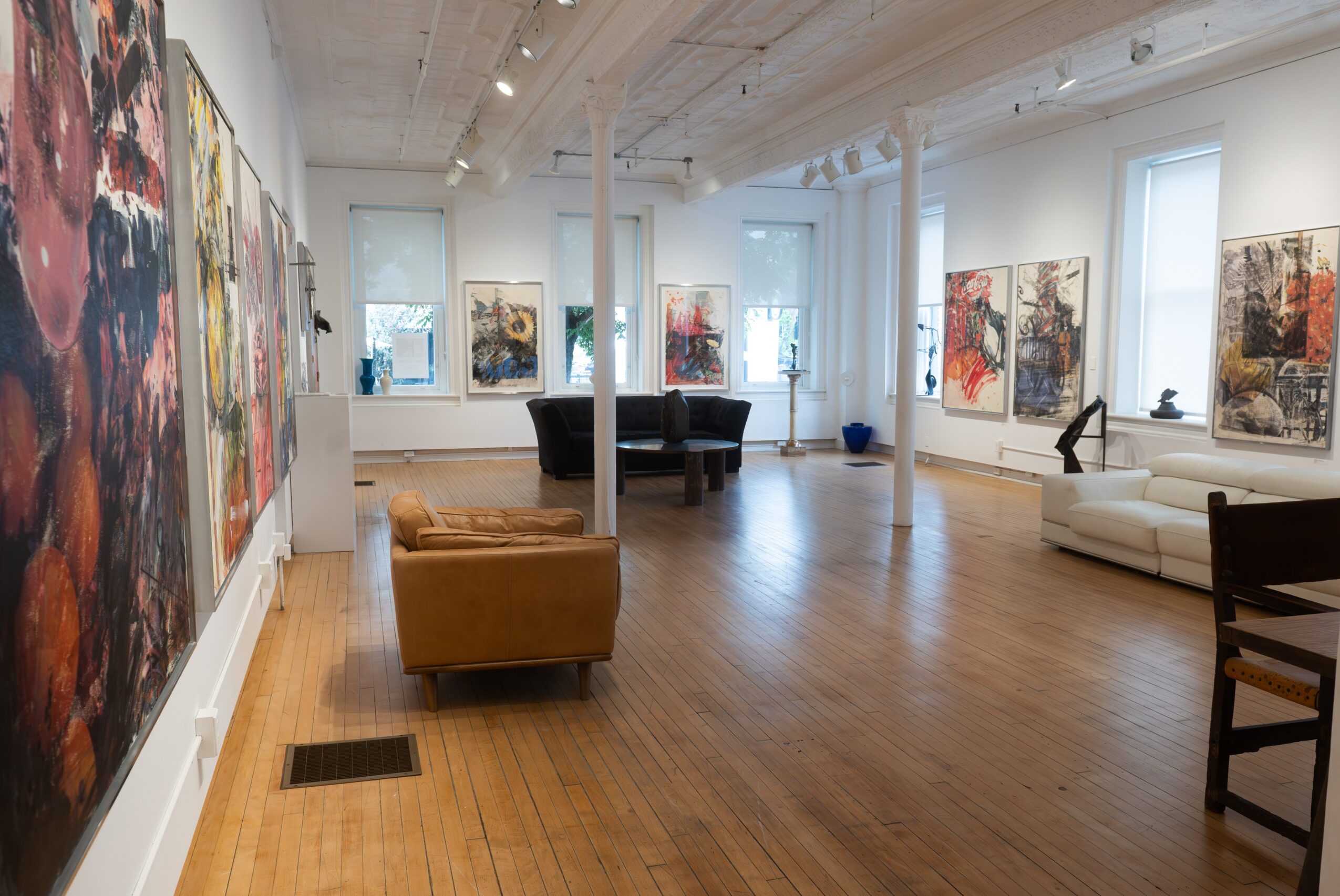
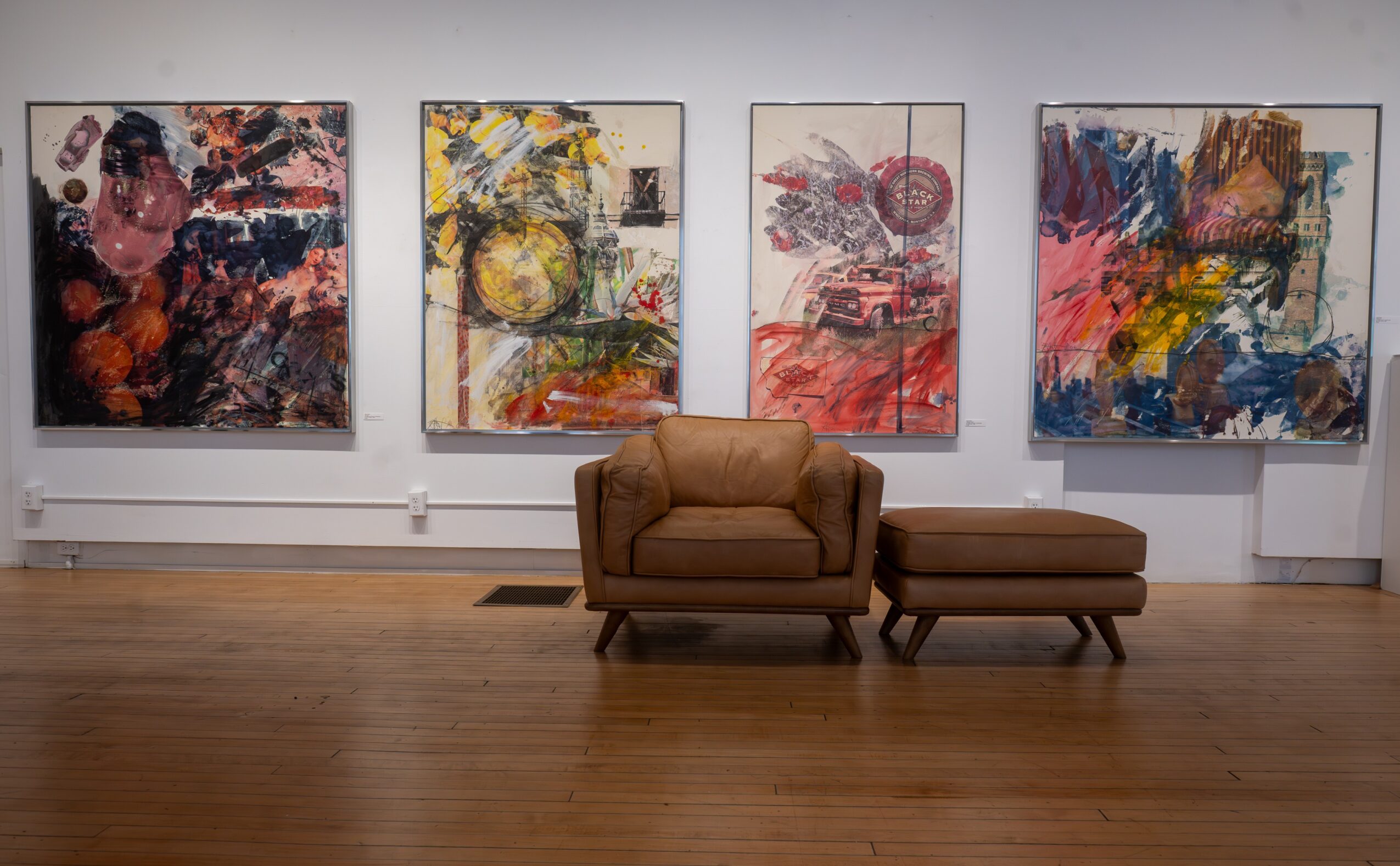
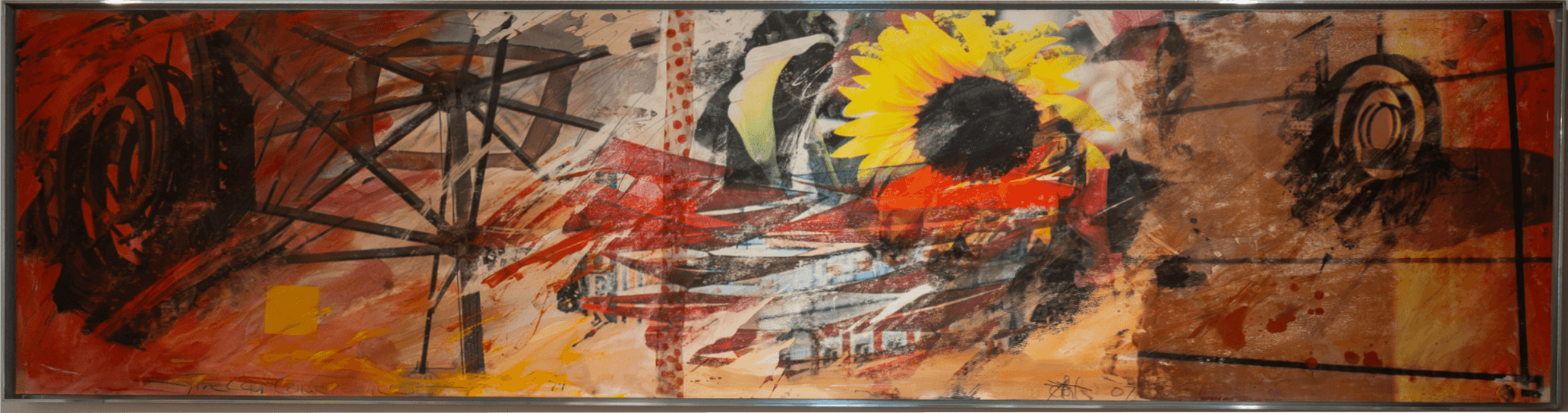
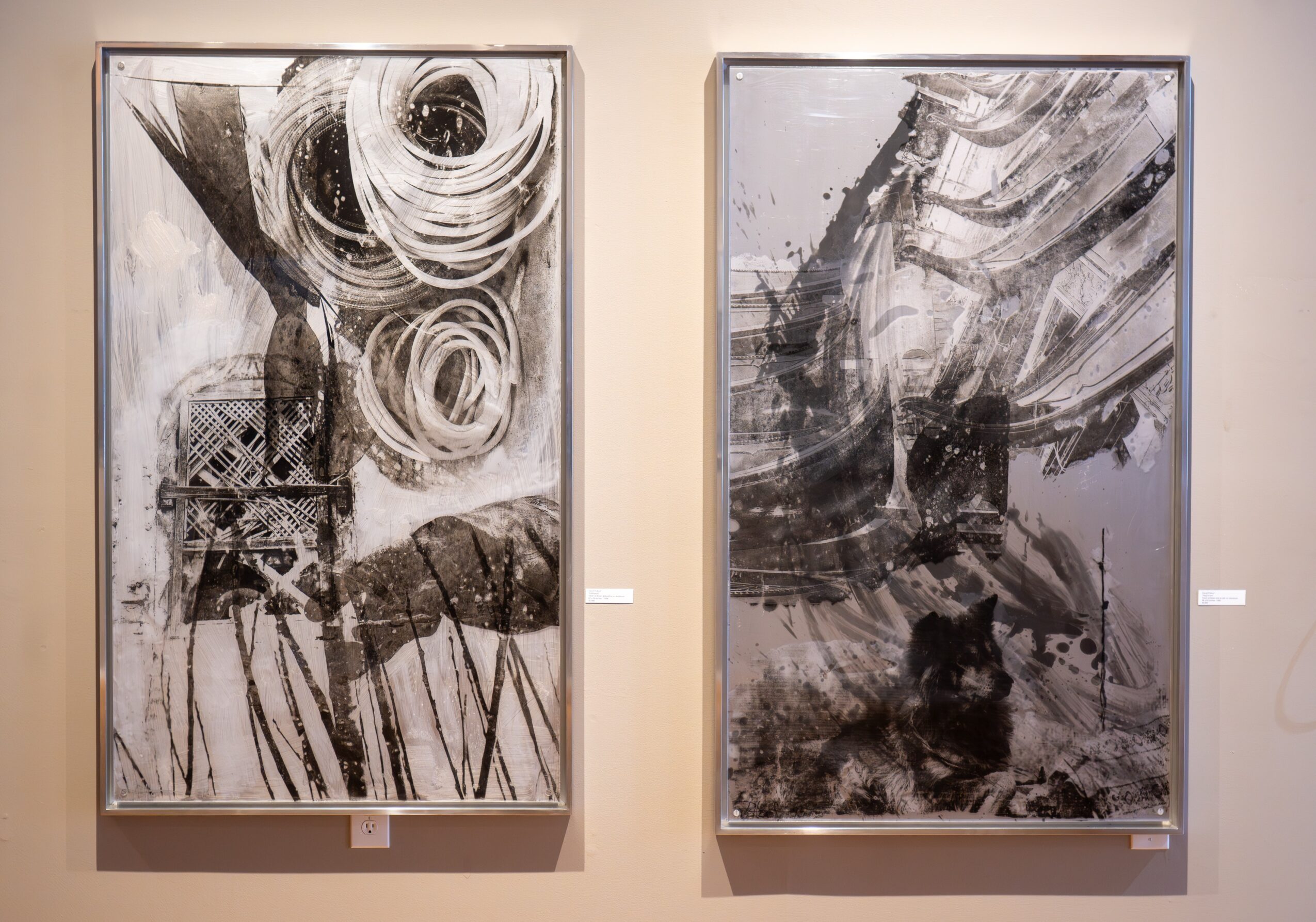
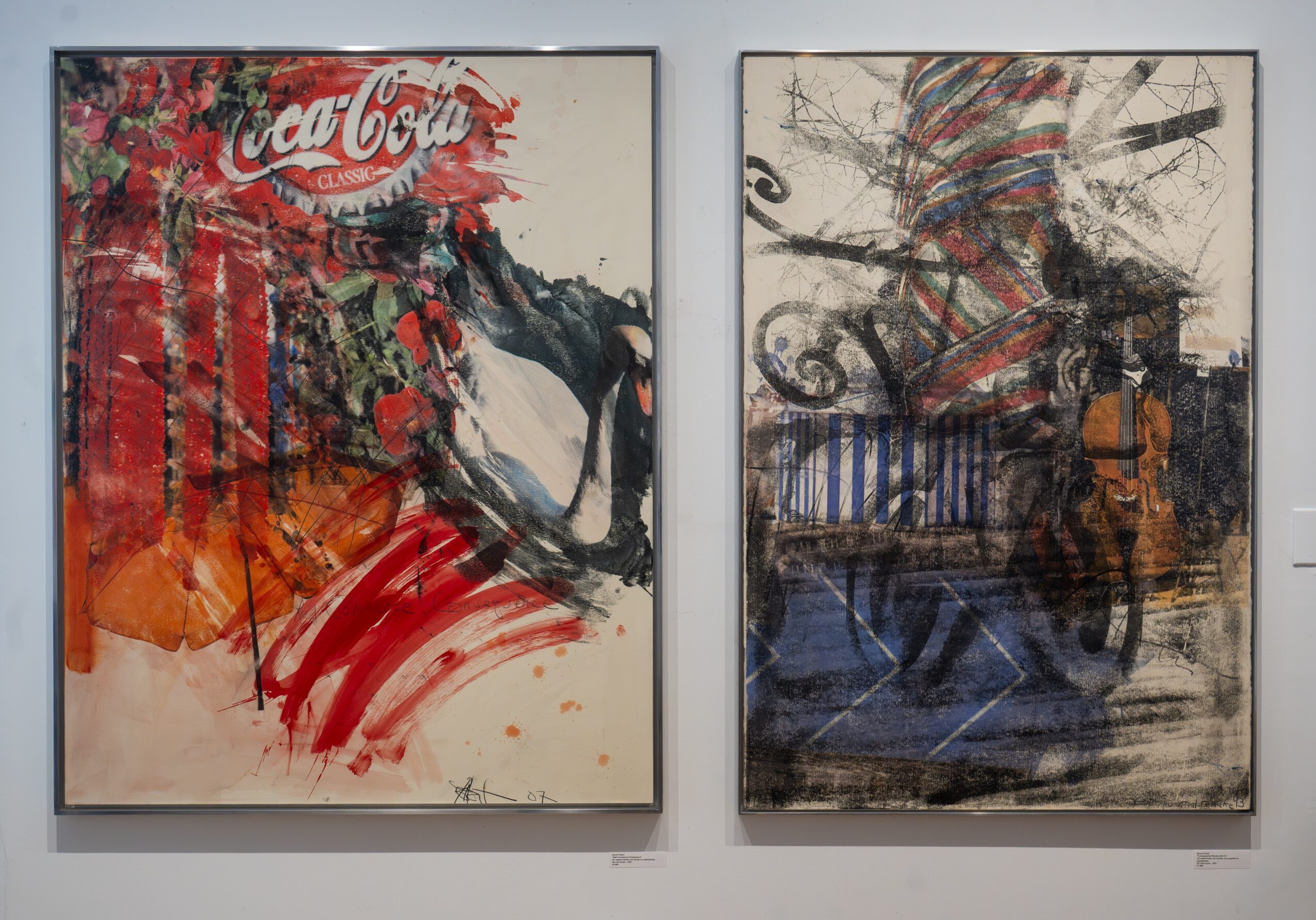
The gallery’s current exhibition, Darryl Pottorf: A Survey of Works, reflects Stirner Modern Gallery’s commitment to presenting artists whose practices have evolved through decades of sustained experimentation. Featuring a broad selection of collages, the exhibition reveals Pottorf’s distinctive visual language, where painterly surfaces, expressive mark-making, and highly energetic brushstrokes merge with bold imagery to create richly layered compositions. Moving fluidly between abstraction and representation, the works invite close examination, rewarding viewers with shifting relationships of color, texture, and form. A Survey of Works offers both a compelling overview of Pottorf’s artistic practice and an opportunity to engage with one of the most distinctive voices in contemporary collage.
Alright so before we go can you talk to us a bit about how people can work with you, collaborate with you or support you?
IF Museum Easton, Pa
Connextions Gallery Easton Pa
Art Haus Gallery Allentown, Pa
Contact Info:
- Website: https://Stirnermodern.com
- Instagram: @stirnermodern