


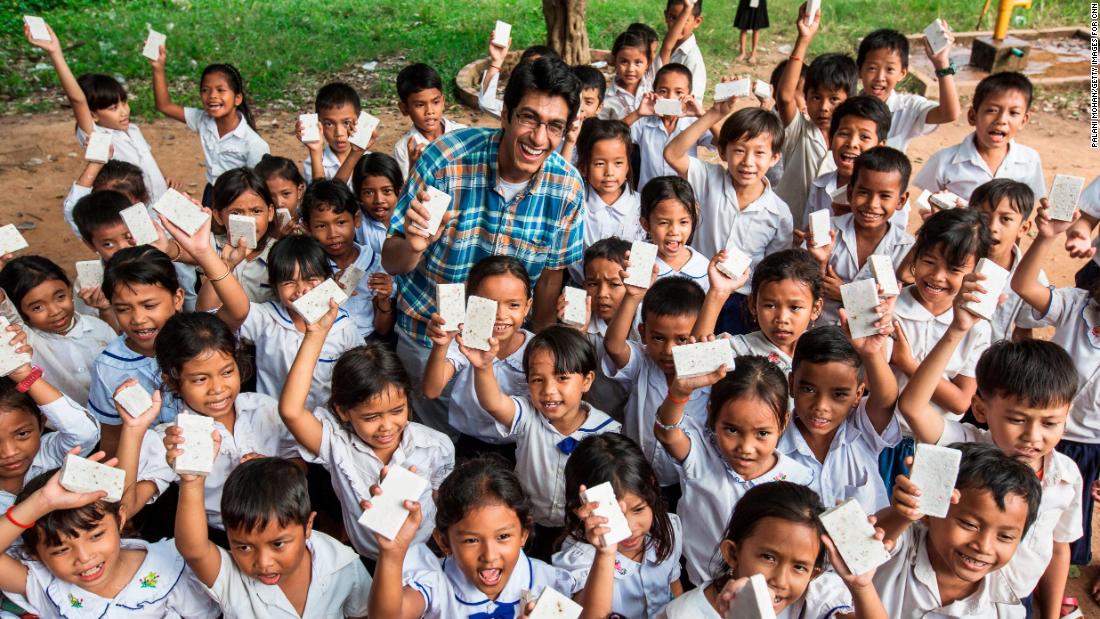
Today we’d like to introduce you to Samir Lakhani.
Alright, so thank you so much for sharing your story and insight with our readers. To kick things off, can you tell us a bit about how you got started?
Our story really starts with a single, unforgettable moment. In 2014, our founder Samir Lakhani was on a volunteer trip building fishponds in rural Cambodia when he witnessed a young mother bathing her infant with toxic laundry detergent. When he asked why, her answer stopped him cold: “Soap is too expensive.”
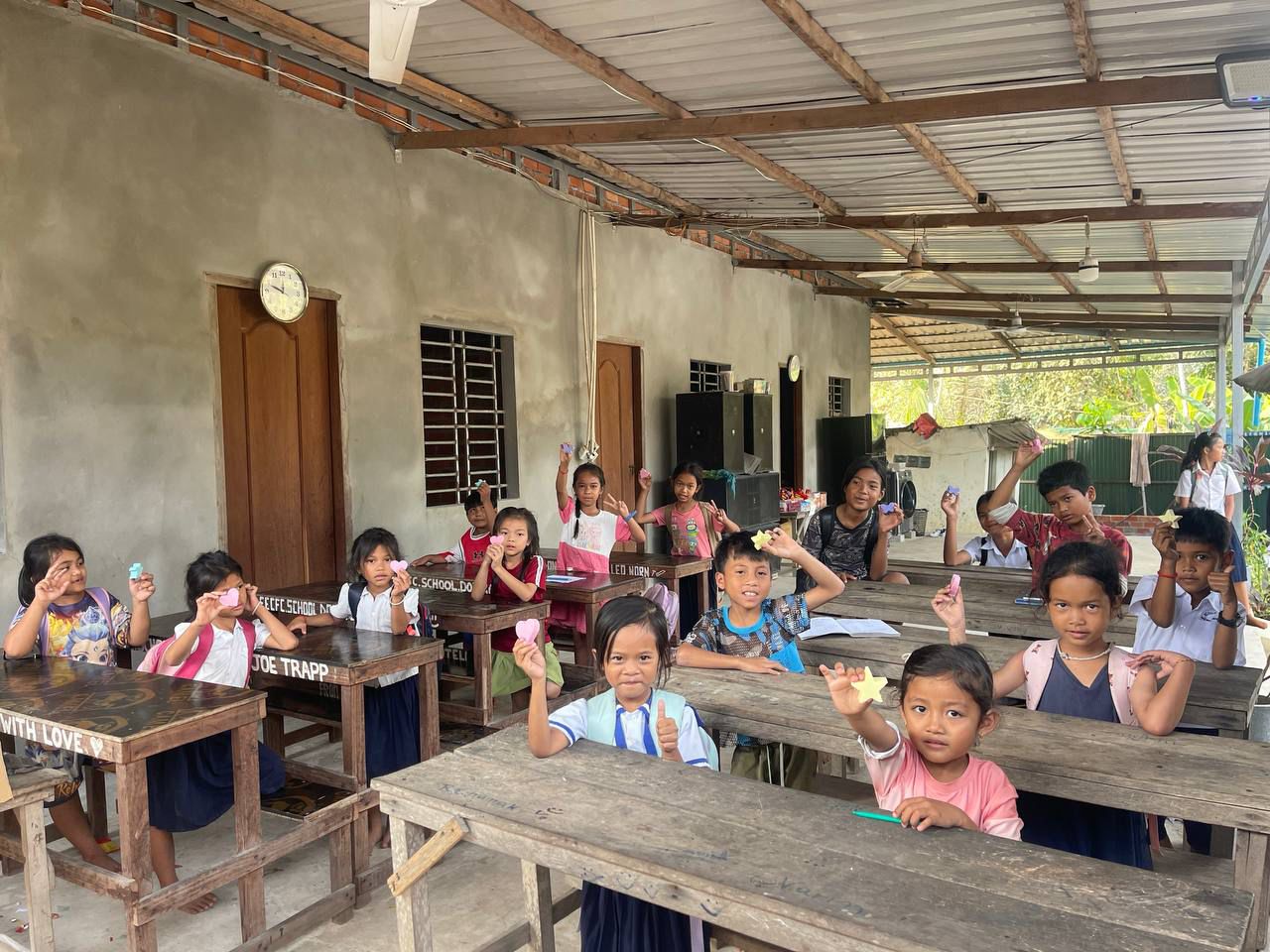
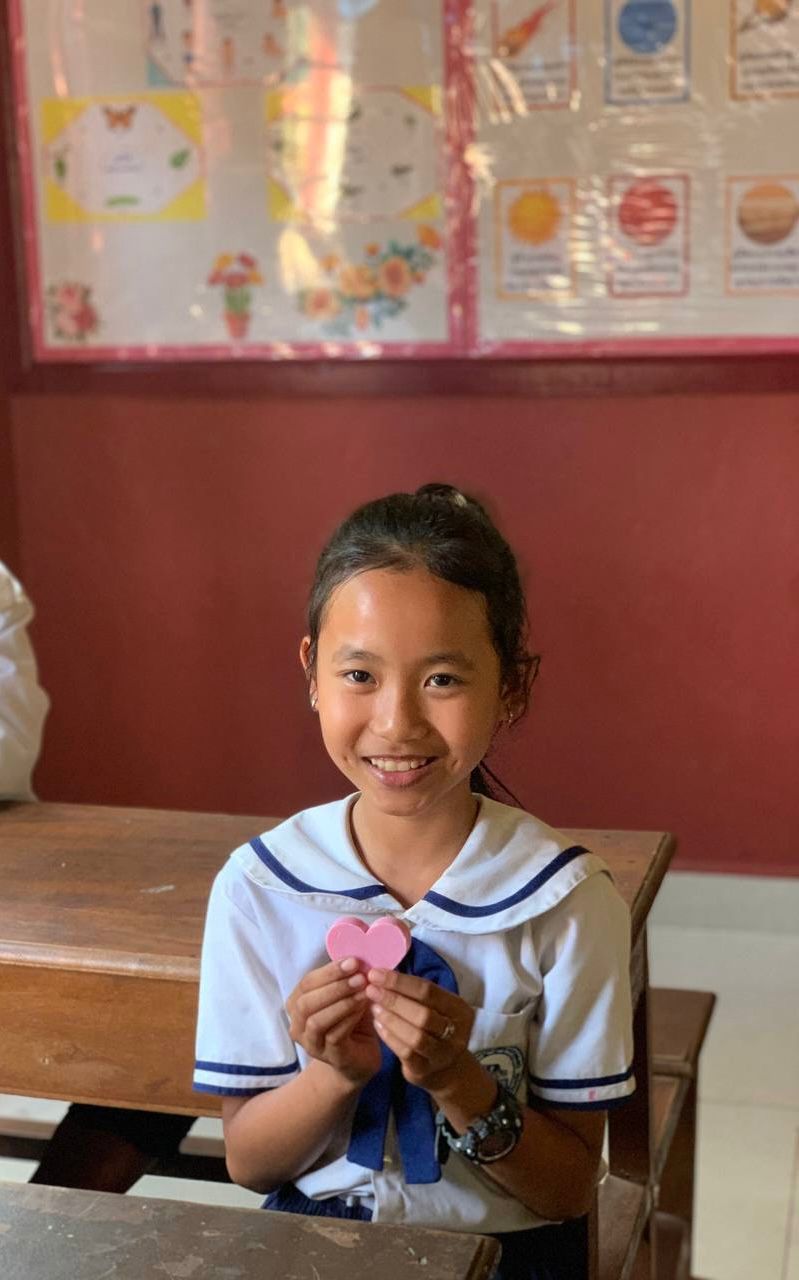
That moment revealed a paradox that was hard to ignore. Soap factories globally generate about 25,000 metric tons of soap waste every year — and it goes directly to landfills. Meanwhile, 3 billion people don’t have access to soap at home, and 800 million children don’t have access to soap at school. The product existed. It was just being buried in the ground instead of reaching the people who needed it most. Eco-Soap BankEco-Soap Bank
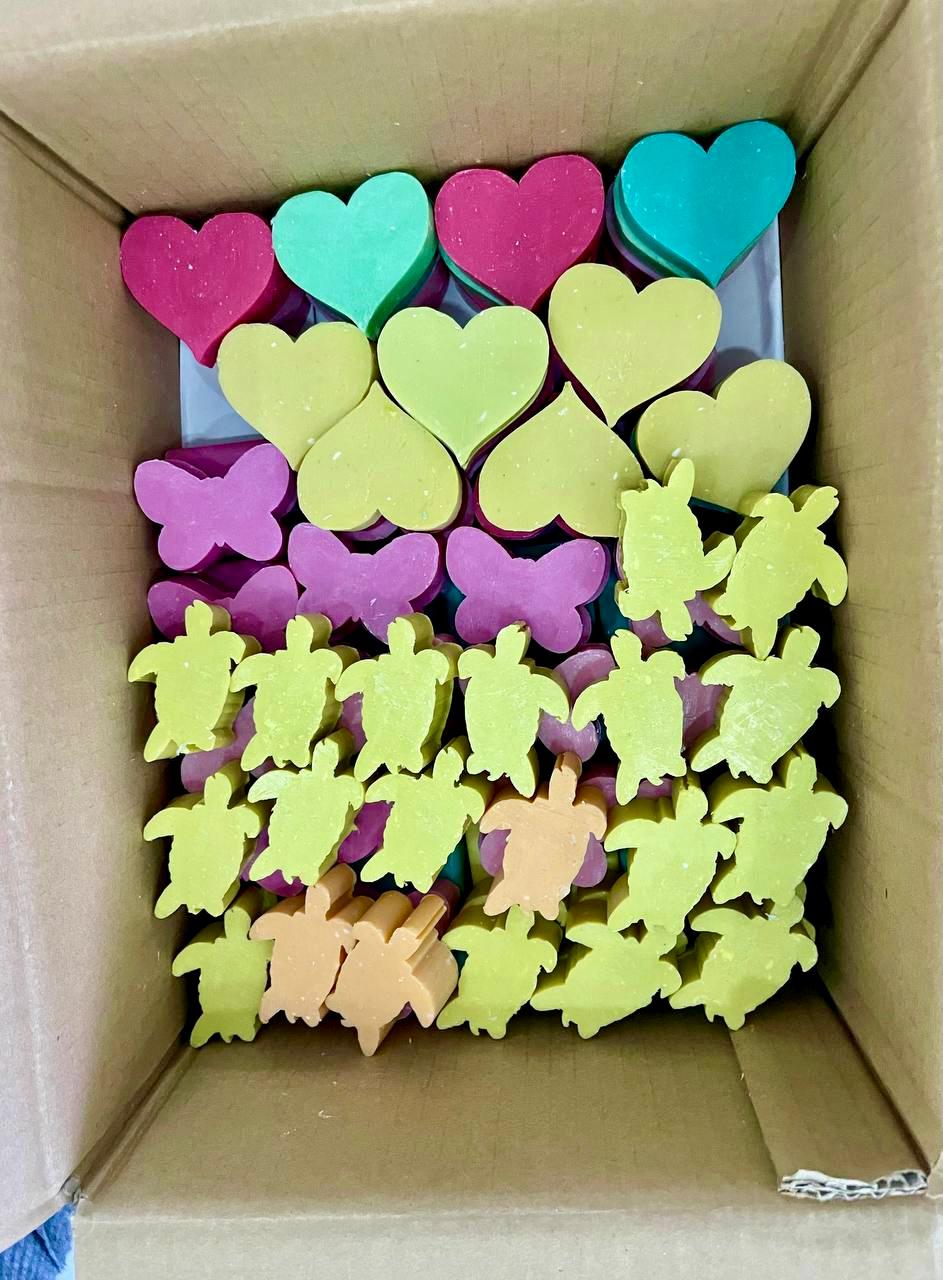
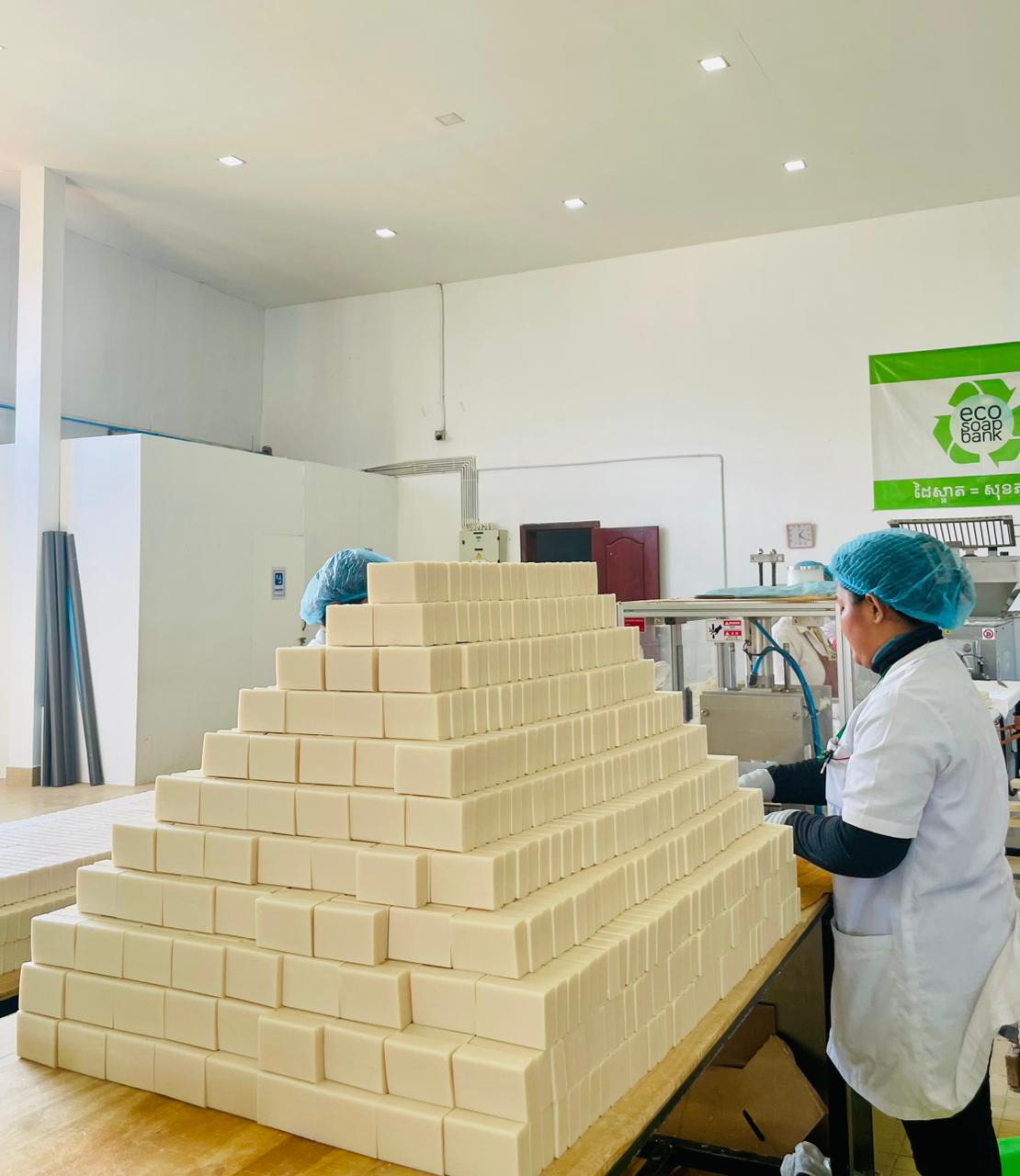
So Eco-Soap Bank was built to fix that. We partner with soap manufacturers to collect and sanitize their surplus and scrap soap, then distribute it to communities that lack access through our network of humanitarian organizations. And from the beginning, we centered the work around employing women from disadvantaged backgrounds — restoring not just health, but dignity.
Today we employ 175 women, who also serve as hygiene ambassadors in their own communities. We’re active across dozens of countries, and for every dollar invested in hygiene in the developing world, an average of $25.50 is returned — so the impact compounds far beyond the bar of soap itself. Eco-Soap BankEco-Soap Bank
Ten years in, the mission has never wavered: employ amazing women, recycle soap, and save lives. Ecosoapbank
Can you talk to us a bit about the challenges and lessons you’ve learned along the way. Looking back would you say it’s been easy or smooth in retrospect?
Scaling our supply chain was another steep learning curve. Building sustainable collection processes, refining how we work with manufacturers, and ensuring our environmental and humanitarian impact remained strong — all of that required constant iteration. It sounds simple: take soap scraps, recycle them, deliver them. But doing that reliably across multiple countries and cultures is genuinely hard. Ecosoapbank
Then there were the crises we couldn’t control. The Ukraine crisis alone created a two-fold pressure — increasing demand from organizations operating in Poland and Ukraine, while simultaneously stretching demand at other existing humanitarian crises worldwide, including the Rohingya refugee crisis. Demand surges like that test every part of your organization. Charity Navigator
Capital was also a real barrier to growth. It wasn’t until we won the Lead2030 Challenge in 2022 that we were able to invest in recycling equipment that tripled our processing capacity and helped us break even from core operations. Without that, we simply wouldn’t have had access to that kind of capital. Ecosoapbank
But here’s what I’ve come to believe: nonprofit organizations and their leaders are committed to the idea that their efforts may stop, halt, or pause — but they persist. The struggles shaped us. They made us more resourceful, more resilient, and honestly, more certain that this work has to be done.
Appreciate you sharing that. What should we know about Eco-Soap Bank?
“We are a nonprofit organization that employs women across Africa and Asia to recycle soap scrap into new bars and distribute to people who need them.”
Before we let you go, we’ve got to ask if you have any advice for those who are just starting out?
Just start! Don’t get caught up in the business plan stage!
Pricing:
- .38 usd
- If you would like to distribute soap to US food banks or charities, please reach out to us
Contact Info:
- Website: https://ecosoapbank.org
- Instagram: https://www.instagram.com/ecosoapbank/?hl=en
- Facebook: https://www.facebook.com/ecosoapbank/
- LinkedIn: https://www.linkedin.com/company/ecosoapbank/
- Youtube: https://www.youtube.com/channel/UCP2oIuA1WNTzhVlMe551d-g