


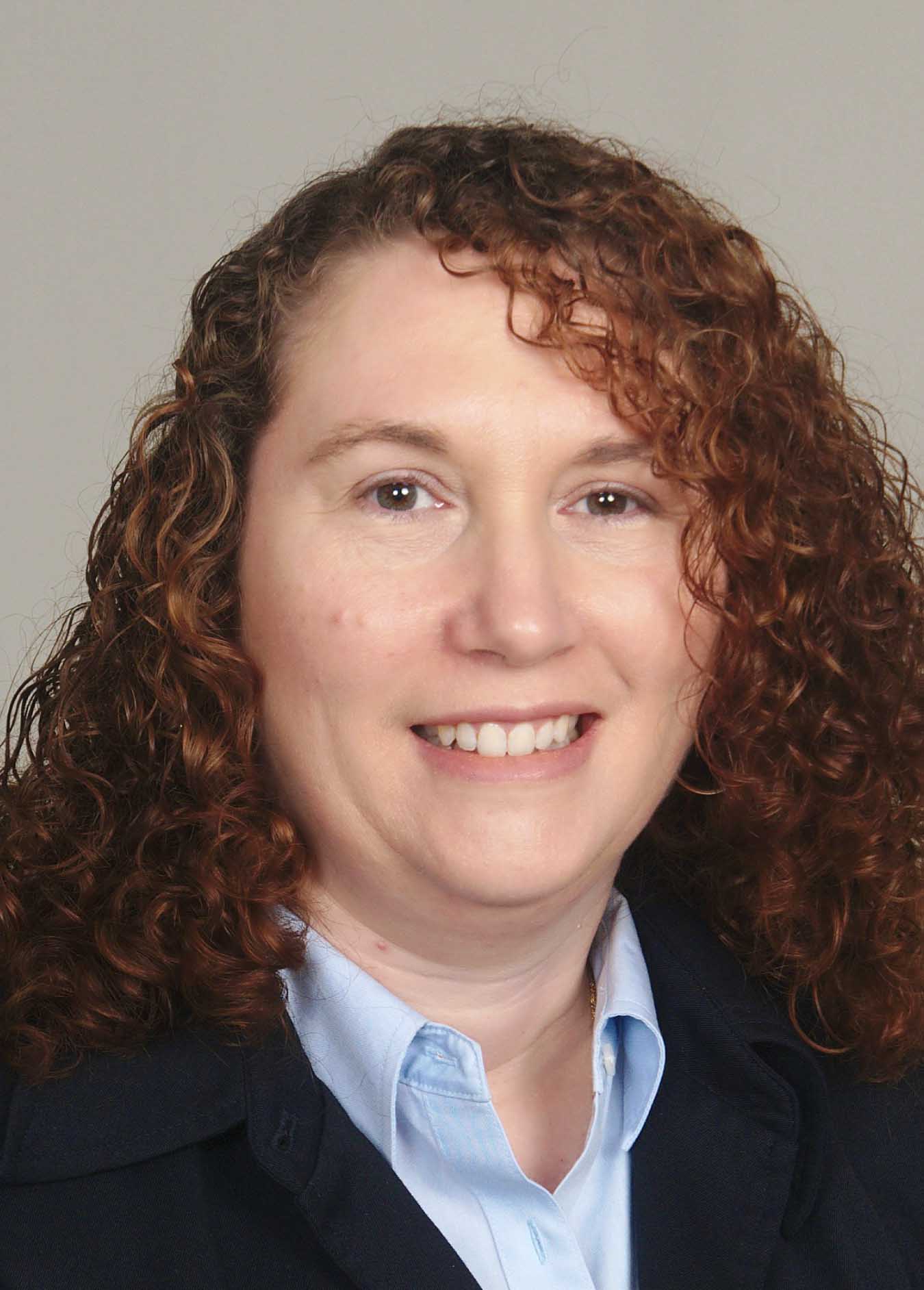
Today we’d like to introduce you to Michelle Rupp.
Hi Michelle, thanks for joining us today. We’d love for you to start by introducing yourself.
My path to founding All Good Pets really began in early childhood. From birth until about age three, my family lived in a rented house on a farm. I spent much of my time following the barn cats around, trying in my own small way to “treat” them when they were sick or injured. Even at that age, I was deeply drawn to animals and to the idea of helping them feel better.
That early connection stayed with me as I grew. I went on to attend Penn State University, where I earned a degree in Animal Bioscience with a minor in Microbiology, and later graduated from the University of Pennsylvania School of Veterinary Medicine. Early in my professional career, I spent a decade working in the pharmaceutical industry as a laboratory animal veterinarian, advocating for improved welfare standards and helping research programs focus more intentionally on comfort, function, and humane care.
My life and professional direction took an important turn with the birth of my daughter. We soon learned that she had a congenital difference that would require significant developmental support. I made the decision to step back from that phase of my career so that I could focus more fully on helping her grow, learn, and navigate the world.
During those years, I spent countless hours participating in physical therapy, occupational therapy, and other rehabilitative services alongside her. Through this experience, I began to recognize how powerful movement-based therapies and functional support strategies could be — not just for people, but for veterinary patients as well. I witnessed firsthand how thoughtful therapeutic intervention could improve confidence, mobility, independence, and overall quality of life.
This realization inspired me to pursue advanced training in veterinary rehabilitation, medical manipulation, and integrative pain management. I began developing creative, individualized approaches to helping animals manage mobility challenges and chronic pain. Much of what would later become the philosophy behind All Good Pets grew directly out of this deeply personal period of learning, advocacy, and innovation.
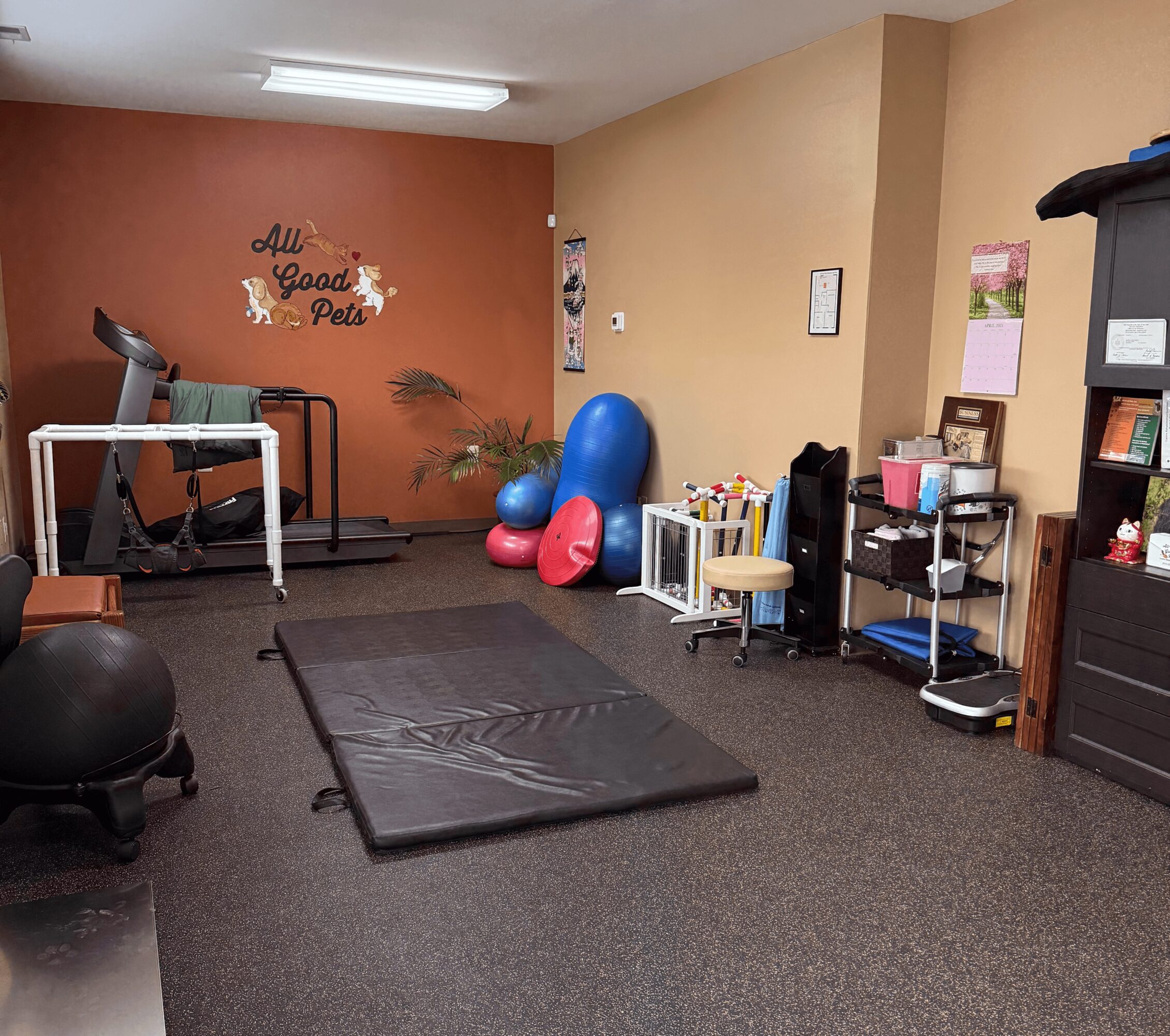
What began initially as a behavior-focused practice gradually evolved into a house-call service providing in-home euthanasia, acupuncture, pain management, and rehabilitation support. Over time, as awareness and demand for integrative care grew, the practice transitioned into a dedicated veterinary rehabilitation and Creative Movement Therapy center.
Today, All Good Pets focuses on helping animals remain mobile, engaged, and comfortable throughout every stage of life. We combine physical rehabilitation, acupuncture, therapeutic exercise, and environmental adaptation strategies to support not just recovery from injury, but long-term functional wellness. My goal has always been to meet patients where they are — medically, emotionally, and functionally — and to partner closely with their families and primary veterinarians.
Building this practice has also been a deeply personal journey. It has become very much a family effort, with my husband and daughter contributing their own strengths and perspectives. Together, we continue working to expand access to integrative veterinary rehabilitation services and to create a welcoming space where animals can move, heal, and thrive.
Can you talk to us a bit about the challenges and lessons you’ve learned along the way. Looking back would you say it’s been easy or smooth in retrospect?
Like most entrepreneurial journeys, building All Good Pets has not been a completely smooth road. Many of the challenges I’ve faced have come from working in an emerging area of veterinary medicine, where awareness and understanding of rehabilitation and integrative care are still growing.
Early on, one of the biggest obstacles was helping both clients and referring veterinarians understand the value of proactive mobility care and functional wellness. Much of traditional veterinary medicine is focused on acute illness or surgical intervention, so introducing concepts like therapeutic exercise, medical manipulation, and long-term pain management required ongoing education, patience, and persistence.
There were also personal challenges along the way. Balancing the demands of building a practice while supporting my daughter’s developmental needs required flexibility, creativity, and a willingness to redefine what success looked like at different stages of life. In many ways, those experiences strengthened my ability to connect with clients who are also navigating complex medical journeys with their pets.
From a business perspective, creating a model that supports longer appointment times, individualized treatment plans, and hands-on rehabilitation services has required thoughtful planning and continual adaptation. Growth has often meant stepping outside of traditional practice structures and being willing to innovate — whether that involved offering house-call services, building relationships with multiple veterinary hospitals, or eventually developing a dedicated therapeutic movement space.
While there have certainly been obstacles, each challenge has helped shape the practice into what it is today. They have reinforced the importance of staying mission-focused, listening carefully to patients and families, and remaining open to new ideas and opportunities. In many ways, the road has been less about overcoming barriers and more about learning how to build something meaningful and sustainable over time.
Thanks – so what else should our readers know about All Good Pets?
Professionally, my work centers on veterinary rehabilitation and integrative pain management, with a strong emphasis on what I call Creative Movement Therapy. Through my practice, All Good Pets, I focus on helping animals maintain or regain functional mobility so they can continue to participate fully in their daily lives.
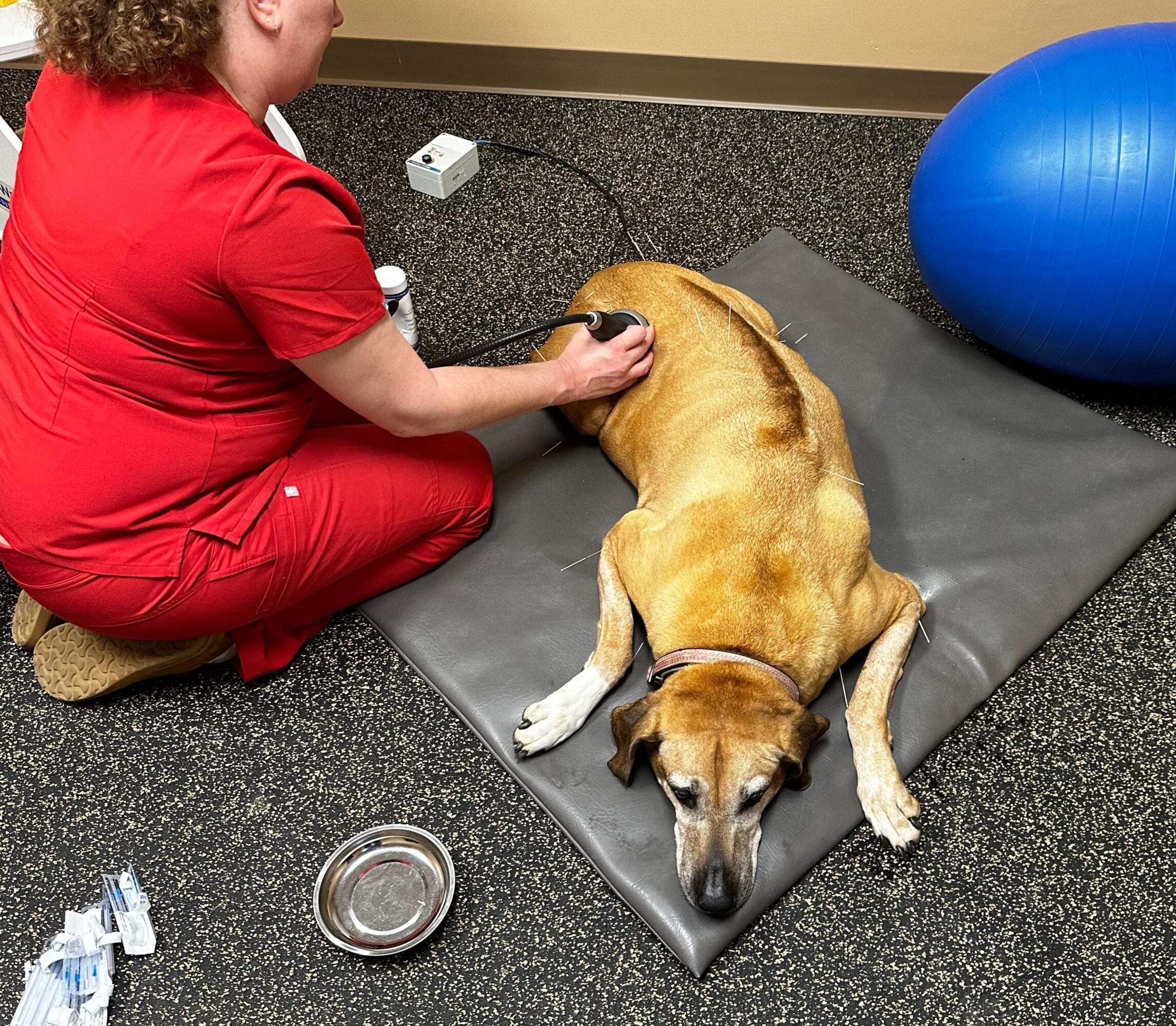
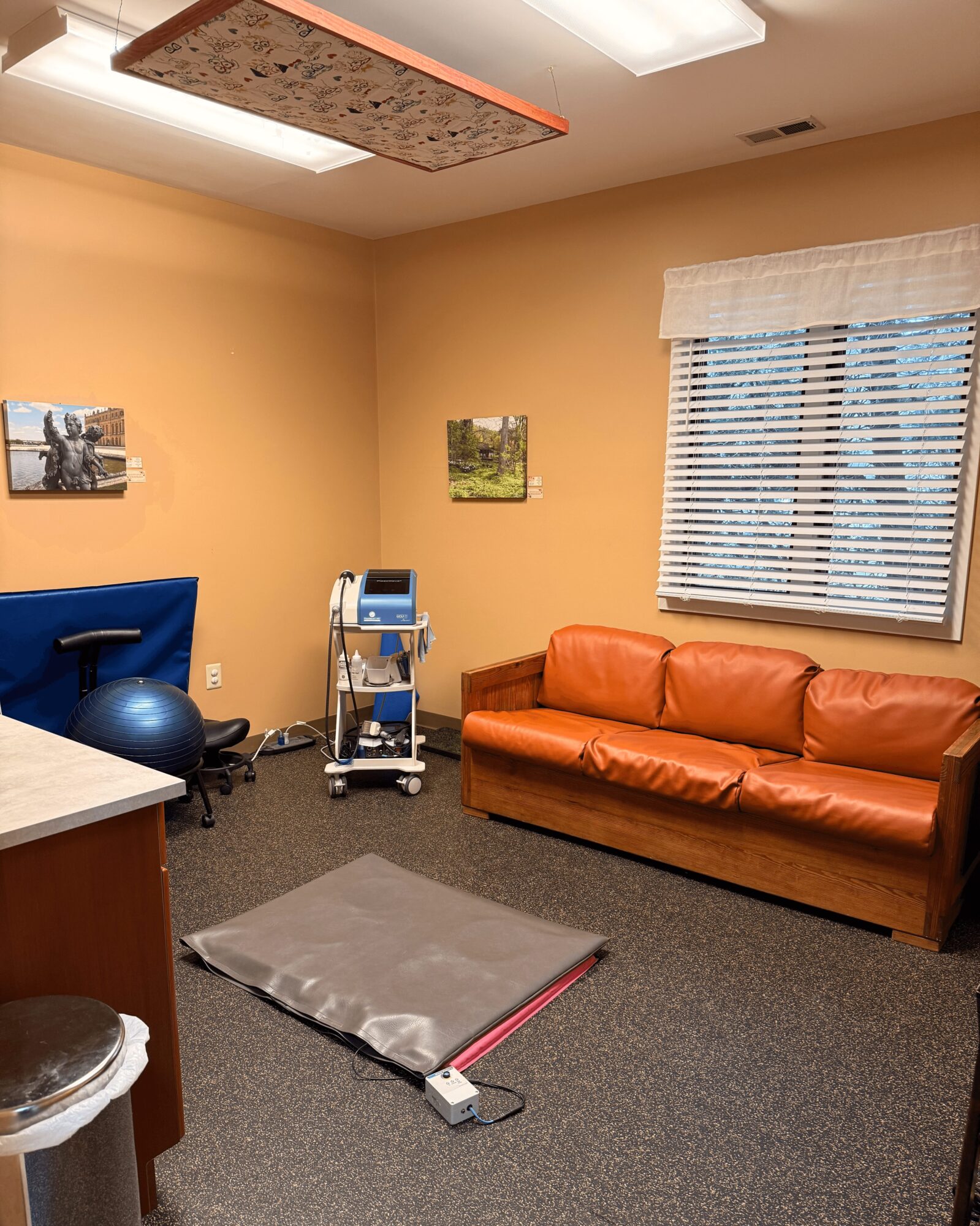
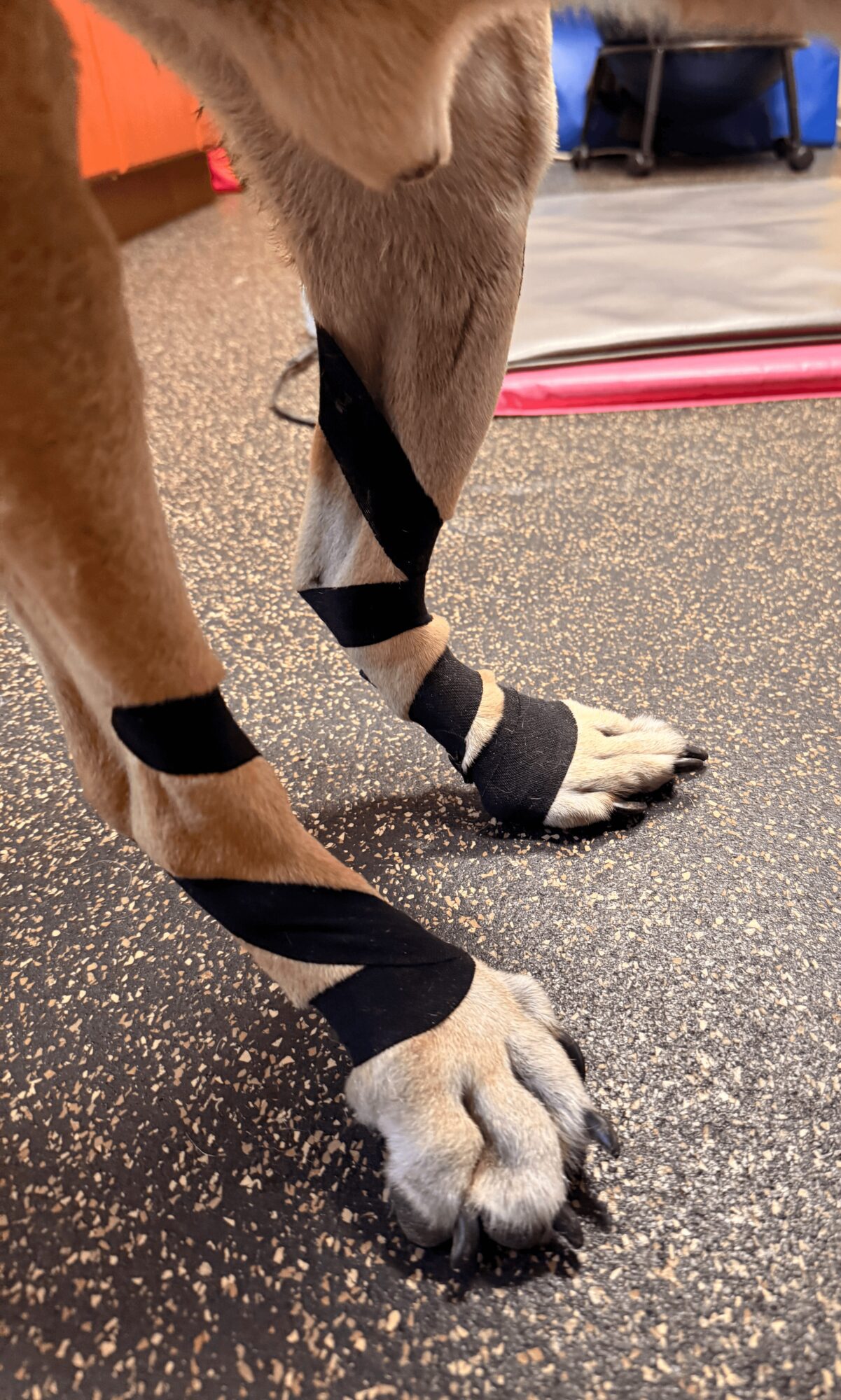
Many of the patients I see are living longer than ever before, which is wonderful, but it also means that chronic pain, orthopedic challenges, neurologic conditions, and age-related mobility changes are becoming more common. My goal is not simply to treat disease, but to support comfort, confidence, and meaningful movement. This often involves combining modalities such as therapeutic exercise, acupuncture, medical manipulation, acoustic compression therapy, therapeutic ultrasound, instrument-assisted soft tissue mobilization, and myofascial techniques — hands-on and technology-assisted approaches that help reduce pain, improve tissue health, and restore more natural movement — along with environmental adaptation strategies.
What makes my professional approach somewhat unique is the degree to which treatment plans are individualized and experience-based. I draw not only on formal training in rehabilitation medicine, but also on decades of clinical practice, collaboration with other veterinary professionals, and lessons learned through supporting my own daughter’s developmental journey. This has led me to develop creative ways of engaging animals in therapy — using functional tasks, play, problem-solving activities, and movement challenges that feel purposeful rather than purely clinical.
In addition to direct patient care, a significant part of my professional life involves education and advocacy. I work closely with pet owners, referring veterinarians, and community partners to increase awareness of rehabilitation as a proactive tool for maintaining quality of life. As the practice continues to grow, I am focused on expanding access to these services and building a therapeutic environment where animals can move, recover, and thrive in a supportive and engaging space.
Is there something surprising that you feel even people who know you might not know about?
Something that may surprise people is that much of the philosophy behind my work was shaped outside of traditional veterinary settings. While I have extensive clinical training, some of my most meaningful insights about movement, motivation, and recovery came from observing how individuals — both human and animal — learn to adapt in real-life environments.
Through supporting my daughter’s developmental journey, I became deeply interested in how confidence, curiosity, and engagement influence physical progress. I began to see rehabilitation not simply as a series of prescribed exercises, but as an opportunity to create positive, purposeful experiences that help patients rediscover what their bodies can do.
This perspective has influenced how I work with animals today. Rather than focusing only on structured therapy tasks, I often design activities that feel like play, exploration, or problem-solving. I have found that when animals are mentally engaged and emotionally comfortable, their willingness to move and participate can change dramatically.
People sometimes assume that rehabilitation is purely technical or equipment-driven. In reality, a large part of my work involves creativity — watching carefully, adjusting approaches in the moment, and finding ways to make therapy meaningful for each individual patient. That blend of science, intuition, and imagination is something I truly enjoy and something that continues to surprise people when they see it in action.
Contact Info:
- Website: https://www.allgoodpets.com