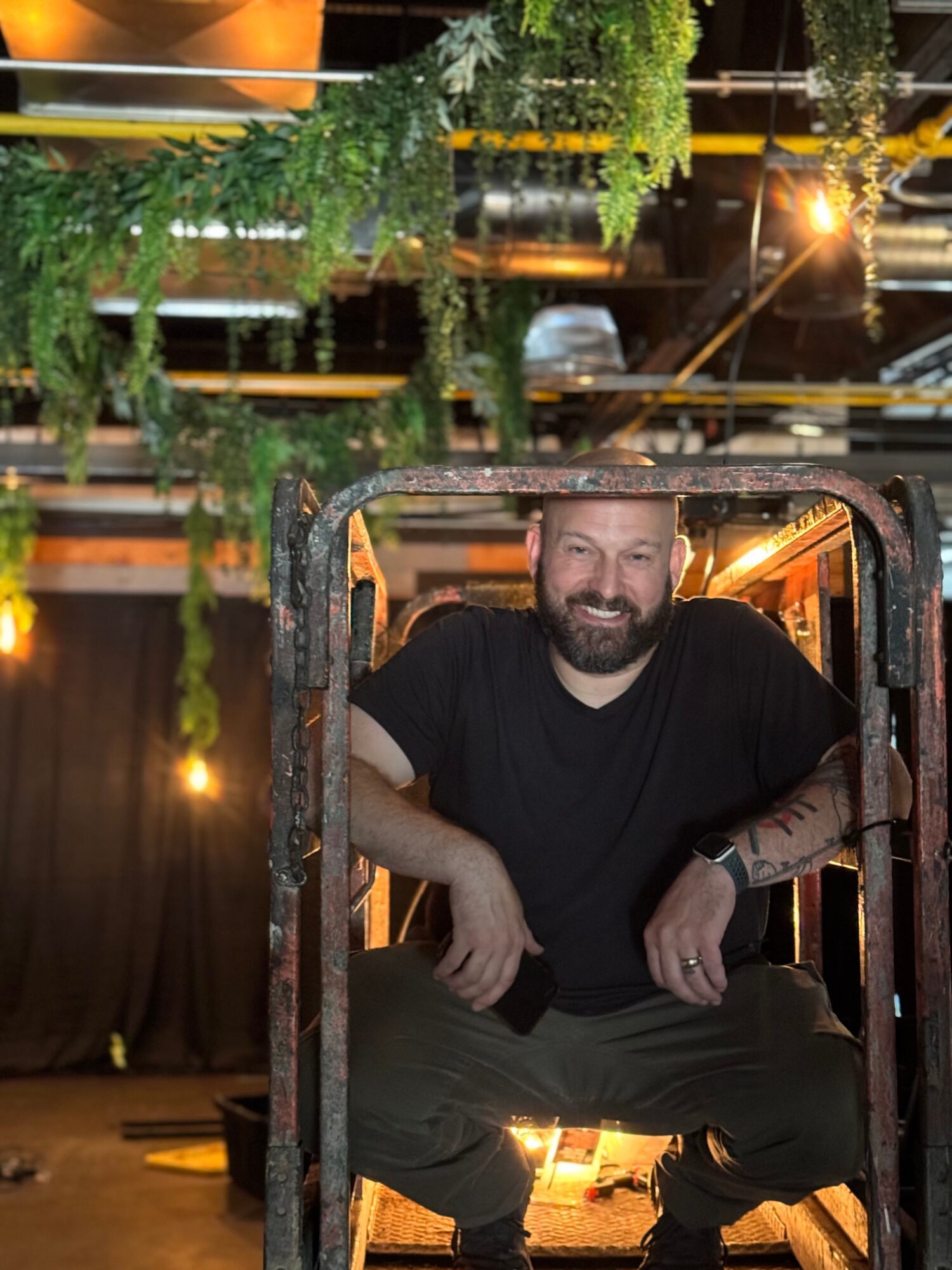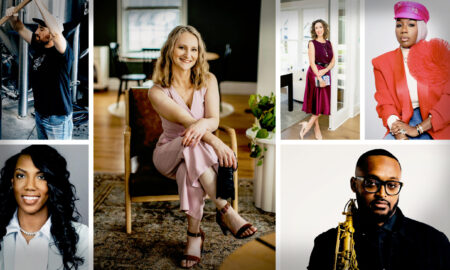



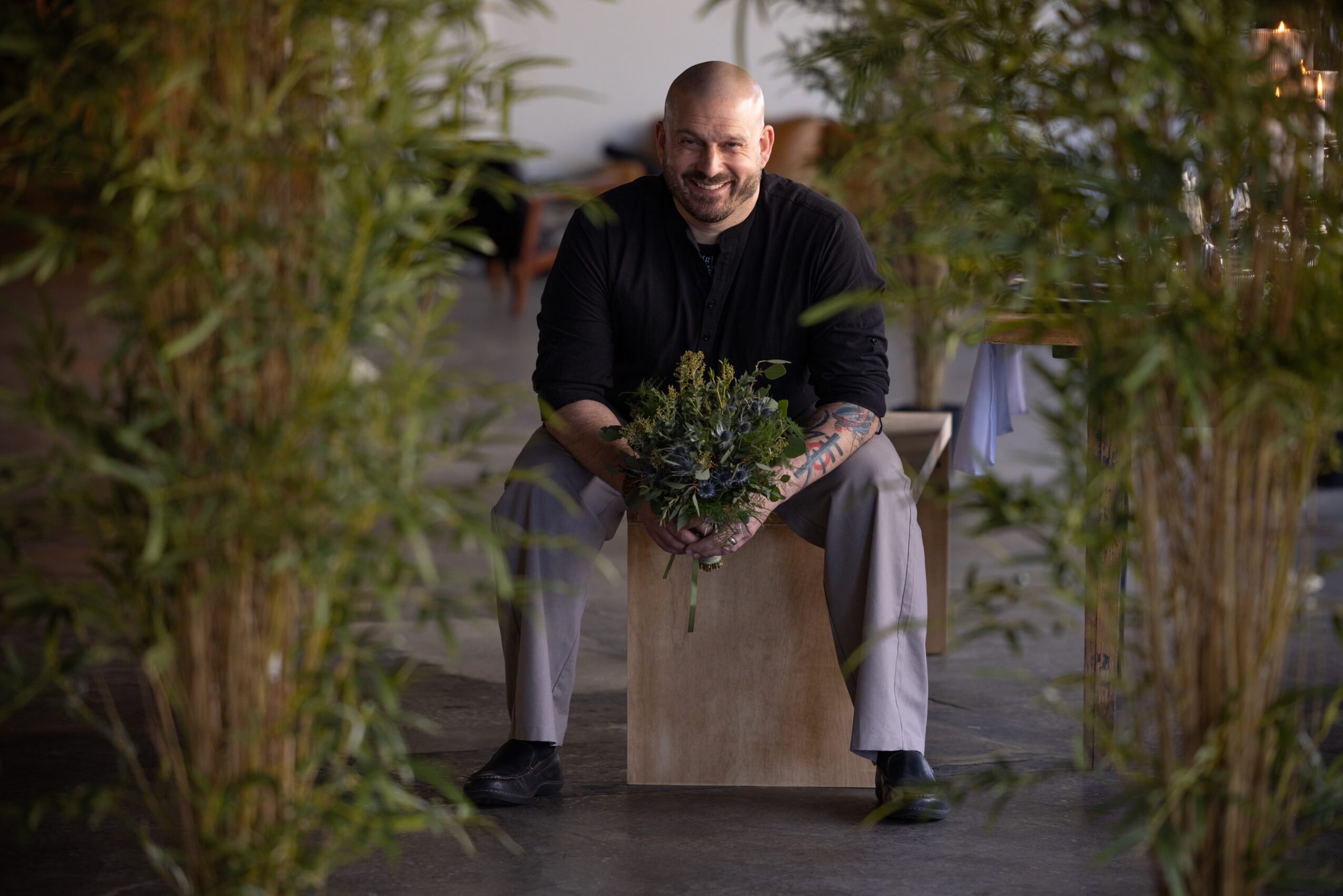
Today we’d like to introduce you to Jason.
Hi Jason, it’s an honor to have you on the platform. Thanks for taking the time to share your story with us – to start maybe you can share some of your backstory with our readers?
My story isn’t linear. At all.
I didn’t have some perfectly mapped-out career path or a five-year plan that led me to where I am today. Life threw things at me, plans changed, priorities changed, and I figured out what the hell to do next.
Somehow, all of those completely different chapters ended up preparing me for exactly what I’m doing now.
I started in landscape contracting and horticulture. From there, life took a turn and I became a florist. I was fortunate enough to travel around the country designing flowers and spaces for weddings and parties. I loved taking an empty space and turning it into something people could walk into and immediately feel.
But I was also interested in the medical field, so naturally, I changed directions again. I went back to school and became a licensed massage therapist.
Then 2007 happened.
Our oldest son was diagnosed with a rare disease. We were self-employed, and our insurance didn’t cover many of the bills associated with the care he needed. At that point, career goals didn’t really matter. Taking care of our son did.
So I took a part-time job at UPS for the health insurance.
For a while, my life looked like this: wake up sometime before most reasonable people would even consider it morning, be at UPS around 3:00 a.m., load trucks until about 9:00, go home, shower, and head to my massage practice for the rest of the day. Then, on weekends, I’d pack up and do flowers for weddings and events—sometimes traveling to do them.
It was exhausting. But when your kid needs medical care, you do what needs to be done.
About a year into UPS, I accepted a full-time position as a dispatch supervisor. That eventually turned into managing multiple facilities. What started as a job I took because my family needed health insurance became a ten-year career.
UPS taught me an incredible amount about logistics, operations, problem-solving, leadership, and how to function when absolutely nothing is going according to plan.
It also taught me what kind of leader I didn’t want to be.
I grew up around a small family-owned business. I was raised believing that if you take care of your employees, the pennies will eventually fall into place. Sometimes the corporate world sees that equation in reverse, and I never completely fit into that mindset.
On my ten-year anniversary, I left.
I went back to massage therapy full time and still maintain a private practice today, primarily working with scar tissue, pain management, and trauma-informed bodywork. That work has probably taught me more about people than anything else I’ve ever done. You learn to listen—not just to what someone says, but to what they don’t say. You learn that everyone walking through your door is carrying a story you know nothing about.
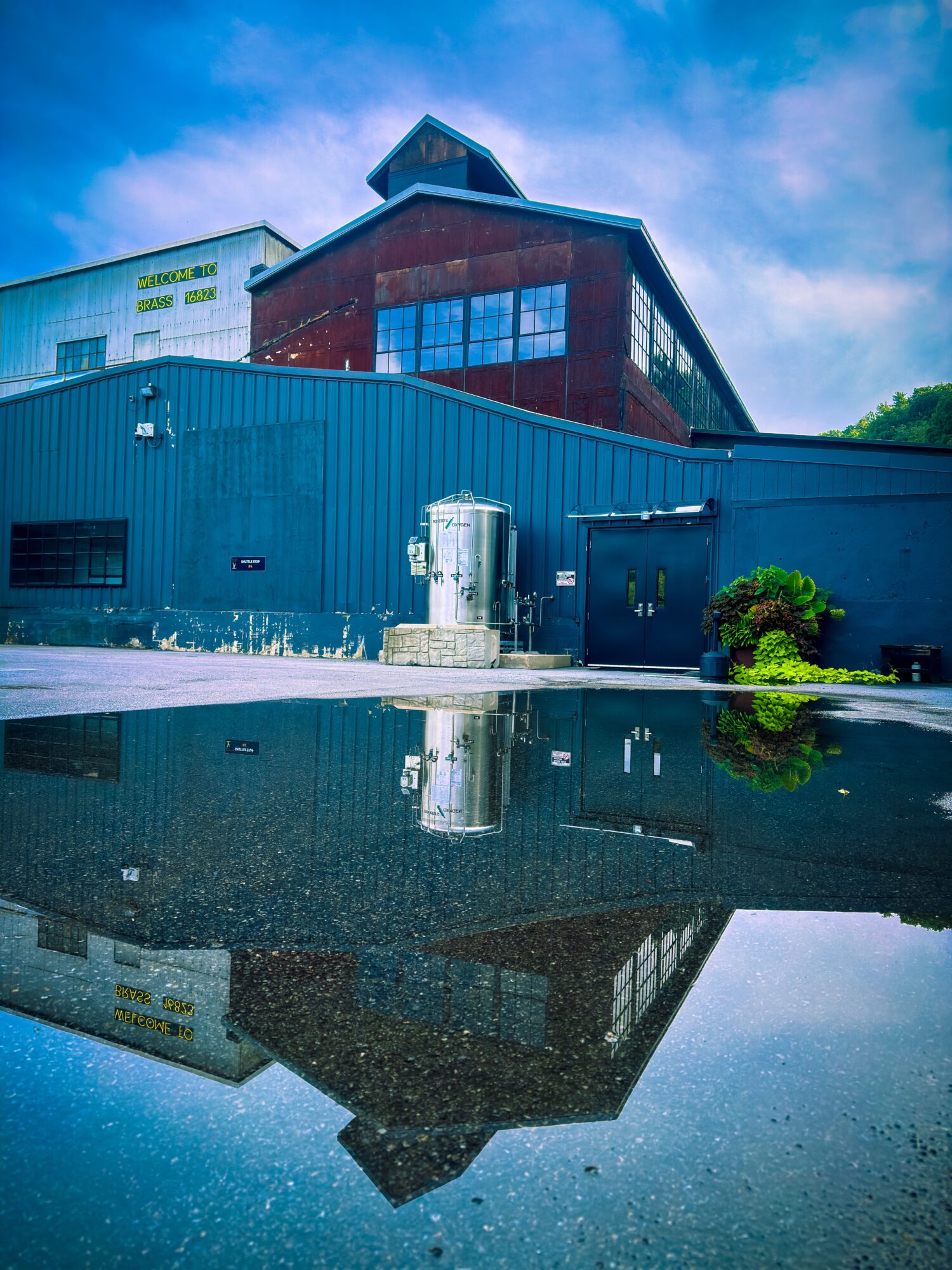
Then, somehow, I found myself back in the event world when my company was hired to manage Brass 16823.
And suddenly, all the random pieces started fitting together.
The horticulture and floral background taught me design and how to transform spaces.
Weddings and events taught me how to create an experience.
UPS taught me logistics, operations, leadership, and how to solve problems when the plan goes sideways.
Massage therapy taught me how to listen to people, understand what they’re really asking for, and recognize that how someone feels matters just as much as what something looks like.
And Brass gives me a place to use all of it.
Today, someone can walk into Brass and tell me about a wedding they can’t quite explain, a corporate event they don’t want to feel like every other corporate event, or some completely ridiculous idea that starts with, “I don’t even know if this is possible…”
Those are usually my favorite conversations.
Because my job isn’t really to tell people what their event should look like. It’s to listen, figure out what they’re trying to create, solve the problems standing in the way, and then find a way to bring it to life.
There was no master plan that got me here.
There were flowers. Massage tables. 3:00 a.m. shifts loading trucks. Corporate meetings. Medical bills. Weddings. Mistakes. Career changes. A lot of long days and more than a few times when I had absolutely no idea what was coming next.
But looking backward, the path makes a strange kind of sense.
Every one of those experiences gave me something I use today.
And somehow, they all came together inside an old industrial building called Brass 16823, where I get to create things, solve problems, take care of people, and hopefully make them a little happier when they walk through the doors than they were before.
Turns out, maybe the path wasn’t supposed to be straight.
Alright, so let’s dig a little deeper into the story – has it been an easy path overall and if not, what were the challenges you’ve had to overcome?
Smooth? Not even close.
But I’m not sure I would want it to have been.
There have been plenty of times in my life when the plan completely fell apart and I had to figure out what came next. Some of those moments were choices. Others were decisions life made for me.
Our son’s diagnosis was obviously one of the biggest. When your child is sick, everything else gets very small, very quickly. Career plans, schedules, sleep—they become secondary. You do whatever needs to be done. For me, that meant working multiple jobs, incredibly long days, and taking a job at UPS at 3:00 in the morning because my family needed better health insurance.
There were years when I was measuring success less by career advancement and more by simply keeping everything moving.
The corporate world brought a different kind of struggle. I was successful there and learned a tremendous amount, but success doesn’t necessarily mean you’re where you belong. I struggled with an environment where numbers could sometimes become more important than people. I had been raised to believe that taking care of people was how you built a successful business, not something you did after the numbers worked.
Eventually, I had to make the difficult decision to walk away from a successful ten-year career and start another chapter.
Being self-employed hasn’t exactly been the easy road either. There’s freedom in building something yourself, but there’s also uncertainty. There isn’t always a guaranteed paycheck or someone above you to make the difficult decisions. When something goes wrong, you’re the person who has to figure it out.
And things go wrong.
That has definitely carried into Brass 16823. Managing an event venue—especially one inside a historic industrial property—means you’re constantly solving problems. You’re building a business, building a brand, learning what works, figuring out what doesn’t, and sometimes changing direction in real time.
I’ve made mistakes. I’ve had ideas that worked better in my head than they did in reality. I’ve trusted the wrong people. I’ve taken chances that didn’t work. I’ve questioned myself plenty of times.
But I’ve also learned that I’m pretty comfortable in the uncomfortable.
When something goes sideways, my first reaction usually isn’t panic. It’s, “Alright. What are our options?”
I think that comes from everything that happened before Brass.
The biggest lesson I’ve learned is that struggle isn’t necessarily evidence that you’re on the wrong path. Sometimes it’s where you learn the things you’re going to need for whatever comes next.
I wouldn’t voluntarily sign up to repeat some of the harder chapters of my life. But I also wouldn’t erase them.
They taught me how to adapt. How to solve problems. How to work when I’m tired. How to lead people. How to admit when I’m wrong. How to start over. And probably most importantly, how to keep moving when I have absolutely no idea where the road is going.
So no, it hasn’t been a smooth road.
But smooth roads probably wouldn’t have gotten me here.
We’ve been impressed with Brass 16823, but for folks who might not be as familiar, what can you share with them about what you do and what sets you apart from others?
Brass 16823 is an event venue, but I’ve never really wanted it to feel like “just another event venue.”
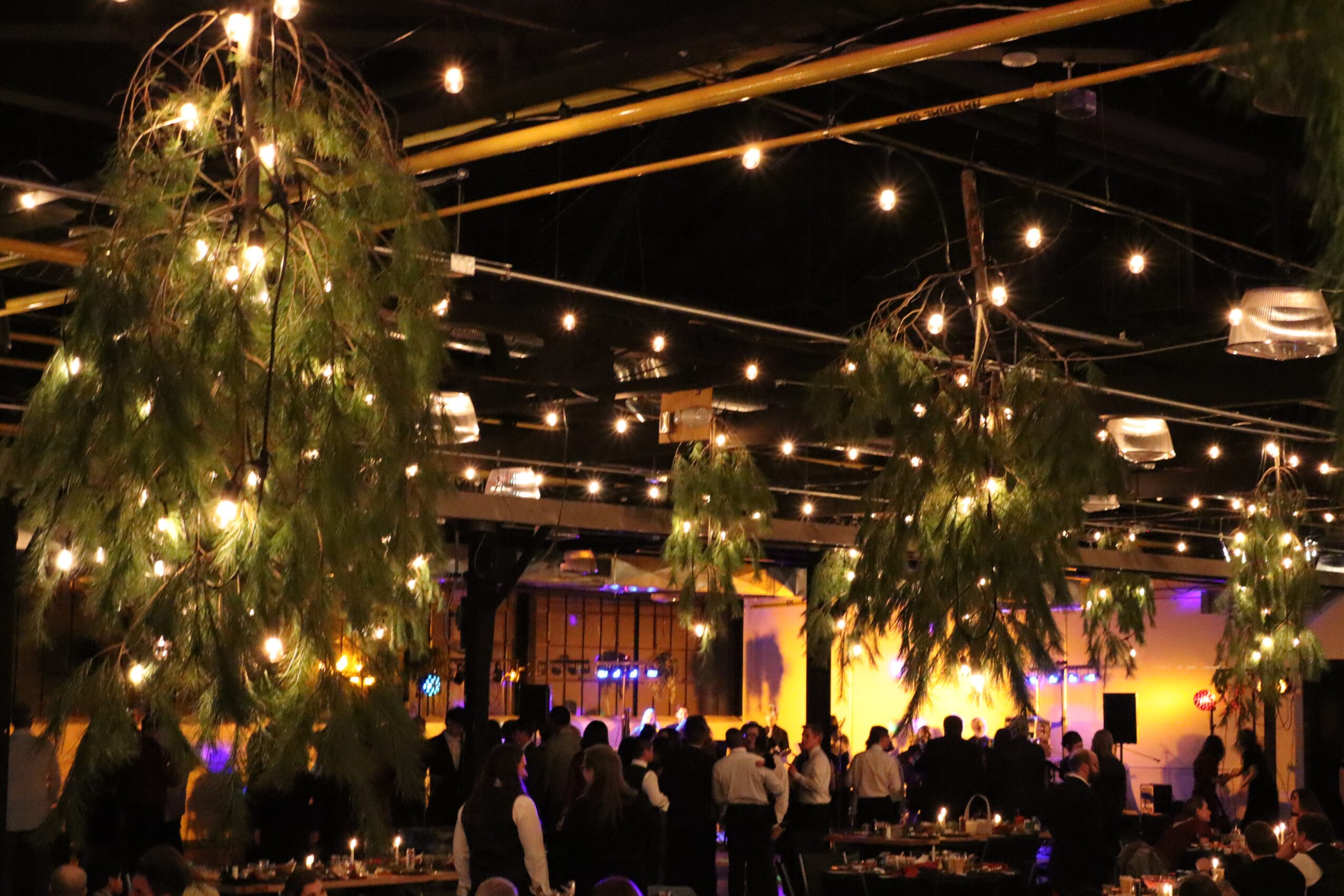
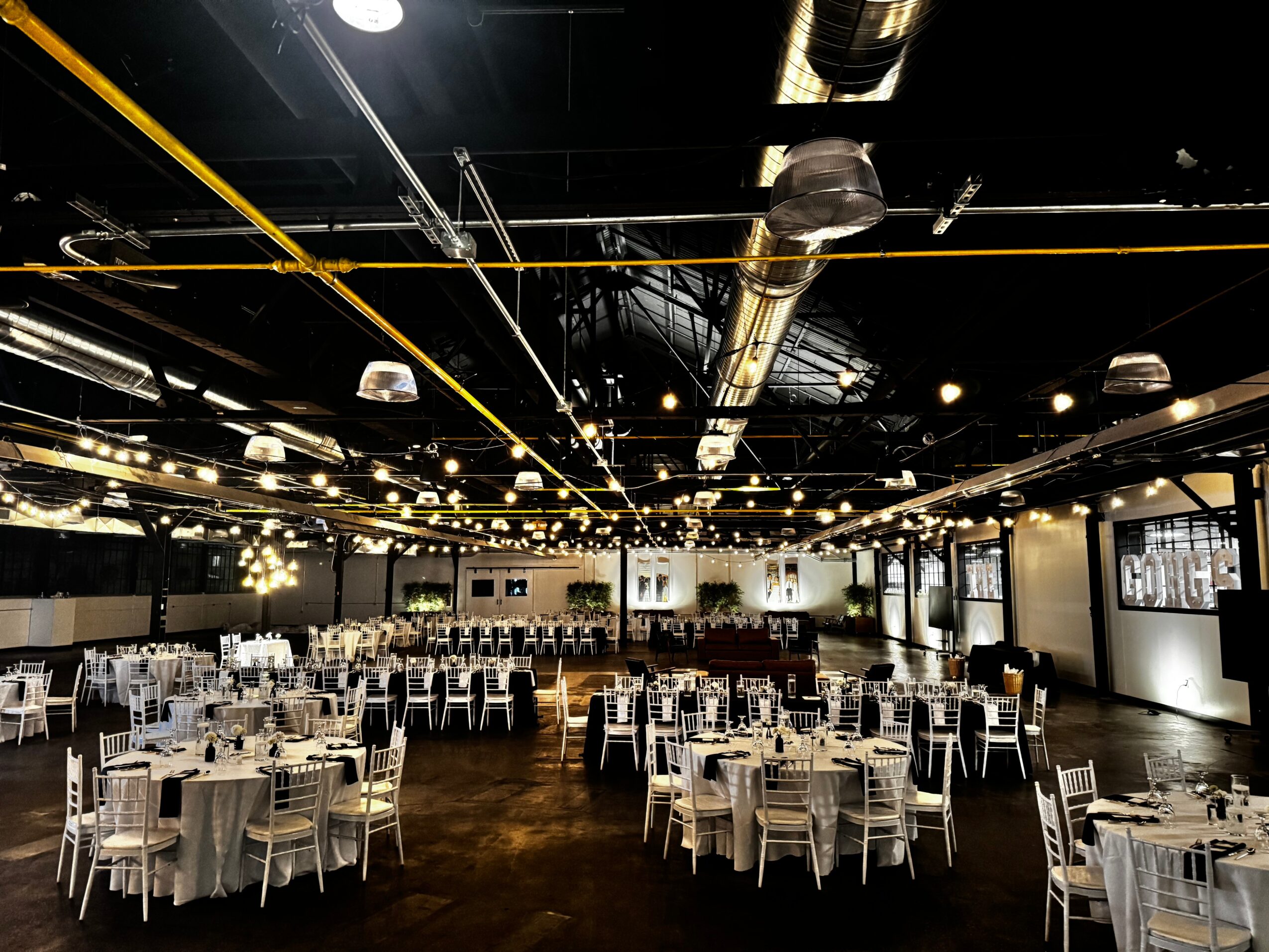
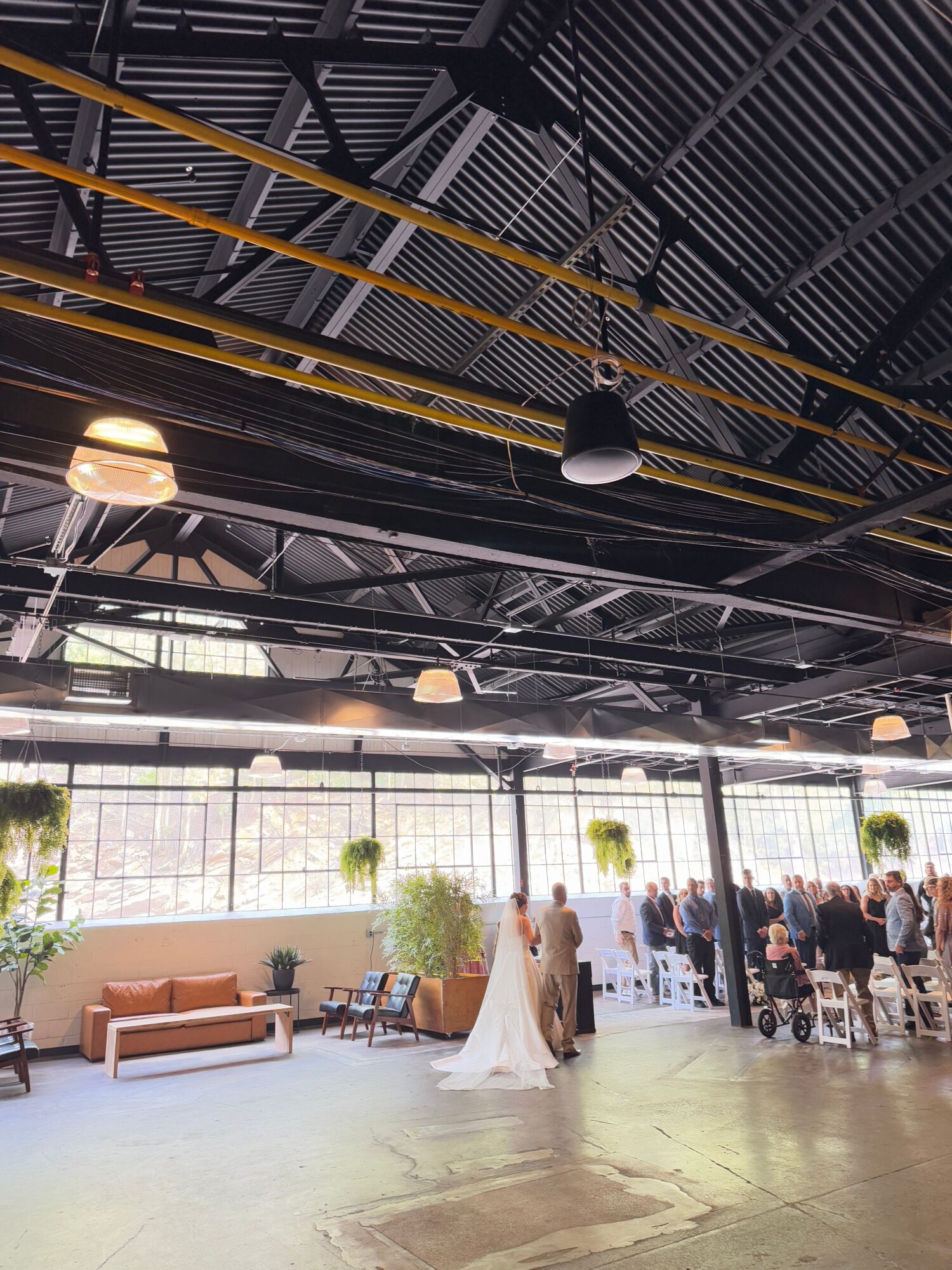
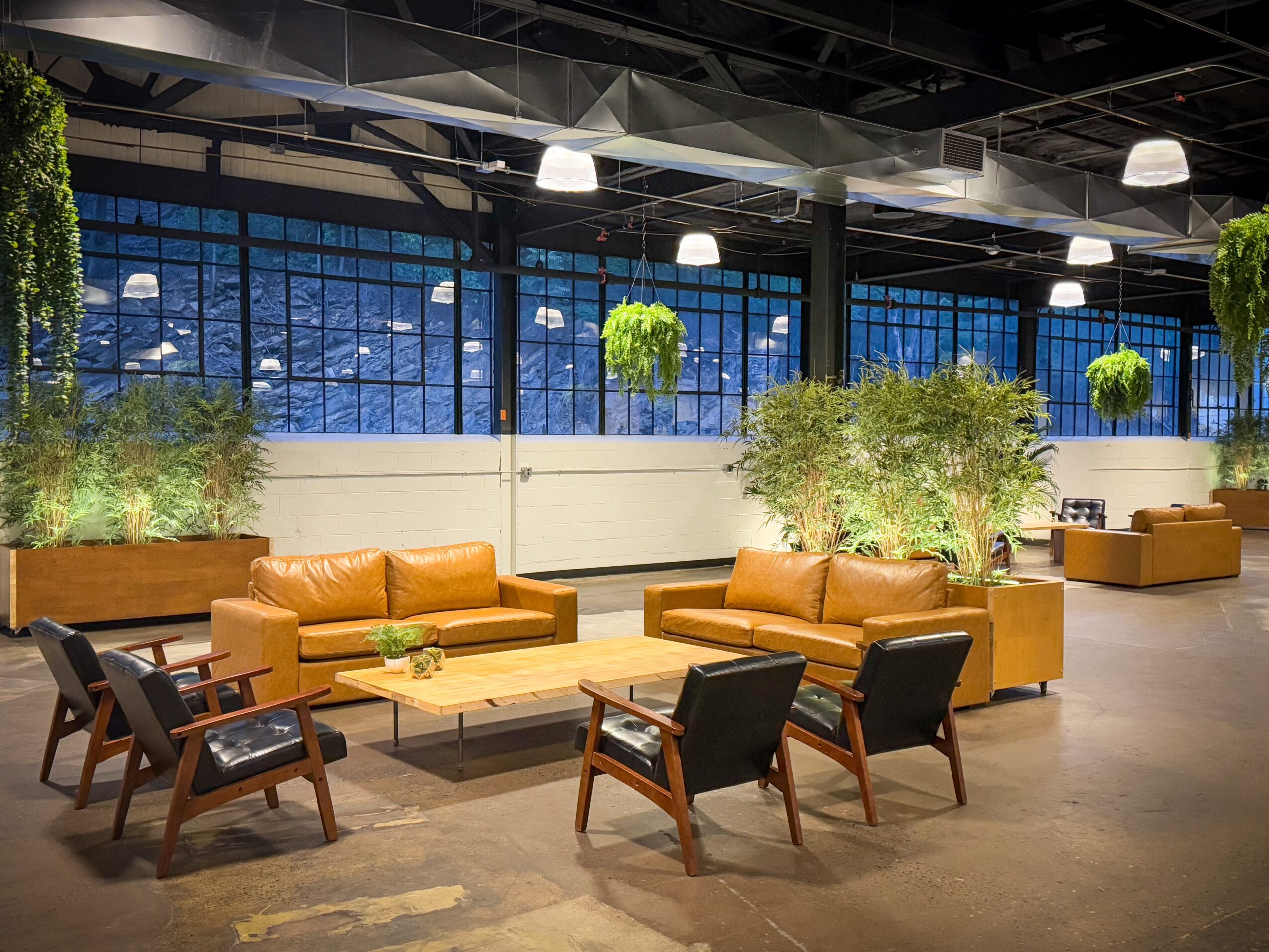
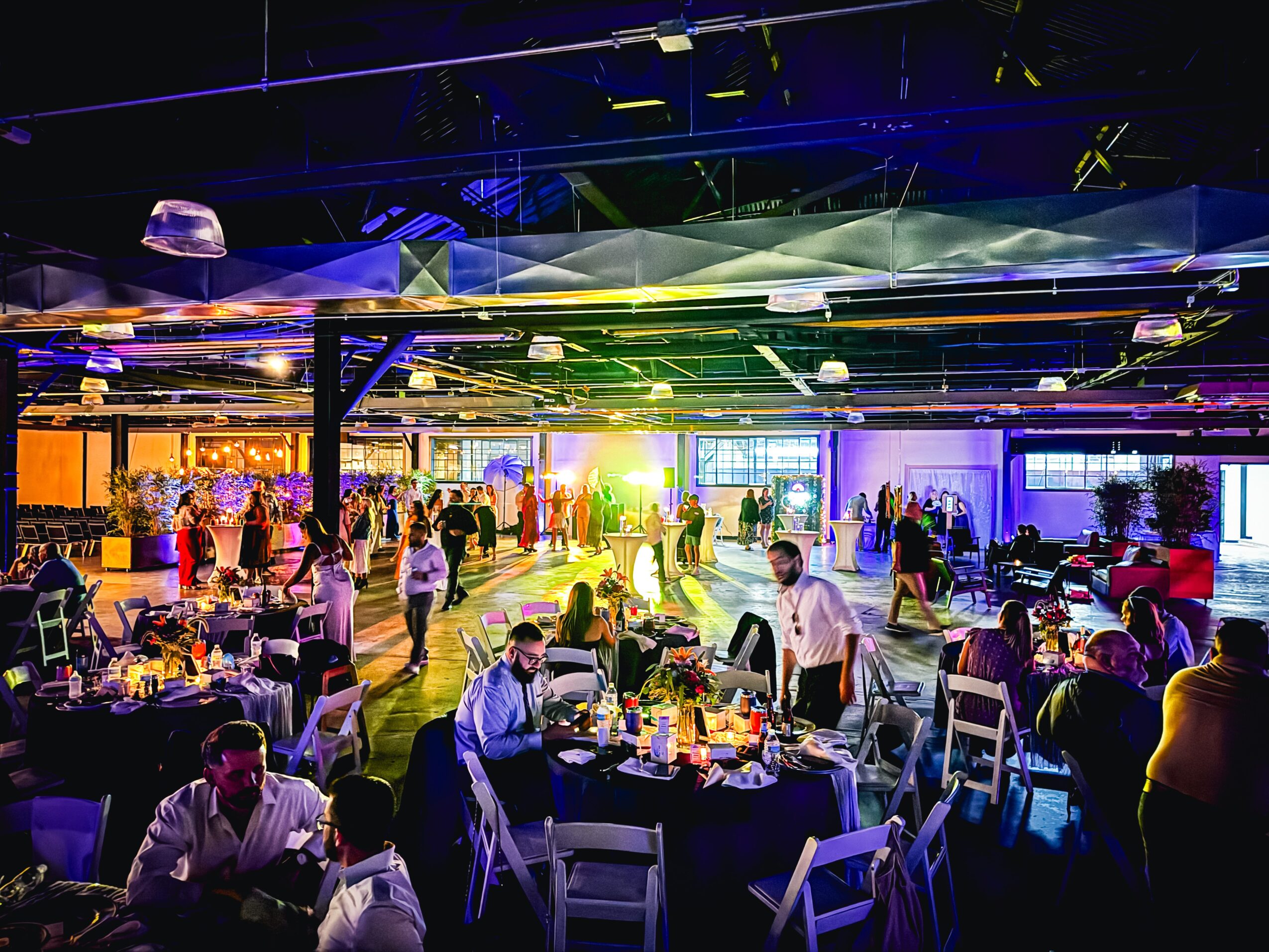
We’re located inside Titan Park, a former brass manufacturing facility with more than a century of industrial history behind it. Instead of trying to hide that history, we embrace it. The exposed brick, steel, concrete, massive industrial spaces, and imperfections are part of what makes Brass what it is.
But the building is only part of the story.
What we really specialize in is giving people the freedom to create something that feels like them.
The event industry has a tendency to put people into packages. Pick Package A, B, or C. Choose from these options. Use these vendors. Put the tables here. Have dinner at this time. This is how we’ve always done it.
That’s pretty much the opposite of how I want Brass to operate.
I sometimes describe what we do as being “vision enablers.” Bring us the idea—even the weird one. Especially the weird one—and let’s figure out how to make it happen.
That philosophy applies whether we’re hosting a wedding, corporate meeting, fundraiser, nonprofit event, celebration, or something that doesn’t really fit neatly into a category.
We don’t have an in-house caterer because I don’t think we should decide what our clients have to eat. We allow clients to choose the caterer that fits their food, culture, service style, and budget. We’re BYOB because it gives clients more control over what they’re serving and what they’re spending. We include things like linens, audiovisual equipment, setup and cleanup, and our Something Borrowed collection because I’d rather give people tools to create something great than nickel-and-dime them every time they need another chair, linen, or décor piece.
And our spaces aren’t precious.
Move the furniture. Change the layout. Bring something in. Take something out. Completely transform the room.
Your vision is probably cooler than ours anyway.
I think that’s one of the biggest things that separates Brass from more traditional venues. We’re not trying to make every event look like a Brass event. We’re trying to make every event look like “your” event.
That philosophy is probably most obvious in our weddings. We can host two weddings in the exact same room a week apart and have them look and feel completely different. That’s intentional. I don’t want someone scrolling through our photos and seeing the same wedding over and over again with different people standing in it.
Corporate events are another area where we’ve really found our personality. There are plenty of places where you can put employees or clients in Ballroom B, turn on fluorescent lights, point a projector at a screen, serve chicken and potatoes, and call it an event.
That’s just not what we want to be.
If you’re bringing together your employees, entertaining important clients, celebrating your organization, or asking people to give up a day of their lives to attend something, I think the environment should actually be memorable.
Nobody remembers the safe choice.
But what I’m probably most proud of isn’t the building, the industrial aesthetic, or even the events themselves.
It’s how people feel here.
I want people to feel comfortable walking through our doors. I want clients to feel like we’re actually listening to them rather than waiting for an opportunity to sell them something. I want vendors to feel like they’re part of the team. And I want guests to walk into an event and immediately know they’re somewhere different.
We’re still growing. We’re still experimenting. We’re still figuring some things out. I actually hope that never stops.
I never want Brass to become a place where the answer is, “That’s just how we do things.”
The brand we’re building is about creativity, flexibility, authenticity, and taking care of people. It’s about respecting the history of this incredible building without being trapped by tradition.
Brass 16823 isn’t for everyone and I’m completely comfortable with that.
It’s for people who don’t necessarily want the safe choice.
It’s for people who have an idea.
Our job is to help them bring it to life.
Is there any advice you’d like to share with our readers who might just be starting out?
I think the biggest thing I wish I understood earlier is that you don’t have to have it all figured out.
There’s a lot of pressure, especially when you’re younger, to pick a path, build a career, and keep moving in a straight line. We’re taught to look at changing direction as starting over.
I don’t believe that anymore.
You’re almost never starting over. You’re bringing everything you’ve learned with you.
I use things today at Brass 16823 that I learned in horticulture, floral design, massage therapy, corporate management, and probably a hundred places in between. At the time, none of those things seemed connected. Now I can see how much each experience prepared me for the next one.
I’d also tell someone starting out not to be afraid of doing things differently just because an industry has decided there’s a “right” way to do them.
Ask why.
Why is it done that way? Does it actually make sense? Does it make the experience better for the customer? Does it make things better for your employees? Or are we doing it because that’s how everyone else does it?
Some of the best decisions we’ve made at Brass have come from questioning things that are considered normal in the event industry.
I’d also tell people to take care of the people around them.
Employees. Clients. Vendors. Partners. The person cleaning the bathroom at the end of the night. Everybody matters.
I grew up believing that if you take care of people, the pennies tend to fall into place. After spending ten years in the corporate world and then going back into business for myself, I believe that even more today.
And you’re going to screw things up.
That’s part of it.
I’ve made bad decisions. I’ve spent money on things that didn’t work. I’ve had ideas I was convinced were brilliant that absolutely weren’t. I’ve trusted people I probably shouldn’t have. I’ve underestimated things and overestimated myself.
Learn from it. Own it. Fix what you can. Then keep moving.
Don’t spend so much time trying to avoid failure that you also avoid taking chances.
I’d rather try something different and occasionally fall flat on my face than build something completely forgettable because I was afraid to get it wrong.
And maybe the biggest lesson is to stop measuring your life against somebody else’s timeline.
Success looks different at different points in your life. Sometimes success is growing a business. Sometimes it’s getting promoted. Sometimes it’s walking away from the promotion. And sometimes success is taking a job loading trucks at 3:00 in the morning because your kid needs health insurance.
There are seasons when you’re building something, and there are seasons when you’re simply doing what needs to be done.
Both matter.
So if you’re just starting out, stay curious. Work hard. Treat people well. Question the rules that don’t make sense. Don’t be afraid to change direction, and don’t assume that a detour means you’re lost.
Sometimes the things that feel completely unrelated while you’re living them end up becoming the exact things you need later.
I spent a lot of years thinking I didn’t have a clear path.
Turns out, I was building one.
Contact Info:
- Website: https://www.brass16823.com
- Instagram: https://www.instagram.com/brass16823/
- Facebook: https://www.facebook.com/brass16823
- LinkedIn: https://www.linkedin.com/in/jason-narber-3553b2274/