


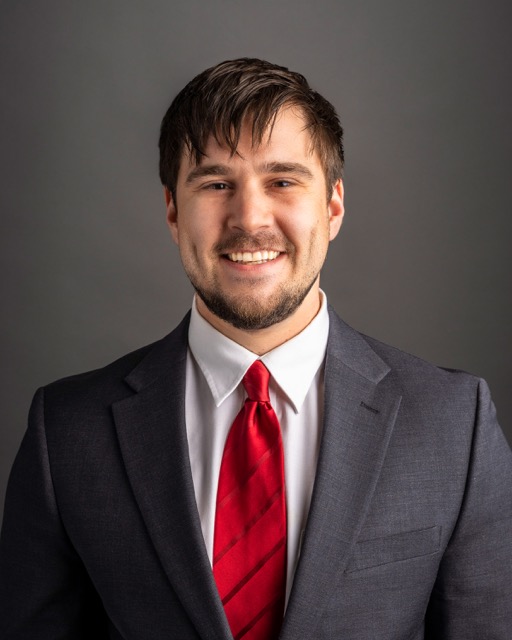
Today we’d like to introduce you to Jared Bilsak.
Alright, so thank you so much for sharing your story and insight with our readers. To kick things off, can you tell us a bit about how you got started?
Ever since I was very young, I’ve been fascinated by physical story worlds. I was obsessed with Disney World, theme parks, and attractions that didn’t just entertain you, but transported you into another world and told a story. I also loved Halloween.
When I was in elementary school, that passion started becoming something I could actually create. Every Halloween, I would decorate my parents’ home in Allentown, Pennsylvania, and turn their yard into a walkthrough haunted attraction. I would invite friends and family to put on masks and become actors. Every year, it grew bigger and more detailed.
Eventually, I went away to college, and the Halloween attraction at my parents’ home became too much of a hassle to return home and build every year. But rather than giving up on the idea, I started looking for the next step.
Jared and Brian first crossed paths at Philadelphia University (now Jefferson University) in 2009. Brian, a sophomore at the time, met Jared, a freshman, through their fraternity, Alpha Chi Rho (AXP).
In 2011, the fraternity was looking for fresh ideas to raise money for charity—and Jared, who already had years of experience creating haunted attractions at his childhood home, had a bold idea: turn the historic Ravenhill Mansion on campus into a full-blown haunted attraction.
The idea sounded crazy. After all, convincing a university to let two fraternity guys transform one of its most prized and historic buildings into a haunted house seemed impossible.
But somehow, they got a yes.
That October, Ravenkill Mansion came to life. Every fraternity brother became an actor. The mansion was transformed into a maze of detailed rooms filled with characters, special effects, and terrifying scenes. The event attracted hundreds of students and community members while raising money for Children’s Hospital of Philadelphia (CHOP).
For the rest of their college years and even after graduating – Jared continued returning each October to help run the event, which lasted until 2017. Somewhere during those years, they began to dream:
What if we opened our own professional haunted house one day?
Fast Forward Nearly a Decade…
By this point, the passion for creating immersive environments had never really gone away. In fact, Jared had turned that interest into his professional career. He became a licensed architect, designing educational school buildings as his full-time job. That experience would eventually become an unexpected advantage in bringing Lincoln Mill to life – combining creativity, storytelling, spatial design, construction, and the ability to transform existing buildings into completely different environments.
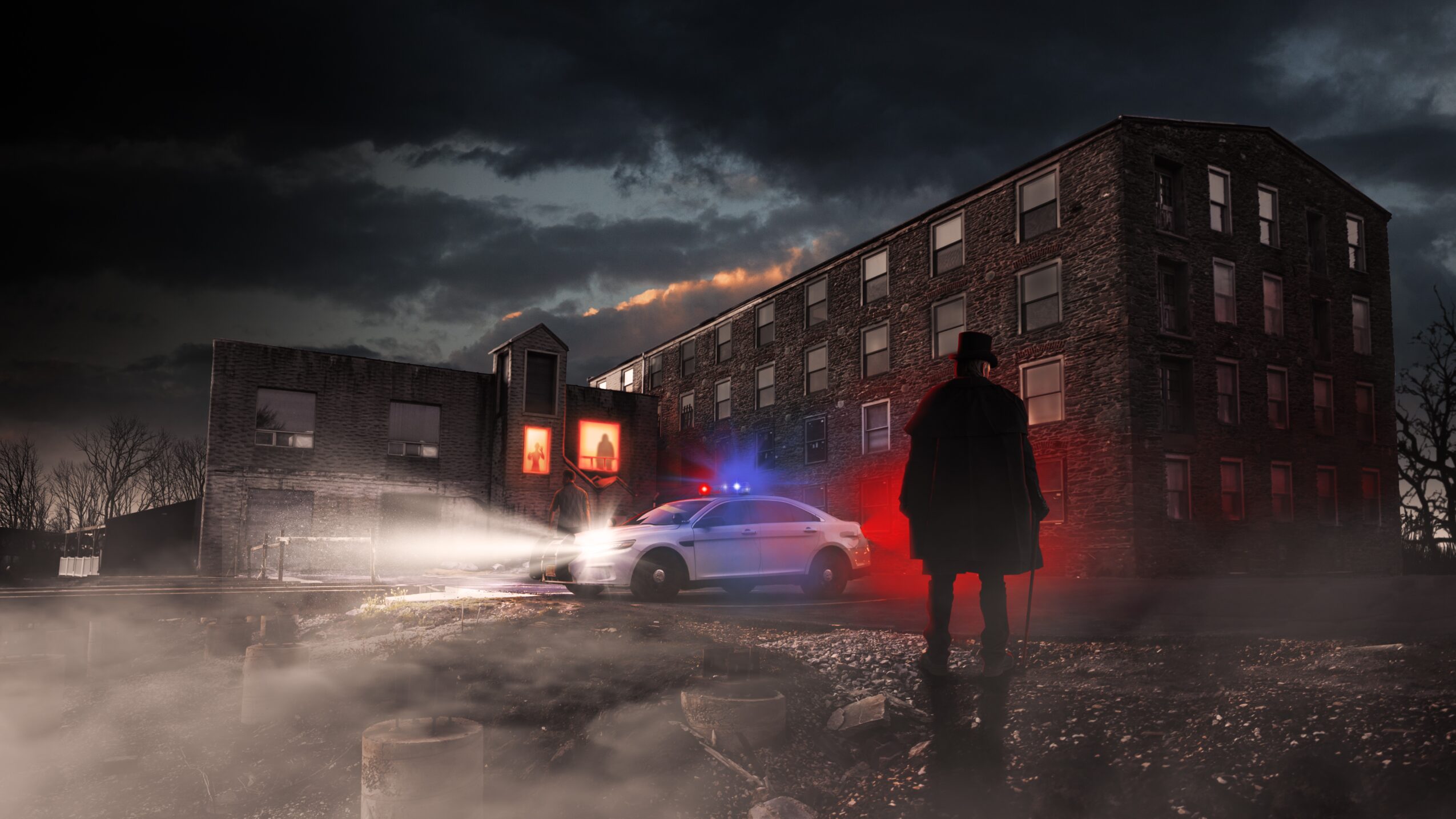
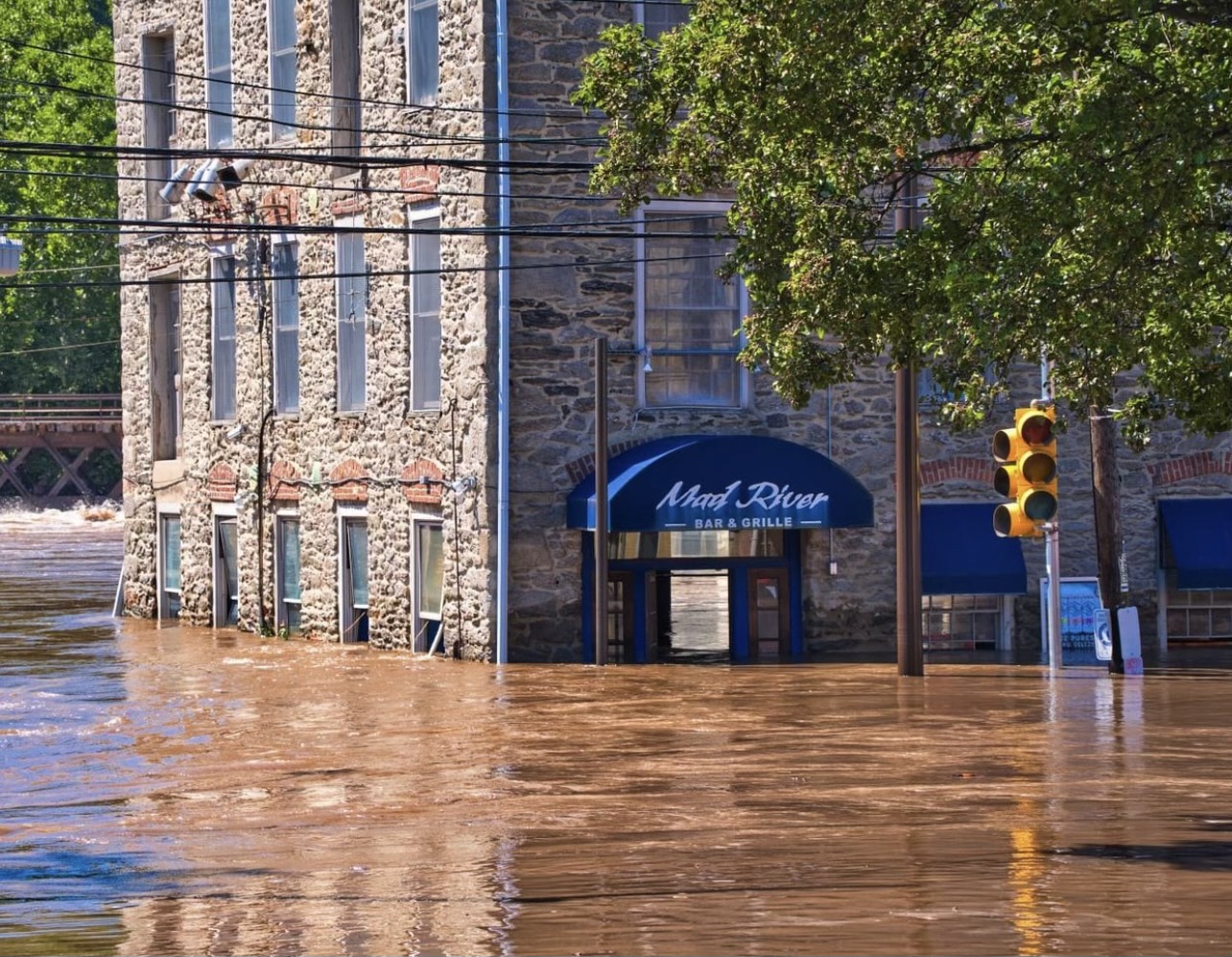
In the middle of the COVID-19 pandemic, Brian’s real estate company purchased the old Mad River building in Manayunk, Philadelphia. He was looking for a tenant for the first floor—but before he found one, Hurricane Ida tore through the region, flooding the Lincoln Mill to historic levels. The building was badly damaged.
As Brian surveyed the wreckage, a memory hit him: those college nights creating Ravenkill Mansion with Jared.
The idea resurfaced.
What if they finally did it?
He called Jared.
Months later, they met again to seriously explore the possibility. They pored over more than 200 years of flood data and discovered that the devastation from Hurricane Ida was one of the worst on record. That risk could have scared them away.
Instead, they leaned in.
They turned the flood into an opportunity. It became the foundation for the story.
Together, they transformed the mill’s waterlogged basement into something new: an immersive, story-driven haunted experience rooted in both local history and supernatural fiction.
That’s how Lincoln Mill Haunted House was born—through a friendship that began in college, a passion for creating physical story worlds that started in childhood, a willingness to take a risk, and a shared love of storytelling and scares.
Can you talk to us a bit about the challenges and lessons you’ve learned along the way. Looking back would you say it’s been easy or smooth in retrospect?
It has definitely not been a smooth road. Building a haunted house from the ground up in just three months was an enormous challenge. At the time, I was also working a full-time job during the week as an architect, so I could really only work on the haunted house on weekends.
What made it even more difficult was that we couldn’t start the build when we originally planned. Construction delays kept pushing the project further and further back, and I became extremely frustrated because I knew how much we had to accomplish and how little time we had left to do it. By the time we finally got into the space, we were racing against the clock.
Those first few nights were a learning experience. Because we had such a short window to get everything completed, there were issues that we simply didn’t have enough time to fully test beforehand. For example, the fire alarms went off during our first few nights, which created a nightmare operationally. Imagine having guests moving through the attraction and suddenly the overhead lighting comes on and the entire experience is interrupted. We eventually identified the problems and resolved them after those first few nights, but it was definitely stressful.
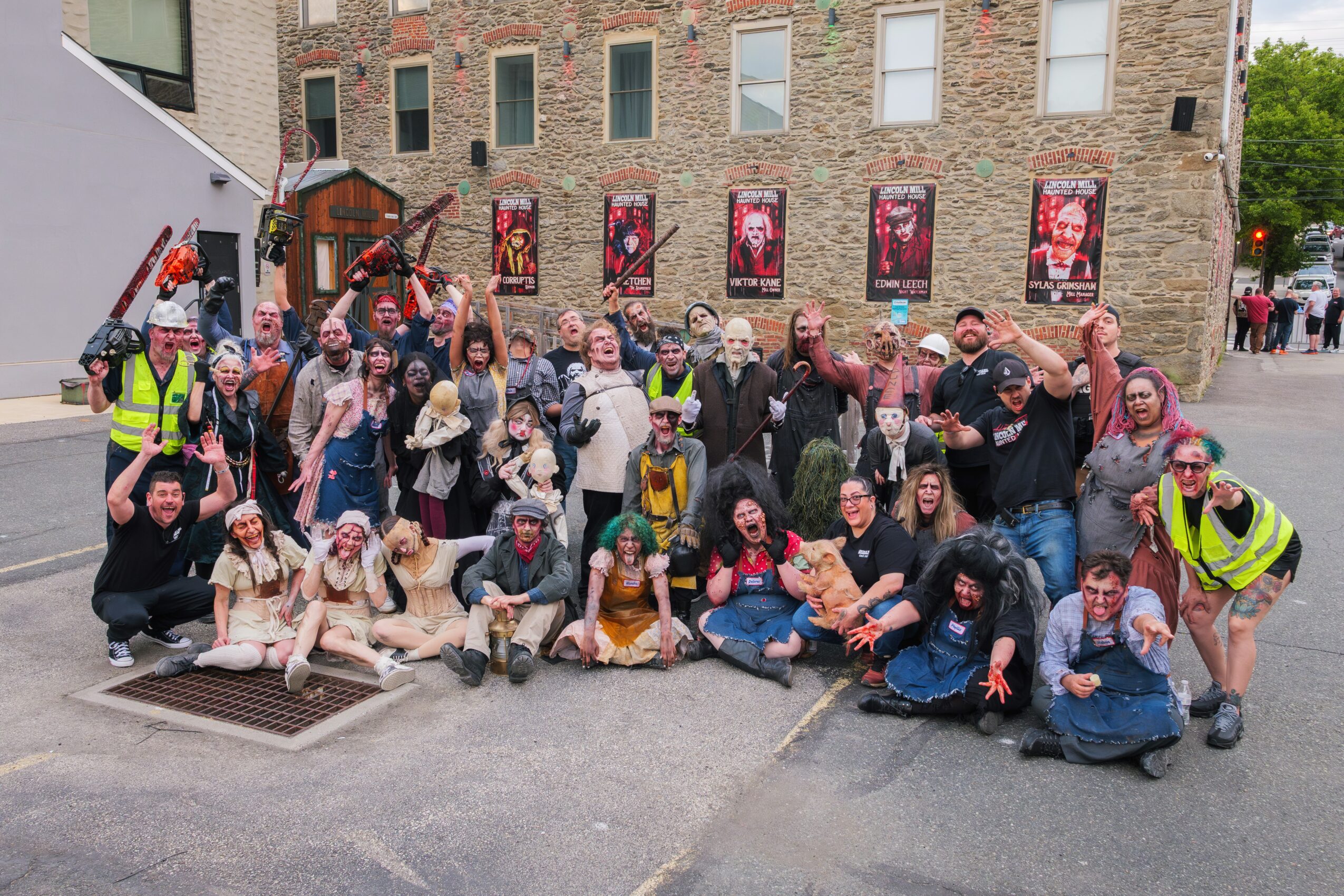
Another major challenge was people. My background is architecture and design — I knew how to design and build environments, but I had very little experience with hiring and human resources. We suddenly had to hire approximately 60 people very quickly: scare actors, makeup artists, event staff, creative personnel and other team members.
When you hire that many people that quickly, you’re going to make some mistakes. We made some early hiring decisions that we learned from, and there were situations where people took advantage of the opportunity. We also learned the hard way that putting the wrong person into a management position can have a huge impact on an organization. After our first year, we essentially had to rebuild portions of the team and rethink how we structured our operations.
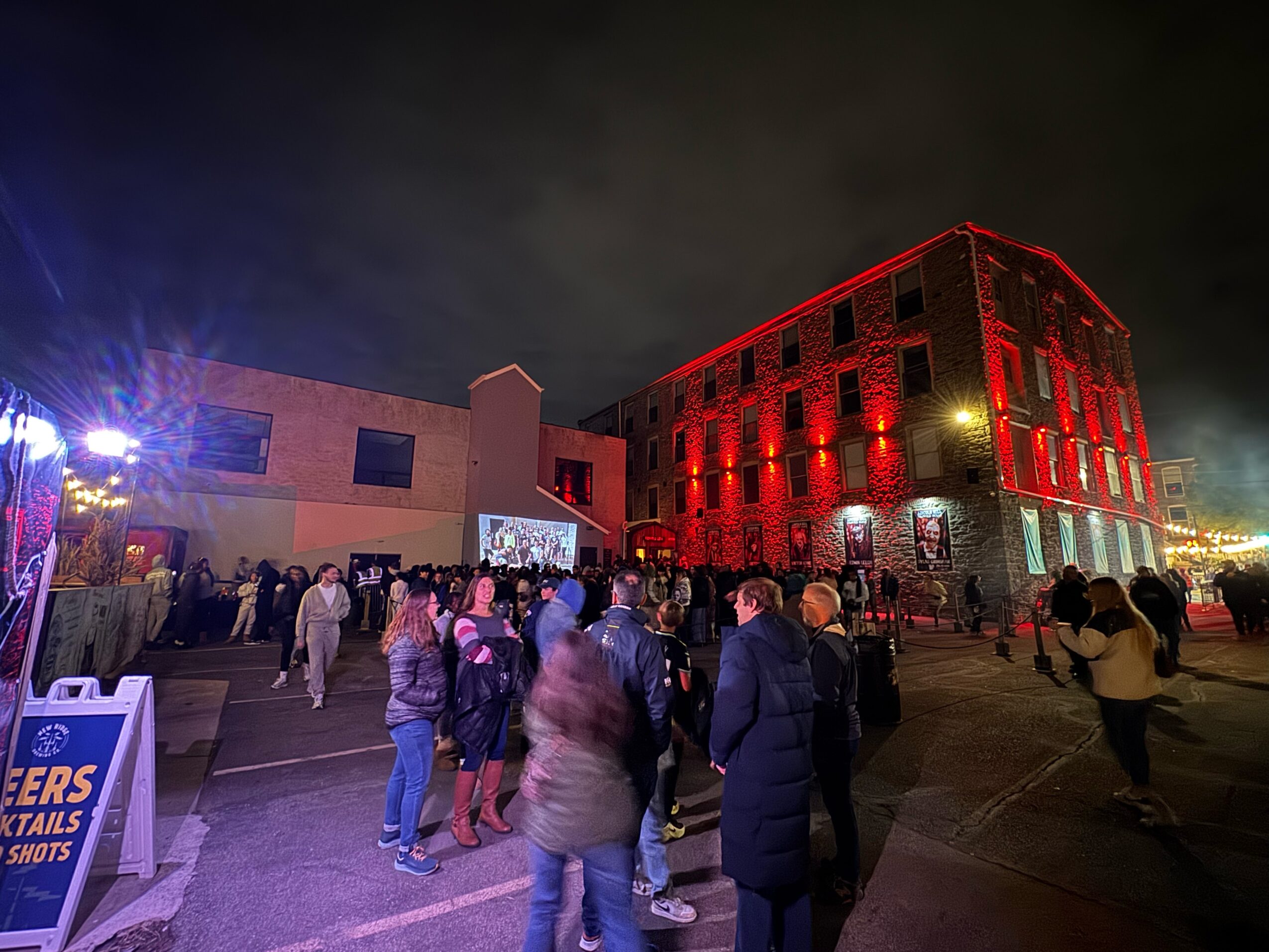
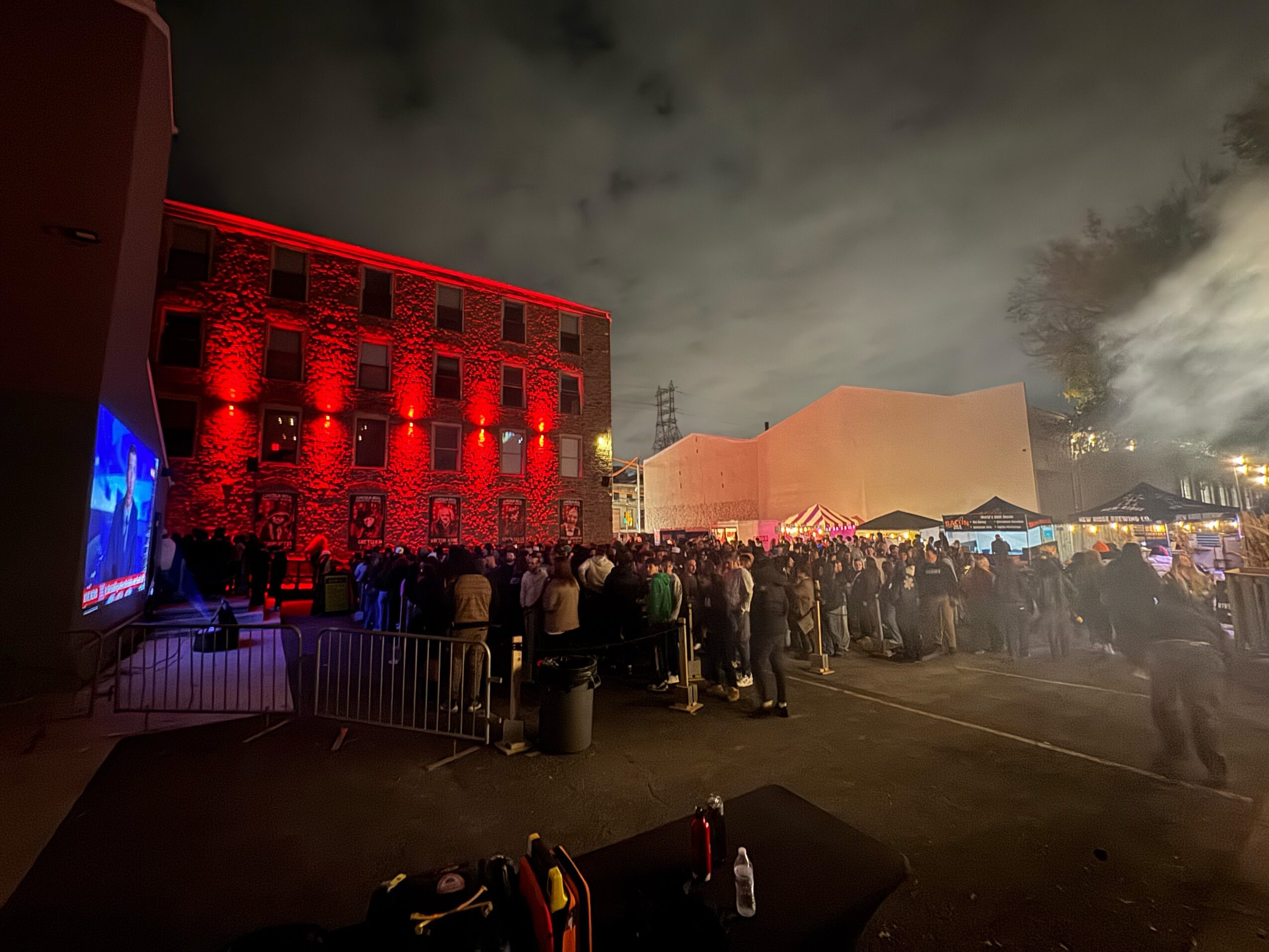
Then there was the challenge of success itself. The attraction became very popular very quickly, and suddenly we were dealing with large crowds. Our early line management wasn’t where it needed to be, and people were sometimes waiting far too long to get through the attraction. That was another major lesson: creating a great attraction is one thing, but operating it efficiently for hundreds or thousands of guests is an entirely different challenge.
And honestly, the attraction itself wasn’t nearly as detailed or as long when we first opened. We simply didn’t have the time to execute everything we envisioned. We had ideas for what the experience could eventually become, but we had to open with what we could realistically accomplish in those three months.
The personal side of it has also become more challenging over the years. I’m now a father — my son was born in 2024 — so being away from my wife and son essentially every weekend throughout the fall is difficult for my family. The haunted house is extremely demanding during those few weeks, and there are long days, late nights and very little downtime. I love what we’re building, but there is a real sacrifice that comes with running a seasonal business at this level.
And financially, it is a very unusual business model. We essentially have about 25 days to generate the revenue that supports the business for the entire year. People see the ticket price and might think, “That’s an expensive ticket,” but they don’t necessarily see everything happening behind the scenes. Rent, insurance, permits, payroll, marketing, construction materials, technology, maintenance and countless other expenses add up very quickly.
The biggest challenge is cash flow. Our revenue is heavily concentrated into roughly one month, but our expenses don’t stop when the season ends. Rent, insurance, maintenance, planning, marketing and other costs continue throughout the year. So you’re constantly trying to manage cash flow when most of your revenue comes in a very short window, while many of your expenses are spread across all twelve months.
I think that’s one of the biggest misconceptions about the business. People see the lights, the actors, the special effects and the crowds, but they don’t necessarily see the business infrastructure underneath it. There’s a tremendous amount of work and expense that goes into creating a professional attraction.
Looking back, those challenges were incredibly valuable. We learned about hiring, leadership, operations, crowd management, guest experience, construction, technology, financial management and what it actually takes to run a large-scale attraction. Every year since then, we’ve taken those lessons and used them to make the experience better.
The Lincoln Mill Haunted House that exists today is a completely different attraction from what we opened with that first year. In many ways, the challenges of those first few months forced us to learn faster than we otherwise would have. We had to figure things out in real time, and that experience has shaped how we build, operate and grow the attraction today.
Great, so let’s talk business. Can you tell our readers more about what you do and what you think sets you apart from others?
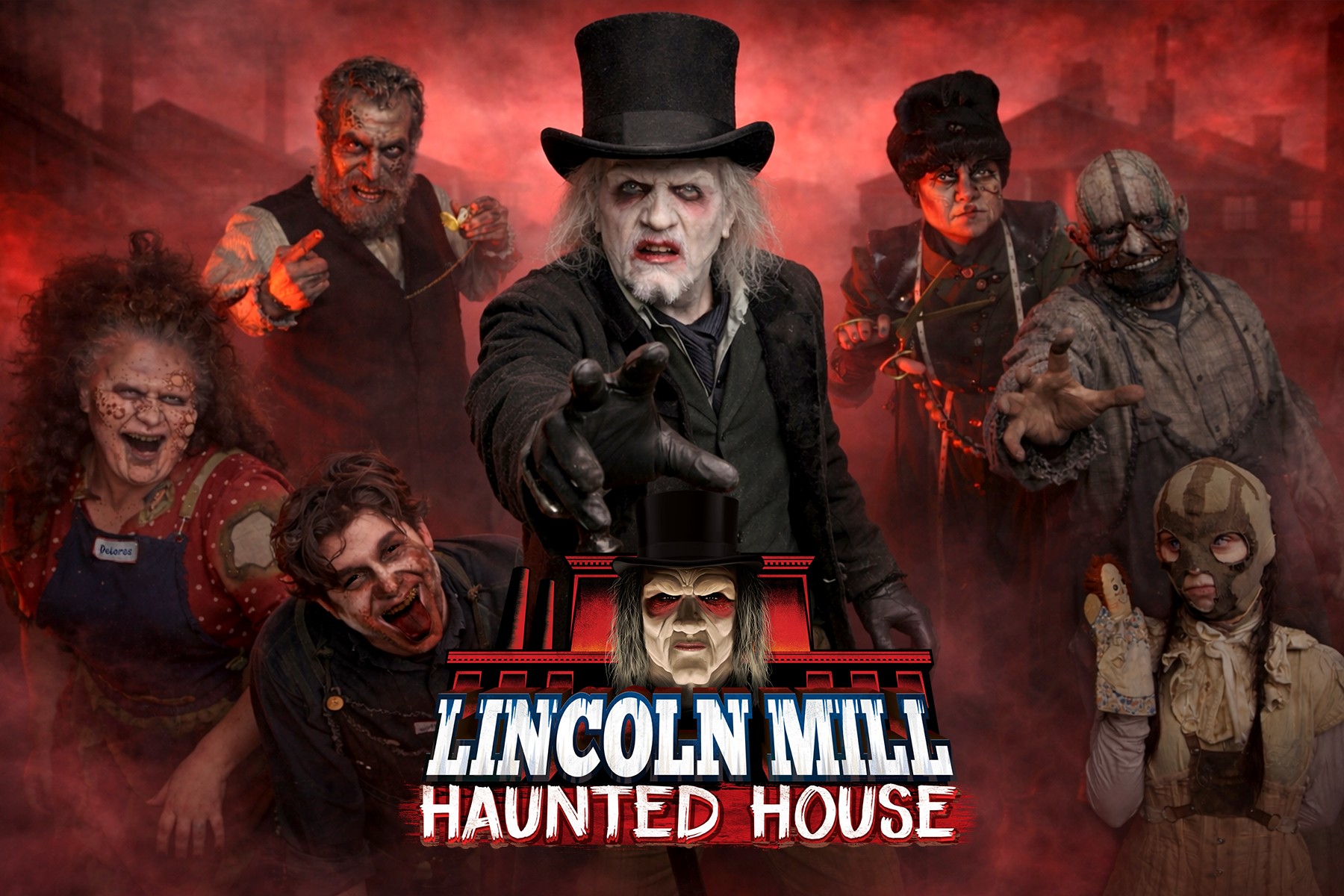
Unlike most haunted attractions, Lincoln Mill is built around a deeply immersive, story-driven experience. Rather than simply moving guests from one jump scare to the next, we’ve designed Lincoln Mill to unfold like a living horror story—scene by scene, room by room.
Our story blends fact and fiction, blurring the lines between local history and original folklore. Inspired in part by the real events surrounding the 2021 Hurricane Ida flood that devastated the building, the attraction is rooted in the eerie history of a 1930s textile mill. From the characters and environments to the scares and special effects, everything connects back to the world we’ve created inside Lincoln Mill.
What really sets us apart is our commitment to world-building, live performance, and immersion. We are an extremely actor-driven attraction, and I’m incredibly proud of the collective team we’ve built. Our performers are a huge part of what makes the experience work, and we believe some of the best scares come from the interaction, unpredictability, and intensity of a great live performer. The experience is intentionally intense—we want guests to feel completely immersed in the world from the moment they arrive.
That immersion begins before guests even enter the haunted house. When you arrive at Lincoln Mill, you’re immediately confronted by a massive 50-foot projection mapping screen and surround-sound speaker system that begins telling the story of Lincoln Mill and its characters. The experience is designed to feel cinematic from the very beginning, almost like walking into the opening scene of a horror film.
Every room has a purpose, every character has a story, and every detail is designed to make the experience feel cohesive. We want guests to feel like they’ve stepped into a real place with its own history, characters, secrets, and mythology—not simply a haunted house.
I’m especially proud of the Lincoln Mill brand because we’ve created something that is truly unique to Manayunk. We’re not trying to replicate another haunted attraction—we’re building our own horror universe around an actual historic building and its history. Our goal is to create an experience that guests remember not only because they were scared, but because they felt like they entered a completely different world for the night.
What are your plans for the future?
We’re always looking for ways to expand what we can offer our guests and create new immersive experiences. We recently launched our Ghost Tours of Manayunk Experience, which explores the rich history, stories, and paranormal side of the Manayunk neighborhood. Guests even get to participate in the investigation themselves, with EMF readers placed directly in their hands as they explore some of the area’s historic locations.
Looking ahead, we plan to continue expanding Lincoln Mill with more scenes, sets, characters, technology, and storytelling. We’re also planning to launch escape rooms in the near future, which will allow us to create a completely different type of interactive experience.
Ultimately, we want Lincoln Mill to become more than just a haunted house. We’re building a destination for immersive entertainment where guests can experience different stories and worlds throughout the year—not just during Halloween season.
Pricing:
- $38 for General Admission
- $55 for VIP (Skip the line) Admission
Contact Info:
- Website: https://lincolnmillhaunt.com/
- Instagram: https://www.instagram.com/lincolnmillhaunt/
- Facebook: https://www.facebook.com/lincolnmillhaunt
- Youtube: https://www.youtube.com/channel/UCcUkB99Ye2YK8OM8LuyRQbw
- Yelp: https://www.yelp.com/biz/lincoln-mill-haunted-house-philadelphia
- Other: https://linktr.ee/lincolnmillhaunt?utm_source=linktree_profile_share<sid=bd1a5503-6d97-467f-9eb9-449c00edd72c