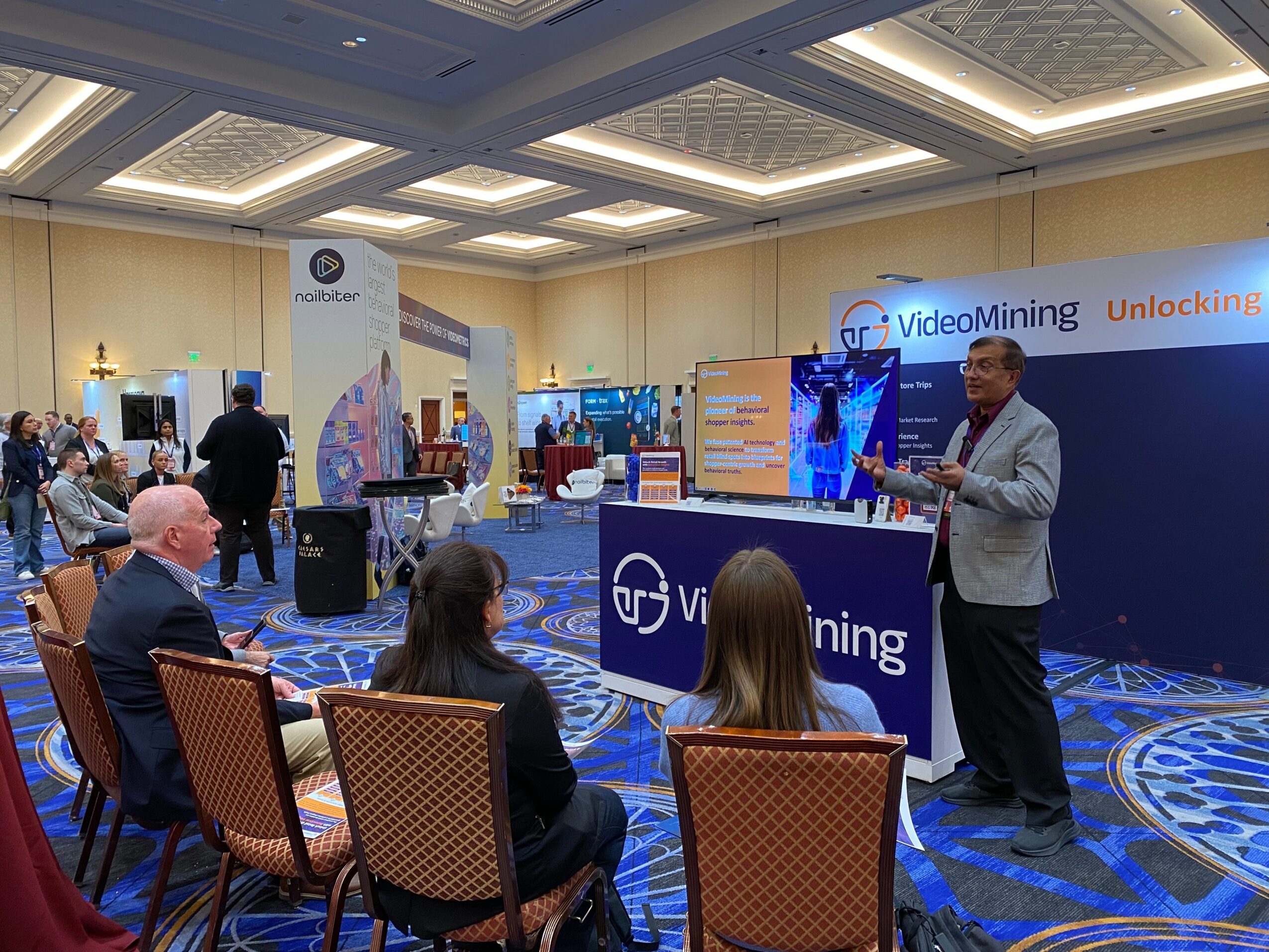




Today we’d like to introduce you to Rajeev Sharma.
Alright, so thank you so much for sharing your story and insight with our readers. To kick things off, can you tell us a bit about how you got started?
My professional journey began in academia, where I spent years researching artificial intelligence and computer vision – essentially, teaching computers to make sense of the world through images. As a professor and researcher at Penn State, I loved the intellectual challenge. But I also became increasingly interested in a different question: Could this technology solve meaningful problems outside the laboratory?
That curiosity eventually led me to retail, an industry that affects all of us but where surprisingly little was known about what actually happens during a shopping trip. Businesses could tell you exactly what was sold, but not necessarily what a shopper noticed, considered, passed by, or decided against buying. I saw an opportunity to make that invisible part of shopping measurable.
In 2008, I founded VideoMining as a spinout of research from Penn State’s AI laboratory. The idea was to use computer vision and behavioral analytics to help retailers and consumer brands understand how people really shop, and then use that understanding to make stores and shopping experiences better.
What began as a research-driven idea became a long entrepreneurial journey, full of discovery, reinvention, and lessons I never would have learned in a university setting. Pennsylvania, and especially the Penn State ecosystem, played an important role in that transition. Today, I still find it remarkable that an idea born in an AI research lab has grown into a business helping some of the world’s leading retailers and brands answer fundamental questions about consumer behavior.
Alright, so let’s dig a little deeper into the story – has it been an easy path overall and if not, what were the challenges you’ve had to overcome?
The biggest early challenge was not developing the technology. It was convincing people that the problem we wanted to solve was important enough to change how they made decisions. Retailers and brands had relied for decades on sales data, surveys, and conventional market research. We were asking them to look at something different: the behavior that happens before a sale – including the many occasions when a sale never happens at all.
That required building both a technology platform and a new way of thinking. We had to translate sophisticated AI into information a store operator, marketer, or business leader could actually use. And because our work involves observing activity in physical stores, we have always had to be thoughtful about privacy, responsible data practices, and earning the trust of our partners.
The other major challenge has been the entrepreneurial journey itself. Building a company around a new category is rarely a straight line. Markets change, customer priorities shift, and sometimes the business has to evolve faster than the original plan. We have experienced difficult periods that required tough decisions, perseverance, and a willingness to rethink how we operate while staying true to the larger mission.
What helped me through those periods was separating the core belief from the business model. I remained convinced that understanding real human behavior could create enormous value, even when we needed to change how we delivered that value. I also learned the importance of a committed team, trusted relationships, and the ability to keep moving forward when the path is not yet clear.
Alright, so let’s switch gears a bit and talk business. What should we know?
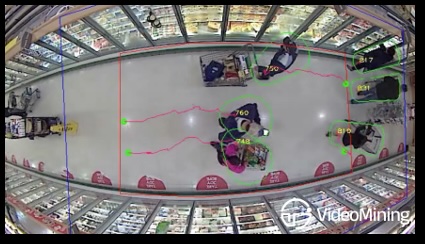
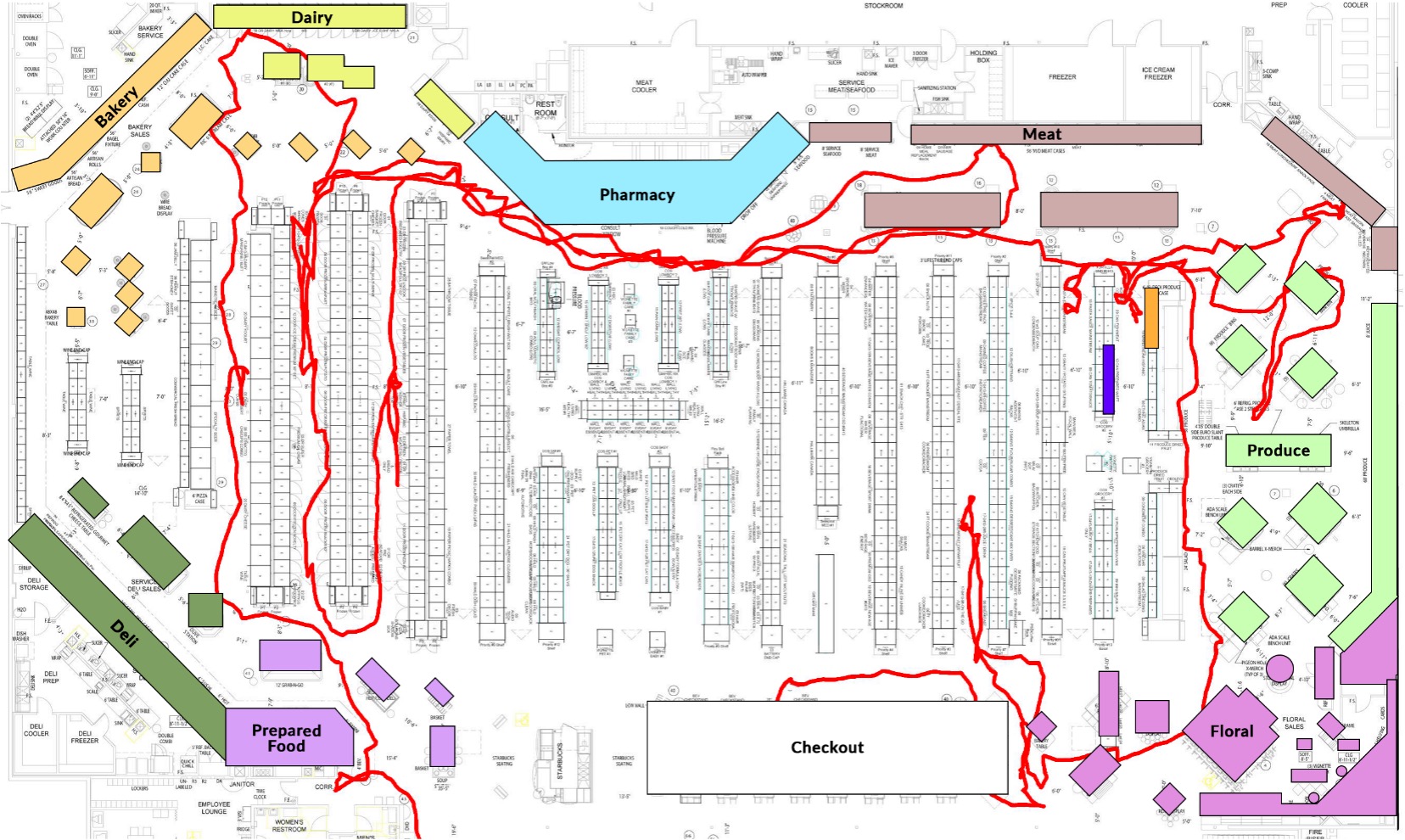
At VideoMining, we use AI-powered computer vision and behavioral analytics to understand what people actually do inside physical stores. For example, we can study how shoppers move through a store, which products or displays attract attention, where people stop to consider a purchase, and where they walk away. By connecting that behavior with purchasing outcomes, we help retailers and brands identify growth opportunities that sales figures alone often miss.
A useful way to think about it is this: A cash register tells you what people bought. It does not tell you how many people were interested but couldn’t find what they wanted, were confused by the shelf, or simply moved on. Those missed opportunities can be just as important as the transactions that occurred.
Over the years, our company has developed a large base of real-world behavioral knowledge, drawing on more than 1.6 billion observed shopping trips annually and hundreds of research engagements. Our insights help inform decisions about store layouts, merchandising, product placement, shopper marketing, and the effectiveness of in-store retail media. The goal is not technology for its own sake; it is to make shopping easier for consumers and more productive for businesses.
I am especially excited about where the field is heading. AI is making it possible to extract more meaningful insights from complex real-world environments, while retailers and brands are increasingly recognizing the value of understanding behavior, not just transactions. I am also working on a book planned for 2027 – Why Shoppers Don’t Buy, which explores a simple but powerful idea: some of the greatest opportunities for business growth are hidden in the purchases that never happened.
Are there any important lessons you’ve learned that you can share with us?
One of my most important lessons is that curiosity matters more than having all the answers. In research, you are trained to question assumptions. In business, it is tempting to fall in love with your original idea or with the way things have always been done. I have learned to keep asking what the evidence is telling us, especially when it is uncomfortable or surprising.
A second lesson is that building something new requires patience and resilience. There is a big difference between proving that a technology works and creating a sustainable business around it. Success depends on listening carefully to customers, adapting to their real needs, and surrounding yourself with people who bring skills and perspectives different from your own.
I would also tell aspiring entrepreneurs not to confuse setbacks with the end of the story. Some of the most valuable learning comes when a plan doesn’t work, provided you are willing to examine why and make changes. Staying committed to the mission is important, but staying flexible about the route is equally important.
Finally, I have learned that the most interesting opportunities often sit in places others overlook. In our work, the obvious measure is what shoppers buy; the less obvious, and often more revealing, question is why they don’t. That way of thinking applies well beyond retail. Whether you are building a company, pursuing research, or making a life decision, asking a better question can be more powerful than finding a faster answer.
Contact Info:
- Website: https://www.VideoMining.com
- LinkedIn: https://www.linkedin.com/in/rajeev-sharma-27428b1/