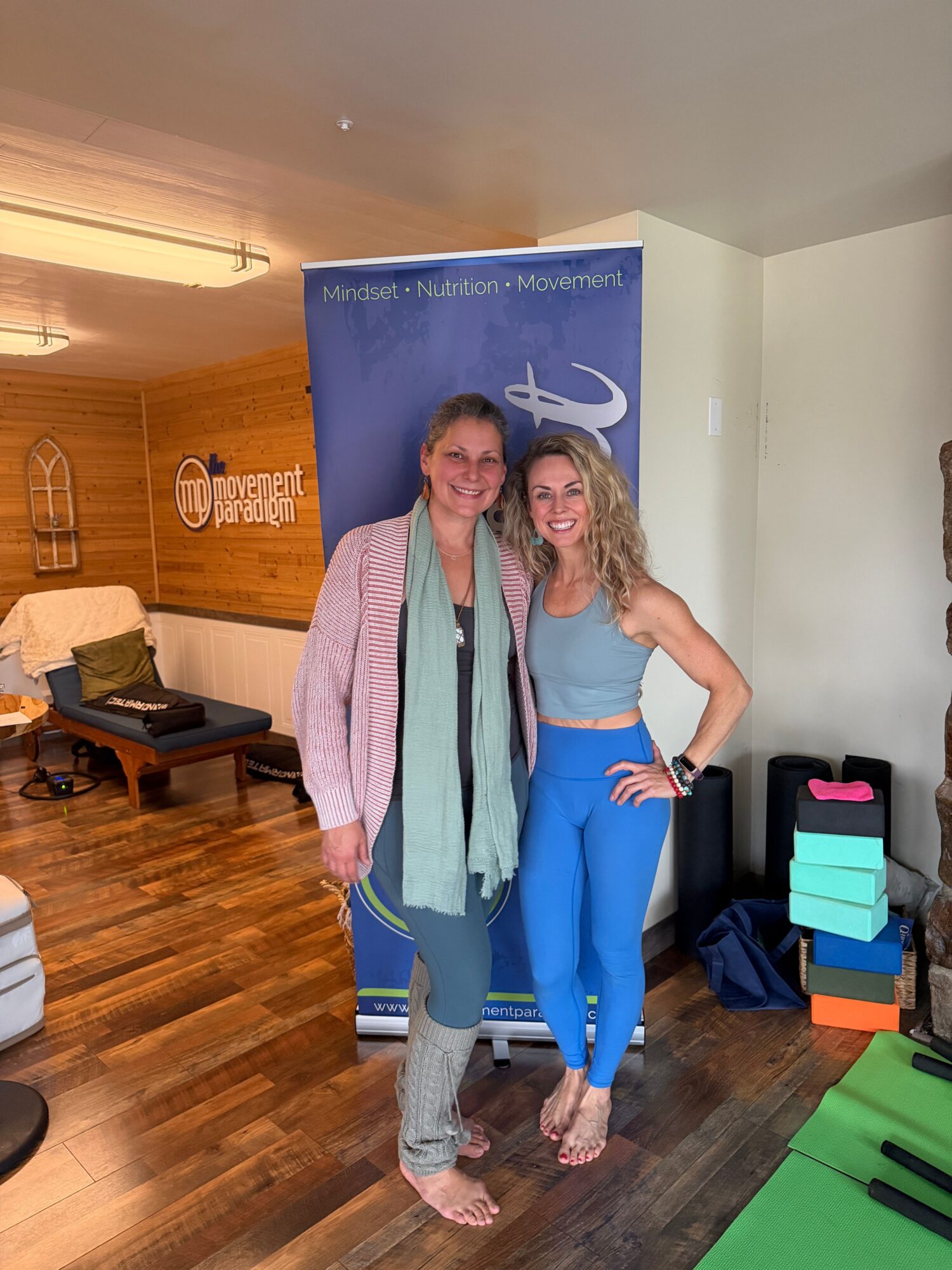



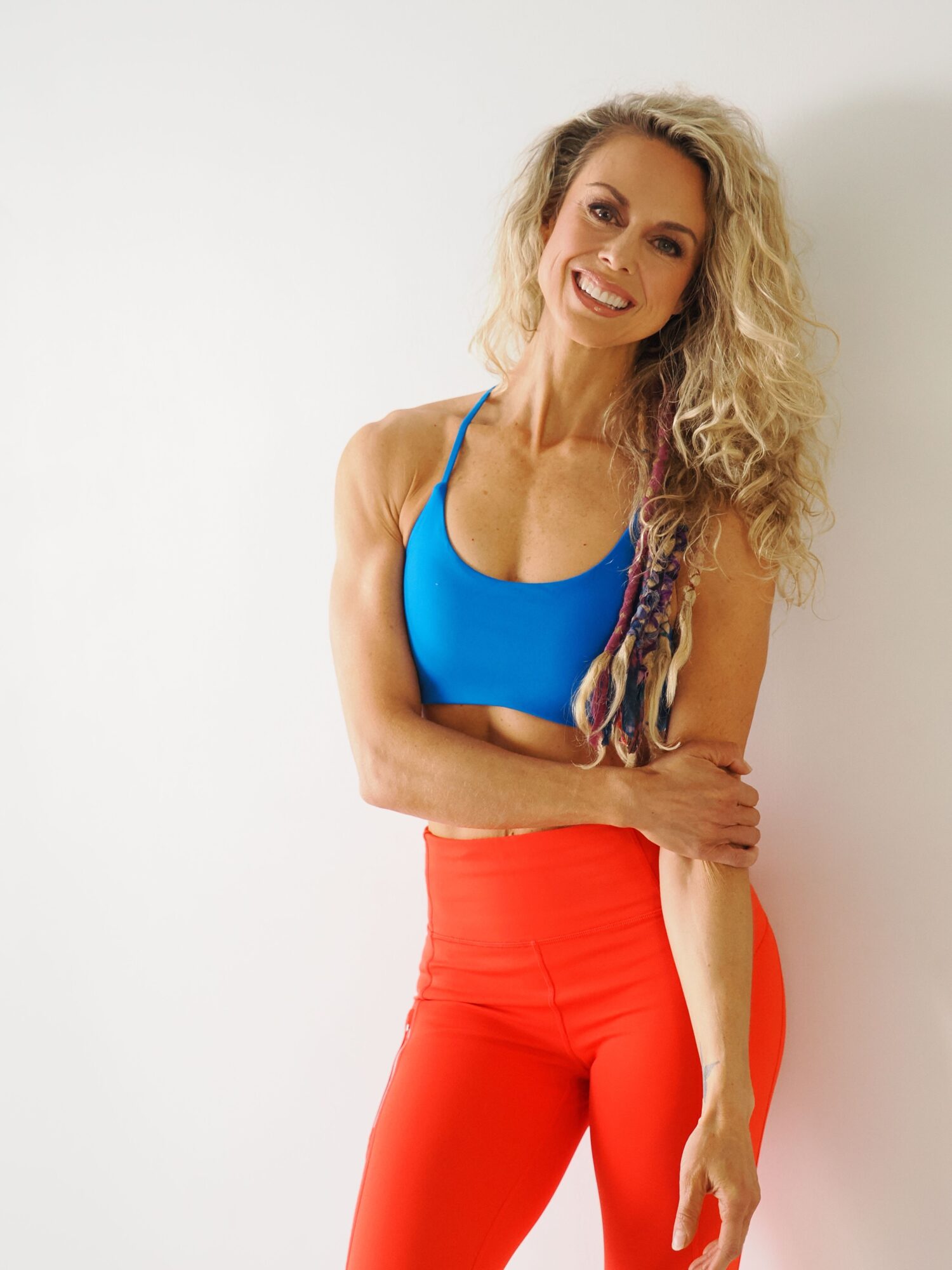
Today we’d like to introduce you to Arianne Missimer.
Hi Arianne, we’d love for you to start by introducing yourself.
My journey started in personal training and fitness.
I loved helping people feel strong and confident in their bodies, which naturally led me to become both a personal trainer and a dietitian so I could better support how nutrition and movement fuel performance, recovery, and long-term health. But as I worked more closely with people, I began to notice a clear pattern—many were walking into fitness settings with pain, old injuries, and bodies that didn’t feel safe to move in.
Losing my brother was a profound turning point. It deeply shaped my sense of purpose and urgency, and made me realize how fragile health truly is—and how often we take movement and vitality for granted until they’re gone. That loss fueled my commitment to helping people not just recover, but truly live. I went on to own and operate a personal training studio for 13 years, where this purpose was reinforced every single day.
That experience ultimately led me to pursue my doctorate in physical therapy. I wanted to bridge the gap between rehabilitation and performance. But even then, something deeper became clear: pain and injury were rarely just mechanical. Stress, loss, poor sleep, inflammation, and nervous system overload were showing up in every room.
Then I was diagnosed with stage III cancer. Going through chemotherapy and radiation while continuing to move, train, and show up for life changed everything. It forced me to understand healing at a completely different level. That’s when mindfulness, somatics, and nervous system regulation became foundational—not optional.
After cancer, I expanded into functional medicine and trauma-informed, nervous-system-based care, integrating movement, nutrition, physiology, and mindset into a single, cohesive approach. Today, as the founder of The Movement Paradigm®, my work is centered on helping people move out of pain, out of survival mode, and back into their bodies with strength, resilience, and trust.
My story is really about evolution—starting in fitness, deepening through rehabilitation, and ultimately arriving at whole-body, nervous-system-led healing. That’s where real transformation happens.
We all face challenges, but looking back would you describe it as a relatively smooth road?
No, it definitely hasn’t been a smooth road.
There were multiple points where I had to pivot, question the system, and honestly question myself. Early on, moving from fitness and nutrition into physical therapy meant starting over—more schooling, more debt, and years of feeling like I knew there was more to healing than what I was being taught. I often felt like I was operating between worlds: fitness, rehabilitation, and medicine—without a clear roadmap.
Losing my brother was an enormous emotional struggle. Grief doesn’t pause for work or responsibility, and learning how to keep showing up while processing that loss changed me as both a human and a clinician. It sharpened my sense of purpose, but it also forced me to slow down and reevaluate what truly matters.
Cancer was, without question, the hardest chapter. Going through chemotherapy and radiation while continuing to lead, move, and live required me to confront fear, uncertainty, and vulnerability in ways I never had before. It challenged my identity as a high performer and taught me that resilience isn’t about pushing harder—it’s about listening, adapting, and creating safety in the nervous system.
Professionally, building a business that doesn’t fit neatly into traditional models has also been challenging. Integrative, root-cause care takes time, education, and trust. There were moments of resistance, skepticism, and uncertainty—but I stayed committed because I truly believe in being the change you want to see in the world.
Every struggle refined the way I practice and lead today. They taught me that healing is rarely linear, and that real growth comes from learning how to move forward with clarity, compassion, and courage—even when the path isn’t obvious.
Alright, so let’s switch gears a bit and talk business. What should we know?
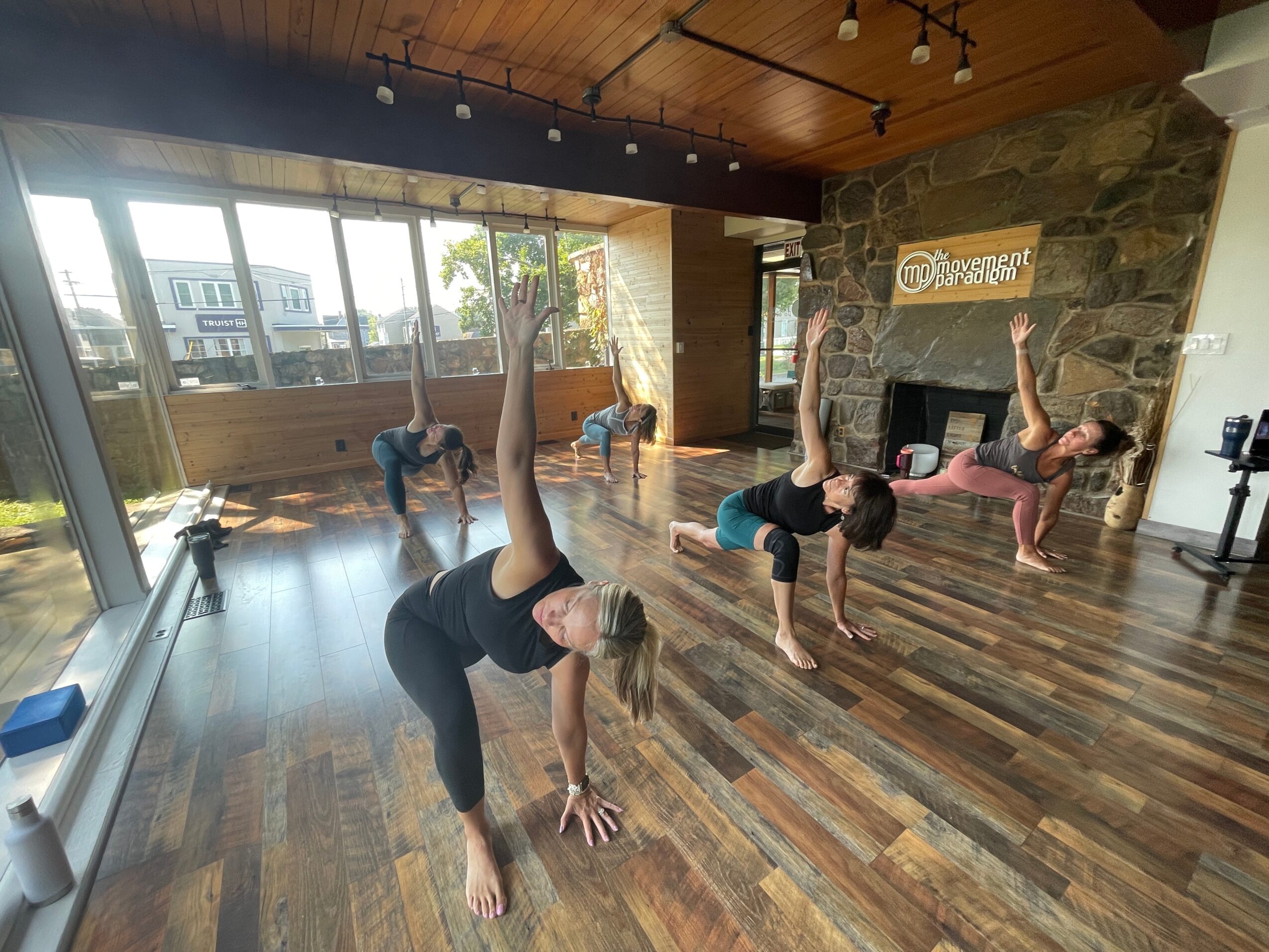
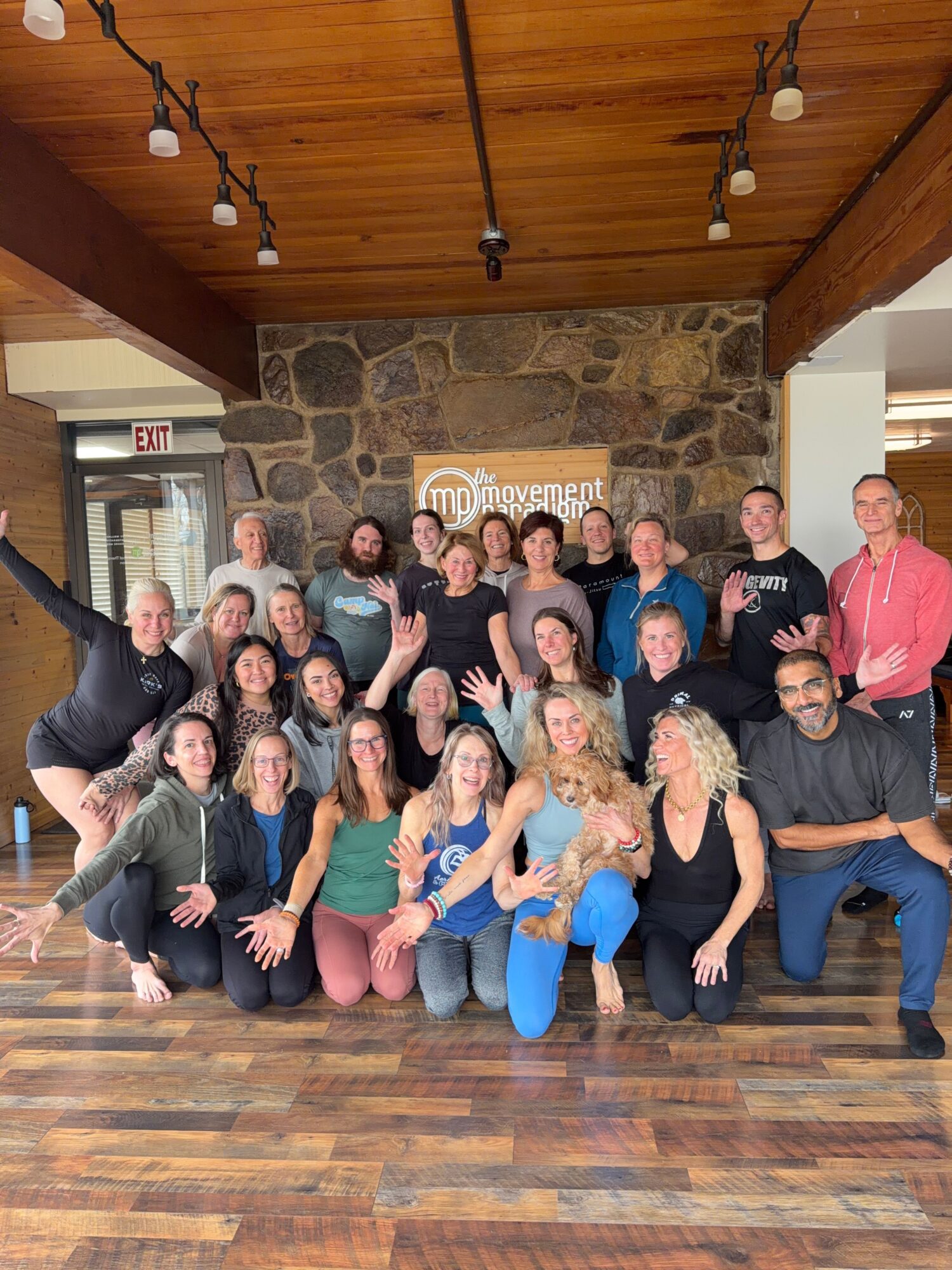
The Movement Paradigm® is an integrative health and education company built around one core belief: the human body has an innate capacity to heal when it’s given the right support.
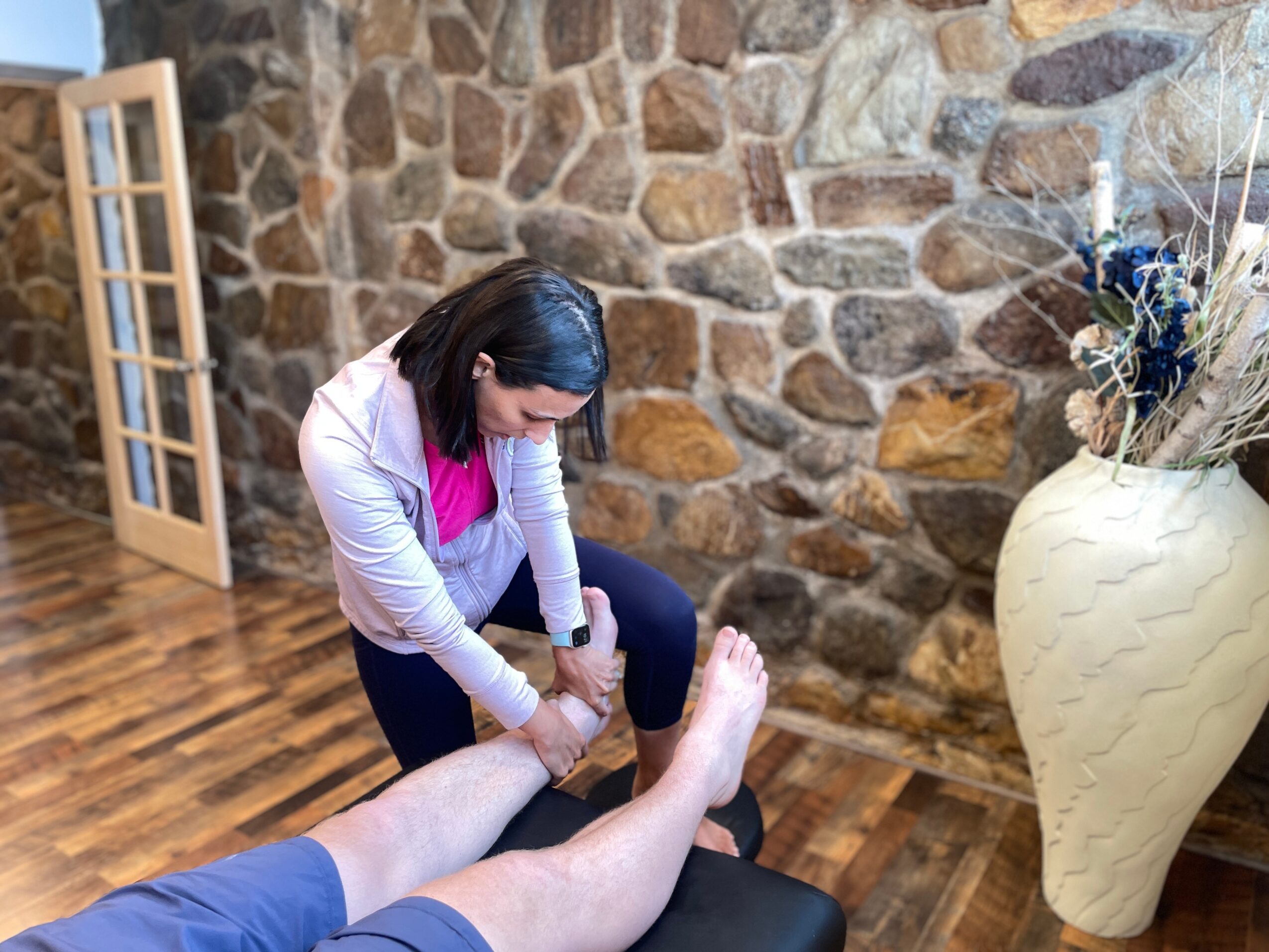
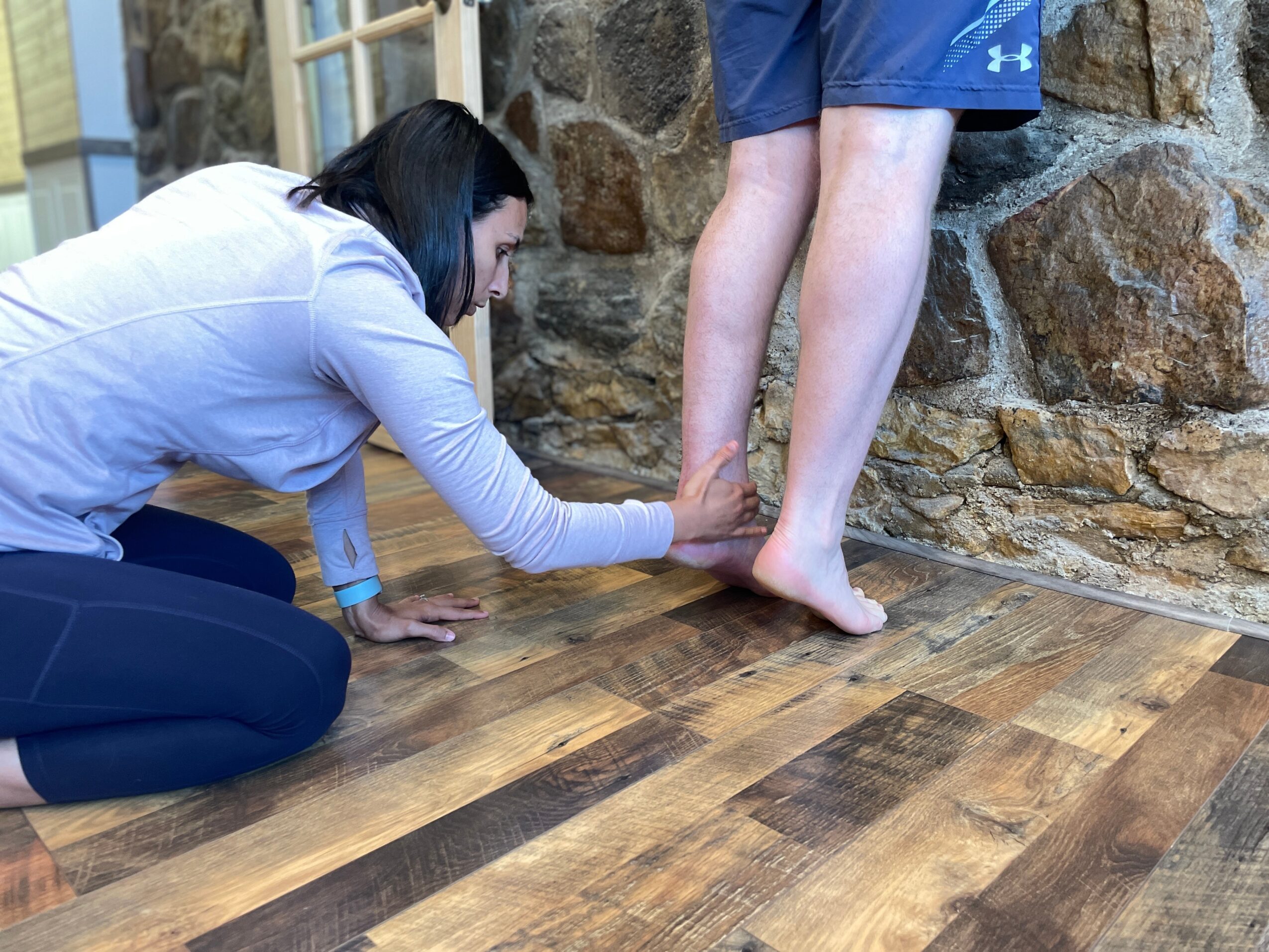
We specialize in whole-body, root-cause care that integrates functional medicine, holistic physical therapy, nervous system regulation, somatics, and movement science. What we’re known for is helping people who feel stuck—often after trying everything—finally understand *why* their symptoms persist and how to move forward in a sustainable way.
What truly sets us apart is that we don’t treat symptoms in isolation. We look at how all systems interact—sleep and airway function, the nervous system, digestion, inflammation, movement patterns, stress, and lifestyle. The nervous system is always the foundation of our work, because without safety and regulation, the body cannot access its natural healing capacity. From there, we layer in personalized movement, nutrition, and lifestyle strategies that meet people where they are.
Our offerings are intentionally diverse so people can access care in a way that fits their life. We provide one-on-one integrative care, group programs, professional education, community-based movement and mindfulness offerings, and digital resources through The Movement Paradigm® App. We also educate clinicians nationally and internationally, helping raise the standard of care beyond symptom management.
Brand-wise, what I’m most proud of is that we lead with integrity and education. We don’t promise quick fixes. We teach people how to understand their bodies, build resilience, and create habits that last. Our work is about empowerment—helping individuals move out of pain, out of survival mode, and back into trust with their bodies.
What I want readers to know is that The Movement Paradigm® is more than a clinic or a program—it’s a philosophy. It’s about being the change we want to see in healthcare by offering thoughtful, compassionate, science-based care that treats the whole human, not just the diagnosis.
We’d love to hear about how you think about risk taking?
I don’t think of myself as a reckless risk-taker, but I do believe deeply in intentional risk.
Most of the major decisions in my life have involved stepping into the unknown with clarity rather than certainty. Choosing to go back to school for physical therapy was a significant risk—financially, professionally, and personally. At each step, I was starting over in some way, trusting that deeper understanding would ultimately allow me to help people more effectively.
Owning and operating my own studio and now integrative health center were other major risks. It meant betting on a model of care that didn’t fit neatly into existing boxes. I knew I wanted to bridge fitness, rehabilitation, and medicine in a way that was more human and more effective, even if that meant slower growth and more education along the way.
Cancer reframed my entire relationship with risk. When you’re forced to confront uncertainty at that level, you realize that not taking risks can be the biggest risk of all. It taught me that waiting for perfect timing or guaranteed outcomes often keeps people stuck. Instead, I learned to ask, ‘Does this align with my values, my health, and my purpose?’ If the answer was yes, I was willing to move forward—even without complete certainty.
Today, the way I think about risk is through alignment and integrity. Is this in line with my purpose, vision, and mission? I take risks that move me closer to the kind of life, leadership, and healthcare system I want to help create. I don’t chase risk for excitement, but I don’t avoid it out of fear either. Growth, healing, and meaningful change all require some level of discomfort—and I believe intentional risk, taken with self-awareness and responsibility, is often the catalyst for real transformation.
Contact Info:
- Website: https://themovementparadigm.com/
- Instagram: https://www.instagram.com/themovementparadigm/
- Facebook: https://www.facebook.com/movementparadigmintegrativehealth/
- LinkedIn: https://www.linkedin.com/in/dr-arianne-missimer-8709a59/
- Youtube: https://www.youtube.com/@themovementparadigm