


Today we’d like to introduce you to Richard Metz.
Hi Richard, thanks for joining us today. We’d love for you to start by introducing yourself.
I grew up in suburban philadelphia, and couldn’t wait to escape. What I did like was the amount of nature around me, and became happy and comfortable being in those areas. My uncle was a painter, and a friend of my parents, so I could see that world as a possiblity. But really by 10th grade I knew that the visual arts would be my future. Art school was finally a place i felt at home. By yet he end of senior year, I grew increasingly concerned about the protecting the environment, and realized that this too would be in my future.
After working as a painter, and having a number of transitory jobs, and getting involved with leftist political causes, I realized that I liked teaching art and got a teaching certificate. Landing finally in a suburban a high school , I found a place a place that I could exist, thrive, and contribute to the well being of young people and the greater good. Even though I disliked the get up at 530 am daily schedule, and dealing with school administrators, teaching art to senior high students, getting them ready for higher education, mentoring them, learning form them, and creating a vital classroom atmosphere and community meant a great deal to me.
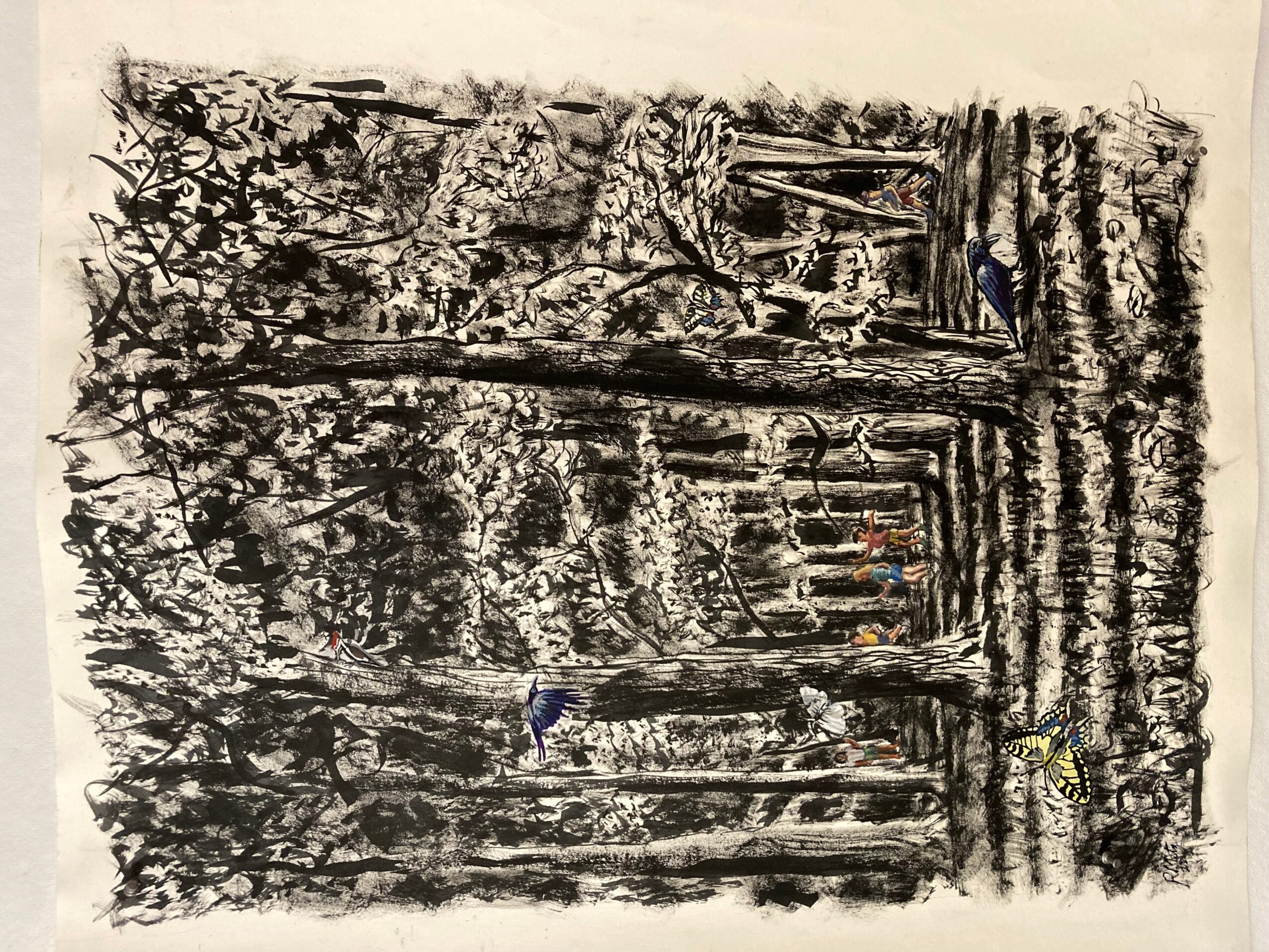
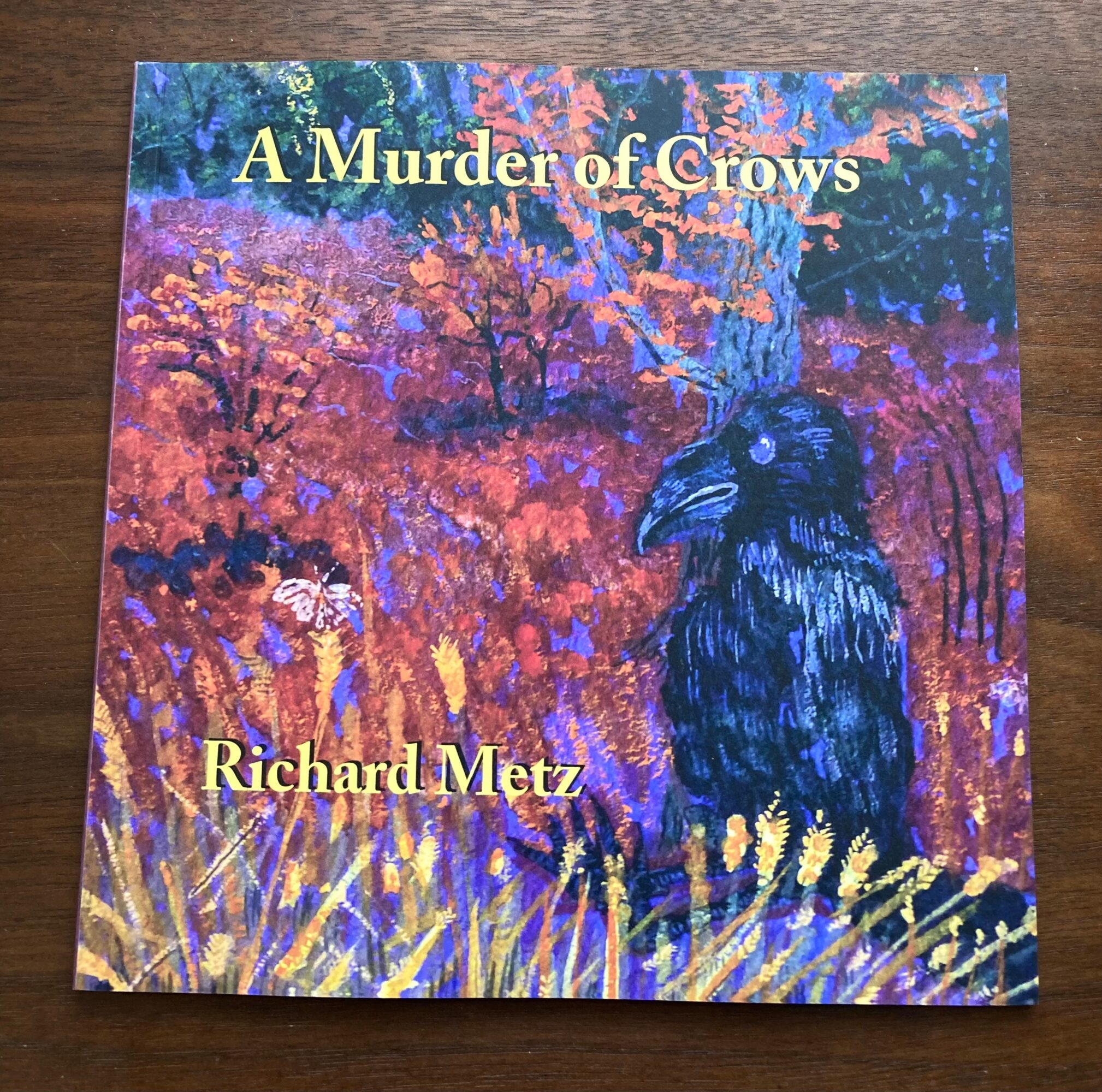
I continued to make art as I got married and my wife and I had two children. We moved to Maine for a sabbatical year as I got an MFA. Maine college of art MFA opened me up to many different kinds of work, and I created performances, installations, and worked in many media. Notably, from 2010-2024 I created ephemeral outdoor painted tree installations around the country on artist residencies. This work, was exciting, connected with nature and allowed me to explore many ideas. Upon retiring from teaching, Ive continued to make art and am just finishing up a second book of paintings and poems, titled Crow Meadow/Meadow crows.
We all face challenges, but looking back would you describe it as a relatively smooth road?
Being an artist in our fast-paced, capitalist, technological society is challenging in many ways. Because to some degree, making artwork, having an artistic practice, showing others our work, is the exact opposite of the terms above. Creative expression involves time, time to play, to fail, to reconsider, to experiment, to take risks. The smallest fraction of artists survive soley on their work, thus artists must juggle work life, home life, and create time for ourselves. For artists must enjoy solitude, which takes time to learn.
Being an active creative person, means getting to know and acknowledge failure. As Samuel Beckett says, “Fail, fail again, fail better”. Artists of every genre will be rejected many times, and must develope a strategy and a thick skin, realizing not to take your work be ing rejected personally. This takes time. Persistence is what I generally have learned, leads to better outcomes.
Making strong artwork, in any genre, requires going deep into oneself. This can be a very emotional, not only with subjects that are important to us, but in the process of making the work as well. To be open, honest and at times vulnerable, are key challenges for most artists.
The process of becoming an artist generally involves understanding and appreciating our sensitivity. In our disturbed, fractured world with so much suffering, artist must find their meaning, the reasons for making work, which seem not to be directly addressing the suffering of humanity. This for me, has been a changing, evolving process, which is never quite settled.
At times, many artists will say they must make work. But I believe it’s also incumbent upon every artist to understand the effect of their work on society.
Thanks for sharing that. So, maybe next you can tell us a bit more about your work?
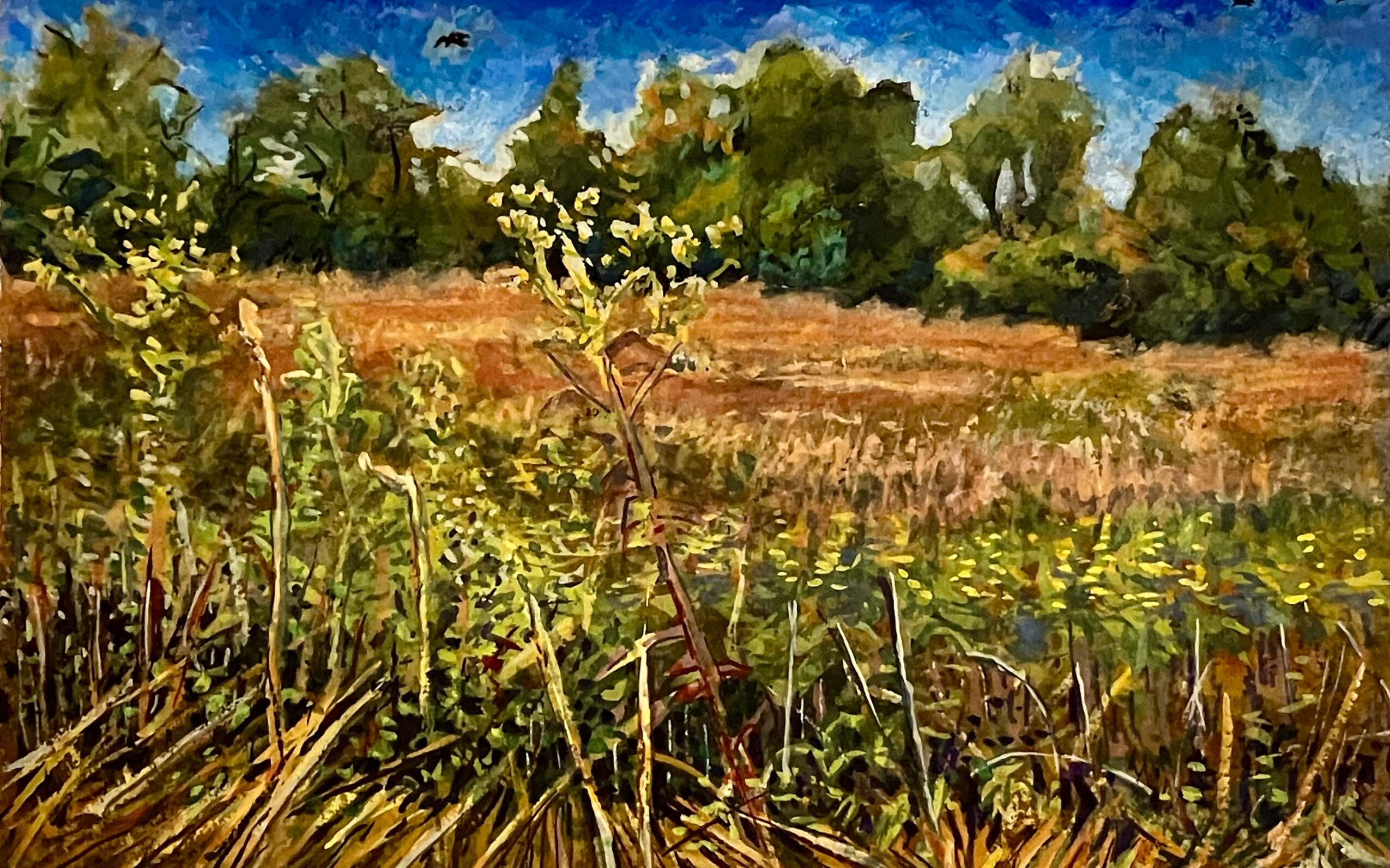
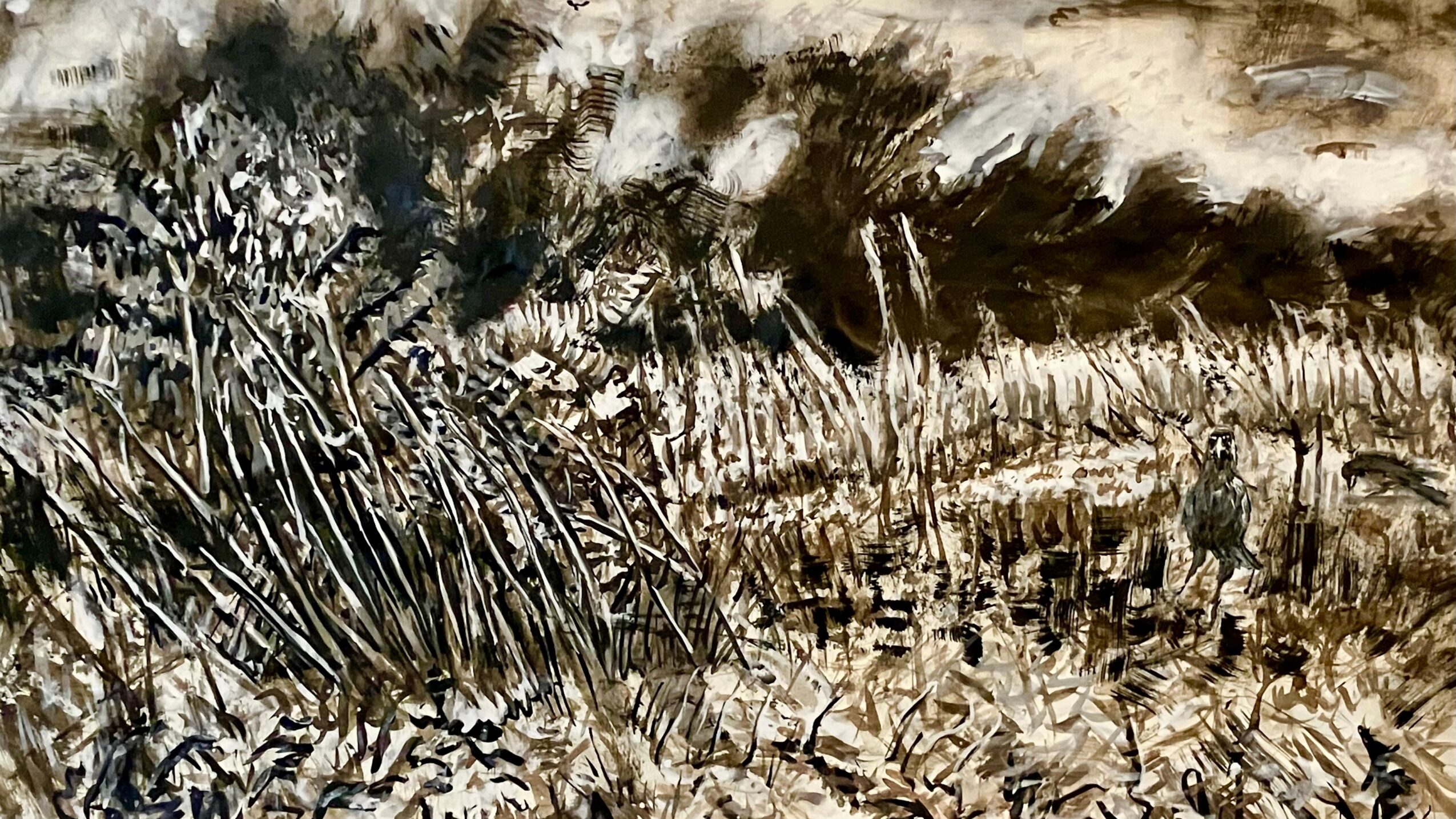
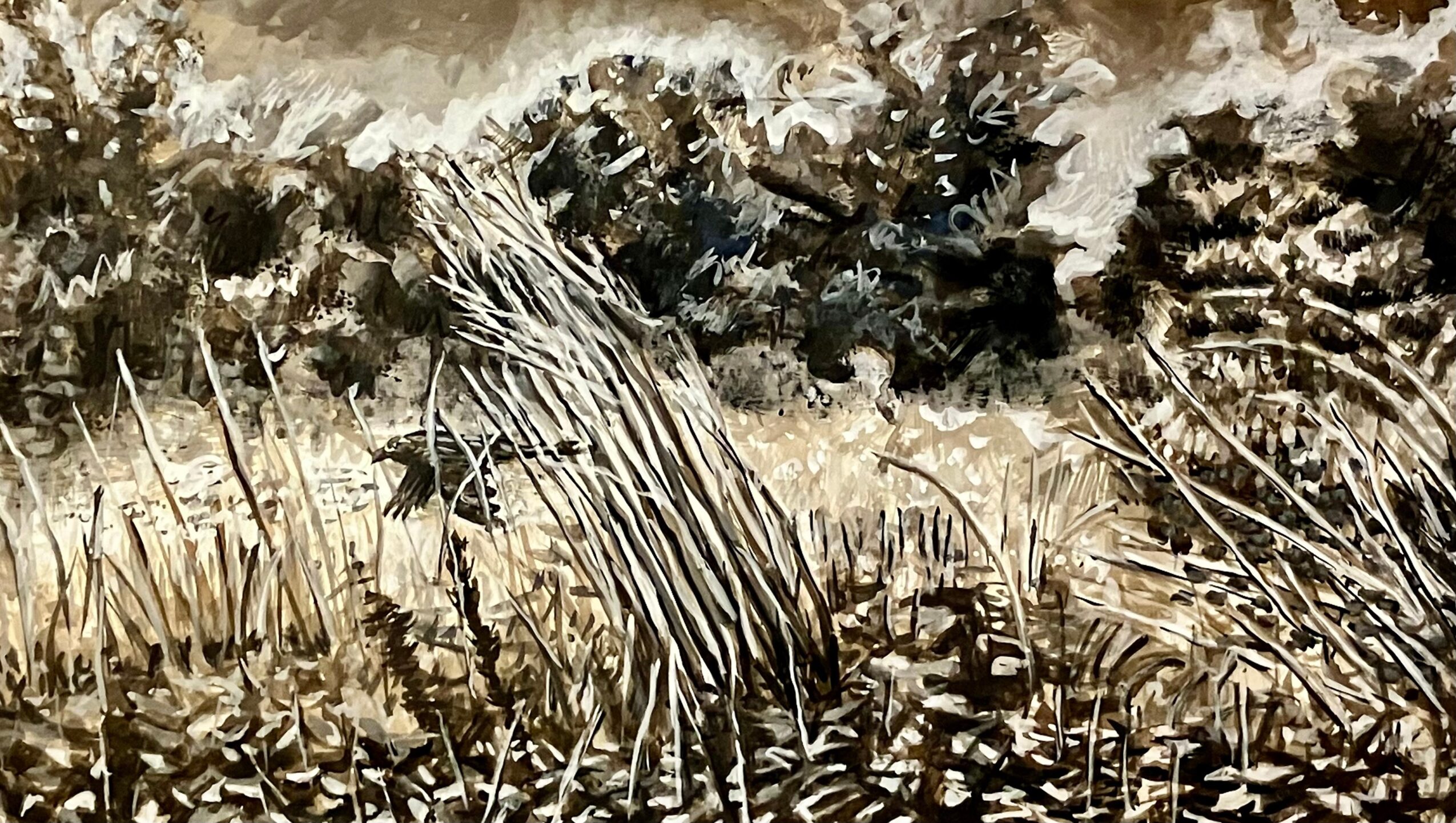
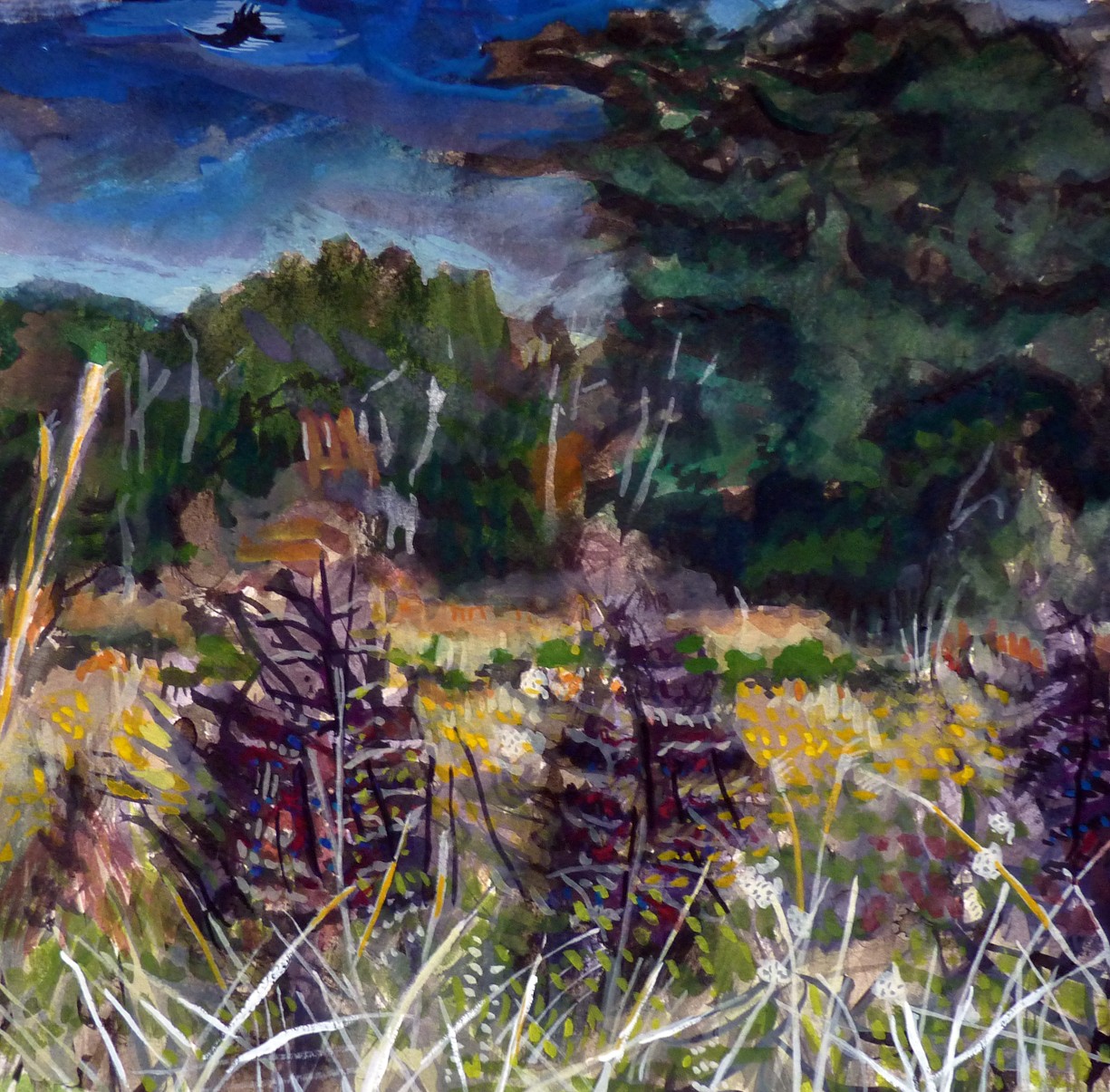
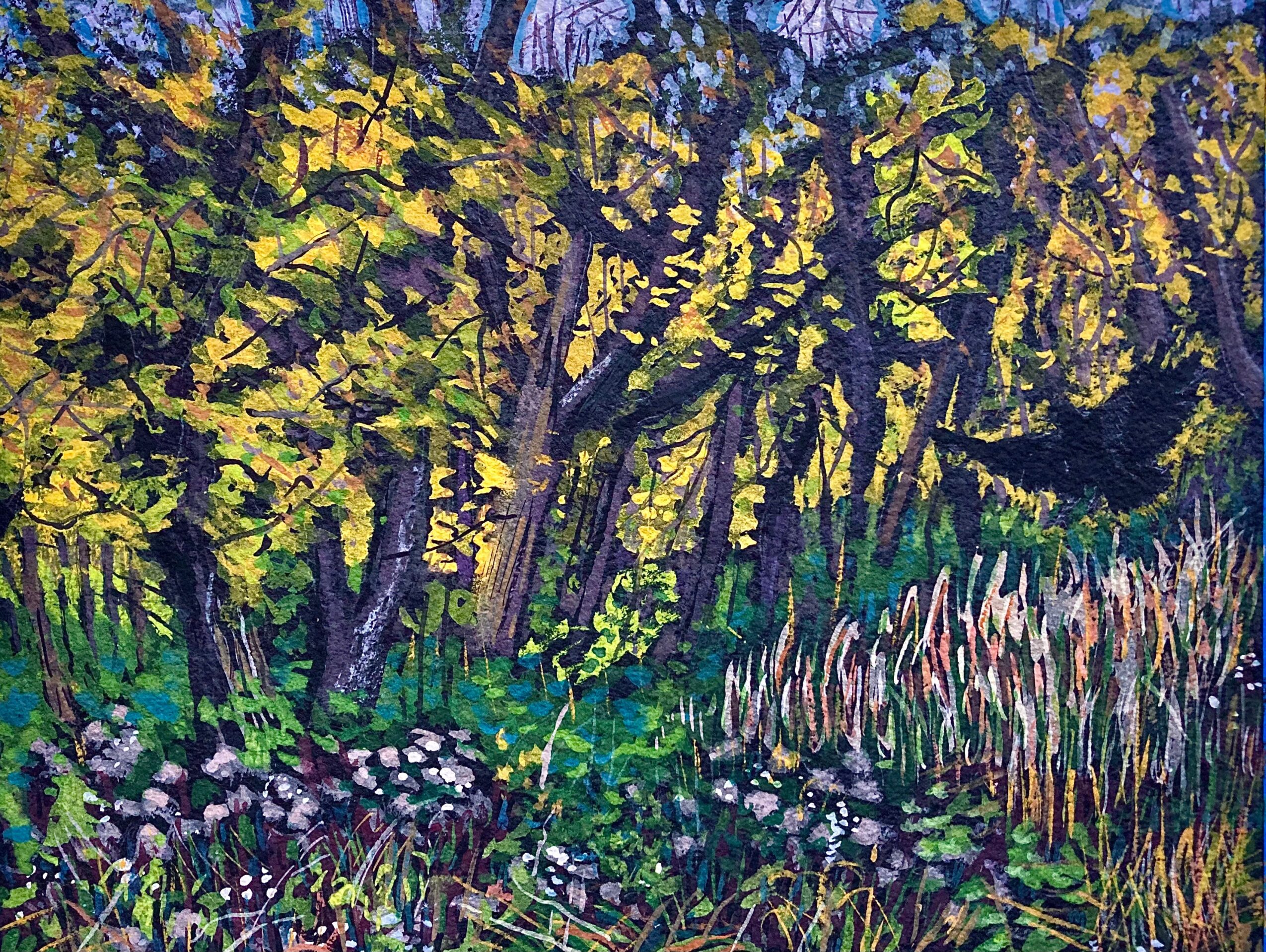
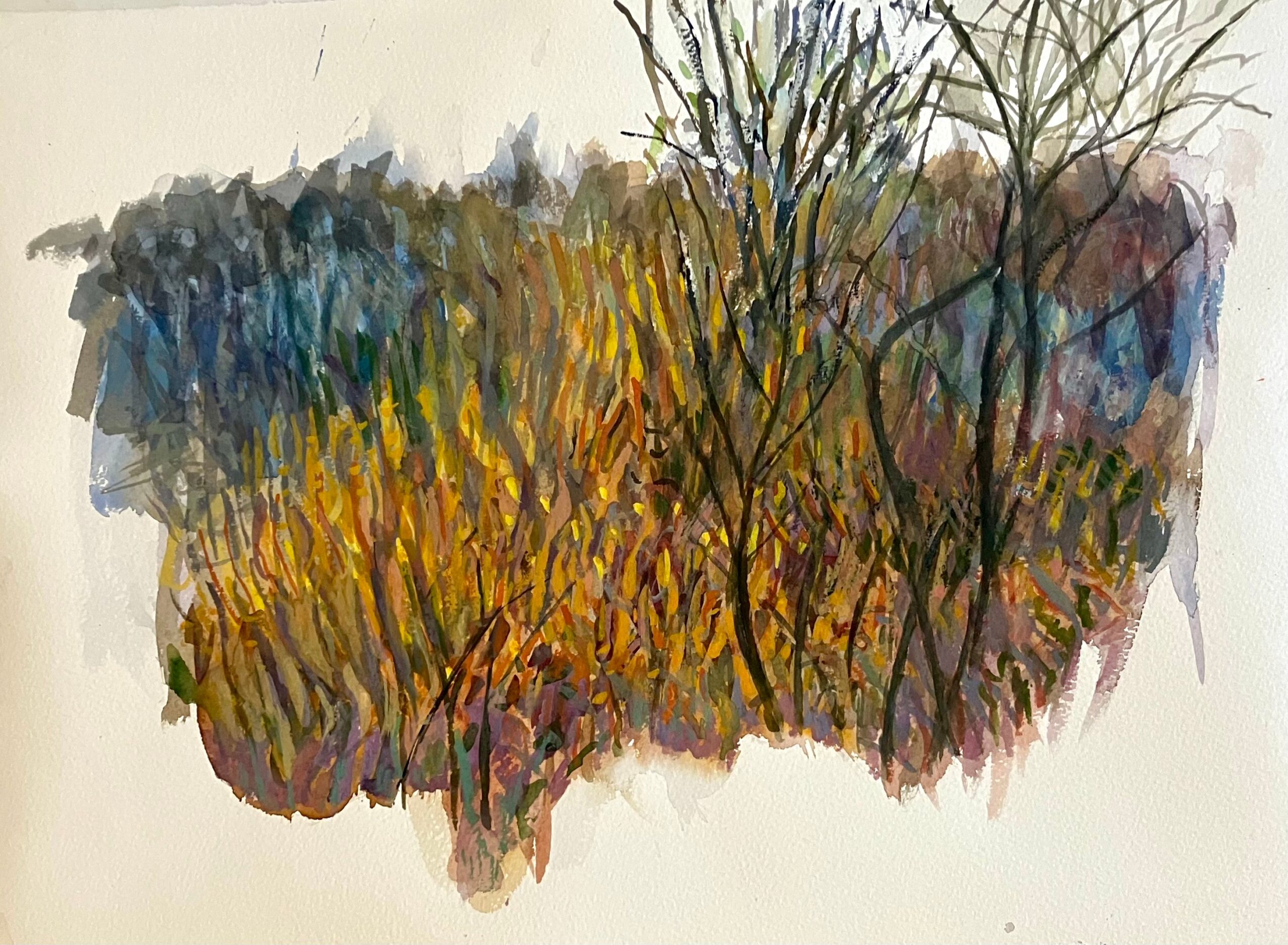
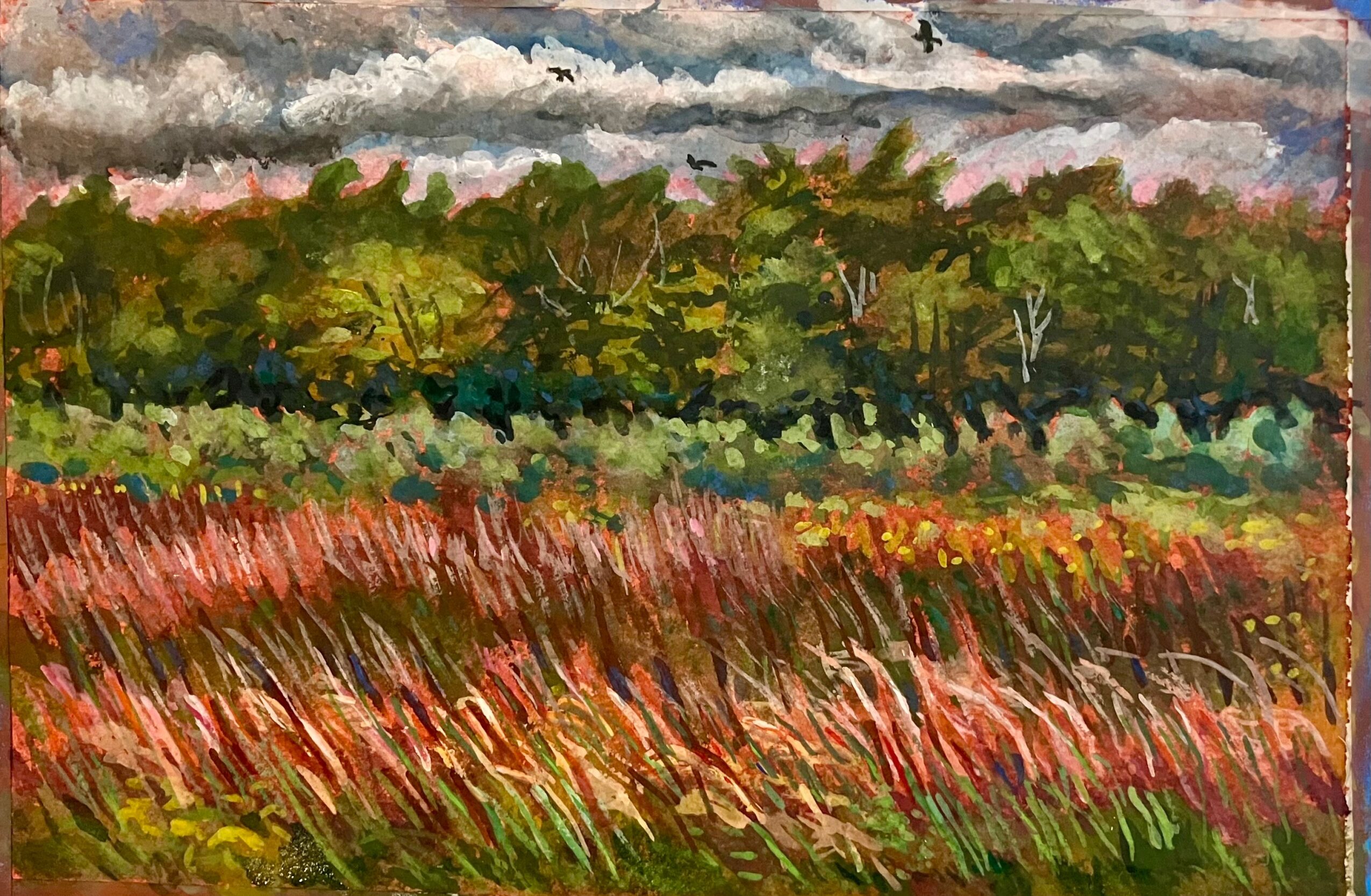
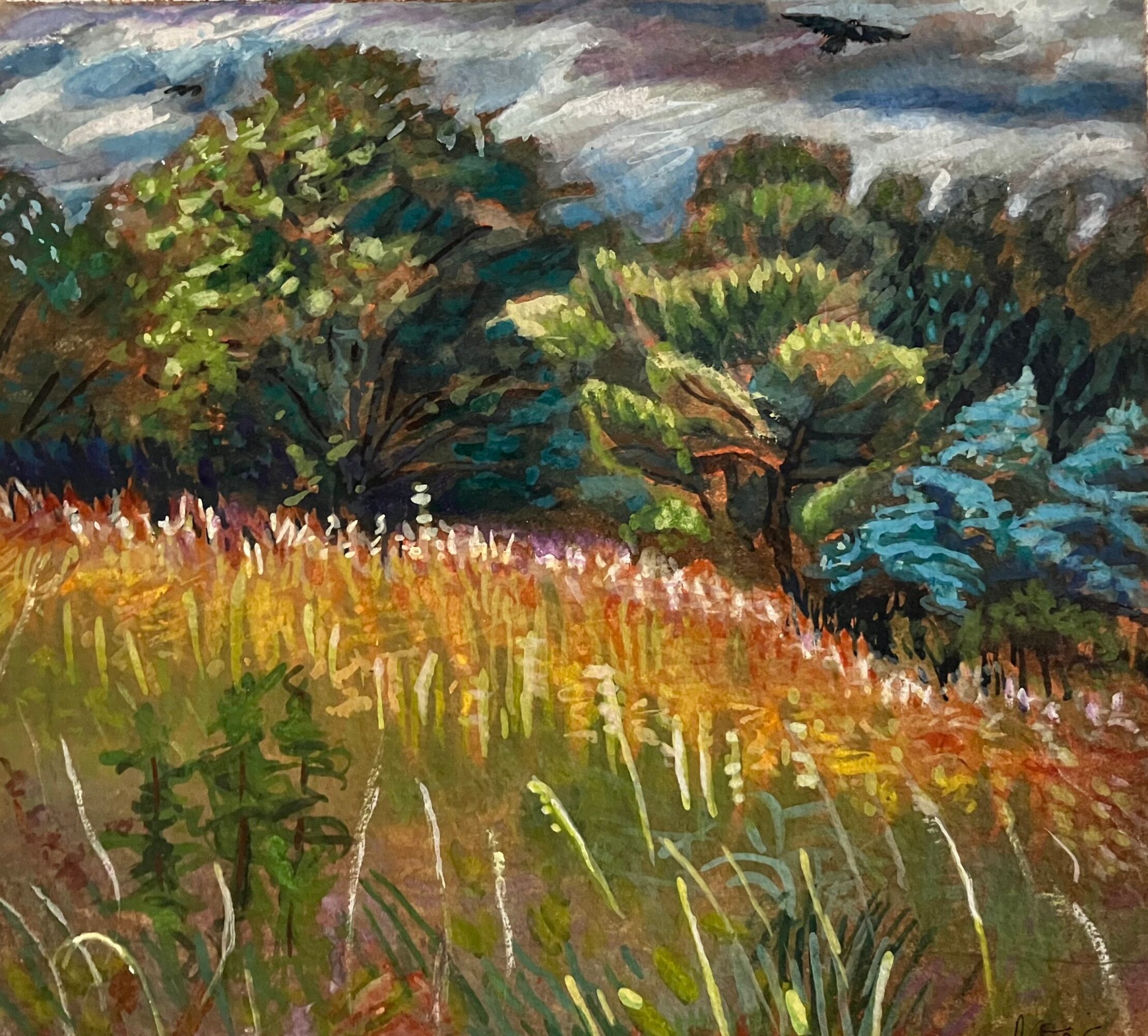
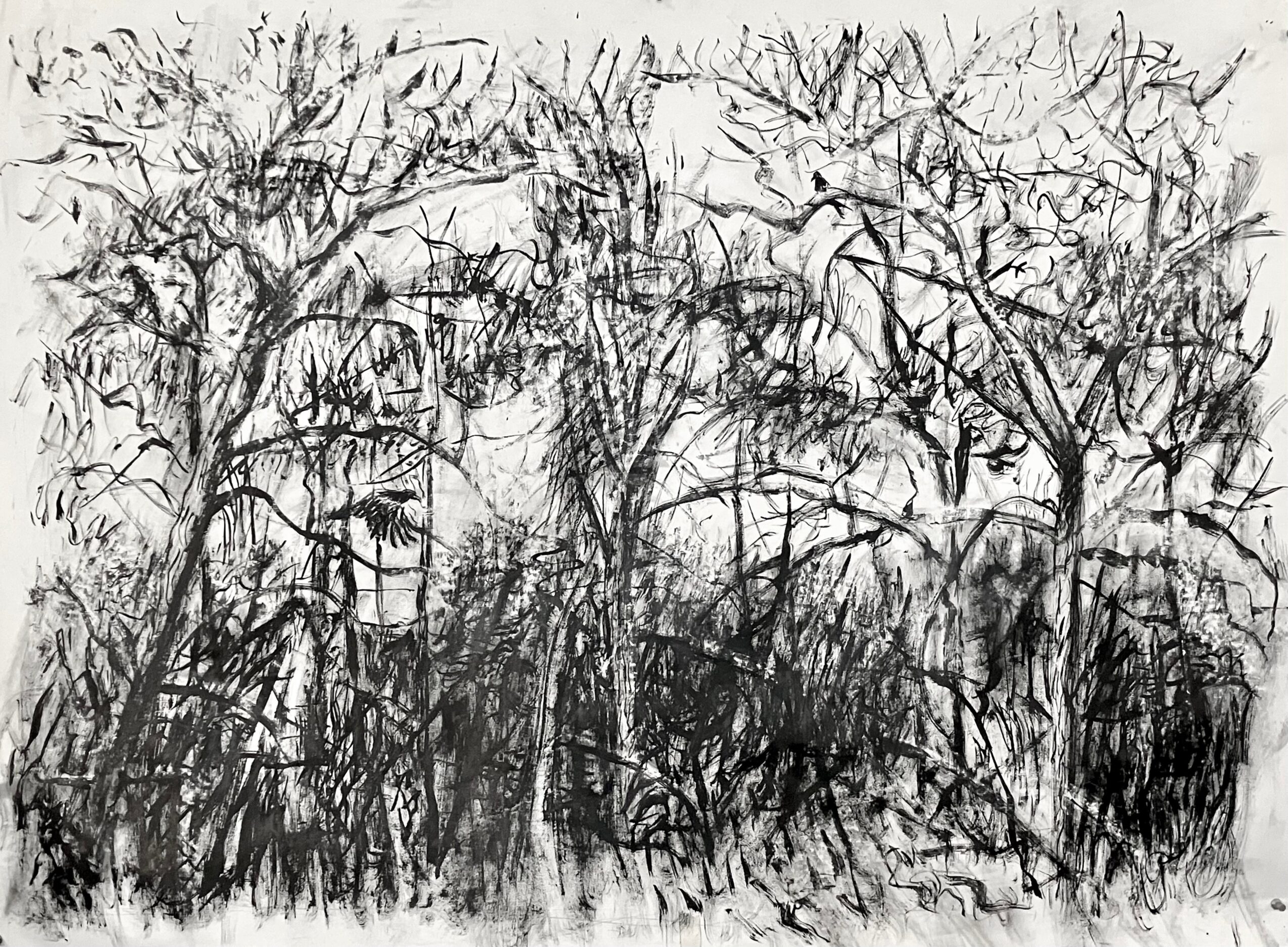
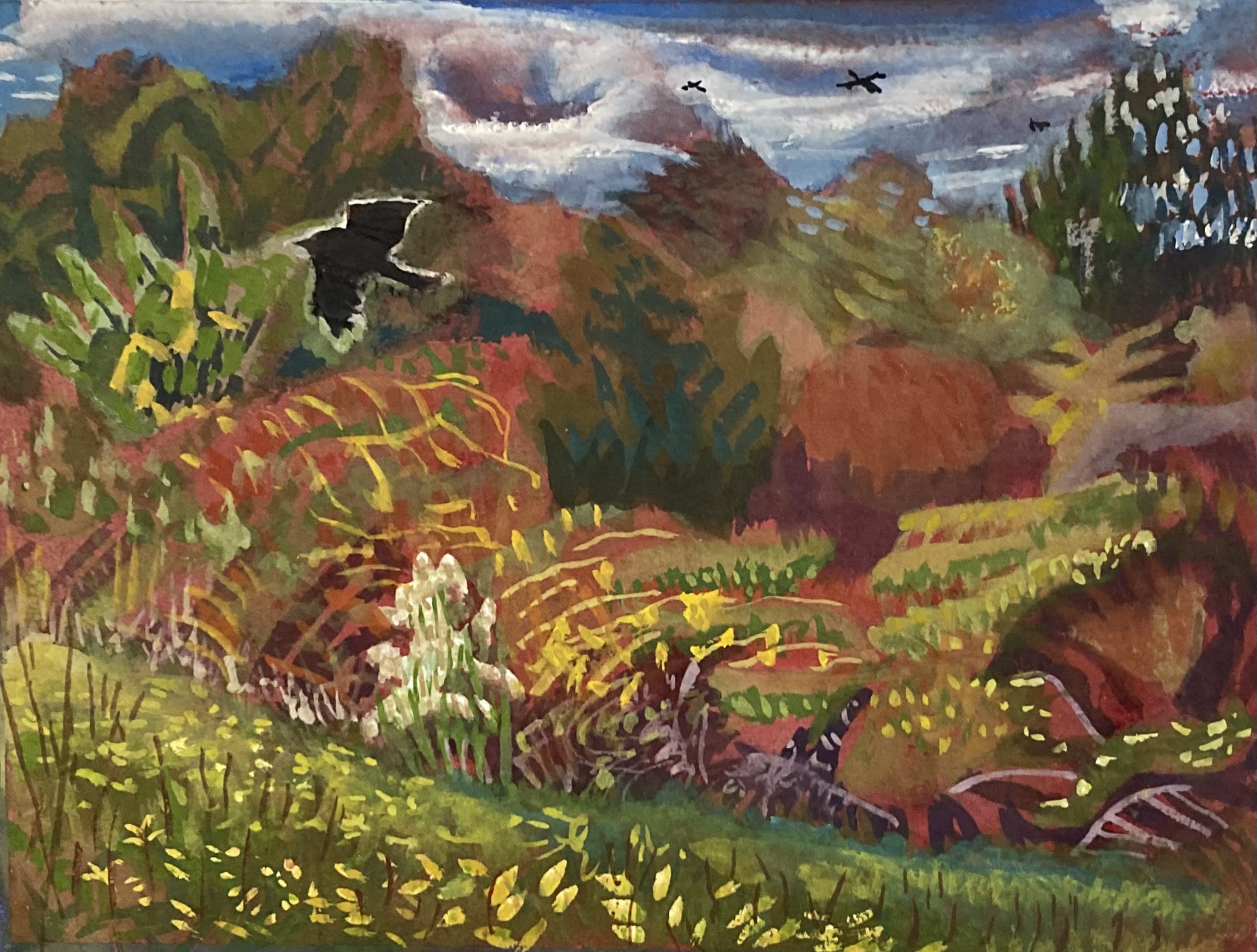
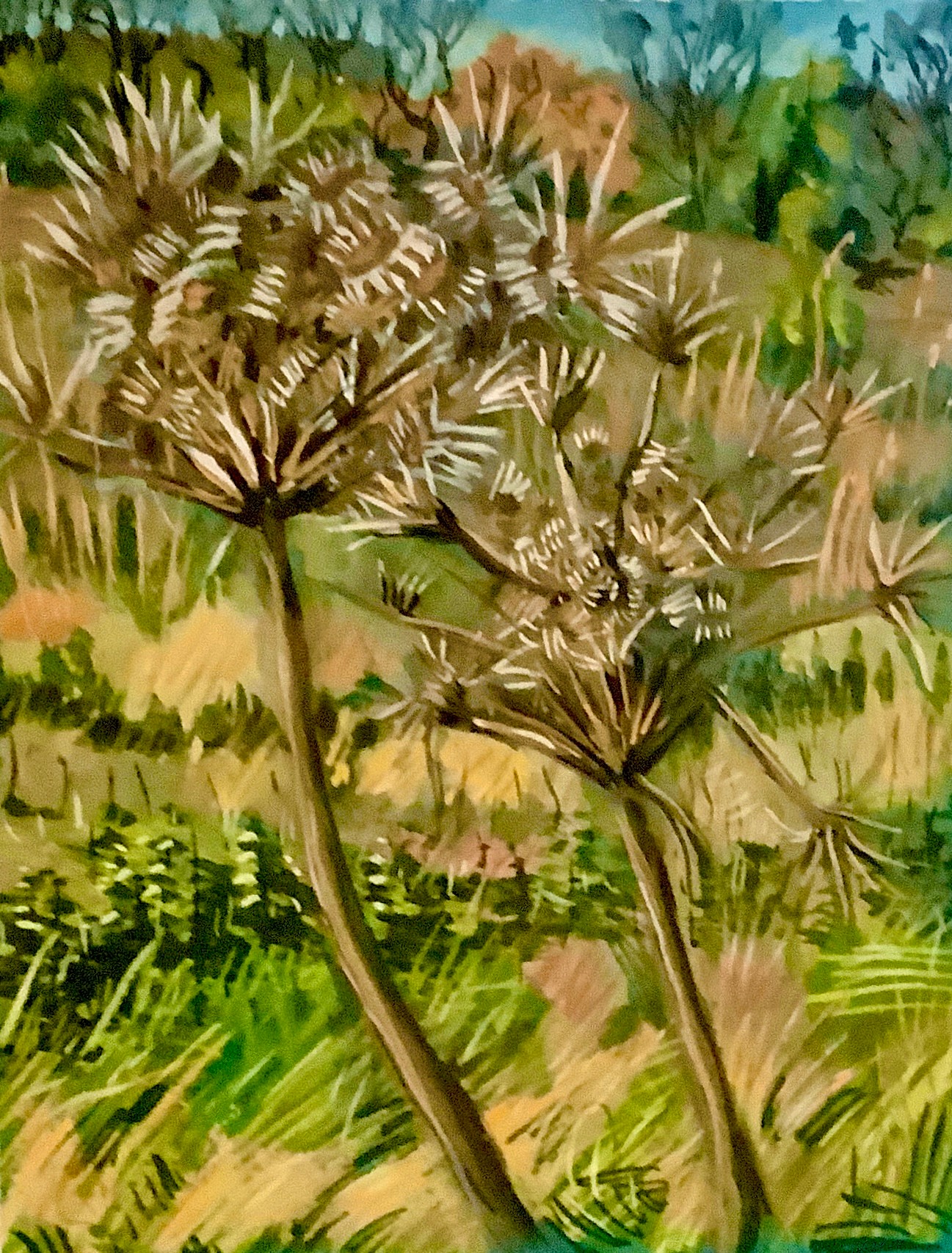
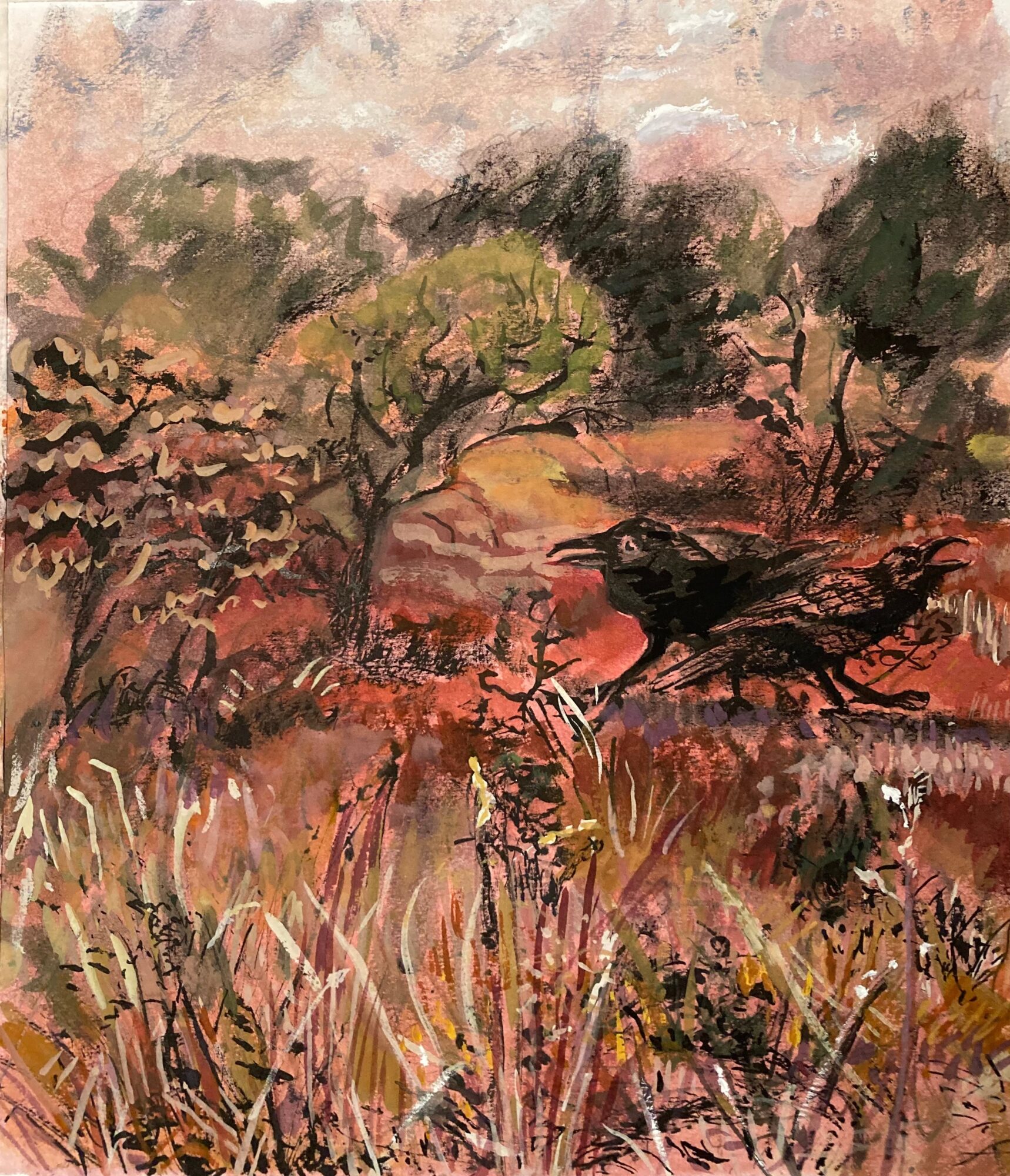
Almost all of my recent work is outdoor painting, in the meadows and woods of Southeastern PA. Before painting, I sit for a while, enjoying the breeze, the color, the movements, and sounds and smells of the meadow. Perhaps I’m waiting for something, and after a time, something usually appears, and I begin a quick compositional drawing, then on to painting. I use gouache, opaque watercolor, because it is less hazardous, and allows for the kind of rhythmic brushstrokes that feel good, as well as being very easy to overpaint and adjust forms and color. I want to deepen my relationship with nature, and consider spending time there to be primary. Many places call me back over and over, and through painting and writing, I record changes and creative observations of these meadows as spring becomes summer and fall. My hope is that these works will inspire viewers to go further into nature and work for its protection and preservation.
I grew up near these areas and because I have a history, familiarity and knowledge of these places, it makes more sense to me to focus working in these Southeastern Pennsylvania meadows and woods. I consider that my study of these places expands me, and I hope in someway that these natural areas are getting to know me as well. This is not to negate the history of the lands, stolen from the Lenape Indians, worked as agriculture, sites of battles in the revolutionary war, part of landed estates and finally purchased by public entities for preservation. As a way of reciprocal thanks, I have worked for the last 35 years protecting natural areas.
Why Crows, I’m often asked. Crows and Ravens are serious birds, with loud harsh calls, and imposing black shapes, which contrast the colors of the land. They are the most important birds in Native American cultures and written extensively in western culture from the Greeks to present day. Crows in particular, have evolved with human communities over many millennia. I had a relationship with the local murder of crows for 25 years, when I lived just outside the city. Each morning, they would come to the tall tree across the street and make a racket, knowing this was my signal to come out and feed them peanuts. I’m beginning that process again in my new residence just inside the city.
Crows and Ravens have proven in many studies their that intelligence, individuality, and complex social relationships are more evolved than other birds. Through much reading and observation, I’m convinced that Corvids (their biological family name) have unique thoughts, make creative and calculated actions based on past experiences, and have strong social bonding and hierarchies. Heinrich Bernd, the biologist and ornithologist who has written several books on crows and ravens, has concluded that to understand them, one must understand their relationship to their environment. My work seek to portray that interconnectedness.
Richard Metz, 2026
If we knew you growing up, how would we have described you?
In my early memories, drawing, painting, sculpting and writing were ways that I explored the world, understood what I was thinking, and projected my ideas outword in a concrete form. Drawing became a way for me to concentrate, to see what I was seeing, to portray dreams and alternative realities.
As a young person, I was very moved by historical paintings- the artists viewpoint of the world, their wondrous ability to make magic on a rectangle, and the incredible variety of works all around the world. I knew I wanted to see myself in the long line of art history.
Making art became the most fulfilling activity for me. Thus I persisted, grew more proficient, and explored more ideas, and improved in my conceptual and technical ability.
In conjunction with making art, I also learned and enjoyed playing improvisational music, and creative writing. These activities added to my visual work. I play music with the same rhythms that I paint and draw. The pleasure of creating is the same, with a major difference, that making music is usually a collaborative process. Writing for me, allowed me to understand the world differently from visual art. In a sense, creative writing asked and answered many of the questions that visual art could not. I liked the dual perspectives.
Pricing:
- small watercolors- $300- 400
- 16×20 gouache paintings- $600- 850
- large ink drawings- $700- 900
- Some works – $1000- 1300
Contact Info:
- Website: https://www.mistermetz.com
- Instagram: thembones2