


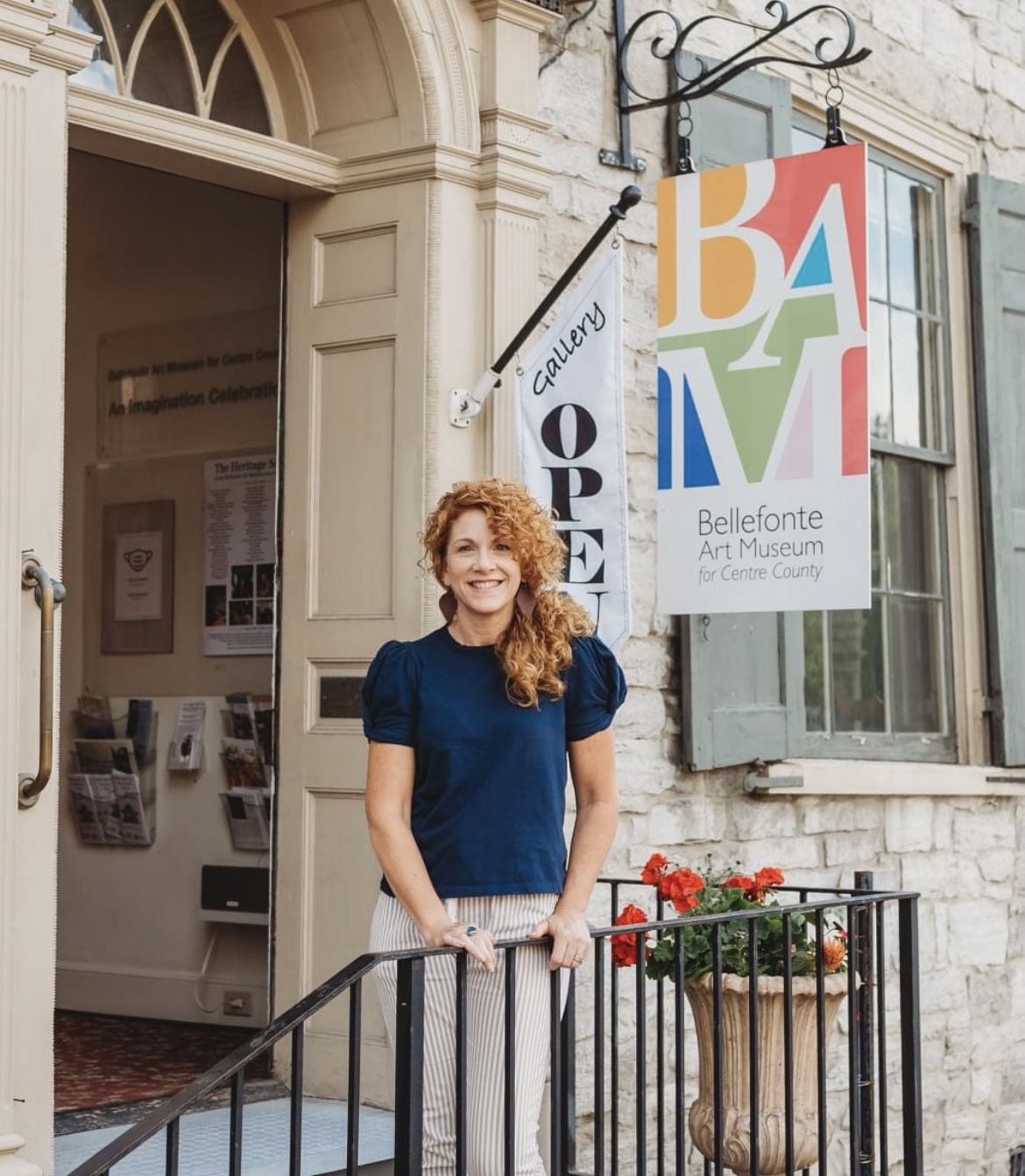
Today we’d like to introduce you to Lori Fisher.
Lori, we appreciate you taking the time to share your story with us today. Where does your story begin?
My relationship with the Bellefonte Art Museum began in 2010, when I started volunteering at the museum. What began as a volunteer experience gradually grew into a much larger role in my life and a deep commitment to the museum and its place in our community.
In 2013, I joined the staff as Gallery Manager, overseeing much of the museum’s day-to-day operations. That role gave me the opportunity to work closely with our artist, volunteers, members, and visitors and to really understand the museum from the ground up.
In 2018, I became Deputy Director and took on a greater role in curating exhibitions, developing programming, and helping shape the museum’s direction. During that time, I had the privilege of working alongside BAM’s Founding Director, Patricia House. I learned a tremendous amount from her about the museum, its history, and the vision behind the creation.
In 2022, I became Director. Having experienced BAM as a volunteer, staff member, curator, Deputy Director, and now Director gives me a unique perspective on the organization. I’ve been able to see how much it has grown and evolved while also understanding the importance of preserving the welcoming, community-centered spirit that has been part of BAM from the beginning.
Today, I see my role as both honoring what has been built over the years and continually looking for ways to move BAM forward – creating meaningful exhibitions and programs, supporting artists, expanding accessibility, and ensuring that the museum remains an important cultural resource for our community.
We all face challenges, but looking back would you describe it as a relatively smooth road?
I wouldn’t say it has been a smooth road, but I think that’s true for most nonprofits. Our biggest and most consistent challenge is funding. The arts are often among the first areas to experience cuts or to see funding redirected elsewhere, which can make long-term planning difficult.
For a small nonprofit like BAM, every dollar matters. We work hard to keep admission free while continuing to offer high-quality exhibitions, educational opportunities, and programming for our community. At the same time, we have the added responsibility of caring for a historic building, which brings its own challenges and expenses.
Those limitations have also made us resourceful. We’ve learned to build strong partnerships, seek out new funding opportunities, and rely on the generosity of our members, donors, sponsors, volunteers, and community. I think one of BAM’s greatest strengths is that we’ve been able to continue growing and expanding what we offer, even when the resources available to us haven’t always grown at the same pace.
Appreciate you sharing that. What else should we know about what you do?
I’ve always been a creative person, and being an artist myself definitely influences the way I approach my work at the museum. I understand how personal it can be for an artist to put their work out into the world, and I try to bring that perspective to the way I work with artists at BAM.
I think the work I’m most proud of creating is actually happening within the museum itself. I love taking an idea for an exhibition and building an experience around it – bringing together artists, objects, stories, community partners, and interactive elements in a way that makes people want to explore and engage. For me, curating is another form of creativity.
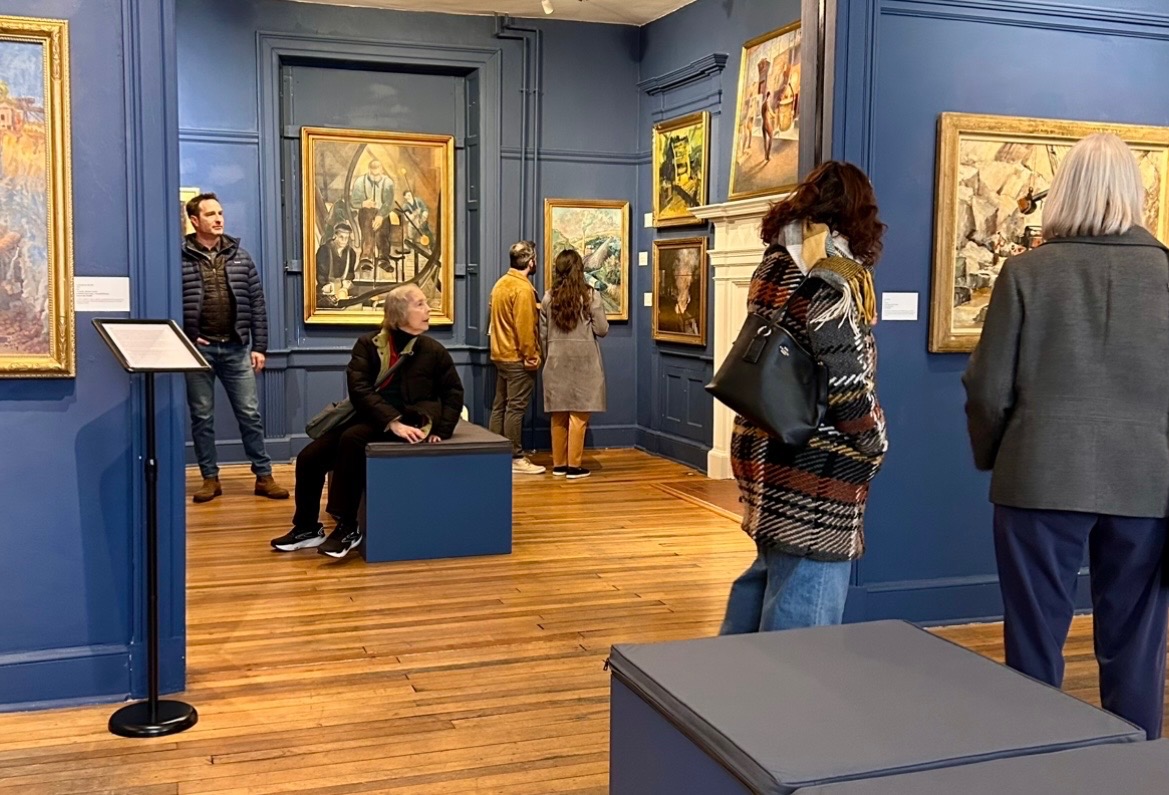
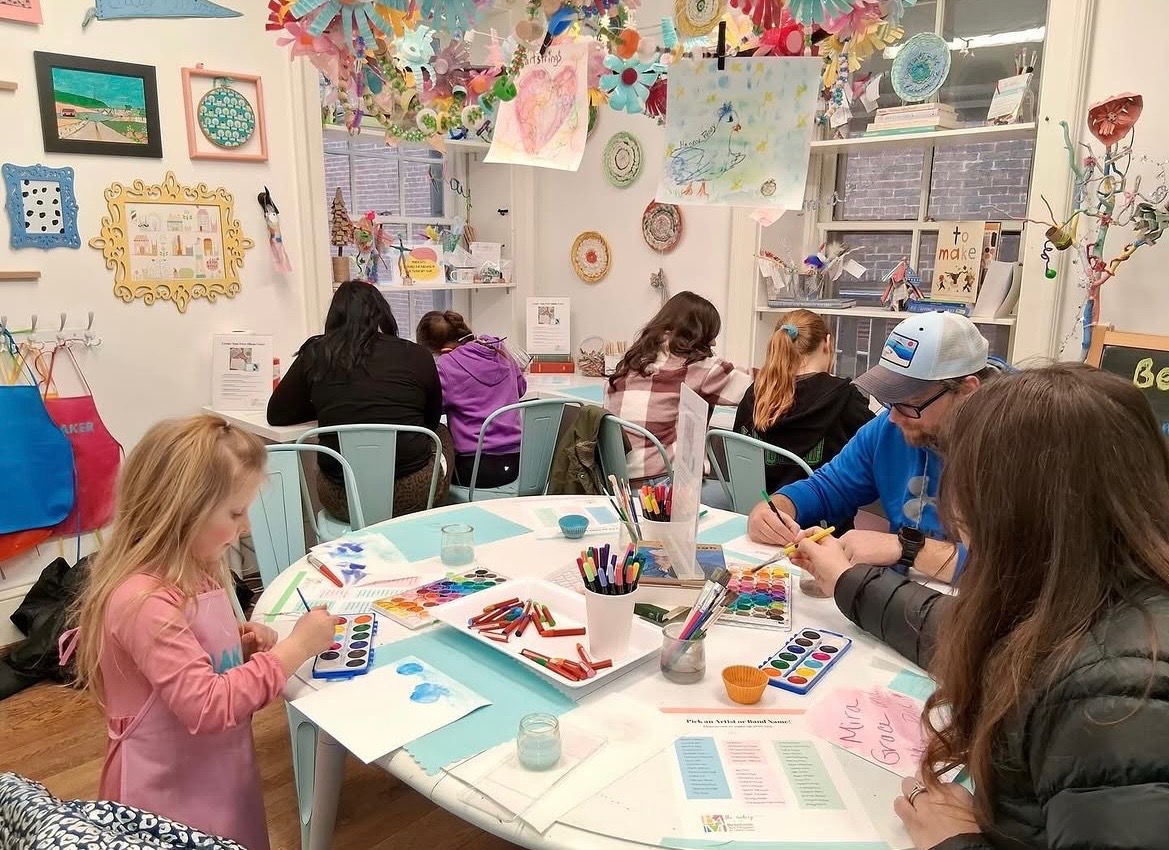
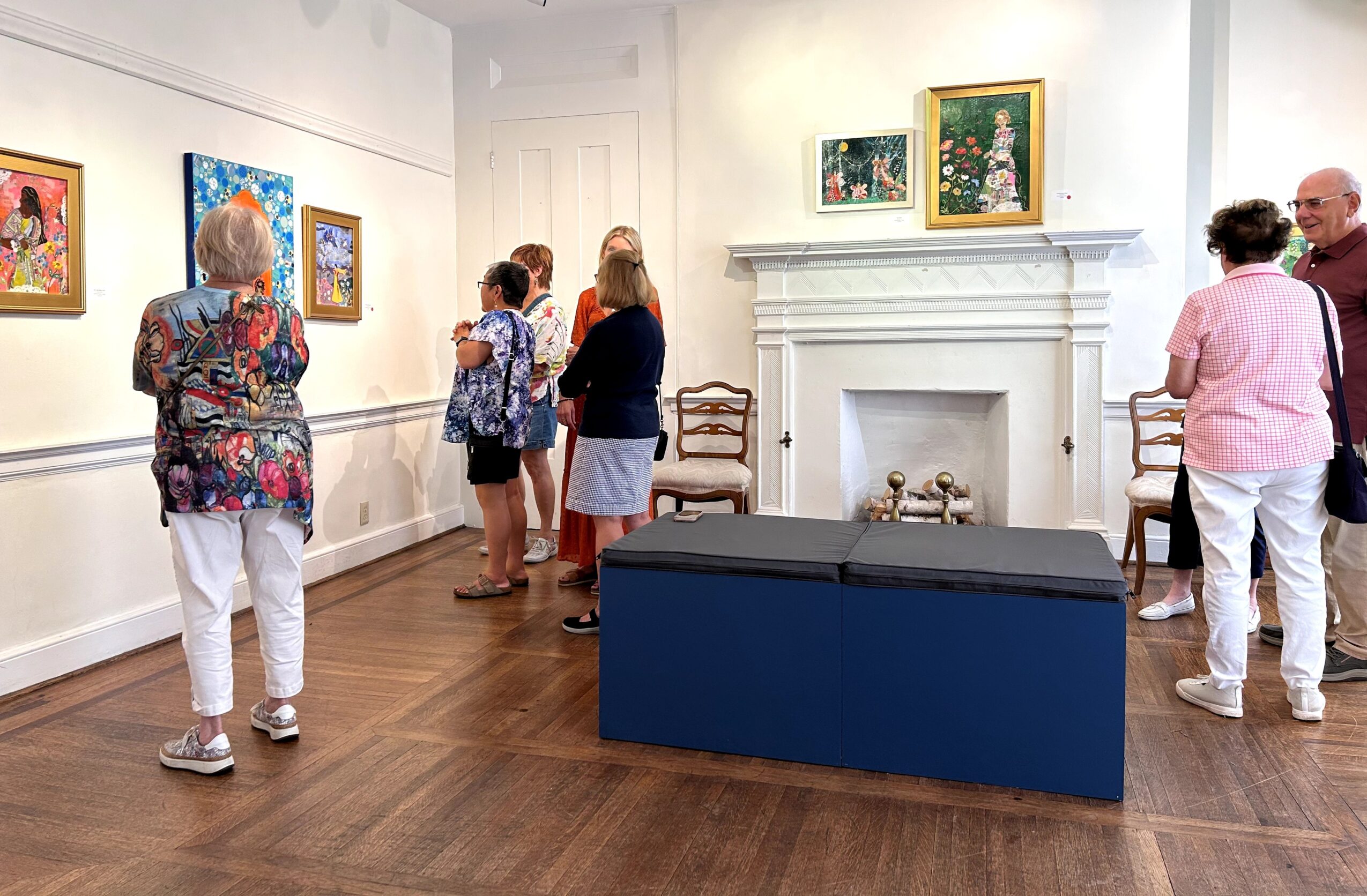
What I’m most proud of is how much BAM has grown while remaining welcoming and accessible. We’re a small museum, but we don’t necessarily think small. We present a wide range of artists and ideas, create opportunities for local and regional artists, develop exhibitions that connect art to history, nature, culture, and our community, and continue to find ways for people of all ages to experience art.
I think that is also what sets BAM apart. We aren’t simply a place where artwork hangs on the walls. We want people to experience something when they walk through our doors – to discover an artist they didn’t know, learn something, participate, have a conversation, or see something from a different perspective.
How do you think about luck?
I don’t really believe in luck. I believe everything happens for a reason, and that both the opportunities and the challenges in my career have helped shape the path I’m on.
There have certainly been moments that might look like good luck from the outside – meeting the right person, discovering an unexpected opportunity, or having an exhibition come together in a way I hadn’t anticipated. But I also believe those moments are connected to the work that comes before them: being prepared, staying open, building relationships, and continuing to move forward even when things are difficult.
The same is true of setbacks. I don’t see them as bad luck. They may be disappointing or challenging, but they often lead to reflection, growth, or a new direction that I wouldn’t have considered otherwise. Every experience teaches me something and contributes to the larger picture.
At BAM, I try to approach both success and difficulty with that mindset. Running a museum requires flexibility, persistence, and willingness to adapt. Not every idea works exactly as planned, but each experience helps me understand our community better and improve the way we serve it.
So, while I recognize that unexpected things happen, I don’t attribute my career to luck. I believe in preparation, hard work, relationships, and trusting that every. experience – good or bad – is part of the reason I’m where I am today.
Pricing:
- There is no admission fee to visit the museum. Exhibitions, programs, and family activities are offered at no cost.
Contact Info:
- Website: https://bellefontemuseum.org
- Instagram: @bellefonteartmuseum
- Facebook: @bellefonteartmuseum