


Today we’d like to introduce you to Terry Glass.
Hi Terry, thanks for sharing your story with us. To start, maybe you can tell our readers some of your backstory.
My story really begins with my daughter, Rianna.
Before Rianna’s Voice existed, I was simply a father, husband, and someone who had spent much of his life serving others. I served six years in the U.S. Army, including a deployment to Iraq, and I have always believed in helping people and standing up for those who need a voice.
On September 14, 2023, everything changed.
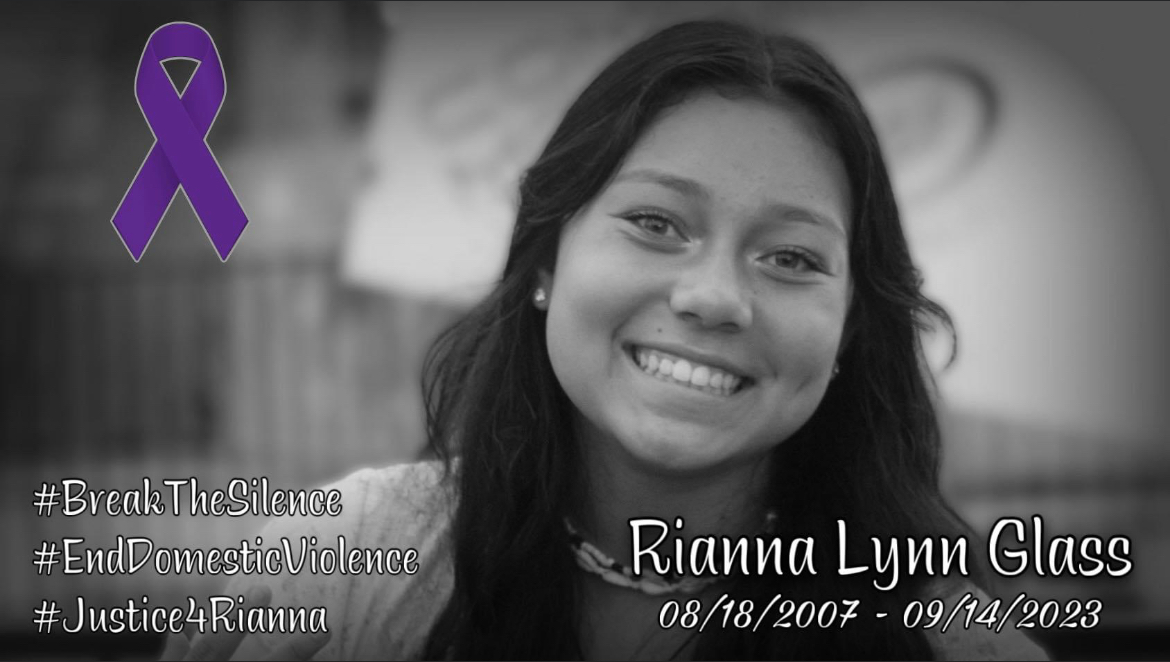
My 16-year-old daughter, Rianna Glass, was murdered after experiencing teen dating violence. Rianna was a beautiful, energetic young woman who loved dancing and softball and had dreams of going to college to study Family and Marriage Services before eventually attending law school. She had her entire life ahead of her.
Losing a child is something I don’t think you ever truly learn how to live with. In the months after Rianna’s death, I found myself asking a lot of questions—not only about what happened to her, but about how we could prevent another family from experiencing what ours was going through.
I realized that there was a huge need for young people to understand what healthy and unhealthy relationships look like, what dating violence can actually look like, and where they can turn for help. Too often, conversations about domestic and dating violence happen after something has already gone terribly wrong. I wanted to move that conversation earlier.
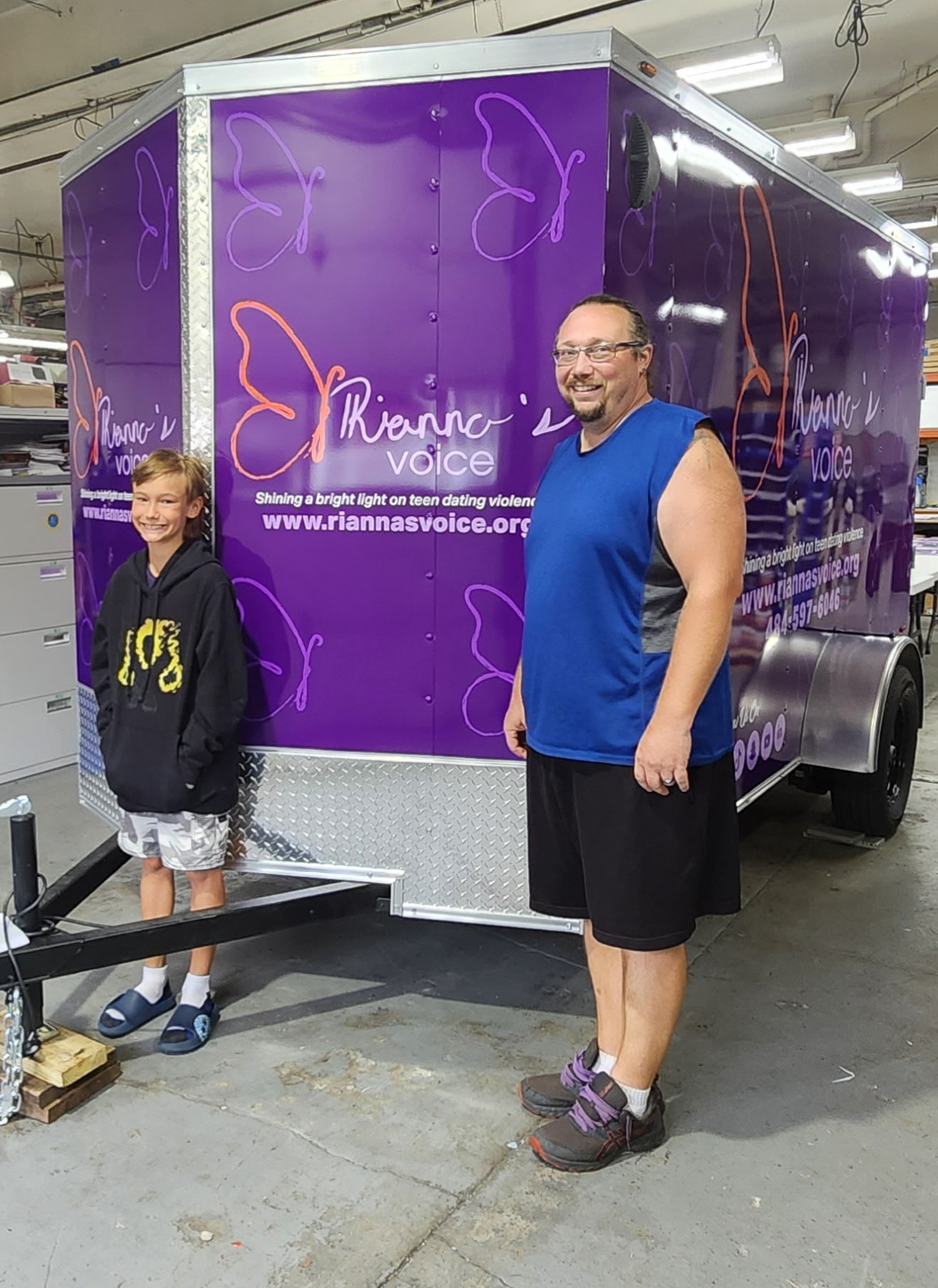
In September 2024, I founded Rianna’s Voice in memory of Rianna. Our mission is to educate teenagers and parents about teen dating violence and provide them with information and resources that can potentially help prevent another tragedy.
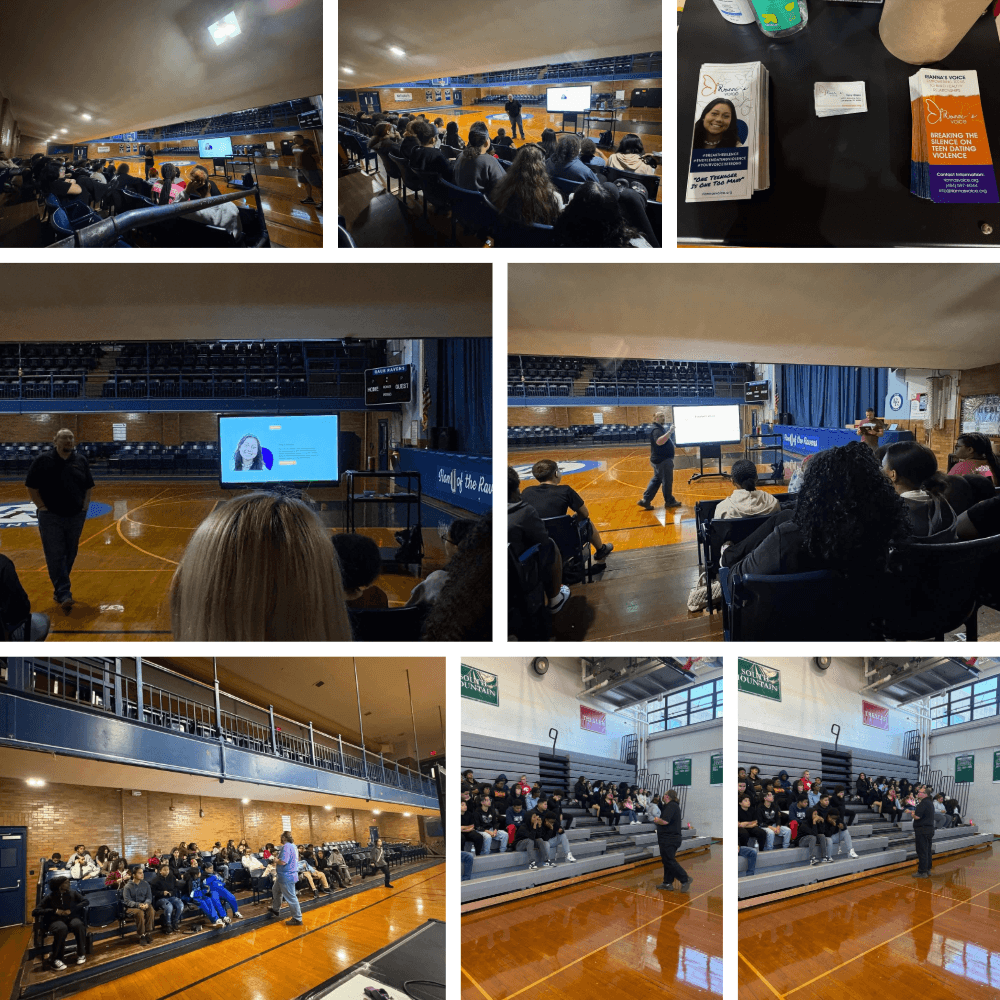
What started as an idea born from unimaginable grief has grown into something much bigger. We now speak to students in schools and communities, work with organizations and professionals, provide awareness and educational resources, and are developing programs such as teen support groups and self-defense workshops.
One of the most important things I’ve learned along the way is that Rianna’s story isn’t just my story. Once I began sharing it, I started hearing from teenagers, parents, educators, and other families who had experienced similar situations. That made me realize that telling Rianna’s story could give other people the courage to recognize warning signs, speak up, or ask for help.
Today, I don’t want Rianna to be remembered only for how she died. I want people to remember how she lived—and I want her life to continue making a difference.
That’s really what Rianna’s Voice is about.
We can’t change what happened to Rianna. But we can use her voice, and ours, to help make sure other teenagers have the knowledge and resources they need to recognize unhealthy relationships before they become dangerous.
Our message is simple:
BREAK THE SILENCE. END TEEN DATING VIOLENCE.
Alright, so let’s dig a little deeper into the story – has it been an easy path overall and if not, what were the challenges you’ve had to overcome?
It definitely has not been a smooth road.
Starting a nonprofit is challenging under normal circumstances. Starting one while grieving the loss of your child is something entirely different.
The biggest struggle has been learning how to turn something as painful as losing Rianna into something positive and productive. There are days when I am speaking to a room full of teenagers about dating violence and telling Rianna’s story, and afterward I have to go home and deal with the reality that she isn’t coming home. That never becomes easy.
There have also been the practical challenges of building an organization from the ground up. We started with an idea and a mission, but we had to learn everything along the way—nonprofit administration, fundraising, grant writing, community outreach, developing school presentations, building partnerships, managing volunteers, creating programs, and simply figuring out how to make people aware that we exist.
Funding has been another challenge. We are a relatively young nonprofit, and we are trying to build programs that can have a meaningful impact while working within the resources we have available. We rely heavily on volunteers and community support, so there is always more that we want to accomplish than we currently have the resources to do.
Probably one of the hardest parts has been getting people to understand why teen dating violence education is so important. Sometimes people hear “dating violence” and think it is something that only happens to adults or that it is simply a relationship issue. They don’t always realize how early unhealthy behaviors can begin or how difficult it can be for a teenager to recognize that what they are experiencing isn’t normal.
We’ve had doors that didn’t open, emails that weren’t answered, ideas that didn’t work the way we hoped, and plenty of moments where I questioned whether we were making enough of a difference.
But I’ve also learned that progress doesn’t always look like a huge event or a major accomplishment. Sometimes it’s a student coming up to me after a presentation and saying something that tells me they understood the message. Sometimes it’s a parent asking for resources. Sometimes it’s an educator reaching out because they want us to come speak to their students.
Those moments remind me why we started.
So no, it hasn’t been a smooth road. There have been a lot of difficult days. But I don’t think the goal was ever to have an easy road. The goal was to take something terrible that happened to my daughter and use it to help keep someone else’s child safe.
And that’s something worth continuing to fight for.
Alright, so let’s switch gears a bit and talk business. What should we know about your work?
My professional life has really developed along two very different paths.
My day job is as a contractor, which has been my primary career and livelihood. Contracting has taught me a lot about working independently, managing responsibilities, solving problems, adapting to different situations, and getting the job done without someone constantly telling me how to do it. Those skills have actually carried over into my work with Rianna’s Voice more than I ever expected.
Then there is the work I do with Rianna’s Voice.
I am the founder and president of the organization, and while it started as something I created in memory of my daughter, it has grown into a major part of my professional life. I handle many of the responsibilities involved in running the organization, from community outreach and school presentations to fundraising, event planning, volunteer coordination, program development, partnerships, and public speaking.
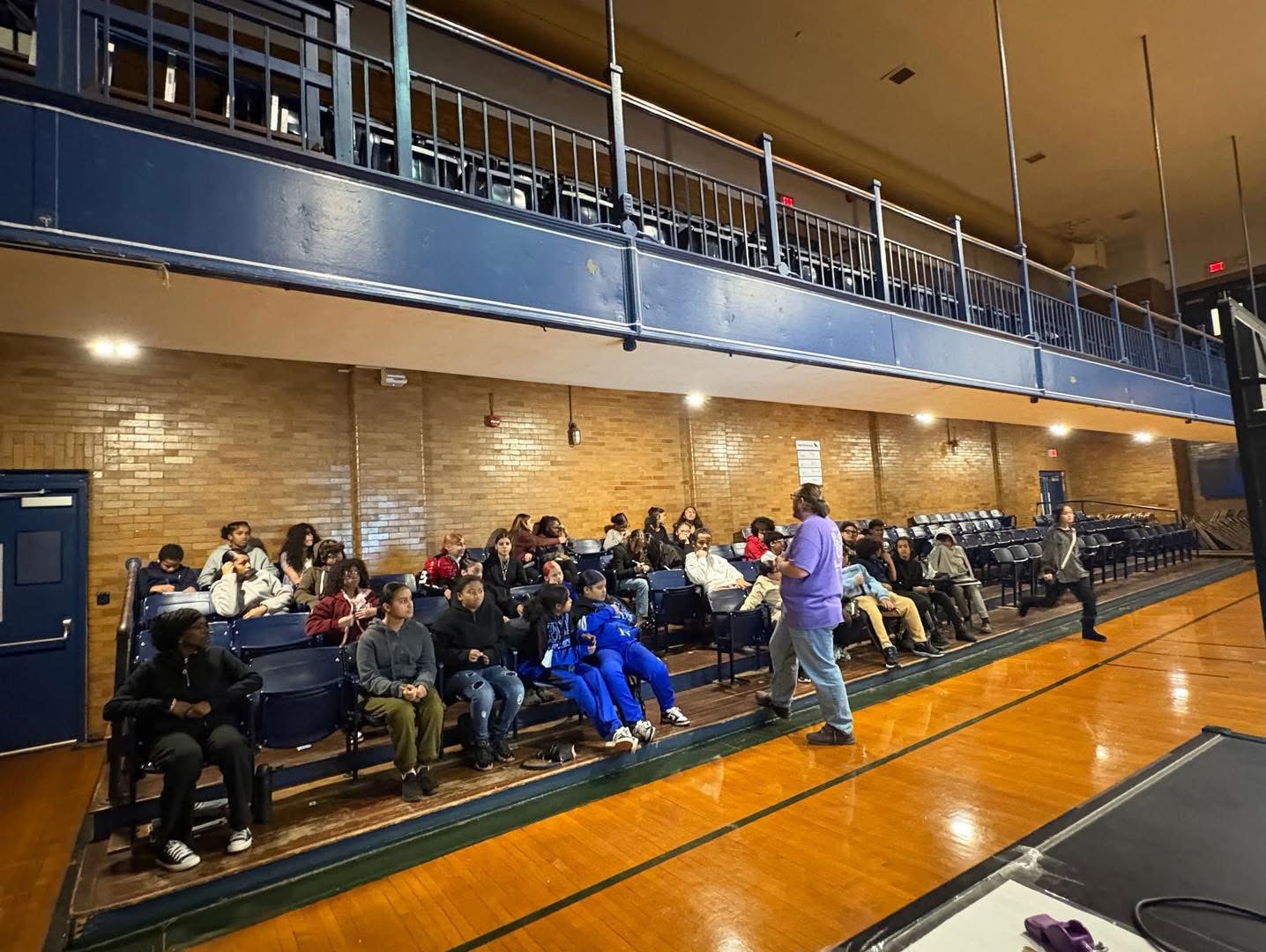
One of the things I spend a lot of time doing is speaking to teenagers about teen dating violence. I go into schools and communities and talk with young people about healthy and unhealthy relationships, warning signs, boundaries, and where they can go for help. Being able to have those conversations directly with teenagers is one of the most meaningful parts of what I do.
Because Rianna’s Voice was built from the ground up, I’ve also had to learn things I never expected to know. I’ve had to learn nonprofit administration, fundraising, grant writing, marketing, website management, social media, event planning, and countless other things that come with running an organization.
What I am most proud of is seeing something that started with an idea become a real organization that is reaching young people and starting conversations that can potentially save lives.
What sets my work apart is the personal connection behind it. I didn’t choose teen dating violence advocacy as a career because it was something I planned to do. I became involved because I lost my daughter to it.
That gives me a perspective that is difficult to separate from the work. When I stand in front of a classroom and tell Rianna’s story, I’m not speaking about statistics from a textbook. I’m speaking about my daughter.
I think my contracting career and my work with Rianna’s Voice also complement each other in an interesting way. My career taught me how to work independently and solve problems, while Rianna’s death gave me a reason to use those skills for something bigger than myself.
Today, I’m proud to be both a contractor and a nonprofit leader. But more than anything, I’m proud that the work I’m doing through Rianna’s Voice is helping keep Rianna’s name alive while giving other young people information and resources that could potentially change the course of their lives.
Is there anyone you’d like to thank or give credit to?
There are a lot of people who deserve credit for where Rianna’s Voice is today. I may be the person who started it, but I certainly didn’t build it alone.
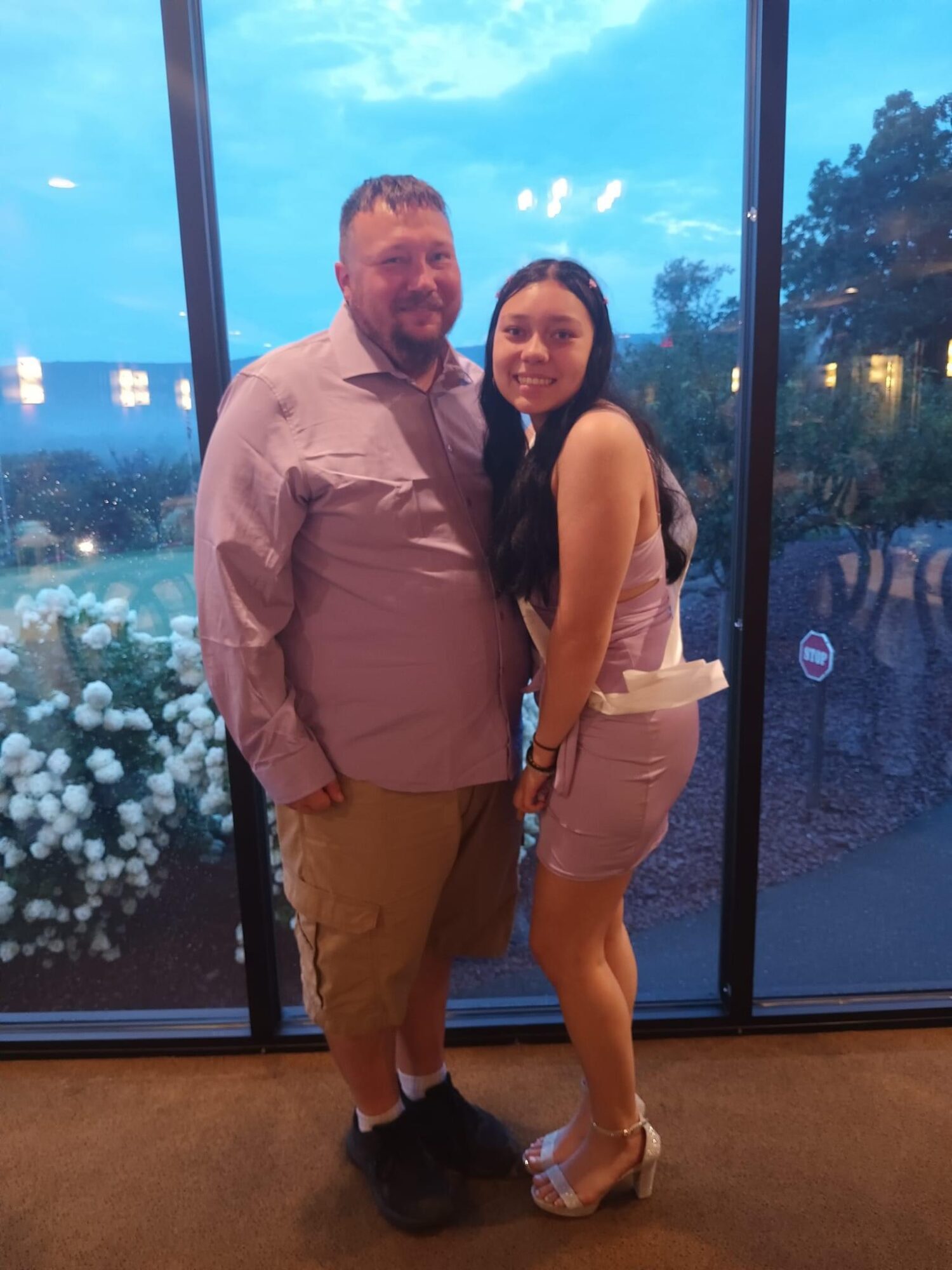
First and foremost is my wife, Amber. She has been beside me through every part of this journey, both personally and with Rianna’s Voice. We experienced the loss of Rianna together, and we have also worked together to turn that pain into something that can help other families. Amber has been involved in fundraising, outreach, events, and many of the behind-the-scenes things that people never see. More importantly, she has been the person beside me on the hardest days.
Our family also deserves a tremendous amount of credit. Everyone has had to navigate the loss of Rianna in their own way, but they have supported what we are trying to accomplish and understood why keeping Rianna’s memory alive through this work is so important to us.
Then there is our board and our volunteers. Rianna’s Voice is a volunteer organization, and there are people who give their time, skills, ideas, and energy because they believe in the mission. Whether someone is helping at an event, distributing resources, working behind the scenes, or simply showing up when we need help, every person contributes to what we’re building.
I’ve also been fortunate to have professionals who have brought expertise that I don’t have. People with backgrounds in counseling, education, martial arts, community outreach, and other areas have helped us develop programs and make sure we’re approaching this work responsibly.
Our community partners and the schools that have invited us in deserve recognition as well. Every time a school gives us an opportunity to stand in front of its students and tell Rianna’s story, they are helping us reach young people we otherwise might never reach. Those relationships have been incredibly important to our growth.
And then there are the people I don’t always get to personally thank—the students, parents, educators, donors, sponsors, and community members who have supported us, shared our posts, attended our events, donated, or simply told someone else about Rianna’s Voice.
I’ve learned that building something like this is never really a one-person job.
There may be one person whose name is on the paperwork, but there is an entire group of people behind that person helping carry the mission forward. I’m incredibly grateful for every person who has believed in Rianna’s Voice and decided that Rianna’s story was worth helping us share.
At the end of the day, that’s what makes this work possible: people who care enough to show up.
Contact Info:
- Website: https://www.riannasvoice.org
- Instagram: https://www.instagram.com/riannasvoice
- Facebook: https://facebook.com/riannasvoice
- LinkedIn: https://www.linkedin.com/company/riannas-voice/
- Twitter: https://x.com/riannasvoice