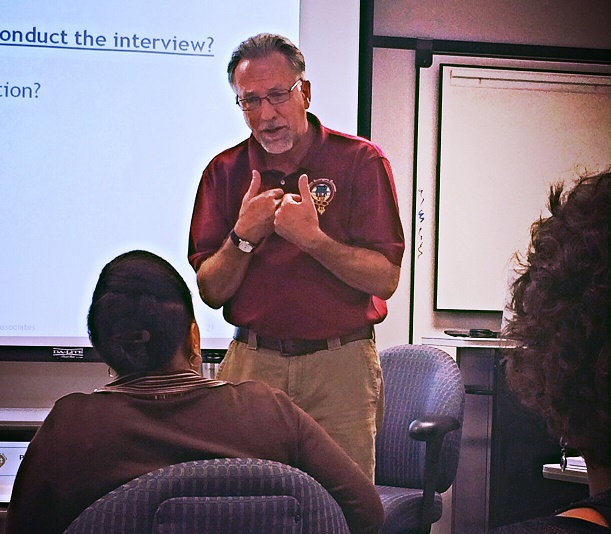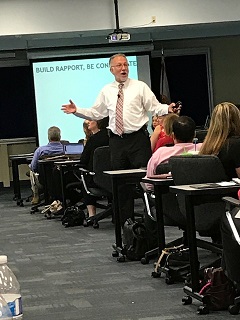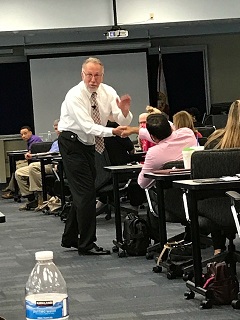



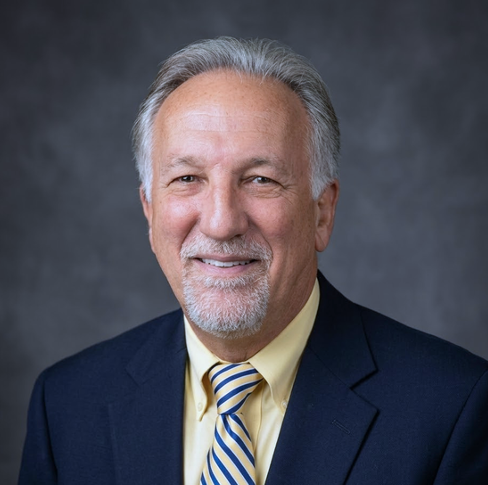
Today we’d like to introduce you to Mark Anderson.
Hi Mark, we’d love for you to start by introducing yourself.
I grew up in rural upstate New York, in the small town of Dundee, the son of a high school principal and a teacher. It was a place where you learned to work hard, treat people with dignity, and take responsibility for the way you showed up in the world. Those early lessons shaped me long before I knew what my career would become.
Over the last forty years, I’ve lived and worked across the eastern United States, beginning my career as a forensic chemist, then becoming a special agent with the FBI, and later serving with the New York State Office of the Inspector General. My work placed me in front of people during moments of stress, uncertainty, and sometimes crisis. I learned quickly that interviewing wasn’t just a procedural step, it was a human interaction with real consequences.
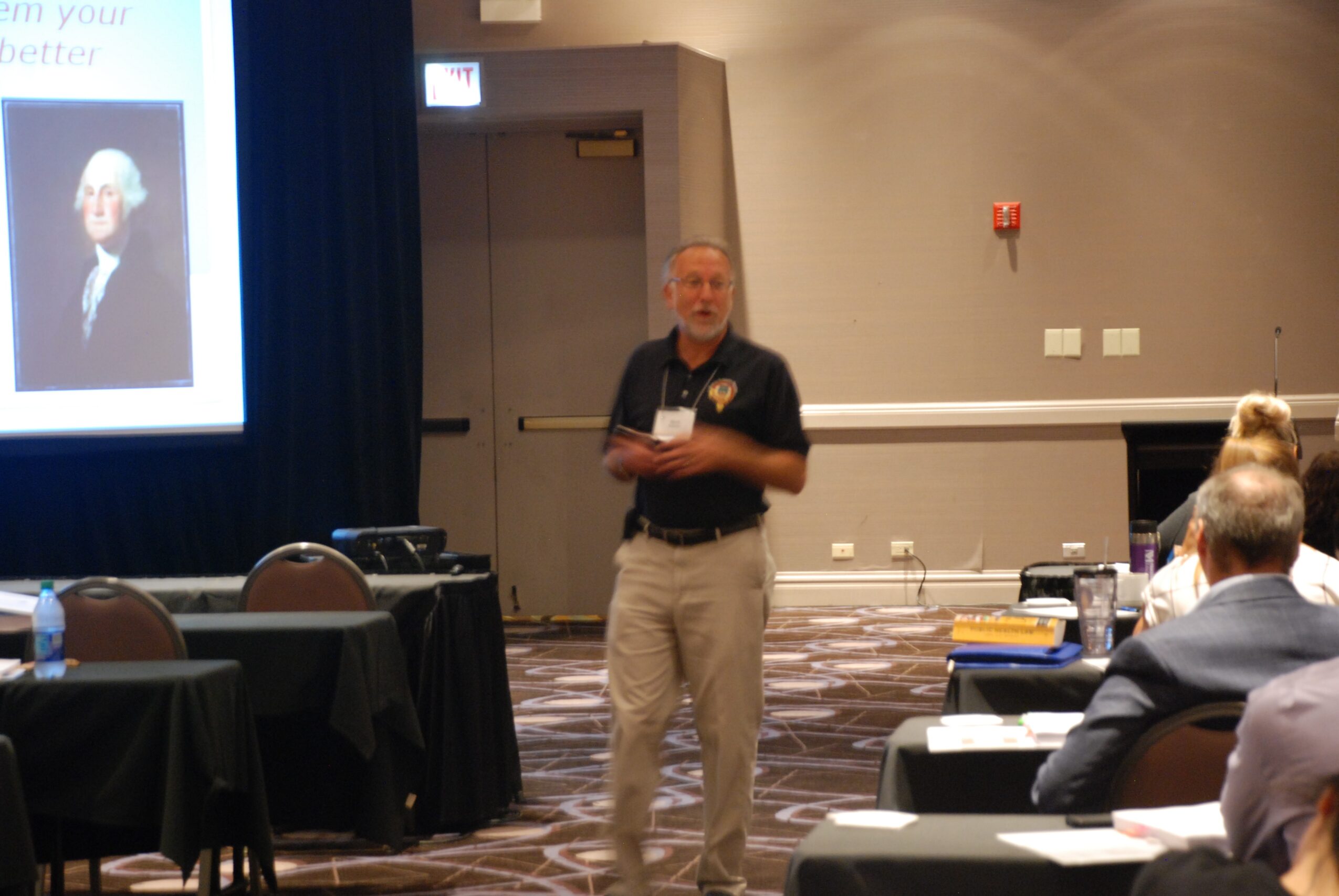
As my career progressed and I was exposed to a great diversity of investigations, I became increasingly drawn to the behavioral sciences, communication research, and the psychology of decision‑making. I saw firsthand how traditional interviewing approaches often created fear or defensiveness, and I felt it imperative to find better ways to help people communicate clearly and honestly. That curiosity forced research that led me toward science‑based interviewing and ultimately toward training investigators, leaders, inspectors general, auditors, and organizations across the country.
Today, my work focuses on helping people communicate in ways that reduce fear, increase clarity, and strengthen trust. I’m developing the Investigative Organizational Readiness Framework (IORF), writing two books, and continuing to refine the interviewing practices that grew out of decades of experience and study.
My story is rooted in simple values from a small town, dignity, curiosity, and respect, and those values continue to guide the work I do today.
We all face challenges, but looking back would you describe it as a relatively smooth road?
The road has not been smooth, and in many ways the struggles have shaped me more than the successes. Isn’t that the way it often happens. The most significant challenge in my life was a long period of caregiving, years that were emotionally demanding, humbling, and transformative.
Caregiving changes your pace. It forces reflection. It strips away anything superficial and leaves only presence, patience, and the raw humanity of being with someone who needs you. Those years were difficult, but they also opened my eyes to things I had missed in the fast pace of investigative work: how stress affects thinking, how fear narrows communication, and how deeply people need safety in order to express themselves honestly.
That period reshaped me. It changed how I listened, how I understood trauma, and how I approached communication. It made me realize that interviewing isn’t about extracting information, it’s about creating conditions where people can think clearly and speak freely. The caregiving years became the catalyst for my transition into science‑based interviewing and the human‑centered approach I am committed to and teach today.
There were professional struggles too, navigating high‑stakes environments, adapting to new agencies and organizations across the U.S., and reconciling science-based interviewing culture with the traditional interviewing values I was raised with and which are very present today. I was trained in traditional interviewing methods that were authoritative and confrontational, and I often felt a disconnect between the techniques I was taught and the dignity of the people sitting across from me. That tension stayed present for years. Investigative work is demanding. You spend years in environments where stress is high, stakes are real, and people are often at their worst moments. You see trauma, fear, defensiveness, and sometimes deep pain. Early in my career, I didn’t always have the tools or skills to navigate that human complexity.
But nothing influenced my work more than the caregiving experience. It taught me that the hardest seasons of life often become the most instructive, and that the humanity we bring to conversations can change everything. Those years changed me. They reshaped how I understood stress, trauma, communication, and truth. They made me more aware of how fragile people can feel when they’re under pressure, whether in a hospital room or an interview room. And they pushed me toward a different way of working: one rooted in science, curiosity, compassion, and the belief that people communicate best when they feel safe.
The struggles didn’t derail my path; they refined it. They taught me that interviewing isn’t about control, it’s about connection. So no, it hasn’t been smooth. But the challenges are the reason I moved to do the work I do today, and the reason I teach interviewing the way I do, with humanity at the center.
As you know, we’re big fans of you and your work. For our readers who might not be as familiar what can you tell them about what you do?
My work sits at the intersection of investigative interviewing, behavioral science, organizational culture, and human wellbeing. After decades as a special agent with the FBI, Nuclear Regulatory Commission, and The U.S. Department of Justice, Office of the Inspector General, as well as a Deputy Inspector General with the New York State Office of the Inspector General, I founded Anderson Investigative Associates as a way to share what I had learned and taught and to help organizations strengthen both their communication practices and the people who carry them out. The company is the platform, the mission is the work.
I specialize in science‑based interviewing, a research‑driven, human‑centered approach that helps investigators, auditors, inspectors general, HR professionals, and leaders conduct interviews that are clear, ethical, and grounded in how people actually think and communicate under stress. I’m known for teaching organizations how to reduce fear, increase cognitive clarity, and create conditions where people can speak honestly. That is the foundation of my training programs and the core of my professional identity.
But my mission extends far beyond interviewing.
High‑stakes environments place enormous pressure on the people who work in them. Investigators, auditors, and oversight professionals often carry heavy emotional loads without adequate organizational support. I care deeply about their wellbeing, and a significant part of my work focuses on wellness, resilience, and cognitive discipline, helping professionals stay grounded, healthy, and capable of doing this demanding work with clarity and integrity. When people are well, they communicate better. When they communicate better, organizations function better. It’s all connected.
This is where the newly developed Investigative Organizational Readiness Framework (IORF) comes in. The IORF is designed to help organizations understand and strengthen the cultural, behavioral, and mechanical elements that shape investigative environments. It addresses the gaps that often leave professionals unsupported, and it provides leaders with a roadmap for building cultures where truth can emerge, ethical behavior abounds, people feel valued, and communication is grounded in science rather than fear.
A major part of that work is leadership readiness, helping leaders develop the mindset, skills, and awareness needed to support their teams, reduce organizational drift, and create environments where people can thrive. Healthy culture doesn’t happen by accident; it happens through prepared, present, and accountable leadership.
I’m proud that my work now reaches professionals across the country, in federal agencies, state oversight bodies, local government, and private sector organizations. The national training impact allows me to share this mission widely, helping diverse organizations strengthen their communication practices, support their people, and build cultures rooted in clarity, dignity, and trust.
What sets my work apart is that it is holistic. What I teach applies to every area of life; how they show up for work, at home, with kids, and with colleagues. I don’t just teach interviewing techniques; I teach the science, the mindset, and the human skills behind them. I don’t just help organizations gather information; I help them build environments where truth is possible. And I don’t just focus on performance; I focus on the wellbeing of the people who make that performance possible.
Anderson Investigative Associates is the vehicle, but the mission is simple:
Improve communication. Strengthen culture. Take care of the people who do this work every day.
Are there any important lessons you’ve learned that you can share with us?
The most important lesson I’ve learned is that people need to be met where they are, not where we expect them to be. Whether in an interview room, a leadership role, or a caregiving moment, the ability to slow down, listen, and truly see another person changes everything. We must be truly present.
For much of my early career, I was trained to focus on outcomes, gather information, resolve cases, move forward. But over time, and especially during my caregiving years, I learned that the real work happens in the space between people. Stress, fear, trauma, uncertainty, these shape how we think, how we communicate, and how we show up. If we don’t understand that, we miss the truth that’s right in front of us.
That realization reshaped my entire approach to interviewing and leadership. I learned that clarity comes from safety, not pressure. That trust is built through presence, not authority. And that resilience, both personal and organizational, is not a luxury, but a necessity.
Today, whether I’m teaching science‑based interviewing, developing the Investigative Organizational Readiness Framework, or working with leaders across the country, that lesson guides everything I do. We cannot expect people to communicate well, perform well, or lead well if we don’t create environments that support them. When we meet people where they are, we give them the chance to rise to where they can be.
That is the lesson that has shaped my journey, my work, and my mission. And guess what? It is work every day.
Contact Info:
- Website: https://andersoninvestigative.com/
- Facebook: https://www.facebook.com/AndersonInvestigativeAssociates/
- LinkedIn: https://www.linkedin.com/in/mark-a-anderson-a46a1658/
- Youtube: https://www.youtube.com/@andersoninvestigativeassoc8862