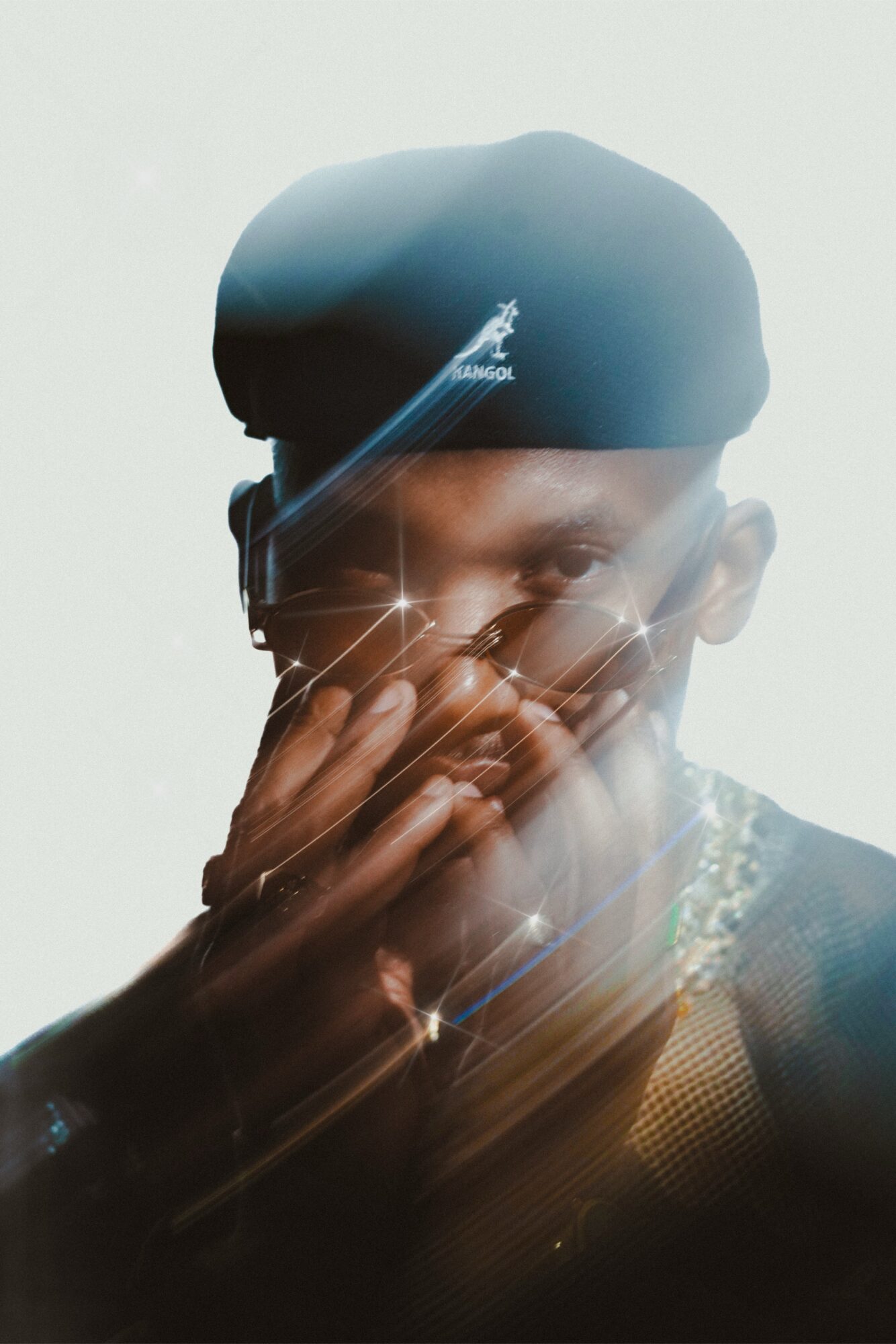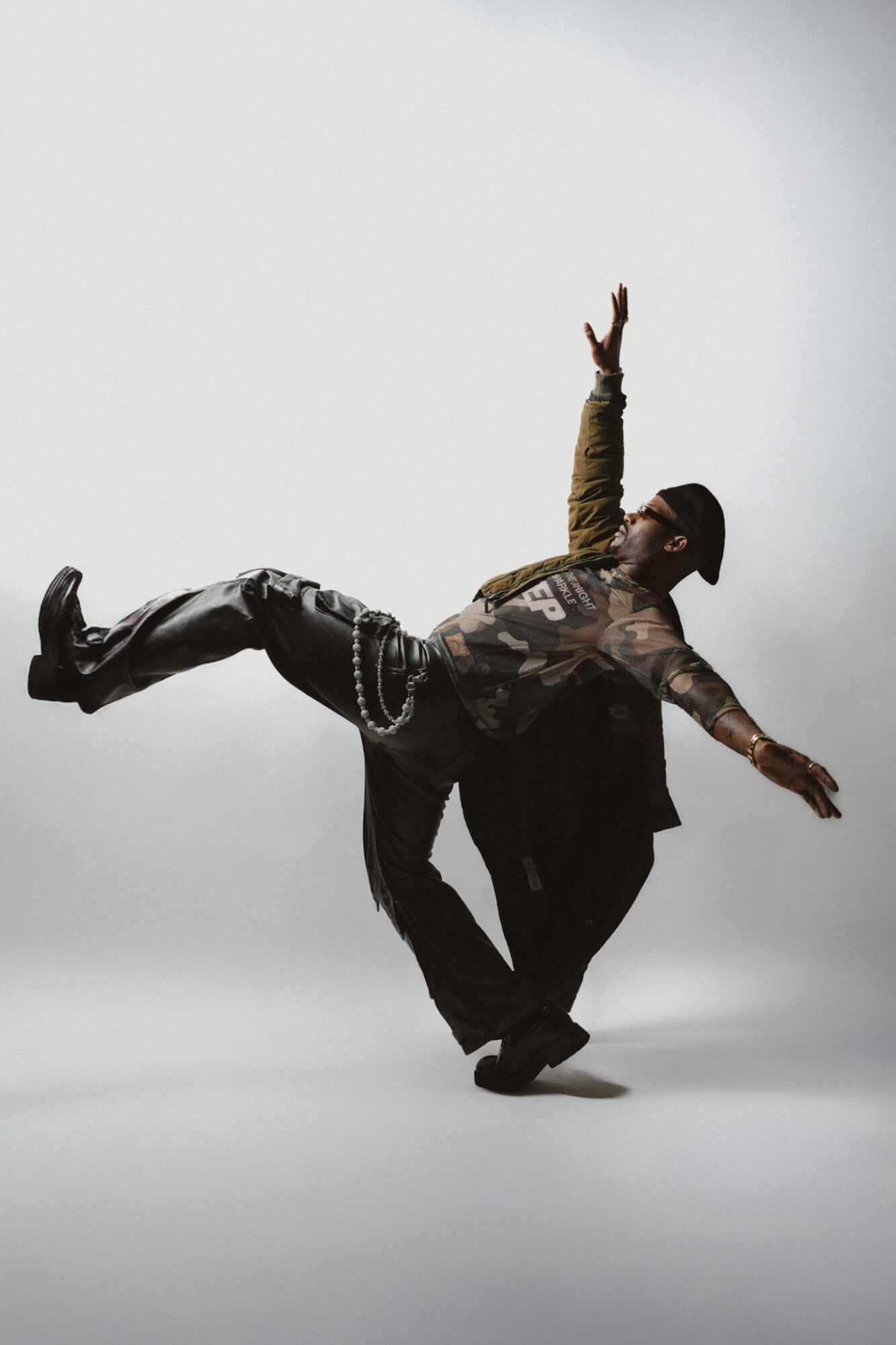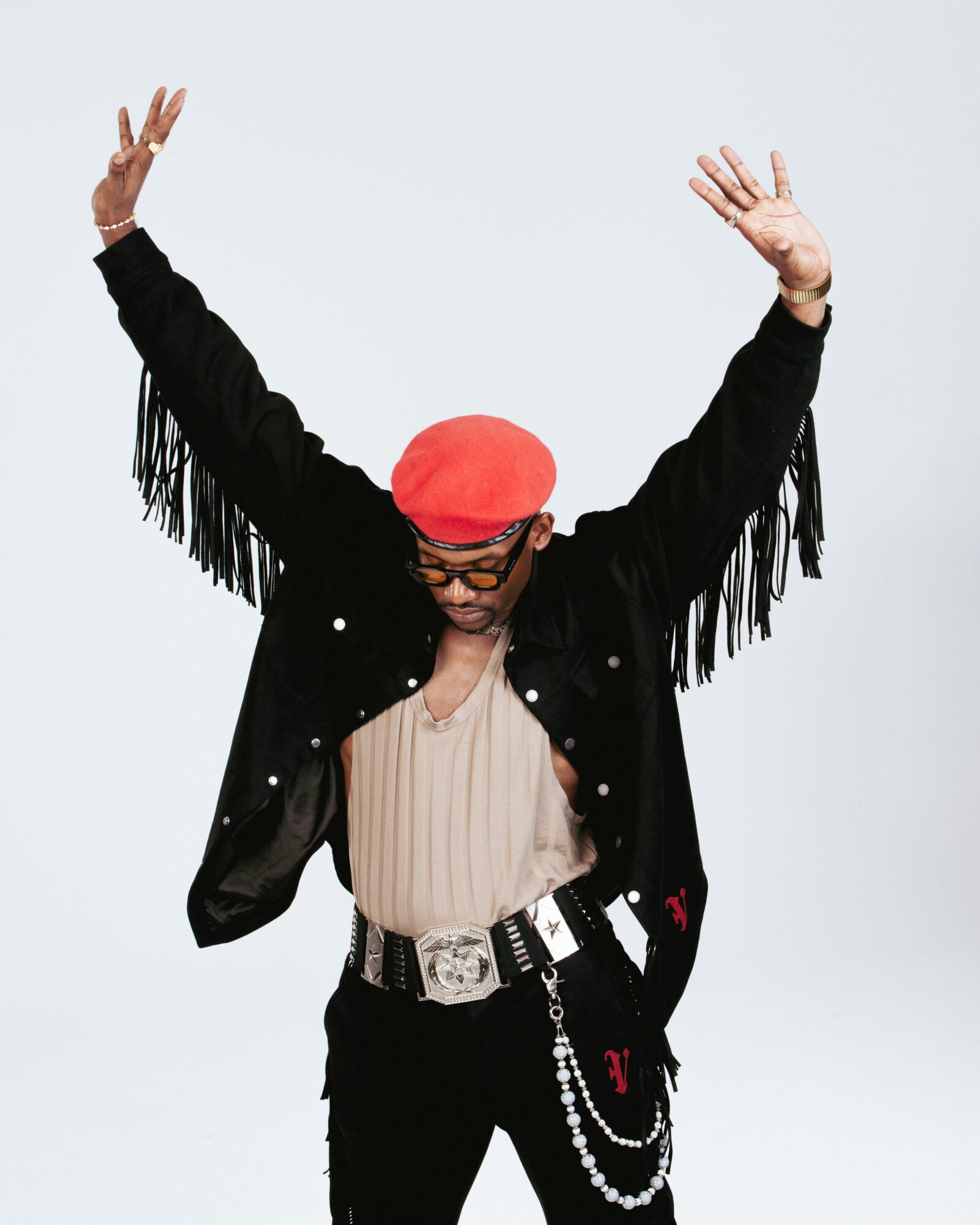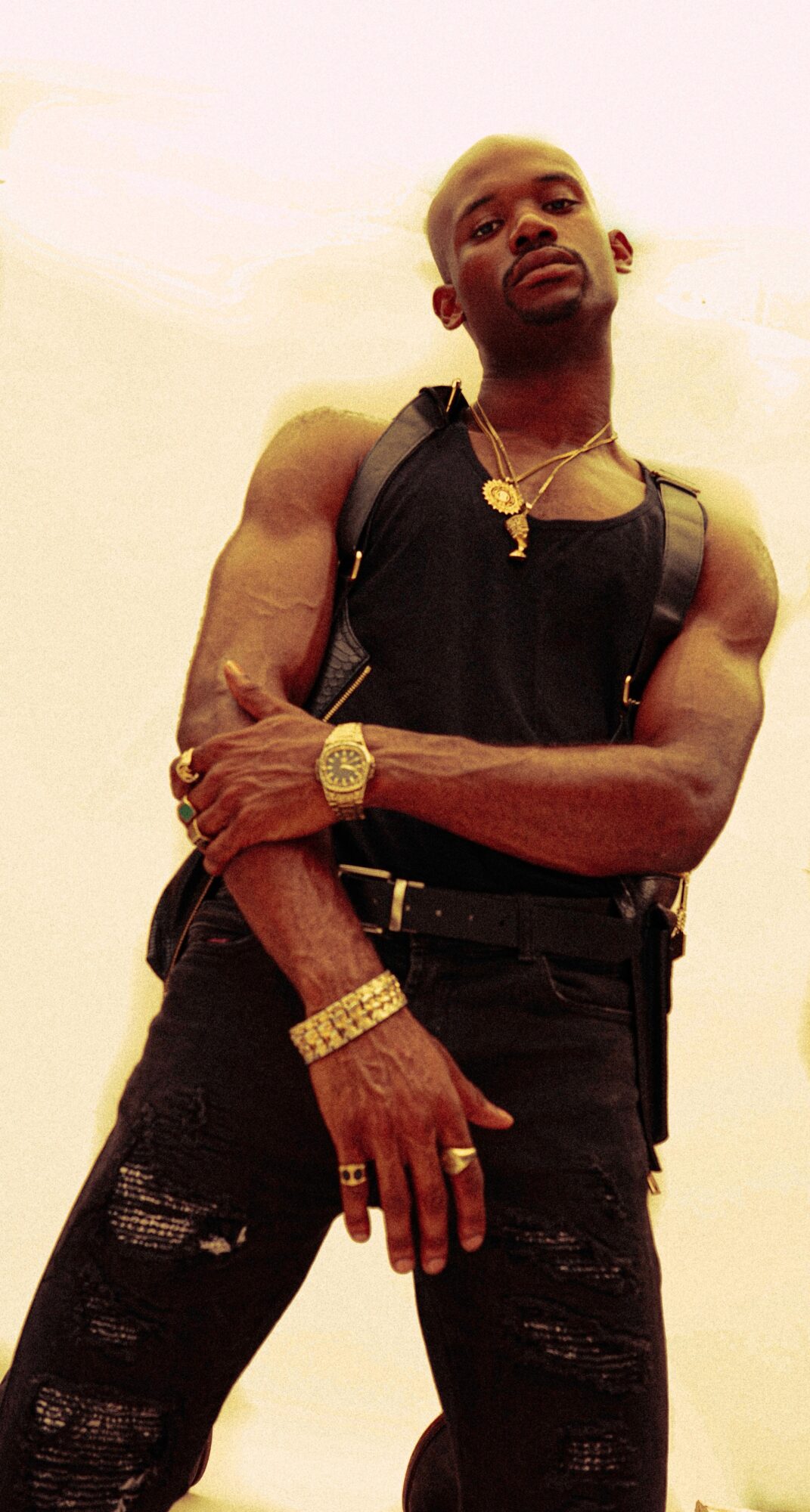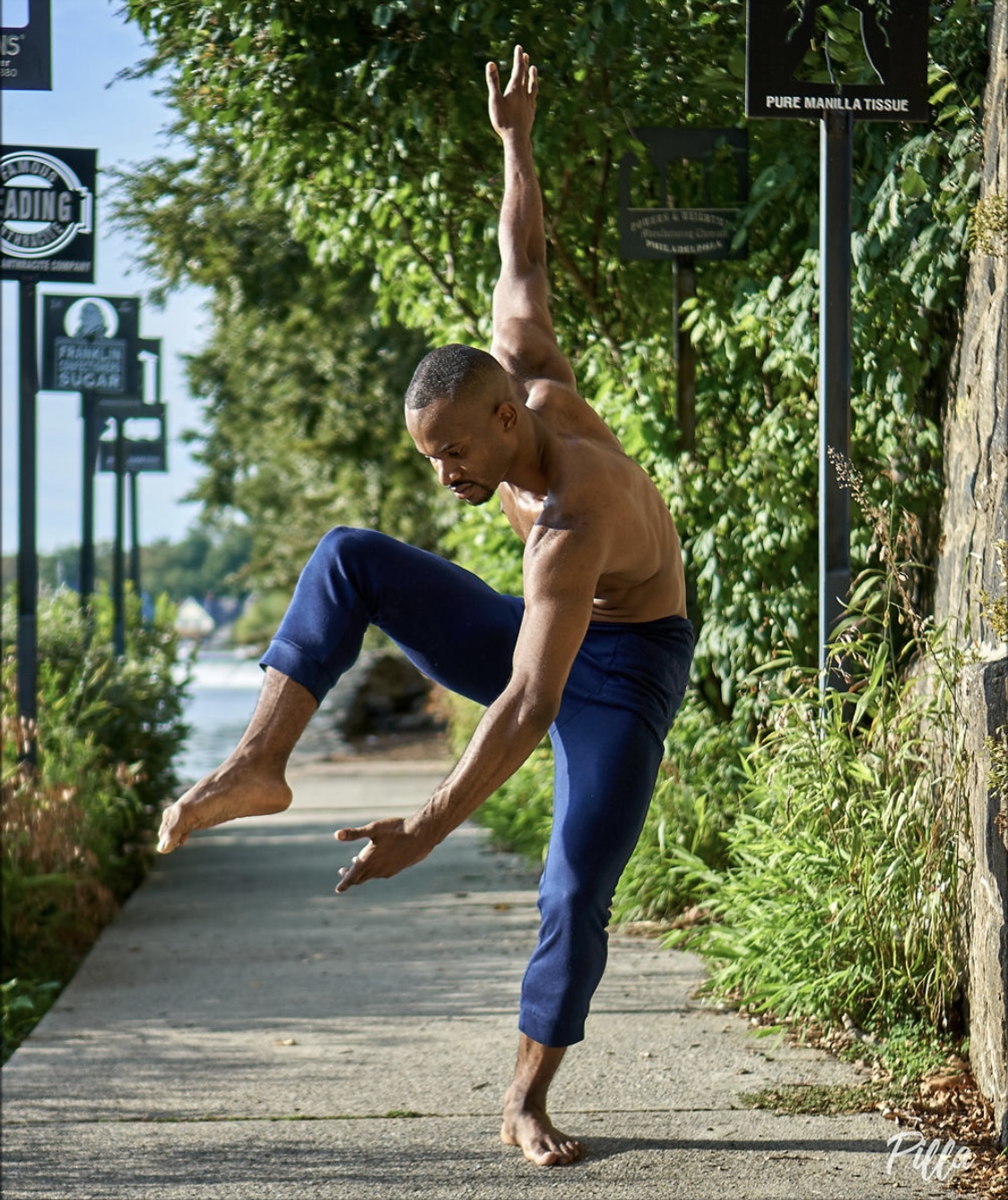



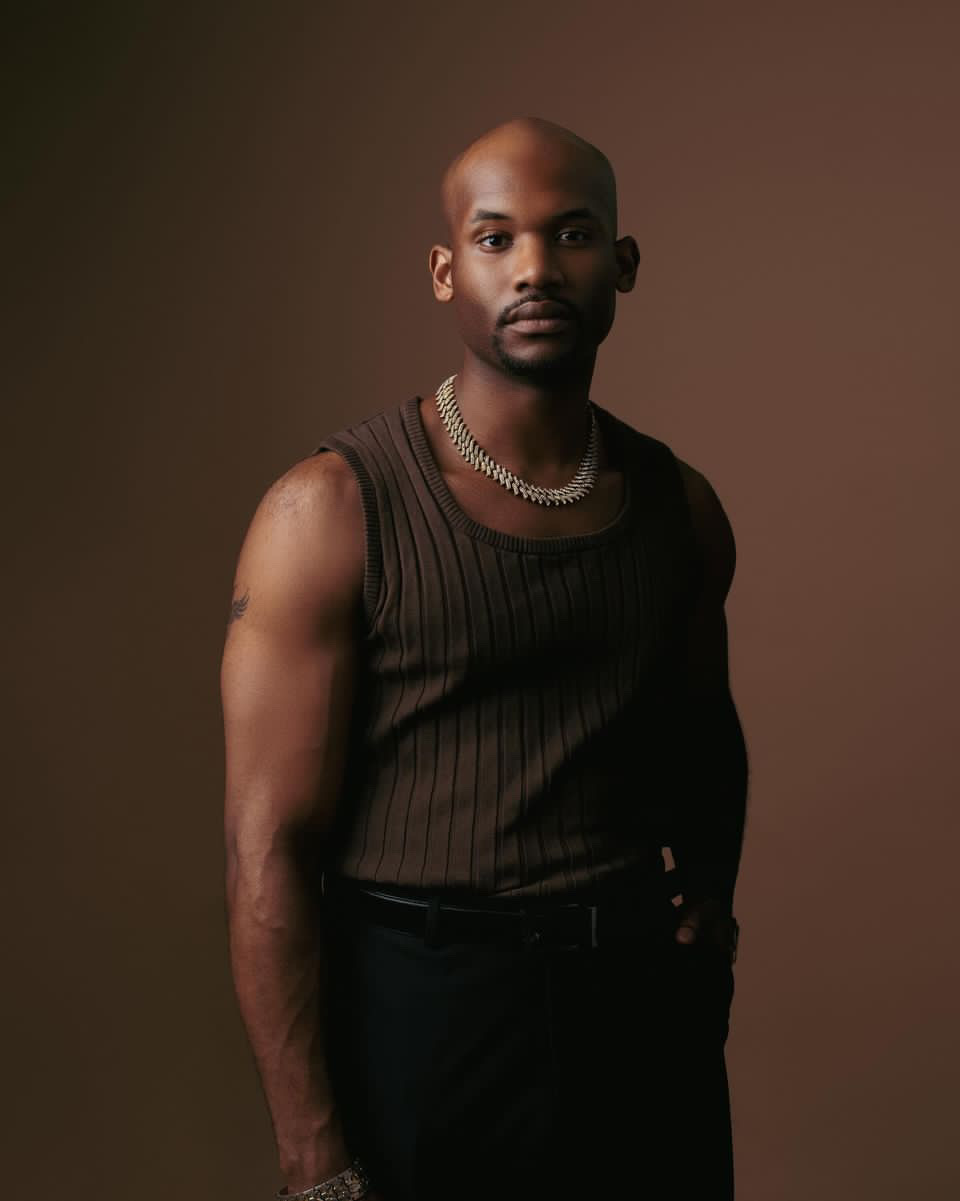
Today we’d like to introduce you to Jameel Hendricks.
Hi Jameel, we’re thrilled to have a chance to learn your story today. So, before we get into specifics, maybe you can briefly walk us through how you got to where you are today?
When I reflect on my path to dance, I often realize that it was never really a path at all—it was a calling. Dance has been woven into my life for as long as I can remember, existing long before I could consciously choose it. My mother often tells me that while she was pregnant with me, whenever music played, I would begin kicking relentlessly, as if I was already responding to rhythm before I had even entered the world. Looking back now, that story feels symbolic of the relationship I have with dance today. It has never been something I simply participated in; it has always been something that has lived within me.
My earliest memories are centered around movement, music, and community. At just three years old, I became a member of the junior company for Imani Edutainers, a local West African dance company where my mother had been a principal dancer for more than five years. Because of her involvement, I grew up backstage, sitting through rehearsals, watching seasoned performers, and eventually joining them onstage myself. Those early experiences introduced me to dance not only as an art form but as a cultural practice rooted in storytelling, history, and community. Dance became one of the first languages I learned.
Performing with Imani Edutainers also gave me opportunities to travel throughout the state for community performances and cultural events. Although these tours were relatively small in scale, they left a profound impact on me. I discovered that dance had the power to connect people across different communities and backgrounds. I found joy in sharing stories through movement and realized that performance could create spaces where people could experience emotion, culture, and humanity together. Those early performances sparked a passion for traveling, performing, and engaging with audiences that continues to shape my aspirations as an artist today.
When I was seven years old, my parents divorced, and I moved to Philadelphia. Like many life transitions, the move came with uncertainty, but it also introduced me to a vibrant artistic culture that would forever change my relationship with dance. Philadelphia became the place where I fell in love with funk, hip-hop, and street dance styles. The city’s rich history of music, social dance, and creative expression surrounded me. Dance became more than performance—it became identity, community, and survival.
Growing up in Philadelphia exposed me to artists who viewed movement as an authentic reflection of everyday life. I learned that dance did not have to exist solely within the walls of a studio or on a proscenium stage. It lived in neighborhoods, parks, block parties, cyphers, and community gatherings. These experiences taught me the value of authenticity and improvisation while reinforcing that every movement carries history, intention, and lived experience. The freedom and innovation within hip-hop culture deeply resonated with me and expanded my understanding of what dance could be.
Another monumental influence during this time was my late grandfather, LeRoy Hammond, a former member of the Philadelphia chapter of the Black Panther Party. While he was not a dancer himself, his influence on my artistic voice has been immeasurable. He consistently encouraged me to see creativity as more than personal expression; he believed art should serve people. Through conversations with him, I came to understand that creative work has the potential to educate, uplift, challenge injustice, and inspire social transformation. He instilled in me the belief that artists have both the privilege and the responsibility to contribute meaningfully to their communities.
His perspective fundamentally shaped the way I approach choreography and performance today. Rather than viewing dance as entertainment alone, I began to see it as a vessel for dialogue and social commentary. My grandfather taught me that movement could preserve history, challenge systems, celebrate resilience, and amplify voices that often go unheard. His legacy continues to guide every artistic decision I make.
At the age of twelve, I began formal training in codified dance techniques, including ballet, modern, jazz, and tap. Entering these disciplines introduced me to an entirely new vocabulary of movement. While my foundation remained deeply rooted in West African dance and street styles, classical training expanded my technical abilities and challenged me to think differently about artistry, discipline, and performance. Each technique offered its own philosophy, physicality, and way of understanding the body.
Rather than feeling as though I had to choose one style over another, I became fascinated by the possibilities that emerged when these different movement languages coexisted. Ballet taught me precision and structure. Modern dance encouraged vulnerability, exploration, and emotional depth. Jazz emphasized musicality and theatricality. Tap revealed rhythm as both movement and music. Together, these experiences broadened my artistic perspective and encouraged me to embrace versatility rather than limitation.
Training across multiple dance forms also affirmed that there is no singular way to tell a story through movement. Every style contributes its own history, cultural context, and expressive potential. As I continued developing as both a performer and choreographer, I became increasingly interested in blending these influences to create work that feels honest to my lived experience while remaining accessible to diverse audiences.
Today, my artistic voice is rooted in intersectionality. It reflects my upbringing within West African traditions, my experiences growing up in Philadelphia, my immersion in hip-hop culture, and my formal concert dance training. These influences are not separate chapters of my life—they coexist within every piece I create. Together, they allow me to move fluidly between tradition and innovation, between community practices and institutional spaces, and between personal narrative and collective experience.
As a Black American male raised in the inner city of Philadelphia, my experiences naturally inform my creative work. However, my goal has never been to tell only my own story. Instead, I strive to create choreography that begins with personal truth while expanding into conversations that resonate across communities. I believe that the more honestly we explore our individual experiences, the more deeply we uncover our shared humanity.
Whether addressing themes of identity, resilience, joy, grief, family, or social justice, I want my work to invite audiences into meaningful dialogue. I hope my choreography creates opportunities for reflection, empathy, and connection. Dance possesses a unique ability to communicate across language, culture, and lived experience, making it one of the most powerful tools for fostering understanding. That belief remains at the center of everything I create.
Looking back, every chapter of my life has contributed to the artist I am becoming. The cultural foundation I inherited from my mother, the artistic curiosity sparked through early performance experiences, the creative energy of Philadelphia, the wisdom of my grandfather, and the discipline of formal dance training have collectively shaped both my journey and my artistic voice.
My path to dance has never been linear, nor has it been confined to a single style, tradition, or community. It has been an ongoing journey of honoring where I come from while remaining open to where movement can take me. Dance has taught me not only how to move but how to listen, connect, question, and lead with purpose. It has become the lens through which I understand the world and the medium through which I hope to inspire change. As I continue to grow as both an artist and a human being, I remain committed to creating work that celebrates culture, challenges perspectives, and reminds us of our shared capacity for compassion, resilience, and transformation.
I’m sure it wasn’t obstacle-free, but would you say the journey has been fairly smooth so far?
Pursuing my career as a professional dancer and choreographer has been a journey filled with challenges, obstacles, and moments that tested me in ways I could have never anticipated. To say that the journey has not been a walk in the park would be an understatement. However, when I look back at everything I have experienced, I realize that many of the hardships that once felt like setbacks ultimately became some of the most important experiences in shaping me into the man and artist I am today.
During my adolescence, dance became much more than simply a passion or a creative outlet. It became a form of therapy and a way for me to process and escape the circumstances surrounding me. I grew up in impoverished neighborhoods where opportunities were often limited, and I witnessed people close to me struggle with mental health challenges and drug abuse. Those experiences exposed me to realities that forced me to mature at a young age. There were many things happening around me that I could not control, but dance gave me something that I could control: my movement, my expression, my imagination, and ultimately, my ability to tell my own story.
At the same time, I had to navigate the societal expectations that came with being a young man who wanted to dance. I encountered the stigma that dancing was not considered masculine and that pursuing the arts somehow conflicted with what society expected a man to be. Instead of allowing those perceptions to discourage me, I gradually learned to challenge them. Dance taught me that strength is not defined by how well you conform to someone else’s expectations. There is strength in vulnerability, discipline, creativity, self-expression, and having the courage to pursue something that others may not understand.
As I continued developing as an artist, I often felt like the black sheep in the room. I experienced being overlooked, underestimated, and sometimes having to work twice as hard to prove that I belonged. There were moments when I questioned whether people truly saw my potential or understood the value I could bring as a dancer and choreographer. I learned very quickly that talent alone would not always open doors. I had to develop discipline, consistency, resilience, and the willingness to continue showing up even when there was no guarantee that anyone would recognize my efforts.
Financial instability was another challenge throughout my journey. A career in dance can be unpredictable, and there were times when finances were far from consistent. Pursuing my artistic ambitions while dealing with financial uncertainty required sacrifice and a willingness to keep moving forward without knowing exactly what the next opportunity would look like. There were moments when it would have been easier to choose a more predictable path, but something within me continued to push me toward dance.
Looking back, I am grateful for the adversity I experienced—not because those circumstances were easy, but because they taught me lessons that success alone could never have taught me. Every obstacle strengthened my resolve. Every rejection taught me persistence. Every time I was overlooked gave me another reason to sharpen my craft. Every moment of uncertainty challenged me to trust myself and continue believing in the artist I was becoming.
Most importantly, I learned that my circumstances did not have to define my future. My upbringing, the struggles within my family, financial hardship, societal expectations, and the moments when I felt overlooked could have become reasons to give up. Instead, they became fuel. They gave me a level of determination that refuses to allow obstacles to have the final say in my story.
Today, I carry those experiences with me not as limitations, but as part of the foundation of who I am. They have shaped the way I approach my artistry, my work ethic, and my purpose as a dancer and choreographer. I understand what it means to fight for an opportunity, to create something from very little, and to continue believing in yourself when others may not yet see your vision.
My journey has taught me that becoming an artist is not simply about developing technical ability. It is about developing character, finding your voice, and having the courage to remain true to yourself despite the obstacles that stand in your way. Dance gave me a way to survive some of the most difficult chapters of my life, but it has also given me a way to transform those experiences into something meaningful.
The adversity I have faced is a part of my story, but it is not the entirety of my story. I am proud of the resolve it cultivated within me, because without that resolve, I would not be the man, dancer, choreographer, or artist that I am today. I continue to pursue this path with the understanding that the road may not always be easy, but I have already learned that I am capable of walking through difficulty without allowing it to stop me.
Throughout my career, I have often found myself navigating an industry that celebrates diversity in theory while still presenting significant barriers to access in practice. As a Black male choreographer and dancer, I have faced challenges that extend beyond developing my artistic voice—they have included proving that my work belongs in spaces where opportunities have historically been limited for artists who look like me and create from my perspective.
One of the greatest challenges has been the disconnect between my accomplishments and the opportunities afforded to me. I am the founder and artistic director of MOV3 Dance Collective, a company I built to create the kinds of opportunities that were often unavailable to artists in my community. Through MOV3 Dance Collective, I have produced and presented original works that have been recognized both nationally and internationally. My choreography has earned international awards and has received praise from some of the most respected voices in the dance world, including Donald Byrd, Janis Brenner, Tommie-Waheed Evans, William Jessup, and the iconic Joan Myers Brown. Receiving validation from artists whose contributions have shaped the field has affirmed the value of my creative voice and demonstrated that my work resonates at the highest artistic levels.
Despite these accomplishments, institutional opportunities have remained difficult to secure. Too often, choreographers from historically marginalized communities are expected to continually prove their worth before being entrusted with commissions from established companies. We are frequently celebrated after creating success independently, yet still encounter barriers when attempting to enter larger institutional spaces. This cycle can make it difficult to reach the next level professionally, regardless of the quality or impact of our work.
Creating and sustaining my own company has required me to wear countless hats beyond choreography. I have become a producer, fundraiser, administrator, educator, marketer, and mentor while continuing to perform and create. Although these responsibilities have made me a stronger leader and a more well-rounded artist, they have also highlighted how much independent choreographers must accomplish simply to gain visibility. Many established choreographers benefit from institutional support, commissioning opportunities, and resources that allow them to focus primarily on creating. Independent artists often have to build those systems themselves before they are even considered for similar opportunities.
Representation also matters deeply to me. Throughout my career, I have sought to create work that reflects the richness, complexity, and humanity of diverse communities. As a Black male choreographer working across multiple dance genres, I understand how powerful it can be for young artists to witness someone who shares aspects of their identity creating work on major stages. Visibility creates possibility. Every opportunity afforded to artists from historically excluded communities expands the imagination of what future generations believe is attainable. I hope my journey demonstrates that artistic excellence can emerge from many different paths and that innovative voices deserve access to the same platforms that have historically elevated only a select few.I have spent years cultivating my voice, building my own opportunities, and contributing to the dance community as a performer, educator, artistic director, and choreographer. I believe I am ready to bring those experiences into a larger institutional setting where I can continue to grow while contributing a unique perspective to the evolving landscape of contemporary dance.
Alright, so let’s switch gears a bit and talk business. What should we know about your work?
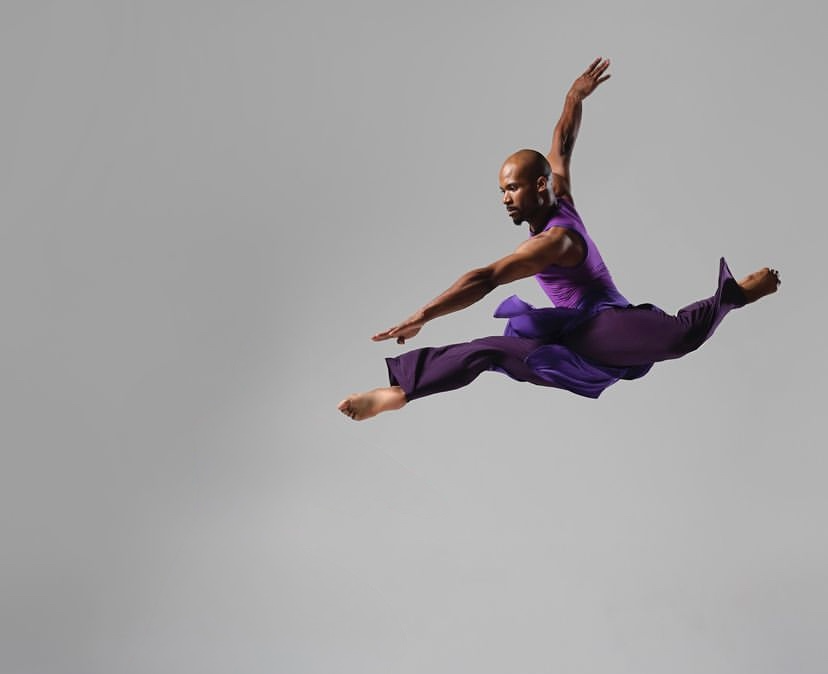
I’m an internationally award-winning choreographer, educator, performer, and multidisciplinary artist, and my work exists at the intersection of concert dance, commercial entertainment, and musical theater. At the heart of everything I do, I consider myself a storyteller. Whether I’m performing, choreographing, teaching, producing, or collaborating with other artists, I’m always interested in how movement, music, and performance can communicate something deeper about the human experience.
My foundation in dance began in Philadelphia. I graduated from Philadelphia High School for the Creative & Performing Arts (CAPA), where I received the Dance/Humanitarian/Congeniality Award. I later continued my training at Rutgers University’s Mason Gross School of the Arts after studying as a scholarship student at Eleone Dance Unlimited and The Rock School for Ballet. Those experiences gave me a strong technical foundation, but they also helped me understand that being an artist is about much more than technique. It’s about developing a voice, understanding your perspective, and learning how to communicate something that is uniquely your own.
In 2023, I received an International Choreographer Award presented by XING Dance Theater, which was a meaningful recognition of the work I’ve been developing over the years. I’m also the founder and artistic director of MOV3 Dance Collective, a project-based company that I created to provide performance opportunities for emerging artists while developing innovative work. Through MOV3, I’ve had the opportunity to create and present work nationally and internationally at festivals and platforms including the XING CityDance Festival, Men in Dance Festival, Dance Canvas, and the Let’s Dance International Frontiers Festival in the United Kingdom.
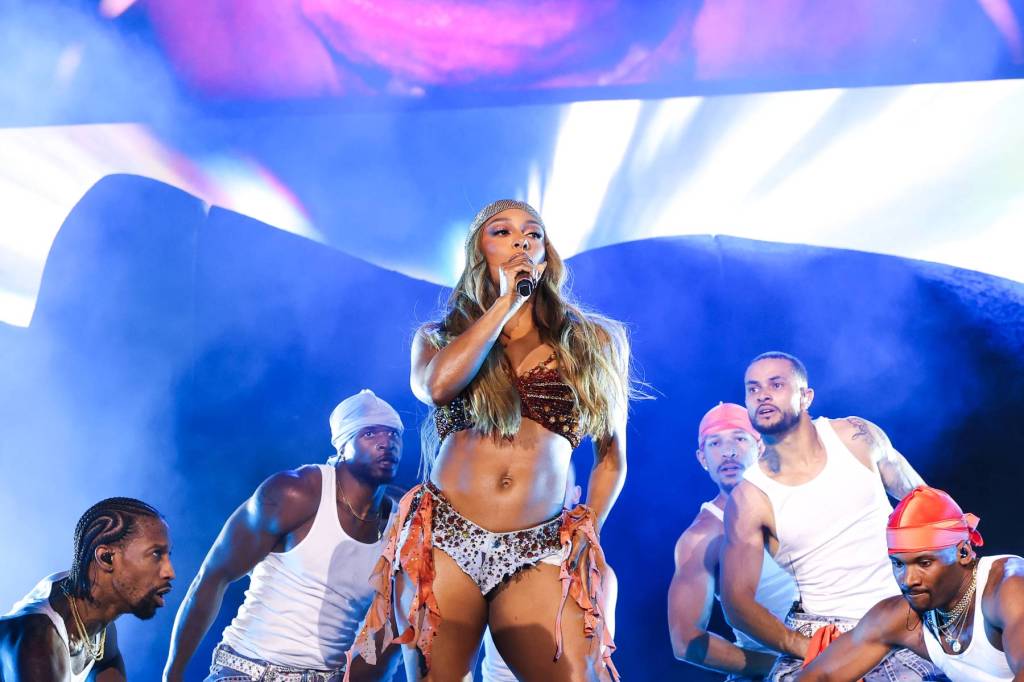
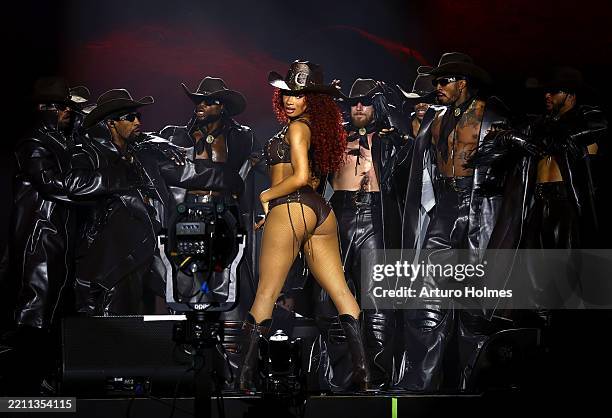
As a performer, I’ve had the privilege of dancing with Eleone Dance Theater and PHILADANCO before joining Virgin Voyages, where I currently perform as a company dancer. I’ve also had opportunities to perform alongside artists such as Cardi B, Ciara, Megan Thee Stallion, Victoria Monét, Queen Latifah, BIA, Bobby Shmurda, Lil Yachty, and XSCAPE. Working in such different environments has taught me how versatile you have to be as a performer. Every experience has challenged me to adapt, learn, and understand how to communicate with different audiences.
Teaching is another part of my career that I value deeply. I previously served on the dance faculty at String Theory Performing Arts High School and have taught masterclasses and workshops at universities, conservatories, and training programs throughout the country. I really enjoy working with young and emerging artists because I remember what it felt like to be in their position—trying to find my voice, figure out where I fit, and understand what kind of artist I wanted to become. I want to be able to give artists some of the guidance, encouragement, and perspective that I needed along the way. For me, teaching is not just about helping someone become a better dancer. It’s about helping them become a more confident, thoughtful, and well-rounded human being.
As a choreographer, I’m particularly interested in blending the technical rigor and structure of ballet and modern dance with contemporary and culturally rooted movement vocabularies. I create narrative-driven contemporary ballets that explore the emotional and psychological landscapes of the human experience. I’ve always been fascinated by storytelling, particularly through cinema and literature, and I try to bring that same sense of world-building and character development into my choreography.
I approach each ballet as its own distinct world within a larger artistic universe. Each work may have its own narrative, characters, or emotional landscape, but there are certain themes that continue to appear throughout my work—identity, memory, resilience, transformation, and the unseen forces that shape who we become. I’m interested in creating choreography where movement functions almost like dialogue, where the ensemble can represent something deeper than simply a group of dancers, and where the audience is invited to connect with the work on an emotional level.
What I’m most proud of is being able to take all of these different experiences and perspectives and turn them into something creative. I don’t want my work to simply look good; I want it to make people feel something. I want an audience member to see themselves in a character, recognize an emotion, remember a personal experience, or leave the theater thinking about something they may not have considered before. For me, choreography is ultimately about creating an experience that continues to live with someone even after the curtain closes.
I also think one of the things that makes me different is the fact that I’ve never limited myself to being just a dancer or choreographer. I’ve explored so many different creative outlets throughout my life, including acting, creative direction and consulting, DJing, modeling, music production, martial arts—specifically Capoeira and Muay Thai—and styling. At first glance, those things might seem unrelated, but I actually see them as different pieces of the same creative puzzle.
Each discipline has influenced the way I think. Martial arts has influenced my understanding of physicality and movement. Music production and DJing have strengthened my understanding of rhythm and musicality. Acting has influenced the way I approach character and storytelling. Styling and modeling have taught me about image, presentation, and visual language. Creative direction has taught me how to see the bigger picture and understand how all of the individual elements of a production come together. All of those experiences have expanded my perspective of what creativity can be.
Another thing that has really shaped me is the fact that I’ve often had to create opportunities for myself. I learned early on that if I wanted to see certain ideas come to life, I couldn’t always wait for someone else to give me permission or provide the opportunity. I had to be willing to build it myself.
One of the earliest examples of that happened in July 2013, when I was only 18 years old. I created and produced my first independent showcase, “Live From Euphoria,” which highlighted emerging talent from Philadelphia at the time. The event was held at the historic Philadelphia African American History Museum and ultimately became a sold-out production.
What makes that experience particularly meaningful to me is that I did almost everything myself. I booked the venue, handled the casting, promoted the event, choreographed the production, and performed—not only as a dancer, but also as a poet and spoken-word artist. At 18, I didn’t necessarily realize how much I was learning from that experience, but looking back, I can see that it was one of the moments that helped establish the way I approach my career today.
It taught me that being an artist and being an entrepreneur can coexist. I learned how to take an idea from conception to execution, how to communicate a vision to other people, how to build a team, how to solve problems, and how to take responsibility for the success of a project. Those lessons have stayed with me throughout my career.
Ultimately, I don’t see myself as just a dancer or choreographer. I see myself as a storyteller, educator, performer, producer, creative director, and someone who is constantly trying to find new ways to express an idea. My background has allowed me to experience the arts from many different perspectives, and I think that gives me a unique understanding of both the creative and business sides of this industry.
What I believe truly sets me apart is my ability to bring all of those experiences together. I care about the movement, but I also care about the story behind the movement. I care about the performer executing the choreography, but I also care about what that performer is communicating. I care about the audience, the production, the visual world, the music, and the opportunities I can create for other artists.
I’ve always believed that my career should be bigger than just me. I want to create work that challenges artists, moves audiences, creates opportunities for emerging talent, and contributes something meaningful to the culture of dance. Everything I’ve experienced—from my training and performance career to my work as an educator, choreographer, producer, and multidisciplinary artist—continues to shape the artist I am becoming.
And honestly, I think I’m still becoming that artist. I’m constantly learning, experimenting, and finding new ways to expand my creative language. That curiosity is something I hope never leaves me.
If we knew you growing up, how would we have described you?
When I think about what I was like growing up, the first word that comes to mind is observant. I was always paying attention to my surroundings and noticing things that other people might not have noticed. I was born in Lancaster, Pennsylvania, a relatively small town where life moved at a slower pace, and I think that environment naturally taught me to slow down, watch, listen, and take in the details around me.
I was also the oldest of my mother’s three children and the oldest of all nine of my grandparents’ grandchildren. Because of that, leadership was almost something that was placed on me from an early age. I was always aware of the people around me and developed a habit of paying attention to what was happening with everyone else. I didn’t necessarily understand it as leadership when I was young, but looking back, I realize that being the oldest taught me responsibility, awareness, and a sense that I needed to look out for the people around me.
Whenever I talk to my mother about what I was like as a child, she always tells me that I was marching to the beat of my own drum. She describes me as somehow being shy but outgoing, intuitive yet naive, cautious yet brave, and, above all, incredibly curious about what the world had to offer. She jokes that she couldn’t take her eyes off me for too long because if she did, I was gone like the wind. I was always exploring, wandering off, asking questions, observing people, or finding something new to become fascinated with. I had a very independent spirit, even at a young age.
At the same time, my childhood was far from peaceful. In fact, as an adult, I recognize that there was much more chaos surrounding me than I understood when I was actually living through it. My parents had a very difficult marriage that eventually led to an even more difficult divorce. There were many nights when their domestic disputes became serious enough that the police were constantly being called to our home to intervene. My father was struggling with substance abuse, which became one of the major sources of instability in our household, while my mother was also dealing with bipolar disorder. I also struggled with depression from a very young age.
As a child, I didn’t have the language or perspective to fully understand what I was experiencing. I just knew that there were things happening around me that didn’t feel right. Looking back now, I realize that I was learning how to navigate instability and uncertainty at a very young age. What could have completely consumed me, however, also seemed to create a stronger sense of purpose within me. Even during what sometimes felt like my own personal hell, there was always a part of me that believed there was something more waiting for me.
My mother also tells me that I had an entrepreneurial spirit from the very beginning. During the summers in Lancaster, I would take different juices and sodas, pour them into ice trays with toothpicks, freeze them, and sell them to people walking by for anywhere from fifty cents to a dollar. I would also sell my snacks at school. My mother jokes that between the frozen drinks and the snacks, she always knew I was going to end up working for myself someday.
Looking back, I think that entrepreneurial side of me was connected to my creativity. I was always making something, experimenting with something, or trying to figure out how I could turn an idea into something tangible.
My mother and I also laugh when we talk about how obsessed I was with The Lion King. I knew that movie practically line for line. I was always dancing, coloring, putting outfits together, creating little worlds in my head, and, most importantly, trying to dance like Michael Jackson around the house. Michael Jackson was one of my greatest creative influences then, and honestly, he still is today.
There were plenty of things I enjoyed that any other kid might have been interested in—basketball, video games, playing outside, and just being a kid—but even then, there was something different about the way I gravitated toward the arts. Creativity wasn’t just something I enjoyed; it felt like something that was part of me. Even before I had the vocabulary to call myself an artist, I was already behaving like one.
Moving to Philadelphia was probably one of the biggest turning points of my childhood. In many ways, I went from an environment that was internally chaotic to one that was externally chaotic as well. Coming from a small town, Philadelphia felt like an entirely different universe. It was faster, louder, rougher, and much more unpredictable than anything I had known.
But there was something about that city that completely captivated me.
I fell in love with Philadelphia. I remember seeing graffiti covering the trains, hearing drill teams blasting music from their instruments during the summer, riding SEPTA, hearing dirt bikes flying up and down the streets of West Philadelphia, and just taking in the energy of the city. My eyes were constantly stimulated. There was always something happening, something to look at, something to hear, or somebody doing something I had never seen before. Even though Philadelphia could be rough, I found something beautiful in its creativity, individuality, and unapologetic personality.
The city didn’t always love me back, though.
I grew up in neighborhoods where violence was a very real part of everyday life. I experienced being caught in the middle of shootings, home invasions, racial profiling by police, and the instability that came with being raised by a single mother who was constantly trying to keep us afloat. We experienced repeated evictions and the uncertainty of not always knowing where we would be living next.
Those experiences forced me to develop resilience very early. I had to learn how to adapt quickly, how to read people and environments, and how to protect myself emotionally and physically. In many ways, Philadelphia forged a toughness in me that I didn’t even realize I was developing at the time.
Then there was dance.
Being a kid from a small town who was naturally creative, expressive, and interested in performing came with its own challenges. I experienced a lot of physical bullying, and more often than not, I was on the losing end of it. During the early 2000s, there was still a very strong perception that dancing was something “girly,” particularly for boys. People—including adults—struggled to understand how a heterosexual Black boy could be interested in dance and still fit their idea of what masculinity was supposed to look like.
Originally, I only wanted to do hip-hop and West African dance. Those styles felt natural to me, and I could see myself in them. But my mother told me that if I wanted to become the best dancer I could be and have longevity in the profession, I needed to learn ballet, modern, jazz, and other styles.
At the time, I didn’t want to hear any of that.
Because I was already dealing with bullying, I became extremely resistant to the idea of studying those styles. I would hide in the bathroom during class. I would pretend I had forgotten my tights at home. I would act out during instruction, become rambunctious, and sometimes push the limits so far that I would get kicked out of class.
I wasn’t necessarily rejecting dance. I was rejecting what I thought dance was asking me to become.
That changed when I started attending the Philadelphia High School for Creative and Performing Arts, better known as CAPA.
For the first time, I saw young men who looked like me, came from neighborhoods similar to mine, and were taking ballet, modern, jazz, and other forms of concert dance seriously. More importantly, I saw them performing those styles at a professional level.
Something clicked for me.
I realized that there was no reason I couldn’t do the same thing.
From that point forward, I became hell-bent on becoming the most versatile dancer I could possibly be. My love for hip-hop and street dance never went away—in fact, those influences remain an important part of my artistic identity—but I began to understand that versatility wasn’t about abandoning who I was. It was about expanding what I was capable of expressing.
I started looking at the artists I admired differently. Michael Jackson, Alvin Ailey, George Balanchine, Cab Calloway, James Brown, Rennie Harris, and so many others showed me that greatness could come from completely different artistic languages. What they had in common was an extraordinary level of commitment to their craft.
I wanted that for myself.
I wanted to know as much as I could about movement. I wanted to understand different techniques, different cultures, different forms of storytelling, different types of music, and different ways of connecting with an audience. I didn’t want to be confined to one category.
Looking back, I realize that so much of who I am today was already present in that kid from Lancaster and Philadelphia. The observant child became the artist who studies people and human behavior. The oldest grandchild became a leader. The kid selling frozen juice became an entrepreneur. The child obsessed with The Lion King and Michael Jackson became a storyteller. The boy who was bullied for dancing became a professional dancer and choreographer. And the kid who grew up surrounded by instability developed an incredible capacity to adapt, persevere, and keep moving forward.
My childhood wasn’t easy, and there are certainly experiences I wish I never had to go through. But I am also grateful for what those experiences taught me. They forced me to develop resilience, ambition, curiosity, independence, and a strong sense of purpose long before I understood what those qualities would mean to me as an adult.
I truly believe that if I hadn’t experienced those challenges early in life, I wouldn’t have the capacity I have today to handle everything that my profession—and adulthood in general—has brought to my doorstep.
The person I am today was built through all of those experiences. The chaos, the creativity, the adversity, the curiosity, the city, the music, the dance, the people, and even the moments when I felt like I didn’t belong all contributed to who I became.
And perhaps most importantly, I never completely lost that curious kid who wanted to see what else was out there.
I think I’m still that kid in many ways.
I’m still watching. I’m still exploring. I’m still asking questions. I’m still looking for something I haven’t seen before.
The difference is that now, I have the ability to turn what I discover into art.
Pricing:
- For all pricing options/discussions, please contact me through my personal website!
Contact Info:
- Website: https://www.jameelhendricks.com/
- Instagram: https://www.instagram.com/meelmakesmoves_/
- Facebook: https://www.facebook.com/jameel.hendricks.7