


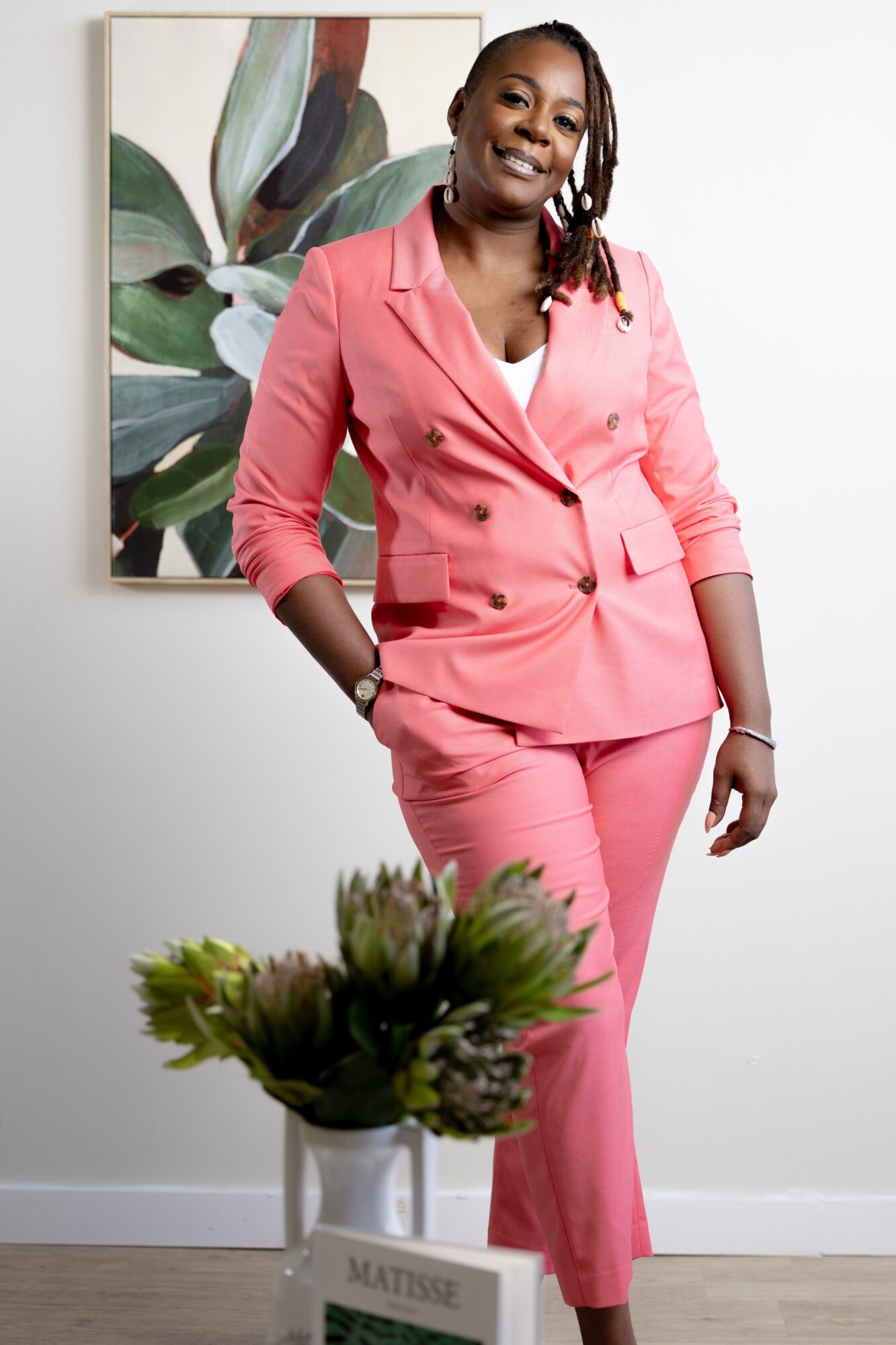
Today we’d like to introduce you to Dr. Victoria Best.
Hi Dr. Victoria, we’re thrilled to have a chance to learn your story today. So, before we get into specifics, maybe you can briefly walk us through how you got to where you are today?
I didn’t start with a blueprint—I started with a sense of responsibility shaped by my life early on.
I’m the youngest of eight children from my mother. After the age of two, I never lived with my mother again. I met my father once and never saw him again in my life. From age two until about ten or eleven, I was raised by my mother’s biological brother. After that, I entered the foster care system and moved through different placements.
At sixteen, I made the decision to become legally emancipated and began living on my own, with support from DHS until I was nineteen. I continued in an independent living program after turning eighteen through a board extension. But at nineteen, everything shifted. After being arrested and later found guilty of several charges as a co-conspirator with my biological brother, I was sentenced to 12½ to 24 months. I was granted immediate parole and placed on five years of probation—but that moment changed the trajectory of my life. DHS removed me from the program, and I was left to figure things out on my own.
During that time, I made a decision to go in a different direction. I started at the Community College of Philadelphia, studying Computer Information Systems. Even without completing that degree, I pushed forward and transferred to Temple University in 2003. In 2007, I graduated with a Bachelor of Science in Education, with a focus on special education.
I didn’t stop there. I went on to Lincoln University, where I earned additional degrees in education, including a Master’s in Elementary Education and Early Childhood. I also completed coursework for a Master’s in Reading and Literacy and began coursework toward a Master’s in Organizational Leadership.
Even with those accomplishments, life wasn’t easy. I faced periods of unemployment and homelessness, and I was repeatedly let go from jobs because of my criminal background. That reality could have stopped me—but instead, it deepened my purpose.
I applied for a pardon three times before finally receiving one from Governor Shapiro in 2024. That moment was full circle—after years of rebuilding, persistence, and refusing to give up on myself.
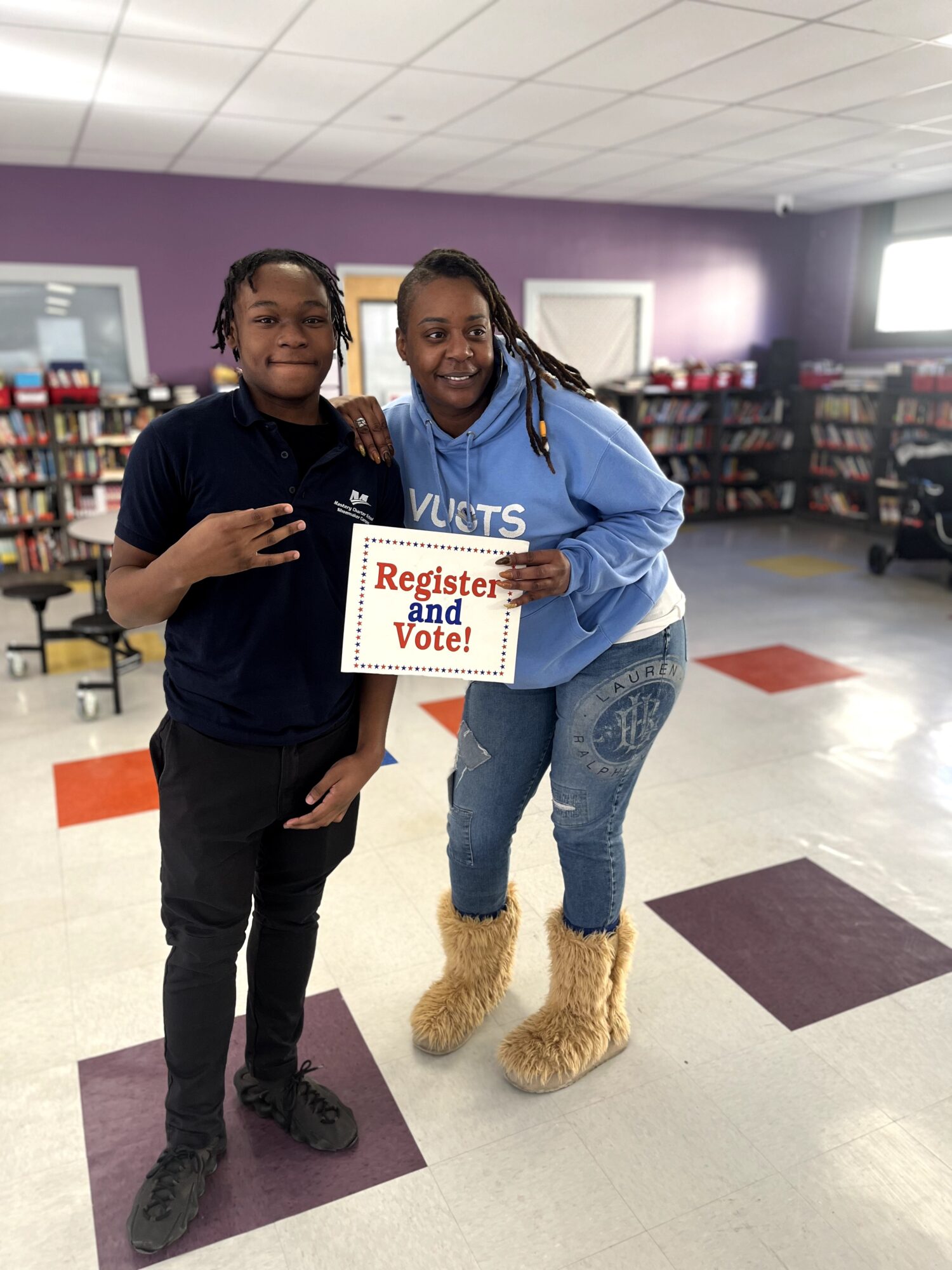
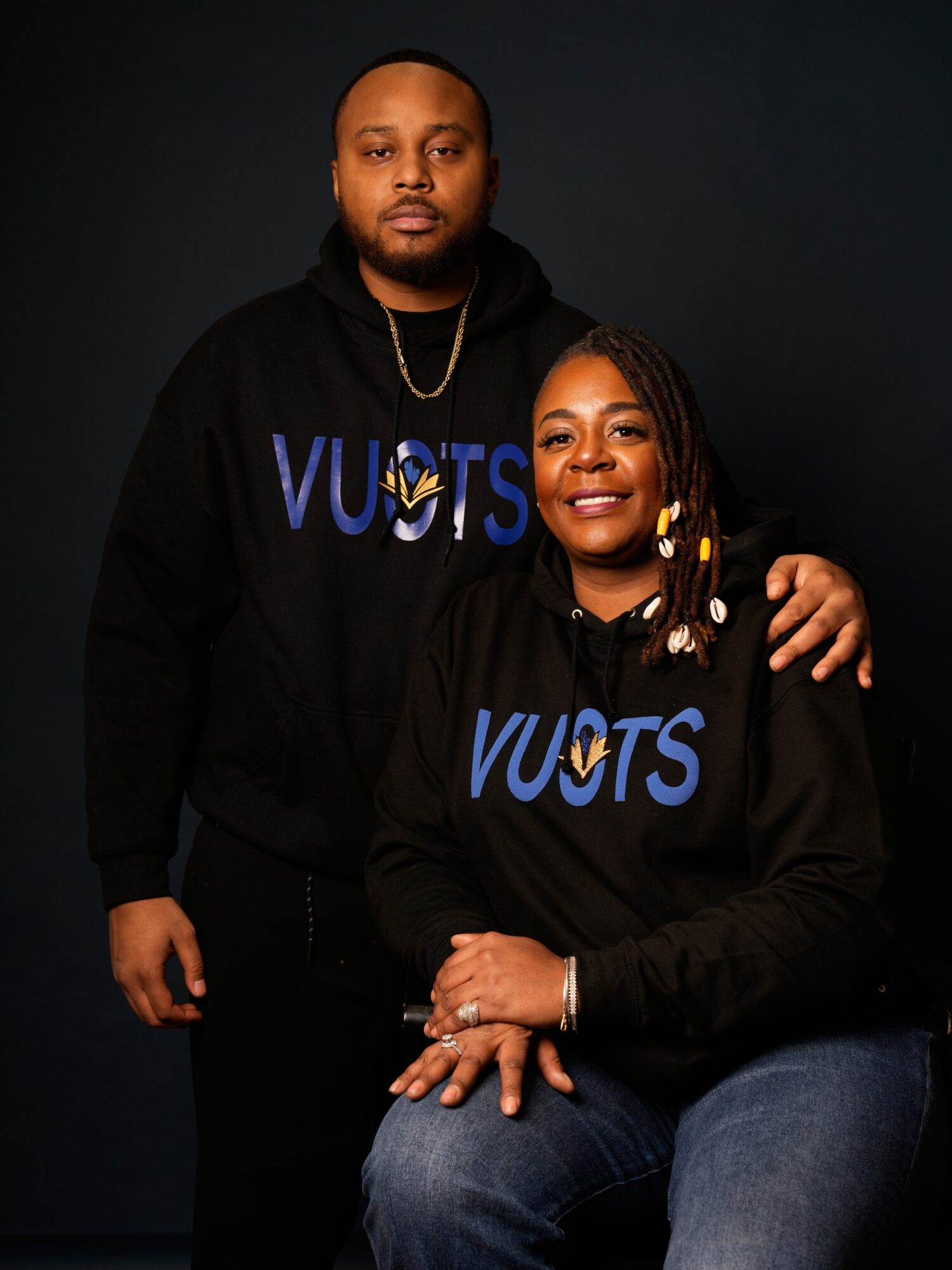
Along the way, I founded VUOTS (Victoria Urban Outreach Tutoring Service), building on earlier work through VTS (Victoria’a Tutoring Service). What started as a small effort to support students academically grew into something much bigger. I wasn’t just creating a tutoring service—I was creating a lane for myself and for others who have purpose but face real barriers. Barriers to education, support, mentorship, and opportunity.
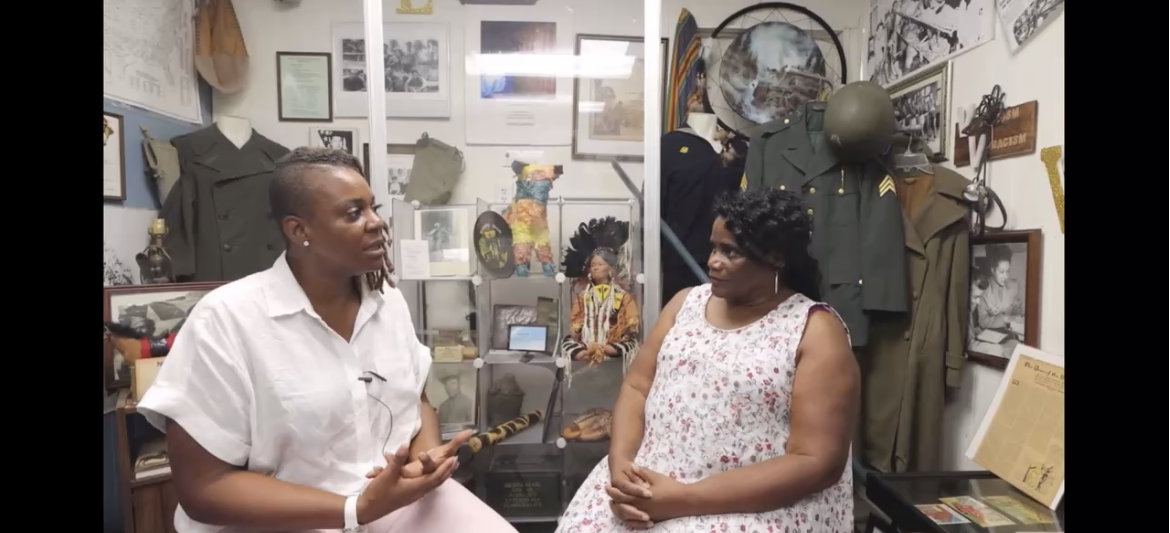
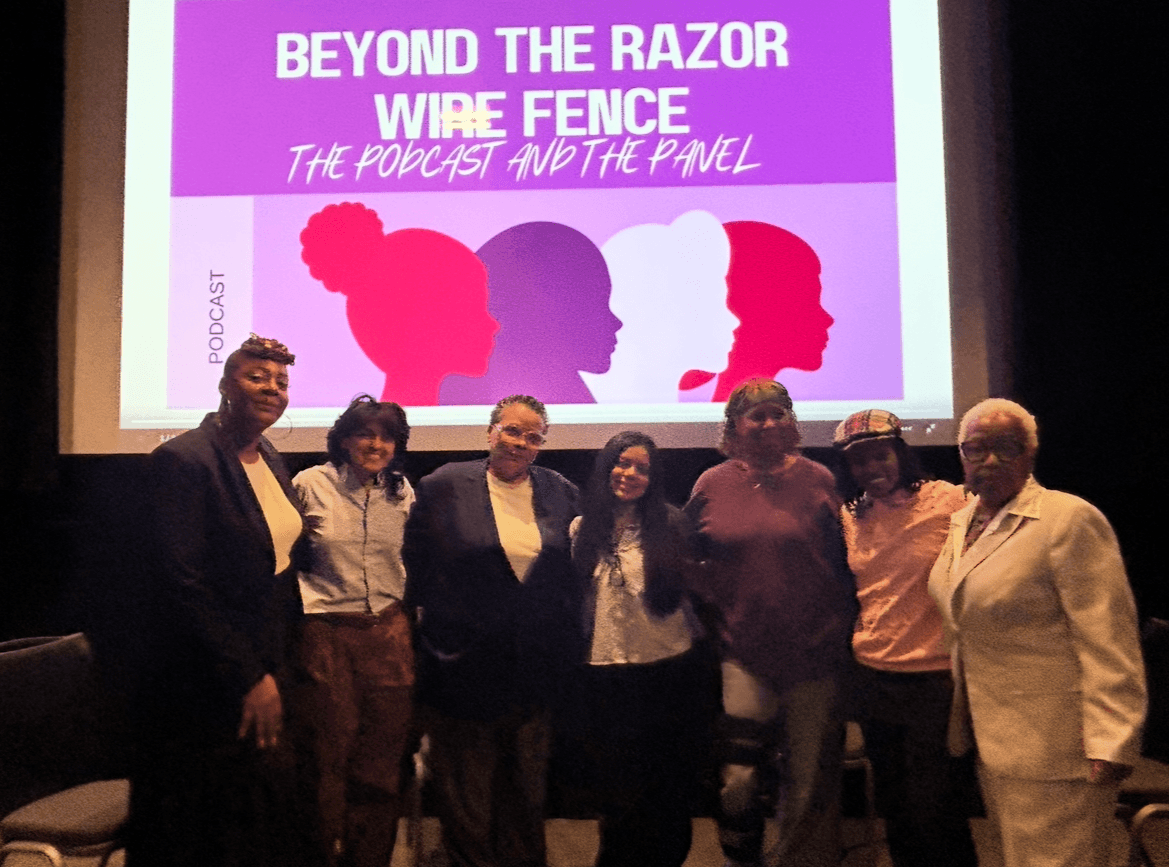
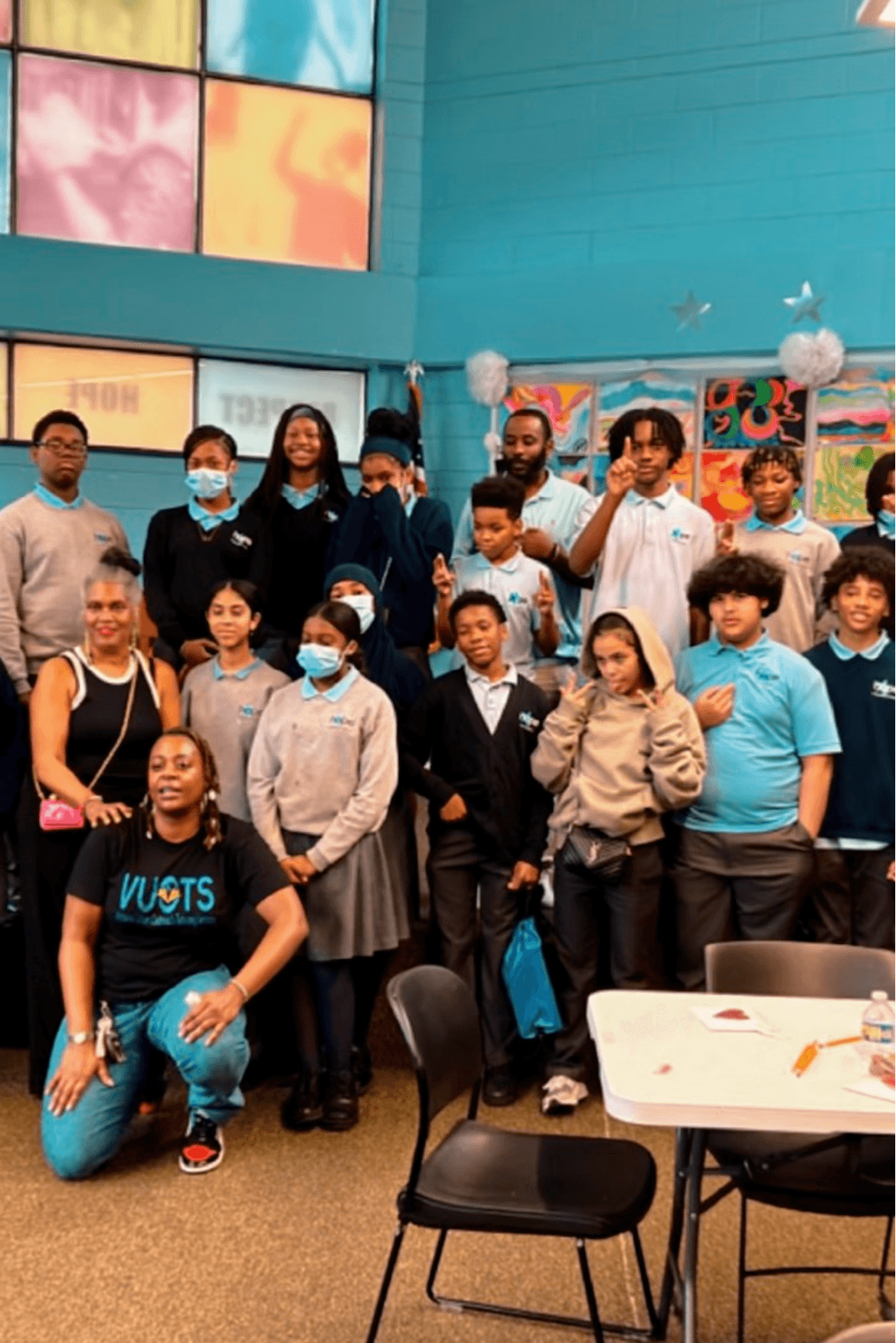
Today, VUOTS is rooted in access, advocacy, and creating spaces where young people and communities that are often overlooked can thrive. My work has expanded beyond tutoring into community engagement, storytelling, and building pathways for others.
Today, I work with the District Attorney’s Office in Philadelphia, continuing my commitment to bridging gaps between systems and the communities they impact.
My story isn’t linear, and it hasn’t been easy—but it’s rooted in resilience, accountability, and a deep belief in second chances. Everything I do now is about making sure others have access to the support, resources, and opportunities that I had to fight to find.
Can you talk to us a bit about the challenges and lessons you’ve learned along the way. Looking back would you say it’s been easy or smooth in retrospect?
It definitely hasn’t been a smooth road, and in many ways, the challenges are what shaped who I am today.
My life required me to grow up early. Navigating foster care, becoming emancipated at sixteen, and learning how to survive on my own came with a level of pressure and independence that most people don’t experience that young. There wasn’t a safety net, so every decision carried weight.
One of the most defining challenges came at nineteen when I became involved in the criminal legal system. That experience didn’t just impact me in the moment—it followed me for years. It affected my access to opportunities, stability, and even how people perceived me, despite the work I was putting in to move forward.
What made it more difficult was that even after earning multiple degrees and committing myself to education, I still faced unemployment, housing instability, and being let go from jobs because of my record. It created a constant tension between who I knew I was becoming and how the world continued to see me.
The pardon process itself was another lesson in persistence. It took three attempts before I was granted a pardon in 2024, and each time required me to revisit my past while still pushing forward.
On a personal level, I’ve also navigated the realities of a failed marriage while raising my two sons, who are now 28 and 10. Being a mother through all of this added another layer—because no matter what I was facing, I still had to show up, provide, and lead.
Even building VTS and later VUOTS came out of challenge. I wasn’t stepping into something that already existed—I was creating something needed but didn’t see. It was about building a path not just for myself, but for others who have purpose but run into barriers around education, mentorship, and opportunity.
So while the road hasn’t been easy, it’s been meaningful. Every obstacle forced me to be more intentional, more resilient, and more committed to creating access—not just for myself, but for the people coming behind me.
As you know, we’re big fans of you and your work. For our readers who might not be as familiar what can you tell them about what you do?
My work sits at the intersection of education, community engagement, and justice.
Professionally, I work with the District Attorney’s Office in Philadelphia, where I’m part of efforts to better connect systems with the communities they serve. My role allows me to bring both lived experience and professional training into spaces that don’t always include voices like mine. I understand the system from multiple angles, and I use that perspective to help inform more equitable and responsive approaches.
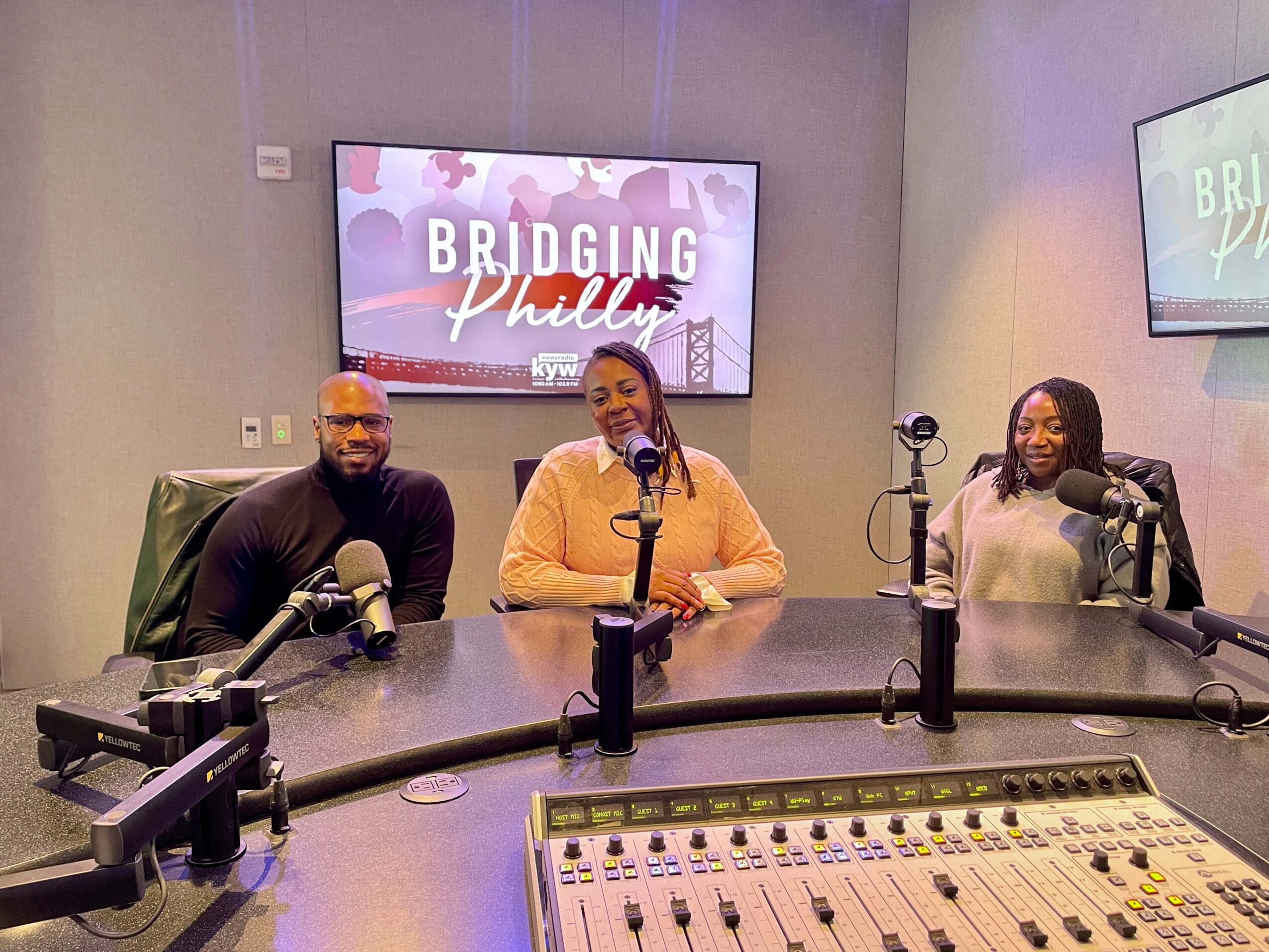
Alongside that, I am the founder of VUOTS (Victoria Urban Outreach Tutoring Service). Through VUOTS, I focus on providing academic support, mentorship, and access to resources for young people—particularly those who are often overlooked or navigating barriers. What makes this work different is that it’s not just about tutoring; it’s about building confidence, creating safe spaces, and helping students see possibilities for themselves beyond their current circumstances.
I also bring a strong foundation in education. I hold a Bachelor’s degree in Education with a focus on special education, a Master’s in Elementary and Early Childhood Education, and additional graduate-level work in literacy and organizational leadership. My specialization has always centered on meeting students where they are and understanding the full context of their lives—not just their academic needs.
What I’m most proud of is not just what I’ve built, but how I’ve built it. I’ve created opportunities in spaces where I once faced barriers. I’ve been able to turn my experiences—both positive and challenging—into something that benefits others. Receiving a pardon in 2024 was a major milestone, but even more meaningful is being able to stand in positions today where I can give back, advocate, and create access.
What sets me apart is my perspective. I don’t just approach this work from theory—I’ve lived it. I understand what it means to navigate systems without support, and I also understand what it takes to move forward despite those challenges. That combination allows me to connect with people in a real way and build trust, which is at the core of everything I do.
At the end of the day, my work is about creating pathways—whether that’s through education, advocacy, or community-based programming—so that others don’t have to struggle to find the opportunities that should already be within reach.
We love surprises, fun facts and unexpected stories. Is there something you can share that might surprise us?
Something that might surprise people is how I spend a lot more time thinking things through than people might expect. I’m always evaluating, adjusting, and trying to get it right.
Contact Info:
- Website: https://www.vuots.org
- Instagram: V_U_O_T_S
- Facebook: Victoria Urban Outreach Tutoring Service