


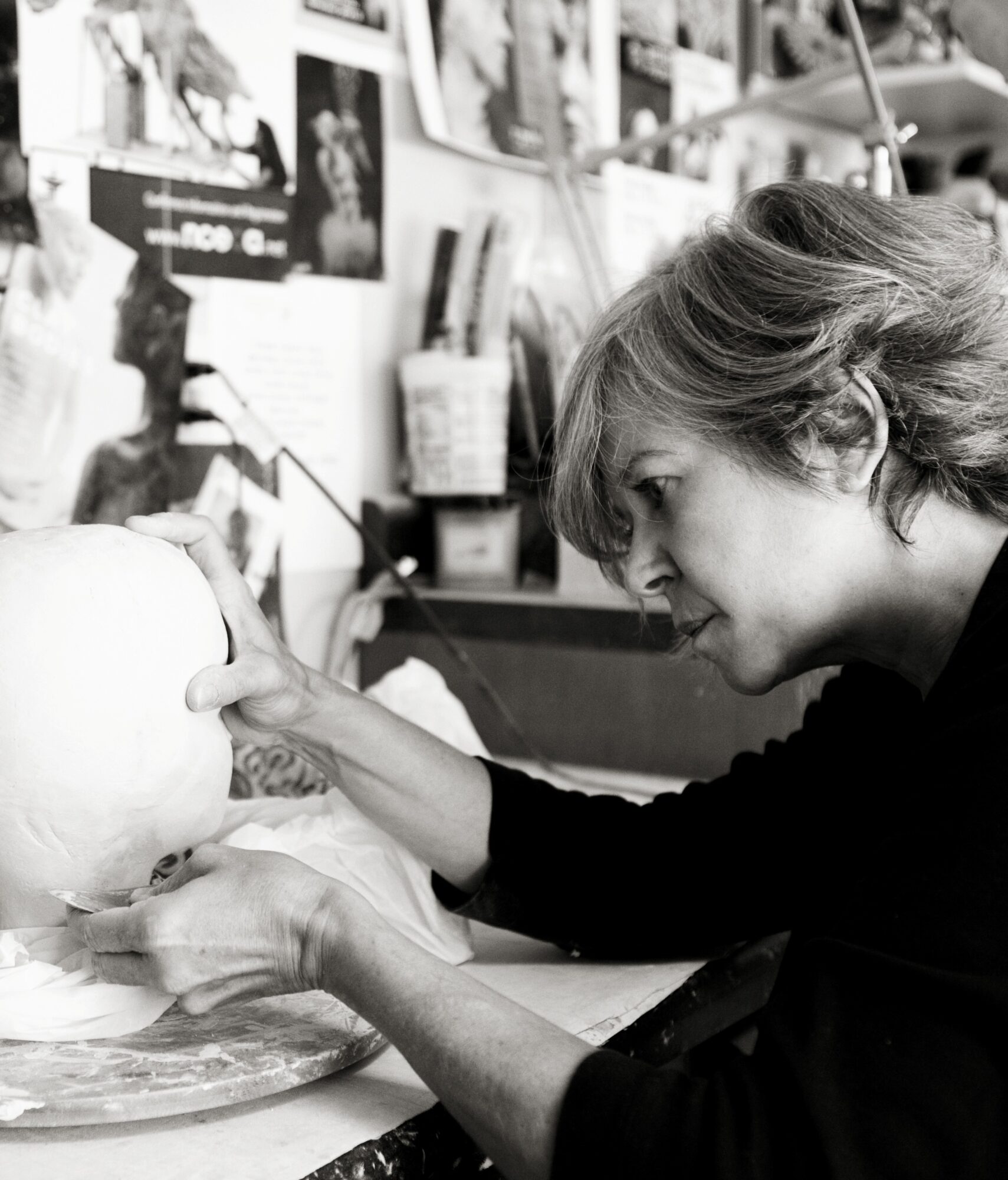
Today we’d like to introduce you to Constance McBride.
Hi Constance, please kick things off for us with an introduction to yourself and your story.
My career is defined by a mix of structure and creativity. I hold a Bachelor of Arts in Mass Media Communications and a Master’s Certificate in Project Management. I spent my youth making art then pivoted, gaining over 25 years of experience in the corporate world before transitioning back to a dedicated art practice. After a lot of detours along the way, I feel settled in now. I draw from my own trajectory as a young single mother, a corporate professional, and now a late-career artist.
Can you talk to us a bit about the challenges and lessons you’ve learned along the way. Looking back would you say it’s been easy or smooth in retrospect?
A major hurdle includes ensuring financial sustainability in an industry that operates differently from traditional fields. But I would say the biggest struggle is overcoming the nagging thought that because I got back in the game later in life, I missed out on valuable time to develop my work.
Thanks – so what else should our readers know about your work and what you’re currently focused on?
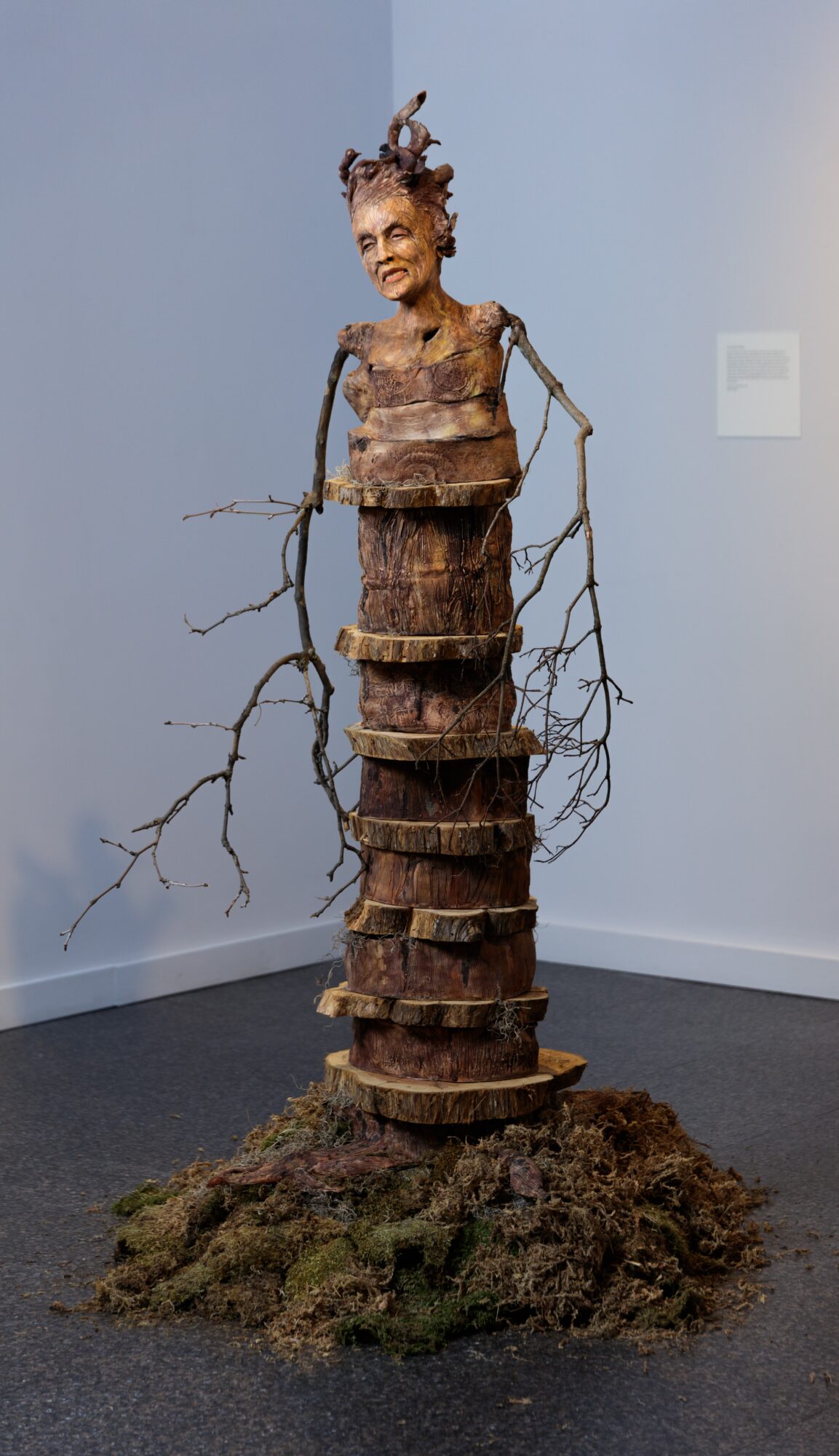
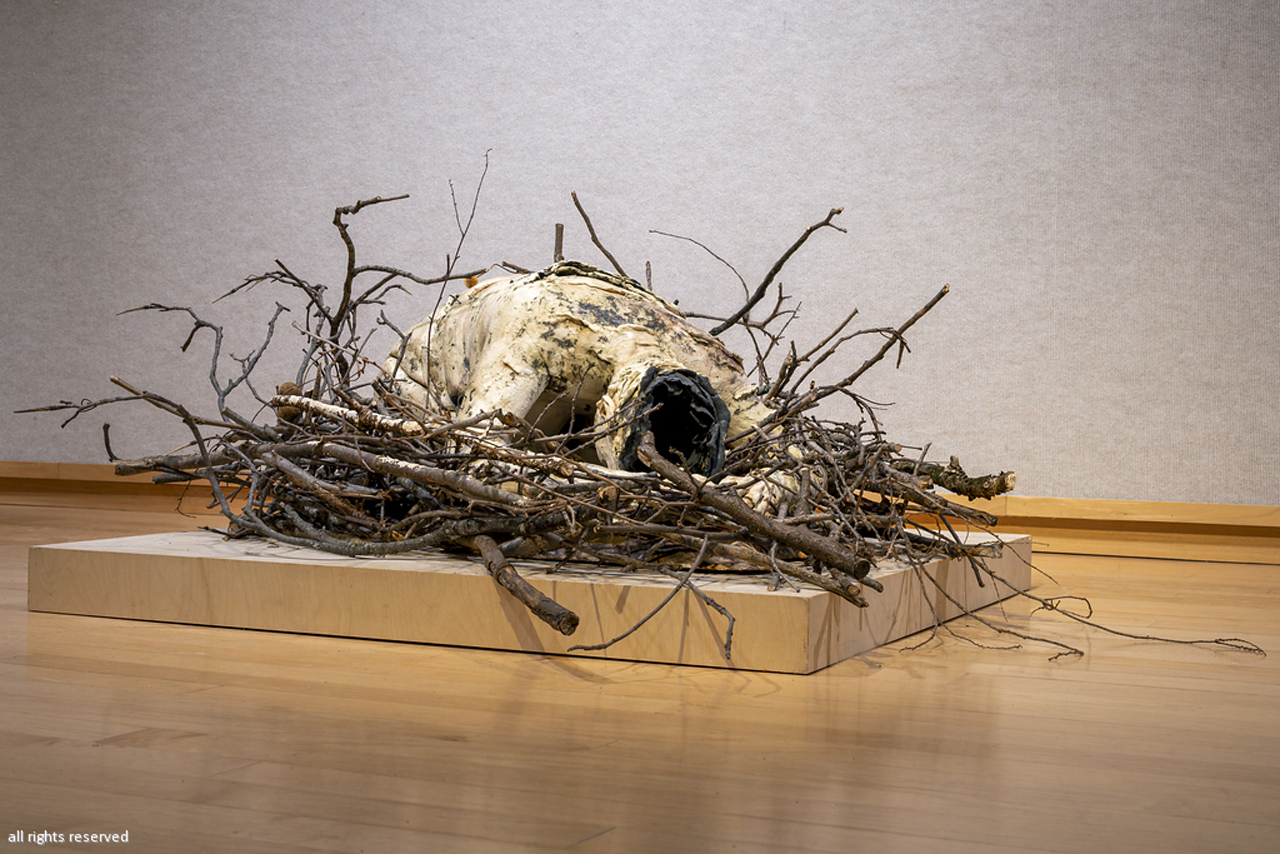
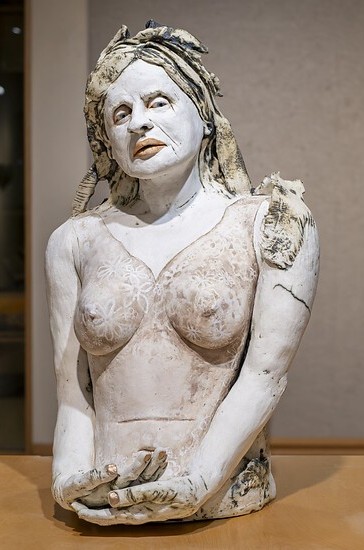
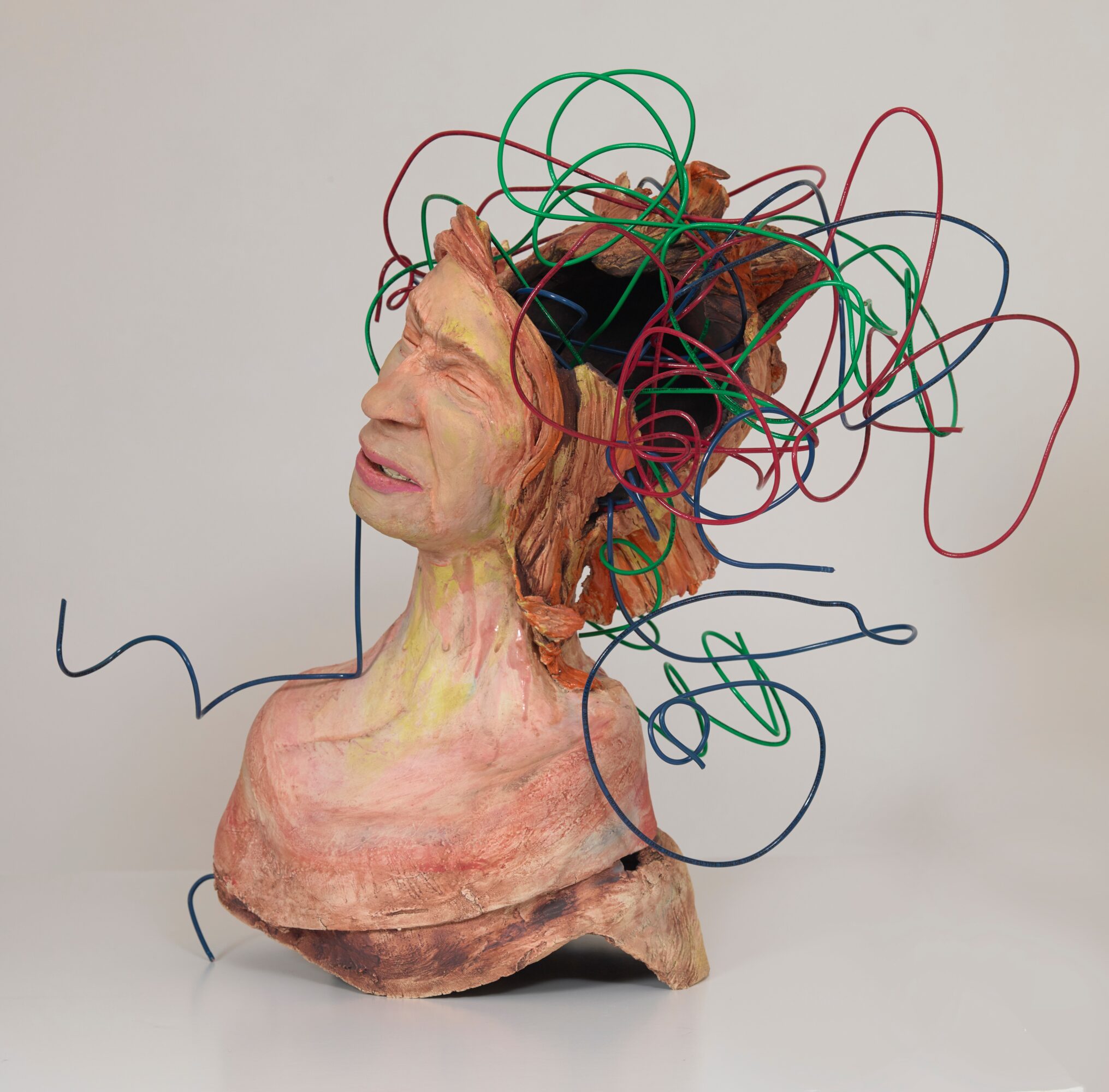
I’ve been working with clay since the mid-2000s, after making a move from Pennsylvania to Arizona. While I was inspired by nature before the move, my practice became deeply informed by the desert and ancient pottery traditions of the American Southwest, and that inspiration has remained with me ever since. Now back in Pennsylvania, my themes, materials and approach to making continue in this vein. I expect I will always sculpt my ceramic figures with the cyclical rhythms of nature and the untidiness of the human experience in mind. The slow, meditative process—often taking up to eight weeks per piece—requires a patience that mirrors my mindfulness practice. I focus on the recurring interplay between liberation and constraint. I specifically contemplate the sociopolitical tensions facing women, from harassment and ageism to the pursuit of financial and physical autonomy. Basically, I mine the issues I’ve experienced in life.
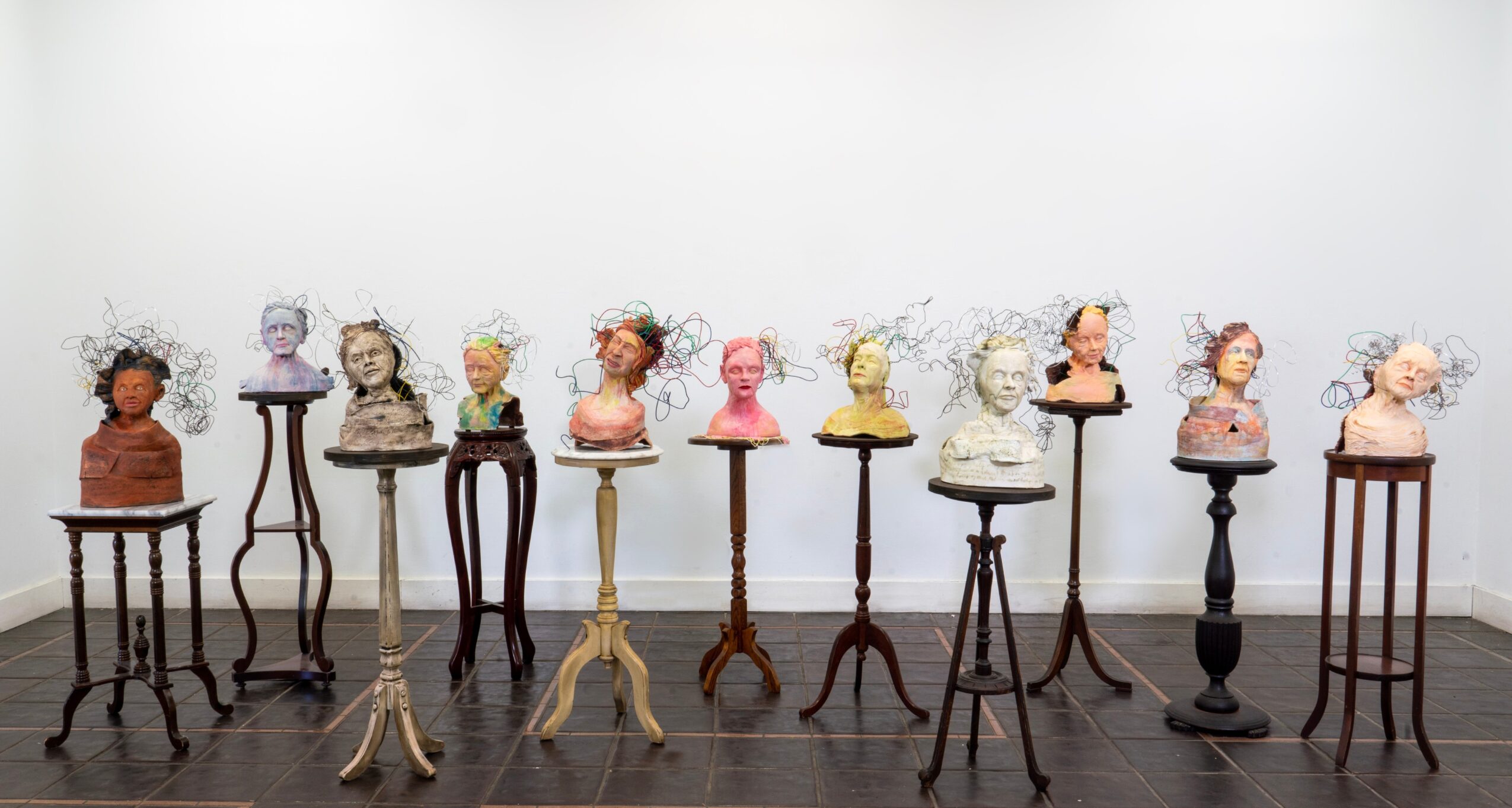
An ongoing project I call “The Lonely Girls” focuses on women’s mental health and memory issues. The series began in 2011 and continues today. Life is difficult for women throughout their lives but becomes especially hard once an illness prevents them from engaging in society as usual. When that illness is dementia, it’s nearly impossible. According to the Alzheimer’s Association, of the 6.2 million people with Alzheimer’s disease who are age 65 or older in this country, almost two-thirds are women. Women in their 60s are more than twice as likely to develop Alzheimer’s disease over the rest of their lives as they are to develop breast cancer. This project is a call to awareness and empathy.
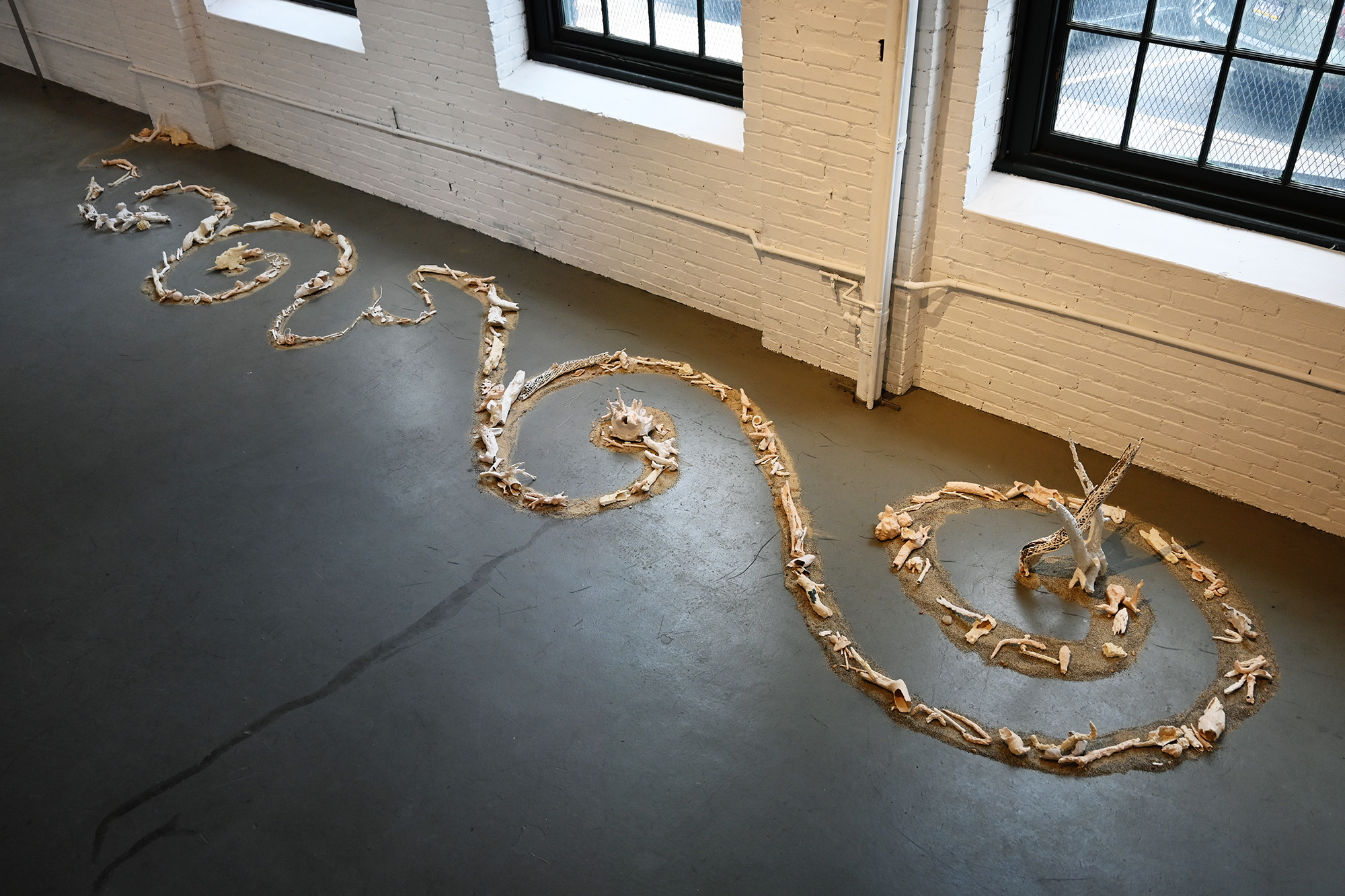
My installations are composed of organic fragments gathered from Northeastern forests and Arizona’s Sonoran Preserve. I dip many of these fragments in clay slip several times and fire them until only fossilized shells remain. These new and original forms, sometimes combined with ancient Celtic motifs, mirror the patterns of the natural world, creating spaces for renewal.
A series of collages brings a new visual dimension to my practice. I take photographs in nature and manipulate them, along with magazine scraps, newspaper and book pages, Irish linen thread and more. I cut, paste and layer, adding colors and creating textures to build alternative realities, reflecting the fragile yet resilient spirit shared by women and the natural world.
Where do you see things going in the next 5-10 years?
The art world has been redefining itself, breaking with tradition and embracing a collaborative, DIY approach for some time now. This new world prioritizes underrepresented artists through community-driven, non-profit initiatives. I have been a part of this new world since I re-entered the arts. First by participating in an artist run collective then by joining several art center boards and becoming actively involved in learning about community-based activities. With some solid background in the DIY approach now, I’ve become part of a new venture in my local community. Working with two other artists, we have started up a new art center in the Brandywine Valley, in Oxford, PA. The Hook Experiment focuses on providing a raw space for artistic risk and unfinished work, free from commercial pressure. We are energized by what we can do as a group. It feels good to be in control of how we want to shape our next 5-10 years by supporting other artists while continuing our own practices.
Contact Info:
- Website: https://www.constancemcbride.com/
- Instagram: @constancemcbride_art
- Facebook: https://www.facebook.com/mcbridecon/