


Today we’d like to introduce you to Cathie Berrey.
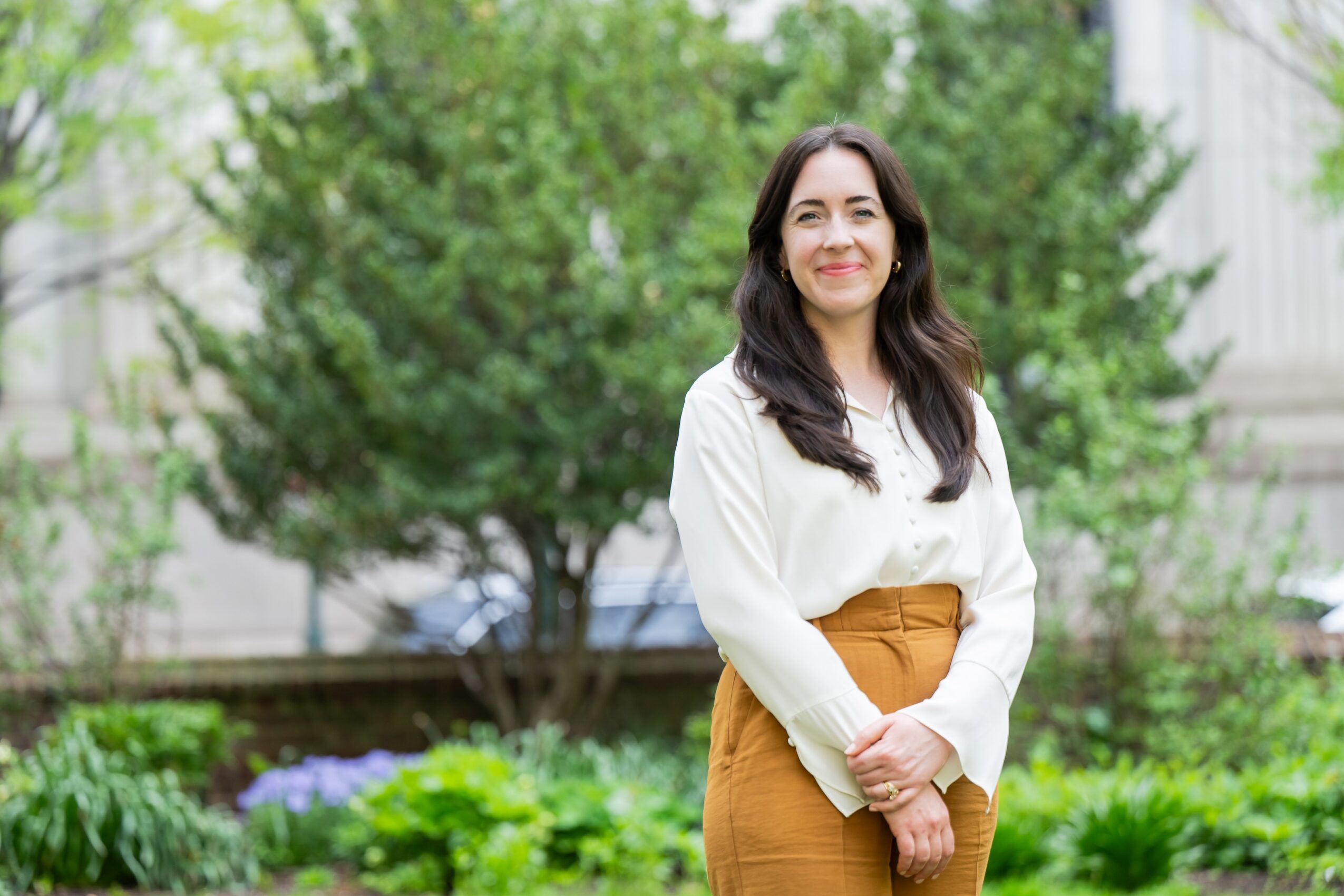
Hi cathie, thanks for joining us today. We’d love for you to start by introducing yourself.
Photography has been part of my life for more than 40 years. I got my first real camera, a Canon AE-1, when I was 16, and I’ve pretty much loved photography ever since. For a long time, though, I didn’t necessarily think of myself as an artist. Photography was just how I saw the world and how I connected with people.
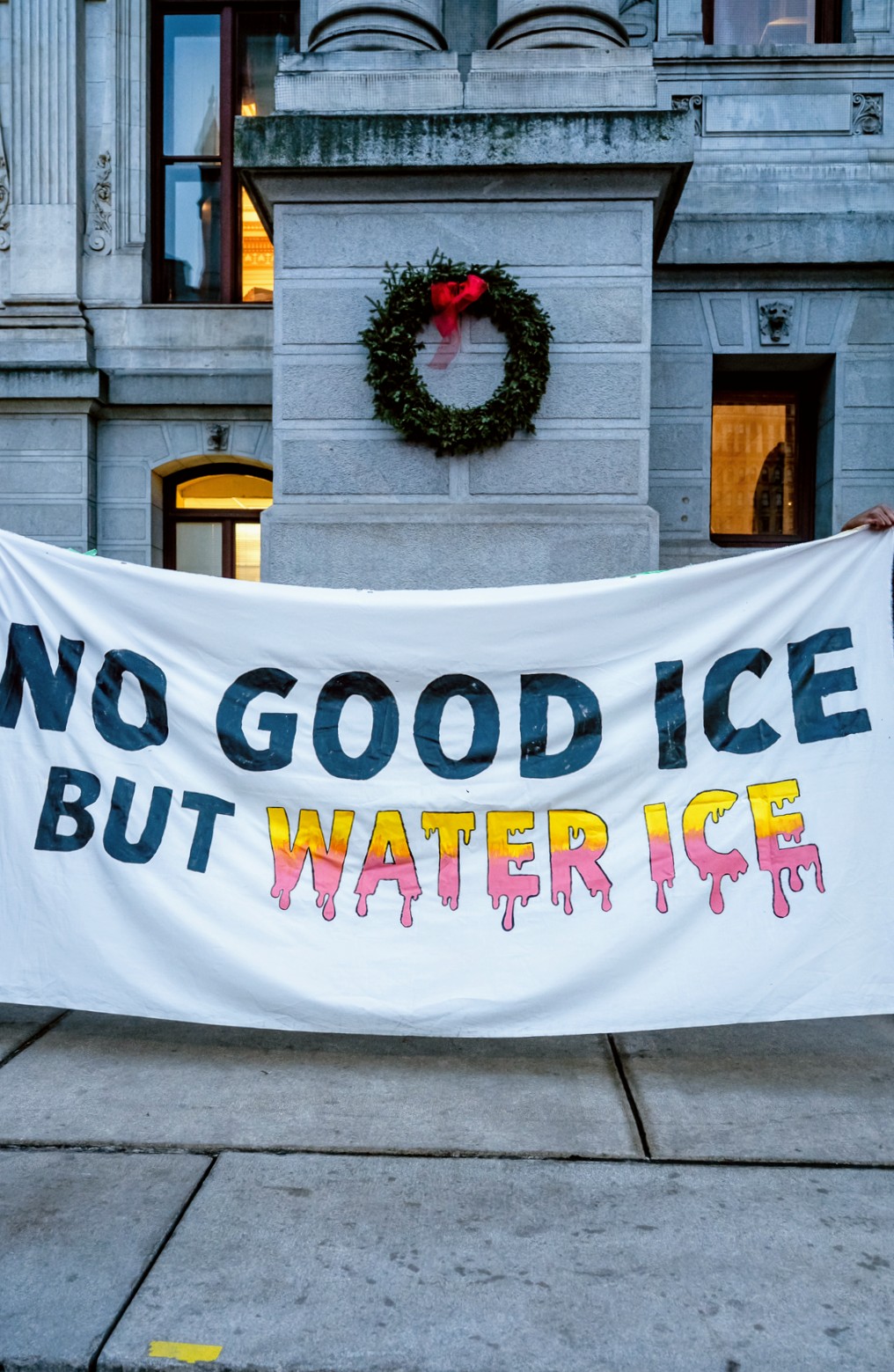
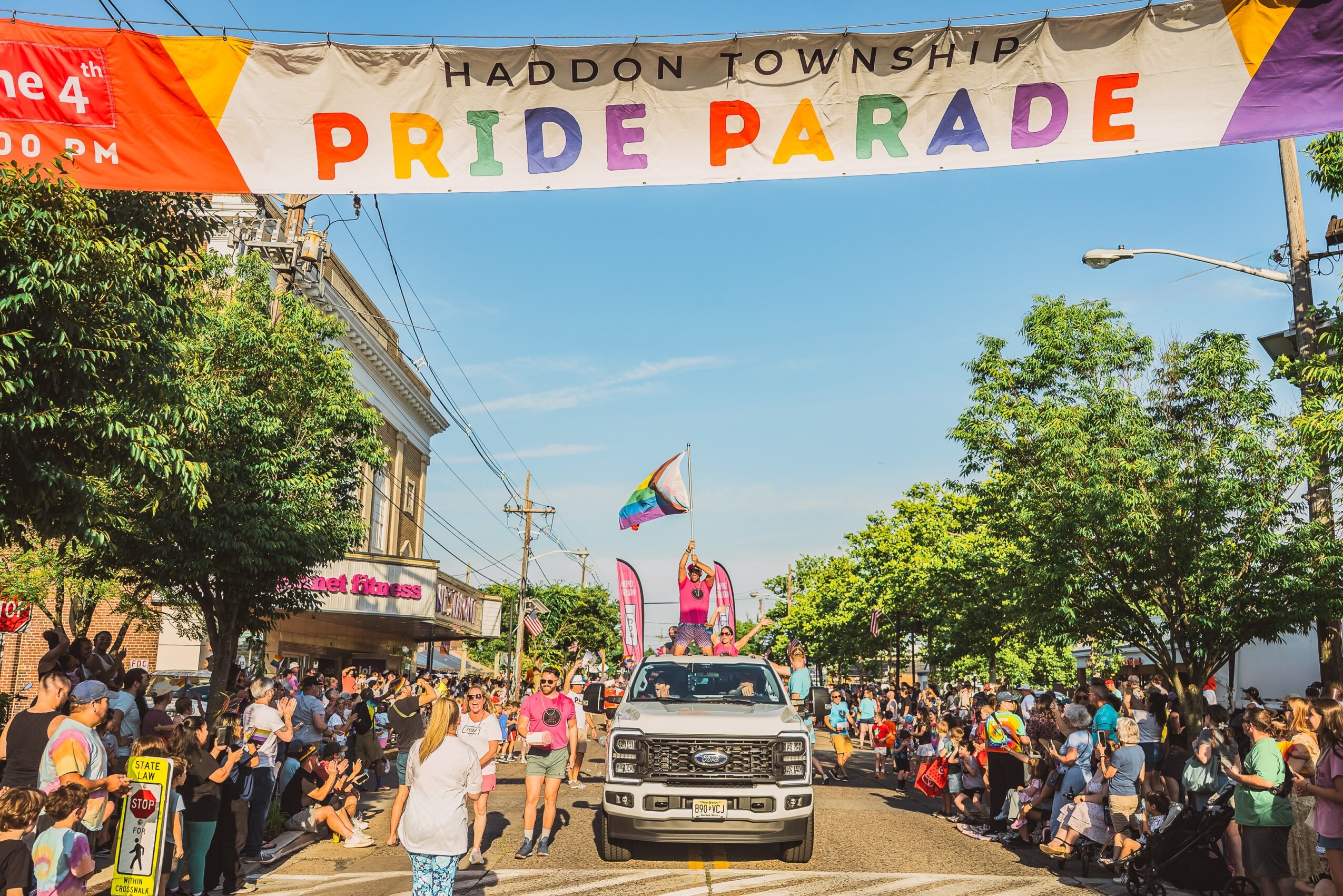
A lot of my early photography was connected to activism. I’ve spent much of my life involved in social justice and environmental movements, and I often say I was I’m an activist first and a photographer second. I photographed protests, actions and the people around me because those were the stories I cared about and wanted to document. That still influences how I photograph people today. And I am Still photographing protests as an activist 1st and photographer 2nd!
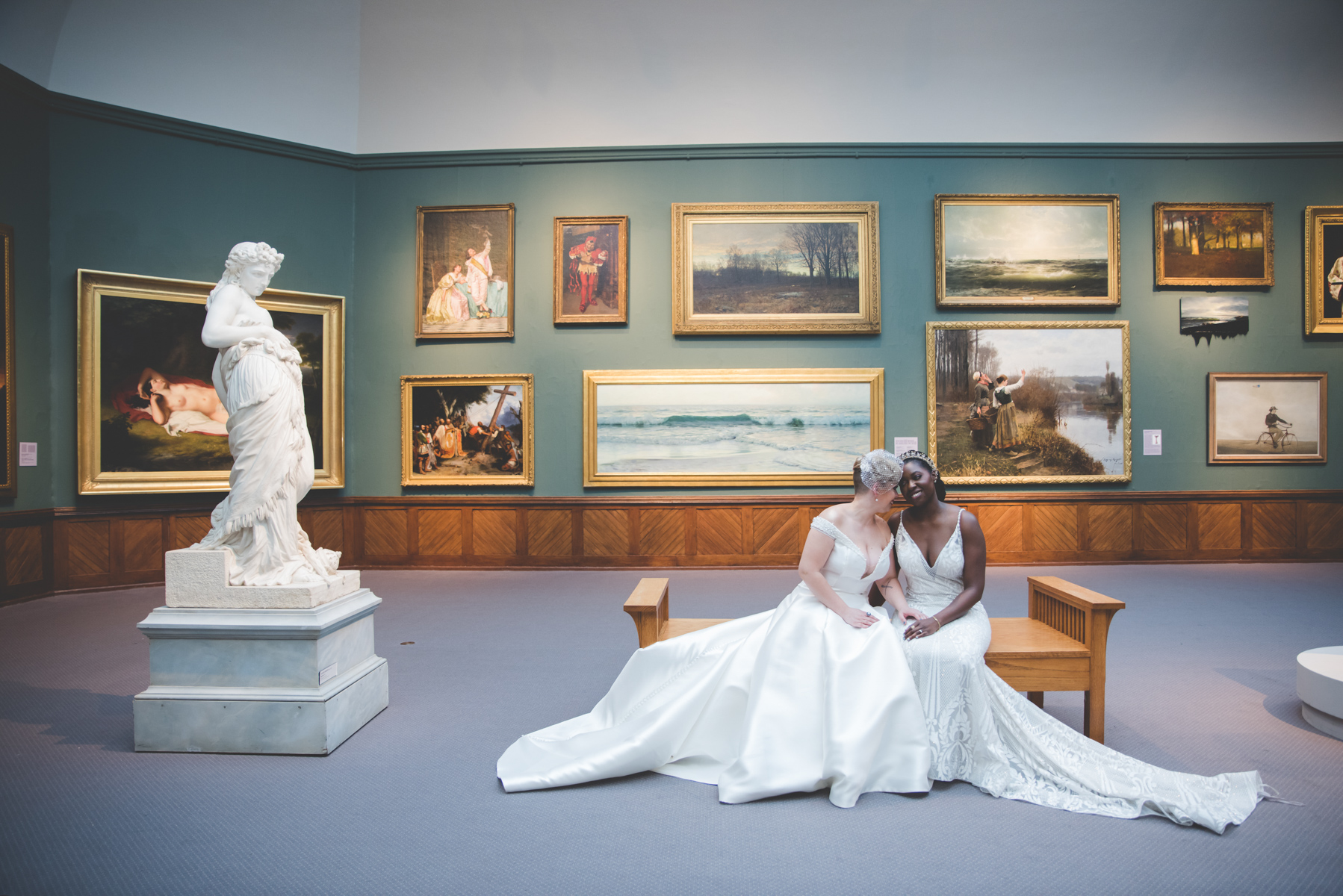
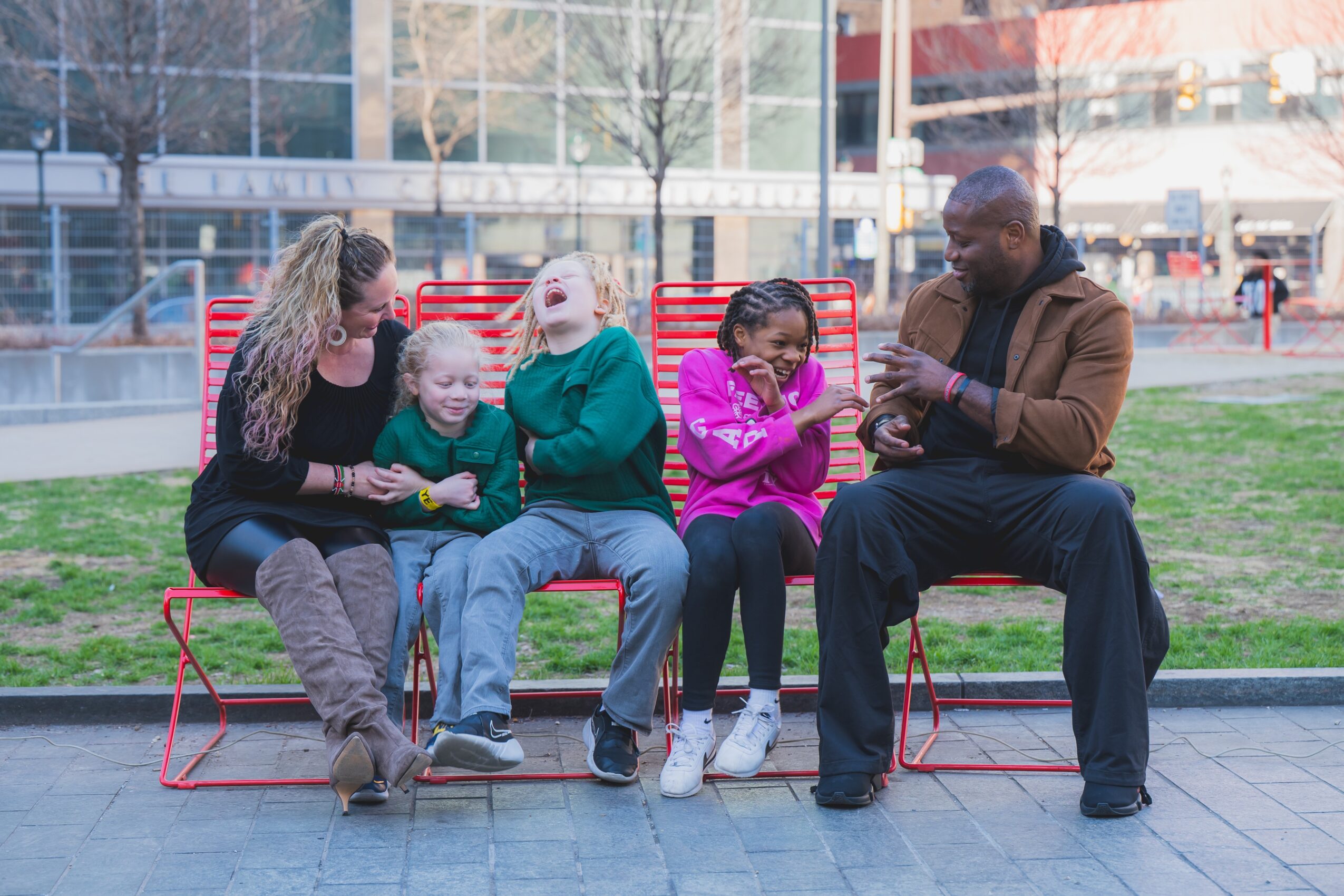
Eventually photography became my profession, and I built BeauMonde Originals into a photography and video company here in Philadelphia. Over the years, my work has taken me in a lot of different directions and destinations — events, portraits, weddings, conferences, nonprofits and commercial work — but some of what I enjoy most is photographing the creative life of this city.
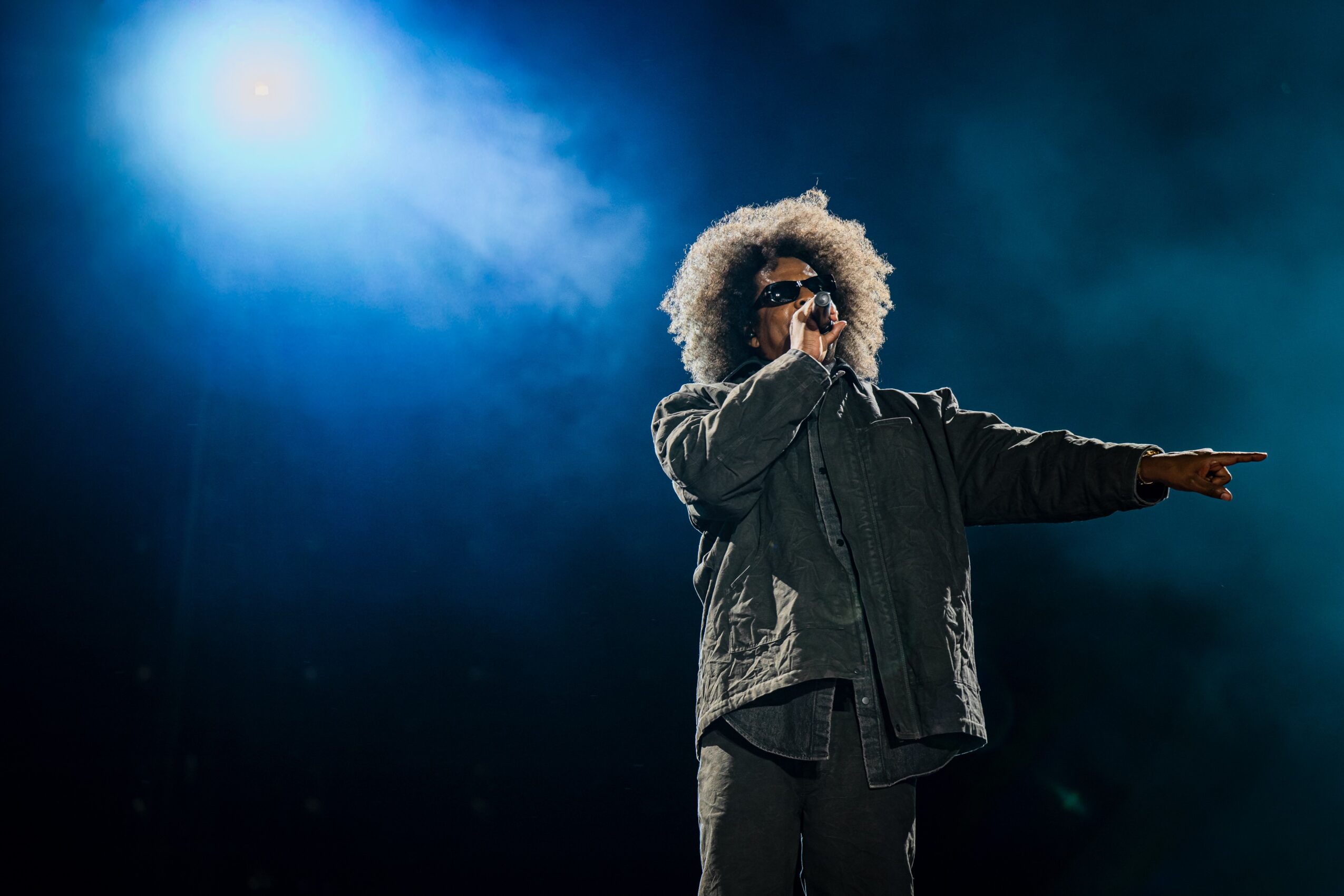
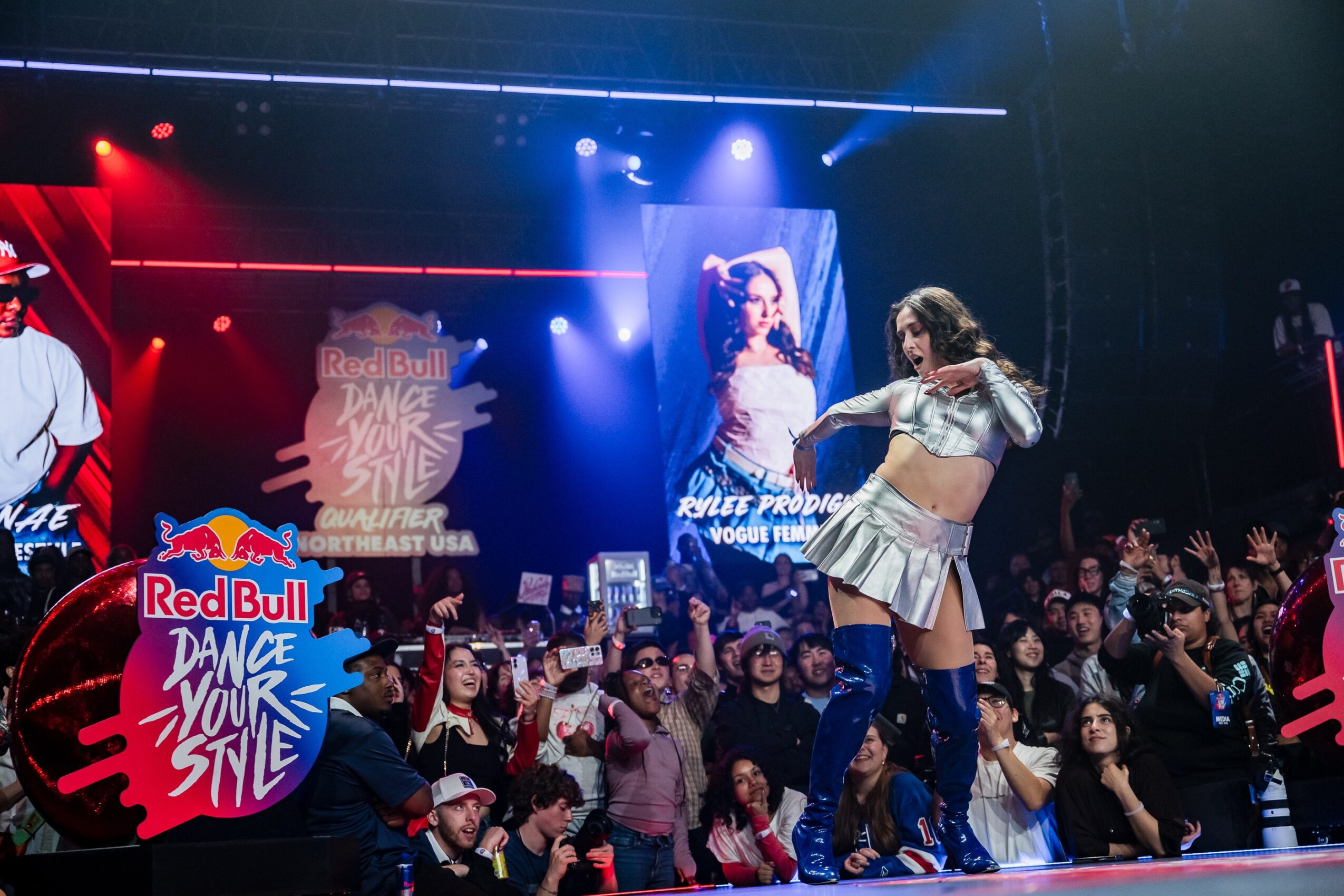
I love photographing music and nightlife. I’ve photographed the Roots Picnic for the last few years, local DJs, parties and events, and there’s something about that world that really fits the way I like to shoot. I’m drawn to movement, expression, interesting light and the moments happening around the main event. I’m always looking for the photograph that feels like something rather than simply documenting that something happened.
More recently, I’ve also been thinking differently about my photography as art and where I fit within Philadelphia’s larger arts community. After doing this professionally for so many years, I’m at a point where I want to make more room for work that is driven by curiosity rather than by a client assignment — work that can live on a gallery wall as much as it can live on a website or in someone’s marketing campaign.
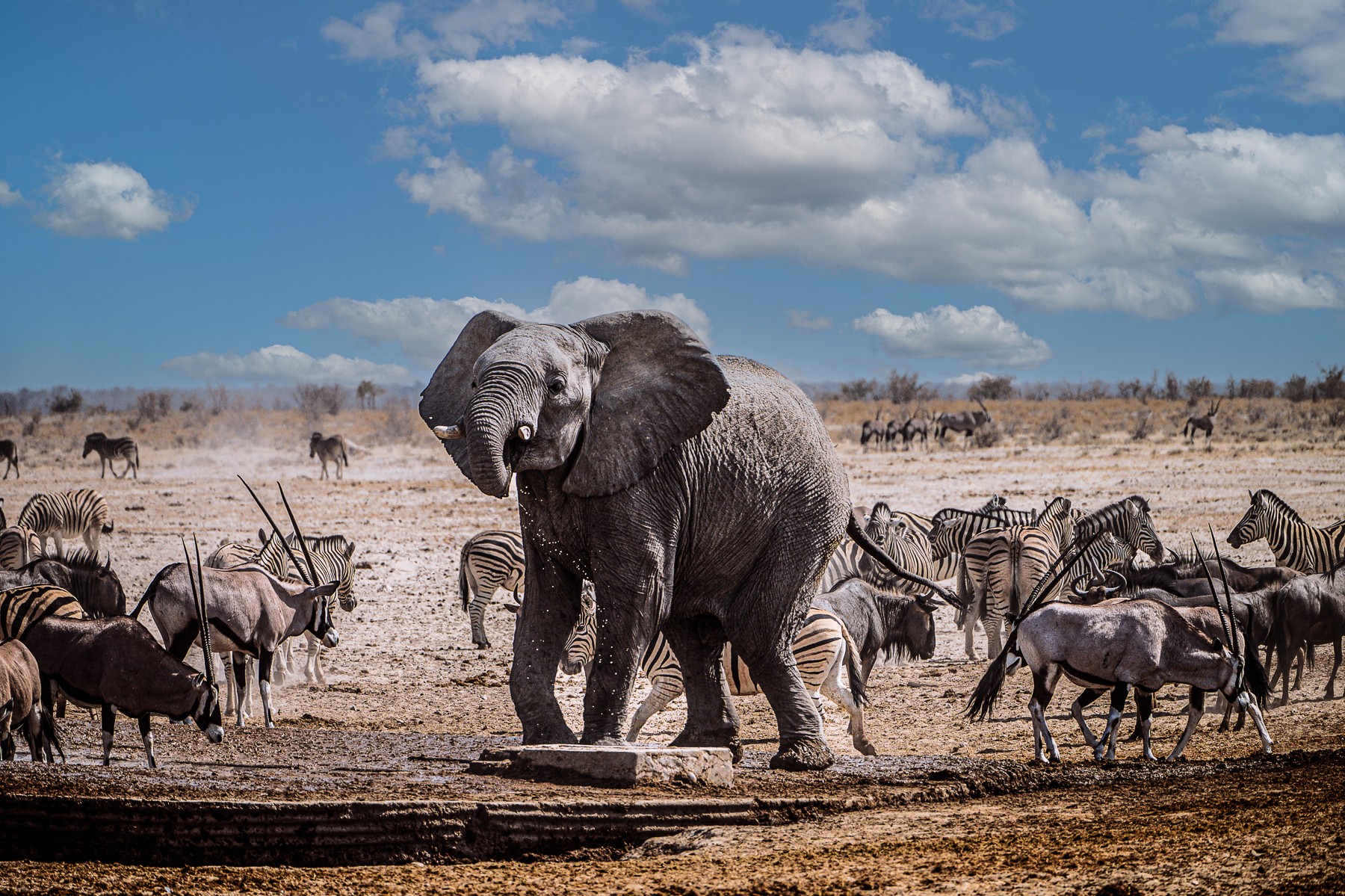
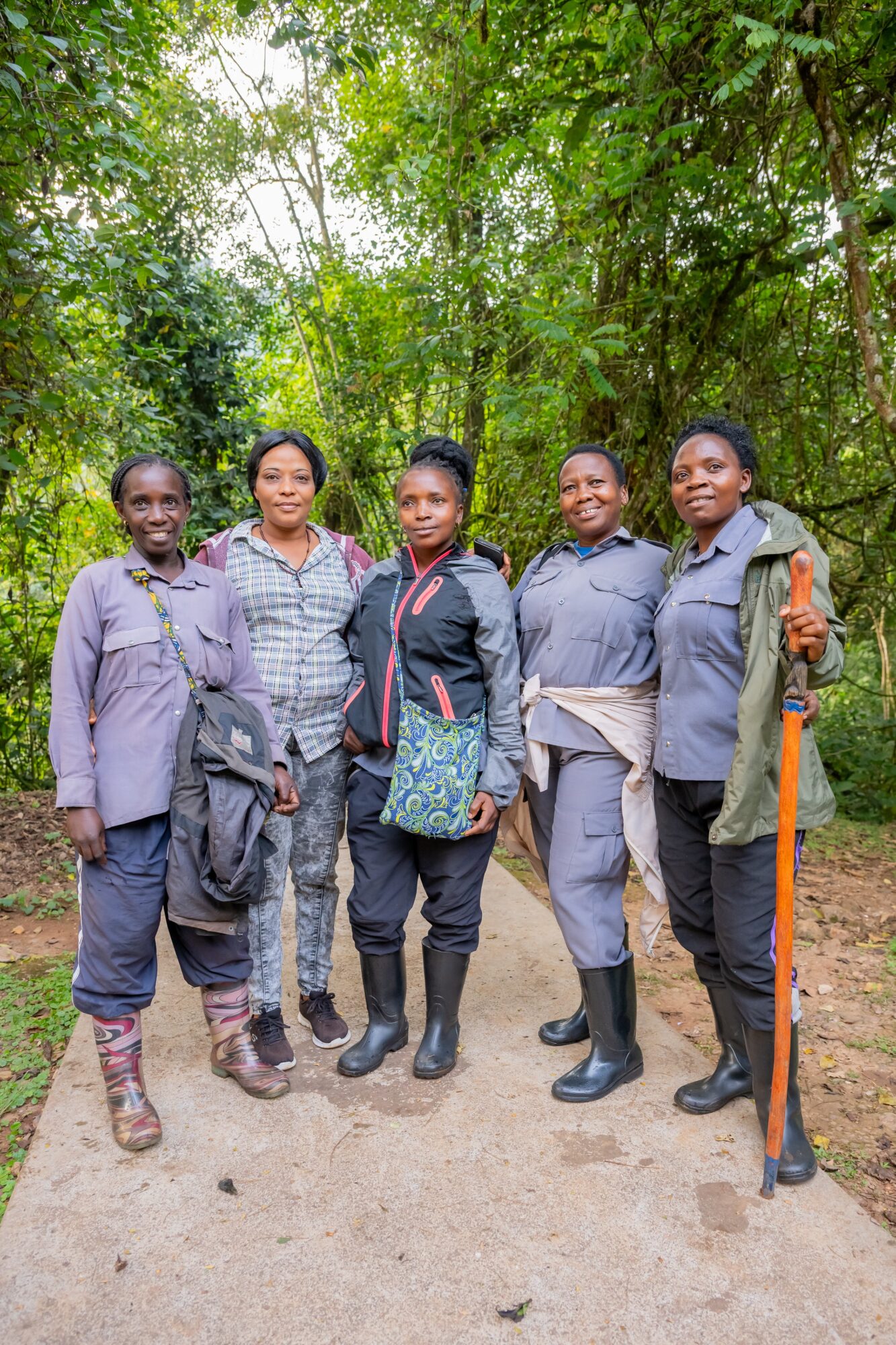
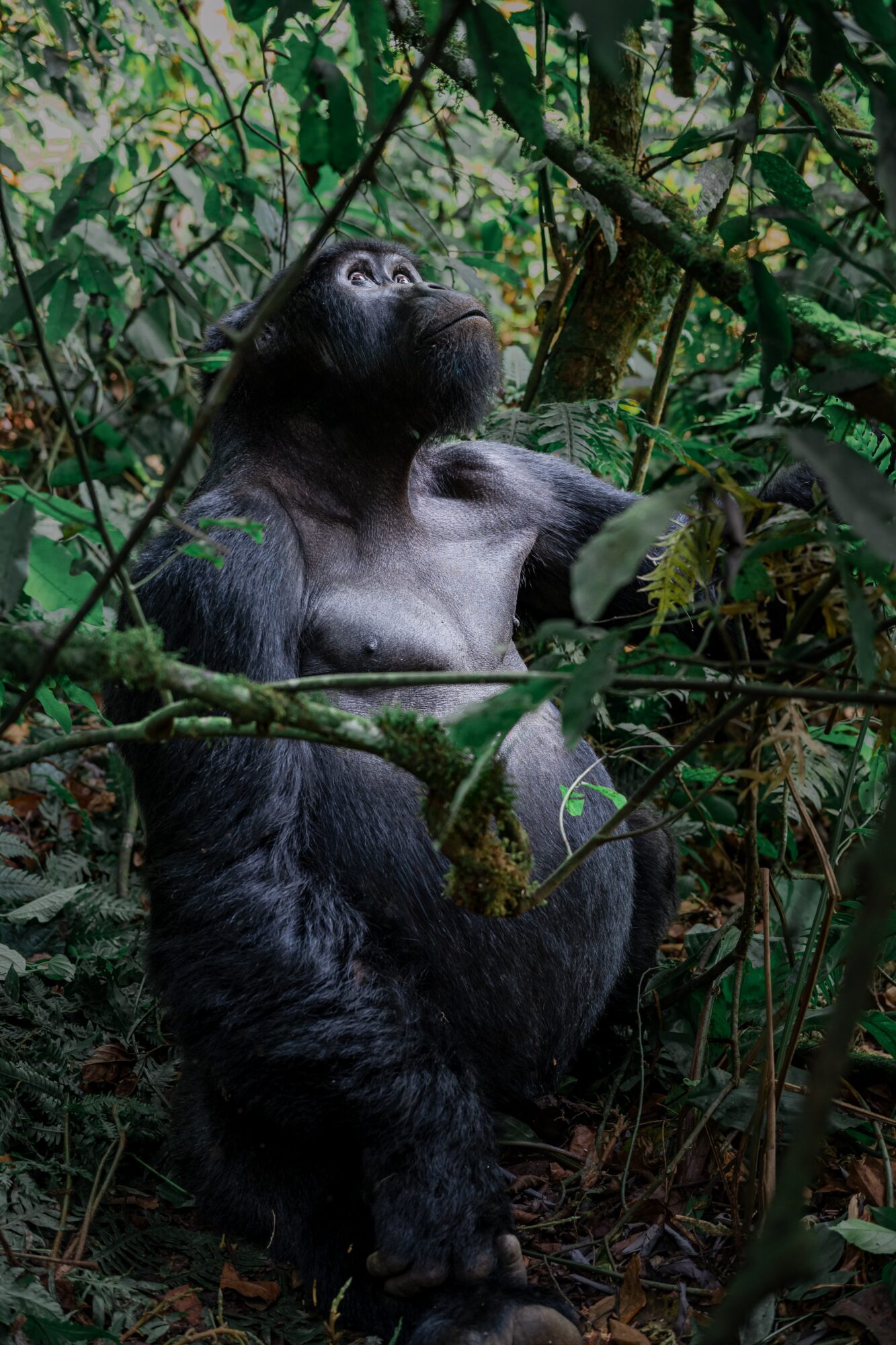
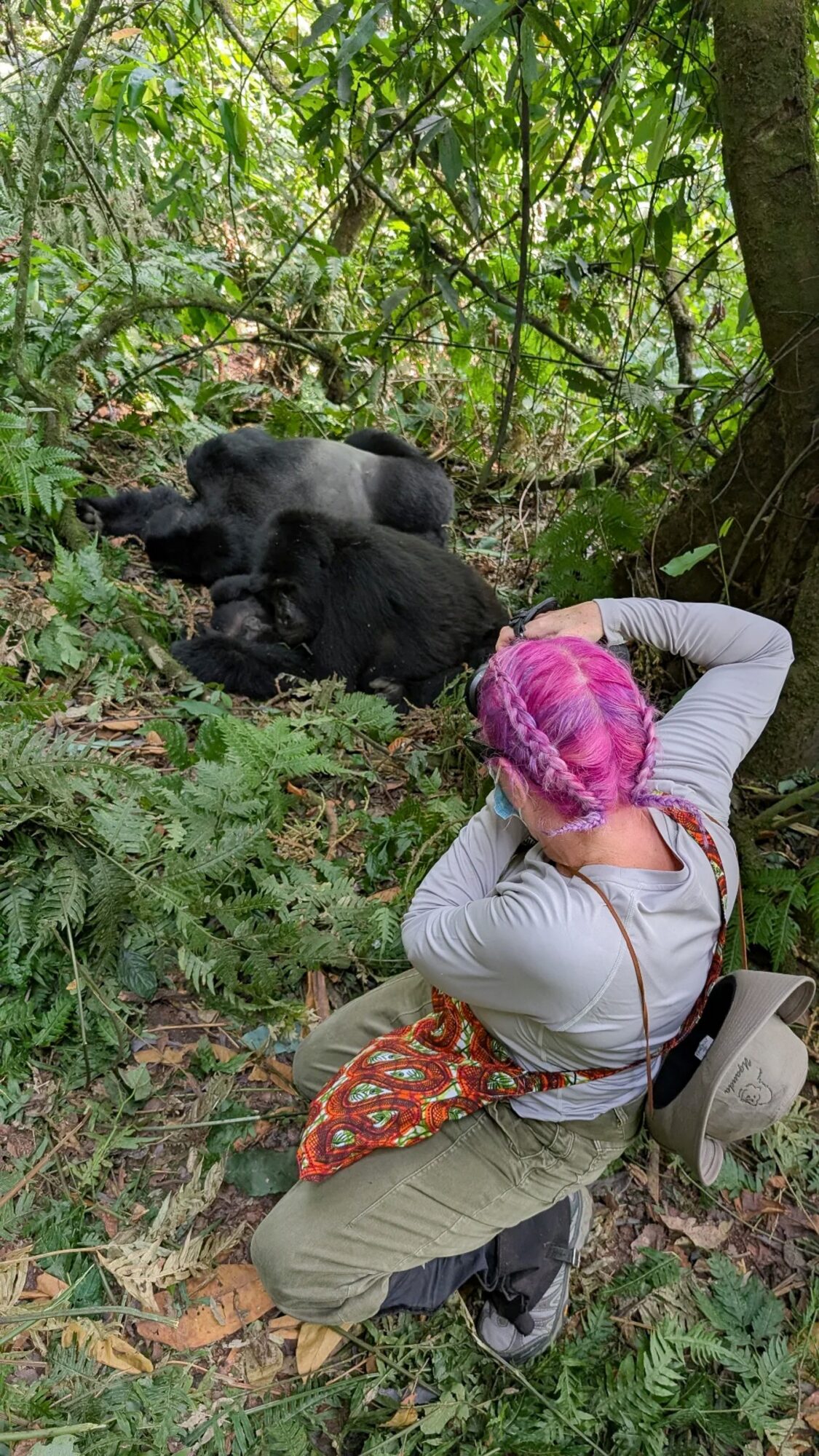
That includes documentary work. This summer I traveled to Uganda and began a project (Behind the Trek: People Who Make Up Eco-Tourism) photographing and interviewing some of the people who make wildlife tourism possible behind the scenes — lodge workers, guides, trackers, porters and others whose faces we rarely see in the beautiful images associated with travel and conservation. It brought together a lot of things that have always mattered to me: people, travel, social justice, environmental issues and photography.
I think I’m in an interesting place creatively right now because I’m not starting over — I’m building on more than 40 years of taking photographs. BeauMonde Originals is still very much part of what I do, but I’m also giving myself permission to think more seriously about my own body of work, to be part of Philadelphia’s art community, and to see myself not only as a working photographer, but as an artist.
I’m sure it wasn’t obstacle-free, but would you say the journey has been fairly smooth so far?
The road to building BeauMonde Originals has definitely not been a smooth one, but I think this is what resilience looks like.
I originally built the business with my husband. He handled much of the video side while I concentrated on photography. and most of the business aspects. In 2020, our marriage ended and he left the business at almost exactly the same time the pandemic shut down events, weddings and most of the work that paid our bills. I lost my business partner, a major part of what we offered and much of our income all at once.
There were definitely moments when it would have been easier to walk away. Instead, I rebuilt.
That meant figuring out what BeauMonde Originals looked like with only me at the helm, rebuilding the video side of the company, surrounding myself with people who believed in what I was trying to create and continuing to adapt as the industry changed.
And it keeps changing. Photography is a very different business than it was even ten years ago. Everyone has a pretty amazing camera in their pocket now, social media has changed how images are consumed, and “content” has become something businesses need constantly. There are also many people doing photography as a side hustle, and I don’t say that dismissively at all. There is room for everybody. But it does change the marketplace when you’re running a photo/video company as your full-time livelihood. There are salaries, insurance, equipment, software, taxes and all the other expenses that come with keeping a business running, and you’re competing in a world where the perceived value of photography has changed.
We’ve also been through a pandemic, inflation and an economy where businesses and nonprofits are watching every dollar they spend. Creative services are often one of the first places people look when they need to cut a budget. And these cuts have had a devastating impact on the business in the last two years.
So no, it hasn’t been a smooth road. There have been some really difficult years. But I’m still here.
And maybe that’s one of the things I’m proudest of. BeauMonde Originals didn’t survive because everything went according to plan. It survived because I learned how to change the plan. I learned to ask for help, build a consistent client base, try new things and keep reinventing what this business — and my personal photography — could be.
At this point in my life, resilience doesn’t mean just hanging on. It means asking what I can do with everything I’ve learned and everything I’ve lived through. I want to use my photography to tell stories that matter. We live in a world where so many people are still unseen, where there is tremendous injustice, and where we are losing natural places, wildlife and entire ecosystems. But there are also people everywhere resisting that — protecting their communities, fighting for justice, caring for the land and finding ways to preserve what might otherwise be lost. Those are the stories I want to tell, here in Philadelphia, across this country and elsewhere in the world.
In a lot of ways, that brings me right back to where I started: an activist with a camera who believes that what we choose to see — and who we choose to see — matters.
Until all of us are seen, none of us are seen.
Can you tell our readers more about what you do and what you think sets you apart from others?
My work is really about people. Whether I’m photographing a major event, a DJ in a dark club, a corporate conference, a wedding, a community leader or someone I’ve met halfway around the world, I’m always looking for the human moment.
Professionally, BeauMonde Originals specializes in photography and video for events, conferences, nonprofits, businesses and individuals. We also do web design and branding materials. I’m the lead photographer and bring in associate photographers when an event or project calls for additional coverage. My own photography ranges from the Roots Picnic and Philadelphia nightlife to corporate events, portraits and community projects, along with the documentary and personal work I’m increasingly drawn to. But no matter what I’m photographing, I’m not particularly interested in making everything look perfect. I want it to feel real — although I do love making a beautiful portrait!
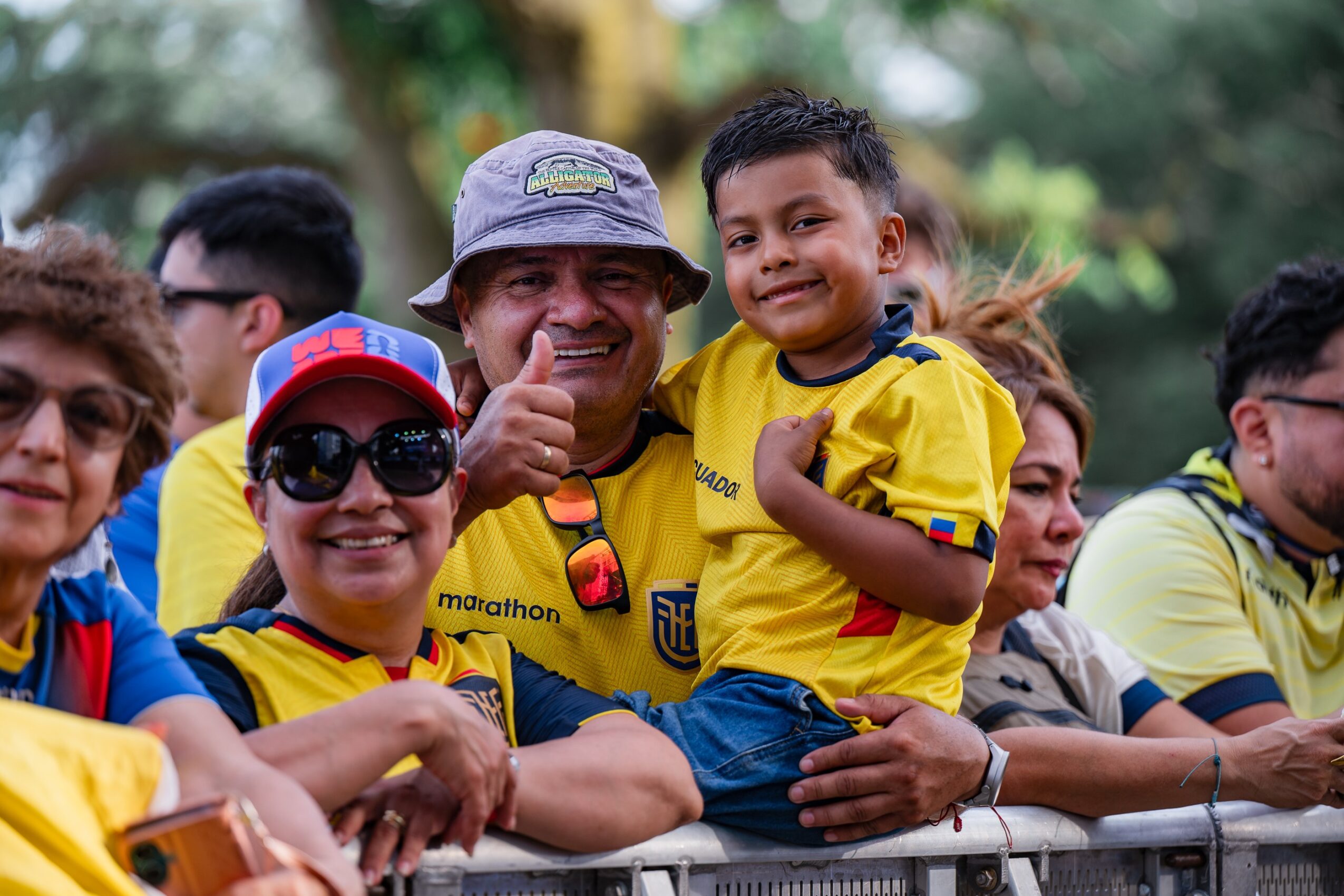
I love the moments that happen in between the moments everyone expects to be photographed — a look between two people, someone completely lost in the music, a hand reaching to shake another, the expression on someone’s face when they don’t realize I’m watching. I’m drawn to movement, emotion, good light and sometimes a little bit of chaos.
When I’m working for a client, I want the photographs to bring their event to life. I want someone who wasn’t there to look at the images and feel the energy in the room — to see people connecting, laughing, learning and engaging with one another, and to see the diversity of the people who were actually part of that experience. I often say my job is to make the people who weren’t there wish they had been. I don’t just want to document that an event happened. I want the photographs to tell the story of what it felt like to be there.
I think one thing that sets me apart is the way the camera allows me to connect with people. I’m actually not an especially outgoing person (That will shock many I think). Put me in a room without my camera and I’m probably going to say hello, hug the people I know and leave before too long. Put a camera in my hands and something changes. It gives me a reason to observe, to approach someone and to become curious about what’s happening around me. I notice people. I notice the CEO, but I also notice the person setting up the chairs, I don’t think one person’s story is inherently more important than another’s, and I think that shows in what I choose to photograph.
That same approach is becoming increasingly important in my personal work. In Uganda this summer, some of the photographs that meant the most to me weren’t the gorillas or chimpanzees — as extraordinary as those experiences were. They were portraits of the people whose work makes those experiences possible. I want to continue creating work like that, both here and elsewhere: photographs that ask us to notice people we might otherwise walk past.
What I’m proud of, though, is probably not any single photograph, client or accomplishment. I’m proud that I’ve built a business where I can make a living doing something I have loved since I was 16, that I’ve created opportunities for other photographers and creatives along the way, and that after more than 40 years with a camera, I’m still excited to load my photos into Lightroom and see what I was able to create. But I’m most proud of the fact that I do it all as a businesswoman/artist who stands up for equality and injustice and making my voice heard even if it’s an unpopular opinion to some
For me, that’s what photography can do at its best. It can make us stop. It can make us curious. It can make us think and feel. And sometimes it can make us see another person differently.
What sort of changes are you expecting over the next 5-10 years?
I honestly have no idea where photography will be in five or ten years, and I’m not sure anyone really does. Technology is moving so quickly that every time we think we know where things are going, something else comes along and changes everything.
Obviously, content is everywhere now. Everyone has a camera in their pocket, businesses need a constant stream of images and video, and AI is changing what can be created without ever picking up a camera. I think all of that will continue, probably in ways we can’t even imagine yet.
But I also wonder if we’re going to reach a point where people start craving something real again. We’re already surrounded by AI-generated images and those very recognizable AI flyers — come on, we all know what they look like. After a while, everything starts to feel a little too perfect and a little less human.
I think there will always be something different about having an actual photographer photograph your wedding, your family, your community or an important event. A photographer was there. They saw what happened. They noticed the expression you didn’t see, the person standing at the edge of the room, the way the light hit someone for half a second. They aren’t creating what that moment might have looked like. They witnessed it.
Maybe the more technology gives us the ability to manufacture almost anything, the more value we’ll eventually place on things that are real.
But ask me again in ten years. I could be completely wrong.
Contact Info:
- Website: https://beaumondeoriginals.com/
- Instagram: https://www.instagram.com/beaumondeoriginals/
- Facebook: https://www.facebook.com/beaumondeoriginals/
- LinkedIn: https://www.linkedin.com/company/92931815/admin/dashboard/
- Youtube: https://www.youtube.com/@beaumondeoriginals573
- Other: https://vimeo.com/beaumondeoriginals