


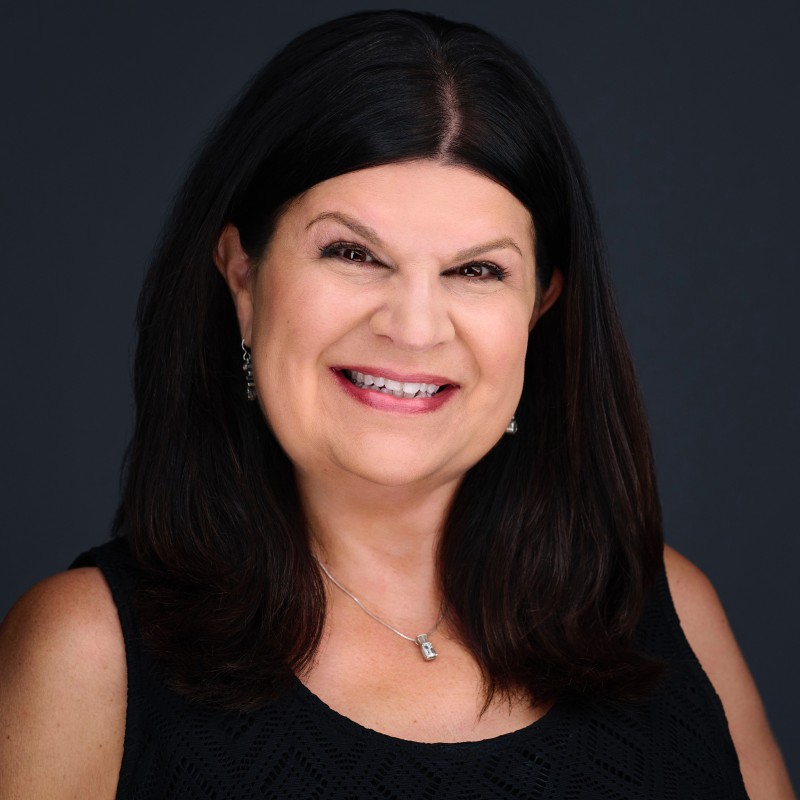
Today we’d like to introduce you to Bev Weinberg.
Bev, we appreciate you taking the time to share your story with us today. Where does your story begin?
My story actually starts when I was a little girl wearing orthopedic shoes with metal braces that went all the way up my legs.
I remember Mondays were gym days. The other kids would run and play, and I was often the kid on the sidelines, watching. I knew what it felt like to be different. I knew what it felt like when people noticed what you couldn’t do before they ever had a chance to discover what you could.
Eventually, the braces came off, but I don’t think that experience ever really left me.
I became an occupational therapist and have spent more than 30 years working alongside people with disabilities. I absolutely loved being an OT, but over the years, I started asking bigger questions.
Why were so many incredibly talented people with disabilities still lonely? Why were they having such a hard time finding meaningful employment? Why did we spend so much time trying to “fix” people instead of looking at the barriers in our communities? And why were people with so much to contribute so often still sitting on the sidelines?
Those questions eventually led me back to Temple University for my doctorate, where I started digging deeper into social determinants of health, social capital, community participation, and belonging.
And that is really where the seeds for Integrate for Good were planted.
I became convinced that people don’t just need programs and services. We all need to be known and valued for who we are and what we bring to the world. We need relationships with people who aren’t paid to be in our lives. We need opportunities to contribute, lead, work, help others, build meaningful relationships, and experience the sense of purpose that comes from knowing that our presence matters.
So I started building.
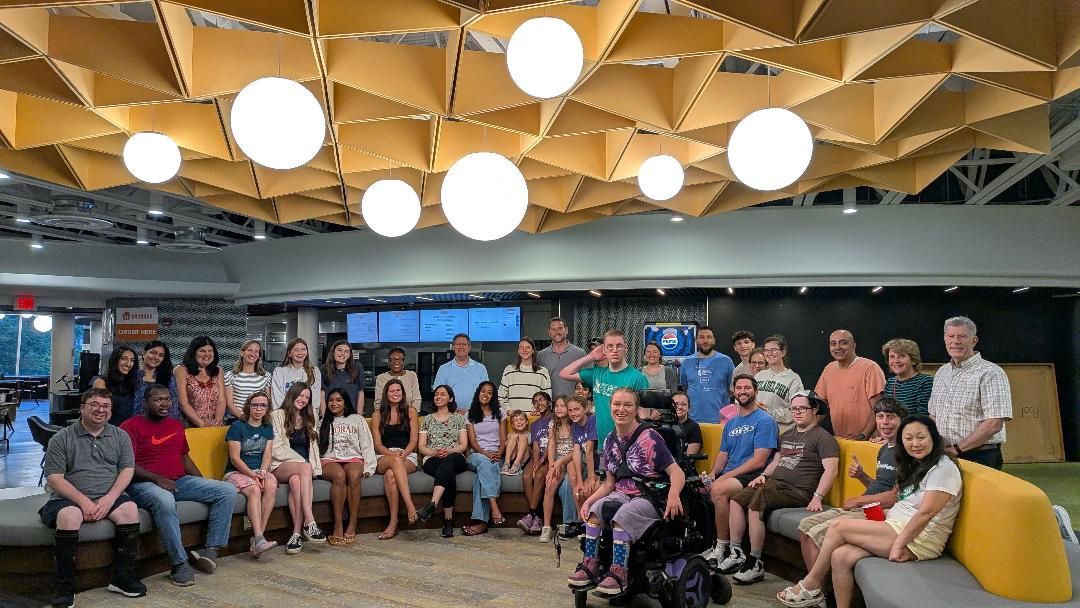
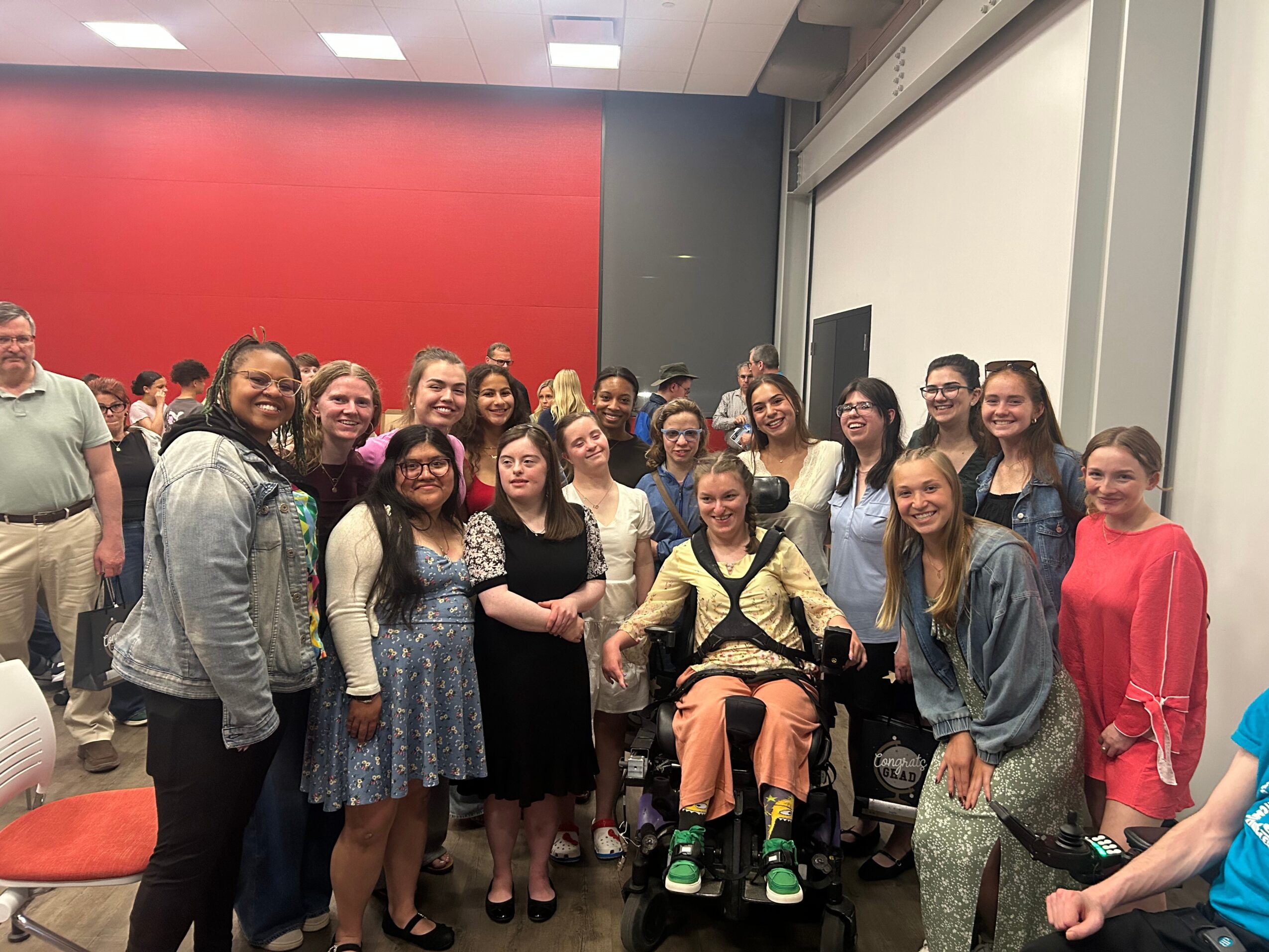
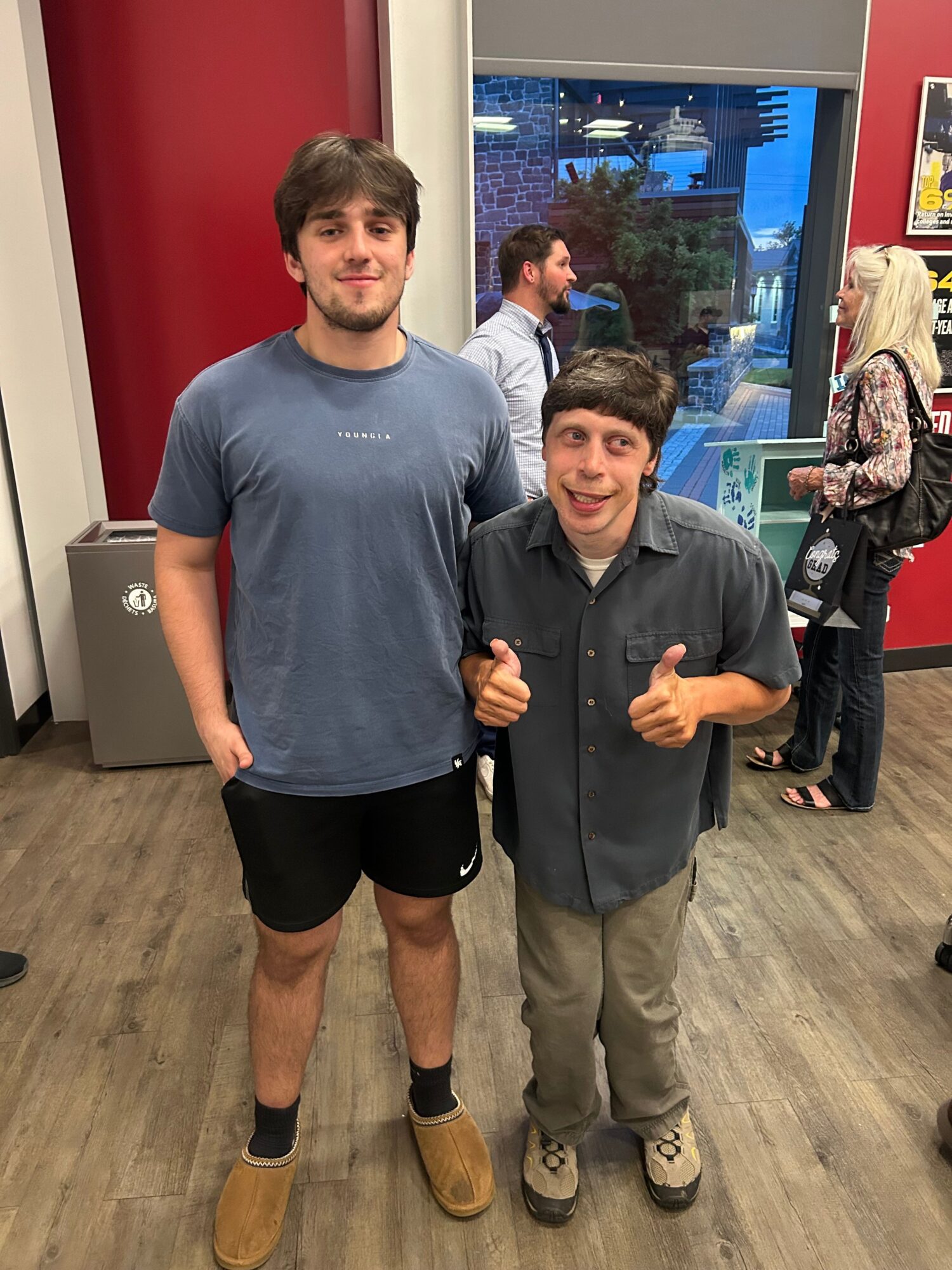
Integrate for Good began with an idea and has grown into a community of people with and without disabilities learning, volunteering, leading, working, and building relationships together. Today, we partner with businesses, schools, nonprofits, colleges and universities, and community organizations to create opportunities where people with disabilities aren’t simply included. They are recognized for their strengths, given meaningful opportunities to contribute, and valued as an essential part of their communities.
And somehow, all these years later, I can still draw a pretty straight line back to that little girl in the metal braces.
I know what it feels like to be on the sidelines.
I also know the difference it can make when someone takes the time to see beyond a disability or perceived limitation and recognize a person’s strengths, talents, ideas, and potential. When people are given genuine opportunities to participate and contribute—not as an act of charity, but because their contributions have real value—it can change how they see themselves, how others see them, and what they believe is possible for their future.
That belief has shaped my career as an occupational therapist, my research, and ultimately the work we do every day at Integrate for Good.
We are working toward communities where people of all abilities don’t have to fight for an invitation to participate. They have opportunities to belong, contribute, lead, work, build relationships, and know that they are needed.
That’s the community I want to help build.
I’m sure it wasn’t obstacle-free, but would you say the journey has been fairly smooth so far?
Definitely not! Building Integrate for Good has been one of the most meaningful experiences of my life, but it has also been one of the hardest.
Like many nonprofit founders, I started with a big idea, a lot of passion, and very little understanding of what it actually takes to build and sustain an organization. I was an occupational therapist, not a fundraiser, marketer, accountant, HR professional, or nonprofit executive. I had to learn all of those roles, often while doing them.
Funding has probably been one of the greatest ongoing challenges. When you are building something innovative, you are often asking funders to invest in an approach that does not fit neatly into an existing box. Our work is not traditional disability programming. We are focused on social capital, meaningful relationships, leadership, community contribution, employment, and creating opportunities for people with and without disabilities to build community together. Helping others understand why that work matters and why it deserves investment has taken persistence.
There have also been moments when circumstances completely outside of our control changed everything. We navigated the pandemic, lost access to physical spaces, rebuilt programming, and continued adapting as the needs of the people we serve changed. More recently, a federal funding disruption forced us to make extremely difficult decisions, including reducing staff and giving up our previous community hub. Those were painful moments, especially because they affected people I cared deeply about.
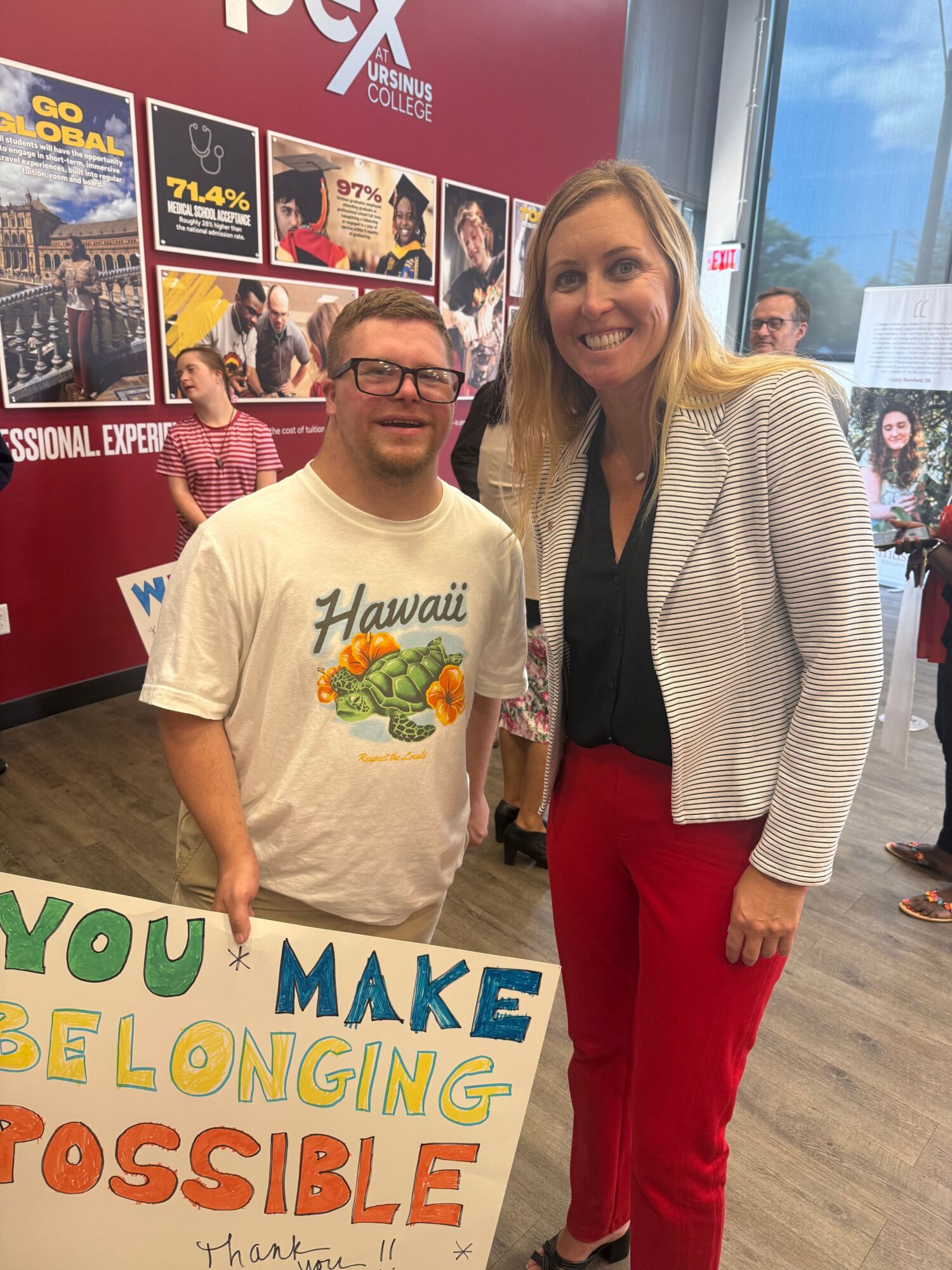
But that challenge ultimately opened another door. Our relationship with Ursinus College deepened, and Integrate for Good found a new home on campus. What initially felt like a significant setback has created opportunities for collaboration and growth that I could not have imagined a few years ago.
Another challenge has been learning how to grow from a founder into an executive leader. In the early years, I did almost everything myself. As the organization has grown, I have had to learn to delegate, build a team, strengthen our Board, create systems, develop sustainable revenue streams, and allow other people to take ownership of something that began as such a personal vision. That transition is not always easy for a founder, but it is essential if you want the organization to become bigger than you.
There have absolutely been times when I wondered whether we would make it through the next challenge. But I have also learned that some of our biggest setbacks have pushed us to become more creative, collaborative, and resilient.
I do not think the goal is ever to have a smooth road. The goal is to keep learning, stay connected to your mission, surround yourself with people who believe in what you are building, and be willing to change course without losing sight of why you started.
For me, that “why” has remained remarkably consistent: creating communities where people of all abilities are known, valued, connected, and given meaningful opportunities to contribute.
Can you tell our readers more about what you do and what you think sets you apart from others?
At Integrate for Good, we work to change what inclusion looks like for people with disabilities.
Our mission is to empower people of all abilities through inclusive volunteerism, community leadership, and meaningful employment. But at the heart of our work is a simple belief: everyone has something valuable to contribute, and everyone deserves to be known, connected, and needed in their community.
We specialize in creating opportunities for young adults with disabilities to build the relationships, confidence, leadership skills, and real world experiences that help create meaningful adult lives. Our programs focus on areas including leadership and self advocacy, executive functioning, career exploration and employment readiness, inclusive volunteerism, and community engagement. We also partner with businesses to create inclusive corporate volunteer experiences that bring employees and people with disabilities together around a shared purpose.
What makes our approach different is that we do not start by asking, “What does this person need from us?” We also ask, “What does this person have to offer?”
That shift is incredibly important.
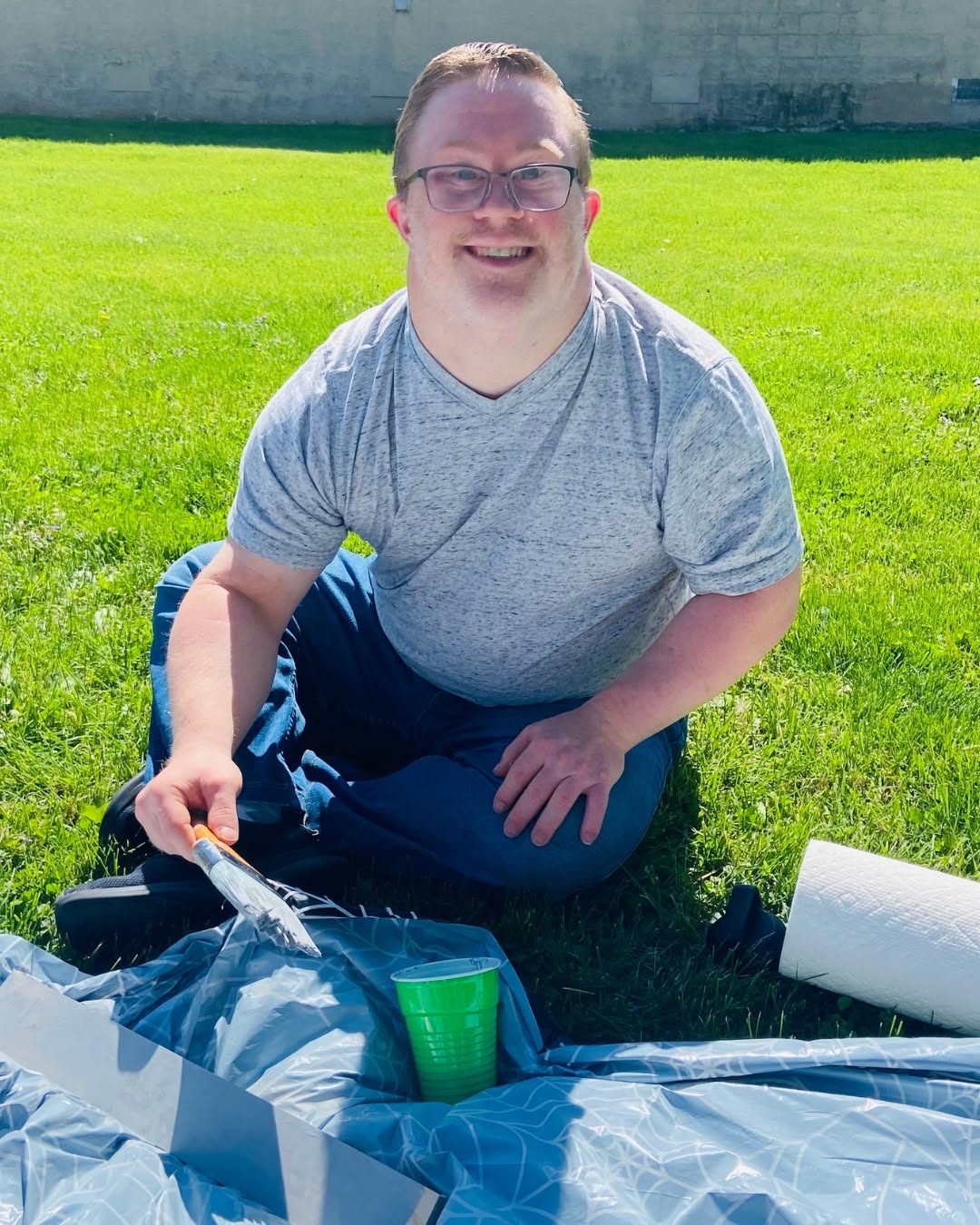
People with disabilities are too often positioned primarily as recipients of services. At Integrate for Good, we create opportunities for people to become volunteers, leaders, employees, mentors, teachers, colleagues, and community builders. We focus on strengths and contribution while intentionally creating opportunities to build social capital, the relationships and networks that open doors to friendship, employment, mentorship, leadership, and a greater sense of belonging.
My background as an occupational therapist also deeply influences our work. Occupational therapy looks at what gives a person’s life meaning and purpose and examines the environmental barriers that can prevent full participation. Rather than expecting people with disabilities to continually adapt to systems and spaces that were not designed with them in mind, we work with communities, businesses, schools, nonprofits, and colleges to make those environments more inclusive.
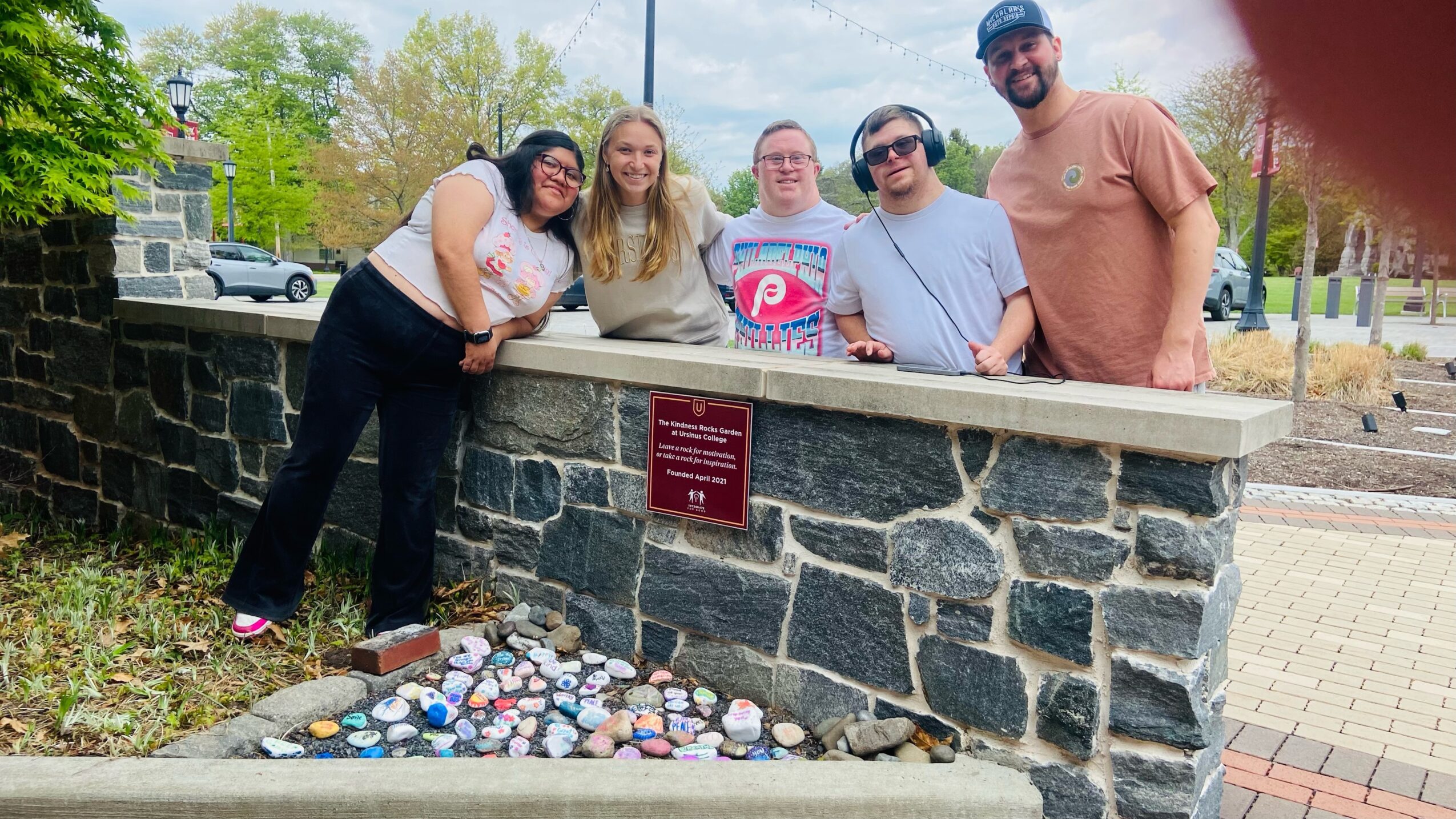
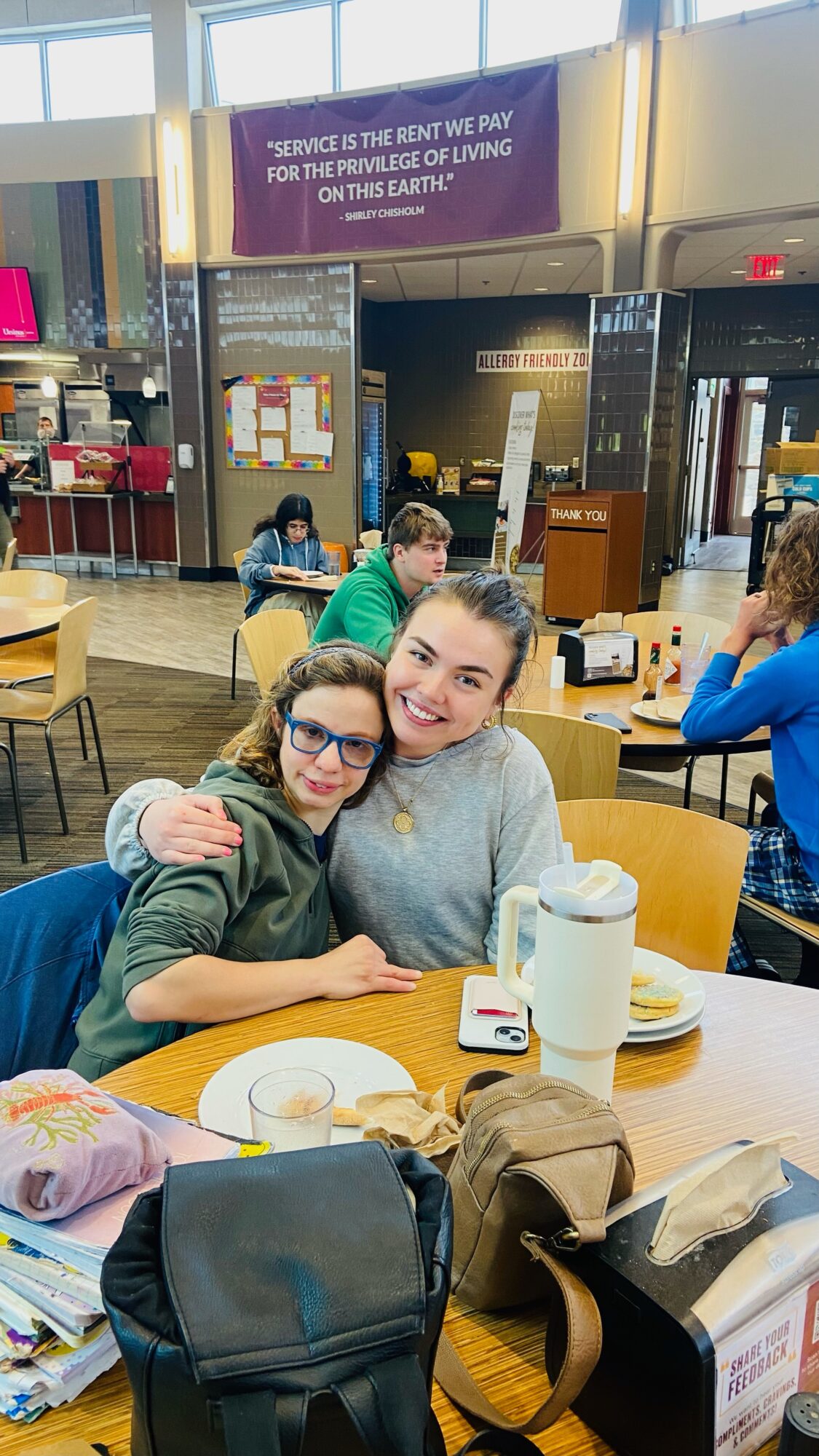
Our growing partnership with Ursinus College is a great example. Having our home on a college campus creates opportunities for young adults with disabilities to learn alongside college students, participate in campus life, develop friendships, practice workplace and leadership skills, and experience a sense of belonging in a setting they may never have imagined was available to them.
I am especially proud that we do not build our work in isolation. “Seek collaboration” is one of our core values, and we live it. We bring together businesses, universities, schools, nonprofits, families, volunteers, and people with disabilities because meaningful inclusion cannot happen within the walls of one organization. It has to happen in the community.
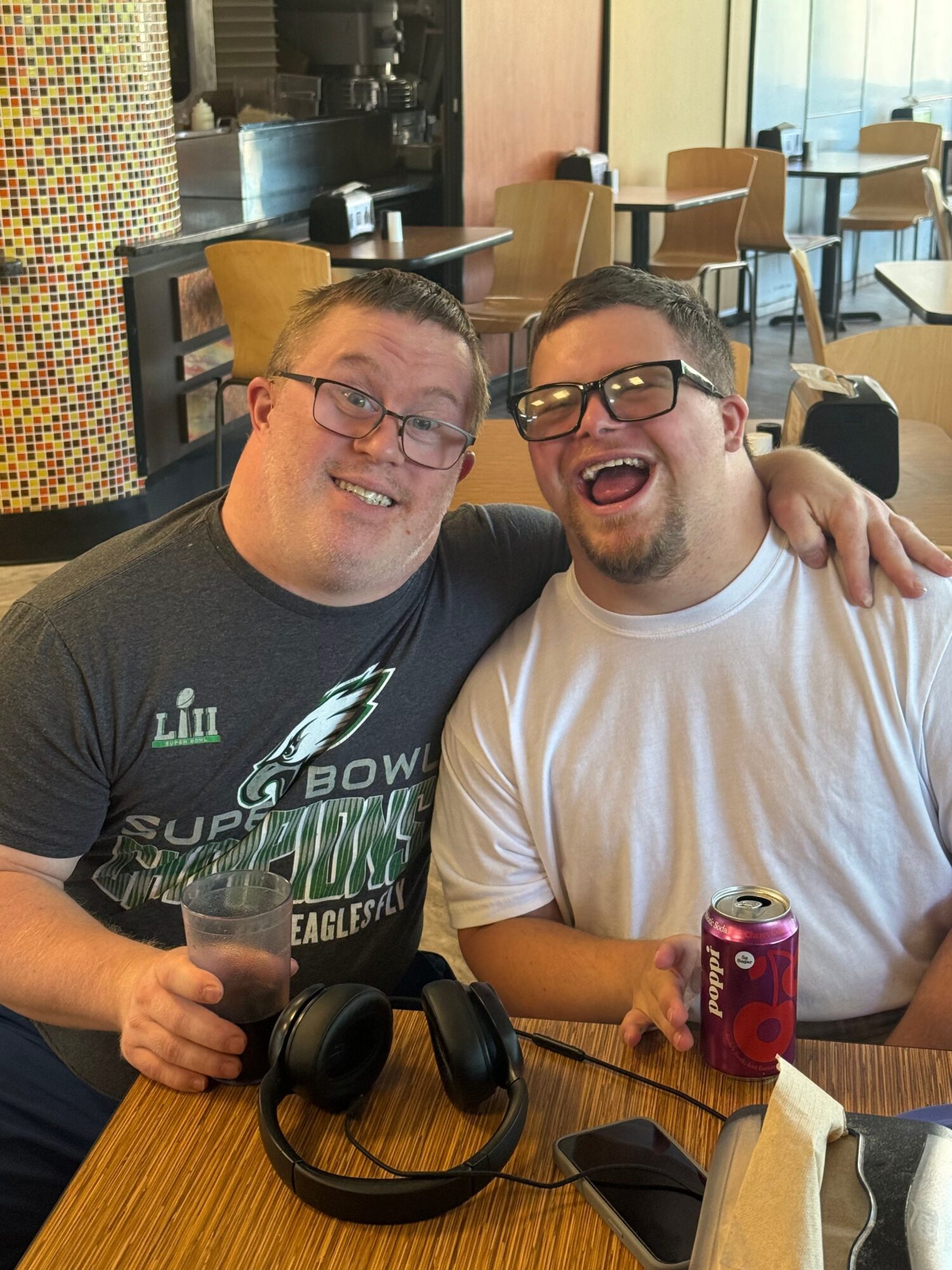
But what I am most proud of are the moments that can be difficult to capture in traditional outcome measures. It is someone earning a first paycheck. It is a participant discovering that they can lead a room. It is two young adults exchanging phone numbers and making plans to see each other outside of a program. It is a business leader recognizing talents they might previously have overlooked. It is someone who has spent much of their life receiving help realizing that they can be the person who helps someone else.
Those moments represent what we are ultimately trying to build.
We are not simply creating programs for people with disabilities. We are working to create stronger communities where people of all abilities have opportunities to contribute, build relationships, develop a sense of purpose, and know that they matter.
Risk taking is a topic that people have widely differing views on – we’d love to hear your thoughts.
I would not describe myself as someone who takes risks simply for the sake of taking risks. I am actually someone who likes to do my homework, understand what I am getting into, and have a plan. But I have also learned that almost every meaningful period of growth in my life has required me to step into something before I felt completely ready.
Starting Integrate for Good was certainly one of those risks.
I had spent decades building a career as an occupational therapist. Starting a nonprofit meant stepping outside of an identity and profession I knew well and into areas where I had very little experience. Suddenly, I needed to understand fundraising, nonprofit finance, governance, marketing, human resources, business development, and organizational leadership. There was no guarantee that the idea would work, that anyone would fund it, or that I could build something sustainable.
But I had seen a problem that I could no longer ignore. I was meeting too many talented people with disabilities who had spent years receiving services but still lacked meaningful relationships, employment opportunities, leadership roles, and a true sense of belonging in their communities. At some point, the risk of trying to build something new felt smaller than the risk of doing nothing.
There have been many risks since then. We have launched programs before knowing exactly how they would evolve. We have hired people before every piece of future funding was guaranteed. We have invested in partnerships and ideas that required significant time before we knew where they would lead. I have walked into rooms where I was not sure anyone would understand what I was proposing and asked businesses, universities, funders, and community leaders to imagine something that did not exist yet.
Some of those risks have worked beautifully. Others have not.
I think that is an important part of entrepreneurship that we sometimes leave out. Taking a risk does not guarantee a great outcome. I have made decisions I would make differently today. We have tried things that did not work. There have been times when I have had to pivot quickly, admit that something was not working, and move in a different direction.
I have become much more comfortable with that.
Today, I think about risk by asking a few questions. Does this move us closer to our mission? What could we learn even if it does not work? What is the real downside, and can we recover from it? Who should be at the table before we make the decision? And perhaps most importantly, what opportunity might we miss if fear is the only reason we say no?
I have also learned that courage and confidence are not the same thing. Confidence often comes after you do the hard thing, not before it. Sometimes you have to walk into the room nervous, make the ask anyway, and trust that you will figure out the next step.
That little girl who once stood on the sidelines during gym class probably would never have imagined that one day she would be building an organization, speaking in front of rooms full of people, asking companies to invest in an idea, or sitting across from university leaders proposing entirely new possibilities.
I still get nervous. I still question myself. I still occasionally wonder, “What am I doing?”
I just no longer interpret that feeling as a reason to stop.
For me, taking a risk means being willing to move toward something that matters, even when I cannot see the entire path yet.
Contact Info:
- Website: https://integrateforgood.org
- Instagram: https://www.instagram.com/integrateforgood/
- Facebook: https://www.facebook.com/integrateforgood/
- LinkedIn: https://www.linkedin.com/in/bevweinberg/