


Today we’d like to introduce you to Will McIntosh.
Hi Will, can you start by introducing yourself? We’d love to learn more about how you got to where you are today?
My path to becoming a golf coach has been anything but linear.
I spent more than 15 years in corporate America, with a background in psychology, an Executive MBA, and experience in Big Five consulting and Wall Street. I’ve always been drawn to solving problems, teaching, coaching, and understanding how people think, behave, and make decisions.
Then I lost my job.
That began a period I might describe as a bit of a mid-life crisis. I wasn’t sure what I wanted to do next, and I tried a few different things. I became licensed in life insurance, was encouraged to pursue academia, and for a while even drove for Uber while I figured things out.
Interestingly, I got something valuable out of driving Uber. I explored the city I lived in and talked to people I otherwise never would have met. I’d often ask my riders about their careers and paths through life, and I found myself genuinely fascinated by the different directions people take.
At the time, a lot of friends encouraged me to go back and get a “real job.” Given my education and professional background, I understood why they felt that way. But I didn’t want to go back to the career I knew. I wanted to build something new.
Instead, I started thinking seriously about golf.
Golf had always been an important part of my life, but what attracted me to it as a career wasn’t simply the golf swing. It was the possibility of doing something I genuinely loved while getting out of the proverbial 9-to-5 office—out from behind the desk, the packed airports, and the travel delays that had been part of my consulting career.
There was also something familiar about the idea of teaching. When I was in high school, I had once thought I might become a teacher, but I was discouraged from pursuing it because, at the time, teaching was generally viewed as a less financially rewarding career path.
Years later, I found myself coming back to that idea from a completely different direction. Golf gave me a way to combine several things I’d always enjoyed: teaching, solving problems, working with people, being outside, and doing something I actually cared about.
My first step into the golf business was pretty humble and demanding, but also incredibly rewarding. I started as an assistant at Berkshire Country Club in Reading, making $15 an hour. Some friends encouraged me that I had to start somewhere, and that they believed I’d be good at it. I worked long days and weekends to support the members and the club. But my pursuit of golf as a career was taking shape and, for the first time, becoming a reality.
From there, I developed as a teacher and coach, became a PGA Associate, and continued my education and certifications. With the support and opportunities of other professionals, partners, and organizations along the way, particularly Valley View Golf and the PGA, I eventually built McIntosh Golf and made golf coaching my full-time career.
I’m still growing, evolving, and learning as I continue to serve the golf community through McIntosh Golf.
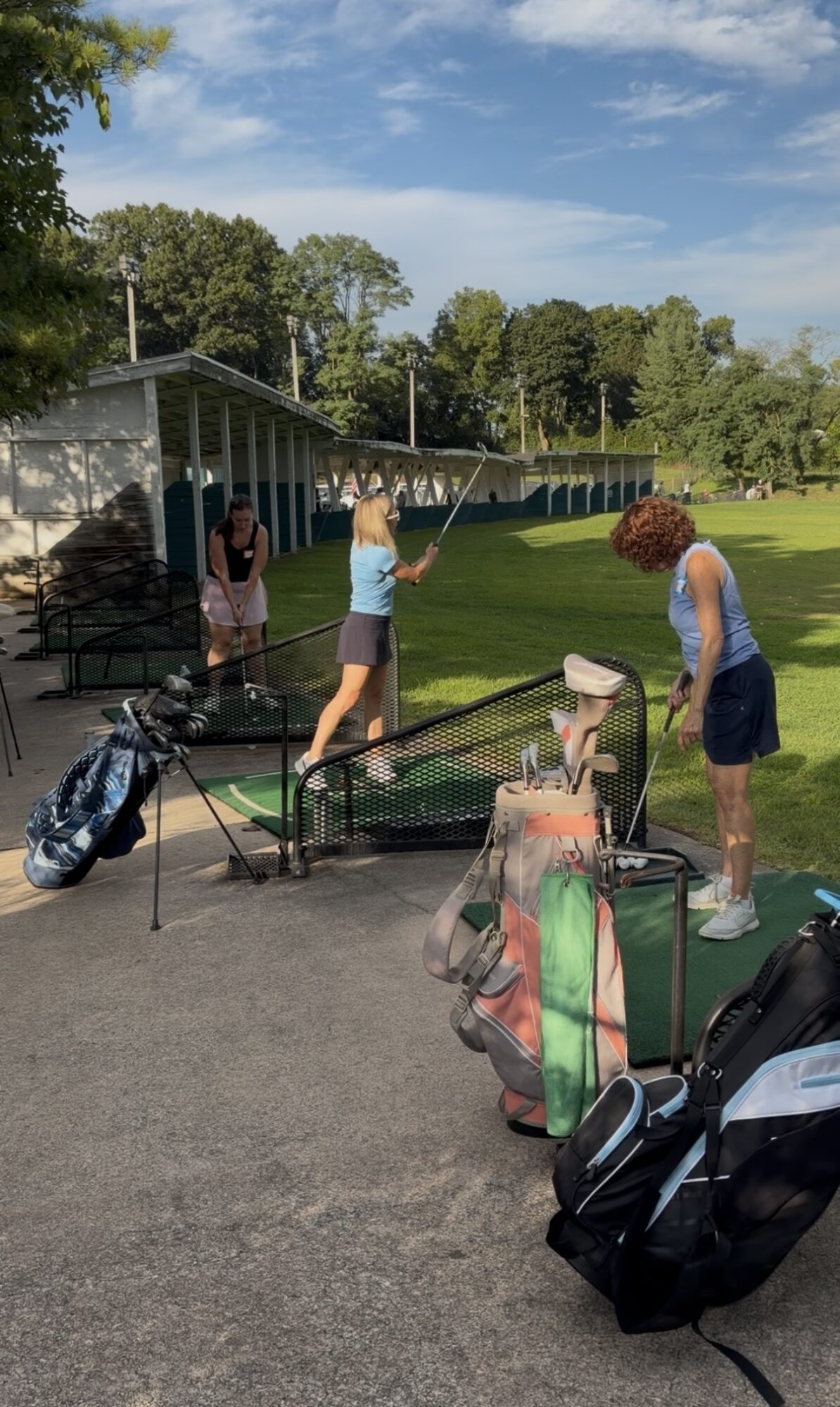
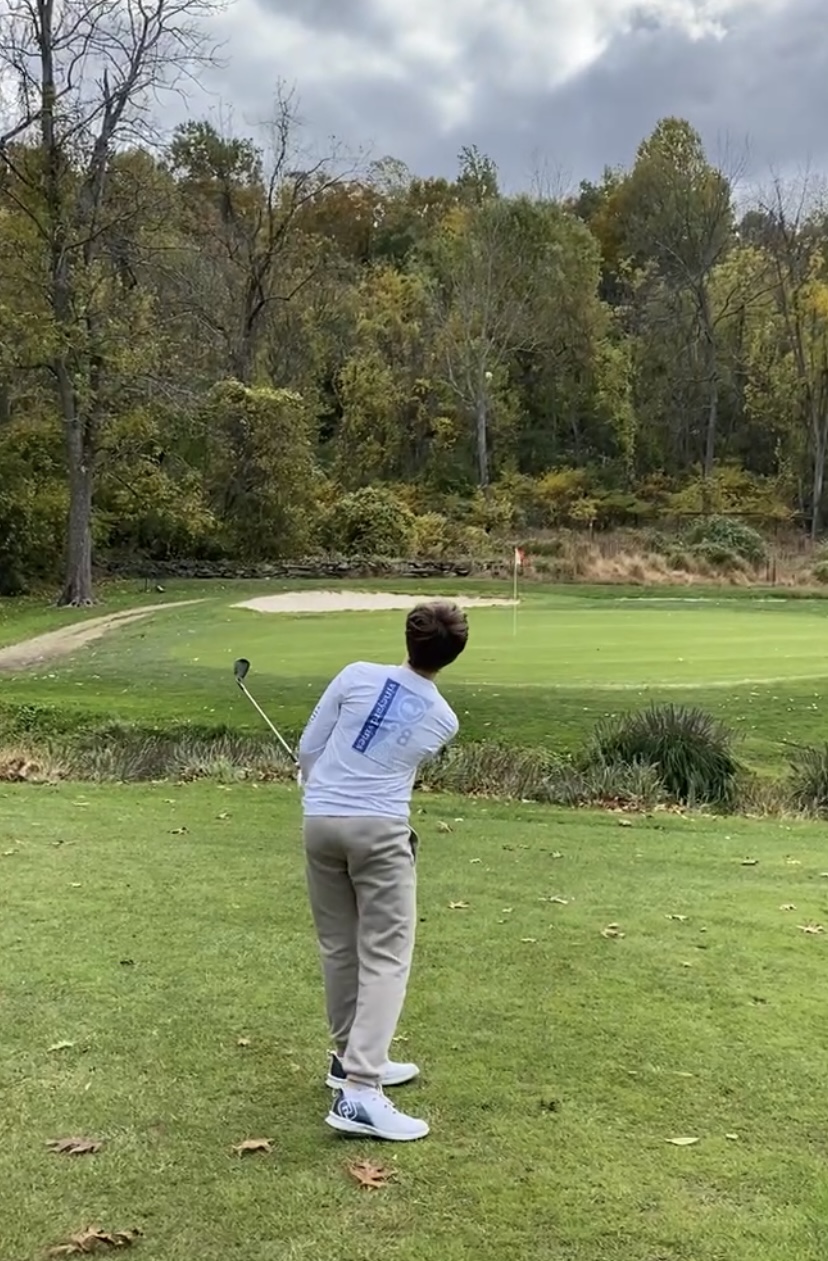
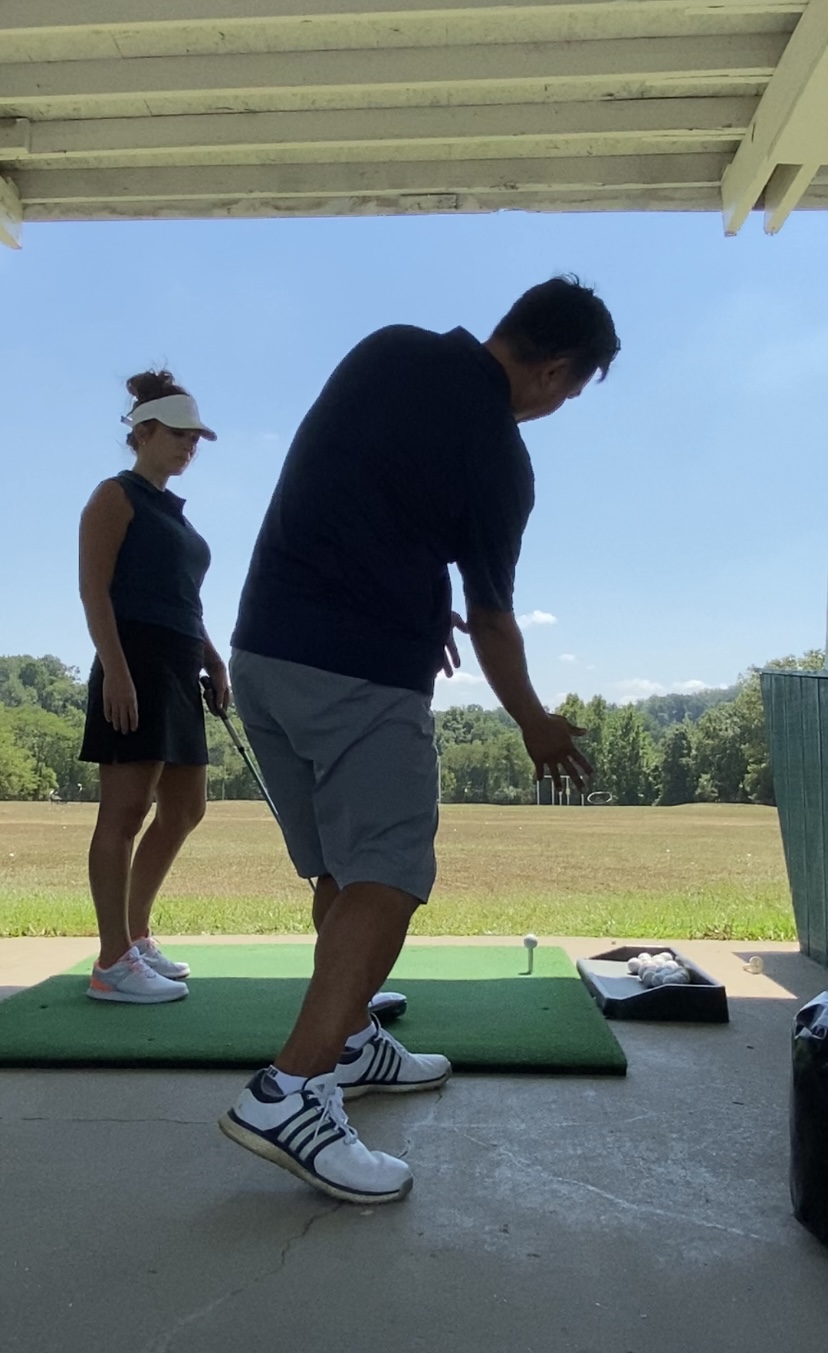
Today I work with golfers of different ages and abilities in the Philadelphia suburbs, teaching private lessons, clinics, and other programs both outdoors and indoors.
What I enjoy most about coaching is the combination of things it allows me to do. I get to solve problems, teach, think about the mechanics of movement, and explore the mental and emotional side of performance. And I get to do it in a field where I’m not particularly interested in following conventional wisdom simply because it’s conventional.
Golf gives you an unusually clear window into how people think, behave, handle pressure, respond to failure, make decisions, and see themselves. Every golfer brings a different personality and a different story to the lesson.
That’s probably the biggest surprise of this career for me. I thought I was changing careers to teach golf. Instead, I found a profession that brings together many of the things I’ve always been interested in—problem solving, psychology, human behavior, performance, and, of course, golf itself.
Alright, so let’s dig a little deeper into the story – has it been an easy path overall and if not, what were the challenges you’ve had to overcome?
No, it definitely hasn’t been a smooth road.
One of the biggest challenges has been the uncertainty that comes with starting over and making a dramatic career change.
Moving from corporate America and finance into the golf industry meant leaving behind an established career and entering a completely different field. I had to be willing to start at the bottom, learn a new business, develop credibility as a coach and golf professional, and figure out how to build a career without an established network or traditional career path.
Building my own golf coaching business has brought its own challenges. It’s not just about teaching golf; it’s also about client relationships, marketing, technology, administration, partnerships, communication, equipment, and continuing to improve as a player and golf professional. I’ve been able to draw on my past business experience and education, but I’ve also had to learn a tremendous amount along the way and figure things out as I go.
One of the things I’ve learned is that a nontraditional path is rarely going to feel completely secure. You have to become comfortable with some uncertainty and be willing to keep moving forward even when you don’t have everything figured out. Having good friends, mentors, and people I trust to serve as sounding boards, offer advice, and even help me with my own golf game has also been a very important part of the journey.
So, the road hasn’t been smooth, but it’s been fun. And in many ways, that’s what makes it worthwhile.
As you know, we’re big fans of McIntosh Golf. For our readers who might not be as familiar what can you tell them about the brand?
McIntosh Golf is a golf coaching business focused on positively impacting people’s lives through better golf. I help golfers improve through an individualized skill-development approach that considers how they move, think, feel, learn, develop, and perform.
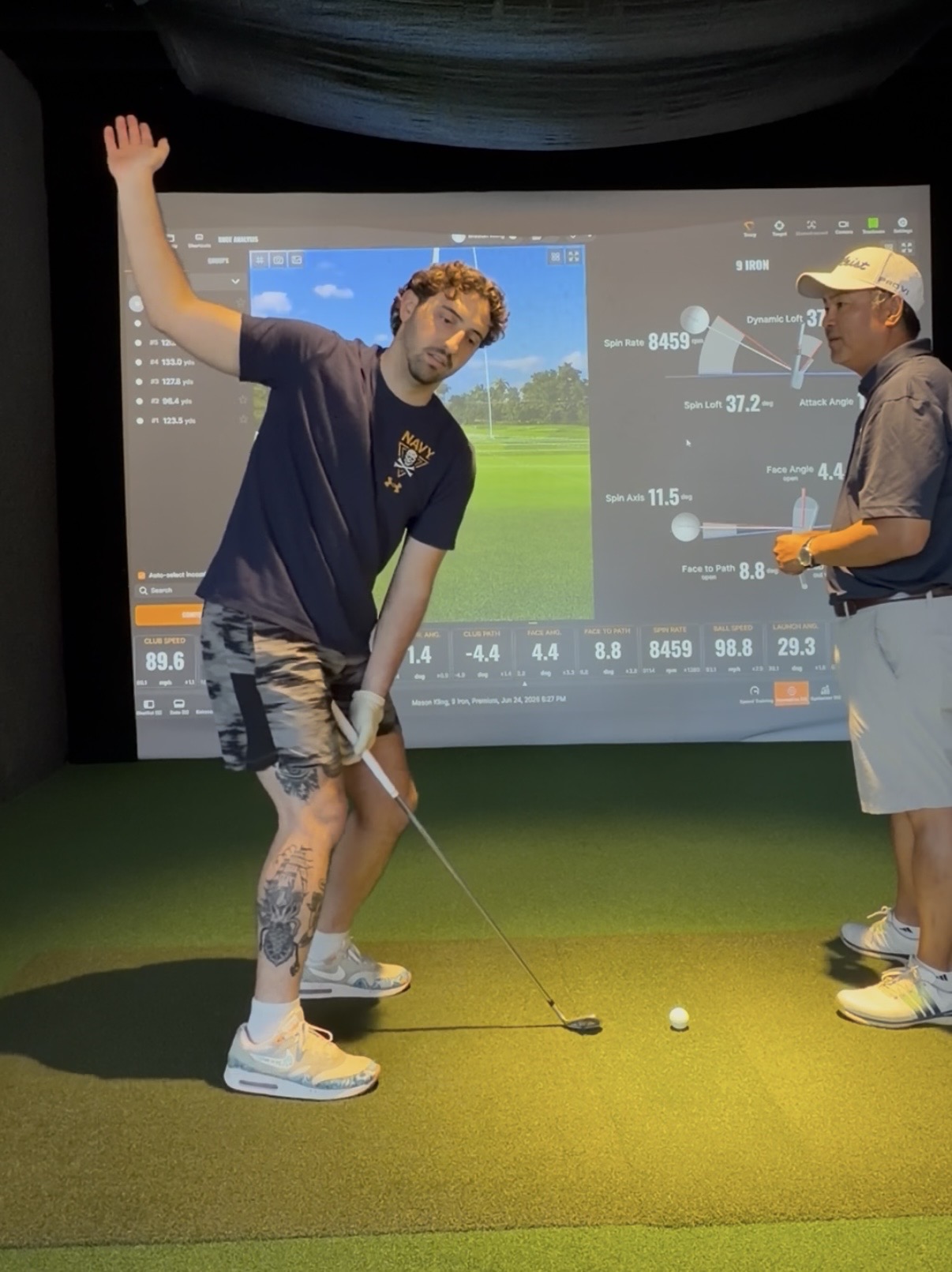
I work with golfers of different ages and abilities, from beginners and recreational players to more experienced and competitive golfers. I offer private instruction, clinics, and other coaching programs, both outdoors and indoors, using technology such as TrackMan, FlightScope, and other tools when useful. I also work with golfers remotely through online, asynchronous coaching and digital learning. I’ve worked with students as far away as Massachusetts, Texas, California, and Hawaii, as well as Japan and India. I’ve also released several digital masterclasses that allow golfers to learn and work on their game on their own schedule.
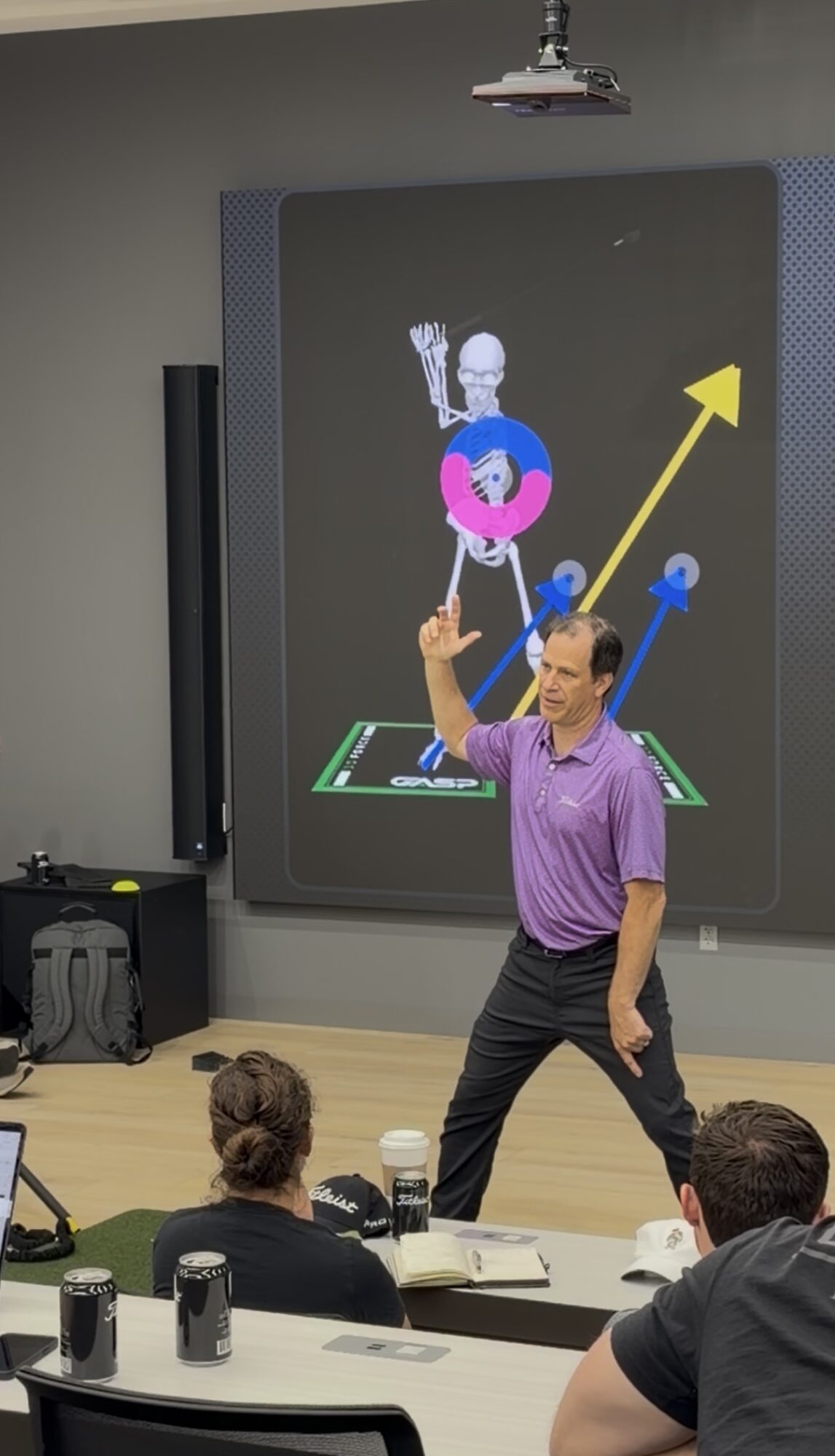
I am also TPI Level 3 certified in Golf & Power, which has helped shape the way I think about the “body-swing connection,” mobility and movement, physical capabilities, and ultimately, performance.
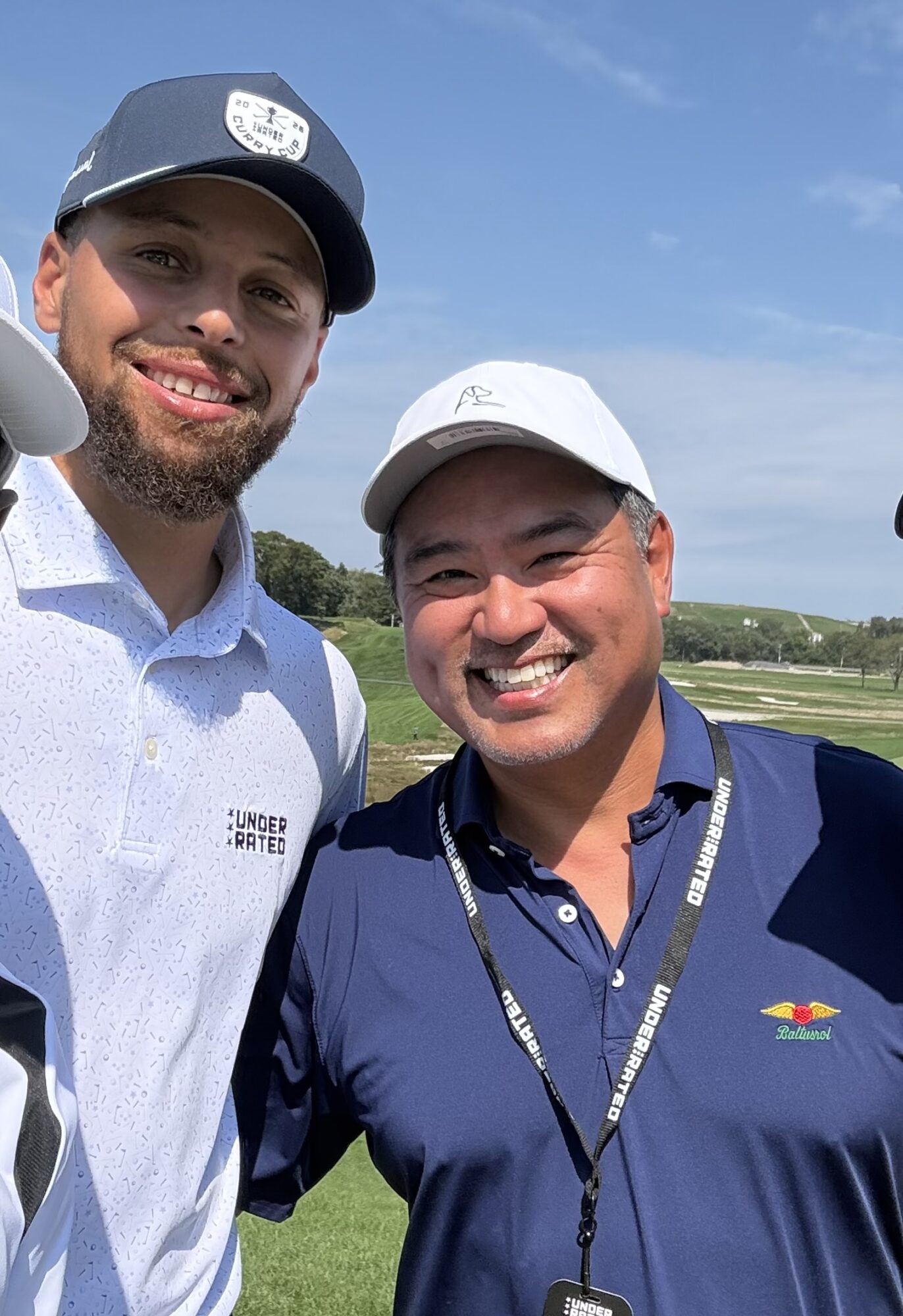
I also work with golfers with a variety of disabilities through PGA HOPE, the Middle Atlantic Blind Golfers Association, and other programs, and I’m a partner with Underrated, Steph Curry’s international junior golf league, which is focused on broadening the reach of the game and expanding who has the opportunity to experience it. Those experiences have reinforced for me that good coaching isn’t about fitting people into a particular model; it’s about understanding the individual and finding ways to help them succeed.
What sets my approach apart is that I don’t believe there is one perfect golf swing or one way to teach every golfer. My goal is to understand the individual in front of me, identify what is limiting their performance and why, and develop the skills and adjustments they need without overcomplicating the game. Let’s be honest, the game can be hard enough as it is.
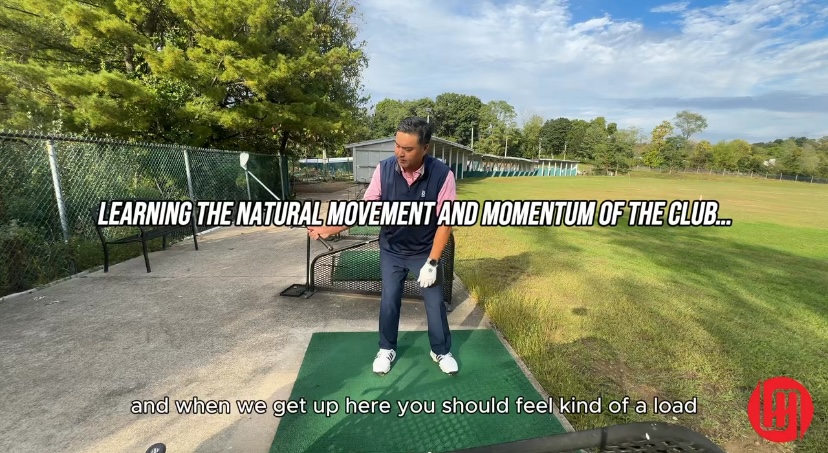
My teaching philosophy is centered around what I call the “Easy Swing.” The basic idea is that the golf club is designed to swing. Rather than asking golfers to consciously manipulate every part of their body and the club, I focus on helping them create the conditions that allow the club to move naturally and efficiently, leading to a more effortless swing that feels “easier.”
My background also influences how I coach. My experiences in consulting and business, along with my Executive MBA training, taught me to look at problems from different perspectives, ask good questions, recognize patterns, rely on facts, and understand that problems can be multi-faceted and interconnected. I sometimes describe the transition this way: I used to advise business executives around the world on solving complex problems. Now, I teach them to play golf.
I’m probably most proud of building a golf brand that reflects the way I actually think about the game. I don’t want McIntosh Golf to simply be another golf instruction business selling swing tips. I want it to represent a different way of thinking about improvement—one that combines skill development, movement, biomechanics, psychology, emotions, learning, and performance.
Every golfer is different, and great coaching starts with understanding the person as much as understanding the swing.
What do you like and dislike about the city?
What I like most about living in the Philadelphia area is the combination of access, history, and golf.
I love being close enough to Philadelphia to enjoy everything the city has to offer, while still being in the suburbs with plenty of space and a strong golf community. Philadelphia also has an incredible golf history and tradition, which is something I really appreciate as a golf professional.
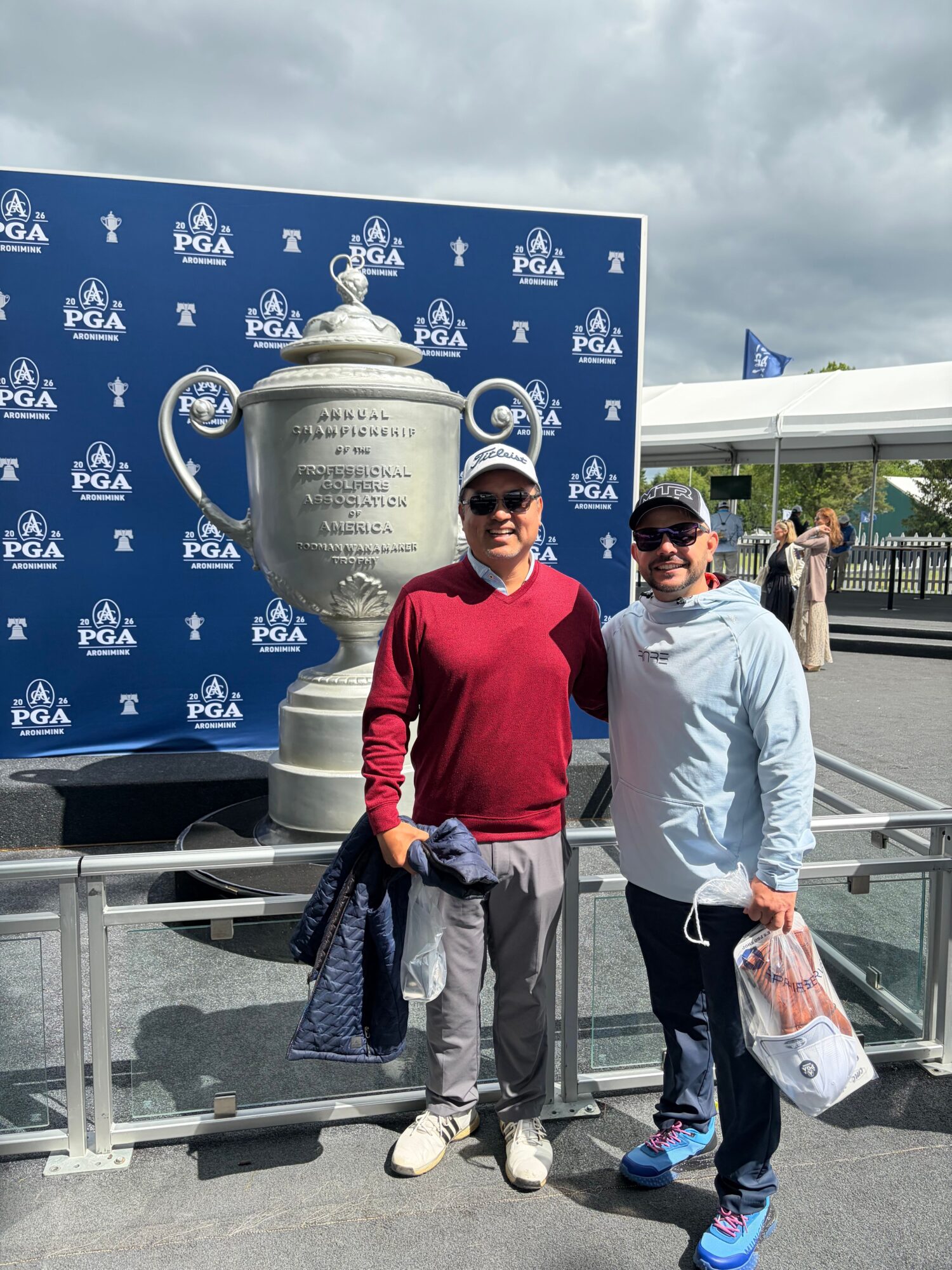
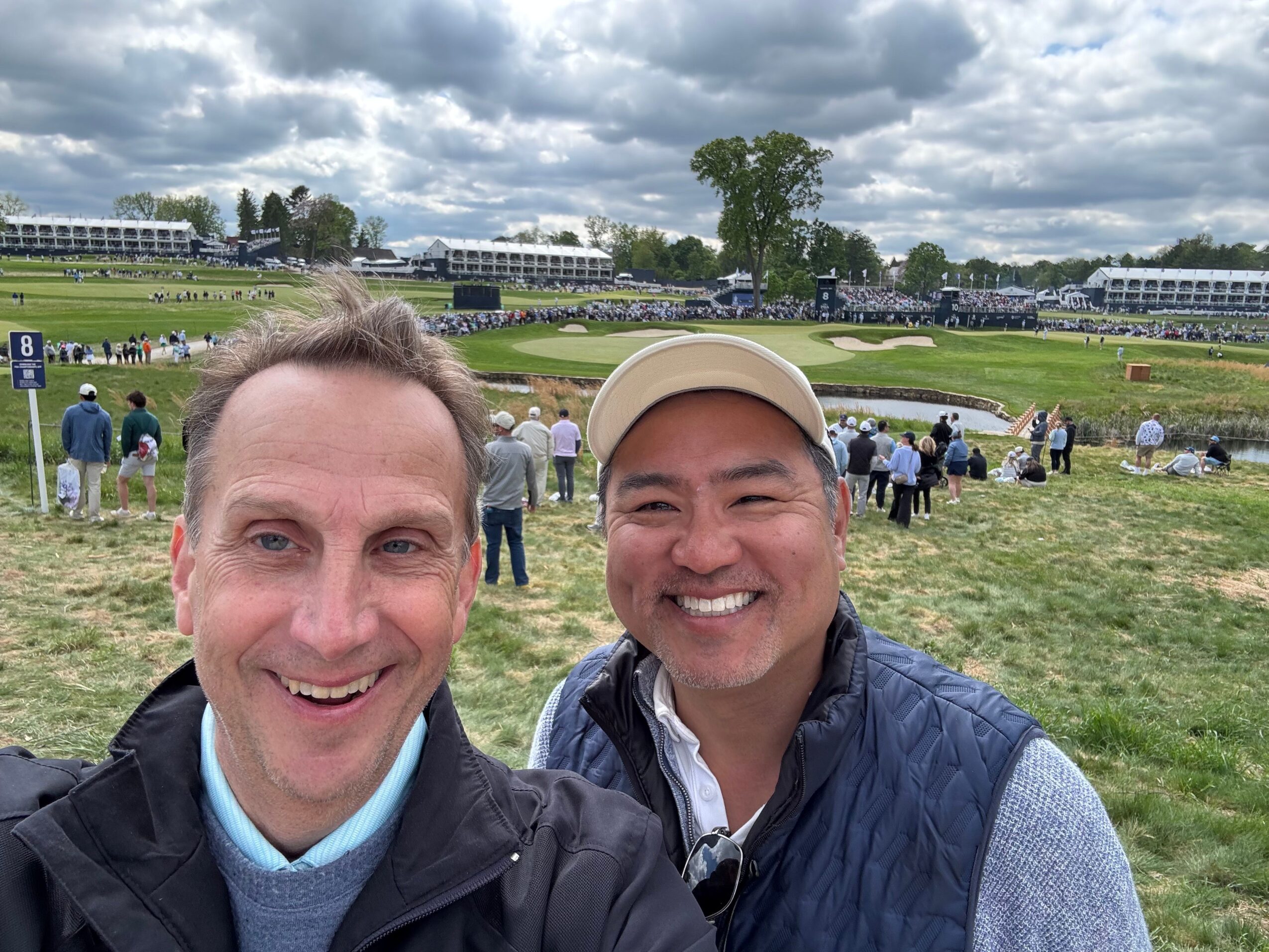
I also love how much great professional and high-level amateur golf is within a reasonable drive. I’ve attended the BMW Championship at Wilmington Country Club, the KPMG Women’s PGA Championship at Baltusrol Golf Club, the U.S. Women’s Open at Lancaster Country Club, the U.S. Senior Open at Saucon Valley Country Club, and the Curtis Cup at Merion Golf Club, among other events. I was also fortunate to attend the PGA Championship at Aronimink—all four days! Probably couldn’t do that in my old job.
I also love how easy it is to get to New York City and travel throughout the Northeast. Recently, I attended the Underrated Golf Tour’s season finale at Bethpage Black and the season-ending celebration of its fifth season. It was a great opportunity to support some of the game’s young players while also connecting with other business professionals in and around the golf community.
What I miss is easier access to the West Coast and places like California and Asia, which I love.
Pricing:
- Adult private: $155/hr
- Competitive junior private: $155/hr
- Recreational junior private: $135/hr
- Semi-private (2:1): $220/hr
- Clinics and group programs: Price varies by program
Contact Info:
- Website: https://mcintosh.golf
- Instagram: https://www.instagram.com/willcmcintosh
- Other: https://www.pga.com/coach/WillMcIntosh