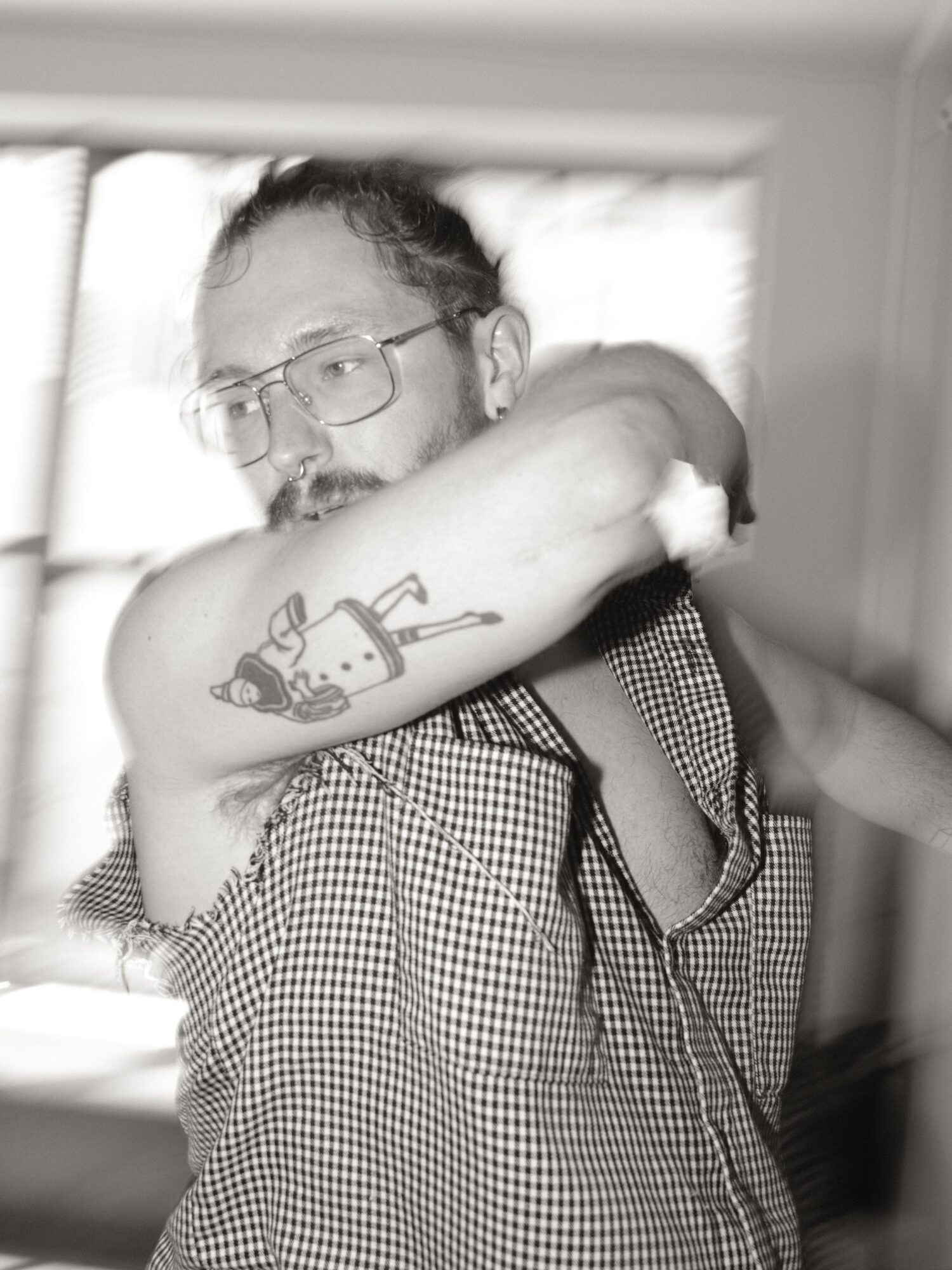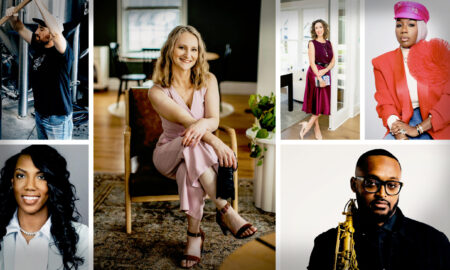



Today we’d like to introduce you to Rodney Murray.
Hi Rodney, so excited to have you with us today. What can you tell us about your story?
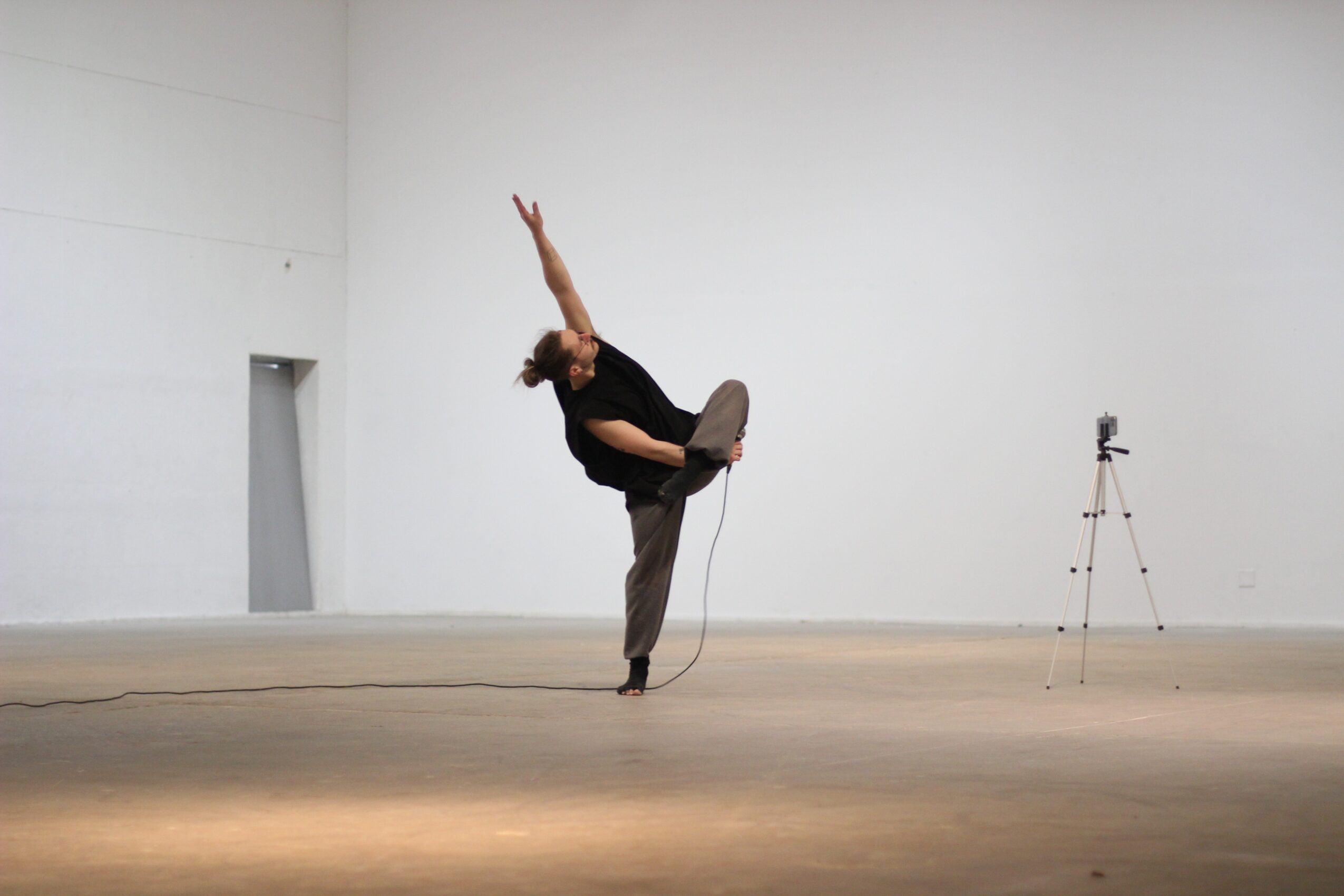
I moved to Philadelphia in 2017 to attend the University of the Arts. I actually started my undergraduate degree by studying Directing, Playwriting, & Production. I. grew up as a gymnast and always loved movement, and knew that I wanted to explore dancing in my approach to theater-making. My university offered open studio dance classes as electives for non-majors, so I started taking a modern and an improvisation class in my freshman year. I was fortunate to have teachers who nurtured my interest, and invited to me take more rigorous technique classes with some of the dance majors.
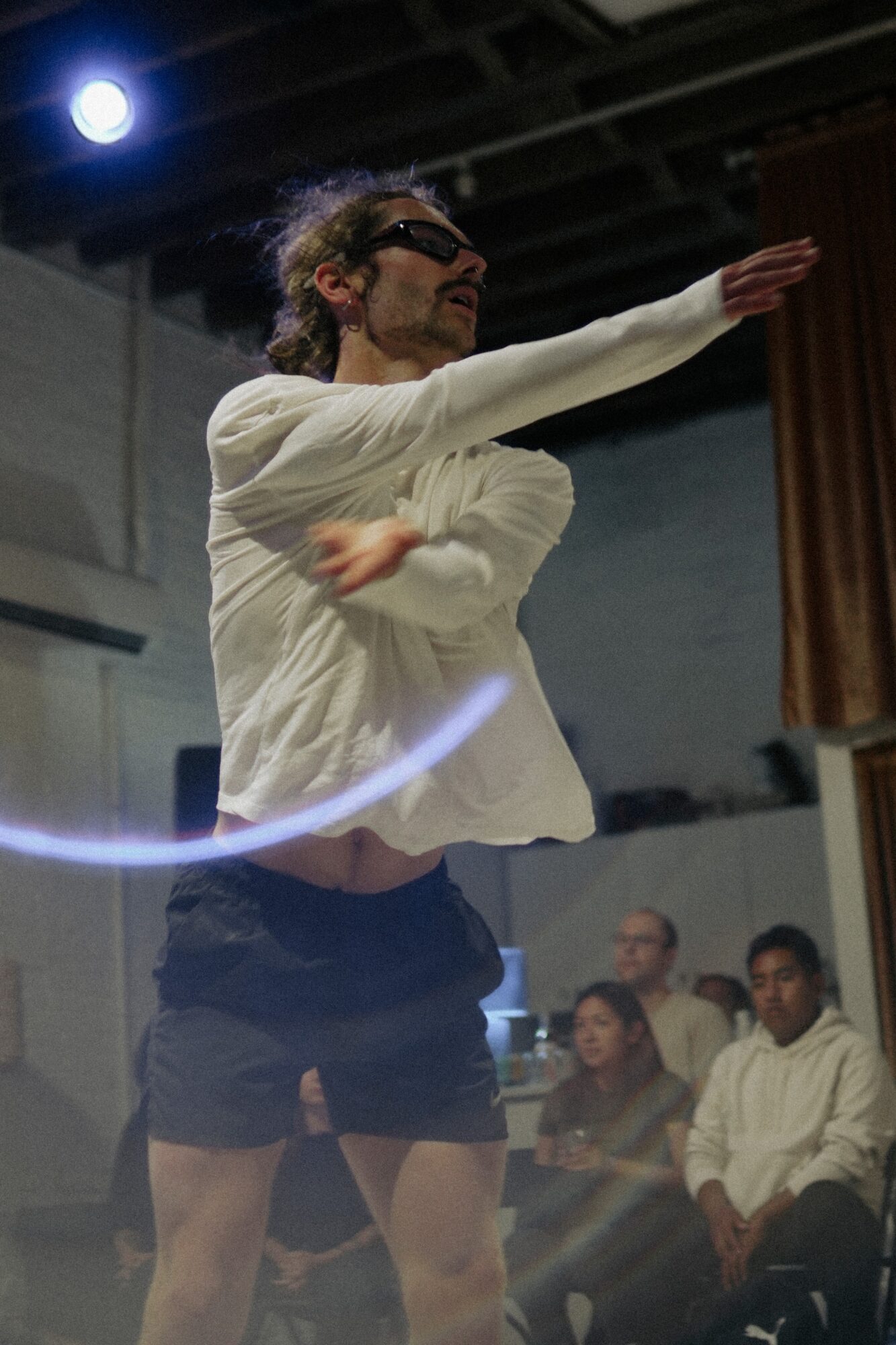
I attended the American Dance Festival in the summer of 2019 and I remember experiencing a profound change in my dancing. I was more grounded, could pick up choreography quicker, and had a greater awareness of my body while moving. From that moment, I knew that I could take my dancing seriously and make a career out of it. I fell in love with movement and making dances and now had a bit of skill to to close the gap between my abilities and my taste.
I graduated during the pandemic in 2021, and the university later closed in 2024. I found myself disillusioned and frustrated with the lack of a cohesive dance community in the city. I took a few years off from performing and devoted my time to my own studio practice. I traveled and rented space, learned a bit about how to be an adult, and continued to train. I came up against a lot of my own frustration in the studio. I remember being so hard on myself during this time. I wanted to dance like other people who I looked up to. I wanted to move beautifully and freely but didn’t feel like I had developed the skills. I had a dream of one day being the dancer I wanted to become. I remember reminding myself that showing up consistently, week-after-week would create the change I wanted to see. I remember going to class one day and dancing with abandon. I didn’t have to “try” to make anything happen. I was simply dancing.
Naturally, this feeling didn’t stay with me permanently. New challenges arise, the body and times change, injuries occur, and we are constantly in the process of getting to know ourselves. Now, I have a greater perspective of how I work, and how to organize my practice both in and out of the studio.
I have always wanted to have a sustainable career as a dancer and teacher, but I discovered an incredible amount of resistance when I was first starting. There were very few well-paying opportunities to teach or perform and earn money, and there were even fewer opportunities that invited young dancers to develop their practice. I spent many years traveling and developing my own sense of dancing and teaching before starting dancephl*, a shared resource for the dance community in Philadelphia. I now run the platform for dancers in the Greater Philadelphia area to use to share their classes and performances in order to develop more outreach for their practice. I’m excited to see how the platform and community will continue to grow in the coming years.
In addition to running dancephl*, I continue to teach and train in Philadelphia, New York, and abroad in Amsterdam. I
Can you talk to us a bit about the challenges and lessons you’ve learned along the way. Looking back would you say it’s been easy or smooth in retrospect?
Philadelphia is slow to accept change. The professional dance community is small, there are few opportunities, and people are generally skeptical about new ideas and organizations. In some way, this is usefl because it requires a certain sense of accountability, but I think it can also stifle experimentation. For a while, I felt like I had to convince people of the value of my ideas and the future of dancephl*. I’ve slowly started to let this go by learning to trust my own impulses and listen to my own voice as both an artist and now a small-business owner. Imposter-syndrome and self-doubt always creep in, but remembering that those moments are part of the growth process has been helpful.
It doesn’t make the process any easier, but it reminds me of why I started, and why I believe so strongly in the possibility that dancephl* can grow and evolve to support the ongoing growth of professional dance in Philadelphia.
Can you tell our readers more about what you do and what you think sets you apart from others?
I don’t know what I specialize in. I think in some ways I’m still finding that out. If I was to say what I think it is today, I’d say I specialize in finding potential and developing systems to support that potential. Potential in both humans and organizations.
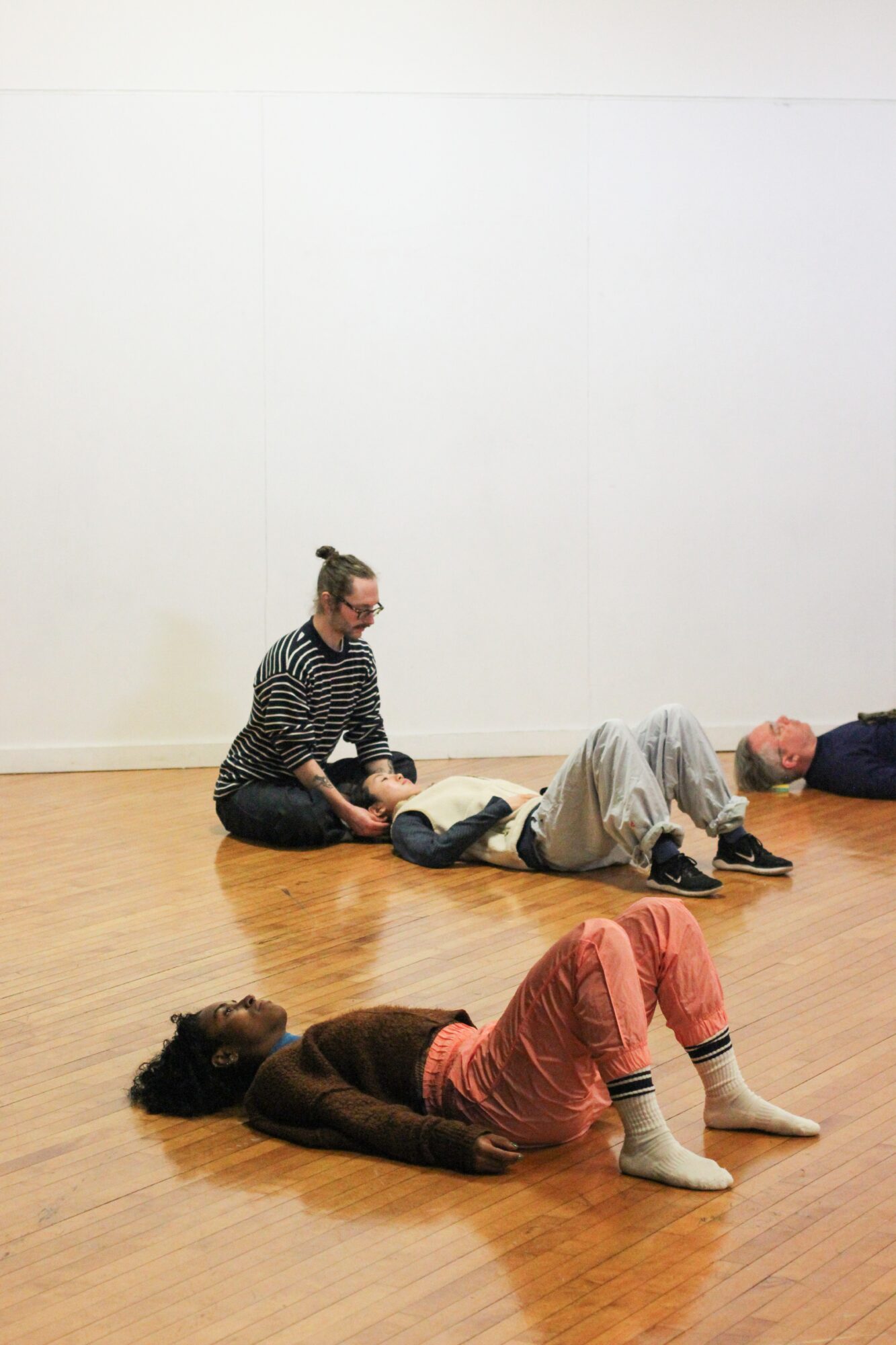
In addition to dancing and running dancephl*, I am training to become an Alexander Technique teacher. At it’s core, the Alexander Technique is an educational process that allows us to develop into the people we really want to become. We start by noticing our habits, and effective enter into a process to change them. This process is arduous, and long, but reminds us of why change and growth is so necessary. We are always learning, we are never finished, and when we can work on accepting this, we can have a fuller experience of ourselves and the world.
I have always loved working with people. I think this is why I gravitate toward the Alexander Technique and have created dancephl*. I fundamentally believe that life is not easy and we need one another to make the world hospitable. Attempting to understand ourselves and our own potential is the only way we can ever begin to understand one another.
I think my commitment to this process–as challenging and rigorous as it is–is what I am most proud of. There are days that are easy, and there are days that feel impossible, but accepting that all of that is part of what’s changing is a helpful reminder.
Networking and finding a mentor can have such a positive impact on one’s life and career. Any advice?
Networking is challenging. Full stop. For me it often feels weird and disingenuous. I think it’s important to prioritize relationships that feel meaningful and seek out collaboration with artists whose work or trajectory resonates with you. For me, networking from a place of genuine interest rather than opportunity has always been more fruitful. But, everyone is different and places value on different goals. Trust your values and goals let these inform your strategy for networking and community-building.
As for mentorship, I think it’s important, but I have found it more important to rely on my peers, colleagues, and community. The artists who are growing and developing their practice alongside you are the most important collaborators you can have. They are often having a similar experience, and they are often the most authentic in being able to speak to your work as it is right now. Your peers are the ones who will really help open doors for you. If you are seeking out mentorship, try to find a mentor whose career or model is similar to what you might want, but remember that your path will be different, and you have to be flexible.
Contact Info:
- Website: https://dancephl.com
- Instagram: dance.phl