


Today we’d like to introduce you to Mackenzie Pikaart.
Hi Mackenzie , we’re thrilled to have a chance to learn your story today. So, before we get into specifics, maybe you can briefly walk us through how you got to where you are today?
I have always been a creative person, but I really fell in love with art in second grade—the second time around. Maybe it was because I had already done the projects, but I think the familiarity of the materials gave me confidence in my abilities, and the rest is history.
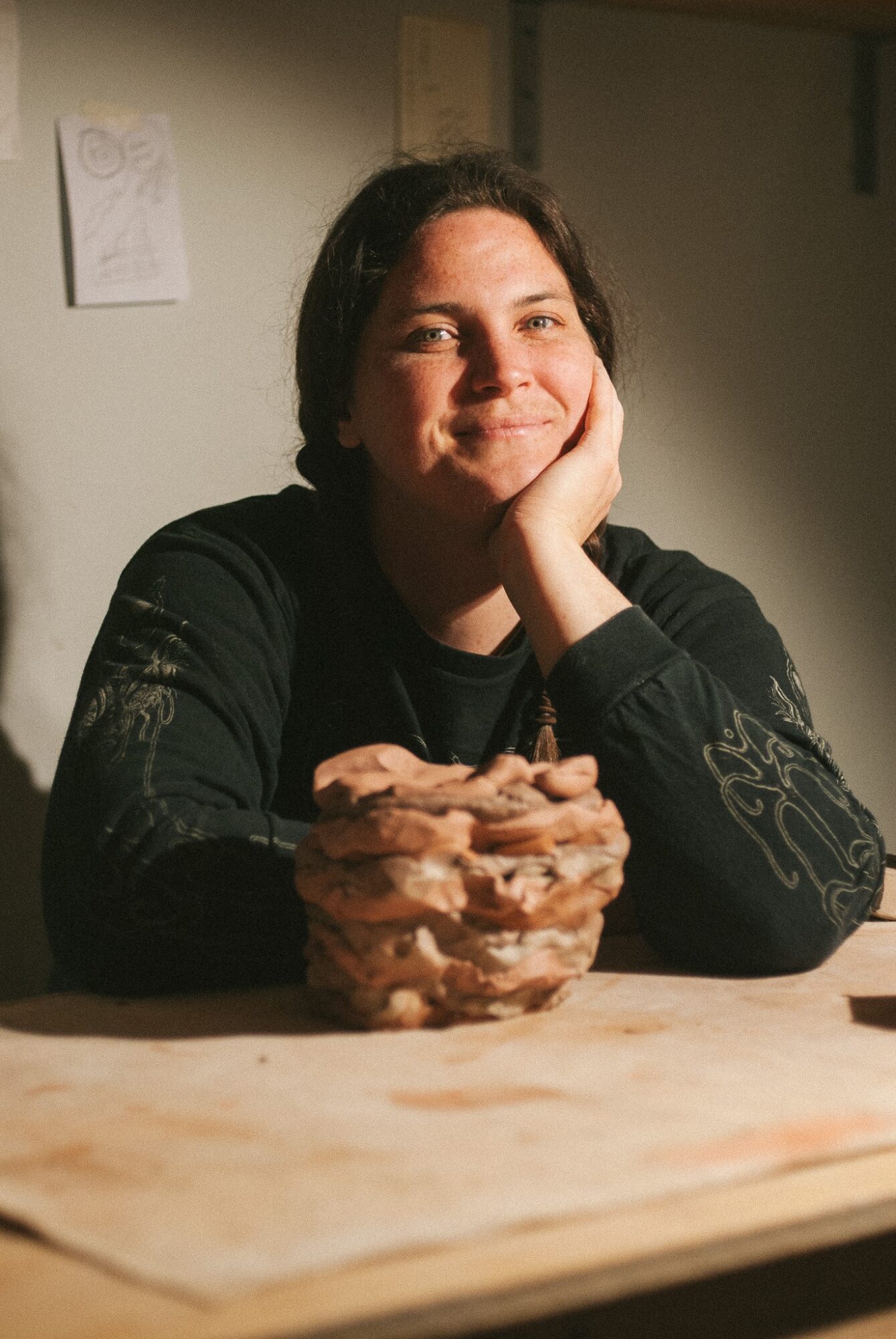
I went on to study ceramics at The University of the Arts, where I fell deeply in love with clay as a material. I was captivated by its possibilities: the ability to make almost anything you can imagine, from dinnerware and vessels to sculpture, while also exploring the chemistry of clay and glaze. Having the space and time to make work and really immerse myself in the material was incredibly meaningful.
Since graduating in 2011, like many artists, I have done everything I could to maintain a studio practice. For years, I worked three or four jobs at a time so I could carve out a few days each week to be in the studio, continuing to make work and discover new possibilities within clay.
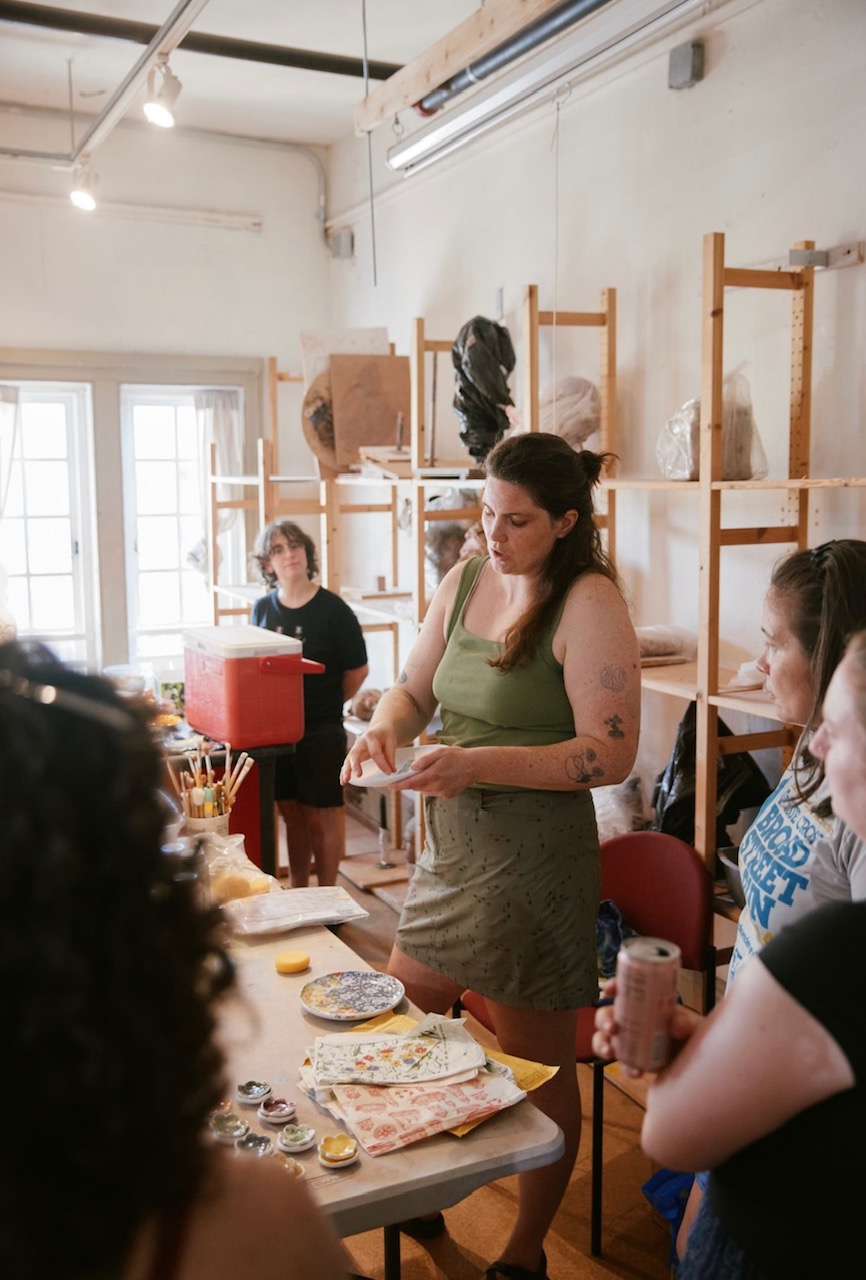
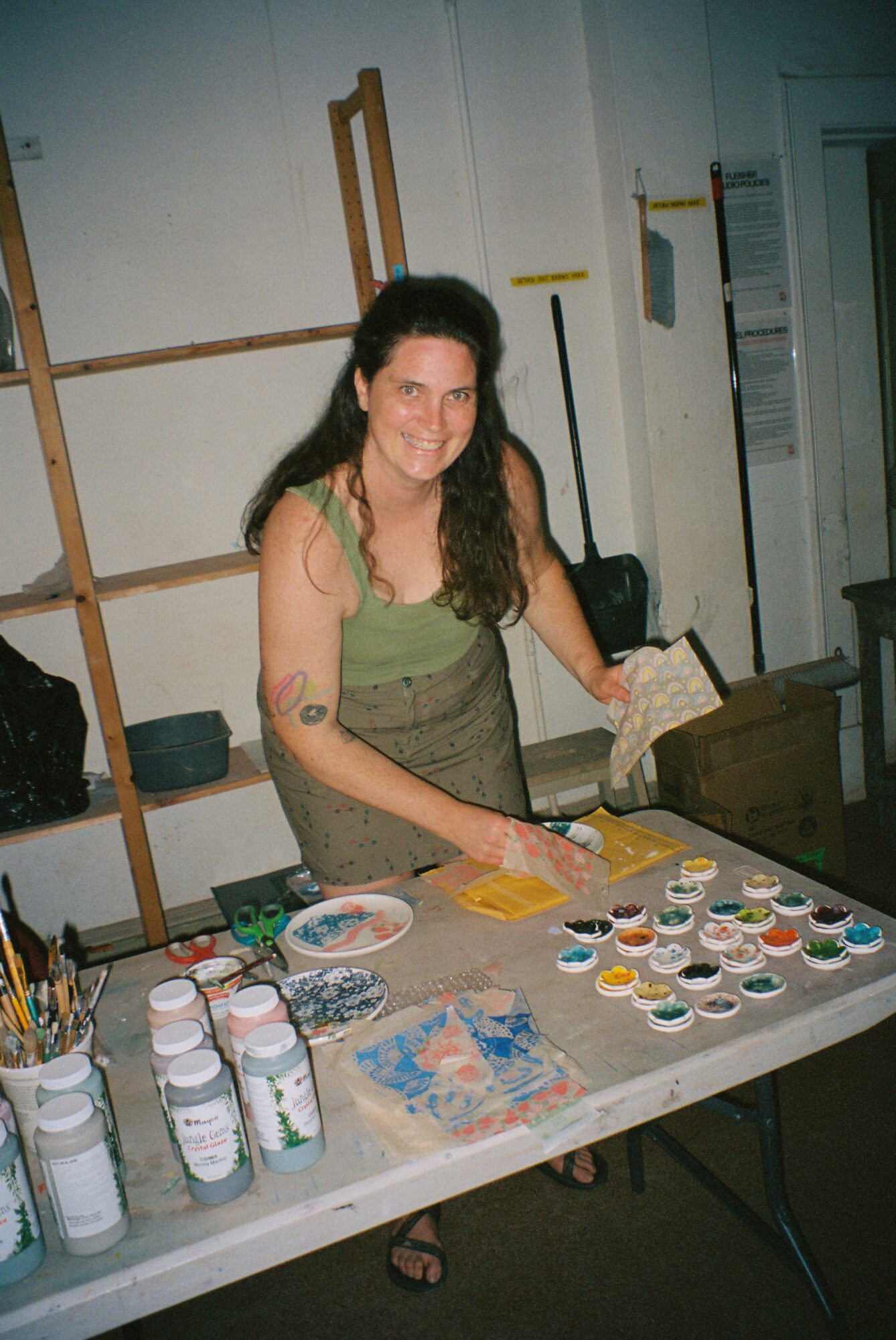
I have now been a teaching artist for over 15 years and have worked as a full-time ceramic artist for about five years. I teach at several community studios throughout Philadelphia, focusing on monoprinting, Nerikomi, and handbuilding techniques. I also travel to teach workshops in other states, and I hope to eventually go on a full teaching tour, visiting a different studio at every stop.
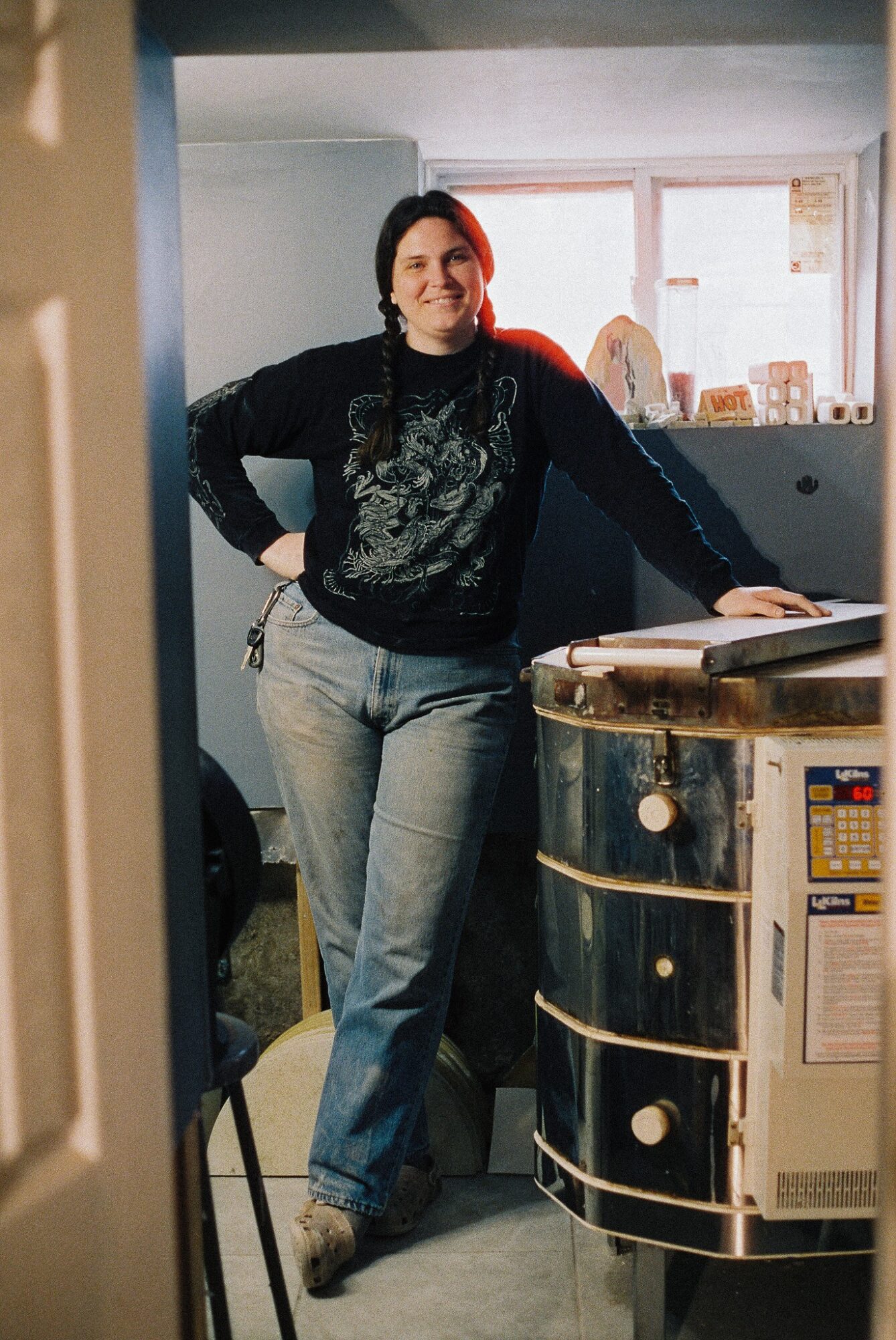
I work from my home studio in Southwest Philadelphia, where I also rent kiln space to other artists who don’t have access to their own kiln. I enjoy being able to offer not only firing services, but also support and resources to other artists as they develop their own studio practices.
Would you say it’s been a smooth road, and if not what are some of the biggest challenges you’ve faced along the way?
Overall, I would say that my road in the art world has been relatively smooth, but that doesn’t mean it has been without its struggles. Some of the biggest challenges have been more personal. Learning to understand people and their intentions, navigating social cues, and figuring out where I fit within the art world and its many different communities. I’ve also had experiences with difficult bosses and have, at times, felt burned by the institutions and systems that make up the art world. Those experiences have taught me a lot about advocating for myself and others, setting boundaries, and being thoughtful about the people and organizations I choose to work with.
At the same time, I recognize that I’ve had a lot of privilege along the way. I’m a white woman with supportive parents and family, and I’ve had access to opportunities and resources that many artists do not. I don’t take that for granted. and truly believe in sharing information rather than gatekeeping it keeps communities and knowledge supported.
Appreciate you sharing that. What else should we know about what you do?
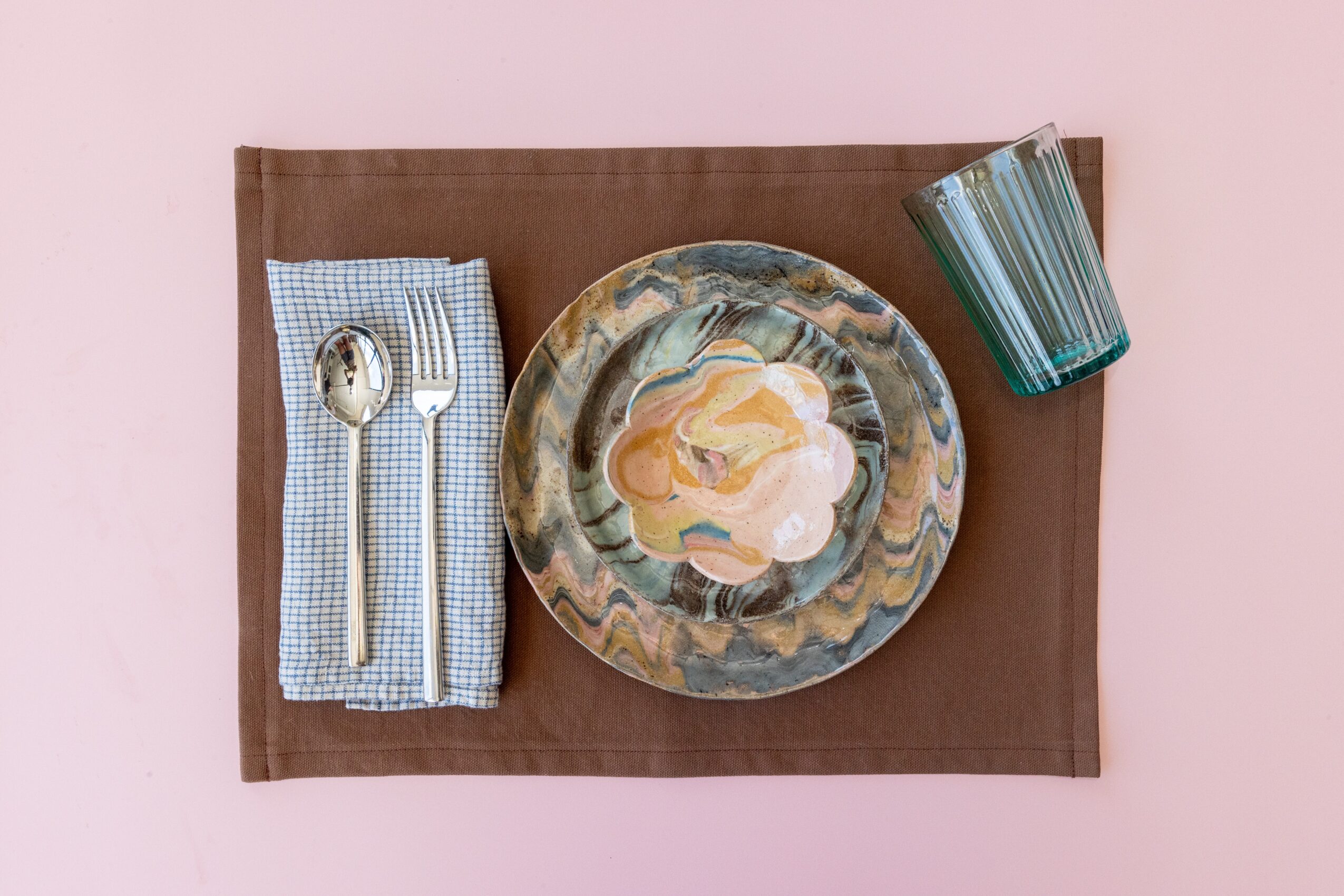
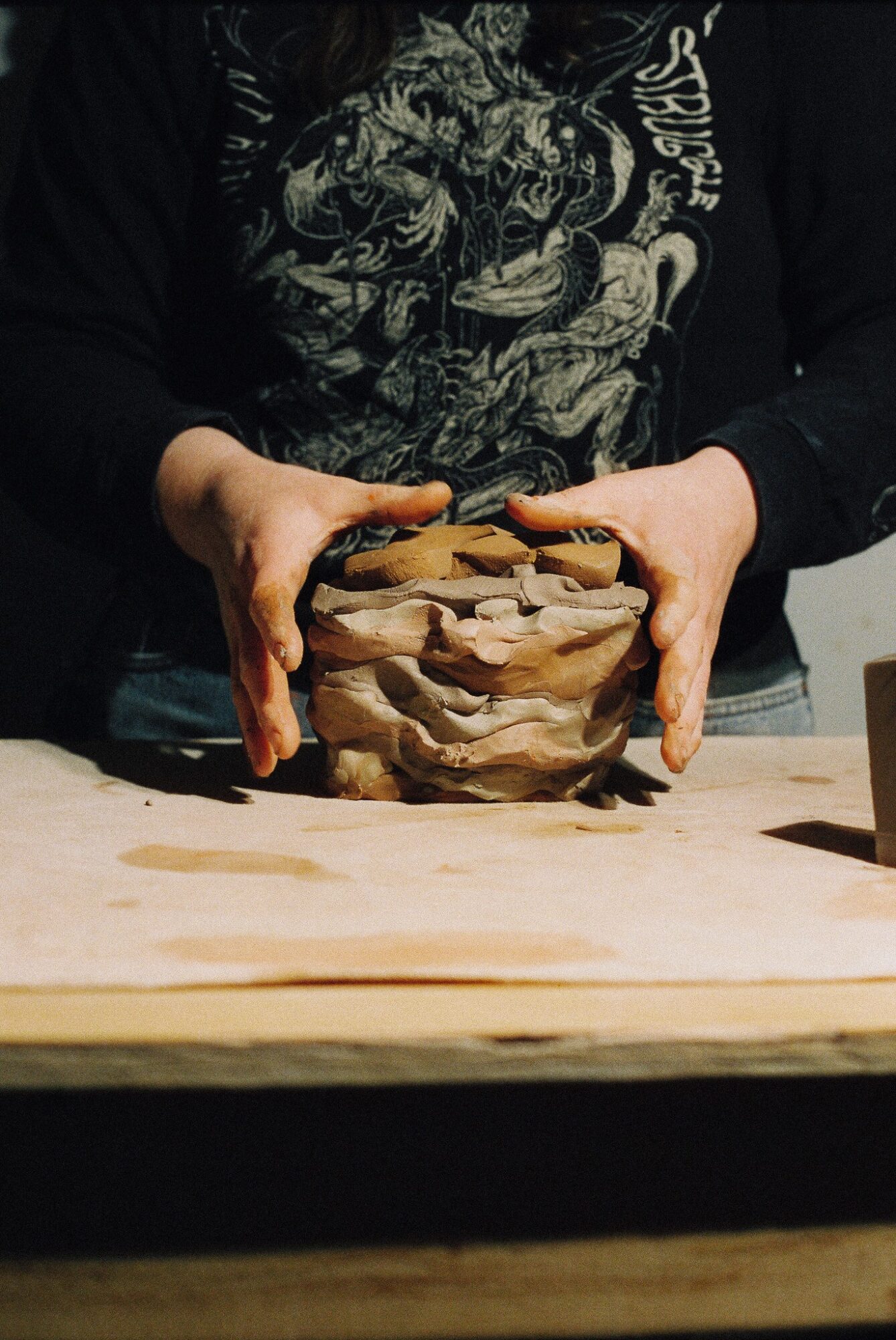
In my personal practice, I focus primarily on dinnerware, vases, lighting, and, more recently, tile work. I work primarily in Nerikomi, a traditional clay technique with roots in Japanese, Egyptian, and Chinese ceramic traditions. A cousin to marbling, Nerikomi involves layering and manipulating differently colored clay bodies to create patterns that can resemble agate, stone strata, or intricate, repetitive designs.
My process begins with white clay, which I pigment myself before stacking and layering it into striped blocks. I then cut, recombine, stretch, fold, and compress the clay in different directions. I then slice into the clay to reveal the interior landscape before rolling it into slabs and building my forms.
I’m particularly drawn to the balance between intention and discovery in this process. I can control the colors, layers, and general direction of the pattern, but I never know exactly what will be revealed when I make that first cut. There is something really exciting about creating a surface that feels less constructed than unearthed—like discovering a piece of agate or a geological formation that was already there, waiting to be found.
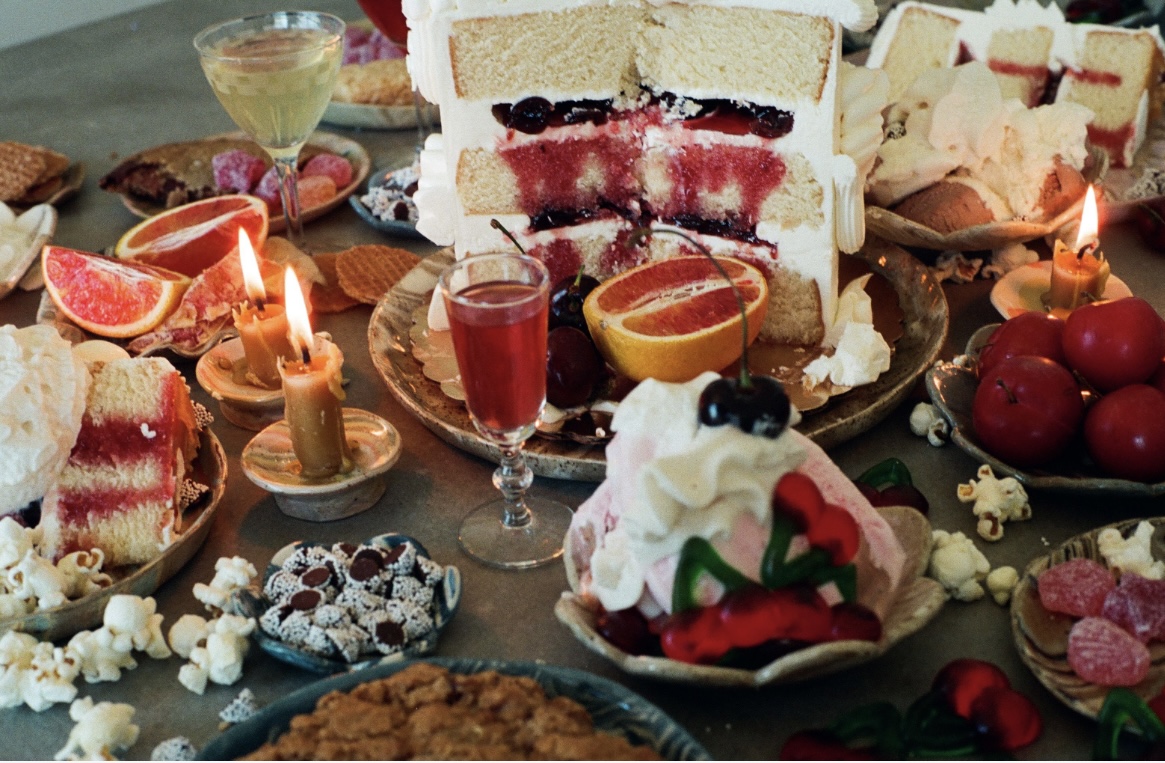
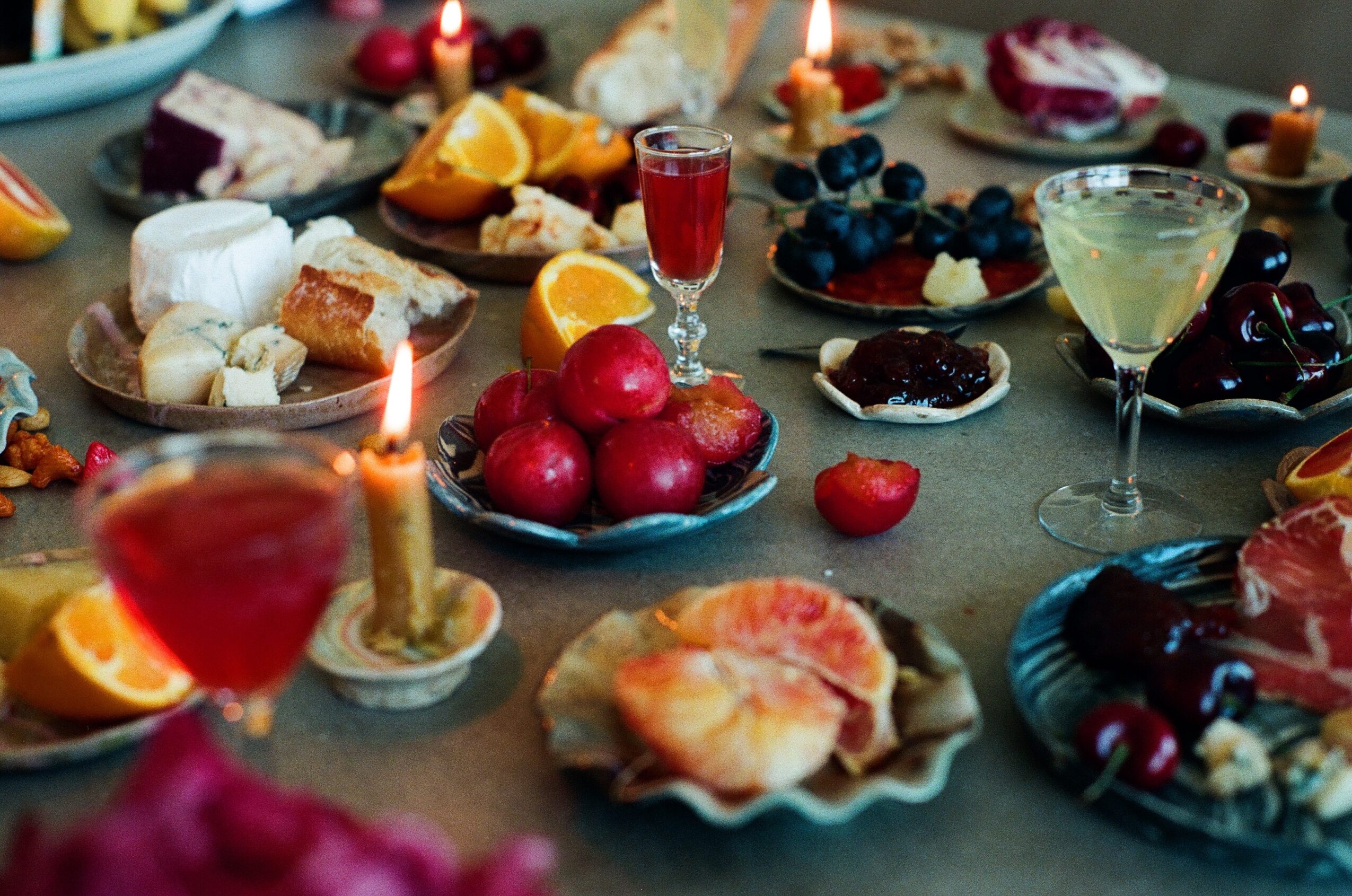
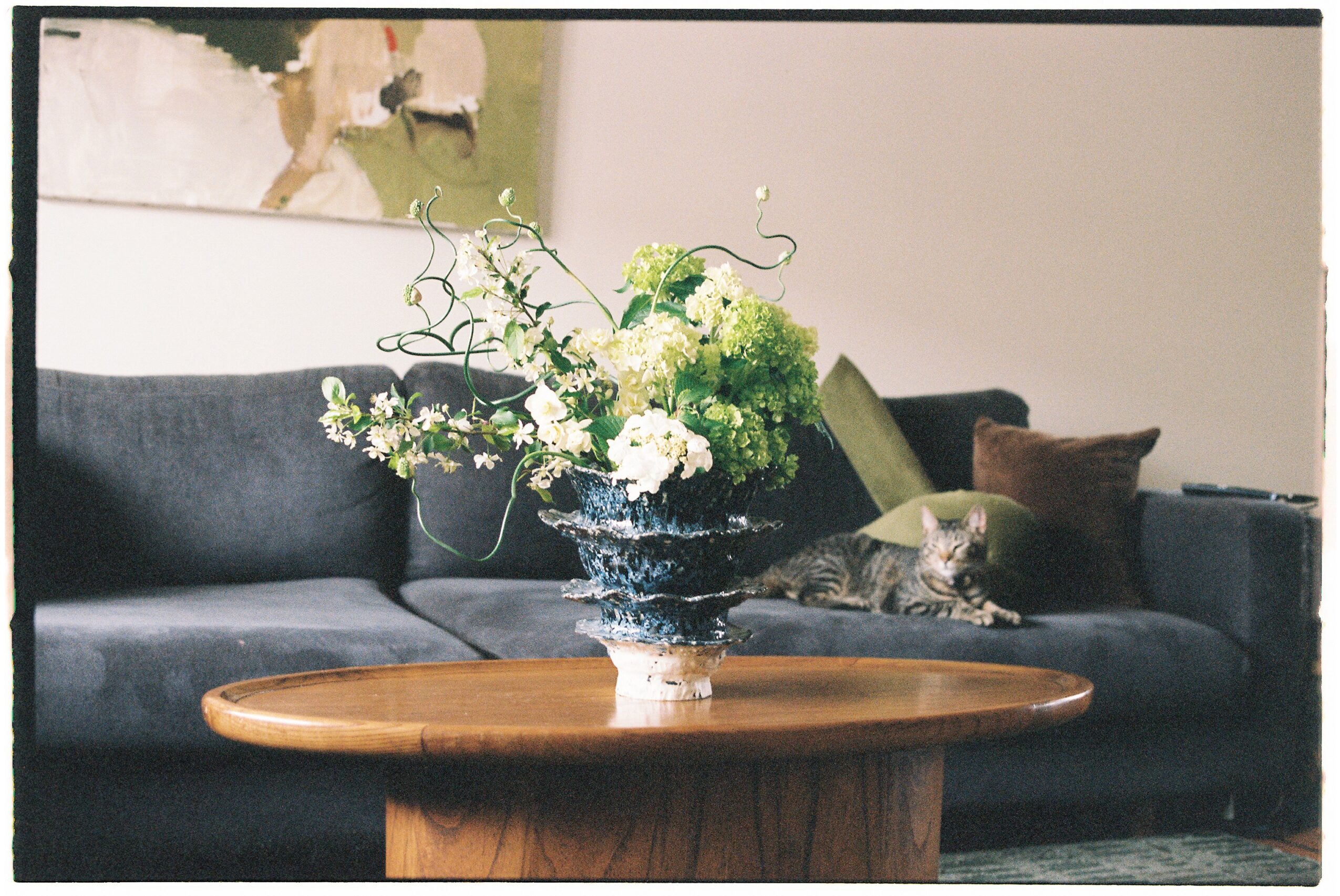
For many years, I have focused on functional dinnerware, and I’m proud to have built a practice around making objects that are both highly considered and meant to be used. More recently, I’ve been expanding my thinking beyond individual objects and into interior spaces. I’m interested in what these surfaces could become as tile in kitchens and bathrooms, or how they might translate into wallpaper, textiles, rugs, and other architectural applications.
This year, I had the opportunity to work with Tiberi Studios Fabric + Upholstery in Philadelphia on a fabric project that will be showcased at Paradigm Gallery + Studio in October through Design Philly. Collaborations like this really fuel my desire to keep exploring and to see how these patterns can exist beyond clay.
What sets my work apart is the combination of the highly labor-intensive Nerikomi process with functional and architectural forms. I’m constantly looking for ways to push the technique beyond what it is traditionally expected to do, experimenting with pigments, glass beads, pattern, scale, and form. I love that the process allows me to be both incredibly intentional and completely surprised by the final result, and I think that tension is at the heart of my work.
Can you talk to us about how you think about risk?
Risk-taking it’s really in everything, right? Choosing to dedicate a lifetime to a material is a risk. You know you’re going to fail, and yet you keep coming back to it over and over again.
Clay, in general, is a risk. It humbles you whenever it gets the chance. It’s incredibly volatile. A piece can look completely perfect throughout the entire process, show absolutely no sign that anything is wrong, and then you pull it from the kiln after its final firing and it’s cracked like there’s no tomorrow. Suddenly, all those hours of work are just… trash. You learn pretty quickly that you can’t always control the outcome.
And if you’re one of the lucky ones who manages to make something without it becoming trash, shipping work is its own beast. You can spend hours carefully wrapping and packing a piece, feeling really confident that you’ve protected it, only to have the carrier somehow turn your perfectly packed box into a pile of broken ceramics. It’s heartbreaking, but it’s also part of the job.
I think that’s what risk means to me as an artist. It’s not necessarily about making one huge, dramatic leap. It’s about being willing to invest your time, energy, money, and heart into something without knowing exactly how it’s going to turn out. You have to accept that some of your work will fail, some opportunities won’t work out, and sometimes you’ll make something that you absolutely love and then accidentally break it.
I’ve definitely taken bigger risks in my career, choosing to make ceramics my full-time career, investing in my own studio, and continuing to push my work into new areas like lighting, tile, fabric, and larger installations. But I think the biggest risk is actually the most repetitive one: continuing to show up.
Contact Info:
- Website: mvpstudio.me and Mackenzievaughanpikaart.com
- Instagram: https://www.instagram.com/mvpstudio.me/
- Other: https://www.pinterest.com/MackenzieVaughanPikaart/