


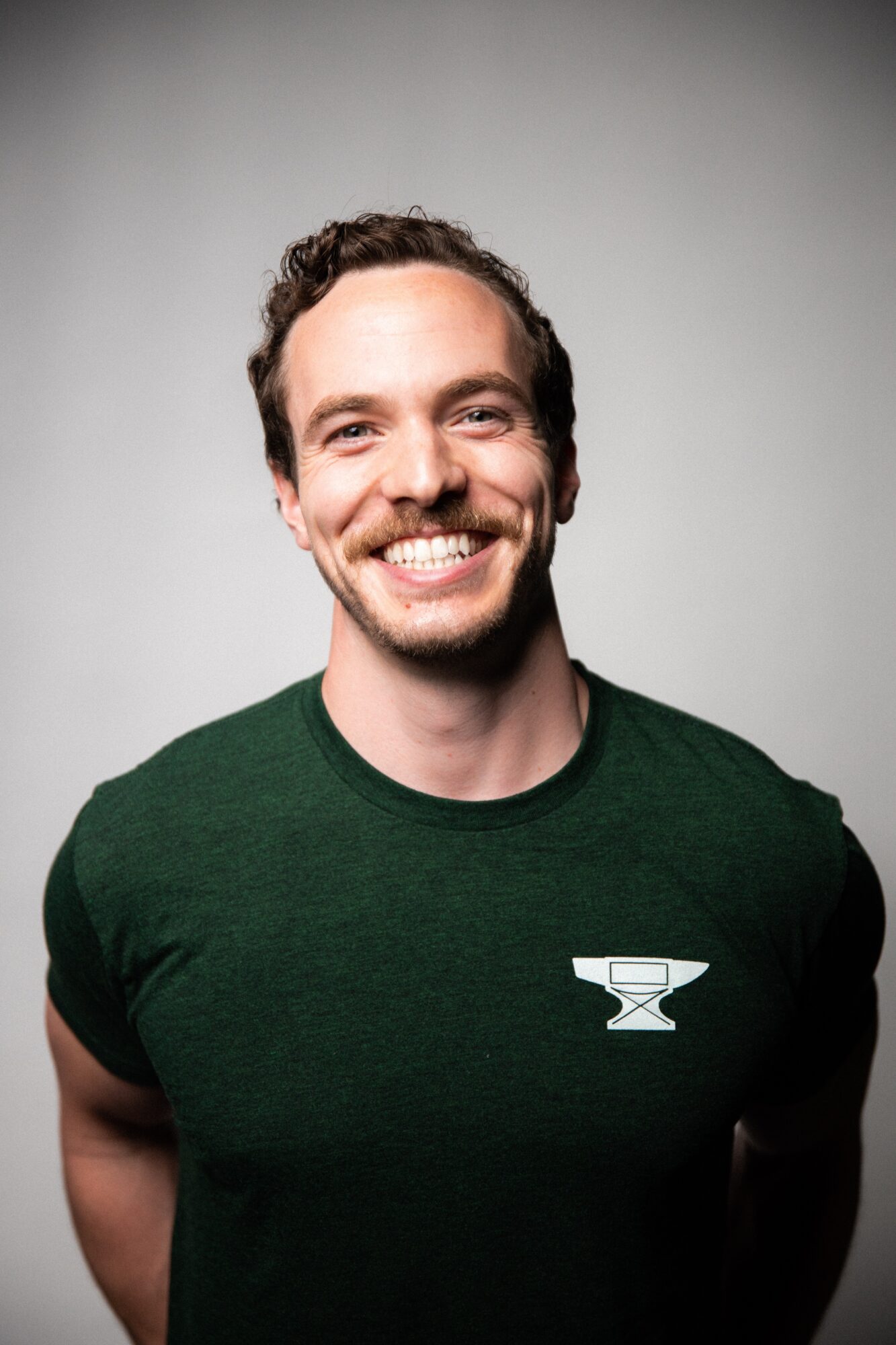
Today we’d like to introduce you to Evan McIntyre.
Hi Evan, so excited to have you with us today. What can you tell us about your story?
My career started on the production and post side, so I learned the craft first. I was editing, shooting, producing, and building that foundation by actually making the work. That experience shaped a lot of how I approach creative leadership now because I understand the full process, from the first idea to what it takes to execute it and get it across the finish line.
I’ve been at Forge Apollo for 10 years, and during that time I’ve been able to grow alongside the company. My role has evolved from hands-on production and post into leading our video department, working across creative strategy, client relationships, team leadership, and now serving as a partner in the agency.
What’s shaped me most is learning how to balance creative instinct with strategy. I care a lot about making things feel cinematic and polished, but the work also has to be useful. It has to support the brand, connect with the audience, and solve the actual problem the client came to us with.
I’ve been fortunate to be part of Emmy and Telly-recognized work, but I think the bigger story is the progression from being a hands-on maker to helping lead a team, shape the creative direction, and contribute to the agency at a higher level. I still try to bring that same hands-on mindset into the leadership side because I think the best creative decisions come from understanding both the vision and the realities of execution.
Alright, so let’s dig a little deeper into the story – has it been an easy path overall and if not, what were the challenges you’ve had to overcome?
No, definitely not always smooth. I think anyone who works in production or agency life knows there are a lot of moving pieces, and things rarely go exactly according to plan.
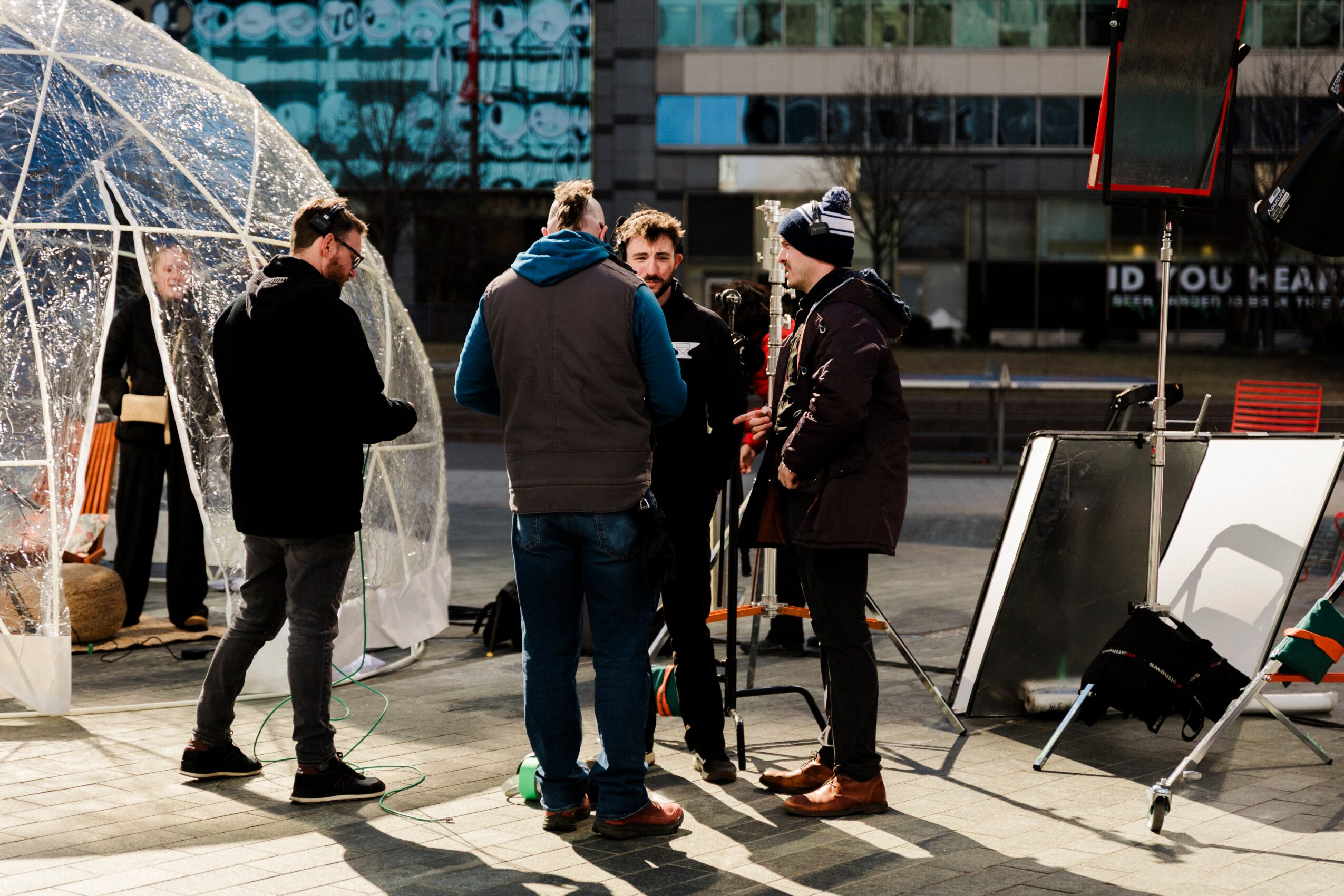
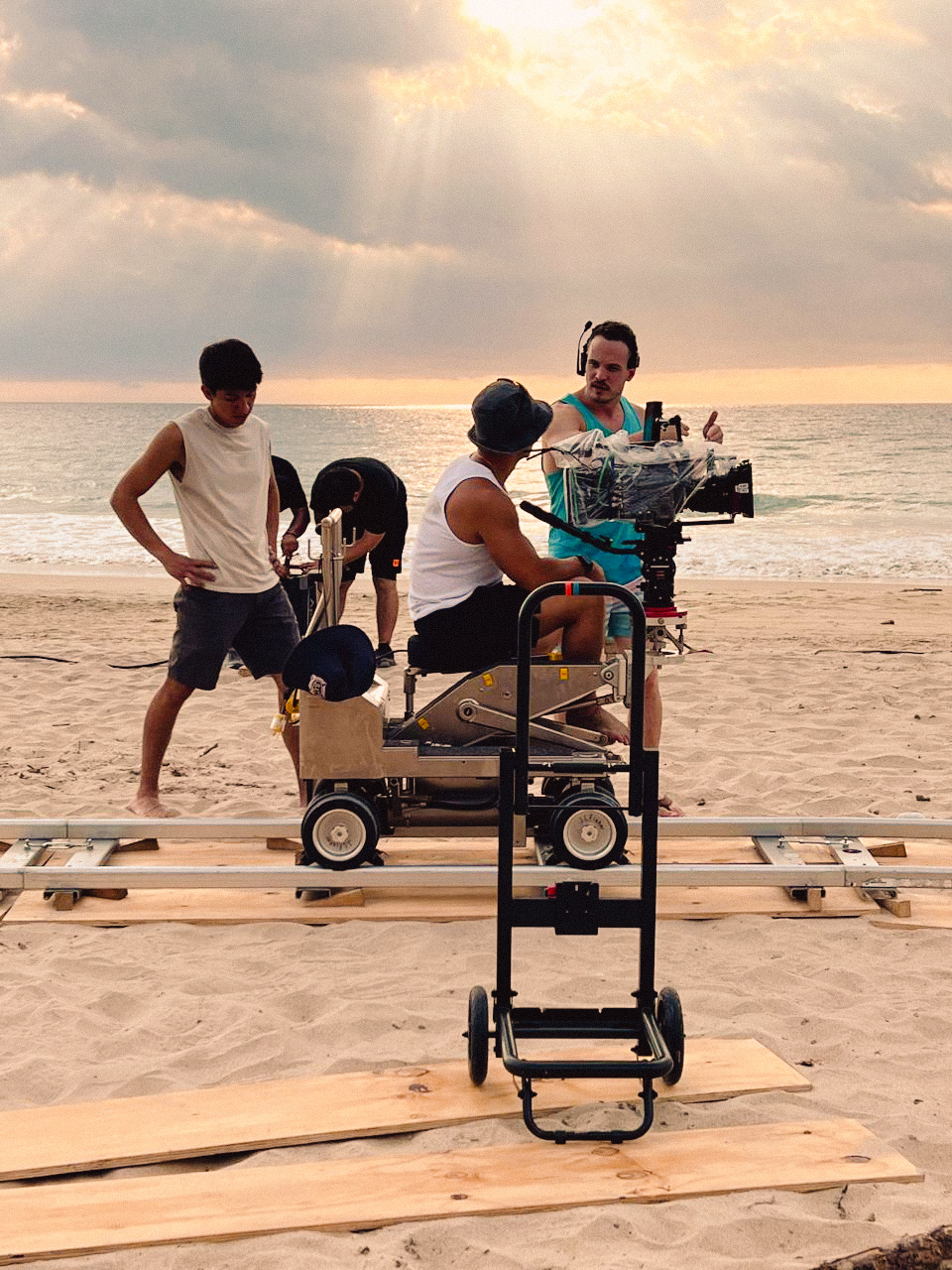
A lot of my growth has come from being in situations where the path forward wasn’t totally obvious. Timelines shift, budgets are tight, creative feedback changes, weather doesn’t cooperate, or a technical issue comes up at the worst possible time. Early on, those moments taught me pretty quickly that being creative is only part of the job. You also have to be adaptable, calm under pressure, and willing to find the best version of the idea within the reality you’re working in.
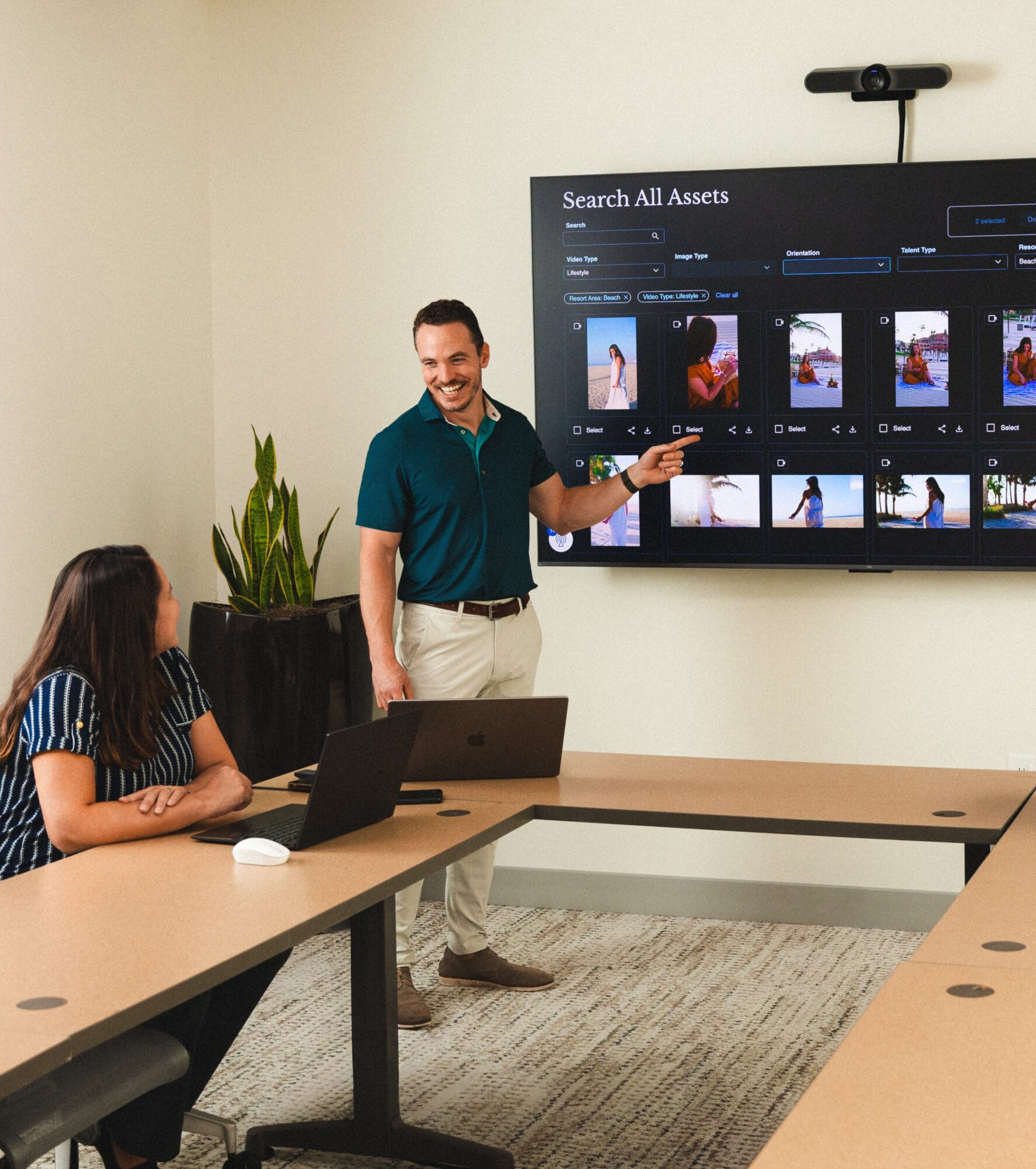
As I moved into more of a leadership role, the challenges changed. It became less about only solving the creative problem myself and more about helping the team solve it together. That transition has been a big part of my growth. You have to communicate better, delegate better, trust people, and know when to step in versus when to give someone room to solve the problem.
So I wouldn’t say it’s been smooth, but I do think the difficult parts have been the most formative. They’ve helped me become more practical, more collaborative, and more grounded in how I approach the work. I still care a lot about the creative, but I also understand that the process and the people behind it are what actually make great work possible.
Thanks for sharing that. So, maybe next you can tell us a bit more about your work?
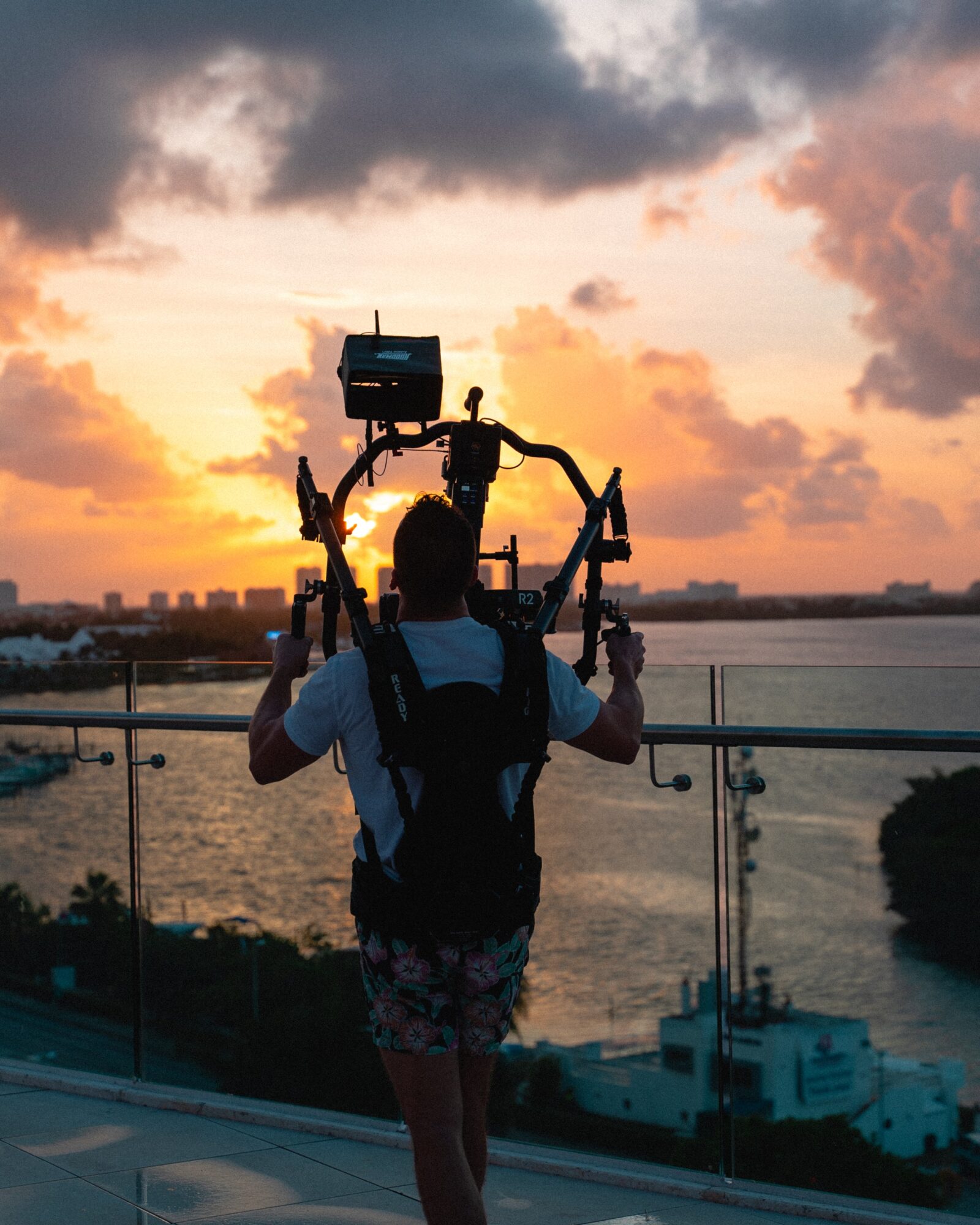
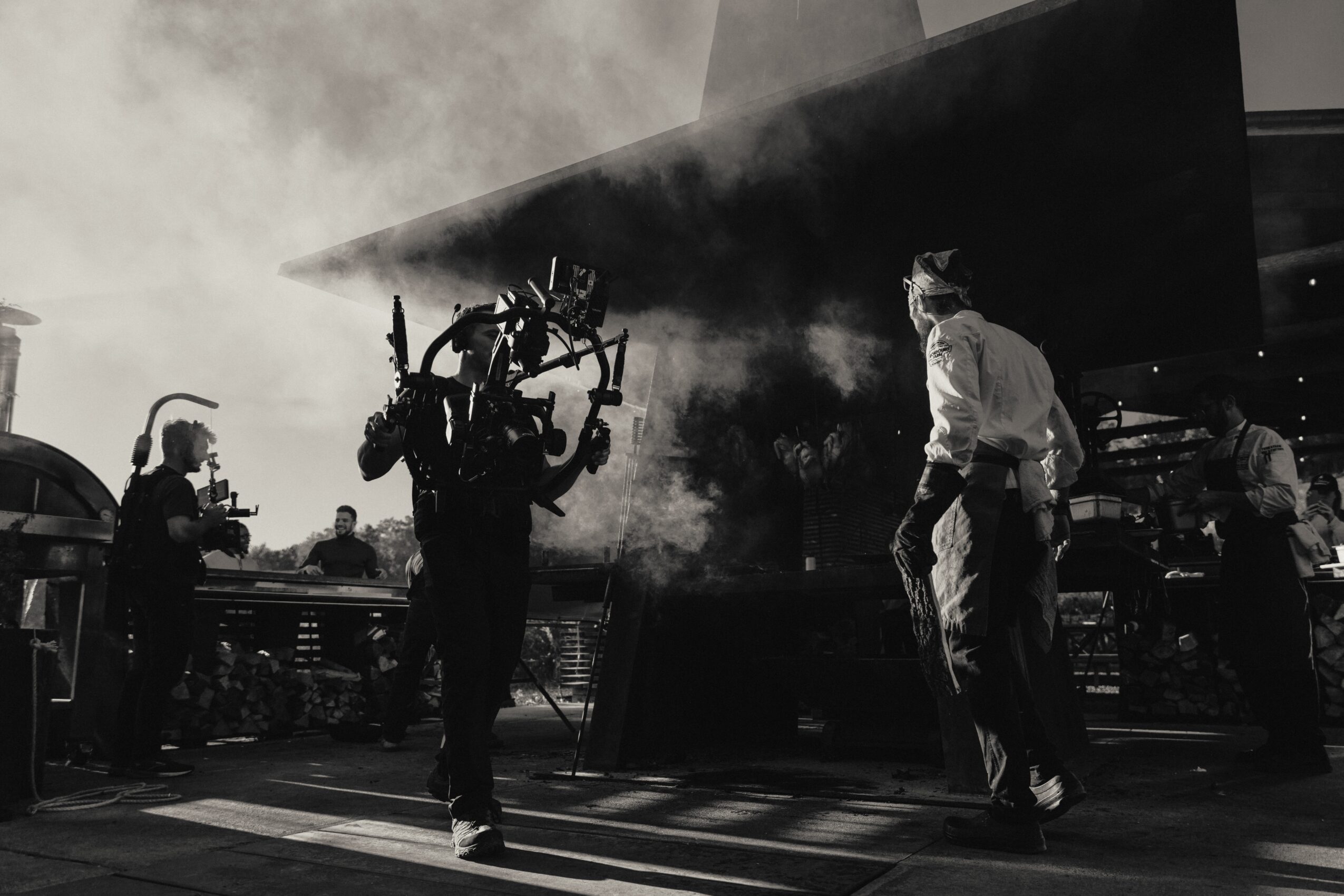
Most of what I do is help shape video work from the creative idea through production and post. At Forge, that can mean a lot of different things: healthcare storytelling, resort campaigns, tourism work, CTV spots, social content, recruitment pieces, or corporate brand films.
I think what makes my approach a little different is that I come from more of a documentary-style mindset. Even when we’re making something polished or campaign-focused, I’m usually looking for the real human thread inside it. Who is this actually about? What’s the feeling we’re trying to create? What’s the moment that makes it feel honest?
A project I’m really proud of is our Emmy award-winning documentary for Main Line Health’s Trauma Care program. It’s a good example of the kind of work I love because it had real substance behind it. We weren’t just showing a hospital or listing capabilities. We were trying to capture the people, the stakes, and the level of commitment behind that team. When a piece like that comes together and feels both polished and emotionally true, that’s the kind of work that makes me proud.
What sets us apart is that we bring that same documentary instinct into projects that might not seem documentary-based on the surface. A resort campaign still needs a human feeling. A corporate piece still needs a point of connection. A healthcare video still needs to feel honest and not overly manufactured. I think we’re good at finding that emotional center and then building a piece that feels intentional around it.
Can you talk to us a bit about the role of luck?
I think luck has played a role, for sure. I’ve been fortunate to have people take chances on me, give me room to grow, and trust me before I probably had everything fully figured out.
A big part of that has been Forge. I’ve been here for 10 years, and I feel lucky that I found a place where I could start more hands-on, grow into leading the video department, and now be a partner. Not every company gives you that kind of runway, so I’m grateful for that.
At the same time, I don’t think luck matters much if you’re not willing to do the work once the door opens. There were definitely moments where the opportunity came with a lot of pressure, or where I had to learn quickly, make mistakes, and figure out how to get better. In that sense, some of the “bad luck” or harder moments were probably just as important as the good luck.
So I’d say luck has opened some doors, but the real growth has come from trying to make the most of those opportunities and not waste the trust people put in me.
Contact Info:
- Website: https://forgeapollo.com
- Instagram: @forgeapollo
- Facebook: https://www.facebook.com/ForgeApollo/
- LinkedIn: https://www.linkedin.com/company/forge-apollo/