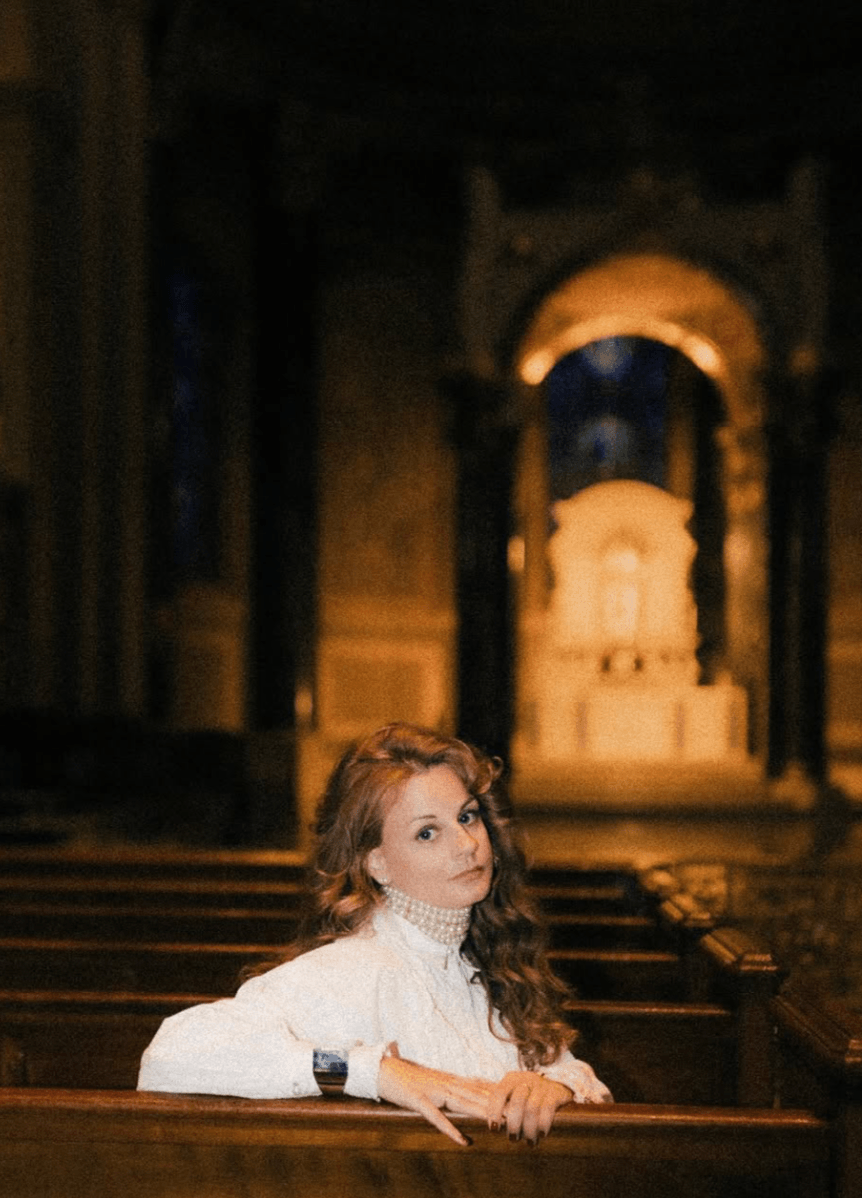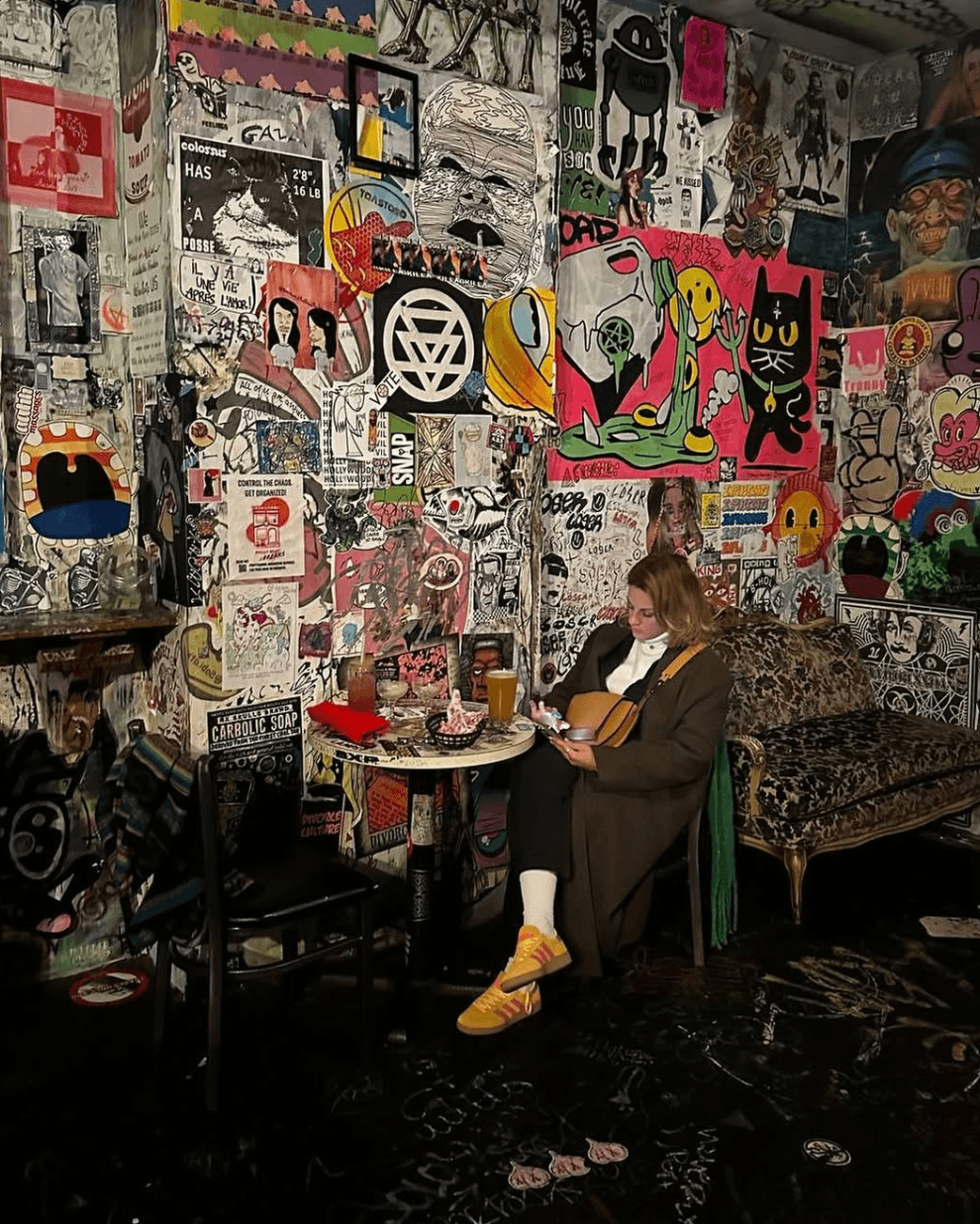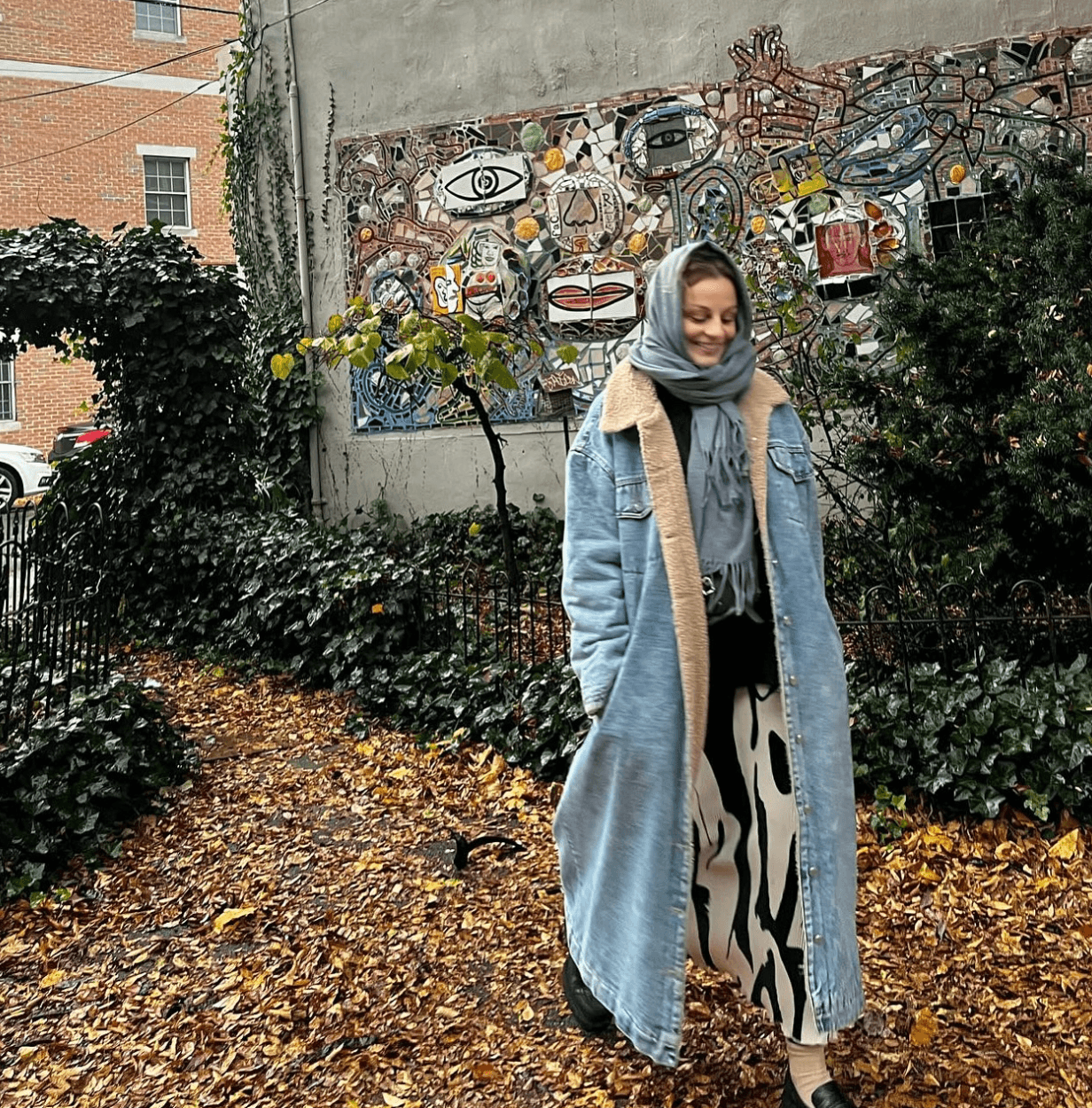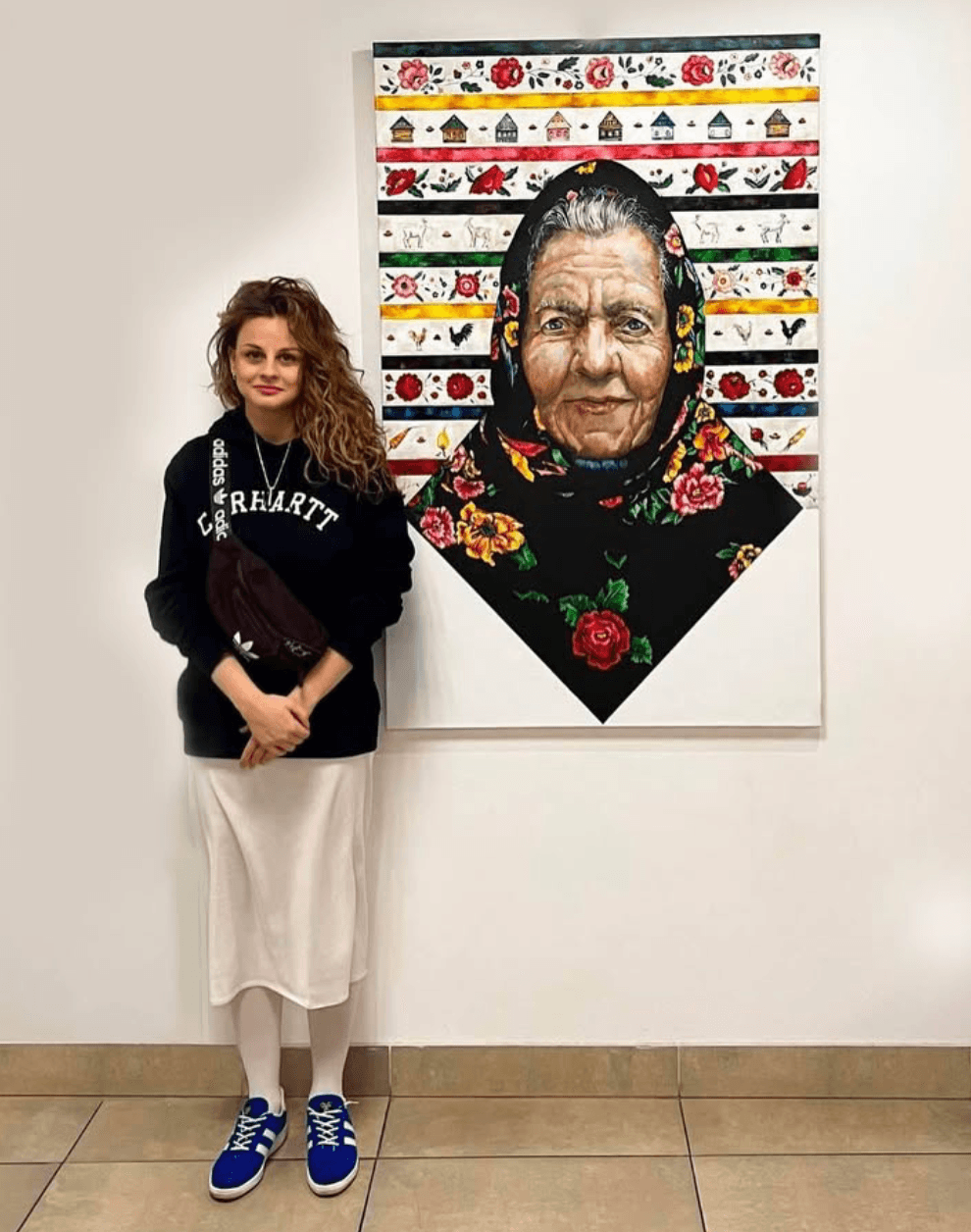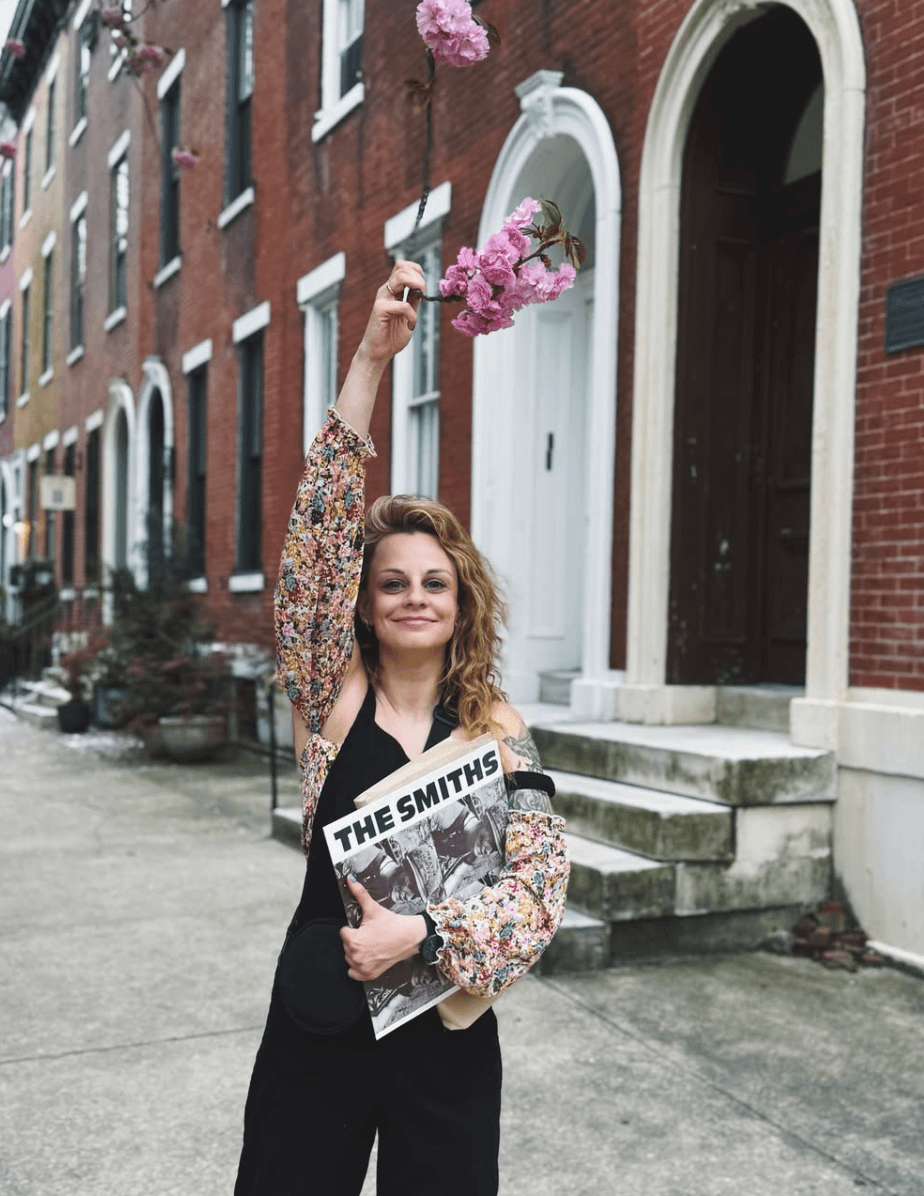



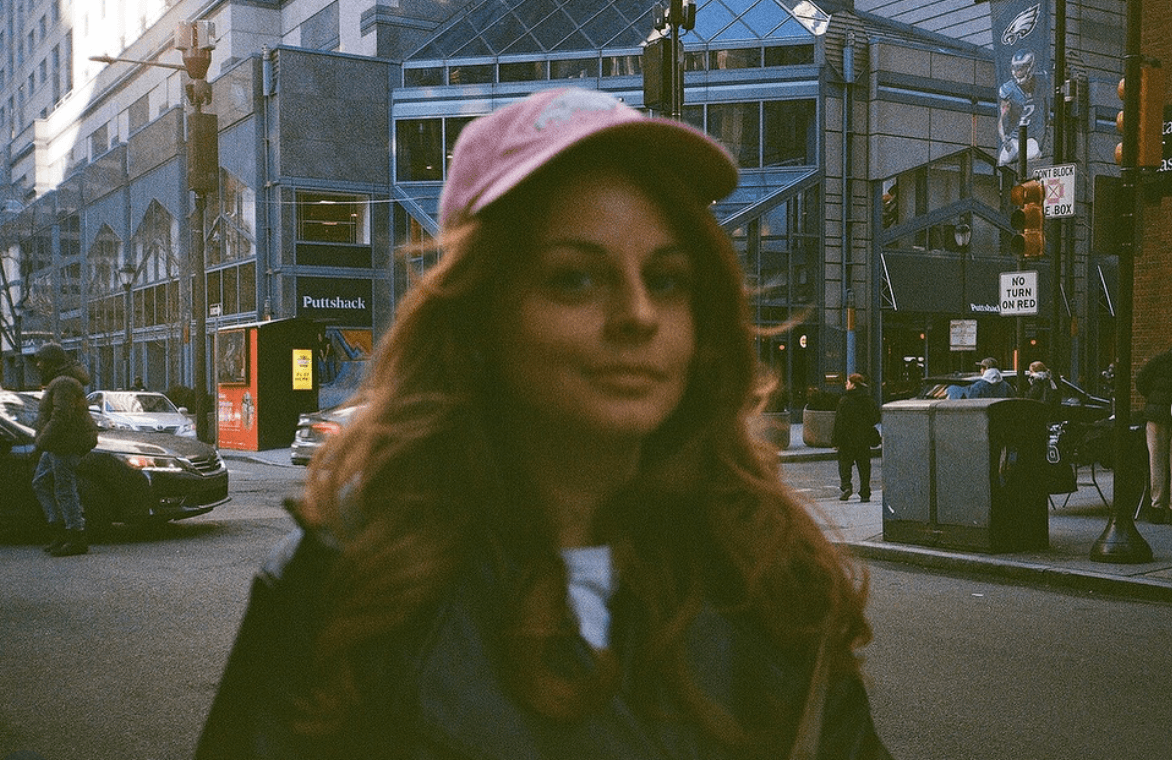
Today we’d like to introduce you to Eugenia Orlova.
Hi Eugenia, so excited to have you with us today. What can you tell us about your story?
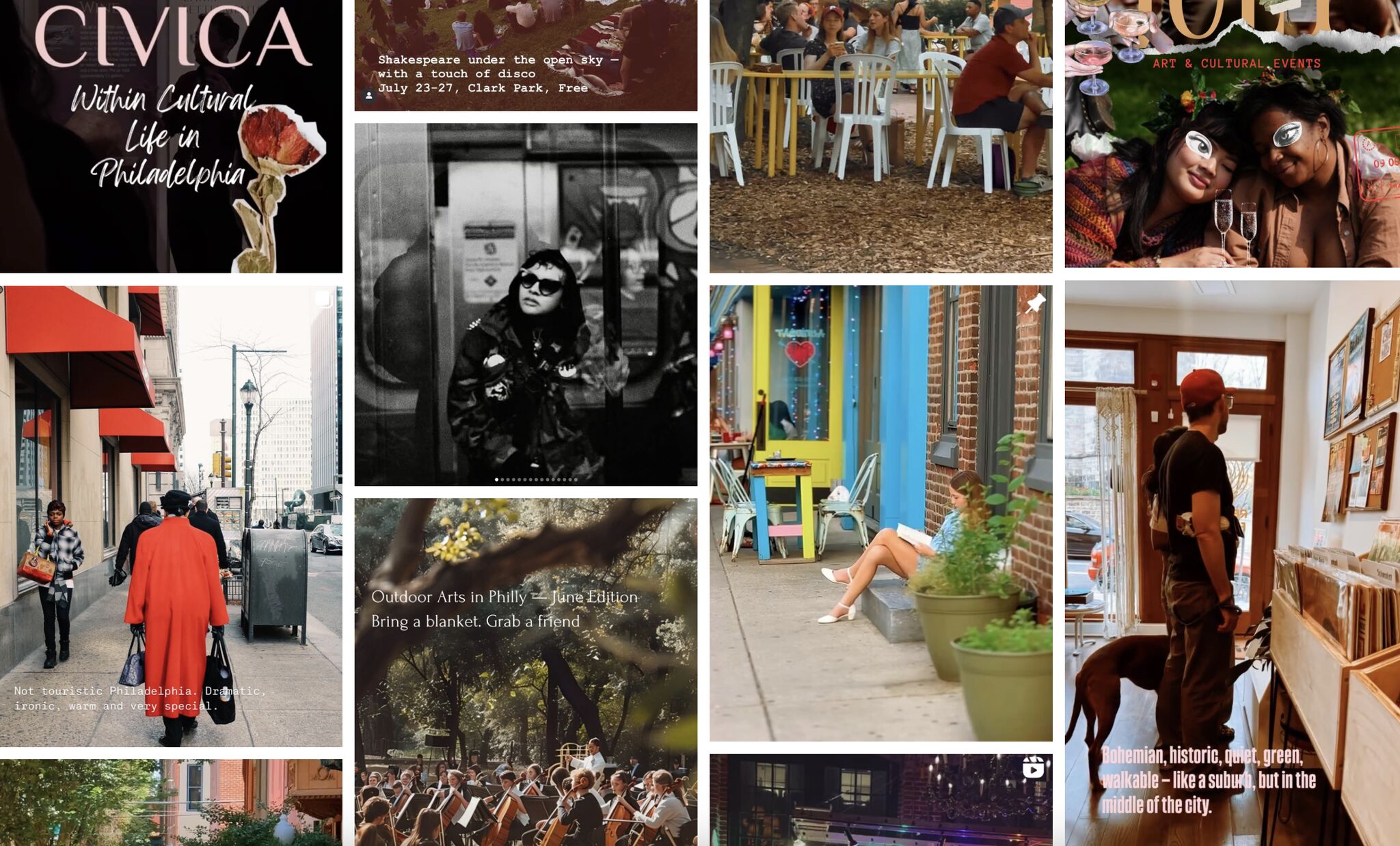
My name is Eugenia Orlova, and I’m the founder of Civicamag.com, an independent online media project about contemporary art and culture in Philadelphia.
I moved to Philadelphia just three years ago, straight from Eastern Europe, from a city called Minsk.
Back in Minsk, I spent most of my life organizing cultural and social projects and events. I owned Creative Marketing/PR agency, in this field, managed a cultural space, and ran a small media project about contemporary culture in Minsk.
Start living in Philadelphia, I wanted to create a resource for people who are interested in more than just popular events like food, sport and pop music concerts. For people who want to discover another side of Philadelphia: contemporary culture, projects somewhere between underground and art, intellectual content, things that make you think, reflect, philosophize, and ask yourself questions.
And I wanted people who don’t live in Philadelphia to see this side of the city and actually want to come here to experience it.
That was exactly how I personally wanted to explore Philadelphia. And I was sure there was a large audience of thoughtful, curious adults looking for the same thing, but not necessarily knowing where to find it.
I started noticing how many hidden places and projects there are in Philadelphia that are honestly mind-blowing, but somehow it feels like almost nobody knows about them. And as someone with a PR background, I felt that Philadelphia had developed a reputation that didn’t really reflect what this city has to offer. And I had a passion to change that.
In Minsk, I had worked a lot with social and cultural, and independent organizations. I know their problems very well. They can do absolutely incredible work, but often they don’t know how to promote themselves, or simply don’t have the resources to do it. But when you bring all these projects together, something interesting happens. They start sharing audiences, supporting each other, becoming more visible as a collective, and eventually having a bigger influence on the city.
That was one of my main ideas behind Civica: to create a digital space where all these projects could exist together, connect, and become more visible. Because, as we know, the whole is greater than the sum of its parts.
I also made a very conscious decision about what kind of content I wanted to create, even though I knew it probably wouldn’t help me grow faster. There would be no r food content, sports, or any propaganda. People can already find plenty of that elsewhere.I wanted to focus on reflections on cultural projects, theater performances, exhibitions, local musicians, stories about artists and creative people, neighborhoods that inspire me, and places where you can meet people who share your interests.
Sometimes I also share my thoughts and reactions to certain events or processes happening in the city. It’s more about philosophy, aesthetics, and relaxed conversations.
I think we live in a world that’s moving way too fast, and that speed often takes away depth and meaning.
I wanted slower and more evergreen content. I never wanted to be the person who breaks the news first. I didn’t want to participate in that race of who posts something before everyone else.I was pretty sure that I’d rather publish something later, but offer a deeper analysis instead of a superficial description. Something that would still be interesting to read or watch even when the event was no longer news.
So I wanted Civica to slow people down a little. To make them sit, think, reflect, and maybe spend some time discussing an idea. My goal isn’t to expose people, judge them, catch someone doing something wrong, or collect gossip and drama.
I just want to reflect, question things, and have discussions. And I actually love a good argument.
Another thing that’s very important to me is showing people the most beautiful things I find. And yes, that’s a conscious choice. There’s already so much ugliness and injustice in the world. But within the concept of my magazine, I wanted to be something like a therapist who helps people notice beauty. I know I could probably get more views if I focused on food, popular events, or trending topics. But that’s not what I want Civica to be.
That’s usually where I start.
Now Civica is two years old. During this time, I’ve worked with around 40 different projects, we have 2000 subscribers, collaborated with several PR agencies and many of Philadelphia’s theaters and galleries, music and film projects, and even built a small team that helps me.
The project keeps growing, and it’s becoming more established. Currently I continue working on growing it and want to implement many huge projects that I see can work in this city and make a great difference.
We all face challenges, but looking back would you describe it as a relatively smooth road?
I came to America as an adult with a lot of experience behind me, but I had to start everything from scratch. I arrived with a little cash in my pocket, zero local friends or connections.
Philadelphia wasn’t even my choice. But I thought, since I ended up here, I needed to get to know this city, love it as much as I could, and build my own world here, where I could finally say, “I’m home.” With my professional approach I made a goal to highlight Philadelphia and find here everything I love: smart cultural people, art, places and joy that don’t destroy you but build and enhance you inside.
And that’s basically how the idea for Civica started.
About a year after moving, once I had settled in a little, I developed the concept for Civica, came up with the name, created the visual identity, and put together some kind of plan.
Of course, starting again wasn’t easy. First of all, I didn’t want to be superficial. I wanted to understand Philadelphia’s cultural scene on a deeper level, and I still had a lot to explore and learn.
I also wasn’t sure that my europien vibe, my vision of the world, or even the way I expressed my thoughts would resonate with people here. I was afraid of being misunderstood or judged. My English was far from perfect, I had no professional connections, and I didn’t have the money or resources to do what I used to do in Minsk.
But I knew that nobody could take away my experience, my curiosity, or my desire to express myself, create, and explore.
Since I didn’t have a team, I built the website myself, grabbed my camera, and just started filming and writing. My power is that I am creative marketer and I can do many things by my hands, I like to learn and I am pretty systematic. So even when my head was full of things like where to live/work/ what yogurt buy in this shop/how to get to this place in this city, I still felt that I can THINK creatively and it is one thing that I need even more than money.
Starting from scratch with very limited resources wasn’t new to me. In Minsk, I started my business in Belarus with two phones — on one I was a PR manager, on the other I was doing sales — and an old student laptop. And I told sometimes that I have a boss , lol, because I was a young woman in a patriarchal world. Eventually, in 7 years I grew that business to a national scale, working with embassies, ministries, and major brands.
So I knew that building something from nothing was possible, even if it took time. Even if no one support you, inspire you and believe that it can work. I am a person who usually inspire others and I am ok with it =)
For the first year I spent most of my free time filming, writing, and creating content, while investing money from my regular job into the project .
And honestly, sometimes it felt like I was putting so much energy into something without knowing if it would ever work.
I remember one evening in December when I was particularly exhausted. I had been sending tons of collaboration emails and getting almost no responses.
I was sitting in the bathtub, feeling pretty down, listening to a podcast about George Orwell’s life, and thinking about how many creative people, just like me, have to work jobs they don’t particularly love just to survive.
That’s when I got the idea to put together a list of 100 famous creative people who had worked ordinary, unglamorous jobs.
I spent a couple of days researching it, posted the list as an Instagram carousel one night without any expectations, and went to sleep.
The next morning, I woke up to hundreds of messages and reposts. The post went viral, getting over a million views, thousands of comments, and hundreds of shares. My audience started growing really fast.
But even at that moment, I knew it didn’t really change the bigger picture. One viral post doesn’t mean you’ve built something sustainable. You just have to keep going, build a system, and stay consistent. Treat it like a sport.
My life has become more stable since then, although impostor syndrome still hasn’t completely left me.
I also realized that many of my early fears about being misunderstood were unnecessary.
Of course, not everyone will understand my approach. And that’s fine.
With Civica, I’m creating my own world where I feel happy, and I invite people who connect with me into it.
And if they feel good here, they stay with me.
I am still working on sanitization and my dream is to do and develop only this project. I have many plans and ideas about it which where implemented by me in my past and I am sure they can make a real difference here.
Can you tell our readers more about what you do and what you think sets you apart from others?
I run O Studio Creative Marketing, a creative agency specializing in marketing, PR, and content production in cultural and social field. My team and I develop marketing and content strategies, organize photo and video shoots, manage social media, create promotional campaigns, organize PR events, and develop special projects and brand collaborations.
One of my in projects is Civicamag.com, an independent digital media platform focused on contemporary art and culture in Philadelphia. Through Civica, we highlight local artists, cultural organizations, and creative initiatives, producing original editorial and visual content, interviews, reviews, and cultural features.
For collaborations and inquiries:
ostudio.org@gmail.com
+1 (267) 621-1227
What quality or characteristic do you feel is most important to your success?
I think creative thinking and consistency are the most important qualities.
As I mentioned before, I don’t wait for someone to inspire me. I inspire others.
I know that life offers you different paths, and if you don’t like any of them, just go and make your own. Even if you’re the first one to take that path and everyone rolls their eyes watching you do it, you just have to keep going. That’s all that’s required of you.
Keep looking for new ways, keep thinking, stay hungry, never get too comfortable. Be hardworking and disciplined. Learn how to create a system out of chaos.
Don’t try to compete with anyone. Instead, look for ways to stand apart and do something different.
And if you want to get rid of competitors and enemies, you can always turn them into your partners!
Contact Info:
- Website: https://o-studio.org
- Instagram: https://www.instagram.com/existential_blog/
- Facebook: https://www.facebook.com/e.orlova.by
- LinkedIn: https://www.linkedin.com/in/evgeniao
- Other: https://civicamag.com