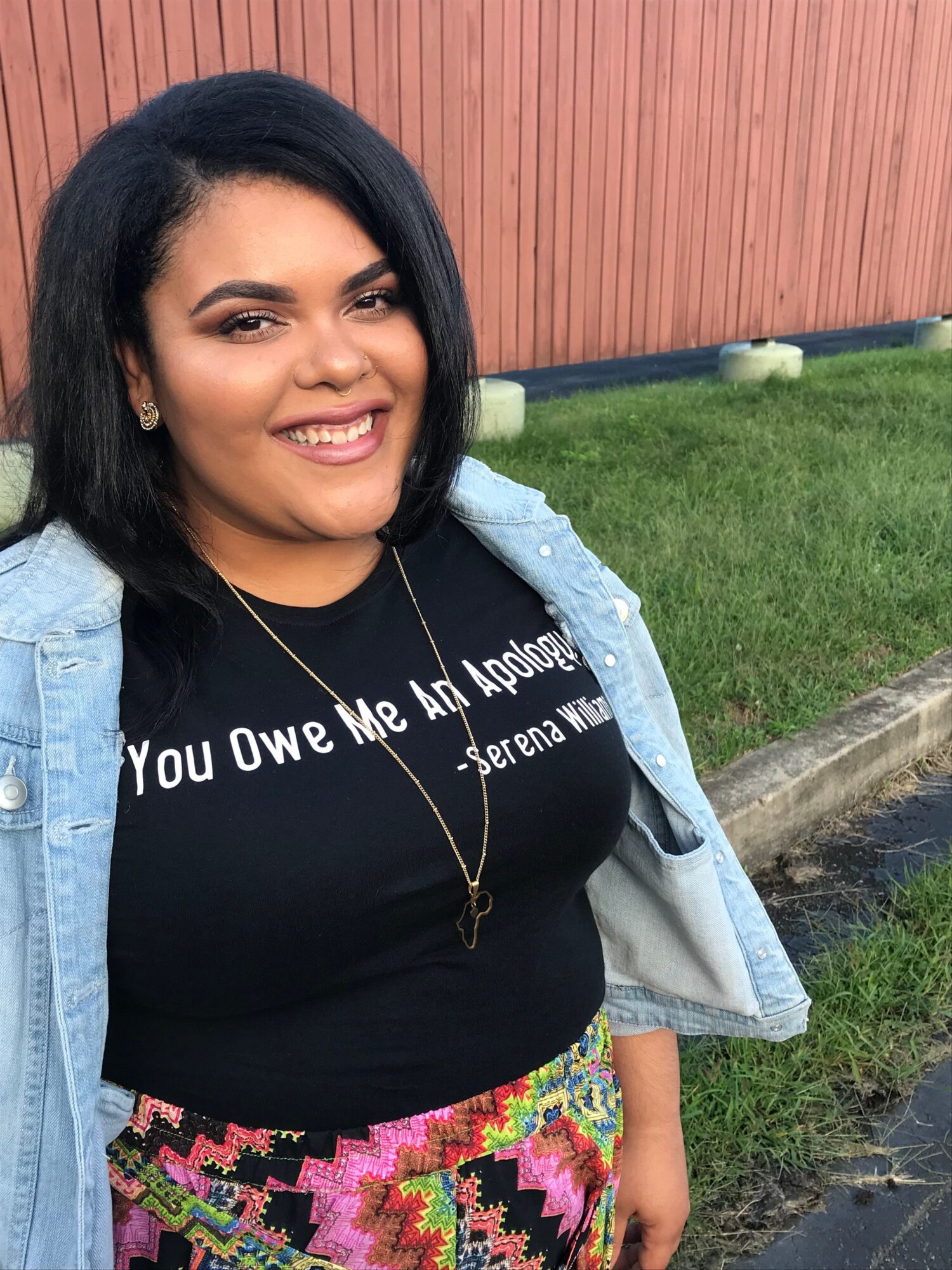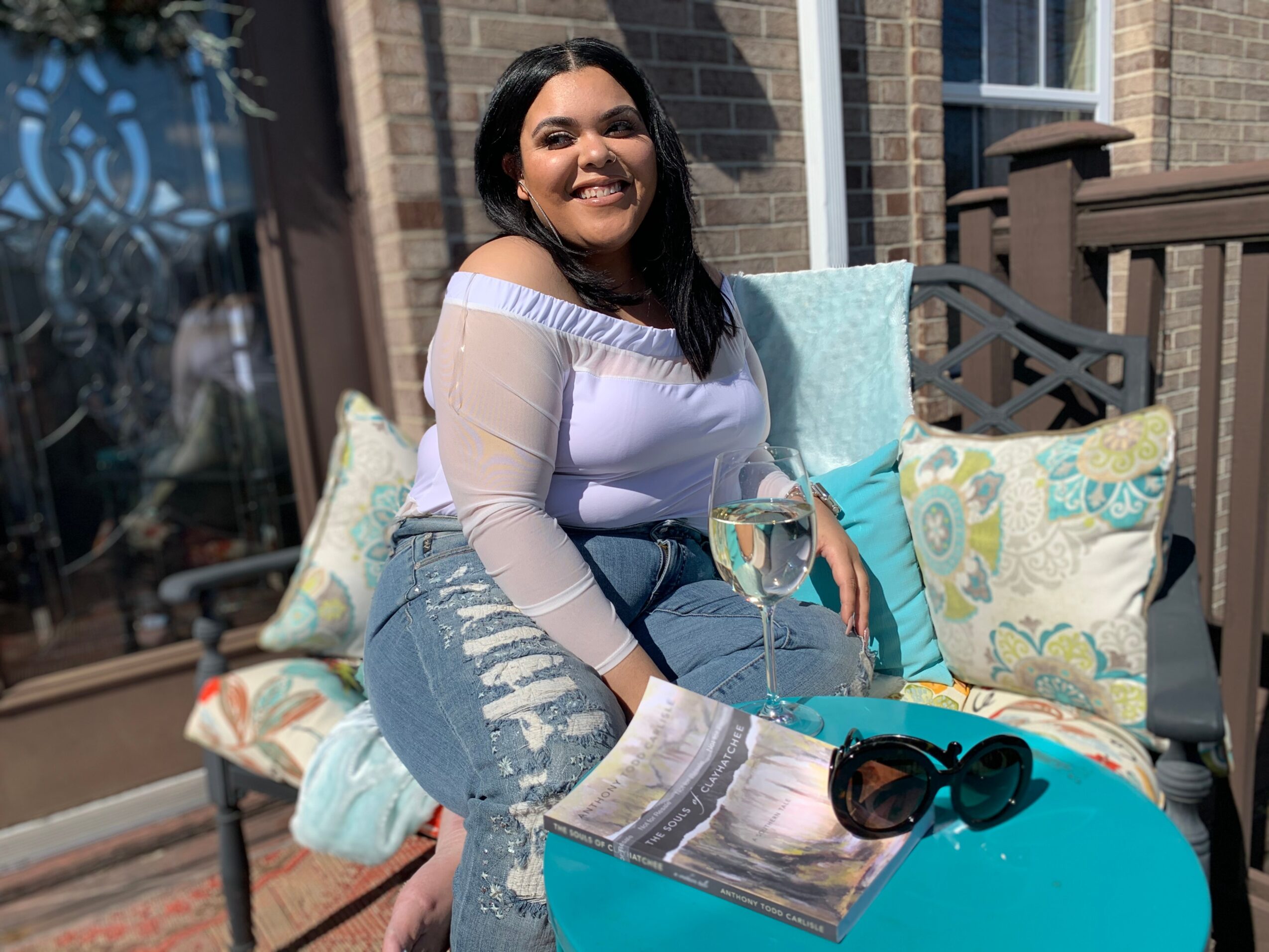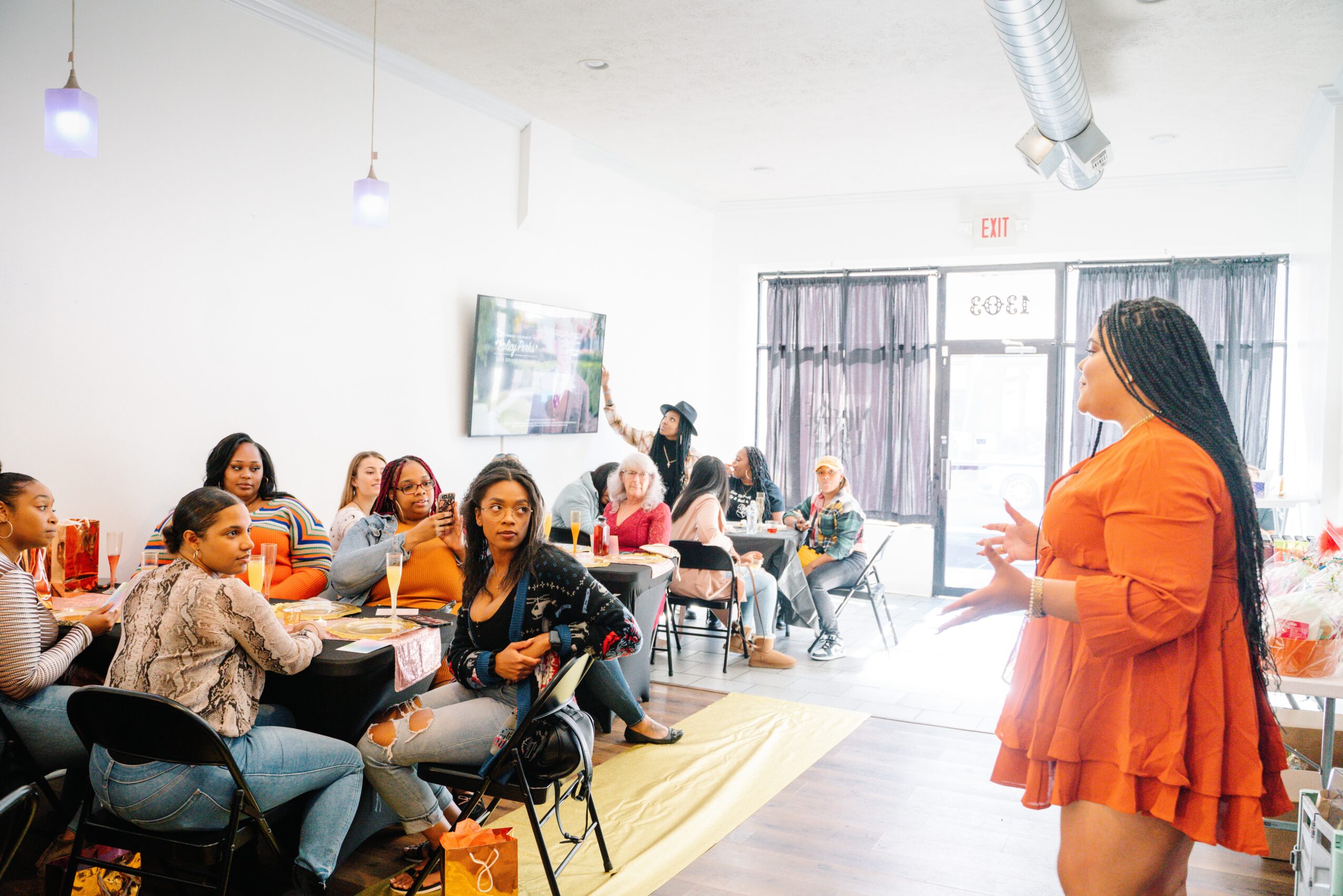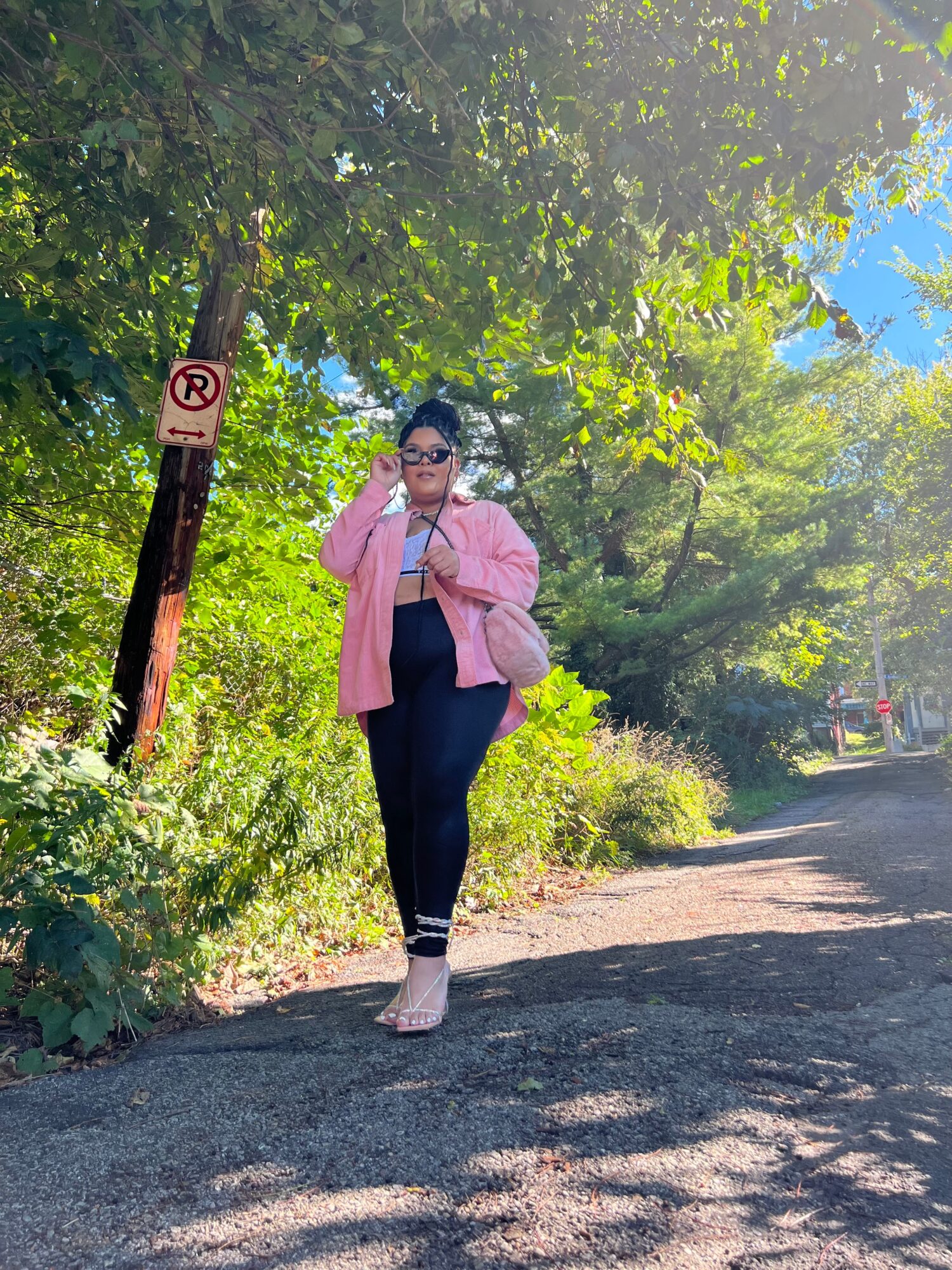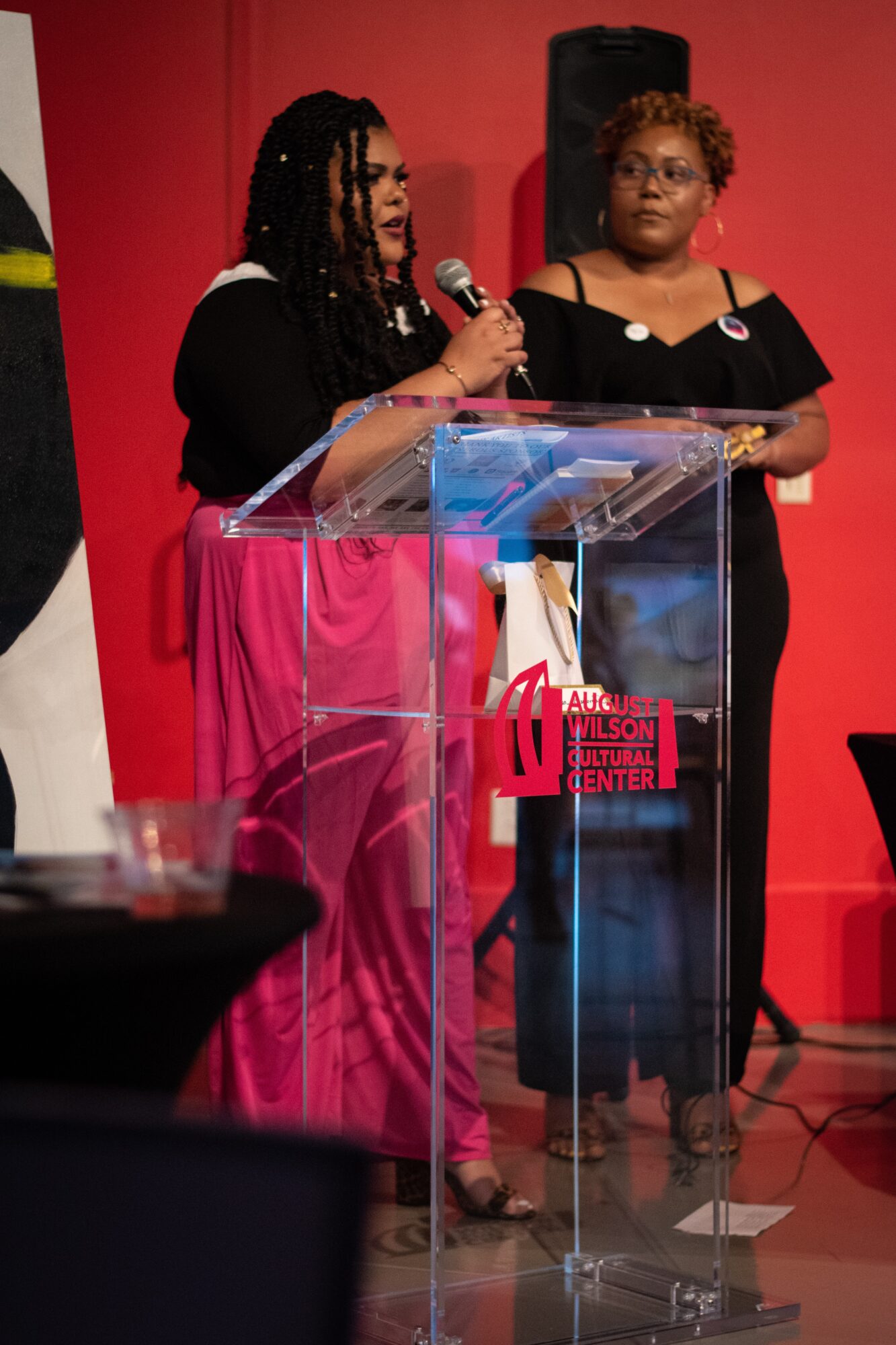



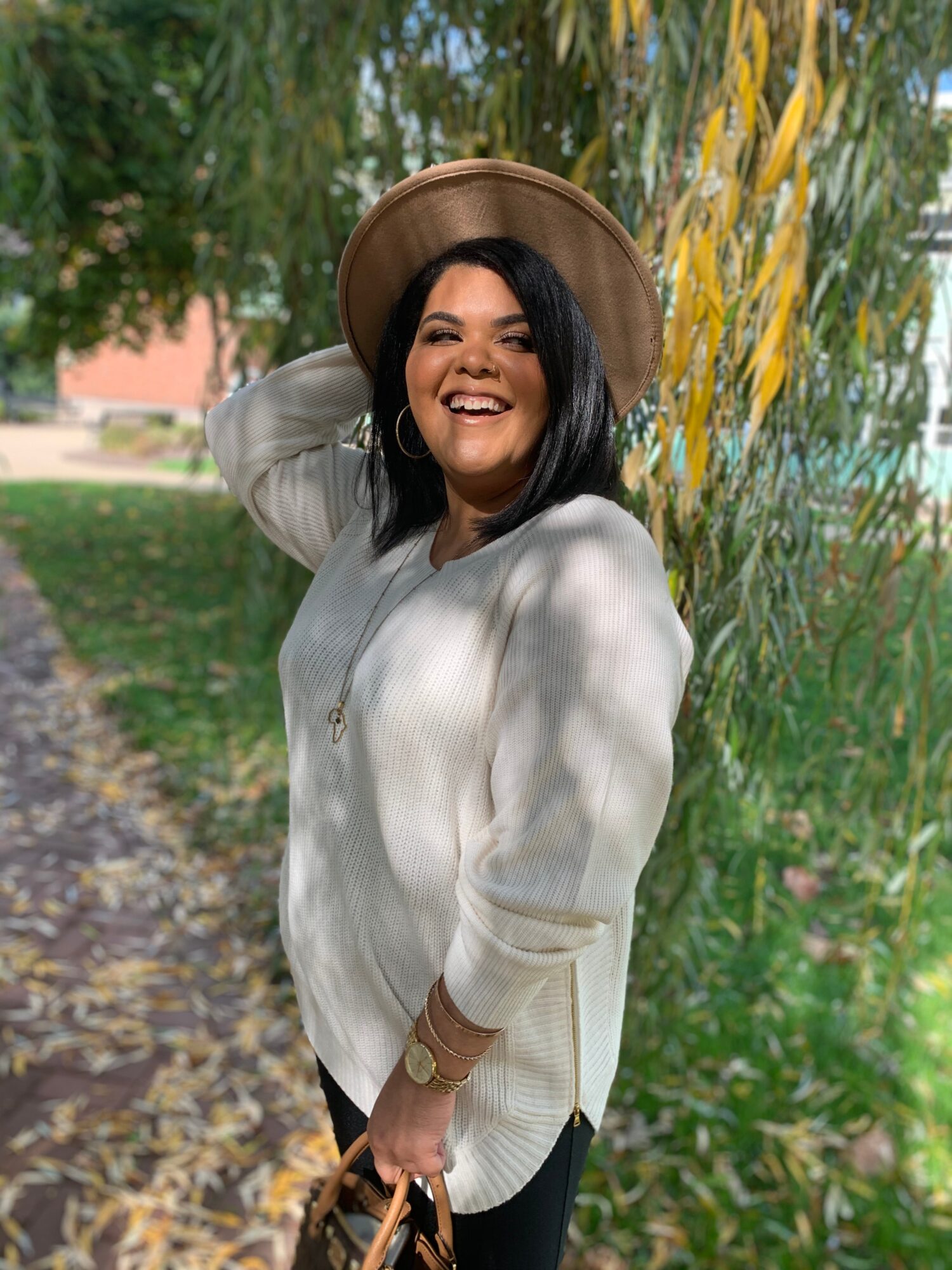
Today we’d like to introduce you to ELLE The Druggg.
Hi ELLE The Druggg, so excited to have you with us today. What can you tell us about your story?
This part of my story really begins in 2018. I had just graduated from college after taking a break from school, and I was ready to take on the world. Graduating felt especially significant because, when I first went to college, I struggled with the sudden change in environment, the workload, and, honestly, the freedom. That freedom led me into situations and spaces that were very different from what I had known, and unfortunately, I experienced a sexual assault that sent me into a spiral and ultimately led me to leave school.
So when I eventually returned and graduated, it represented so much more than earning a degree. I had a renewed sense of confidence and self-esteem that I hadn’t experienced in years. I had survived something that could have completely changed the trajectory of my life, and I was beginning to realize that maybe my story could be useful to someone else.
That realization led me to blogging, which was having a major moment at the time. I started writing about my own journey, my experiences, and the things happening in and around my community. And something unexpected happened: people started connecting with it. They subscribed, shared their own stories, and began having conversations with me about things they hadn’t really had safe spaces to talk about.
For the first time, I could see just how much people—particularly Black women and women of color—needed spaces where they could be honest about their healing without having to have it all figured out.
That became the beginning of my work in self-love.
I became deeply curious about the psychology behind the feelings I was experiencing and the patterns I was seeing in the women around me. I started educating myself about self-love, self-esteem, body confidence, boundaries, and the importance of building a healthy relationship with yourself before trying to build healthy relationships with anyone else.
Eventually, I decided to turn that passion into a profession. I became a certified women’s empowerment coach, specializing in women’s self-esteem and body confidence.
Then came Modern Day Bae, my live-stream podcast exploring self-love and healthy modern-day relationships. We release new episodes every Tuesday, and our audience can join us live, be part of the conversation as it’s happening, or catch the replay on YouTube and wherever they listen to podcasts.
At this point in my journey, the work is really about community. I’m passionate about creating spaces where people can get real-time encouragement, have honest conversations, laugh a little, learn a lot, and remember that they don’t have to abandon themselves in order to love other people well.
Because ultimately, that’s what I’ve learned: healing isn’t just about becoming a better version of yourself. It’s about becoming a safer home for yourself.
Would you say it’s been a smooth road, and if not what are some of the biggest challenges you’ve faced along the way?
Of course, there have been struggles. There always will be. If self-love has taught me anything, it’s that struggle doesn’t disappear just because you learn to love yourself. If anything, self-love humbles you because it teaches you how to move through the hard things without allowing them to define you.
I’ve had some very difficult experiences along the way. As I mentioned, I was sexually assaulted during my first year of college, which ultimately led me to leave school. I’ve experienced heartbreak, moments of feeling inadequate, and seasons where I questioned whether I belonged or even deserved to be in certain rooms. I also spent a lot of time trying to understand how I had gotten to these beliefs about myself in the first place.
And honestly, one of the hardest parts wasn’t just processing what had happened to me. It was confronting what I believed about myself before those experiences ever happened.
I didn’t realize how low my self-esteem actually was. I didn’t realize how much negativity I had internalized or how many messages society had given me about who I was supposed to be—and how deeply I had believed them. I could recognize the pain of what I had experienced, but I also had to get honest about the ways I had learned to see myself.
And I want to be very clear: understanding your mindset is not the same as taking responsibility for someone else’s actions. What happened to me was not my fault. But healing required me to take responsibility for the relationship I had with myself afterward.
That was a completely different kind of work.
I had to learn forgiveness—not just for other people, but for myself. I had to give myself grace for the things I didn’t know, compassion for the woman I was when I was simply trying to survive, and permission to unlearn beliefs that I had mistaken for truth.
I think that’s one of the biggest misconceptions about self-love: people think it’s just about feeling good about yourself. Sometimes self-love is actually being willing to look at the parts of yourself that you’ve neglected, misunderstood, or criticized for years and saying, okay, I see you now. Let’s do this differently.
The struggle may shape you, but it doesn’t get to define you. What matters is how you choose to come back to yourself.
Thanks – so what else should our readers know about your work and what you’re currently focused on?
I work in corporate America, but I’m at my best when I’m helping women stand in their truth, tell their stories, and live out their passions. I’m passionate about creating spaces where women feel seen, supported, and empowered to become more fully themselves.
What sets me apart is the combination of my lived experience, my educational background in communication and women’s empowerment, and my ability to recognize and articulate the patterns that keep people from feeling fully connected to who they are.
My relationship with identity and belonging began at an early age. I was a funny shade of taupe light -skinned, plus-size child with a white grandmother and a neurological disorder. Fitting in never came easily. That sense of belonging wasn’t always something I felt naturally or innately. I had to become intentional about building it within myself.
Because of that experience, I understand what it feels like to feel different, to feel othered, and to question whether there is a place for you in certain spaces. But I also understand that belonging is something we can cultivate. It can begin internally, even before the outside world reflects it back to us.
My academic background in communication and women’s empowerment gave me the language and framework to understand what I had experienced personally. Over time, I learned how to identify the patterns that shape the way women see themselves, the ways they shrink, and the beliefs they may need to unlearn in order to live more authentically. Now, I’m able to help other women recognize those patterns and articulate what they may have struggled to name for themselves.
My lived experience has also given me a deep sense of empathy. I’m able to connect with people in ways that may not always happen organically because I understand that, regardless of someone’s background or walk of life, most people know what it feels like not to belong. Some people experience that feeling more intensely than others, but it is a deeply human experience.
And when someone feels understood in that way, it creates an opening. It allows them to become vulnerable, to share the parts of themselves they may not normally reveal, and to begin telling the truth about what they want, what they’ve survived, and who they are becoming.
That is the work I feel most called to do: helping women move from feeling disconnected from themselves to standing confidently in their truth, owning their stories, and creating lives that reflect their passions.
Is there any advice you’d like to share with our readers who might just be starting out?
Believe in yourself, and keep your promises to yourself, even before you have all the evidence that you should.
When you’re starting out, it’s easy to look around and feel like everyone else has it figured out. You may question whether you’re qualified, whether your voice matters, or whether you’re ready to take up space.
Trust that you’re capable of learning, growing, and becoming the person who can hold the opportunities you’re asking for.
I’d also encourage women to tell the truth—especially their own truth.
One of my favorite quotes comes from a freestyle Childish Gambino did on Sway in the Morning: “Keep telling people the truth, you could be iconic.” That’s really a quote to live by.
In a world constantly selling dreams and showing smoke, tell people the truth. Tell your truth. It stands out because most people don’t.
Your truth doesn’t have to be polished or perfectly packaged. There is power in being honest about what you want, what you’ve experienced, what you believe, and what you’re still becoming. Authenticity creates connection, and people can feel the difference between someone performing and someone speaking from a real place.
And telling the truth doesn’t mean giving everyone access to you. It means being honest with yourself first and allowing your words, choices, and work to reflect that honesty.
Finally, don’t underestimate the value of your lived experience. You don’t need the perfect title, platform, or all the answers before your story can help someone else.
Start where you are. Use what you have. Keep becoming. The world doesn’t need another version of someone else—it needs the clearest, most honest version of you.
Contact Info:
- Website: https://www.Ellethedruggg.com
- Instagram: https://www.instagram.com/elle.thedruggg?igsi=MWNncnE2ZjFmOGZ1&utm_source=qr
- Youtube: https://youtube.com/@elle.thedruggg?si=xodZXgAcIHVbqInK