


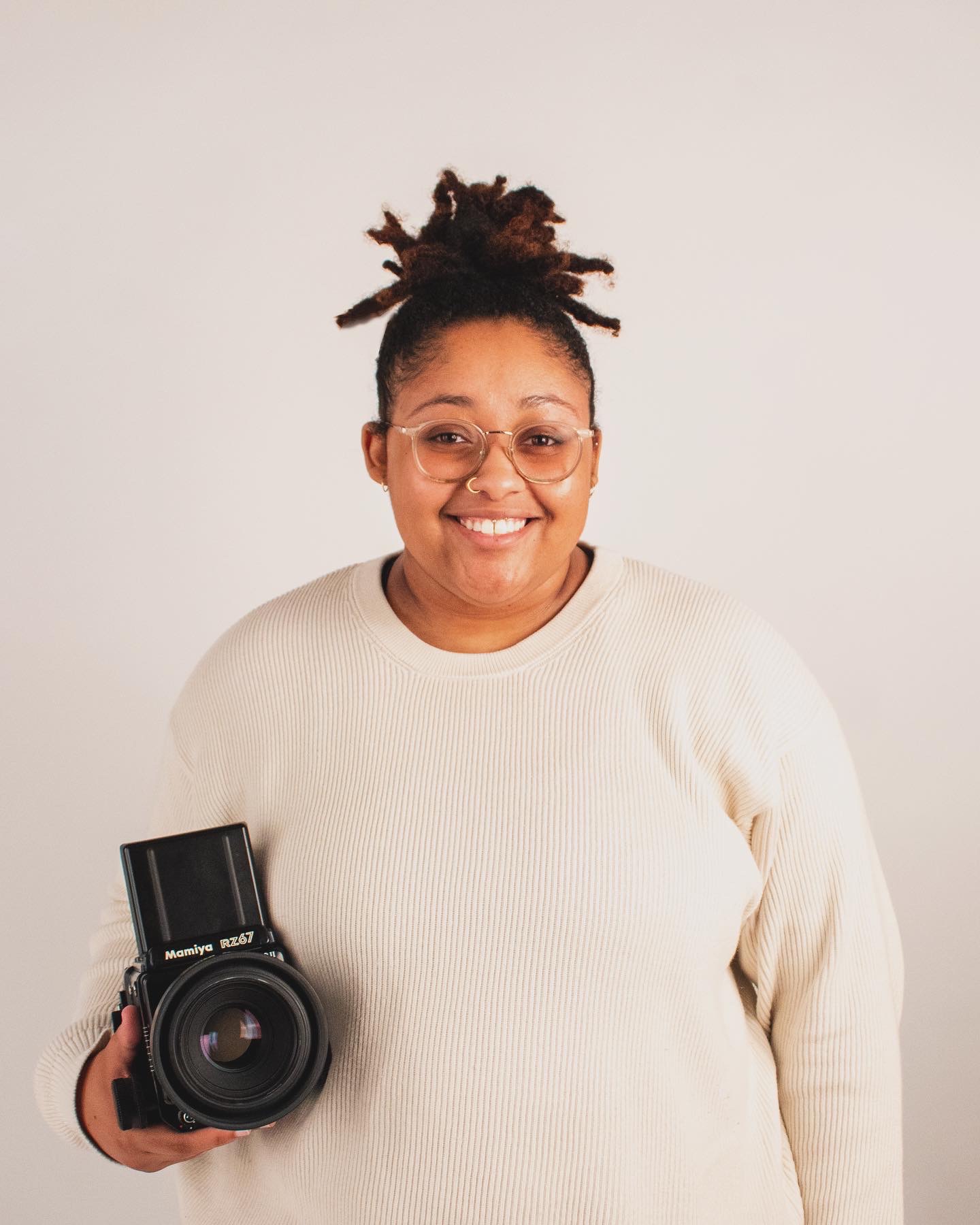
Today we’d like to introduce you to Alexia Eggleston.
Hi Alexia, thanks for joining us today. We’d love for you to start by introducing yourself.
In the spring of my junior year, I picked up a camera for the first time with the intention of making a good photograph. I had no idea that I would later go on to attend art school and eventually work professionally in photography. My journey starts like a lot of other photographers, simply documenting things that you see: flowers, environments, and unidentifiable moments. But I’d really like to believe that my journey started at PCA&D.
Pennsylvania College of Art & Design is a small art school nestled in the heart of downtown Lancaster. It was there, through the guidance of my photo professors and so many others outside of the photo department, that I started to challenge myself as an up-and-coming artist. Like a lot of artists, I experienced a lot of self-doubt in the process of becoming accepted and had many moments where I questioned whether I was even on the level of my peers.
I think the main thing that ended up motivating me was critique. Being a Black queer artist in Pennsylvania, a predominantly white region, was not easy. PCA&D itself was a little bubble, sheltering me from some of the hardships I experienced outside of school. But one place where no one was safe, at least in the photo department, was critique.
Although you could walk out of critique feeling either upset or extremely gratified, it was a process you learned to value. You learn to want feedback from people who know you and love you because it prepares you for feedback from the public, from people who may not know your style, who you are, or the subject matter you are working with.
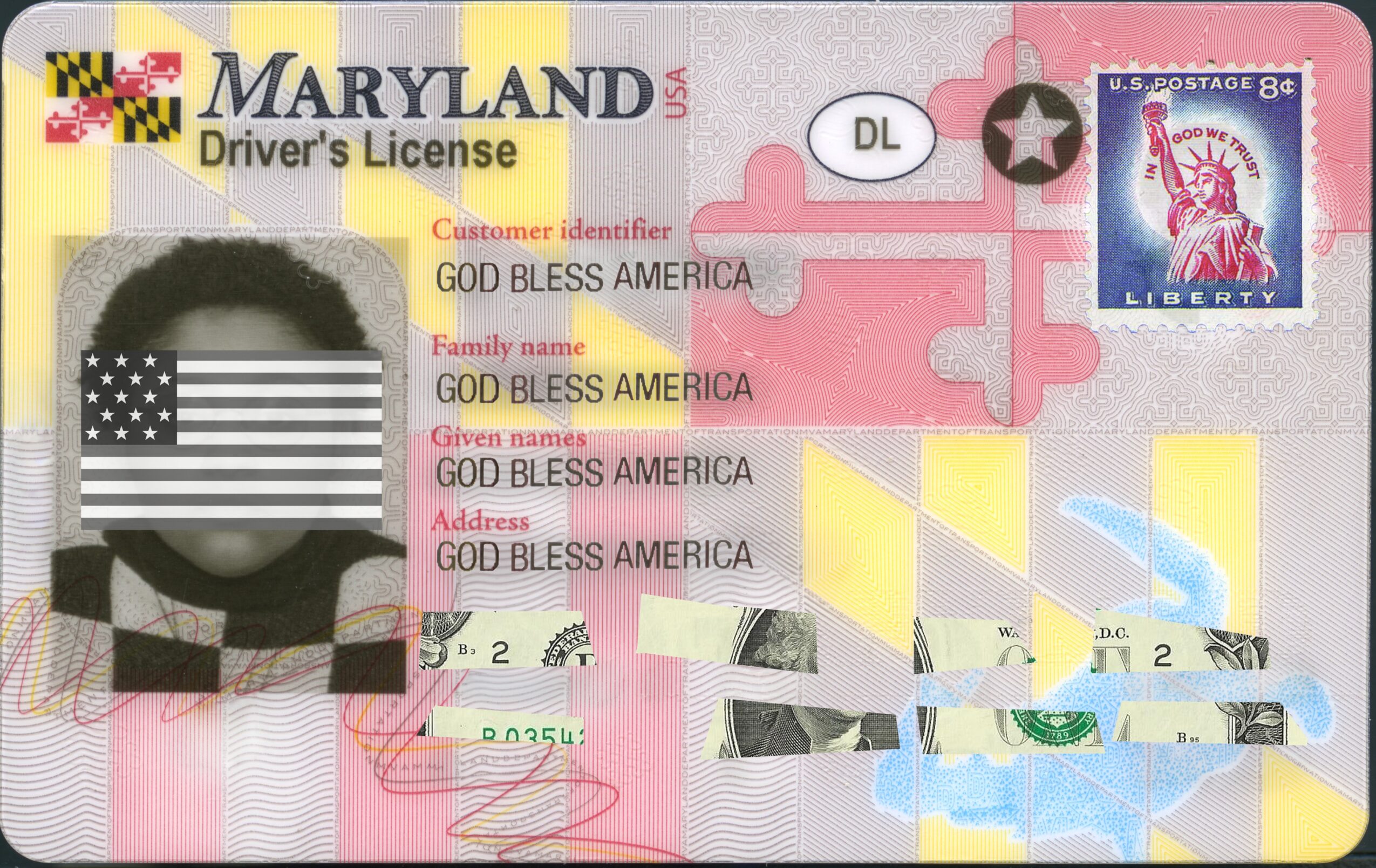
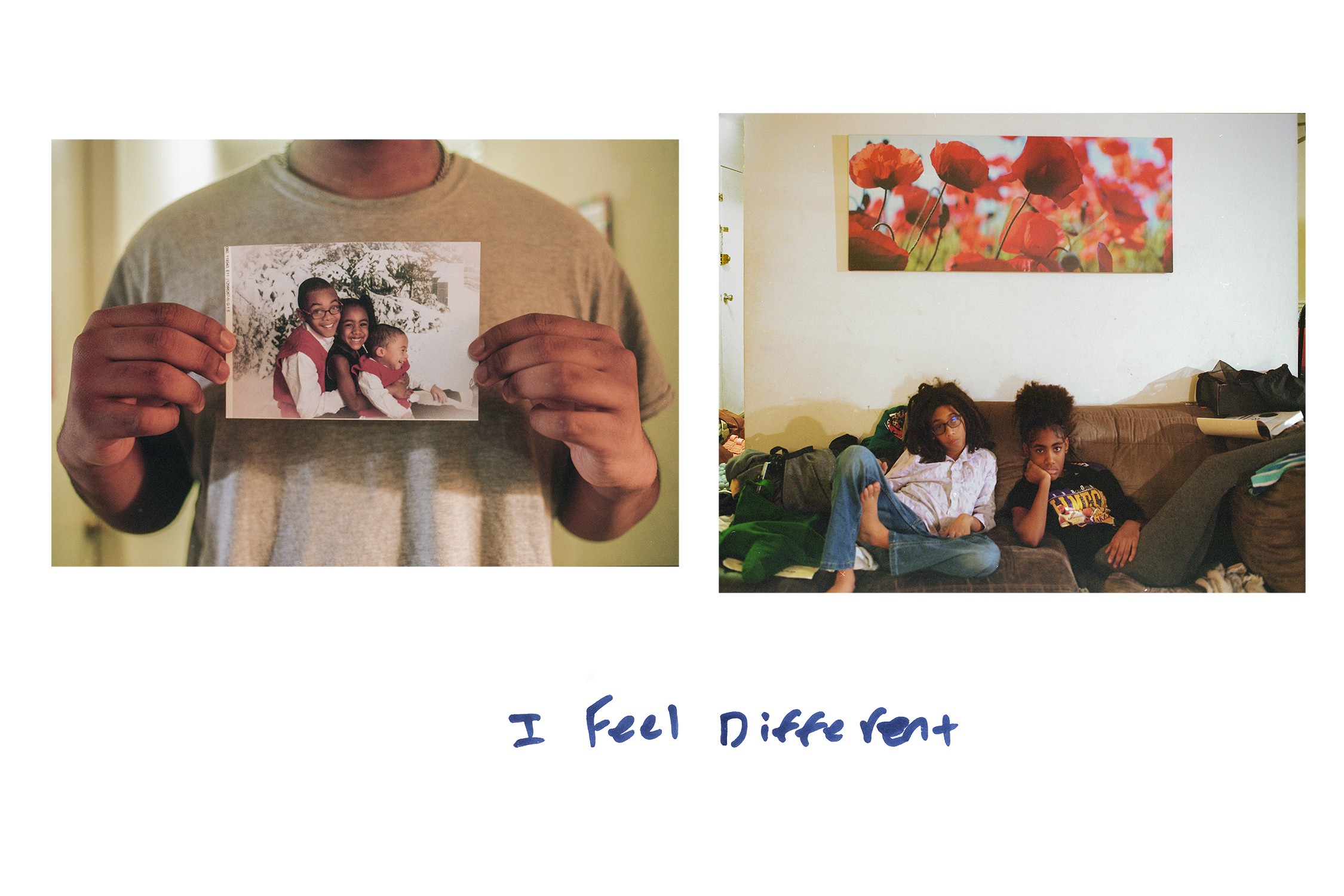
My experiences outside of school also became a major part of how I approached my work. COVID, losing my grandmother after helping care for her through dementia, and experiencing racial profiling as a Black queer person all informed my work. Those struggles made me dig deeper into my own experiences in order to create work that was meaningful not only to me, but potentially to people who felt the same way or were struggling similarly.
I say all this to say that I thrived at PCA&D, and I’m forever grateful for the education I received there. I will always cherish the memories, the people I met, and the things I learned about myself as an artist.
Life as an artist outside of school is something that I am still figuring out, even almost four years after graduating. It took me a long time to find a job, partly because of the job market and partly because I wanted to find more meaning in what I was doing so that my work could inform my art.
Currently, I am a court reporter, more specifically, a digital court reporter and legal videographer. My role is broken into three different parts. As a digital court reporter, I record on different audio devices while logging names, places, and other important information for legal proceedings. I’m also a remote technician, making sure everything is technically sound when proceedings are remote. And, my personal favorite, I’m a videographer, where I get to work with a big camera and record these legal proceedings.
I cannot stress how much I love my job and how much it informs the work I am currently creating. Hearing people’s stories, no matter how sad, angry, or uncomfortable, is something that feels rewarding and continues to give me perspective. So although my art production has slowed down due to settling into my job and other life factors, it has opened my eyes to a whole new world of potential pieces, and that has me excited right now.
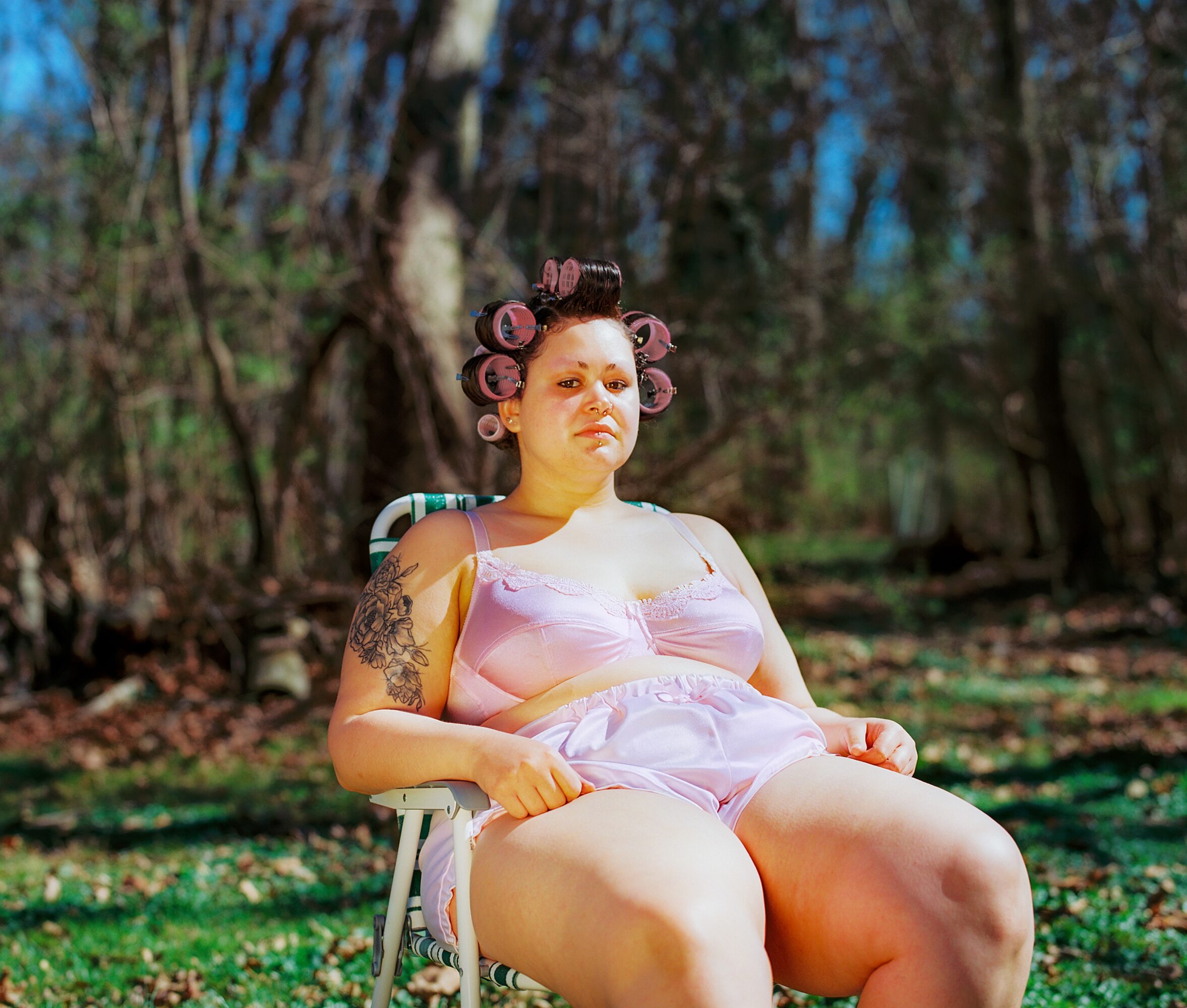
I’m also currently taking my time with a new project titled The Price of Being, a staged self-portrait series exploring the tension between identity and perception. Through constructed characters, costumes, and environments, I’m creating versions of myself shaped by the expectations of others and the pressure to remain understandable, acceptable, or comfortable to those around me. The project is very personal, and I’m allowing myself to take my time with it rather than rushing the process. I’m not sure yet when it will be released, but I’m excited to see where it takes me and how it continues to shape my practice.
I can honestly say that I am so happy with where I am in my life and I can see where I’m going. My art practice may look different than it did when I was in school, but I don’t think that means it has stopped. I’m still observing, still learning, and still finding new things that make me want to create.
Can you talk to us a bit about the challenges and lessons you’ve learned along the way. Looking back would you say it’s been easy or smooth in retrospect?
(You can sort of fill in with my other answer)
COVID, losing my grandmother after helping care for her through dementia, and experiencing racial profiling as a Black queer person all informed my work. Those struggles made me dig deeper into my own experiences in order to create work that was meaningful not only to me, but potentially to people who felt the same way or were struggling similarly.
More currently, my struggles right now are simply life. I don’t always get along with my family. In fact there’s been a bit of estrangement at times. And then sometimes life just gets in the way of productivity as an artist sometimes the bills are more important than buying film. But it’s about finding your way back in the times where you struggle the most that becomes the most important practice and shows discipline
Alright, so let’s switch gears a bit and talk business. What should we know about your work?
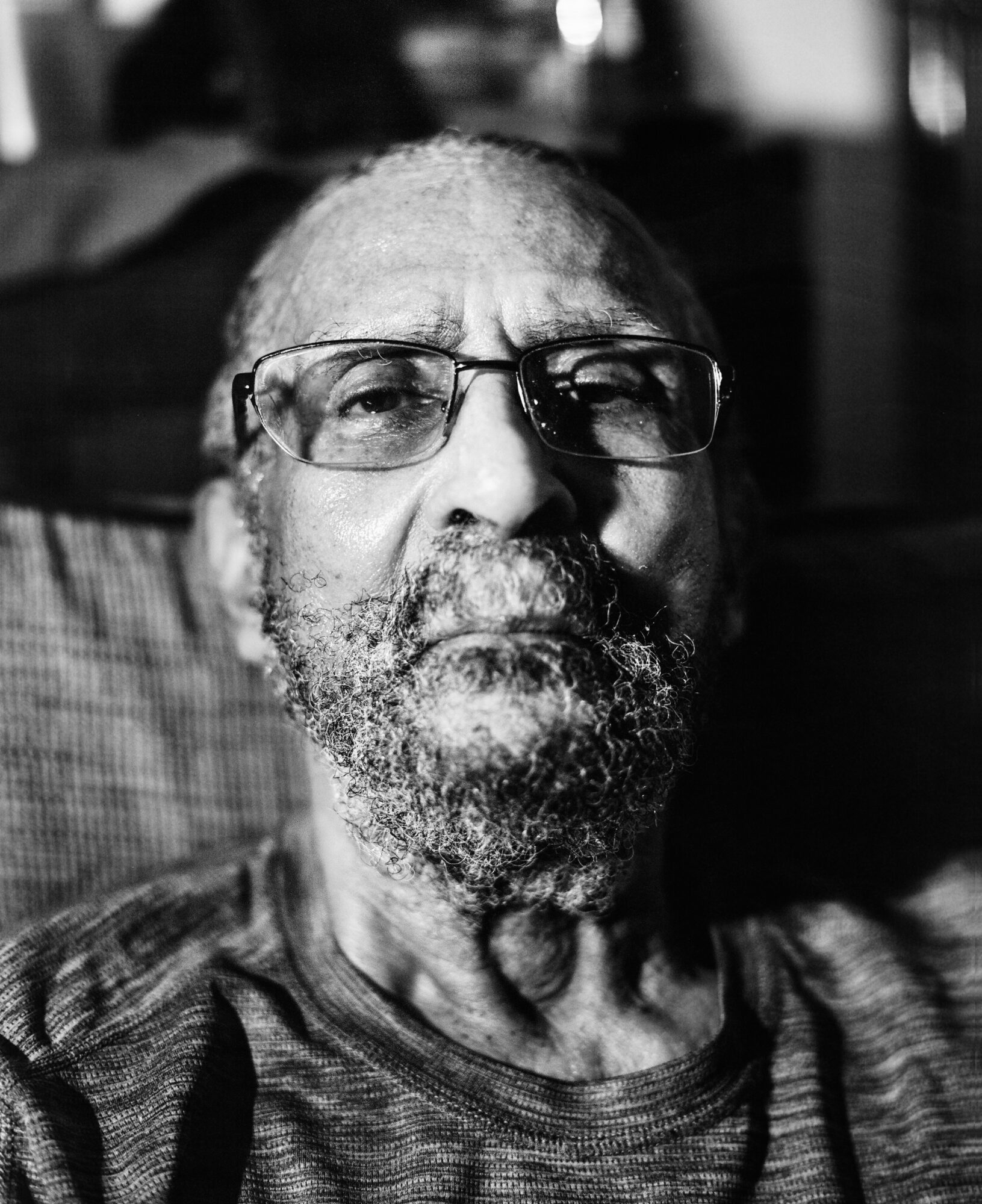
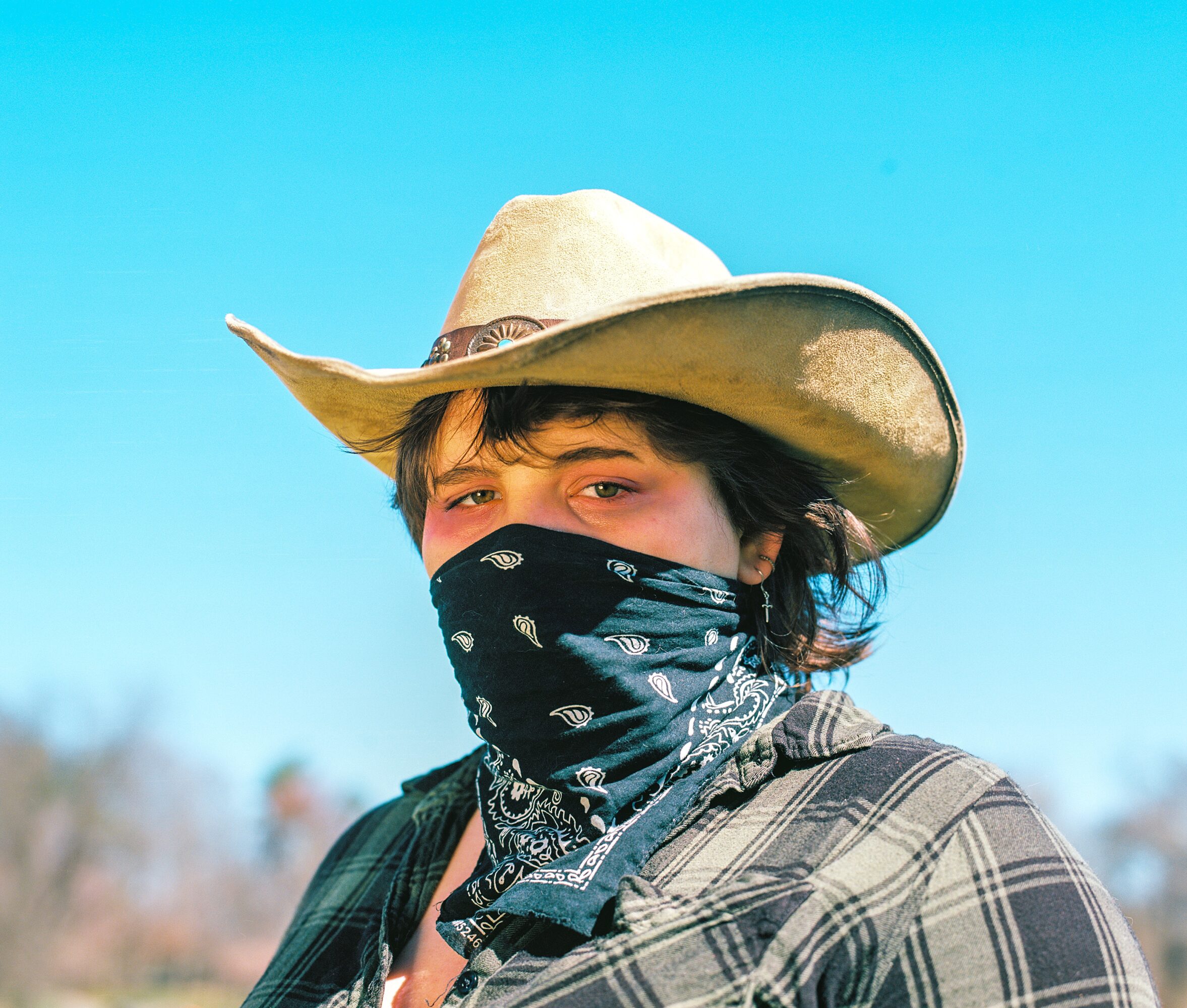
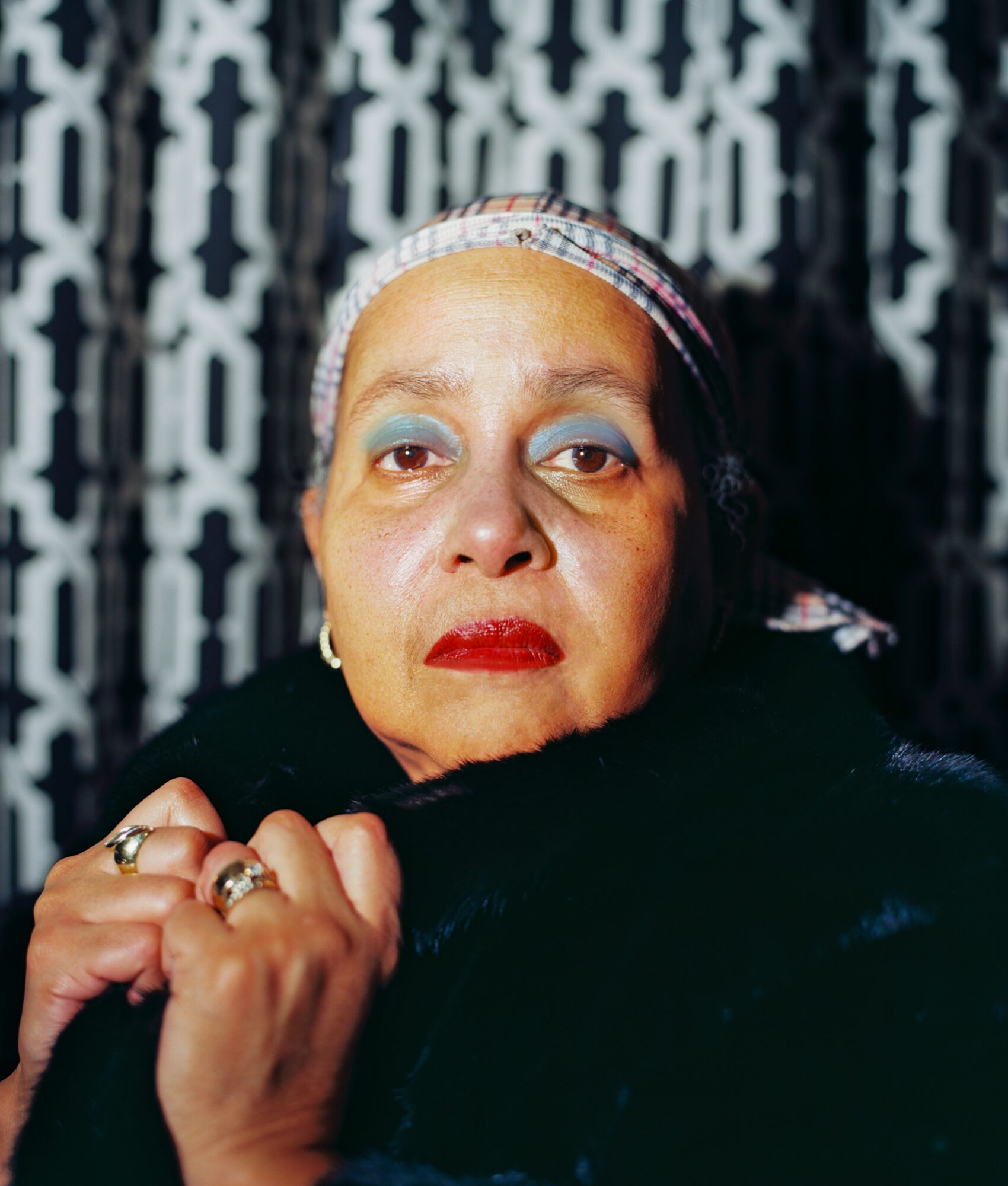
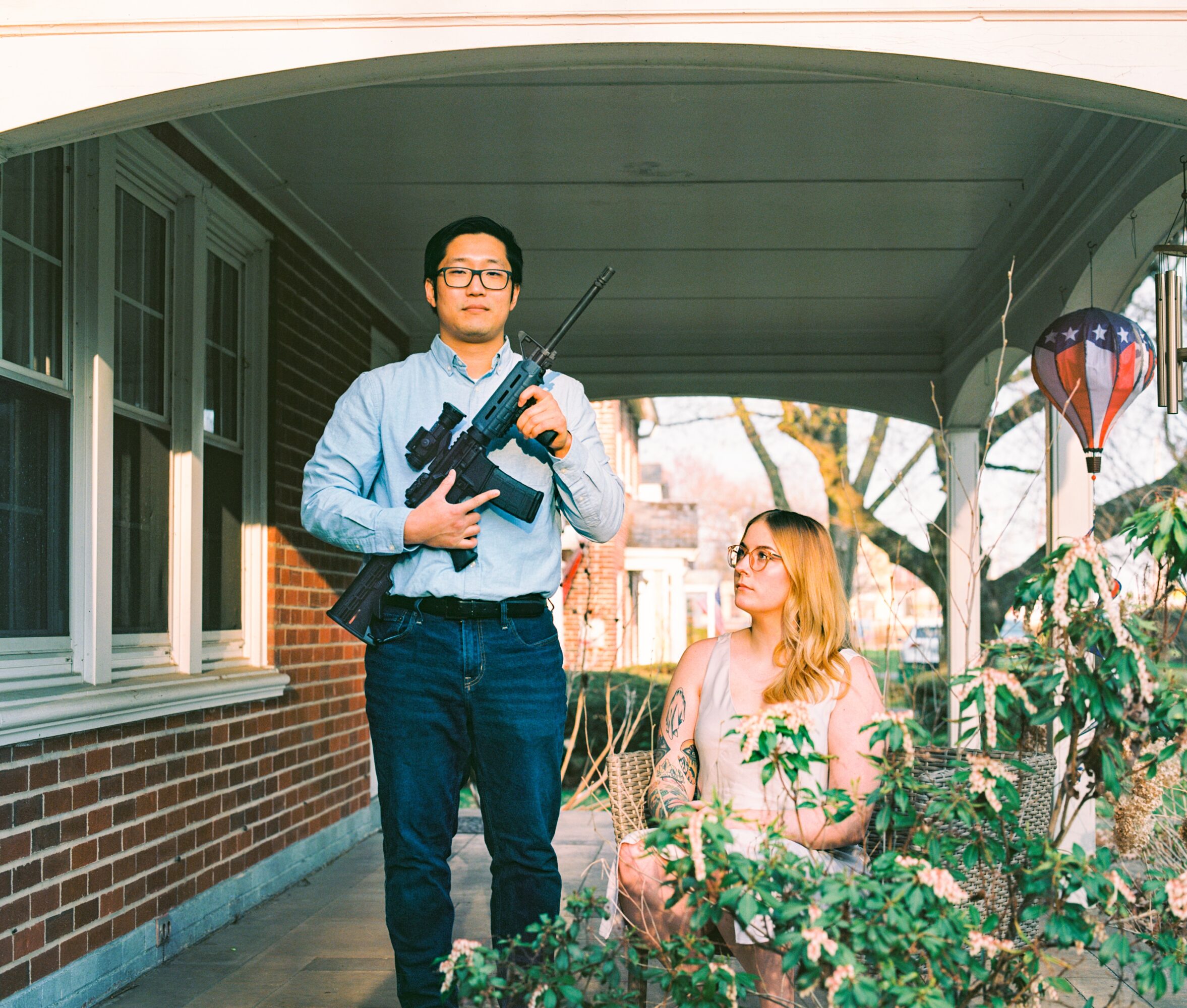
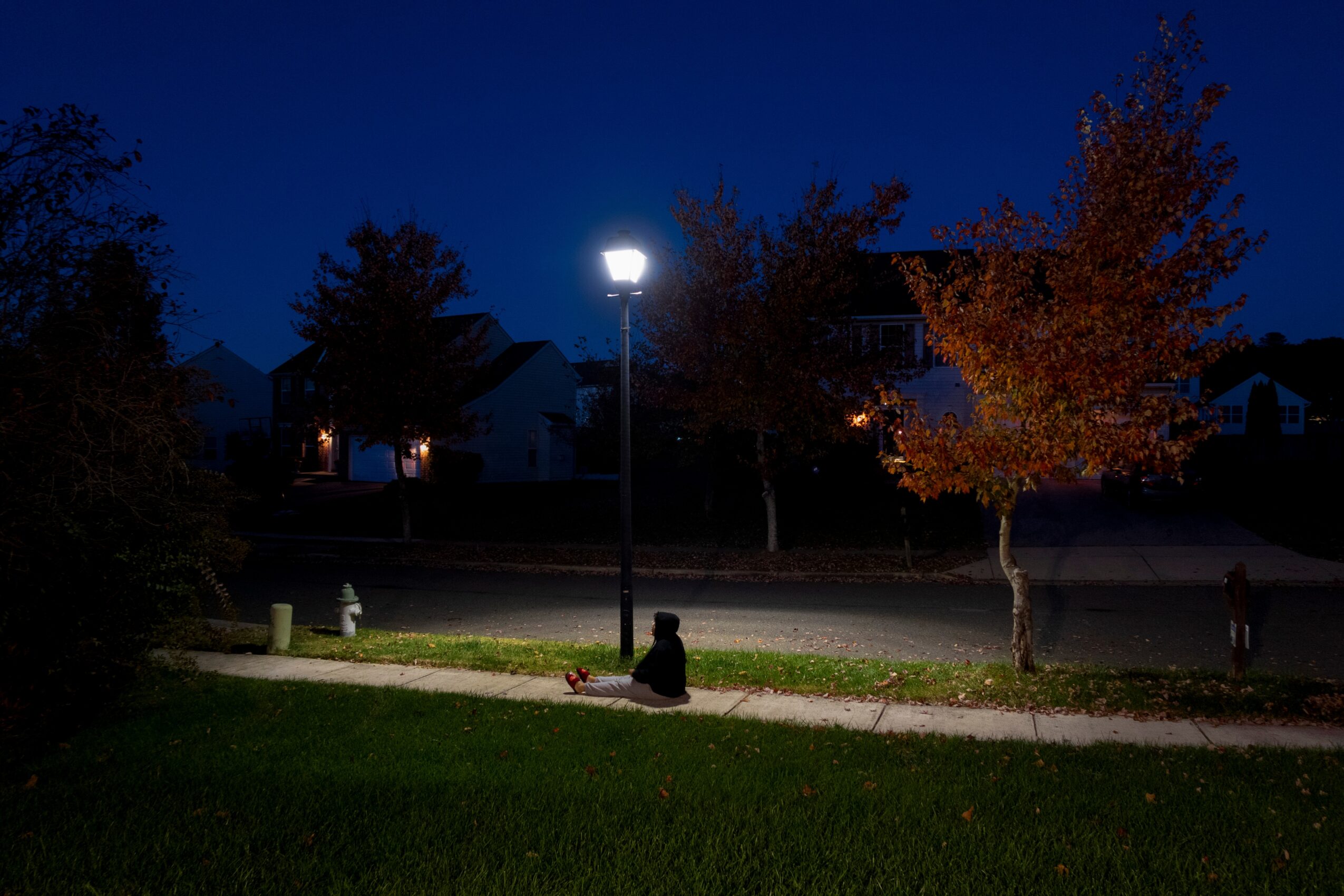
I would say my style is very colorful and sharp. I work with medium format, using Kodak Ektar 100 film and my Mamiya RZ67 camera. So I shoot very selectively and carefully. I am most proud of my latest work and my senior show I think both of those show my progress conceptually and technically as a photographer
Can you talk to us a bit about the role of luck?
Personally, I don’t think luck has much to do with being a good artist. Sometimes I think you’re naturally born with a gift. And on the other hand I think you have to hone in your skill as an artist. I’ve worked very hard to become the artist that I am today and I’m proud of that hard work but I also do think I was always meant to be an artist.
Pricing:
- My Art is not for sale currently
Contact Info:
- Website: https://alexiaeggleston.com
- Instagram: https://www.instagram.com/alexiaegglestonphotos?stkn=d2dnN3B6c3M5dmFo&utm_source=qr
- LinkedIn: https://www.linkedin.com/in/alexiaeggleston?utm_source=share_via&utm_content=profile&utm_medium=member_ios