


Today we’d like to introduce you to Cassandra Prentiss.
Hi Cassandra, so excited to have you on the platform. So before we get into questions about your work-life, maybe you can bring our readers up to speed on your story and how you got to where you are today?
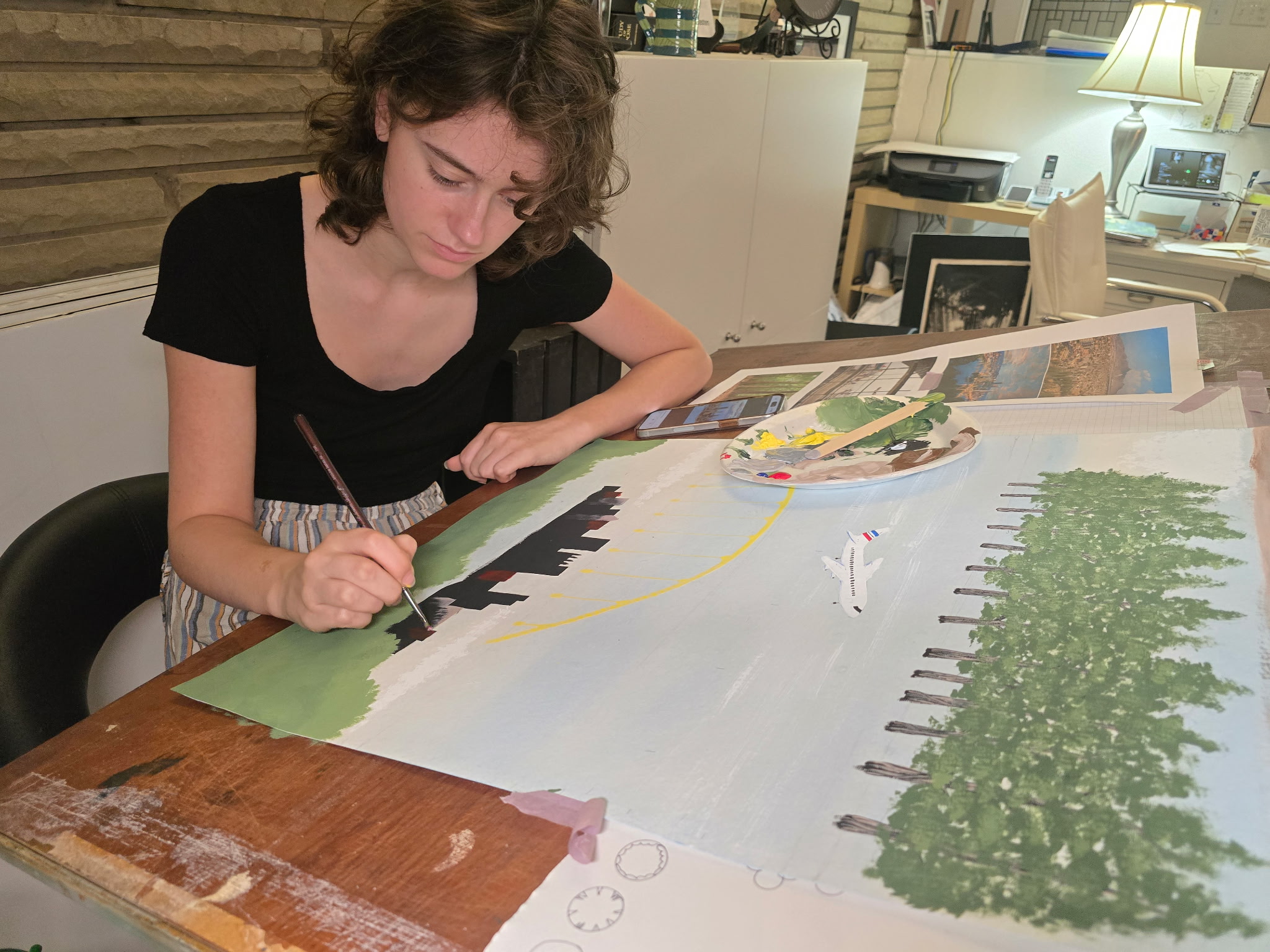
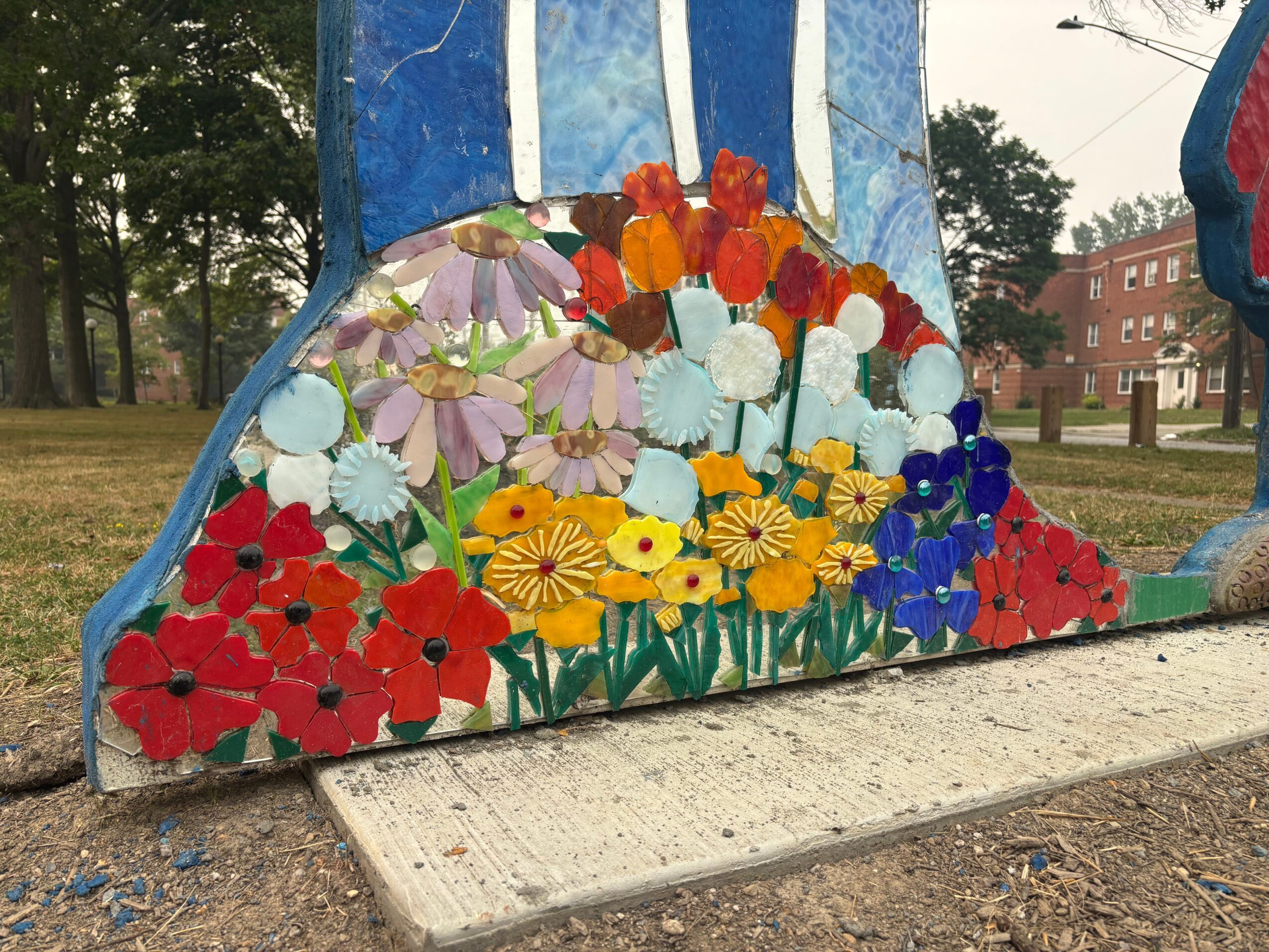
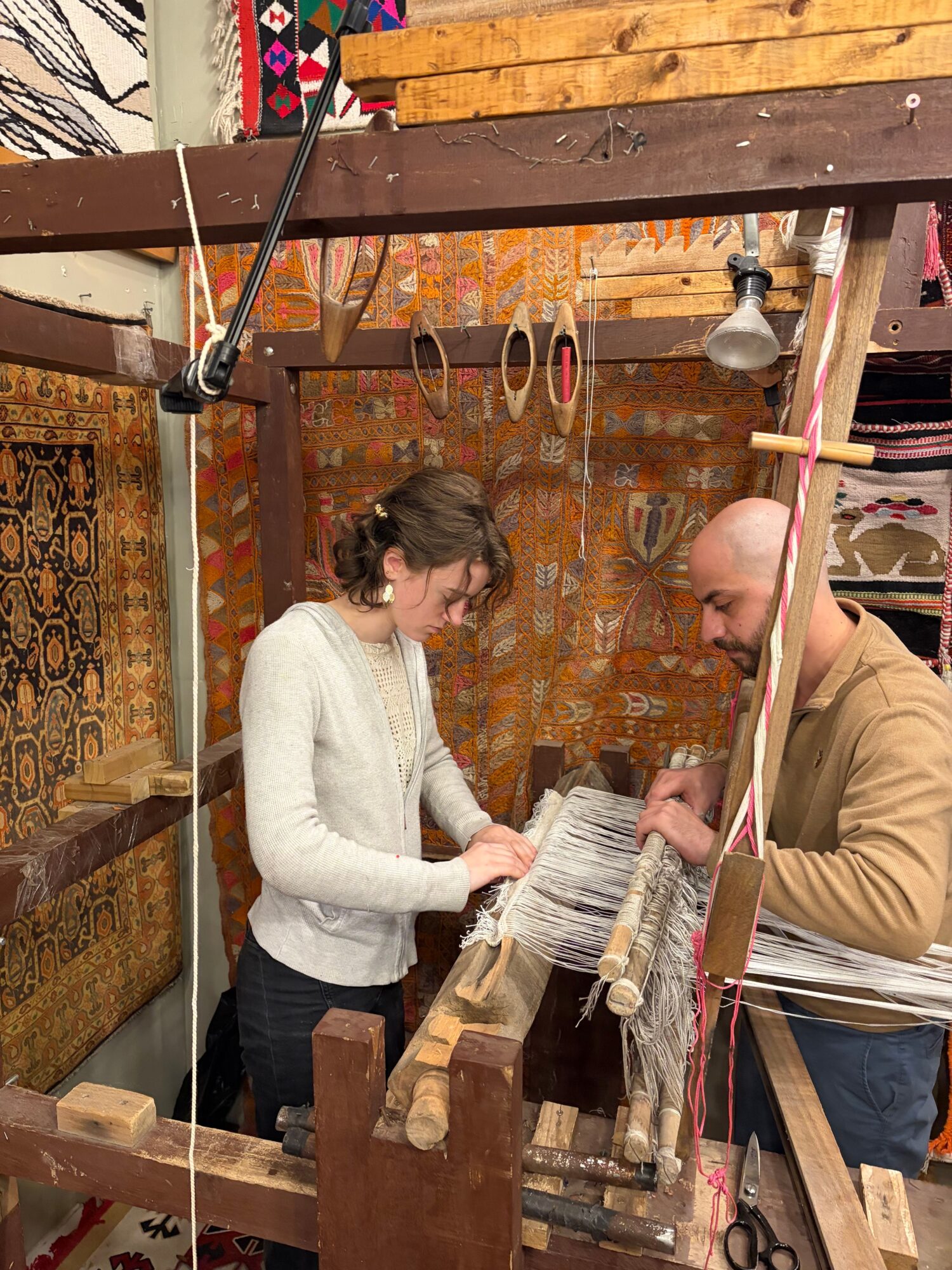
I’ve been an artist and craftsperson for as long as I can remember – I’ve spent all my 21 years on this Earth making things with my hands. When I was 12, I started homeschooling where my day consisted of 2 hours of schoolwork and, much to the chagrin of my teachers, 6 hours of crafting miniature houses. That was my obsession for a while, interspersed with painting, woodcarving, metal etching, ceramics, paper cutting, and every other crafty hobby you could think of. When I started college at the University of Pittsburgh, I lost that free time to create that I always had, and it was like all the imagination was put on pause. I started a few jobs; apprenticing with James Simon, a large-scale public artist; working at a Rainstick production studio; installing an interactive gallery piece for the Carnegie International. Those were good ways to get creative juices out of my system, especially my work with James, which I continue to this day. But I didn’t feel like I was on the right track – I switched majors every semester and in my 2nd year I realized I was working for a degree in a career I already had. I left college and starting working full time. In 2025, I wandered into a rug store in Brooklyn on a trip with friends, and started talking to the owner. He was a Syrian master weaver named Mahmoud Ksoyaem, whose family had been weaving for 4 generations. He asked me if I wanted to try his loom – I said “heck yeah!”. That started my new passion – weaving. I started my own business in April of 2026, making custom woven tapestries and bags, as well as taking commissions for all sorts of projects – from a public art mosaic of my own to a beaded curtain with handmade beads.
We all face challenges, but looking back would you describe it as a relatively smooth road?
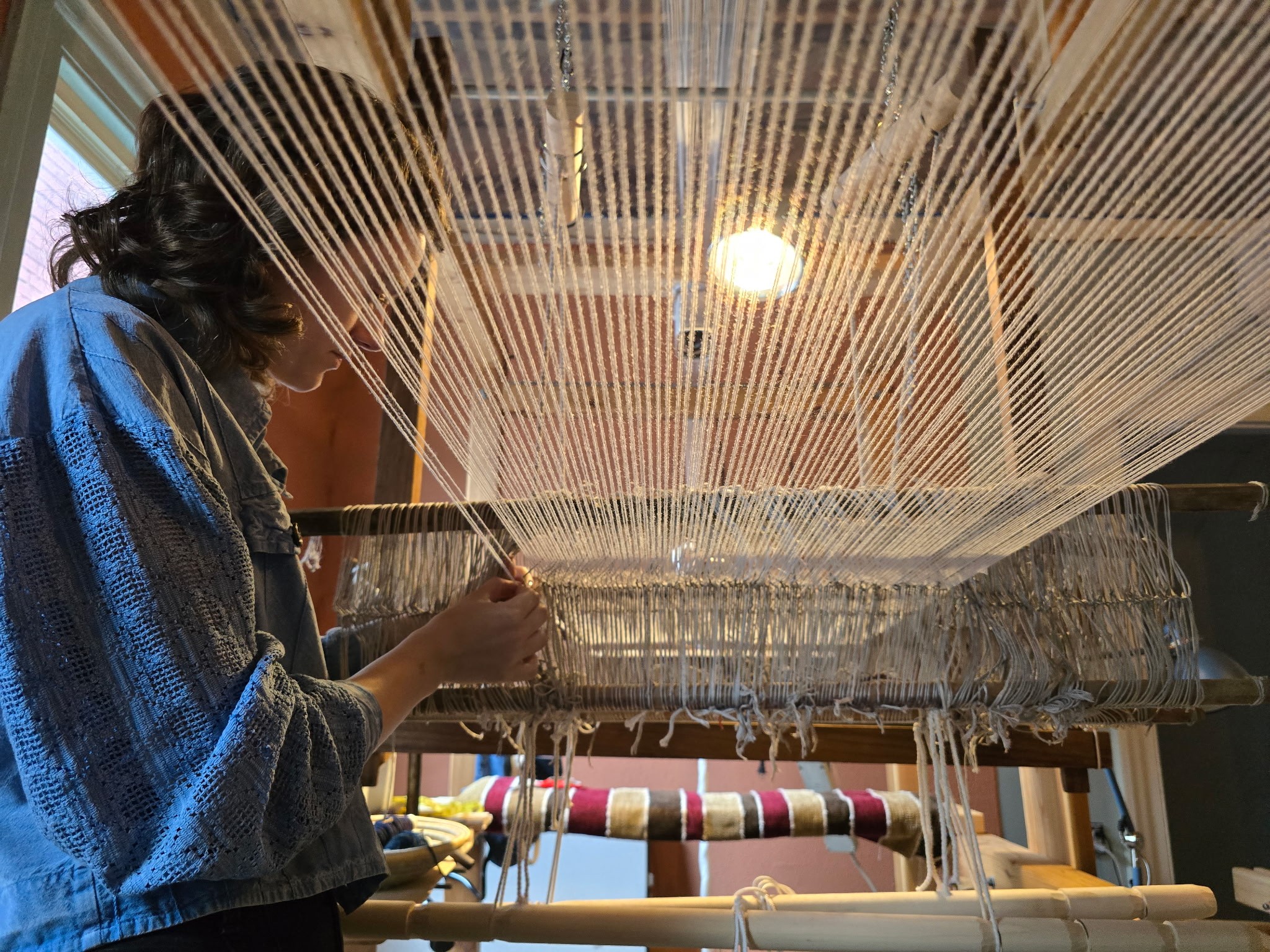
I wouldn’t say it’s been completely smooth, but I’m lucky it was even smooth at all! My biggest struggle in starting my own business was finding a space to do it in. A Syrian traditional loom is 8 ft long and 9 ft tall! That means I need a big room, bigger than my then bedroom in my parents’ house. On my last few days of studying in New York with Mahmoud, the studio I had secured fell through, and I had to scramble to find another place. Thankfully, I had James, who offered a spare room in his studio! But when we went to check it out, the floors were too uneven, which would damage the loom over time. So I was adrift again, with this enormous loom which was starting to feel like more trouble than it was worth. But then, James helped me find another location, owned by his friend. It required A LOT of labor to get it into working order, but once I did, I understood why I had done it all. When I finally got onto the loom and started weaving again, I knew it was all worth it.
Great, so let’s talk business. Can you tell our readers more about what you do and what you think sets you apart from others?
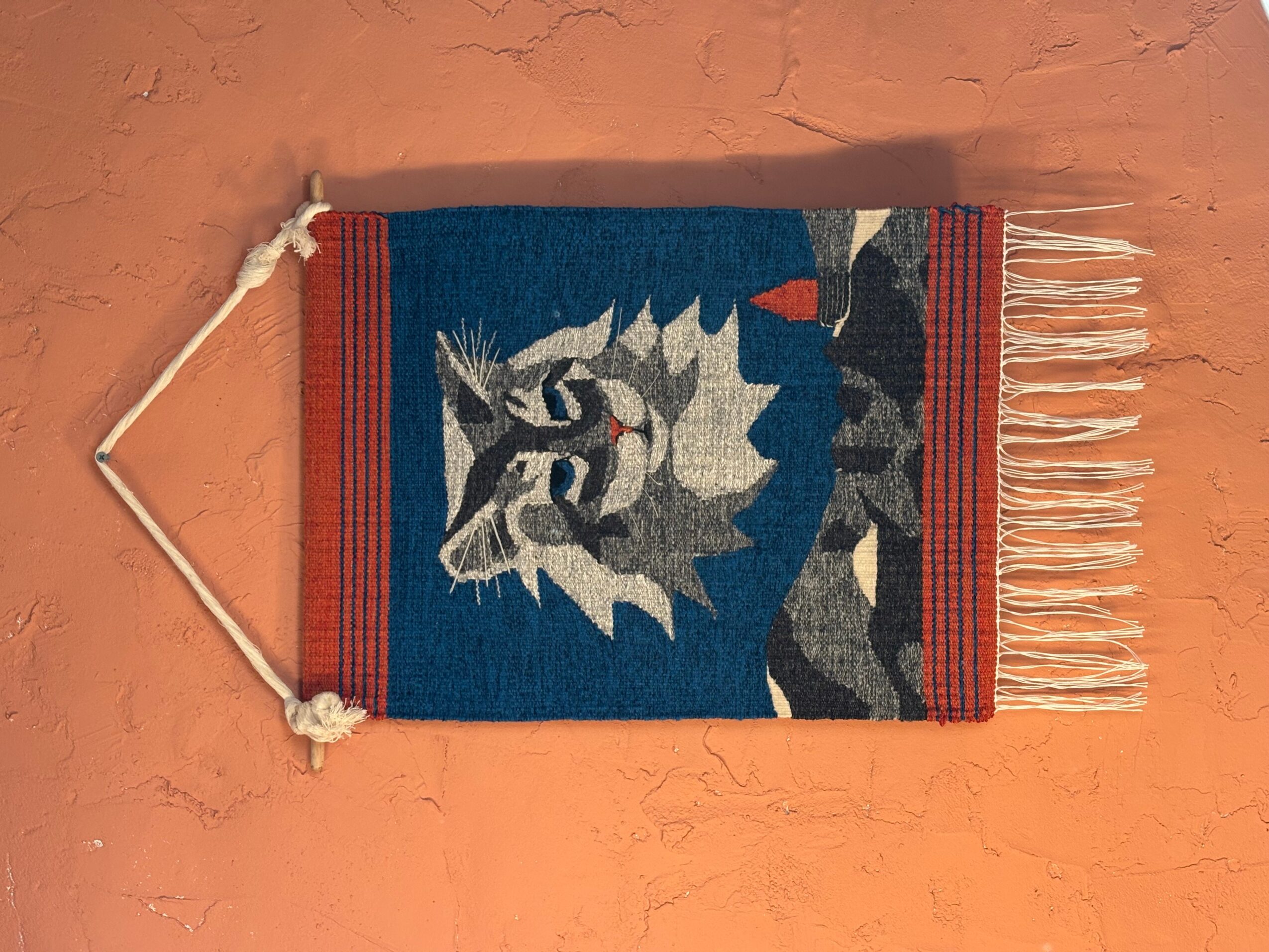
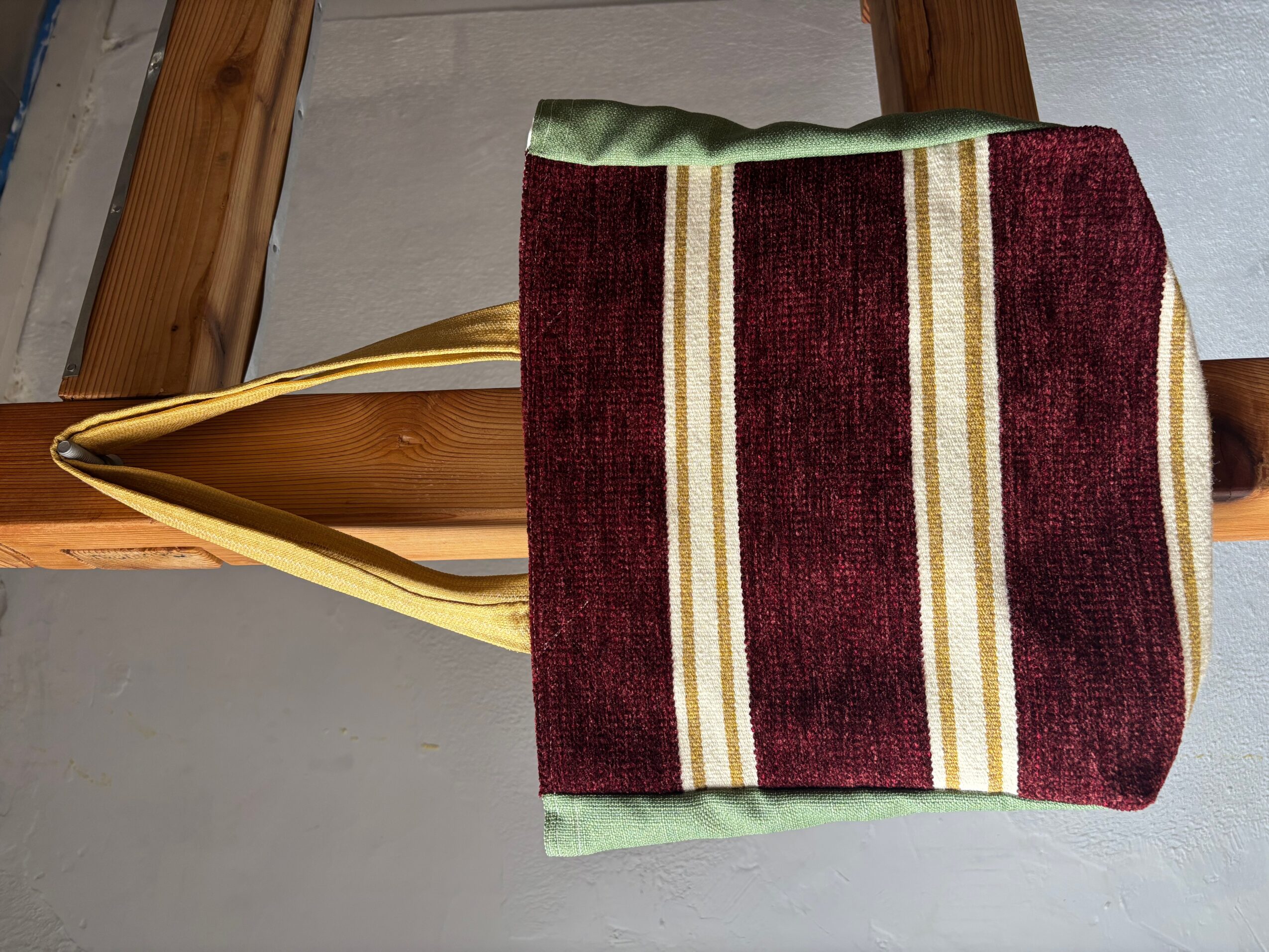
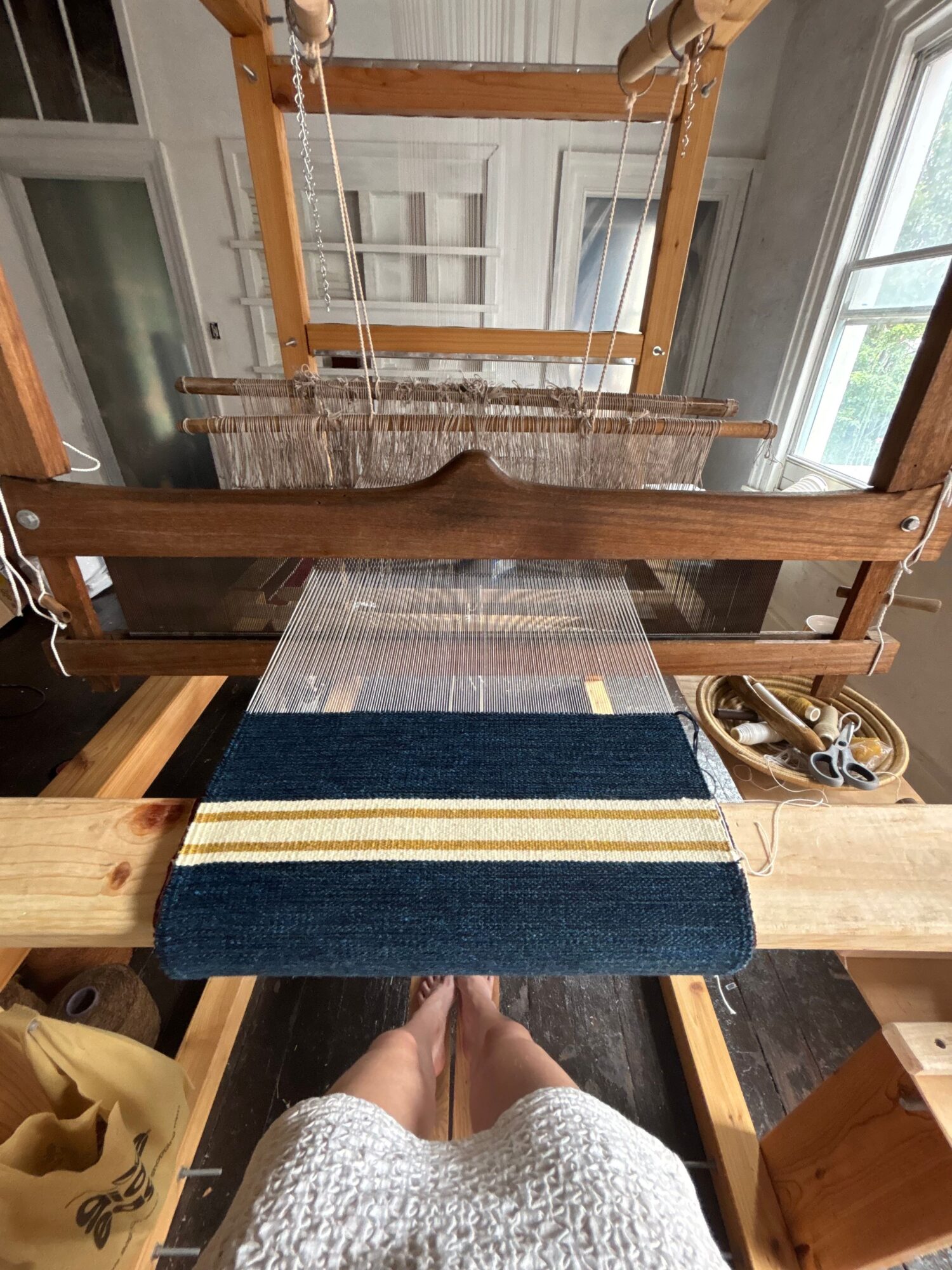
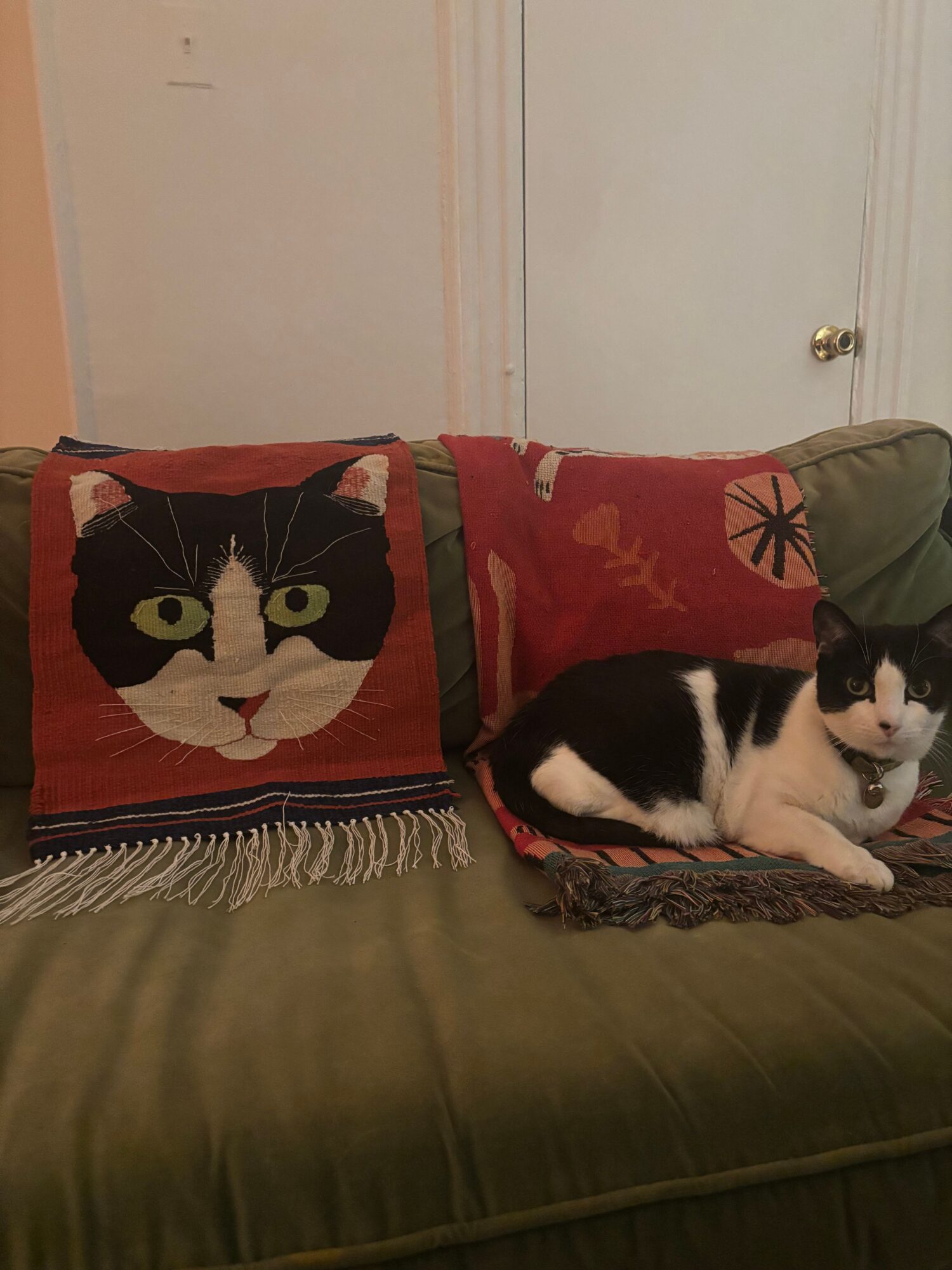
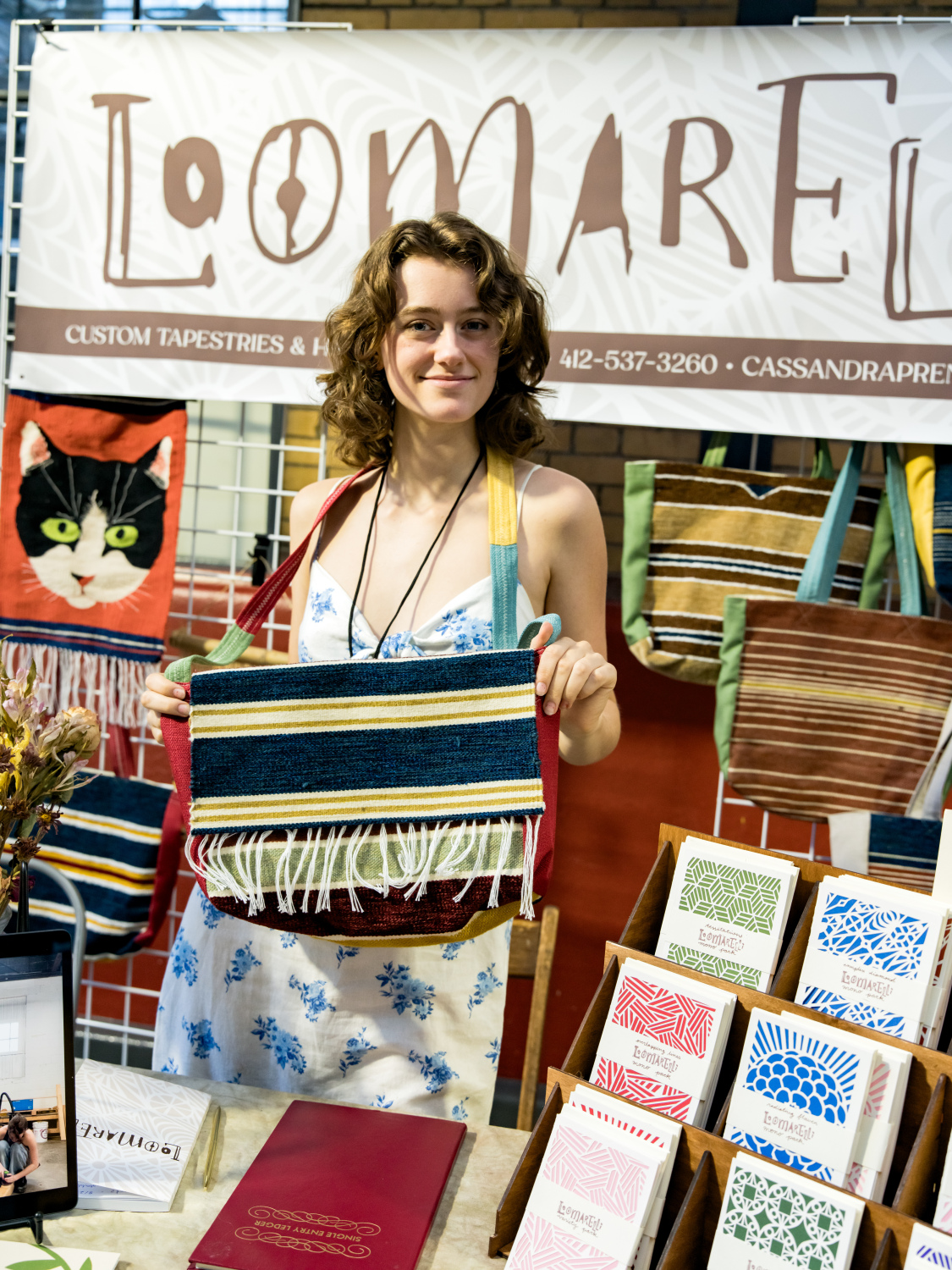
My business, Loomarelli, is mainly focused on handwoven goods. My specialty within that is handwoven tapestries with custom imagery – the most popular is a client’s cats! The most popular item other than those are my custom totes and satchels. When I did a fair in August, they almost sold out! As far as what sets me apart from others, I would say the custom imagery aspect. I know a lot of weavers in town who make beautiful fabric and fantastic work, but they don’t offer a fully custom tapestry with an actual image on it. That’s primarily because of the type of loom – the Syrian loom is built for making rugs, so it’s able to accommodate large, thick pieces under high tension, which is best for accurate representation of an image.
I want readers to know mainly that my commissions are open! I want them to visit my website and see if anything catches their eye – I’m always looking for a new challenge and a new project.
What sort of changes are you expecting over the next 5-10 years?
The weaving industry is not one of growth, I would say. I love it, it’s incredibly important, it’s literally the basis of all computer technology (the idea of binary code came from looms!) but unfortunately it is a dying art. My mentor Mahmoud always tells me the story of his hometown of Aleppo. Once, not that long ago, there were 40,000 weavers in that one city. It was the main source of income for many families in the region, including his. Today, there are 40.
Weaving is intrinsic to our way of life – we need clothes, towels, rugs, blankets, pillows every single day. But people don’t want to make those things for themselves. We have enormous machines that can do that now, and the human aspect of it is dwindling lower and lower. I think weaving is much like farming in that way. We still need the product, but the production is no concern of ours. What I would like to see in the future would just be a greater appreciation for the process that brings us all these items we wouldn’t want to live without! The way I learned how to weave – sitting on a loom outside the shop in the summertime of New York City – gave me an appreciation for the way it brings people together. It’s like a performance art piece, people stop and watch and ask questions, and you teach them about something they never would have thought of otherwise.
As for my own business, over the next 5-10 years I would like to expand and grow, and eventually have a storefront that I can weave outside of, just like Mahmoud.
Contact Info:
- Website: https://cassandraprentiss.com
- Instagram: https://www.instagram.com/loomarelli?utm_source=ig_web_button_share_sheet&exln=ZDNlZDc0MzIxNw==