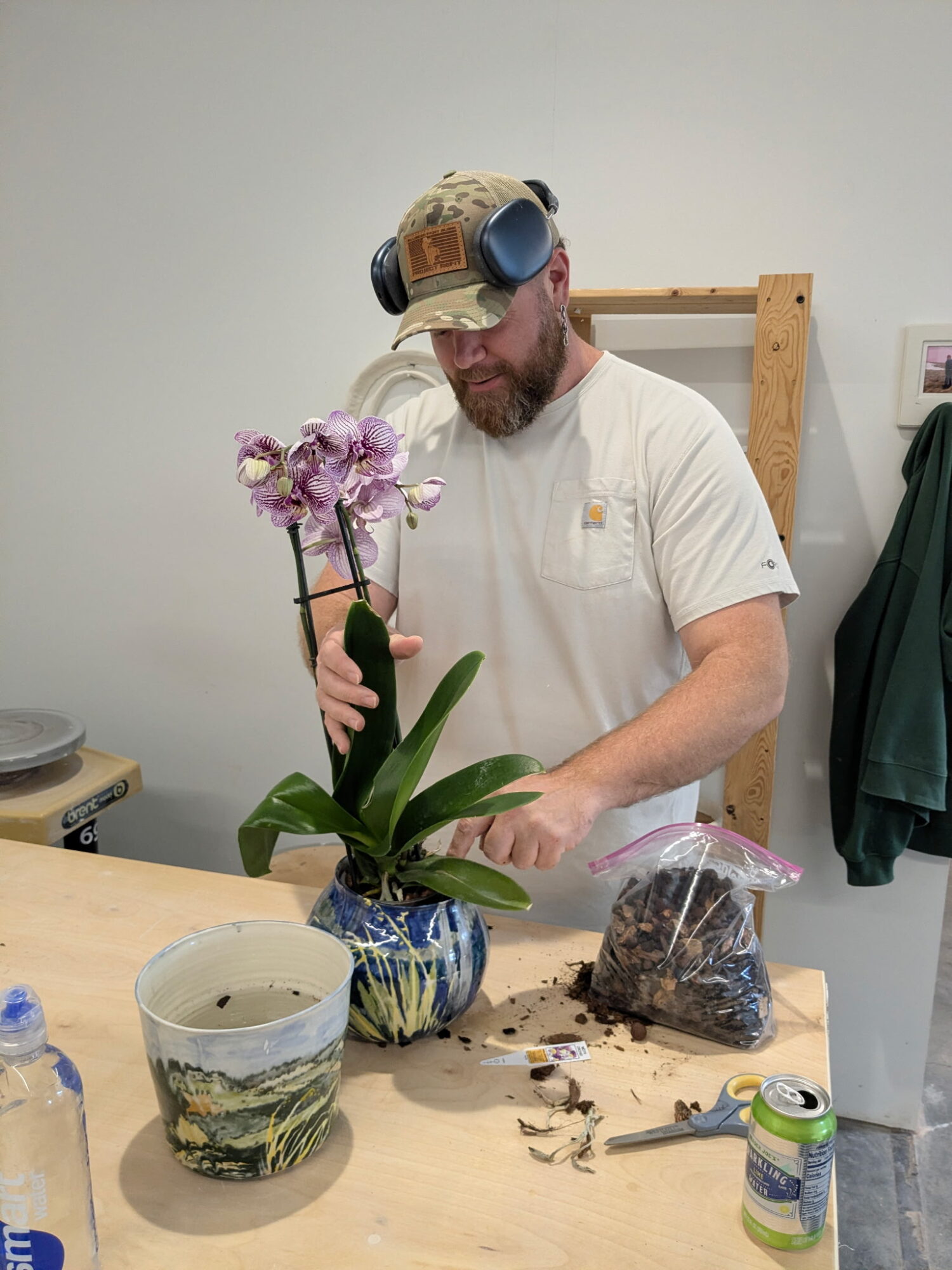



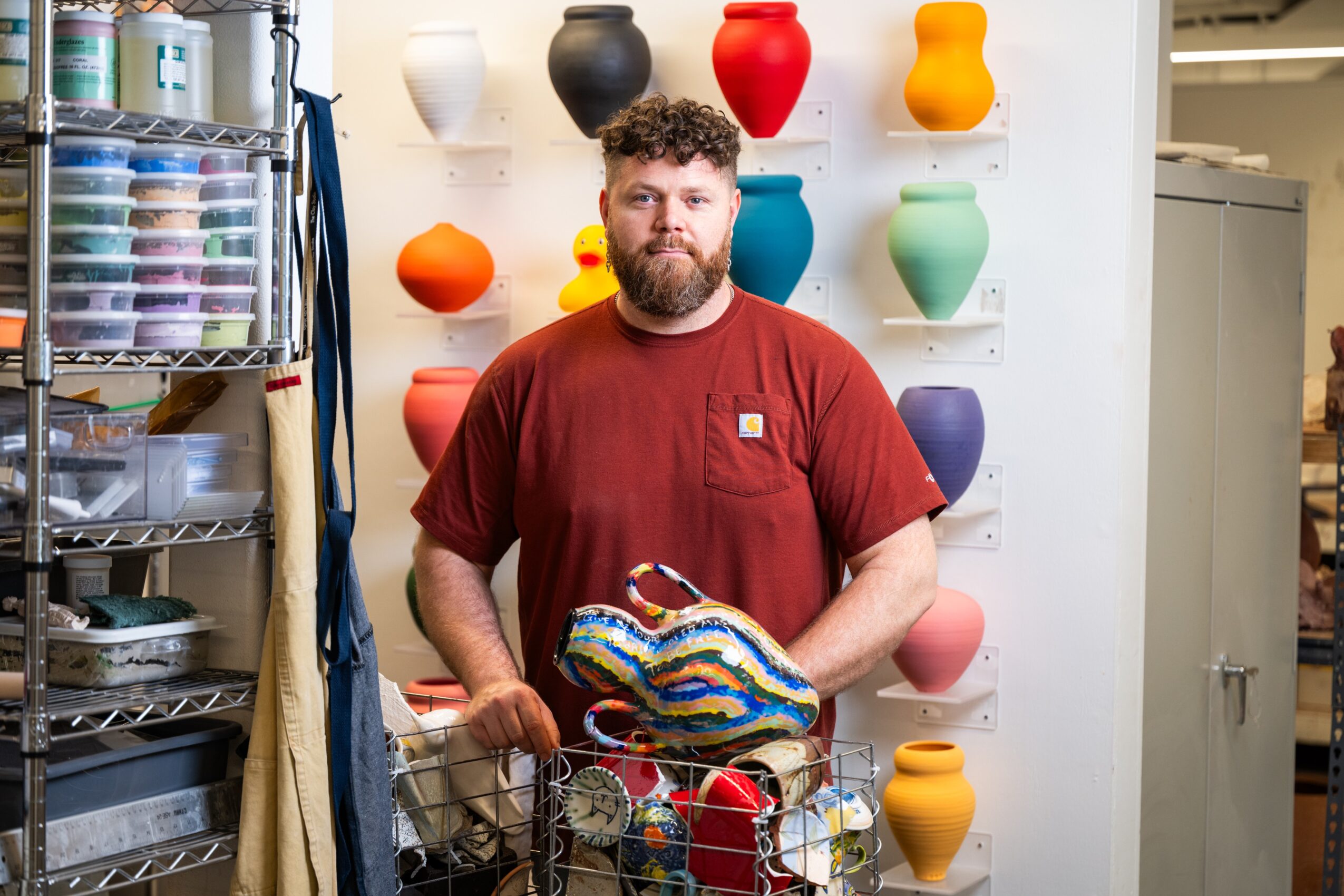
Today we’d like to introduce you to Bradford Davis.
Alright, so thank you so much for sharing your story and insight with our readers. To kick things off, can you tell us a bit about how you got started?
I came back to ceramics toward the end of COVID. I had avoided it for years.
Before the military, before I got injured, ceramics was an obsession of mine. I graduated from the University of South Carolina with a BFA in ceramics and even opened my own small pottery business. But 2008 changed things for a lot of people, including me. I enlisted in the Army and eventually commissioned as an officer.
Early in my last deployment to Afghanistan, a 220-pound IED detonated beneath my vehicle. Nothing was the same after that. After a few years of attempted recovery, the Army decided to medically retire me. I bought a dilapidated old house in the woods and began a very long period of self-isolation. Looking back, I think I was subconsciously avoiding returning to art and ceramics because I was afraid of what I might discover. I didn’t want to find out that I had lost my passion or skills because of my injuries.
Then one day, life happened, and I found myself sitting at a pottery wheel again. Life seems like it’s been a snowball since that moment. I applied and was accepted into a special student program at Tyler School of Art & Architecture. I was then invited to continue as a graduate student, and that eventually led to a residency at The Clay Studio in Philadelphia.
You see, for the previous half decade, I had been down this rabbit hole of isolation. I avoided people at all costs, actively going out of my way to hide. But as I gained more experiences in the arts and connected with more people, I started wanting to engage again. I began to enjoy this community I was finding myself in.
Returning to ceramics and finding that community turned out to be the best thing I’d ever done for myself. It was giving me a sense of purpose again. As a service member, purpose comes with signing on the dotted line. But when I was medically retired, I lost that purpose overnight, and I didn’t even realize it at the time.
As I spent time with people, broke bread with them, and talked about art—sometimes casually, sometimes critically—I started to feel better mentally, physically, and, most importantly to me, emotionally.
That experience prompted the creation of Operation Mud. When I applied for the residency at The Clay Studio, I shared some of my story and the circumstances that had helped me recover. I asked them to help guide me in creating a program for veterans that could recreate some of those same circumstances: making things, connecting with people, and finding community.
Looking back now, I can say with certainty that the success of this program revolves around the community it has created. And that community keeps growing..
Alright, so let’s dig a little deeper into the story – has it been an easy path overall and if not, what were the challenges you’ve had to overcome?
Absolutely not! But working through those challenges has been part of finding my way.
There have been surgeries, recovering from some physical injuries and learning to live with others, along with learning about mental and neurological conditions and how to cope with them. When I was discharged, I didn’t believe PTSD was actually a real thing.
Of all my injuries, my traumatic brain injury proved to be the most “entertaining.” I would forget things and remember things that never happened as if they were mundane, everyday happenings. This was the main reason I isolated so aggressively. If no one is around to tell you that what you remember wasn’t real… then ignorance is bliss. At least, that was how I handled it at the time.
Alongside all of that, I’ve had to face my own fears and insecurities, deal with imposter syndrome and survivor’s guilt, and figure out how to shift my mindset from a more rigid military setting to the more open-ended thinking and critical conversations of the arts.
Then there was creating a program designed to help other veterans when I wasn’t even sure I could handle the stress of running it myself. Believing in what the program could offer didn’t mean I felt confident in my ability to lead it. I had to work through that uncertainty as I went.
It’s been more of a rocky goat path up a mountain than a smooth road. But at every turn, I’ve found support in some form or another, and that’s kept me going.
Can you tell our readers more about what you do and what you think sets you apart from others?
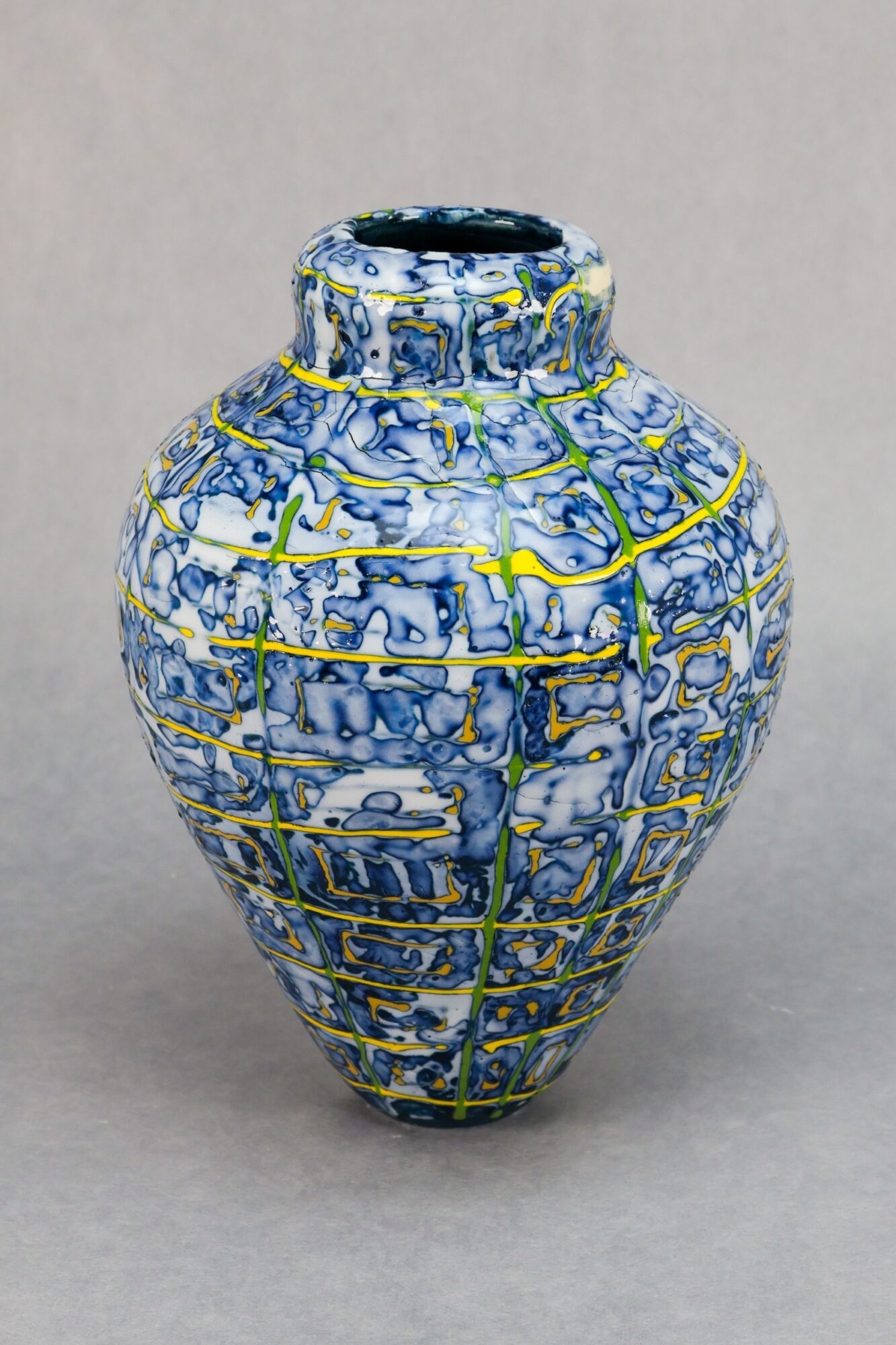
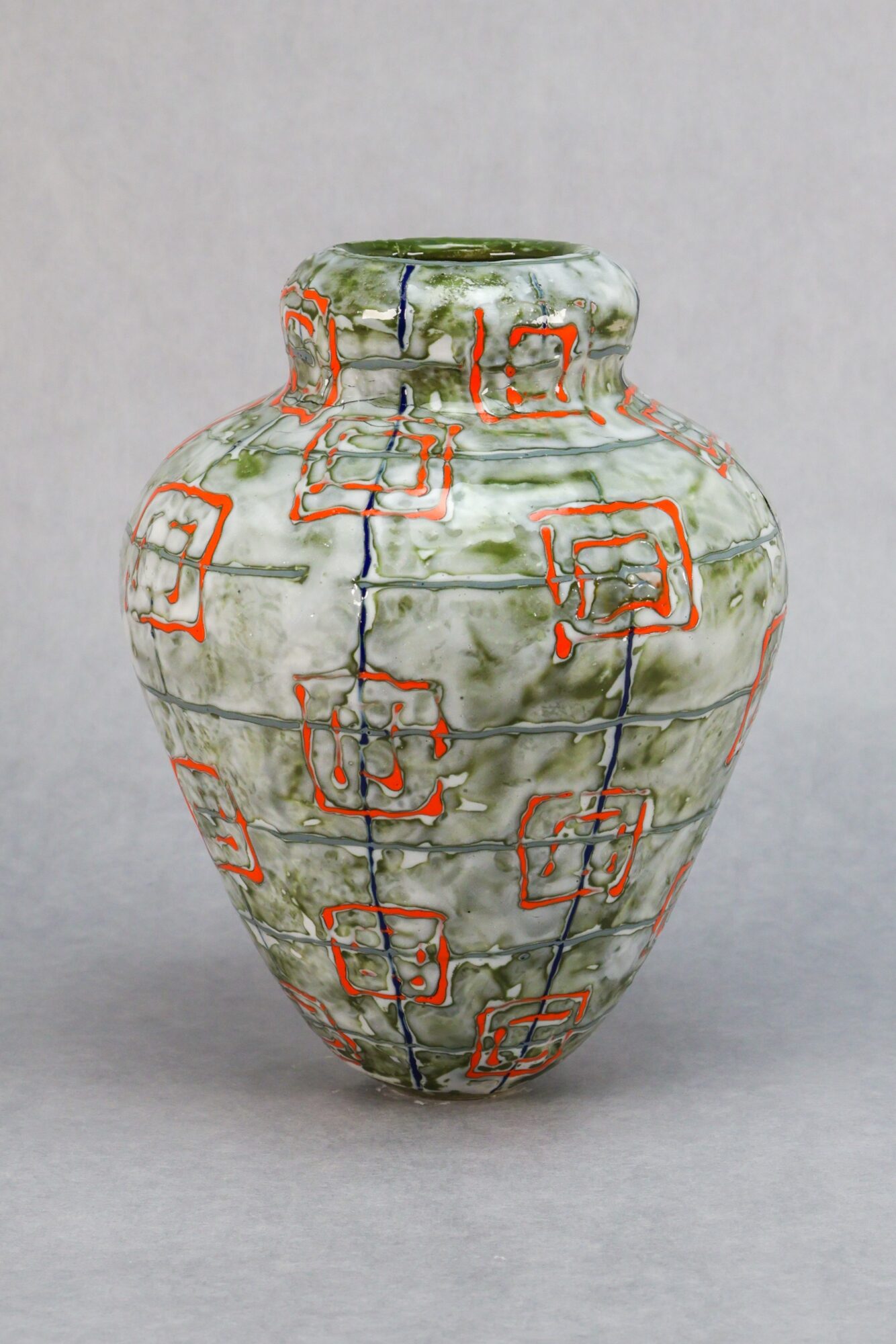
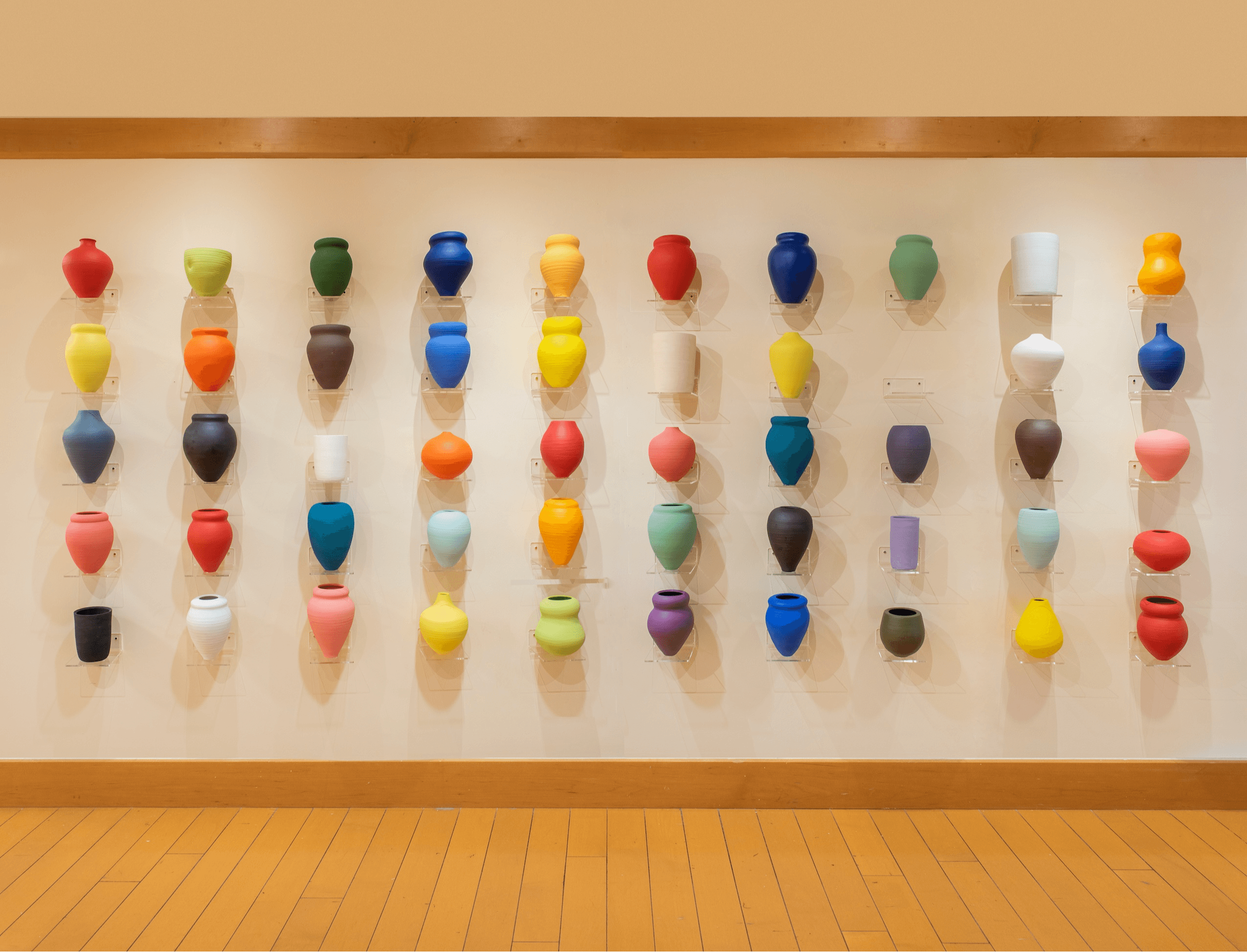
I’m a ceramic artist, and much of my work centers on the amphora—a historic storage and transport vessel, often with a pointed bottom. I think about it as a stand-in for the body. It can hold things, carry weight, show wear, and bear the evidence of what it’s been through. I see a connection between its role as a durable, sometimes disposable tool and how military bodies are trained, used, and sometimes treated as disposable. That gives me a way to explore identity, memory, injury, and the baggage we carry.
One of the newest areas of my practice is building layered surfaces using colored clay slips, engobes, and underglazes. I then wet-sand through those layers to reveal what’s underneath. There’s a lot of experimentation involved, and the surface becomes a record of that process. You’re seeing a blending of what has been built up, worn away, and changed. Those ideas connect closely to my own experiences, but I want the work to leave room for other people to find their own connections within it.
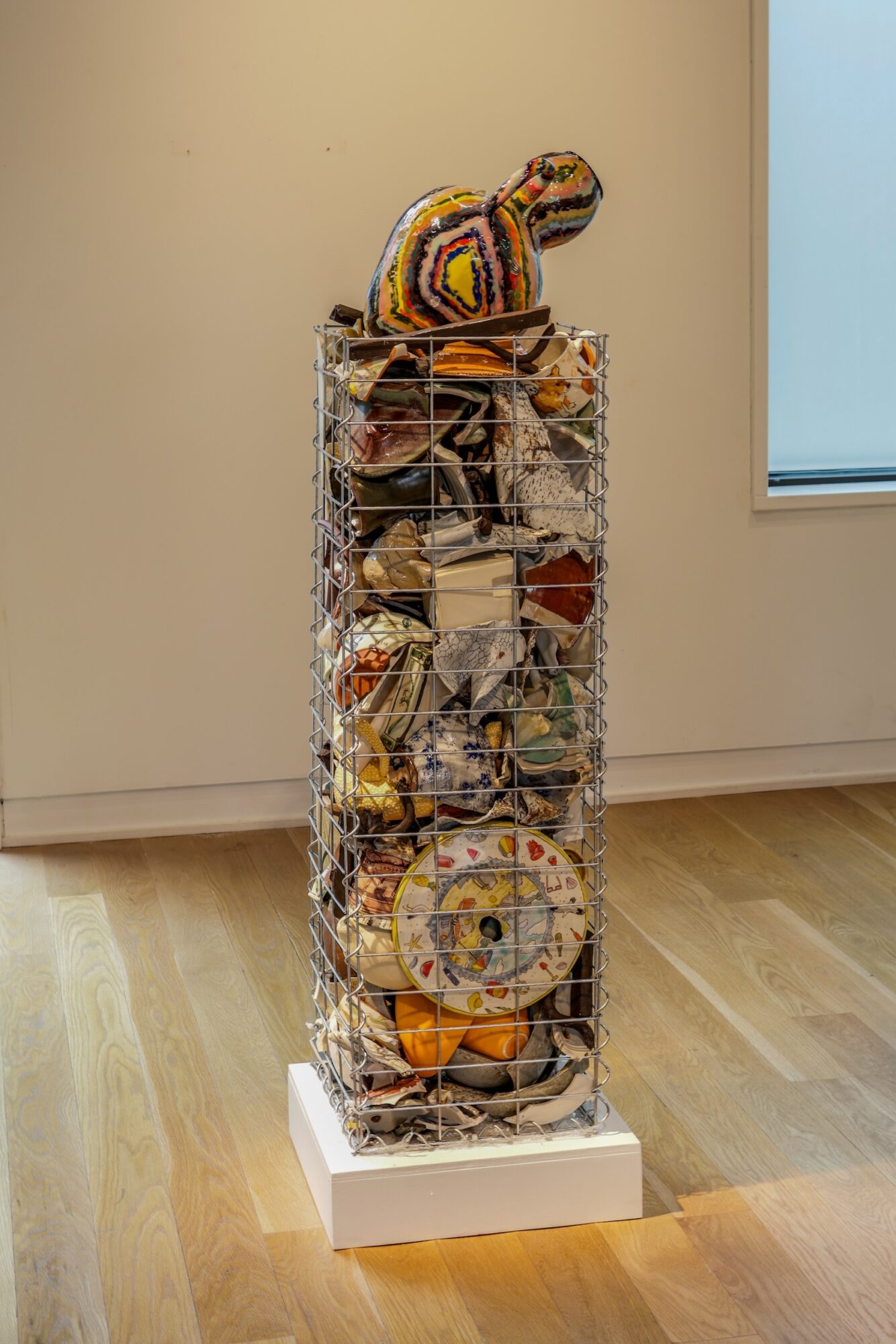
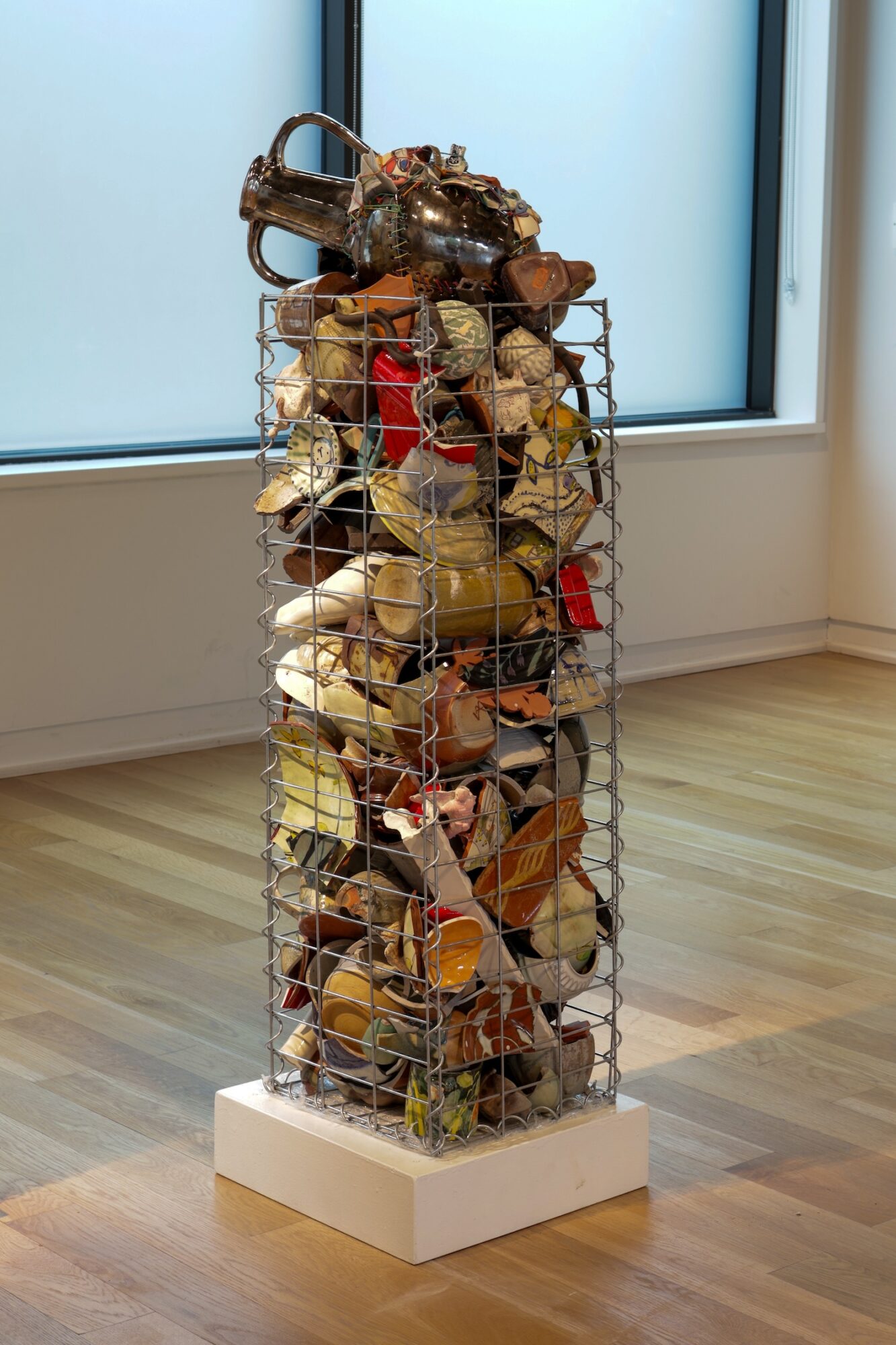
I also make sculptural installations using ceramic vessels alongside materials like cord, steel cages, and broken ceramic fragments. I’m interested in the tension between strength and vulnerability, and how something intended to protect or support can also restrict or damage.
Alongside my studio practice, I founded Operation Mud at The Clay Studio in Philadelphia. It’s a free, veteran-led ceramics program built around making things and finding community. It grew directly out of my own experience of returning to ceramics and realizing how much being around other artists was helping me.
What I’m most proud of is that I’ve built a life in the arts again, and that it has created opportunities for other people to find their way into it. There was a time when I was hiding from life. Now I’m making work, teaching, sharing meals, and helping bring people together. That’s a pretty significant change.
What sets my work apart is the combination of my experiences and how I work through them materially. My military service and injuries are part of that, but so are curiosity, color, experimentation, and the excitement of making something. All of those things have a place in my practice.
We’d love to hear about any fond memories you have from when you were growing up?
I don’t have many good childhood memories, but I grew up on a 300-acre farm just outside Lexington, Kentucky, and my favorite memories revolve around exploring that place.
I wouldn’t point to one specific moment. It was more the freedom to wander, let my imagination run, and see what I could find. I’d come across old structures and make up stories about them, or explore the wild, overgrown parts of the farm. There was so much room to get lost in my own imagination. That’s the part of being a child I remember most fondly.
Contact Info:
- Website: https://www.bradfordceramics.com
- Instagram: @bradfordceramics