


Today we’d like to introduce you to Hannah Smolensky.
Alright, so thank you so much for sharing your story and insight with our readers. To kick things off, can you tell us a bit about how you got started?
Although today I am a full time watercolor artist and have periodically taught watercolor workshops as well… I was never the kid in school who was the best at art or would have been seen as the “class artist.” However, I was very creative, independent, and good at crafting. I also was extremely self-motivated. All of those characteristics set me up to later have success as a self-employed artist, with the necessity of both an artist’s creativity, good organization, and work ethic.
In highschool I decided to try watercolor one day when I was bored and saw a crayola watercolor palette in the “craft cupboard”. I had not used watercolor since I was very little, and I found that it was a lot easier for me to use watercolor than acrylic paint. I was starting to feel confident with watercolor right before we had a unit on watercoloring in art class. I was thrilled, and told my art teacher I had been practicing, but she didn’t seem to care. Once I painted a few things she told me, “You are watercoloring incorrectly.” That comment ended up being the thing that really pushed me to continue watercoloring and be determined to become very good at it, but not to change my techniques or methods in a spiteful refusal to believe you can do art “wrong.”
When I turned 18 I decided to go from posting my art online, to actually selling it. I launched my business on my 18th birthday, and by the Summer I turned 19 I was selling my art online, in a local coffee shop, and had begun teaching watercolor workshops to groups as large as 20 in that same coffee shop.
I continued to paint, and sold art online while I went to college for Social Studies education, and became a middle school history teacher. Somewhere in those years I began to attend art and craft shows, which was a great side-hustle. After 4 years I left teaching and worked for Ancestry.com as a archivist, and then went on to do archive work for a military archive. During that time I got my masters of history, however, I ended up leaving it all behind to be a full time artist right around the time I graduated. It was a weird day getting my diploma and knowing I would never use it…
For me, leaving my professional occupation to be an artist was not much of a “jump” as much as a decision to stop fighting an escalator that I had been riding the whole time.
During the years I was a teacher and archivist I had slowly grown my business through attending art shows, and things got to the point that just 2 art shows a month was earning me the same as my 9-5. I realized that it was silly not to quit, and that by doing art shows most weekends and then adding in teaching watercolor workshops I would make a great deal more than I ever could with my degree.
Thankfully, my math was correct, and my husband and I now have much more financial peace, I have a very flexible work schedule, and I can stay home with our 7month old son while running my business. All of that would not have been possible had I not continued painting from the time I was 18 until now (I’m 29 years old). I have since left teaching watercolor workshops, but added a wholesale branch of my business.
I now have 1-2 studio assistants who work in my home studio each day depending on that week’s wholesale and online orders.
Generally speaking, my income comes from 50% art shows and 40% wholesale with online sales making up about 5% or less? Before doing wholesale my watercolor workshops were 40% of my income, but I found that whoelsale is much easier and more passive while we grow our family.
We all face challenges, but looking back would you describe it as a relatively smooth road?
For me, I was incredibly blessed to have 9 years of business under my belt by the age of 28, so I was able to very natrually step away from my 9-5 to do art full time. If anything, it was more of a challenge to maintain a 9-5 schedule while my business was growing so much and demanded more of my time.
The main obstacles have been my own resistance to hiring help when I desprately needed it. I waited way too long to get assistants because I wasn’t able to see myself as a business owner as much as someone who happens to do art as a job.
I have also struggled with imposter syndrome, however somewhere around the 10 year mark I do think I’ve finally left that behind and feel confident in my own self.
Honestly it’s been extremely smooth… but I feel like a jerk to say that. But truly it’s been a blessing.
Can you tell our readers more about what you do and what you think sets you apart from others?
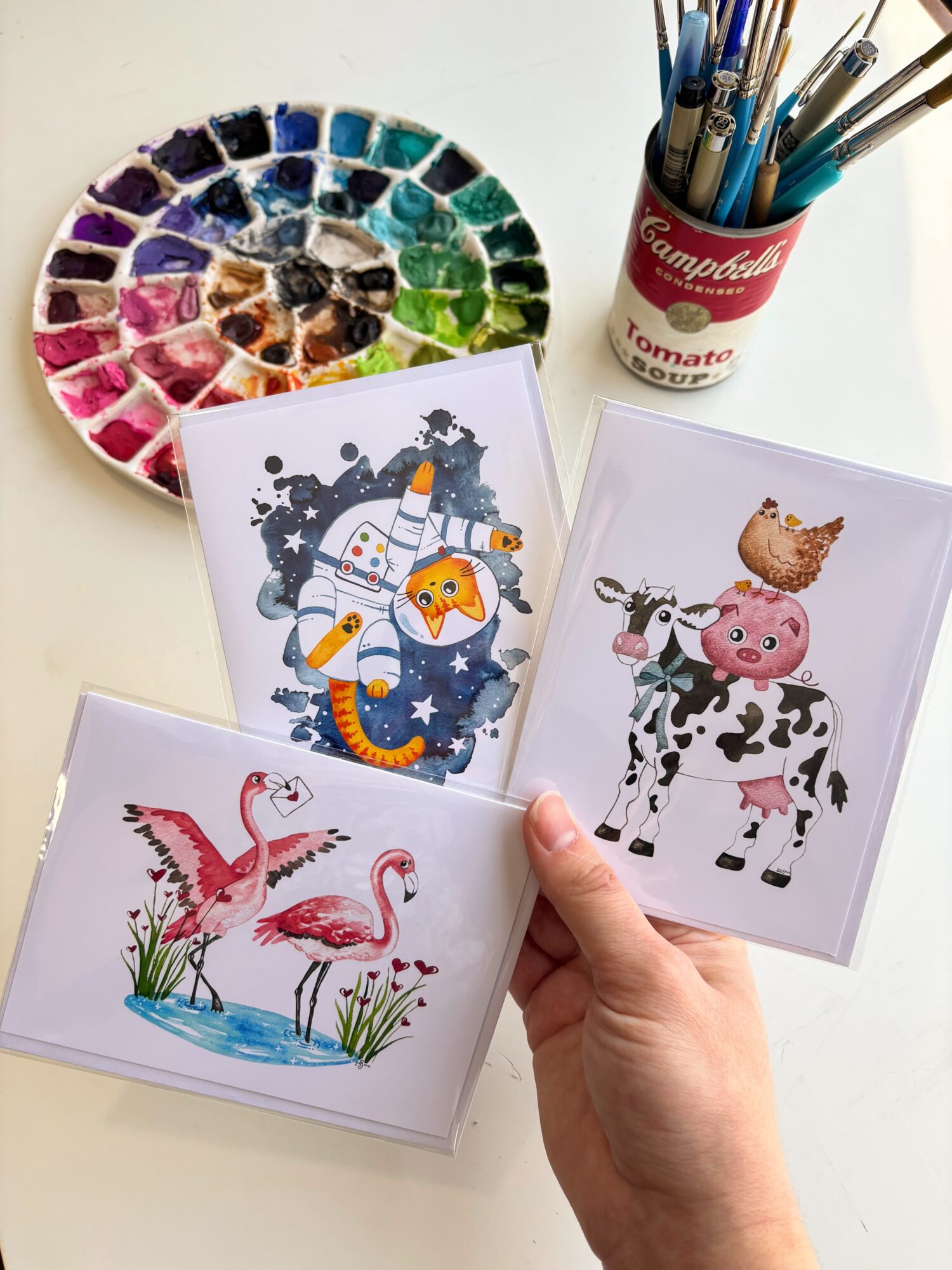
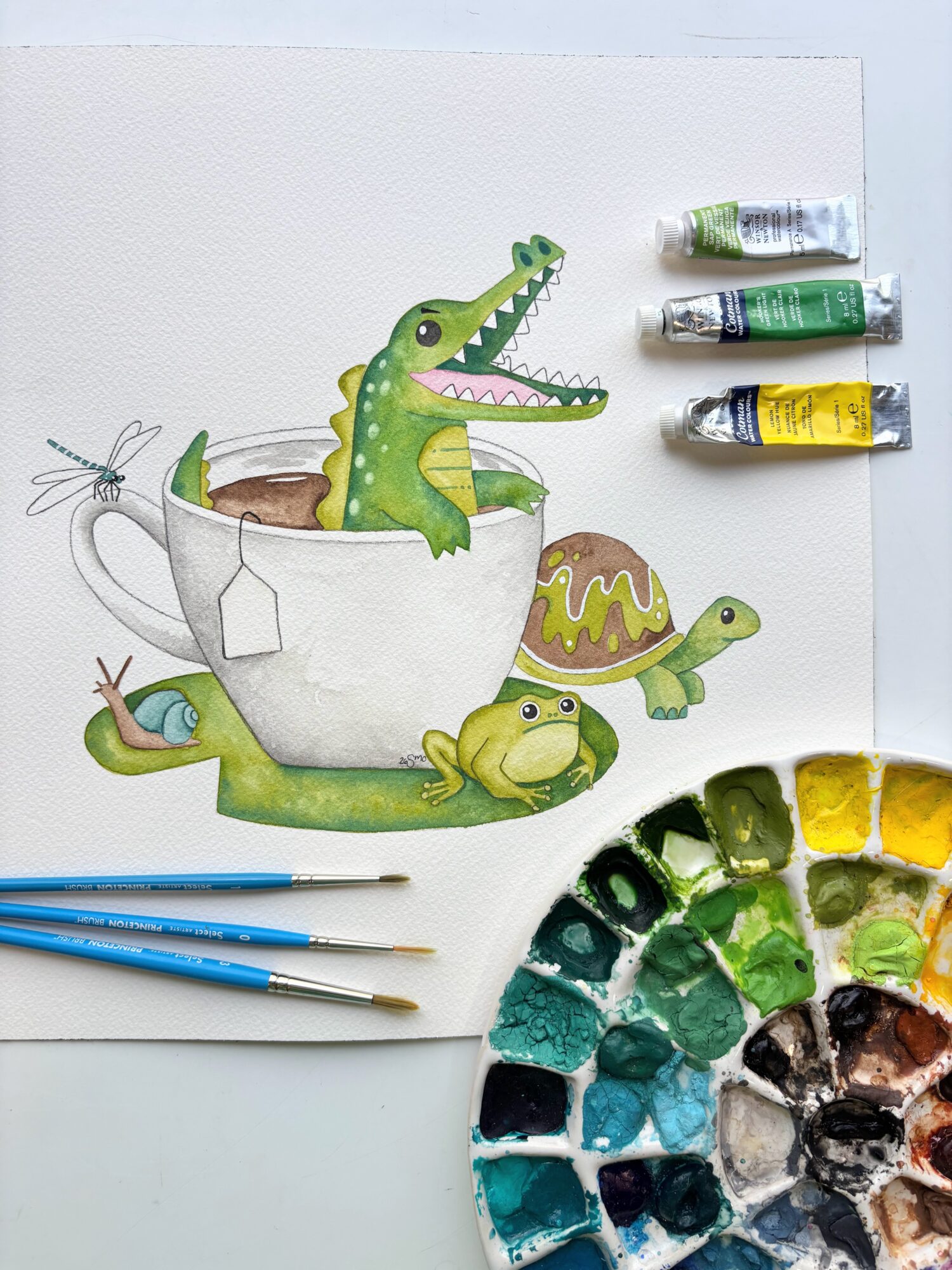
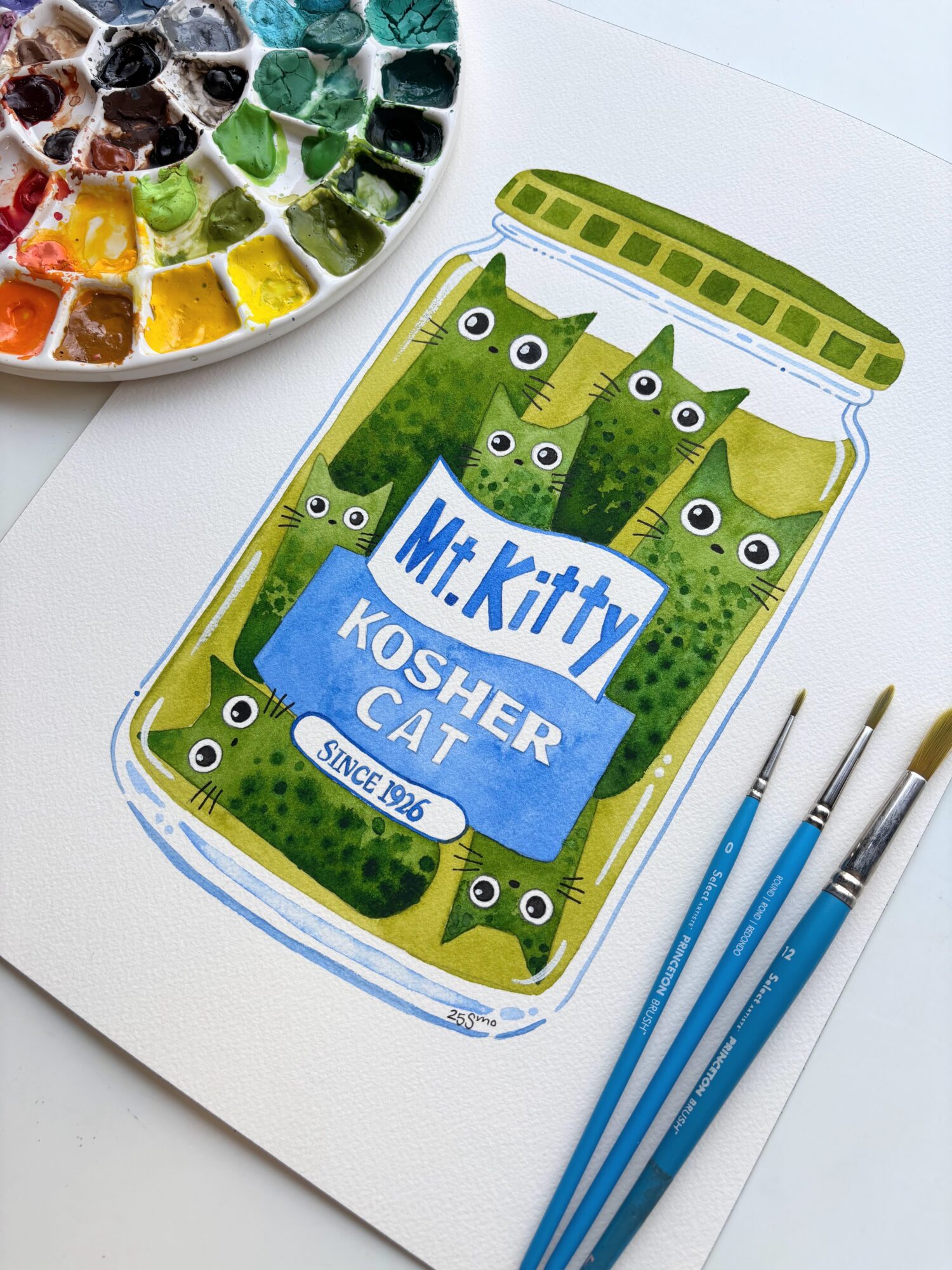
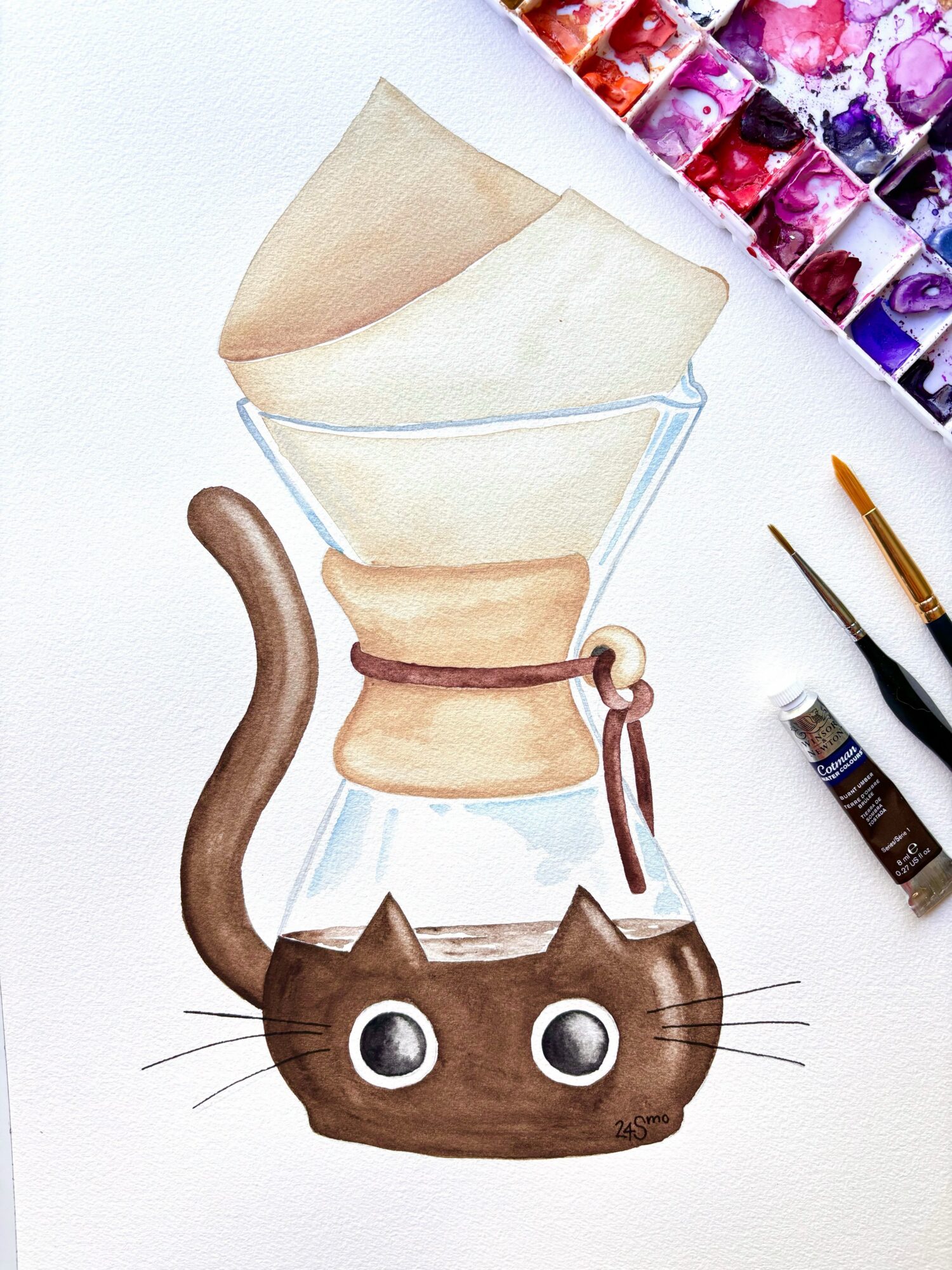
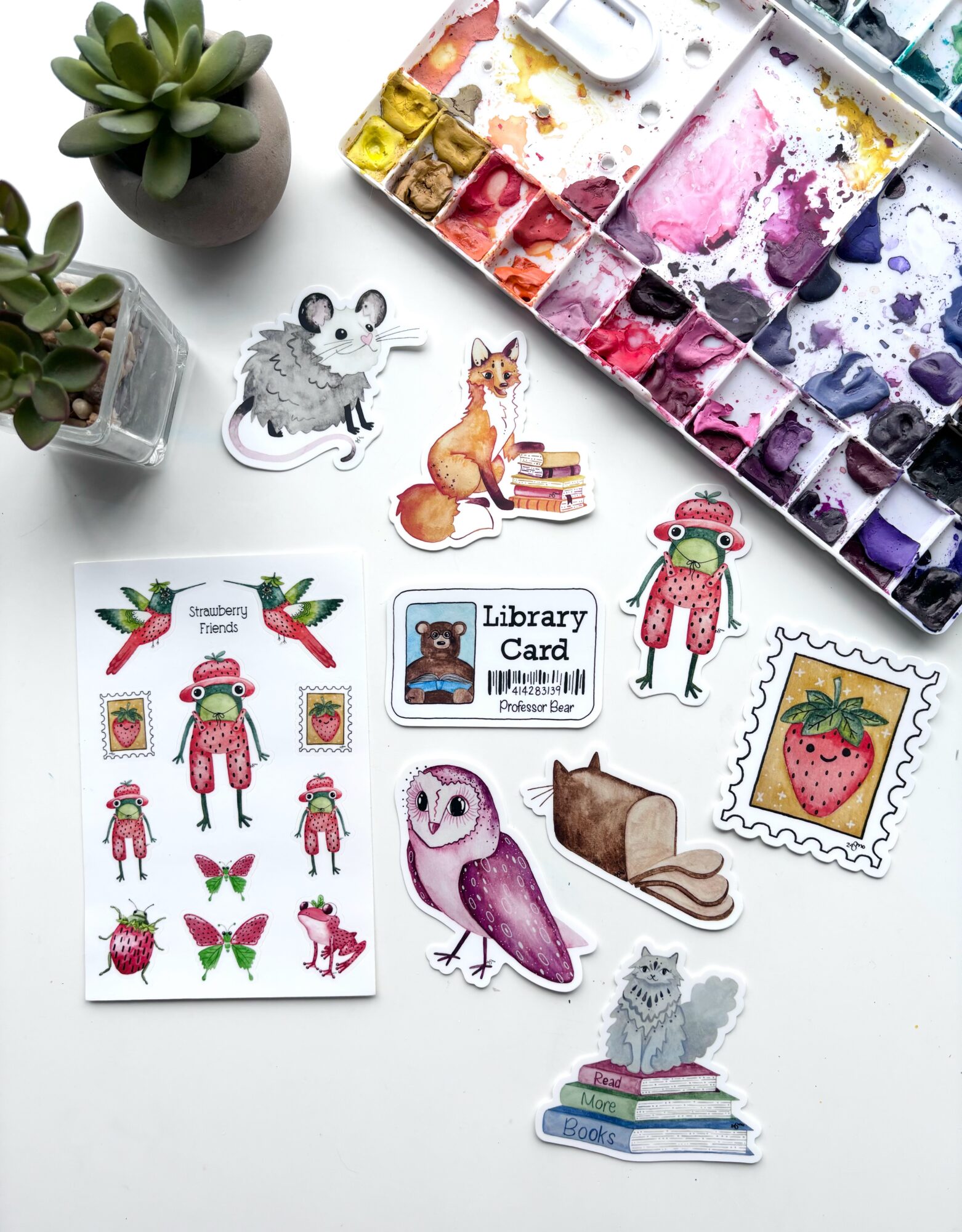
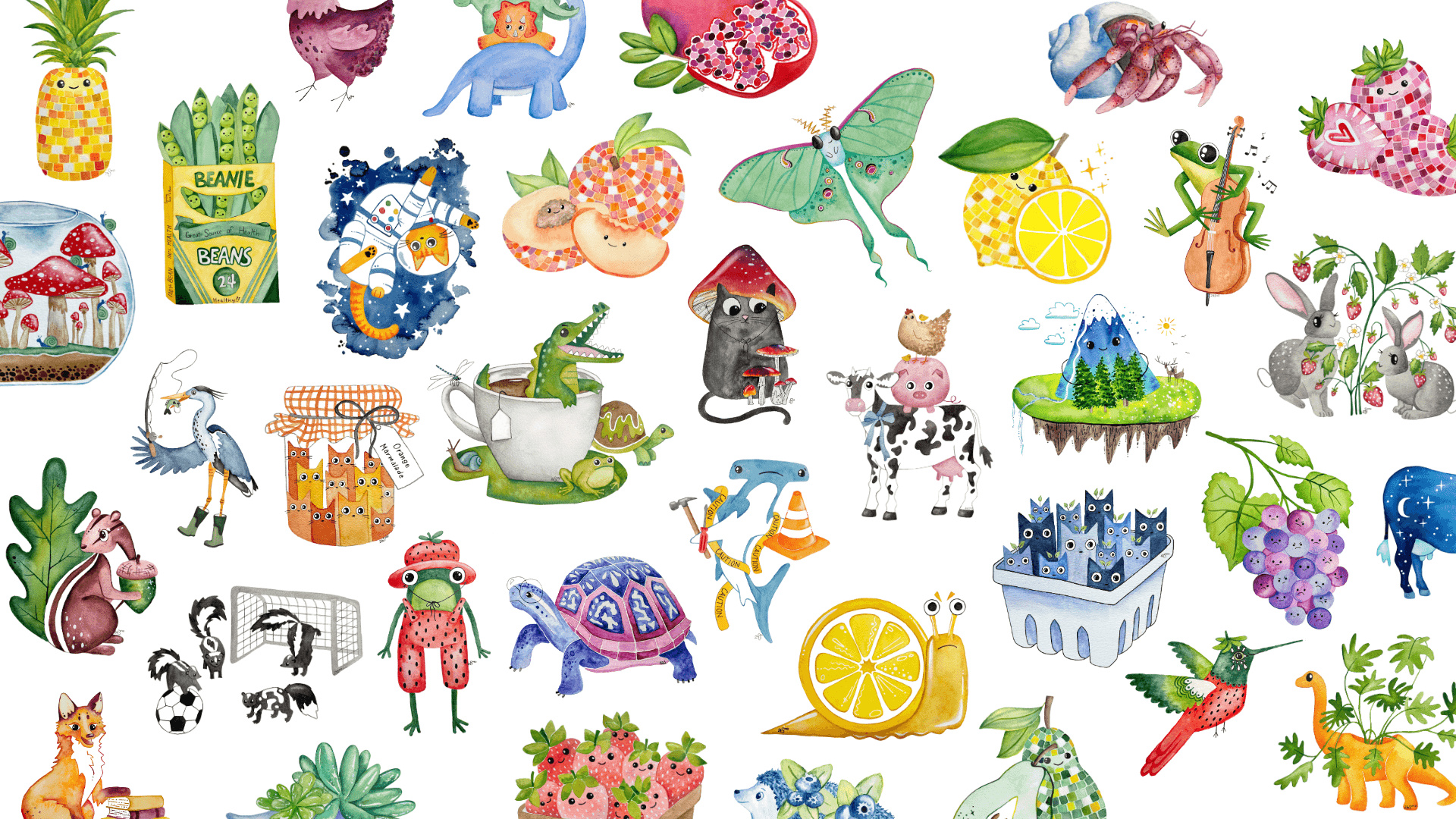
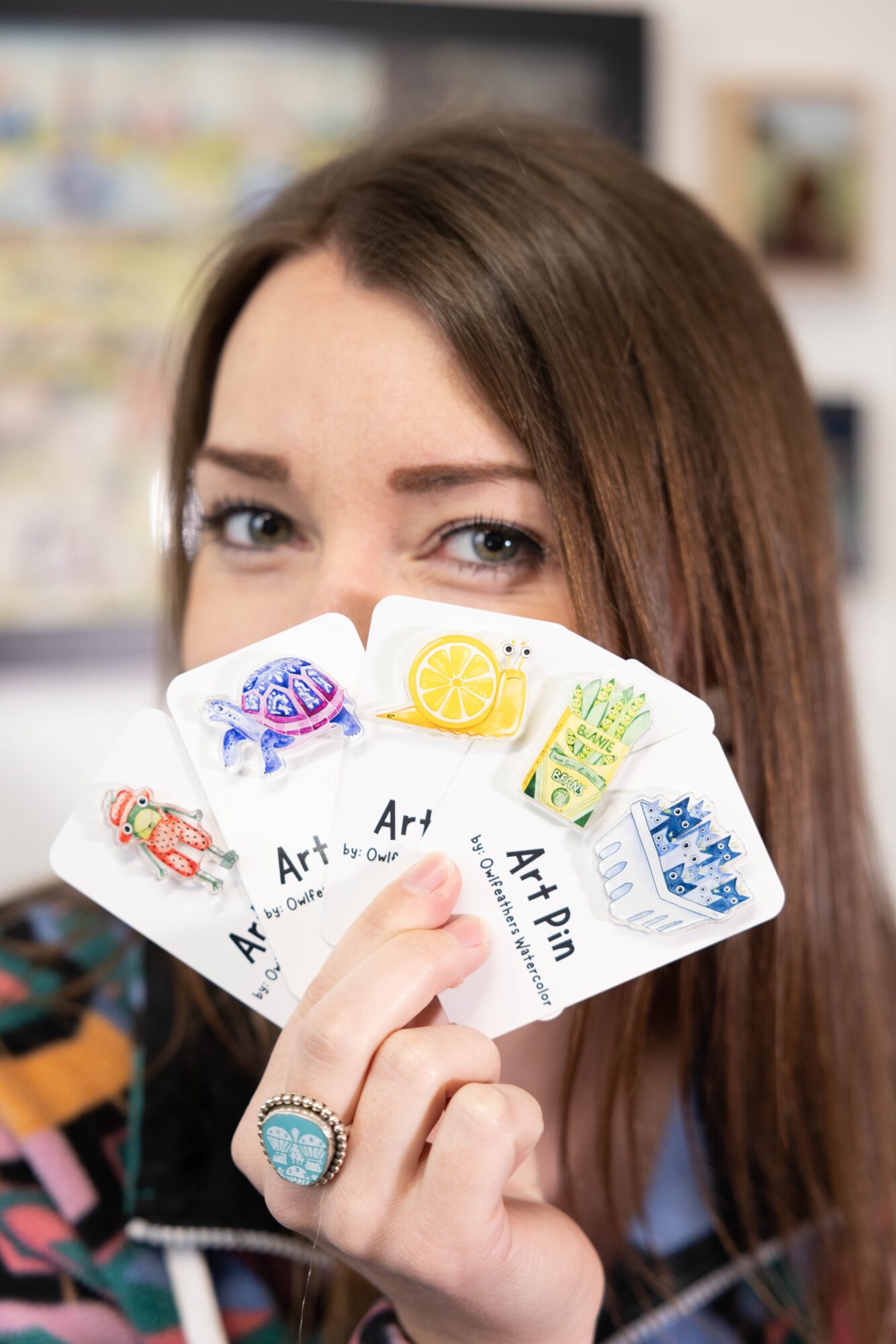
My only medium is watercolor and I primarily paint cats, fruit themes, and animals. Particularly fruit/animal mashups, and coming up with unique jobs/hobbies/talents that animals might be seen participating in.
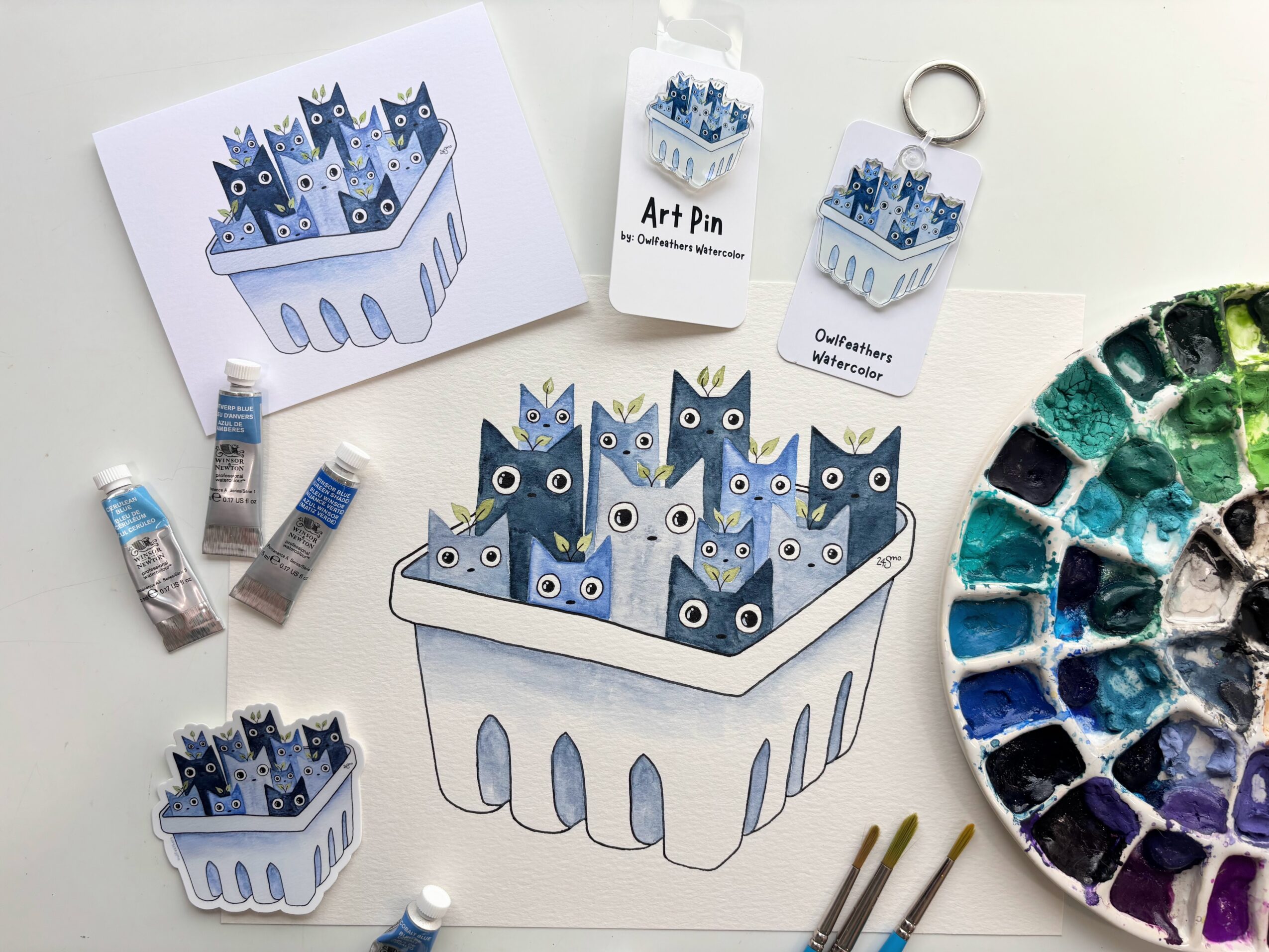
Examples include an astronaut cat, strawberry frog, blueberry basket of cats, disco fruit, a set of dinosaurs that are also teacups, a coffee maker that’s also a cat, a jar of pickles that are also cats, and a panda playing piano.
So many people would say, “your art just makes me laugh/happy/smile” that I eventually changed my tagline to, “Joyful art that makes you smile” because it was so accurate!
It’s normal for people to laugh out loud in my booth at art shows.
I’m known for art that stands out at most art shows for being colorful, crisp (almost no backgrounds whatsoever), and funny.
I am most proud of my ideas being so unique. While I occasionally just paint “a cute opossum” or something generic, my preference is to come up with something that nobody else has painted to my knowledge.
Do you have any advice for those just starting out?
My best advice is to make friends who are farther along than you, and study what makes their business successful. Most of what I learned I gained from asking myself, “why are they doing that,” “how are they making decisions,” and having the confidence to tell myself honestly what I needed to change to successfully grow.
I see many creatives who are “stuck” doing the same thing year after year and never thinking about what the “next level” could be. Too often they aren’t looking up to even see what’s possible to reach for.
There are dozens of youtubers, podcasts, and online resources to help with this.
I benefitted tremendously by taking a program through the Covation Center Masterclass program which was designed to help small businesses like myself understand my business, develop goals, and center things around a clear vision. This all took place around practical lessons on things like taxes, marketing, and organization.
Contact Info:
- Website: https://www.owlfeatherswatercolor.com
- Instagram: https://instagram.com/owlfeatherswatercolor