


Today we’d like to introduce you to Liam Cochran.
Hi Liam, can you start by introducing yourself? We’d love to learn more about how you got to where you are today?
I first became interested in martial arts when I was 14. There was a martial arts school in my neighborhood that I had always been curious about, and of course I had seen martial arts movies, but if I’m being honest, there was more going on underneath that. I was a scared, insecure teenager. My father had recently left, and I needed confidence, direction, and something to focus on. I also needed community, although I don’t think I understood that at the time. The training was extremely physical, which was exactly what I needed. I started out a little pudgy, and pretty quickly I began to transform physically. That alone gave me confidence, but there were other changes too. I made friends, became more outgoing, and liked the challenge of the training, the exercise, and especially the feeling that I was developing a real combat skill.
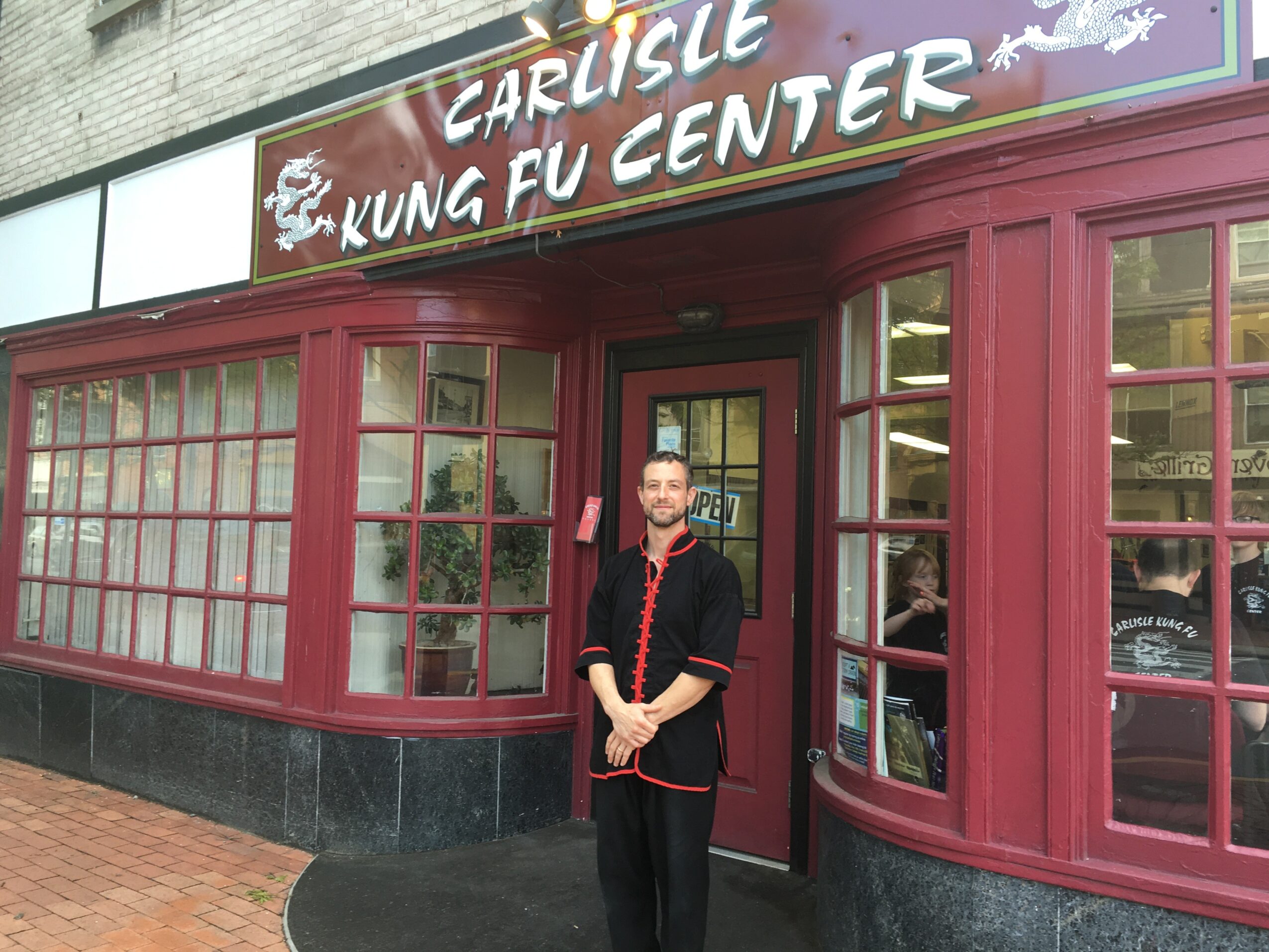
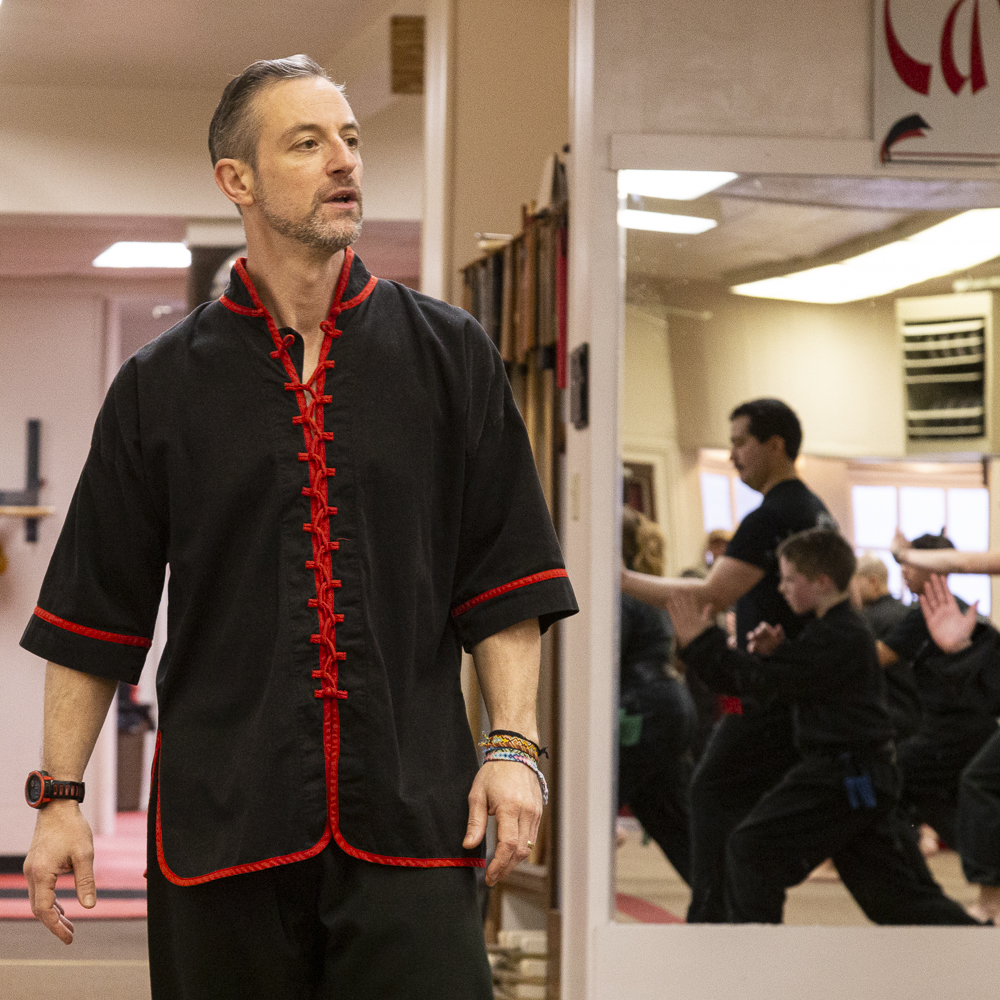
By the time I was halfway through college, I realized I didn’t want to follow the path I had originally chosen. I was studying computer science, but I couldn’t picture myself spending my life sitting behind a desk. My martial arts teacher was encouraging, and I eventually switched to a double major in business and computer science. I knew I wanted a career where I could continue to use my body, but also one that I could practice for the rest of my life without destroying my body in the process. Teaching martial arts started to feel like a real possibility. I was 21 when I took over the space that became Carlisle Kung Fu Center in 2001. It had previously been a record store, and before that, a women’s dress shop. There was a tremendous amount of work to do to get the place ready, but I had 21-year-old energy and was pretty much unfazed by it. When we opened, I had two relatively advanced students and somewhere around 15 or 20 beginners. I was definitely terrified, but mostly I was excited.
From the beginning, I had a fairly clear idea of the kind of school I wanted to create. I wanted martial arts to be something sustainable that people could practice throughout their lives. I wanted it to be family- and community-centered, noncompetitive, but still an effective martial art. As I got older, my teaching philosophy became more independent. I became increasingly skeptical of some of the more hierarchical and mystical aspects of traditional martial arts culture. I wanted a school where people were encouraged to think, question, and remain curious rather than simply follow an instructor because of his title or authority. Over time, the principles that became most important to me were good teaching, leading by example, building community, curiosity, skepticism, and hard work.
One thing I never really doubted was whether the school would survive. I don’t mean that I thought running a business would always be easy. I just had a very strong feeling that I wasn’t going to let it fail. I was committed to it, and I found teaching deeply gratifying. It probably took about 15 years before I really stopped thinking of the school as something I had started and began to realize, “This is my career. This is what I do.” The most rewarding part has been the relationships. I’ve watched young students come through the door as children and grow into adults. When you teach for 25 years, you get to witness entire portions of people’s lives, and I consider that a special honor. I also find it incredibly rewarding when someone continues practicing for decades, not because anyone is forcing them to, but because the practice has genuinely become part of who they are.
Teaching for this long has changed me too. I’m a very different person from the 21-year-old who opened the school. I’m wiser, certainly more patient, and I think much more empathetic. Working closely with such a diverse group of people over so many years has also given me a broader and more tolerant view of the world. The school has been overwhelmingly a positive force in my life. It has given me much more than it has taken. I have freedom over my schedule, a community I can turn to when I need help, and a reservoir of friendships built over decades. There are people there whom I genuinely love and care deeply about. Sure, I could probably have chosen a career that made more money, but I feel extremely lucky to have been able to spend my life doing this.
Some things have changed enormously. When I opened the school, I advertised in the phone book and the newspaper. Now I have to navigate websites and social media, which, truthfully, I’m not particularly interested in. But the people haven’t changed very much. People still walk through the door for many of the same reasons I did when I was 14. They want confidence. They want to lose weight. They want somewhere to channel anger or frustration. They want to feel stronger. Then something interesting often happens: they become part of the community, and eventually the community itself becomes one of the main reasons they stay.
On May 1, 2026, Carlisle Kung Fu Center reached its 25th anniversary. Mostly, I feel gratitude. There’s also a little disbelief. I have a lot more gray hair now, although fortunately I still feel like I’m in pretty good shape. If I could talk to that 21-year-old version of myself getting ready to open the school, I think the advice I would give him would be surprisingly simple: Everything changes. You will change. The school will change. Your relationships will change. Your children will change. The world around you will change. Fighting against that is futile.
I plan to keep teaching for as long as I’m physically able. Someday, if someone wants to step in and continue what we built, I’ll do everything I can to help them. But I’m also completely at peace with the idea that someday Carlisle Kung Fu Center may simply come to an end. All things do. For now, though, I still get to walk through those doors and teach, and after 25 years, I still feel very lucky to be doing it.
I’m sure it wasn’t obstacle-free, but would you say the journey has been fairly smooth so far?
It hasn’t been completely smooth, but I also wouldn’t describe the journey as a constant struggle. Carlisle Kung Fu Center has actually been one of the most stable and positive parts of my life. I always had a strong belief that the school would make it because I was deeply committed to it and simply wasn’t willing to let it fail.
Some of the biggest obstacles were less about keeping the doors open and more about figuring out what kind of teacher and leader I wanted to be. Early on, I had to separate some of my own ideas from the way I had originally been taught. Over time, I became more skeptical of rigid hierarchy, blind loyalty, and some of the more mystical claims that can sometimes be found in traditional martial arts. That process was uncomfortable at times, but it helped me become much clearer about what I wanted the school to stand for: good teaching, leading by example, hard work, curiosity, skepticism, and community.
Another challenge has simply been adapting to change. When I opened in 2001, I advertised in the phone book and the newspaper. Today, running a business means dealing with websites, search engines, social media, and an entirely different way of reaching people. That side of the business has probably been harder for me than the teaching itself, because teaching is the part I naturally enjoy.
There have also been the normal challenges that come with working with people for decades. Every student is different. Some need confidence, some need discipline, some need encouragement, and some need to be challenged. Learning how to meet people where they are has probably taught me as much as martial arts itself.
But overall, I feel fortunate. The school has given me far more than it has taken from me. The obstacles have mostly pushed me to become more independent in my thinking, more patient, and more thoughtful about the kind of community I want to create.
Great, so let’s talk business. Can you tell our readers more about what you do and what you think sets you apart from others?
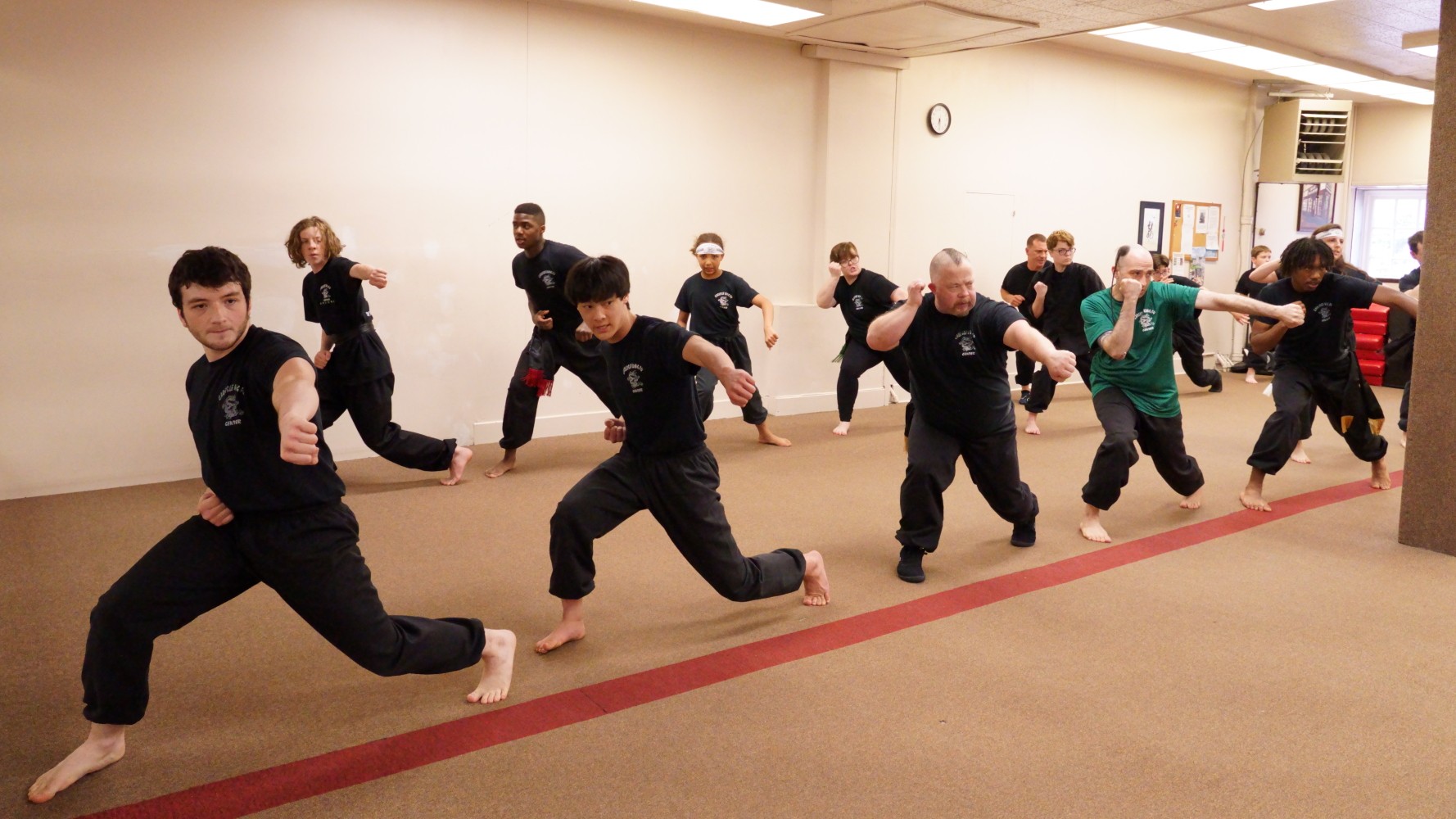
Carlisle Kung Fu Center is a traditional martial arts school, but I think what makes us different is the culture we’ve built around the training. We’ve been in Carlisle since 2001, and over those 25 years I’ve tried to create a place where people can train seriously without feeling like they have to buy into a lot of ego, mysticism, or unnecessary hierarchy.
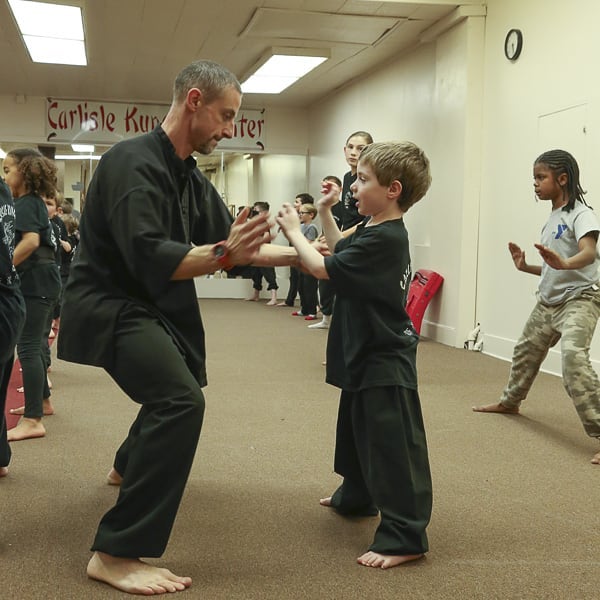
We teach kung fu as a practical martial art, but the school is also very much about long-term personal development. People come to us for a lot of different reasons. Some want confidence, some want to get in better shape, some want self-defense skills, some are looking for a positive outlet for stress or anger, and some simply want something challenging to work toward. What often happens, though, is that they stay because of the community.
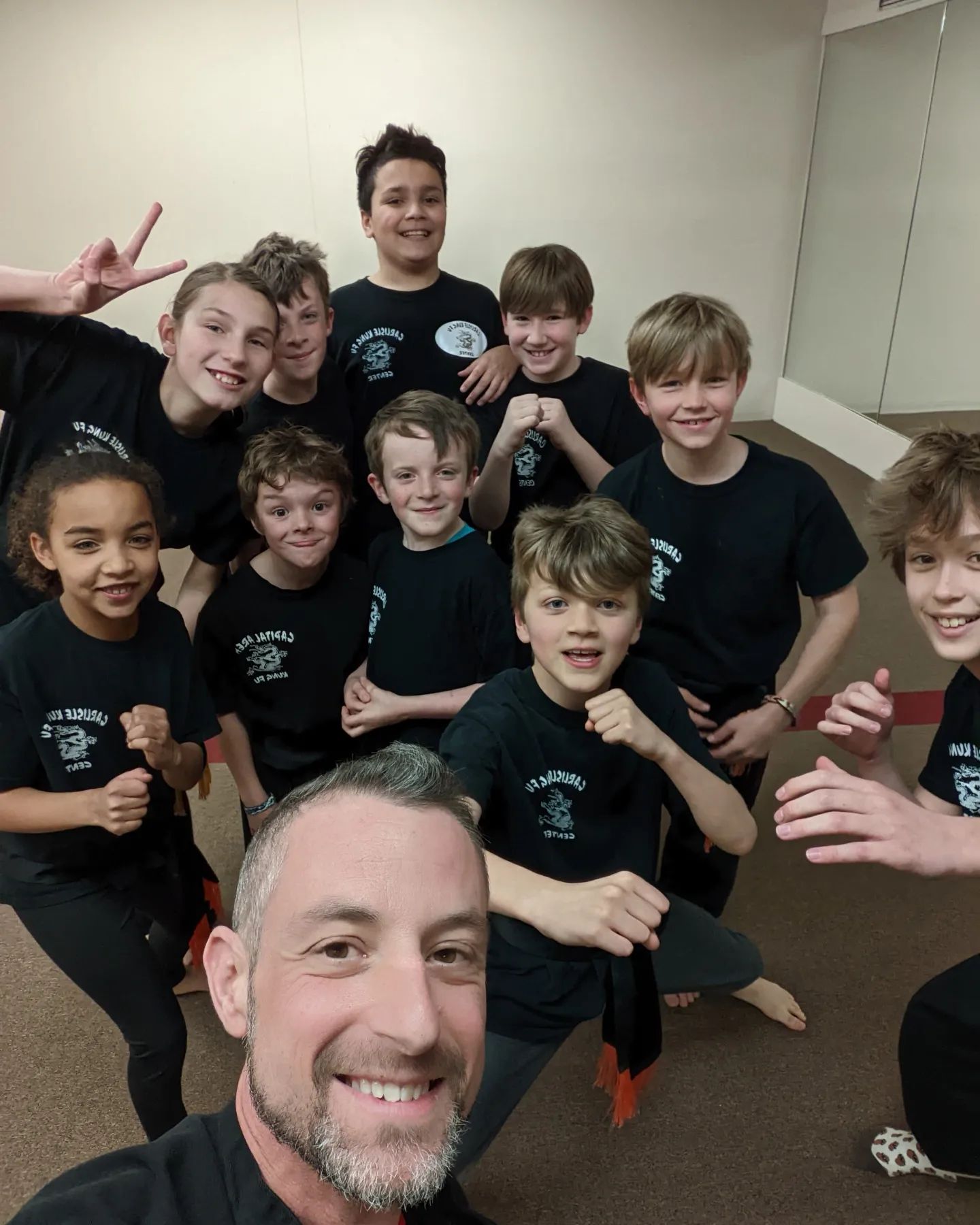
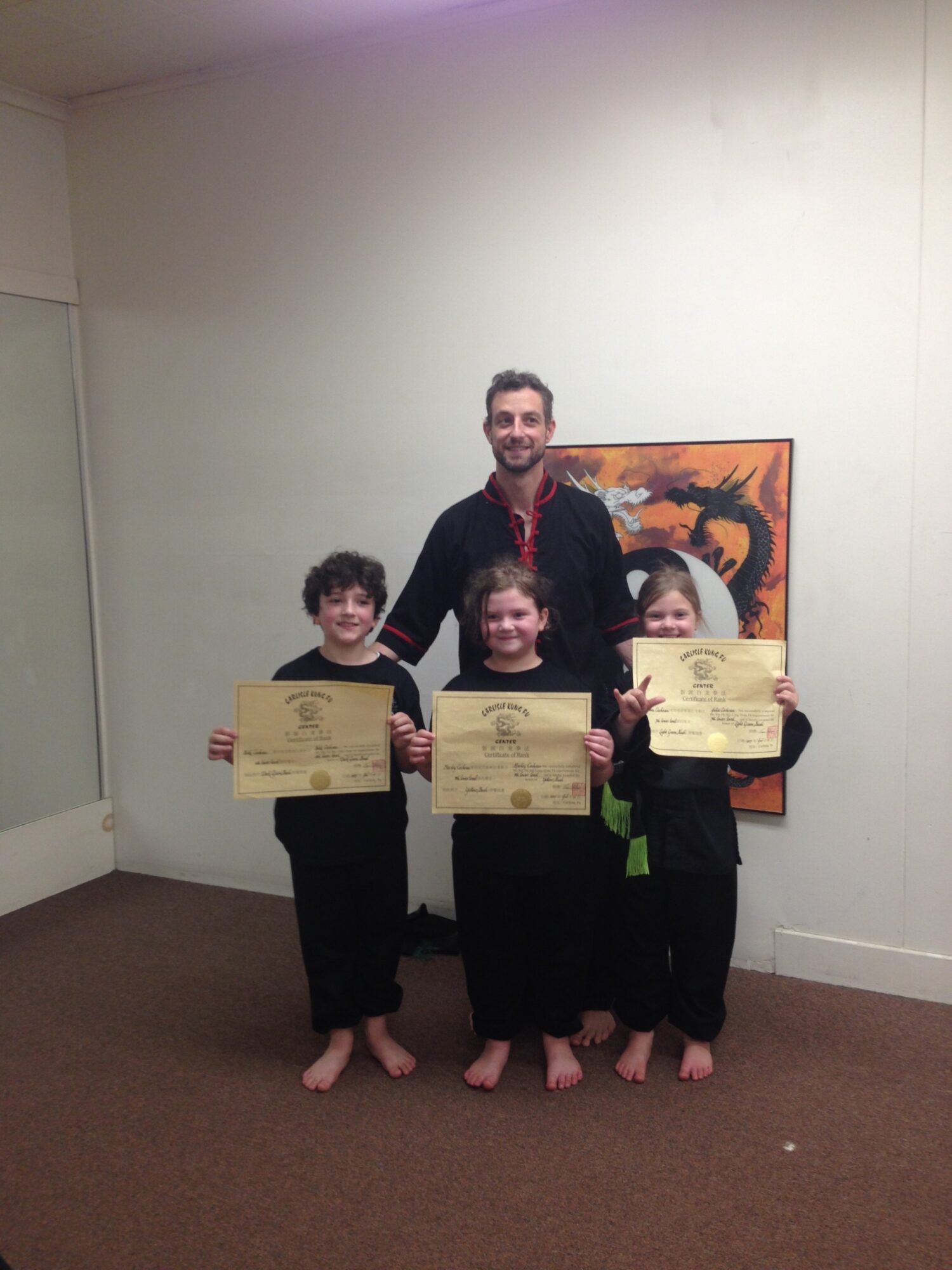
That community is probably what I’m most proud of. We have people from very different backgrounds, ages, and walks of life training together, and many of them form friendships that extend well beyond the school. I’ve had students train for decades, and I’ve watched children grow into adults while remaining connected to the school. That kind of continuity means a great deal to me.
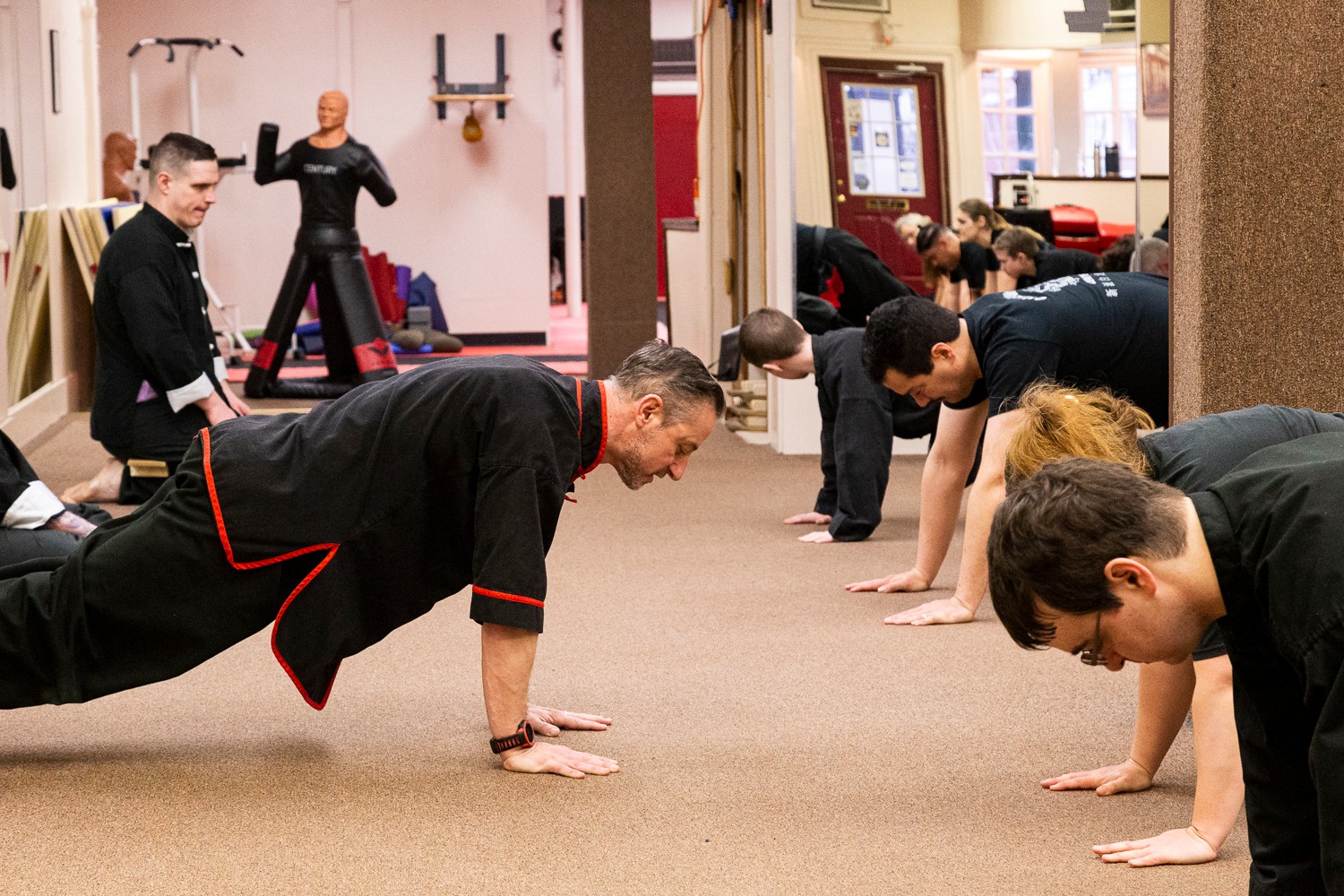
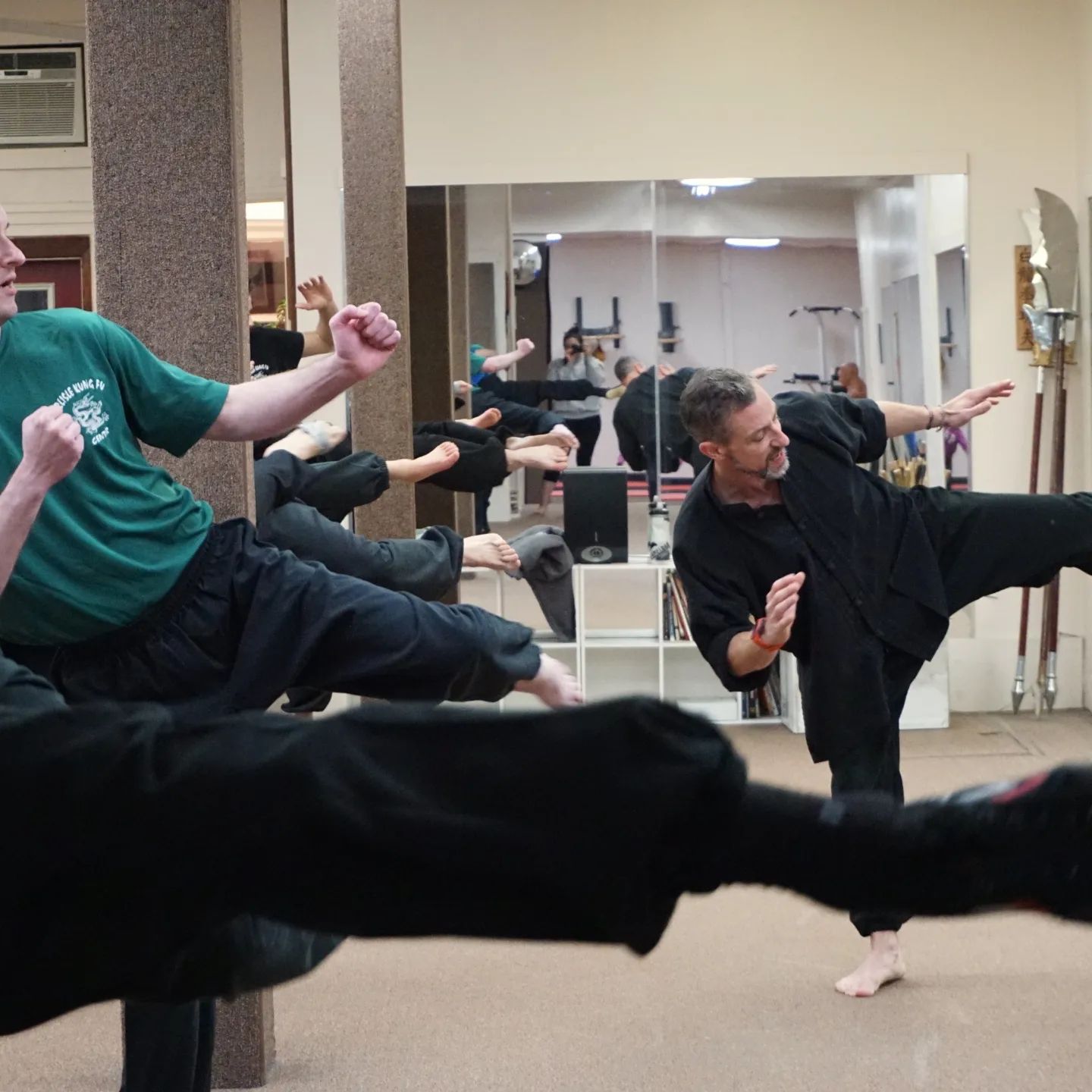
Our approach is noncompetitive. We are not focused on trophies or proving who is better than someone else. The challenge is really against yourself: becoming more capable, more disciplined, more confident, and more resilient over time. At the same time, I do believe martial arts should still be effective, so we take the physical training seriously and try to keep the practice grounded and realistic.
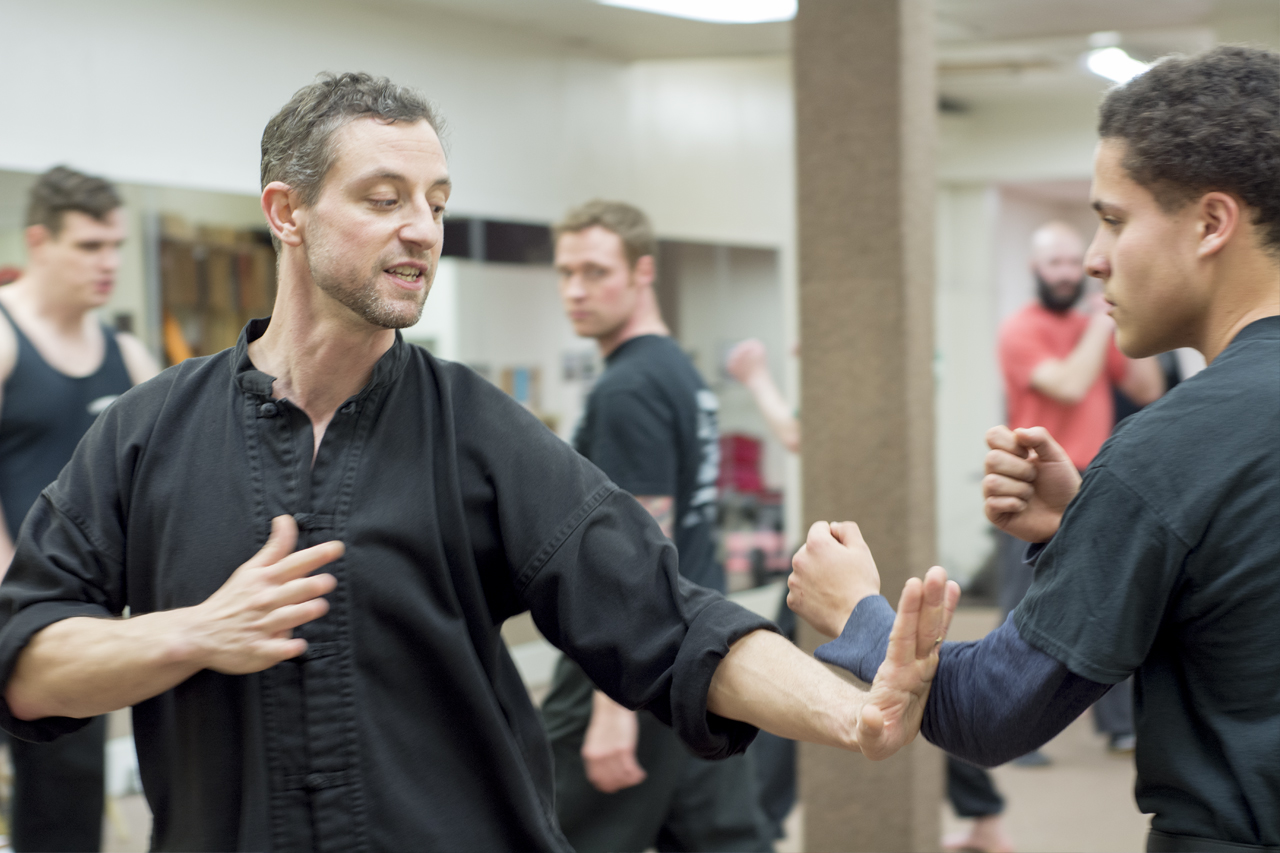
I also think skepticism is an important part of our identity. Martial arts has a long history of exaggerated claims and instructors who expect students to accept things simply because they say so. I want our students to ask questions, think critically, and understand why something works rather than just accepting authority. Good teaching should make students more independent, not more dependent on the teacher.
Brand-wise, I’m probably most proud that Carlisle Kung Fu Center has developed a reputation as a place where people can train for the long haul. We’re not built around trends or quick results. The goal is to create a practice that someone can begin as a teenager, continue as an adult, and ideally still be doing decades later.
If there is one thing I’d want readers to know, it’s that you do not have to already be athletic, confident, coordinated, or “the martial arts type” to start. In fact, many of the people who benefit the most begin because they feel like they are missing exactly those things. I know that personally, because that is very close to how I started myself.
What would you say have been one of the most important lessons you’ve learned?
One of the biggest lessons I’ve learned is that people grow at very different rates, and good teaching requires patience. When I was younger, I think I was more focused on getting people to improve quickly. Over time, I’ve learned that progress is rarely linear. Sometimes someone appears stuck for months and then suddenly something clicks. Sometimes the most important changes are happening internally and are not obvious at first.
I’ve also learned that leadership is much more effective when it is based on example rather than authority. I don’t think a teacher needs to act superior in order to earn respect. In fact, I think the opposite is true. If you work hard, stay curious, admit when you don’t know something, and treat people fairly, students tend to respond to that.
Another lesson is that community matters far more than I understood when I was younger. I originally came to martial arts for confidence, fitness, and combat skill, but what kept me there was also the sense of belonging. I see the same thing happen with students now. People may walk in looking for one thing, but often what becomes most important is the relationships they build.
I’ve also become much more comfortable with change. After 25 years, I’ve watched students come and go, children grow into adults, friendships evolve, the school change, and of course I’ve changed too. I’ve come to believe that trying to hold everything in place is exhausting and ultimately impossible. One of the most useful lessons I’ve learned is simply to accept that things are always changing and to appreciate them while they are here.
Contact Info:
- Website: https://www.carlislekungfu.com
- Instagram: https://www.instagram.com/carlislekungfu/
- Facebook: https://www.facebook.com/carlislekungfu
- Youtube: https://www.youtube.com/Carlislekungfu