


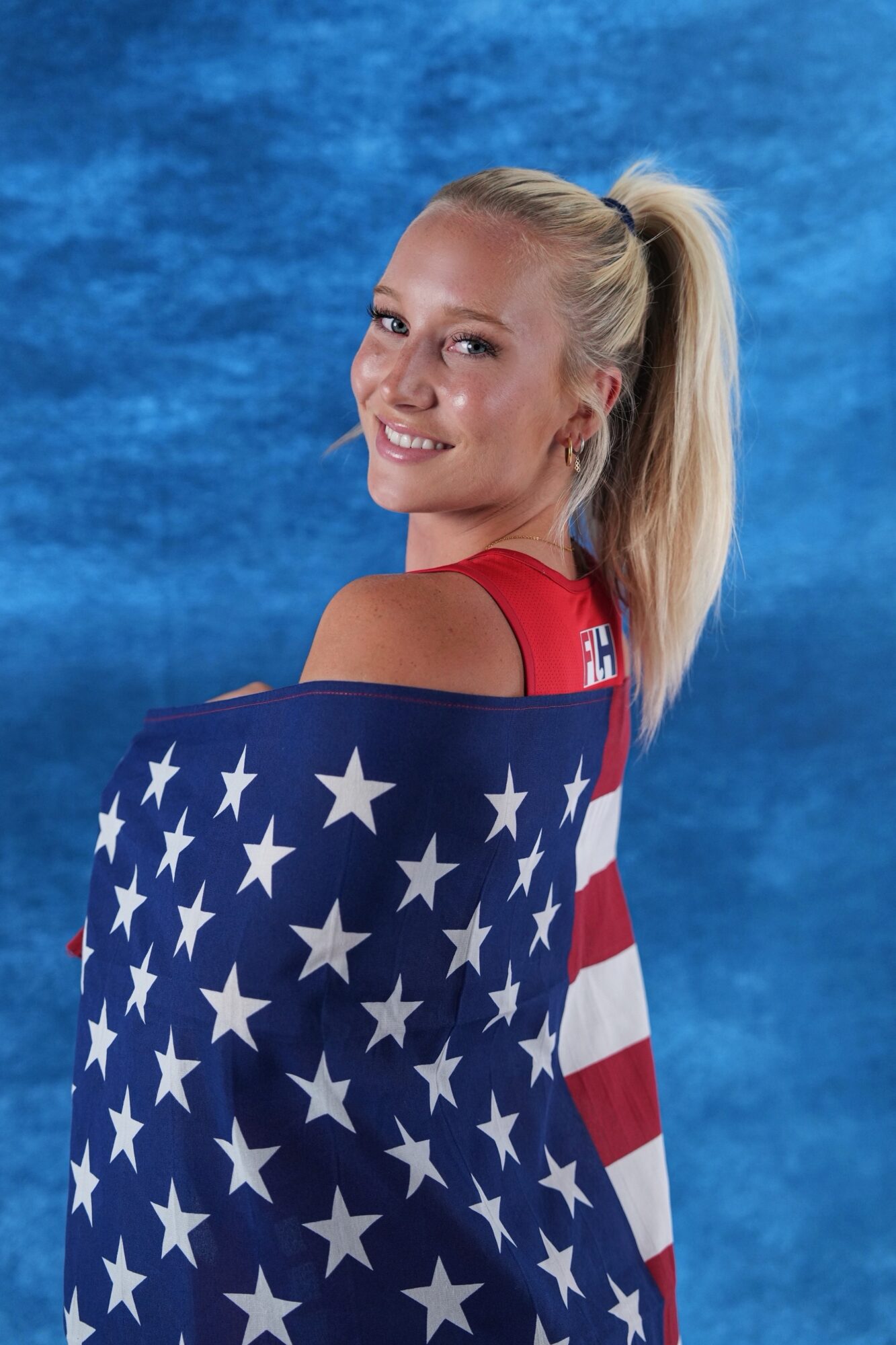
Today we’d like to introduce you to Phia Gladieux.
Alright, so thank you so much for sharing your story and insight with our readers. To kick things off, can you tell us a bit about how you got started?
I started playing field hockey in third grade, which was the earliest I could start in my school district. My older sister played, and so did all of my friends and their older sisters, so it was really a no-brainer for me – it was simply the thing to do in Oley. We not only had a dominant high school program, but also a dominant middle school and youth program, which ultimately set me and my teammates up for success.
I wasn’t very good my first year, though. In fact, I even got benched…yes, as a third grader. Oley was no joke. They played to win, which I can now really appreciate because it taught me that in order to succeed, you have to work hard. That humbling experience really lit a fire in me and gave me the drive to get better.
So that’s exactly what I did. I didn’t just get better, I went above and beyond for a nine-year-old. I became obsessed. From that moment on, I set incredibly high goals for myself and dreamed big. I wanted to play for a top club, break records in high school, play Division I, and eventually become an Olympian. Those were some hefty goals for a young girl, but I was confident, and thanks to my support system, anything seemed possible.
I played club at Xcalibur, where I received amazing coaching and gained invaluable experience. It really put me on the map. By sixth grade, I was receiving Division I offers. Now that was crazy to hear – not only for me, but for my parents, too. This entire environment was so new to us, but it was exciting.
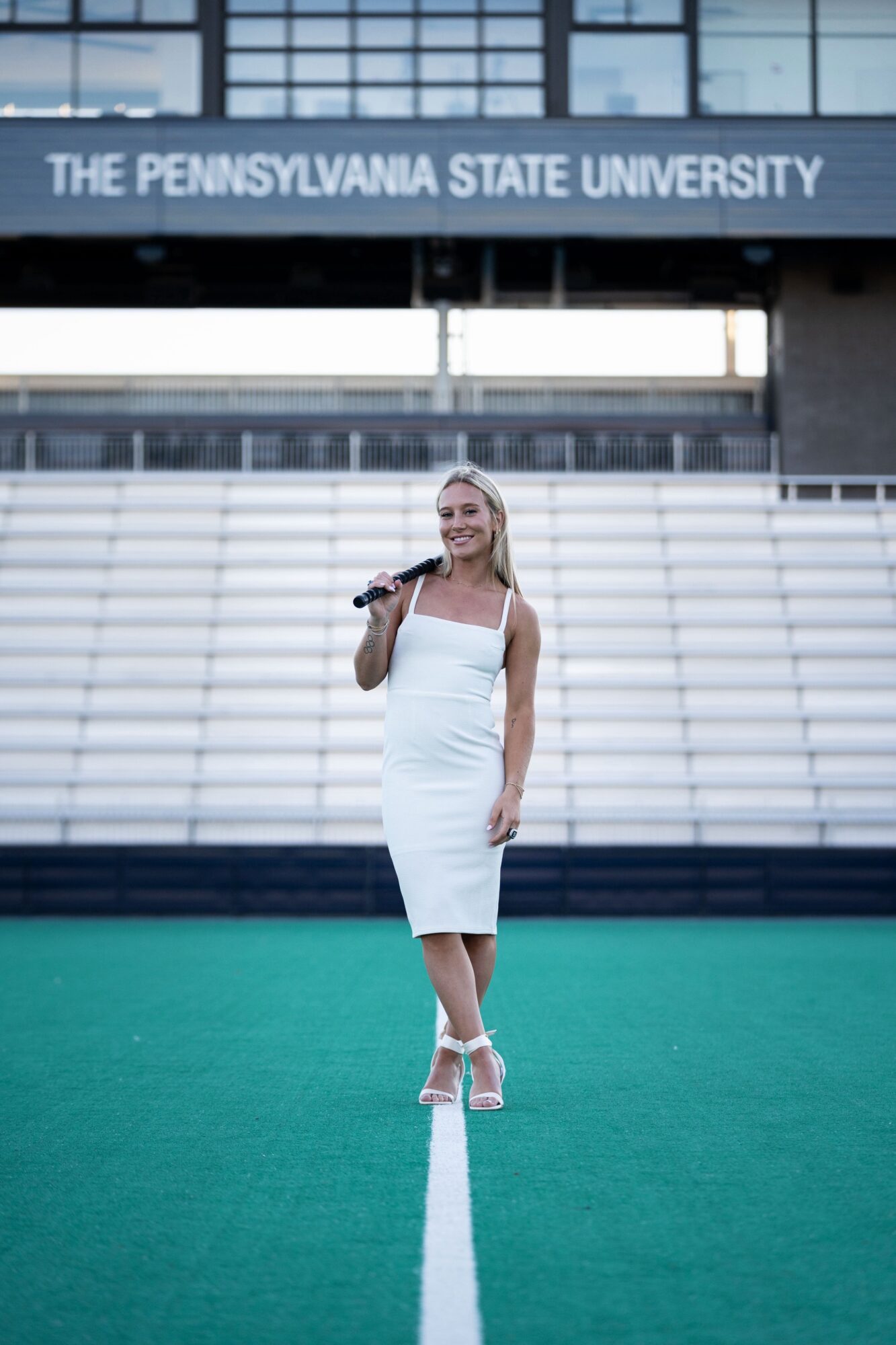
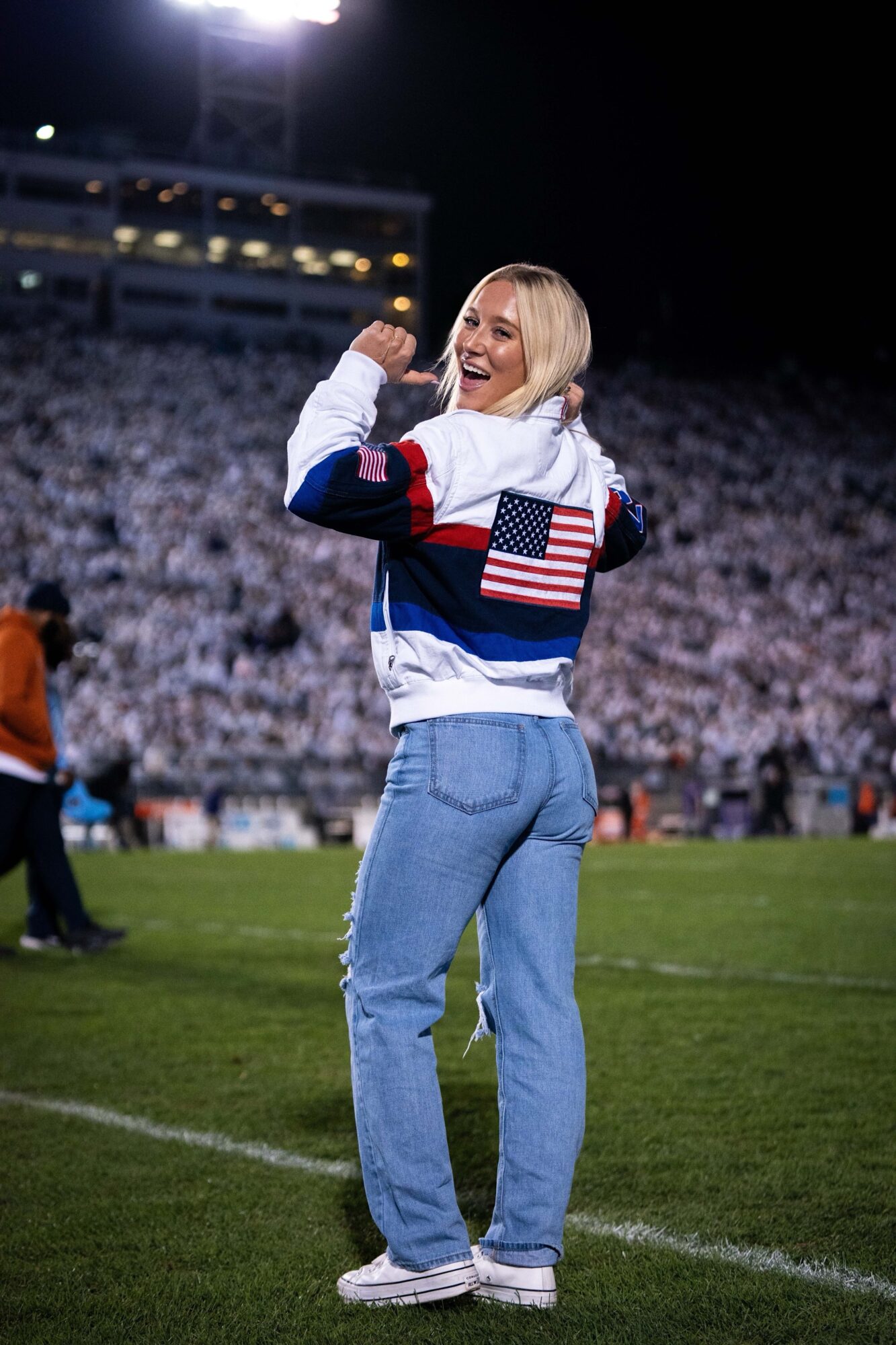
Flash forward to high school, I committed to Penn State my sophomore year. I had a very successful high school career, broke some records, won multiple championships, and then headed to Happy Valley in the summer of 2020.
My high school coach, Tiffany Cappellano, was such an integral part of my hockey career from the time I first started playing. I respected her so much, and I always felt incredibly supported and trusted by her. At the same time, she constantly humbled me. She didn’t necessarily care about my stats or individual awards during the season – she cared about the team’s success. She taught me that individual accomplishments were great, but they were never more important than what we could accomplish together. At the same time, she gave me the freedom to play my game, which allowed me to play freely, thrive, and become the player I was capable of being. That balance of trust, accountability, and team-first mentality had a huge impact on me and has stayed with me throughout my career.
Char, my former PSU head coach, was someone who instilled so much confidence, trust, and support in me, and because of that, I was able to continue to flourish. She gave me the freedom to play, and I became more confident than ever. At the same time, I was constantly pushed and humbled in college. Because of that, I never settled. I continued to strive for greatness. I wanted to be one of the best players to ever put on a Penn State jersey.
After five seasons – thanks to COVID – I became a five-time All-American and Penn State’s all-time leading goal and point scorer. None of that would have ever happened without the constant support of my coaches, and more importantly, my teammates. They trusted me on the field, supported me, set me up for goals, and helped me succeed. I never would have been able to accomplish those things without them.
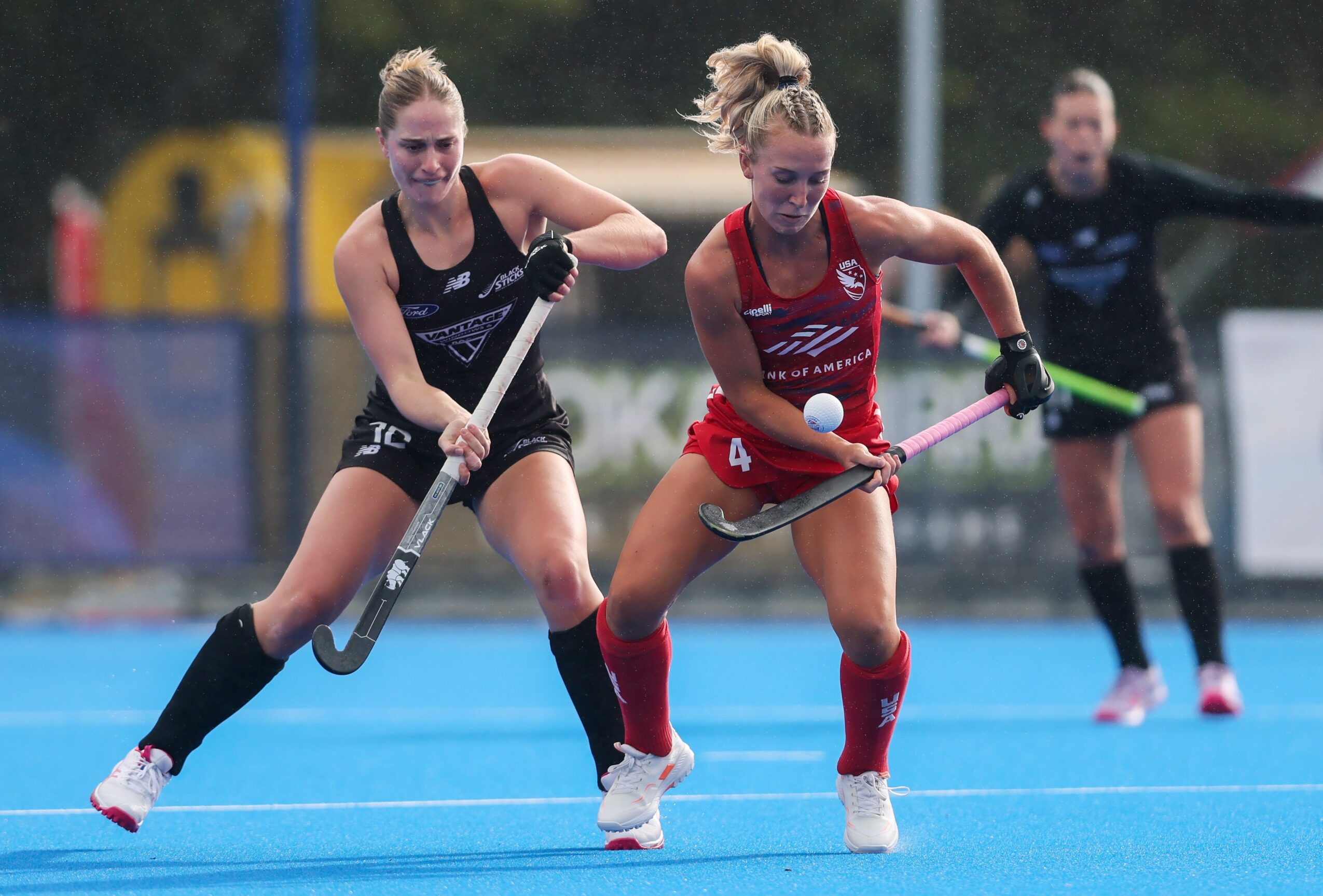
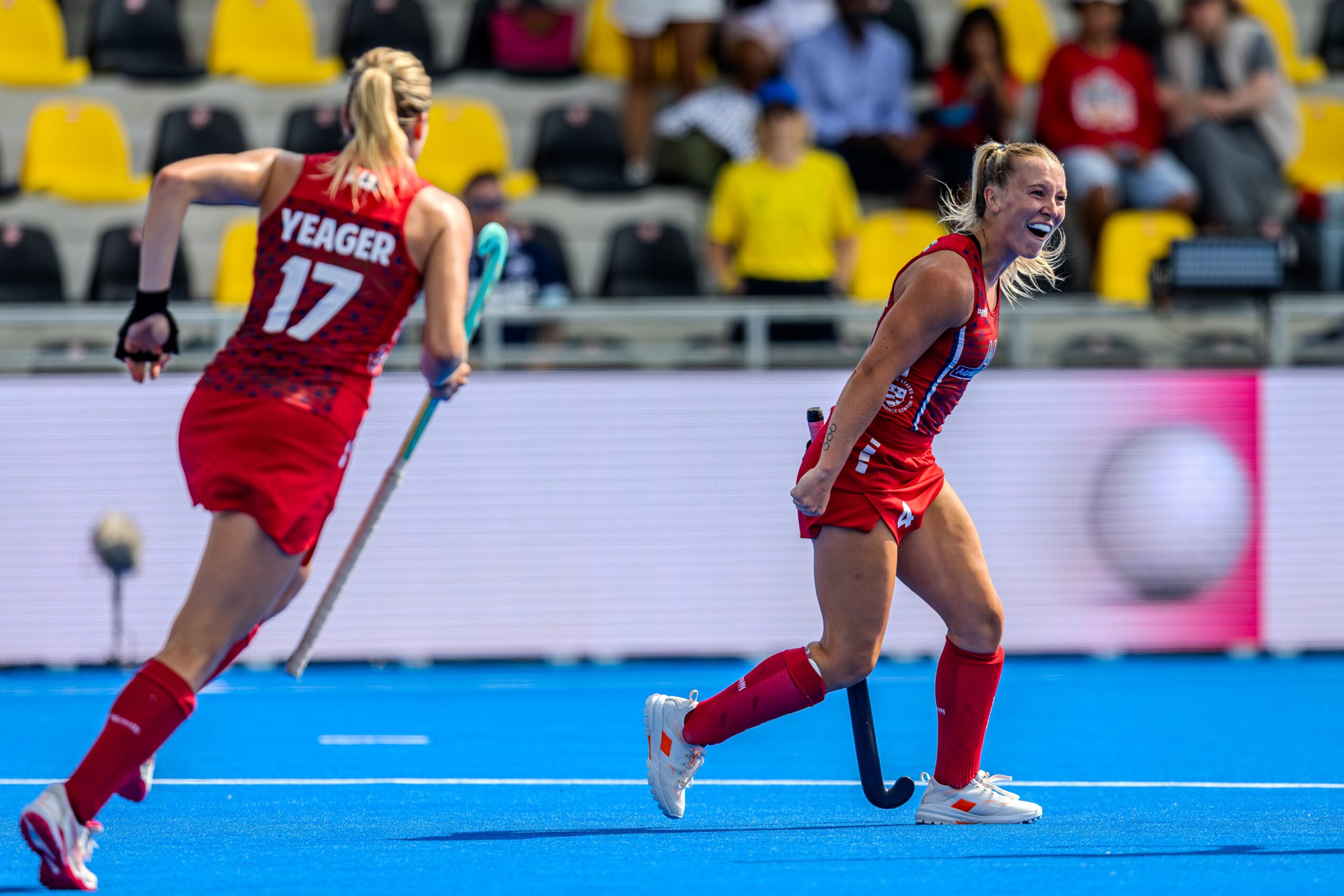
After my senior season, I was selected to the U.S. National Team just a few months before the Paris Olympics. David Passmore, who is now my current head coach with the U.S. National Team, trusted me and my capabilities enough to call me up just 6 months prior to the 2024 Paris Olympics, and give me the opportunity to compete for an Olympic spot. I had to work harder than I ever had in my life while also putting myself in one of the most uncomfortable positions: trying to establish myself on a team that already felt established.
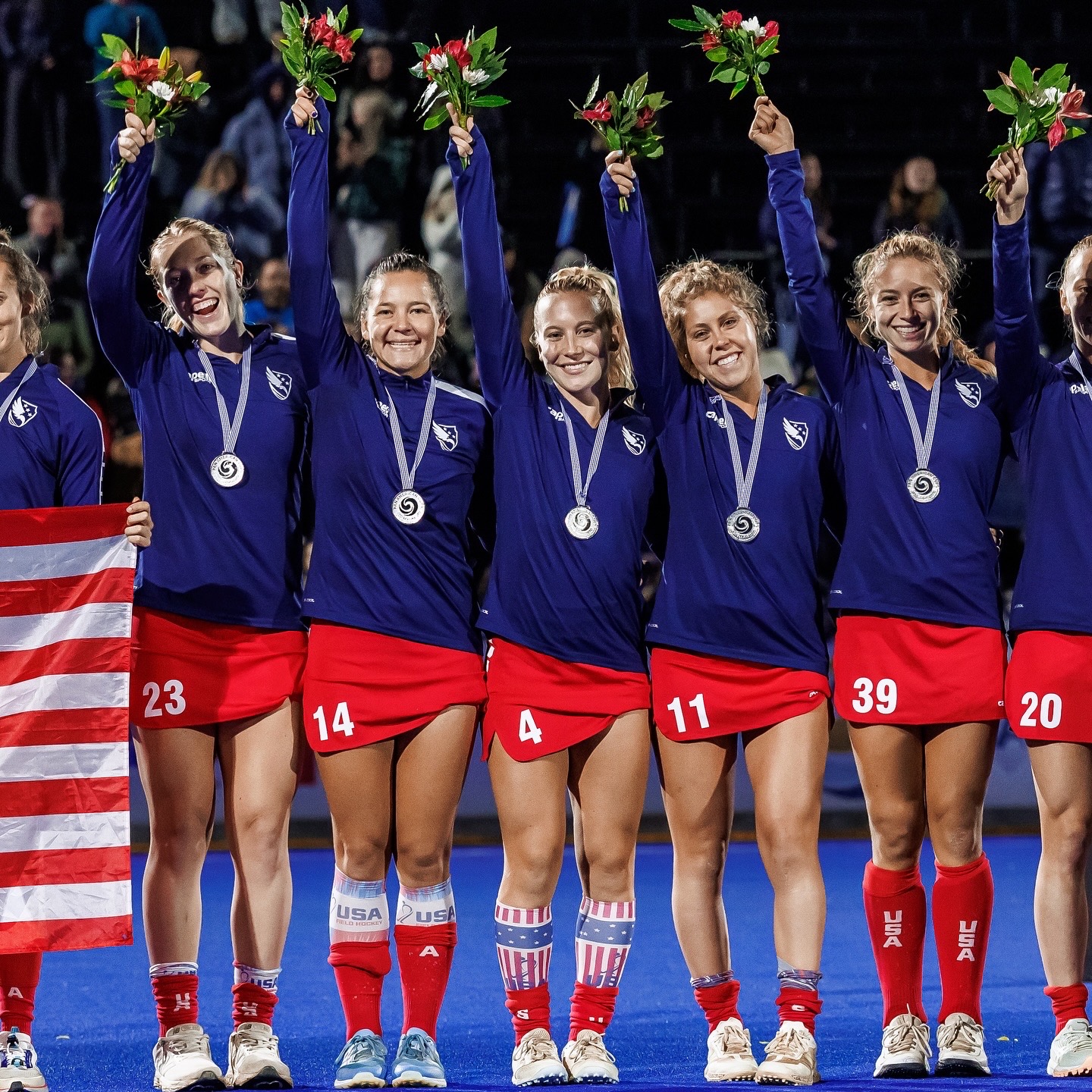
It was scary, but I knew how badly I wanted it. I knew how badly that younger version of me wanted to achieve this goal. So, for me, there was no other option. I was ultimately selected for the Paris 2024 Olympic team, and that experience changed me both as a player and as a person.
Since then, David has continued to trust me and push me to a new standard of hockey. He has challenged me to grow, compete, and continue developing into the player I know I can become. That trust and belief in my capabilities has meant a lot to me, especially because it came at a time when I was stepping into a completely new level of hockey and trying to prove that I belonged.
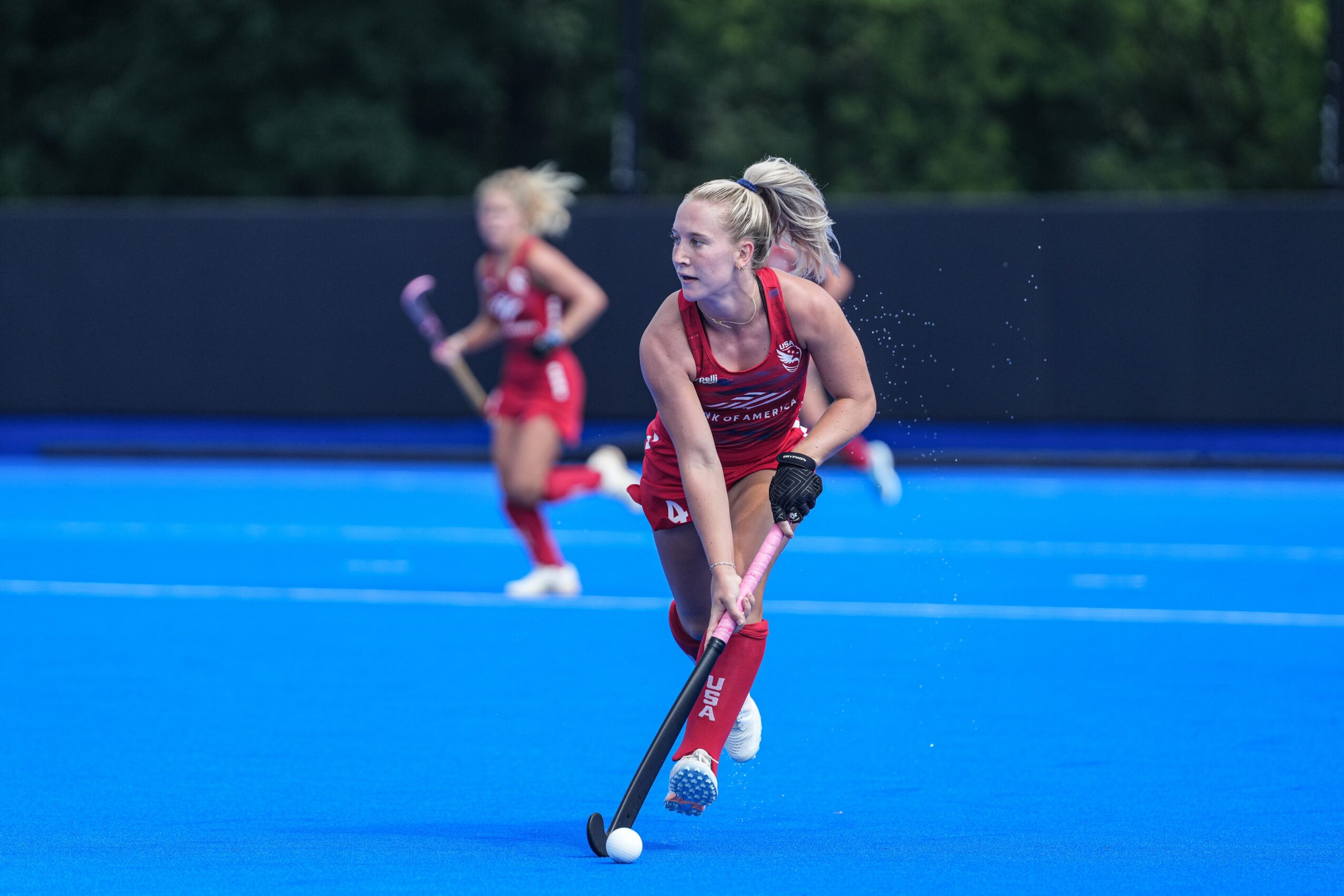
Fast forward to now, in 2026, and I’m playing full-time with the U.S. National Team, training every day with the goal of making the LA 2028 Olympic team. When I look back at that nine-year-old who got benched in third grade, it’s pretty crazy to see how far she’s come – and how that one humbling experience helped shape everything that came after it.
We all face challenges, but looking back would you describe it as a relatively smooth road?
Ha, absolutely not. But it wouldn’t be fun without a few bumps here and there!
I struggled with debilitating situational anxiety from the age of 11. It is something that has unfortunately affected my life from that point on, but I eventually learned how to cope with it and find ways to ease it. That wasn’t easy by any means, and it took approximately 13 years of struggling to finally understand it and figure out what worked for me.
My anxiety was triggered by staying away from home, and I first realized this when I went to my first overnight camp. That camp happened to be a U17 Junior National Camp for field hockey. So, here I was, an 11-year-old girl training alongside some of the best U17 girls in the country. This wasn’t some fun summer camp that a normal 11-year-old would attend – this was an elite camp with high-intensity training and a completely new environment. Looking back, it really is no surprise that I was so anxious.
From then on, anything that meant staying away from home became a huge trigger for me, and I couldn’t figure out why. My brain was constantly telling me that I was in danger and unsafe, even though nothing was ever wrong. It was the scariest feeling, and honestly, it still can be.
I remember one specific time when I was at a college overnight camp with a friend, and I couldn’t even make it through the first night. I called my dad in an extreme panic, bawling my eyes out and asking him to come get me. Of course, he did. A day or so later, when the anxiety had subsided, I felt so embarrassed that I couldn’t stay at an overnight camp when everyone else my age seemed to have no problem with it. But in those moments, I couldn’t care less about being embarrassed. I would have done anything to escape those anxious feelings.
Eventually, it got to the point where I almost completely fell out of love with field hockey because of the anxiety it brought me. I ended up stepping away from all USA Field Hockey events and team selections for my own well-being. Instead, I focused on club and high school hockey, and looking back, it was one of the best things I could have done for myself. I was able to do things at my own pace and within my own comfort zone. For the first time, I felt in control.
When college came around, my family and I weren’t sure if I would even be able to attend because of my anxiety. But, of course, I pushed past my comfort zone and did it. I started to realize that I just had to get through the hard parts, and eventually, the anxiety would fade.
So when I was asked to move to North Carolina to train with the national team with the possibility of making the Olympic team, I felt that all-too-familiar feeling in my chest. I didn’t think I would be able to do it. I almost said no. I almost declined the opportunity because I was so afraid of what being away from home and stepping into a completely new environment would do to me.
But with the help and support of my family and my boyfriend, Kevin, I pushed past my comfort zone and did it. And it ended up being one of the best decisions I could have made.
I still struggle with anxiety, but it has changed in a lot of ways over the years. I have learned so much about myself, what I need, and how to manage and cope with those feelings. Most importantly, I am no longer ashamed of having anxiety.
Instead, I try to use my experiences to advocate for mental health in sports, because it simply isn’t talked about enough. Athletes are often expected to be mentally tough, resilient, and ready for anything, but we are human, too. Struggling with your mental health doesn’t make you any less of an athlete. Sometimes, the strongest thing you can do is acknowledge what you’re struggling with, ask for help, and keep taking the next step forward.
Alright, so let’s switch gears a bit and talk business. What should we know about your work?
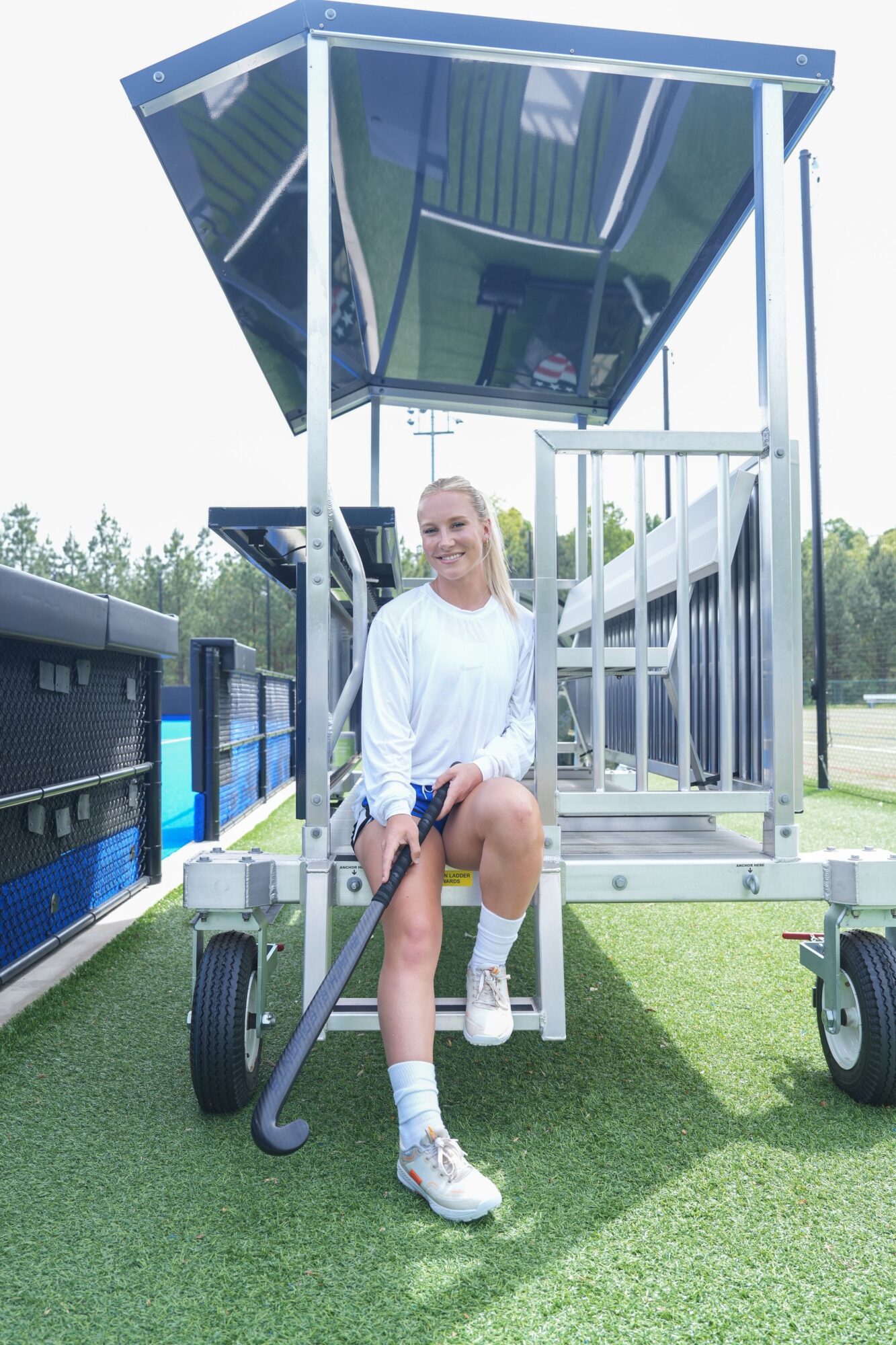
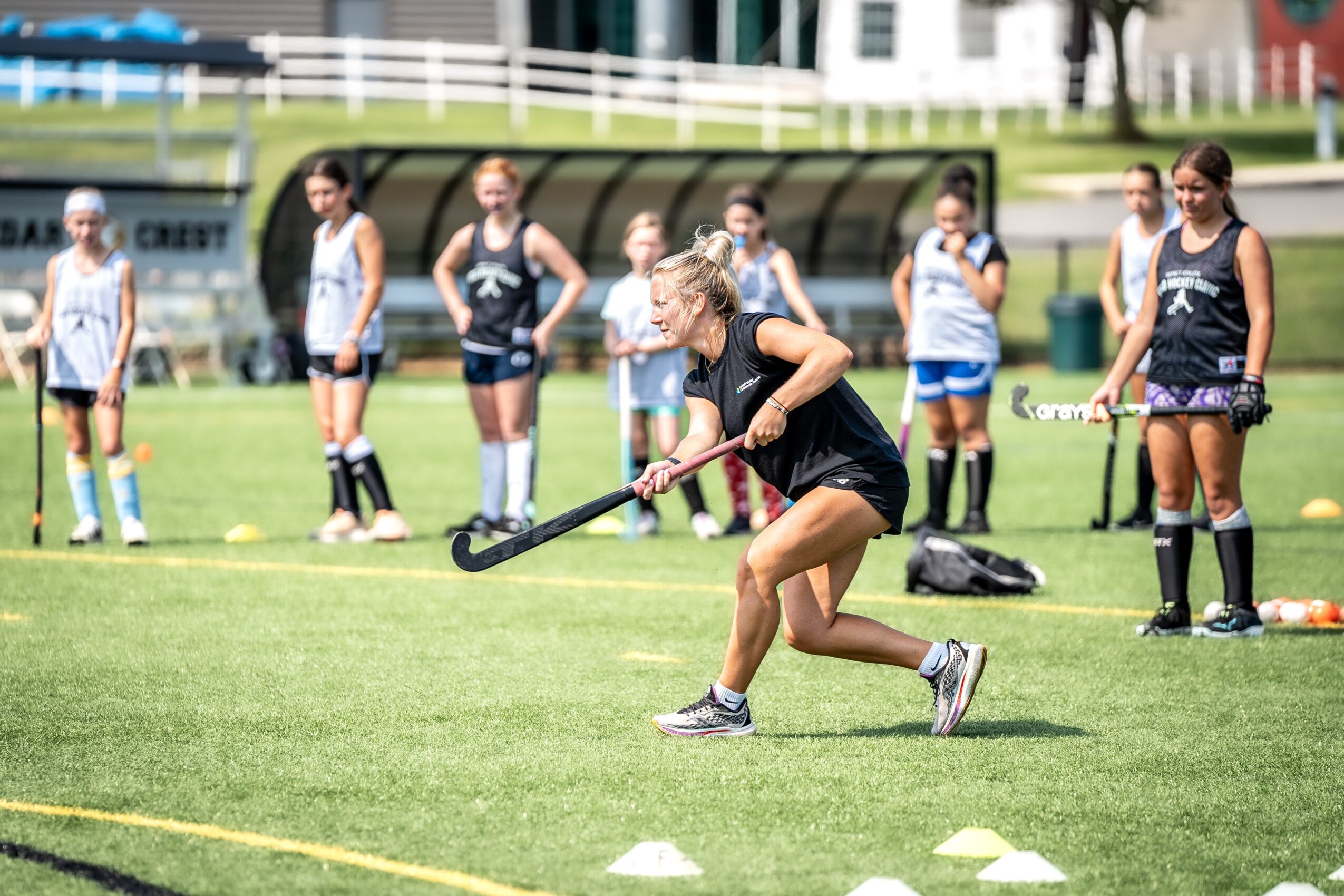
I am a professional field hockey player and currently play for the U.S. Women’s National Field Hockey Team. I am also a Penn State Field Hockey alumna. Outside of hockey, I use my social media platforms to connect with fans, share what life is really like as a professional athlete, and advocate for young girls, mental health, and body positivity.
Over the past few years, I have found a real love for content creation. I think it is such a unique way to connect with people, share my experiences, and hopefully inspire other young athletes and people pursuing their own goals.
What I am most proud of is overcoming adversity, fear, and anxiety to get to where I am today. A few years ago, I genuinely didn’t think I would make it this far in field hockey. There were moments when I wasn’t sure if I would even be able to continue playing, let alone reach the level I am at now. But I continued to push myself outside of my comfort zone, and I constantly surprise myself with what I am capable of.
I think what sets me apart is that while I am extremely competitive and always strive to be the best version of myself, I also have a deep sense of empathy and genuinely care about the people around me. I am always trying to spread positivity, support others, and put myself in someone else’s shoes. I want to be known not only for what I accomplish on the field, but also for the way I make people feel off of it.
How do you think about luck?
I don’t really believe in luck. I believe you get out what you put in, whether that’s in sports, business, or life. I wasn’t “lucky” to earn a scholarship to a Division I program or to be called up to the Olympic team. I put in the work from a very young age, set high goals for myself, and stayed committed to them. The work I put in early on eventually paid off, and I think that’s what has allowed me to get to where I am today.
Contact Info: